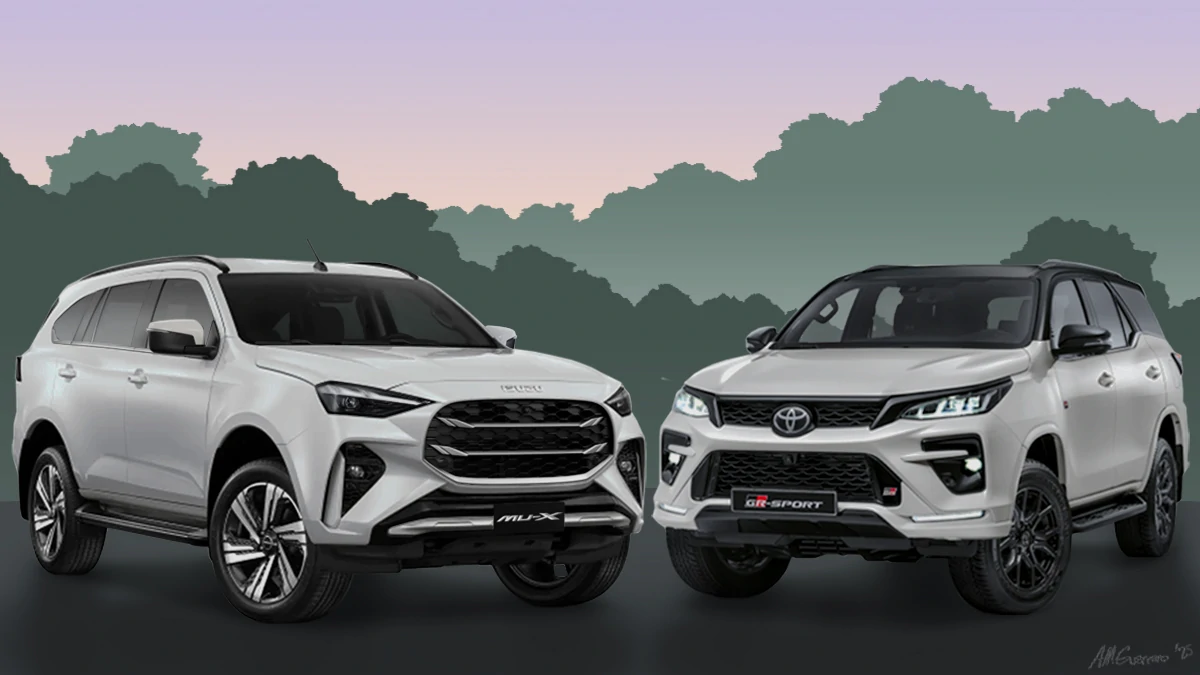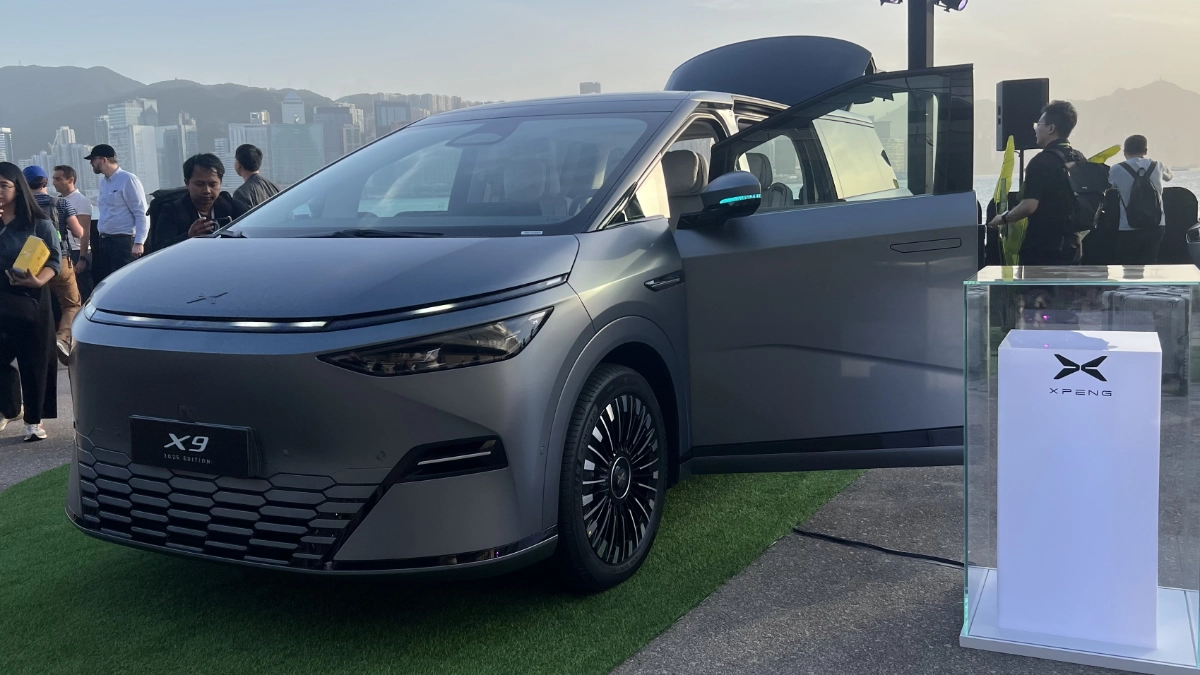
MPVs have progressively grown more popular in the Philippine automotive market. Segment stalwarts like the Toyota Innova eventually paved the way for newcomers like the Mitsubishi Xpander, the Honda BR-V, and several offerings from Chinese brands.
The MPV equation makes a lot of sense for Filipino drivers: Cargo space, extra seating, and decent fuel economy make this type of vehicle the most sensible purchase for a lot of buyers. But what if you throw a fully electric powerplant into the mix? And more interestingly, does an AI-powered cabin sweeten or sour the deal?
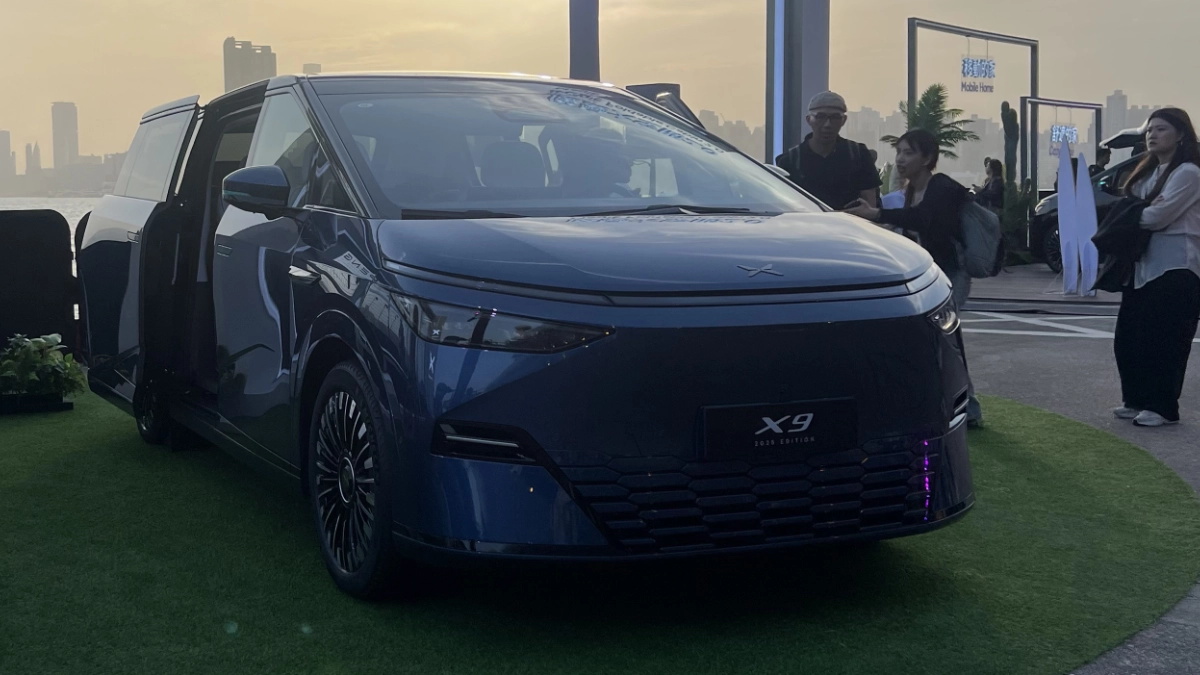
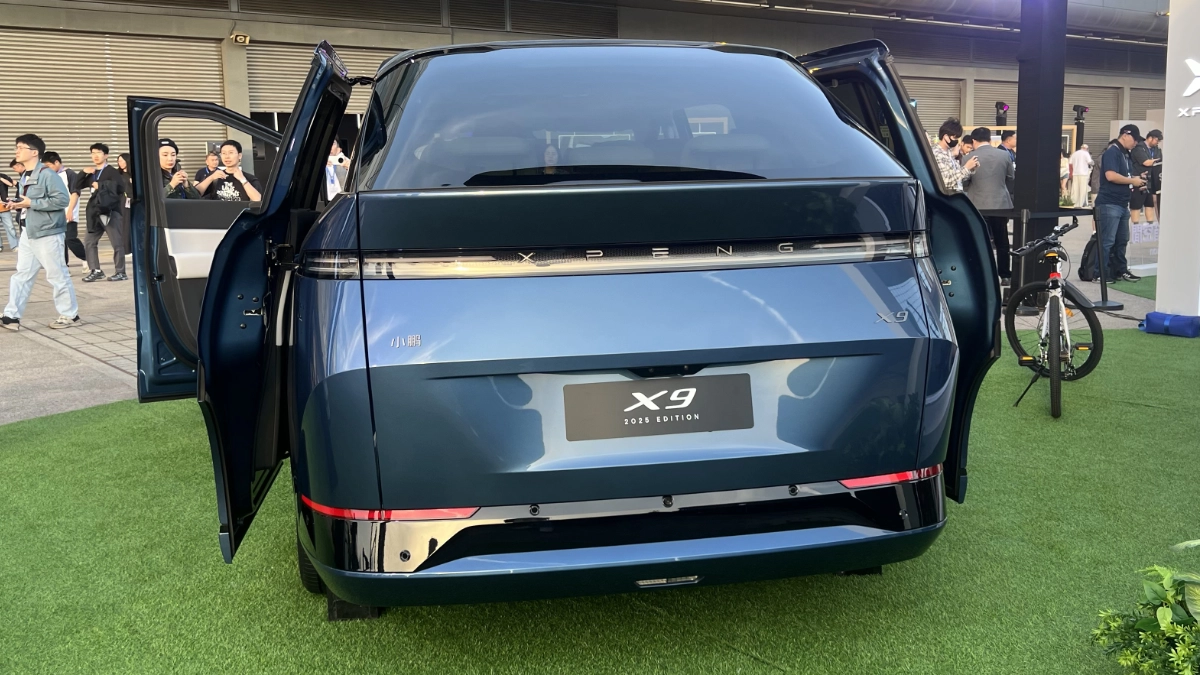
These questions come up when the Xpeng X9 is the topic of discussion. We got a closer look at it at Xpeng’s brand carnival in Hong Kong earlier this month, and it definitely poses an interesting argument against MPV segment leaders. While not necessarily a winning argument, it’s still worth thinking over.
OTHER STORIES YOU MIGHT HAVE MISSED:
First drive: The Nissan Z Nismo is not for everyone
This new AUDI EV can do nearly 800km on a single charge
A common complaint with cars from China is complicated functionality. For many models, just adjusting the A/C requires going through too many steps and screens. Xpeng follows the same blueprint with one central display and no physical buttons, but its way of cutting all the clutter is through AI and voice commands.
Anyone in the seven-seater cabin can simply call on ‘Xiao P’ and tell it to lower or raise the temperature in the X9. The windows, doors, and other moving pieces X9 can also be controlled with Xiao P. Impressively, it can even listen to multiple commands and perform them in order.
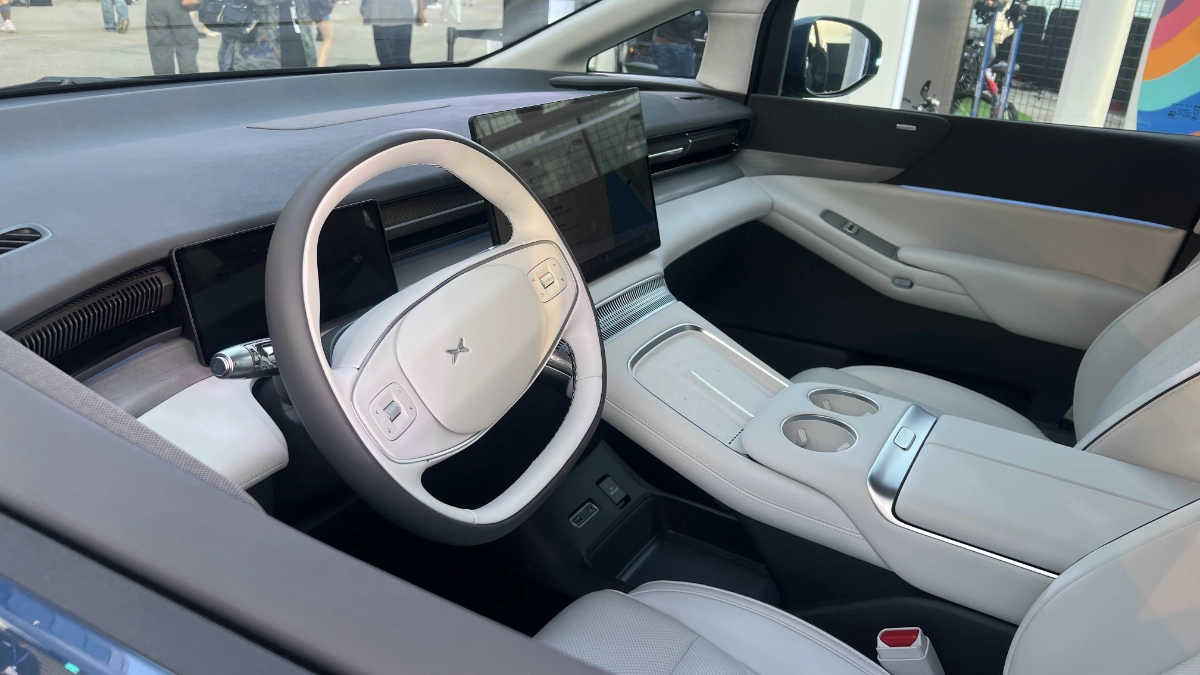
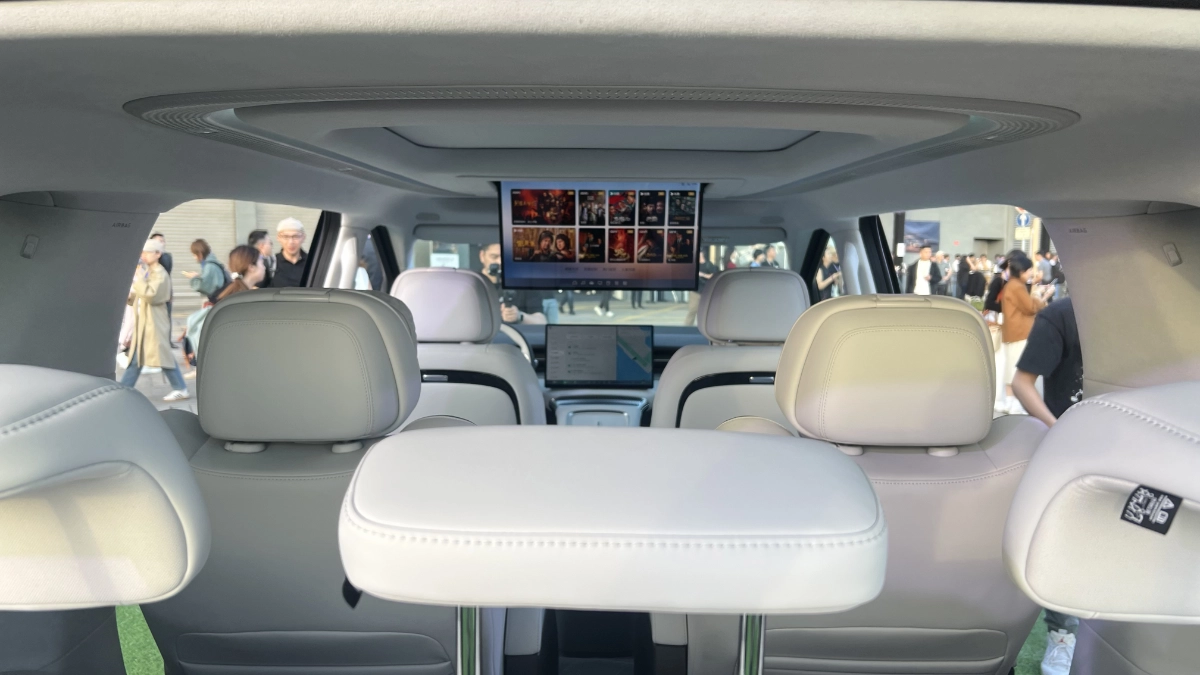
Via the central display, Xiao P can generate images and display its logical reasoning for certain commands. While its application to motoring wasn’t made clear, the limitations of AI are always up to the ones in control. The use of Xiao P and the driving experience in the X9 then becomes a developing interaction with its driver and passengers.
However, that relationship can only start if the drivers and the passengers are willing to get past the learning curve of owning an EV and using AI whenever they go for a drive. The ongoing reception to the BYD eMax 7 can inform us on the former, but the latter is a trickier thing to infer.
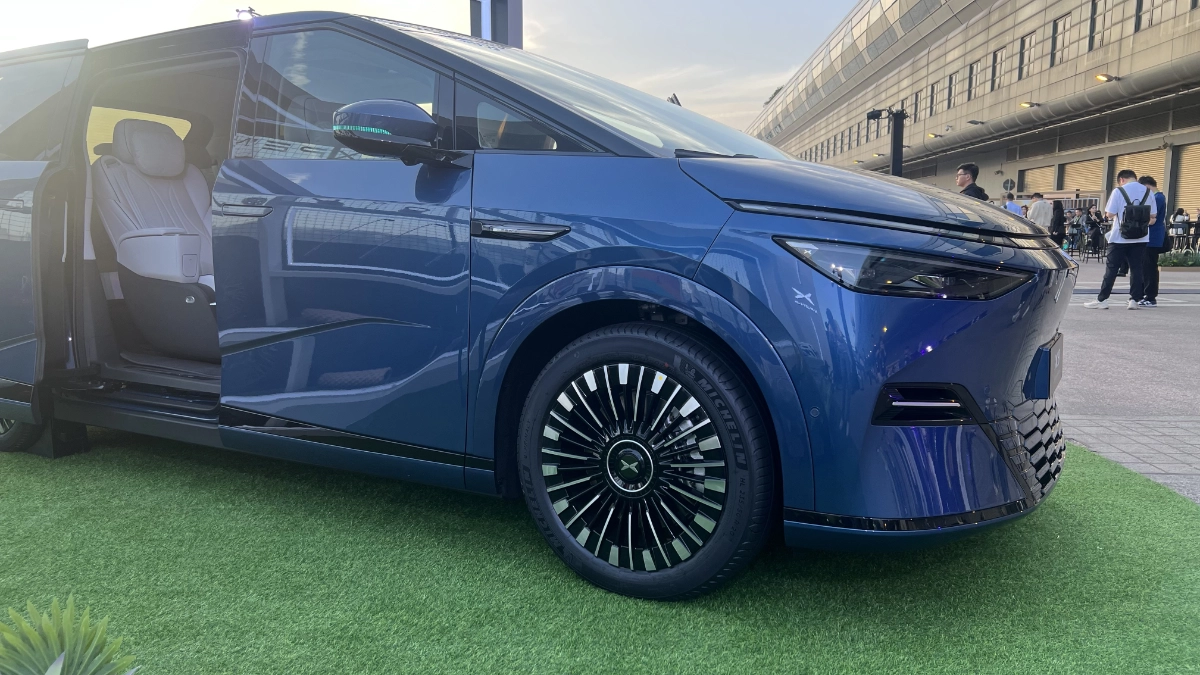
We were not given a chance to take Xpeng X9 for a drive while we were in Hong Kong, so we can’t give any impressions on how it is as an actual vehicle. With all those discussions on AI and functionality, we almost forgot to ask if the X9 handles well or accelerates smoothly. Ironically, all these technological advancements threw us back to the fundamental aspects of vehicles and how we evaluate them.
Xpeng, as a brand, has yet to make any official noise in the Philippines, and we don’t see it coming anytime soon. While the X9 is very comfortable, with massaging seats and all that good stuff you usually find in a premium seven-seater, it’s still a fascinatingly complicated vehicle.
Would you be willing to own an AI-powered car?