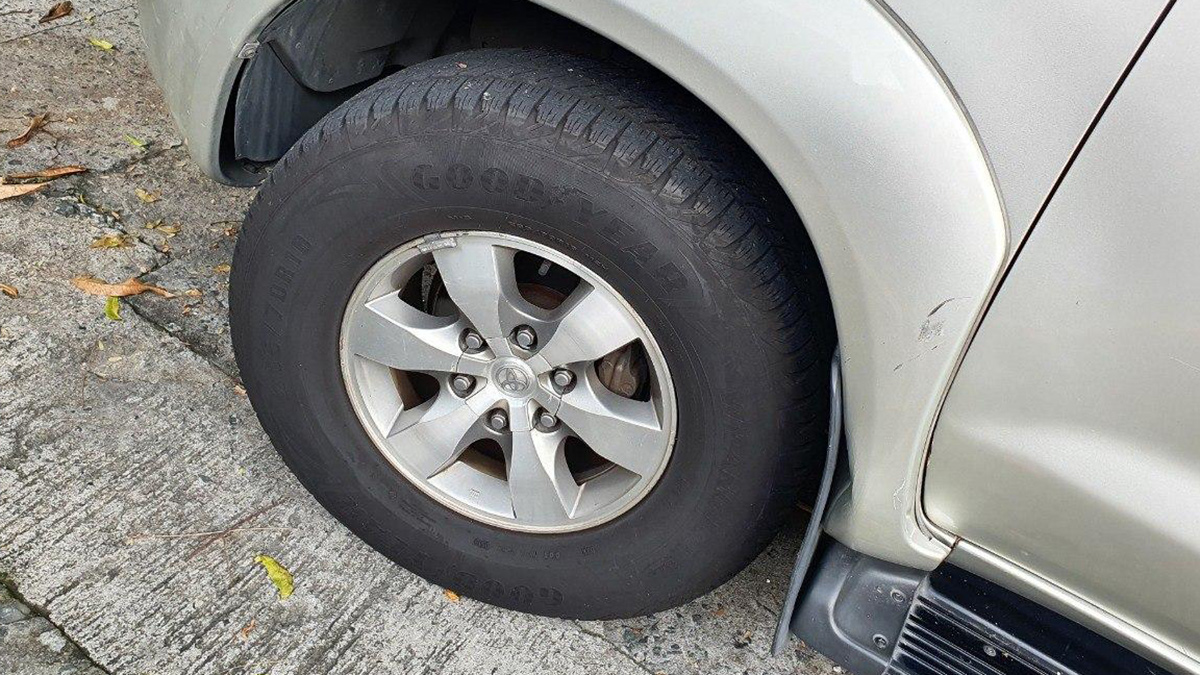
Everyone knows that tires aren’t cheap. If we’re talking good quality tires (and you should really go for those), a set will easily ring up five digits in your bank account.
However, tire maintenance seems to be an overlooked aspect of vehicle ownership. For the most part, people will gladly keep using the same set as long as it’s round and isn’t flat. It’s important to prolong the life of these, and it’s not just for the sake of getting your money’s worth.
A good tire is a safe tire, and one wouldn’t want to be inconvenienced or get caught in an accident because of a bad one. With that, here are five simple tips to keep your tires rolling for longer.
OTHER STORIES YOU MIGHT HAVE MISSED:
Apparently, the Philippines has the second largest allotment of Land Cruisers in the world
Spec-sheet showdown of the ’90s: Honda Civic VTi vs. Mitsubishi Lancer GLXi vs. Toyota Corolla GLi
A quick look always helps

Doing a quick inspection before leaving is a good habit if you haven’t picked up on it yet. There are a couple of good reasons for doing this. You’ll see if all your tires are still holding the car up, and you’ll see if there’s any debris lodged within your tire, whether its pebbles, bit of wood, or anything that can potentially cause a puncture. It’s better to take a quick look than driving off with a flat without noticing.
Proper inflation is key

It’s not enough that there’s air in your tires. One has to understand the additional wear if these are either underinflated or overinflated. Underinflation will eat through the outer edges of the tire, whereas the opposite will wear out the center.
To prevent that from happening, adjust the tire pressure accordingly to your load. The correct figure can be seen on your vehicle’s door sill and in the owner’s manual. If you bumped up the pressure after carrying a significant amount of weight in your car, don’t forget to air it down afterwards.
Keep it aligned
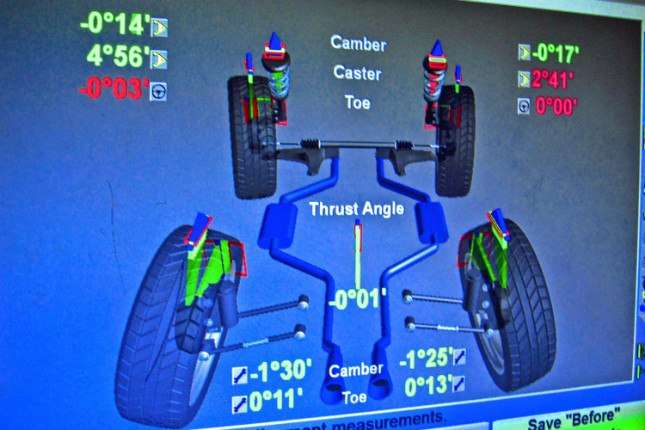
Misalignment can be caused by worn suspension parts, damage, or wear and tear. Before you even go to the tire center, ensure that your suspension parts are up to par. If not, it’s best to replace the worn out components or repair the damage. Once you’ve done that, your car is ready for a wheel alignment and further prevent uneven wear.
Balance and rotate

Most vehicles are two-wheel drive, hence, either the front or rear wheels (depending on your vehicle) get worn out faster than the other. To keep the wear as even as possible, swap the front and rear wheels around as instructed in the owner’s manual, including your spare if applicable. While you’re at it, it’s ideal to get each wheel balanced to avoid misalignment and vibrations.
Be a smooth driver

The faster the tire rotates, the more it degrades. Okay, we’re not telling you to drive at 40kph everywhere, rather, drive at appropriate speeds. Slamming on the brakes won’t help, nor will lunging into corners. Tires don’t like sudden movements, hence why they screech and squeal in protest if you do. Be gentle on your tires, take care of them, and they’ll take care of you, especially in an emergency maneuver.