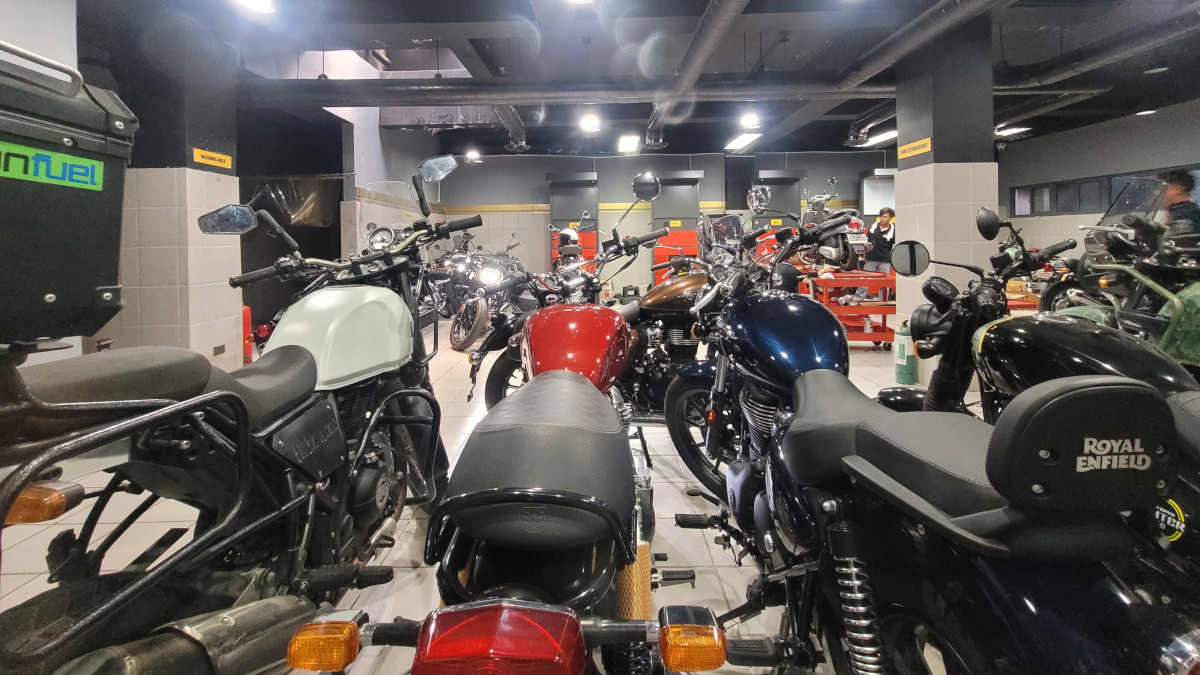
And just like that, we’re already halfway through the first month of 2024. After all the holiday events and long rides, it’s back to the reality of city traffic and the daily grind. To ensure the roadworthiness and reliability of your daily commuter and avoid costs in fines and expensive repairs down the line, it’s best to get regular motorcycle maintenance tasks out of the way as soon as possible before you forget.
While some tasks may need to be performed more frequently based on usage and environmental conditions, these are just some annual chores and general maintenance tasks you should be doing for motorcycles.
1) Get your LTO registration renewed.
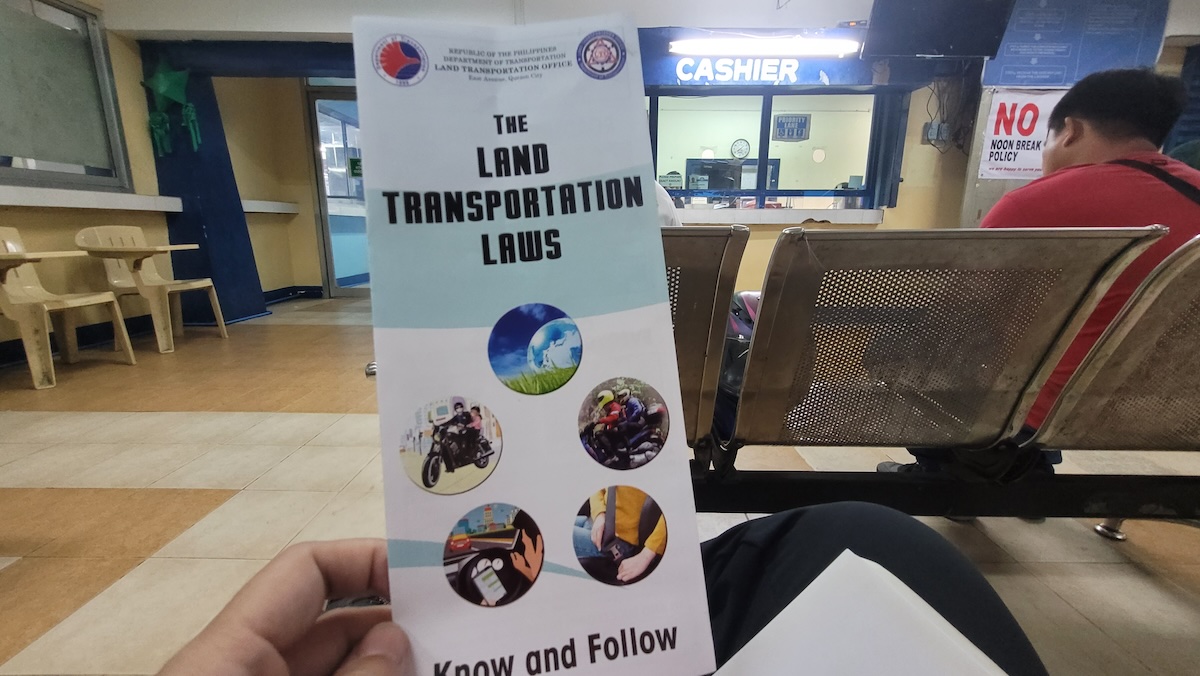
Renewal of motorcycle registration must be done every year except for new motorcycles, which now have a three-year validity. The Land Transportation Office (LTO) announced through its Memorandum Circular No. JMT-2023-2395 that the three-year validity of vehicle registration has been granted for all motorcycles—including those with 200cc engines and below—effective May 15, 2023. After the first three years, the registration should be renewed yearly, similar to cars and other motor vehicles.
Not sure of when to renew your bike? For your renewal month, just look at the last number in your license place:
- 1 – January
- 2 – February
- 3 – March
- 4 – April
- 5 – May
- 6 – June
- 7 – July
- 8 – August
- 9 – September
- 0 – October
To determine the weekly deadline, refer to the second to the last digit of your plate number:
- 1, 2, 3 – 1st to 7th working day
- 4, 5, 6 – 8th to 14th working day
- 7, 8 – 15th to 21st working day
- 9, 0 – 22nd to the last working day
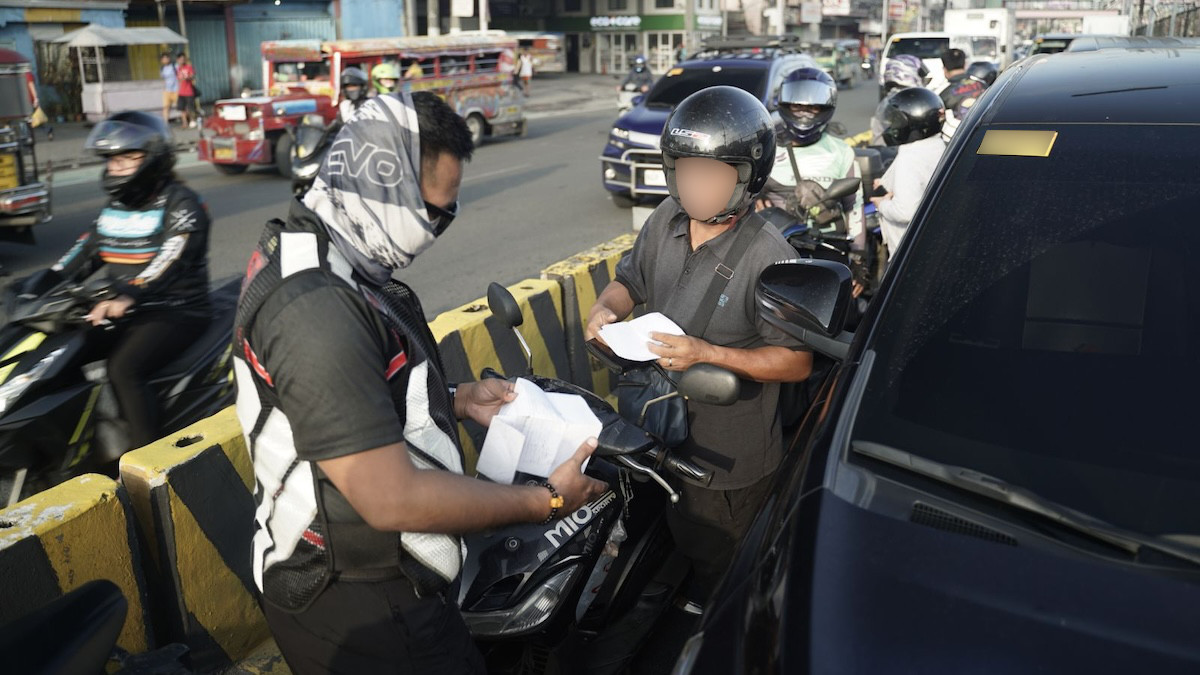
According to LTO, motorcycle vehicle registration may be renewed one month before the due date for renewal, but not later than the last working day of the week indicated by the second to the last digit of the plate number. There’s a penalty of P100 for motorcycles for late registrations, and remember that if you’re caught violating the ‘no registration, no travel’ policy, the corresponding fine is P10,000.
But how do you know if you’re due for renewal if you still don’t have your permanent number plate yet—which is the case for many motorcycle owners out there? According to LTO: “If you do not have a permanent LTO number plate yet due to the backlog in LTO, you will need to use the dealership release date as your basis for the yearly renewal of your motorcycle registration.”
Last year, LTO made it possible for the renewal of LTO vehicles to be done online through the LTMS portal, provided you meet certain conditions. Read the full guide here.
However, this still requires you to head out for the smoke emission test, the appropriate Insurance Certificate of Cover, and the Motor Vehicle Inspection Report (MVIR), so you might as well just swing by LTO to finish the process.
Based on my recent experience renewing this month, the process feels more streamlined. If you’re based in Quezon City, you can get everything done in less than two hours at CHE Autocheck Emission Testing Center along V. Luna Road and the LTO Main Compound on East Avenue.
Cost breakdown for motorcycle registration renewal in 2024
- P400 – smoke emission test
- P600 – insurance
- P240 – the registration fee
2) Schedule a regular Preventive Maintenance Service (PMS).
The Periodic or Preventive Maintenance Service (also known as PMS) is a general guideline set by different brands to ensure that your vehicle is in top shape. Even if you don’t detect any problems, it’s good practice to get your bike checked periodically as suggested by your motorcycle manufacturer to enhance the motorcycle’s performance and save on maintenance costs.
Conduct a thorough visual inspection of the entire motorcycle, looking for any loose or damaged parts, and mention any issues to your mechanic during the PMS.
The PMS usually includes a regular tune-up, change oil, air filter cleaning or replacement, an inspection of brakes, adjustment of chain, checking of suspension, and other routine tasks.
If you want your bike to be ride-ready at all times, you should be getting it serviced every six months. This could range anywhere from 5,000km to 10,000km for big bikes. Smaller motorcycles usually have shorter service intervals, which means your PMS schedule might be due every 1,000km to 2,000km or so.
Some brands also recommend changing a motorcycle’s drive belt every two years or every 10,000km or so, so make sure to have this checked at your motorcycle service center.
Refer to your manual for the exact interval depending on the brand, model, and service center, and keep note of it. Some bike models conveniently have a service reminder on the dashboard to remind riders when the vehicle is due for service.
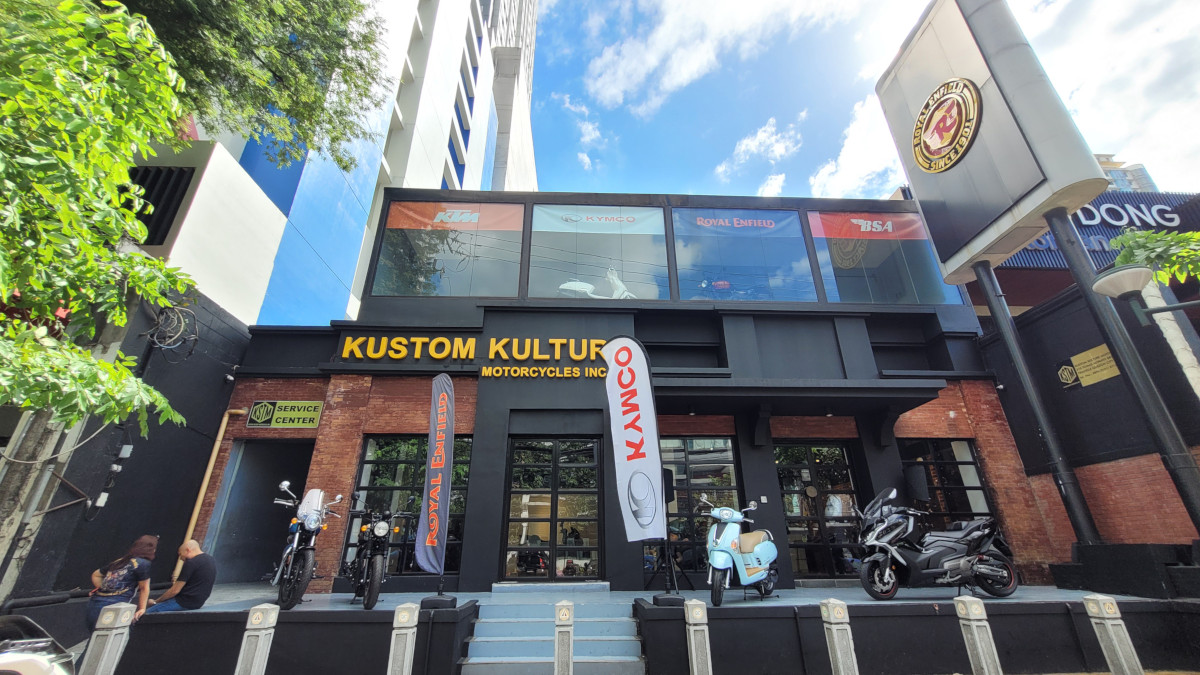
We recently got our motorcycles serviced at Kustom Kulture in Quezon City, an authorized service center for Royal Enfield and Kymco motorcycles for maintenance and repairs. Depending on the number of vehicles being serviced at the center and what you’re having done, this can easily eat up half a day to a whole day, so it’s best to combine this with other errands in the area. Bring a laptop so you can still get work done while waiting. Thankfully, this service center has a comfortable air-conditioned waiting area with sockets and free coffee so you can work while waiting.
3) Ensure your battery is still in good condition.
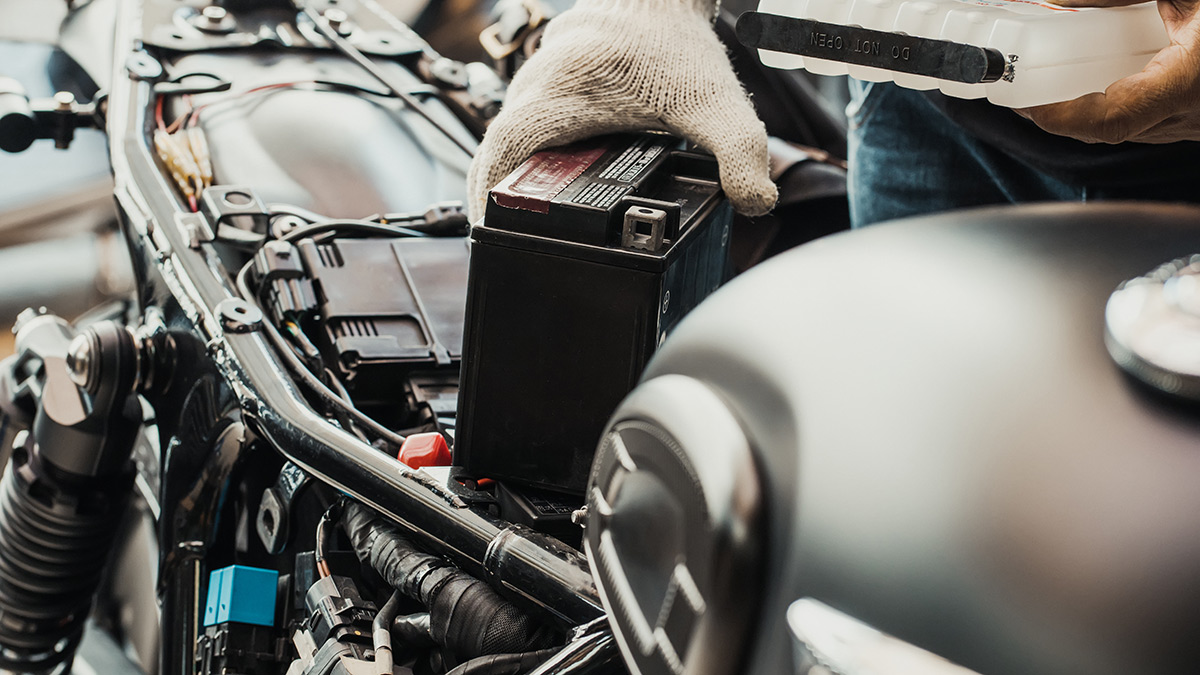
With proper care, a good motorcycle battery can last you at least two to three years. Riders should complete regular checks and charge their motorcycles to maintain the health of the battery and spark plugs. For safety, your motorcycle battery should be inspected every 5,000km to 10,000km and replaced every one to two years.
Again, this depends on your motorcycle make and model as each battery may be different. Make sure to refer to your bike’s manual for recommended service details.
4) Inspect your lights.
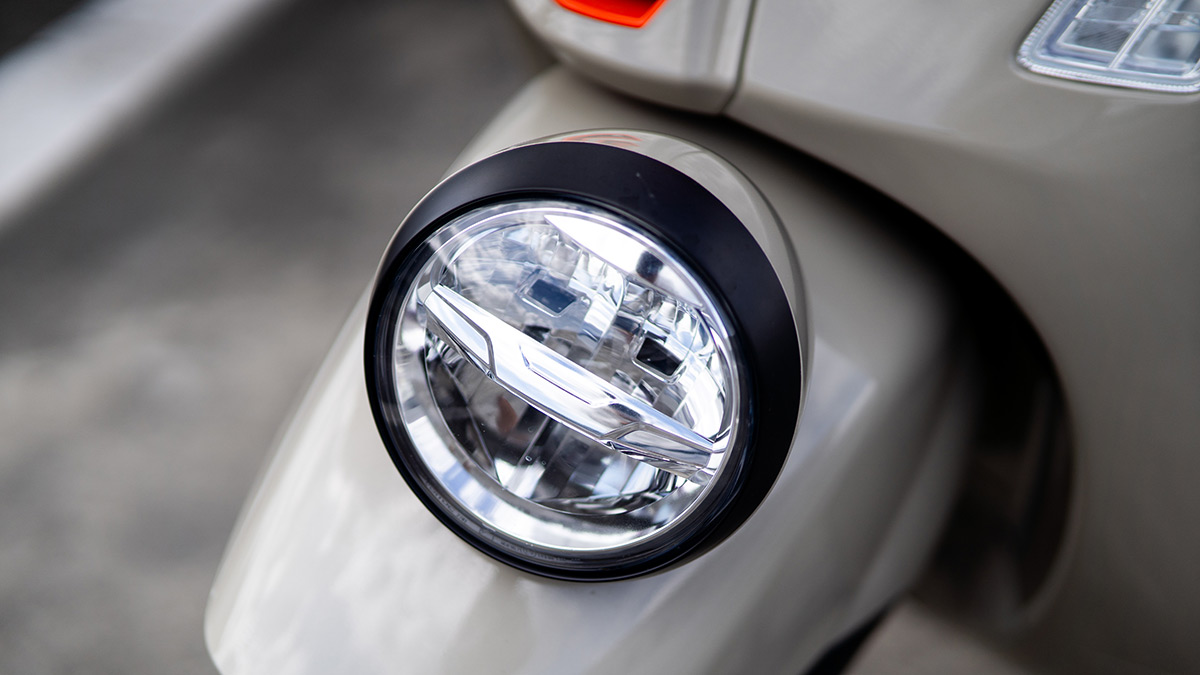
Motorcycle lights are vital in keeping you safe on the road, especially at night, so check if these are in working order. Since we don’t normally see the back lights while we’re on the road, make sure to test your headlights, turn signals, brake lights, reverse lights, and taillights while in a garage. Check if all the bulbs are working and free from any dirt, cracks, or breakage.
While some stock motorcycle headlights can last more than two years, if you notice your lights dimming and flickering, it might be time to get them replaced before they have a chance to burn out completely.
The fine for driving with a broken tail light or no tail light is extremely expensive at P5,000, so it’s best to be safe than sorry. LTO previously released specific guidelines for motorcycle lights that Philippine bike owners must follow.
5) Get the bike’s oil change.
Did you go on a lot of long rides during the holiday season? You may be up for an oil change. Engine oil should be changed anywhere between 1,500km to 5,000km or more, or every two months to one year, depending on the engine displacement, make, and model of your motorcycle.
Engines without oil filters will need a shorter service interval, and more well-designed oiling systems may be more relaxed with service intervals. If your oil is running low, you may also need to top up for engine safety.
Meanwhile, motorcycle coolant should be changed every three to four times your engine oil is changed, or every one to two years depending on riding habits.
6) Load a fresh tank of gas.
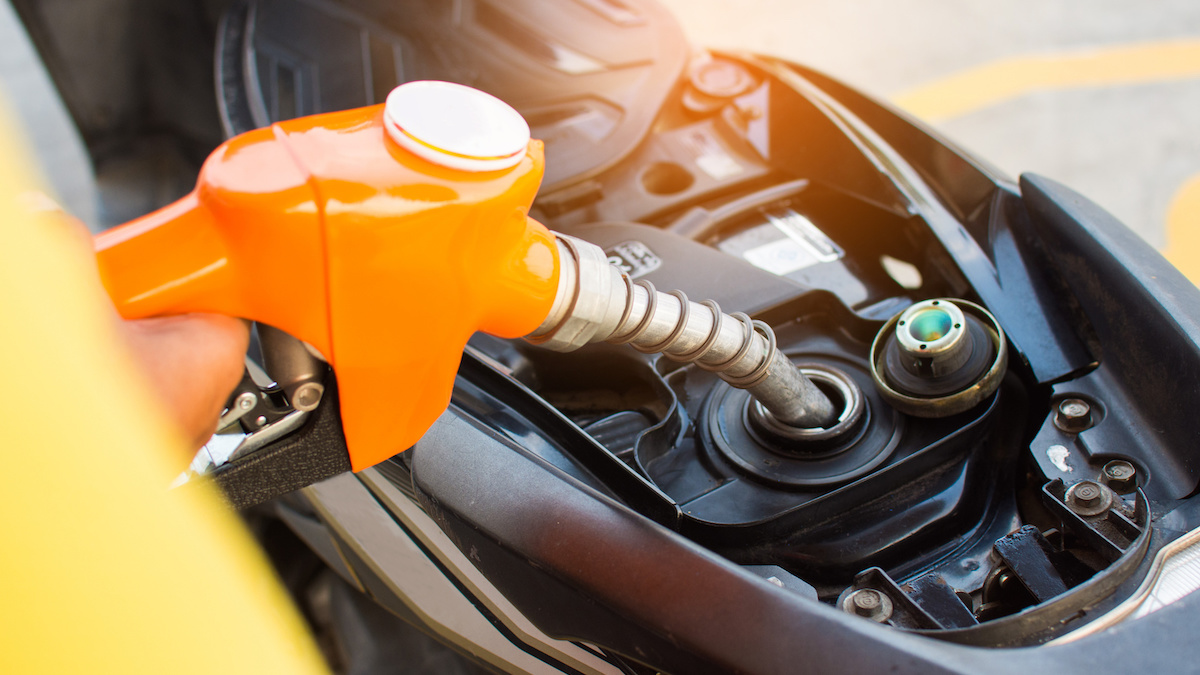
In case your motorcycle has been parked for a long time in a garage or you only use it on short rides, you’ll also want to drain your tank completely and fill it up with fresh fuel. To ensure roadworthiness, make sure that the gas inside a motorcycle isn’t older than three to six months. Gasoline has a short shelf life and can expire as little as four weeks if left dormant in a tank. Using old gas in a motorcycle leads to poor performance, engine misfires, clogged injectors, and rough idling, among other problems.
7) Check the brakes.
Riders should be doing simple checks on brakes before starting their daily ride. The simplest way is to move the bike backward and forward while applying pressure to the brake lever and pedal to make sure that they work.
While brake pads could theoretically last thousands of miles, it all depends on the riding style and mileage. Some motorcycle experts suggest replacing brake pads “when the grooves on the pad’s surface are not clearly visible and where the thickness of the pads is less than 2 millimeters.” You could aim to replace them as often as every 10,000km to err on the side of caution.
But anytime you feel your motorcycle is losing its braking power significantly, you ought to get the brakes checked. Aside from inspecting brake pads, there could be something wrong with the brake fluid, or brake lines, which might need replacement.
8) See if your tires need replacing.
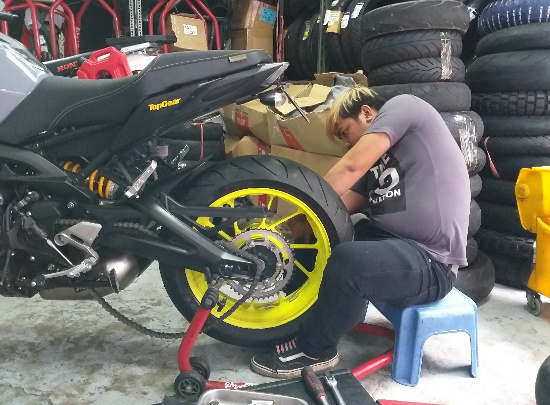
Tire pressure should be checked frequently—at least once a month—but you don’t need to replace new tires for a few years. Various factors accelerate the wear and tear on tires, including extreme temperatures, road surfaces, poor maintenance, and even where you park your bike.
According to motorcycle tire manufacturers, even if a tire has lots of remaining treads, the drying out of the tire's multiple rubber compounds means it should be replaced every five to six years.
How do you know how old tires are? You can check the date code on the side of the tire. The last four digits represent the week and year the tire was made.
These are just a few of the tasks that every responsible motorcycle owner should be doing. While it may seem like a hassle, it’s much better to make sure your bike is well-maintained than have to spend on unnecessary repairs or costs from major overhauls.
Consult your motorcycle’s owner’s manual for specific guidelines and maintenance intervals recommended by the manufacturer.