Modern cars come with a barrage of cameras and sensors these days. These help make driving easier and more convenient, also while lessening the instances of fender benders and whatnot.
Despite that, there is one maneuver that some drivers would rather avoid doing. That would be parallel parking. Some find it a daunting task, but we here at Top Gear Philippines are here to help.
OTHER STORIES YOU MIGHT HAVE MISSED:
BYD’s Denza D9 luxury minivan might be on the way to PH
Parking guide: Where to park on Maginhawa Street
1) Sizing up the space
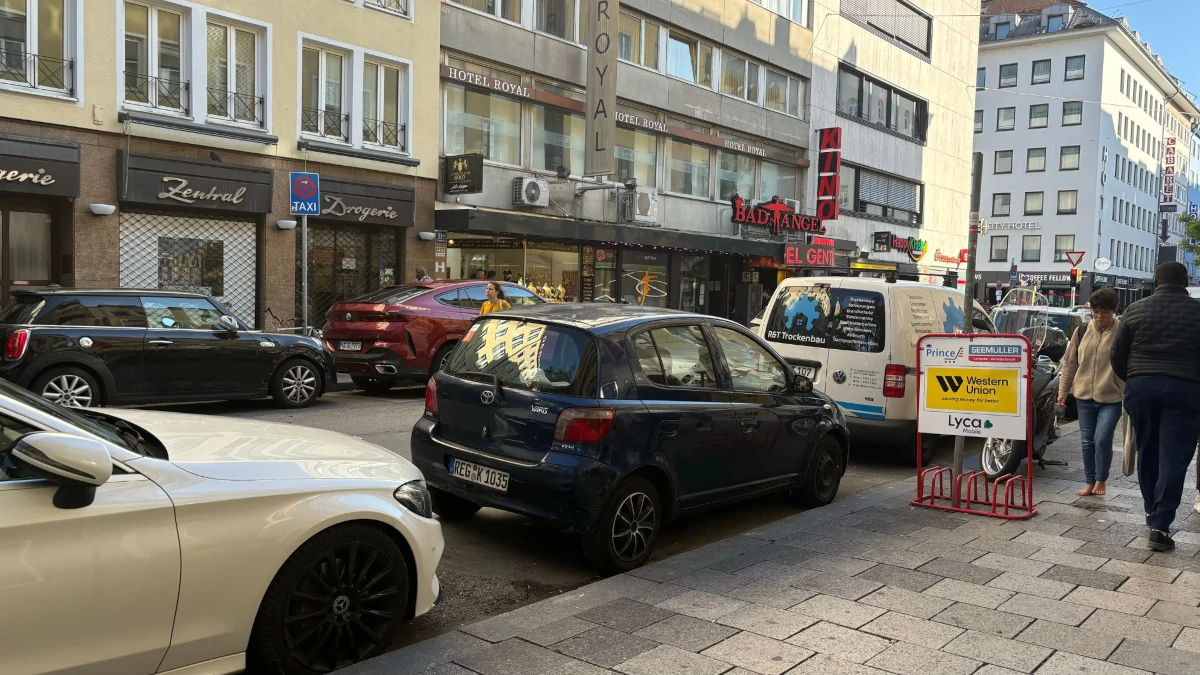
Don’t give yourself a hard time by squeezing in a space you’re not comfortable with. This guide is to make parallel parking easier and not stressful. Besides, you’ll just be risking bashed-in bumpers and crumpled fenders. If you know the size of your car well enough, you’ll have a good idea if your car can fit in a slot. If not, start off by finding a gap that’s substantially larger than your vehicle.
2) Positioning your car
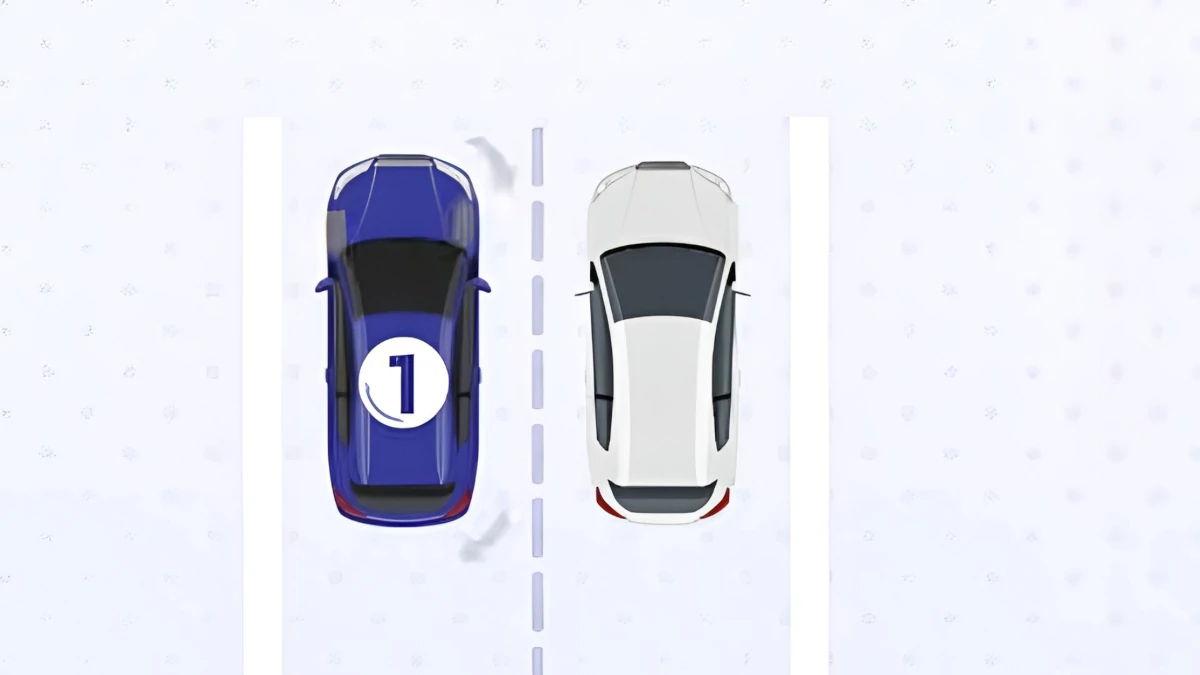
When pulling up to park, you’ll want to be about half a meter beside the car you’d like to park behind. Also remember to be ahead of the space you intend to park as parallel parking only works when you back in. You’ll just give yourself more stress if you’re driving into the slot nose first.
3) Check your surroundings, then back up

So, you’re all set, but before you hit reverse, make sure your surroundings are clear. If there is traffic, let them go by first until it’s clear. From there, go into reverse, but constantly check your mirrors for any oncoming vehicles.
4) Align your rear bumper with the car you’re beside with
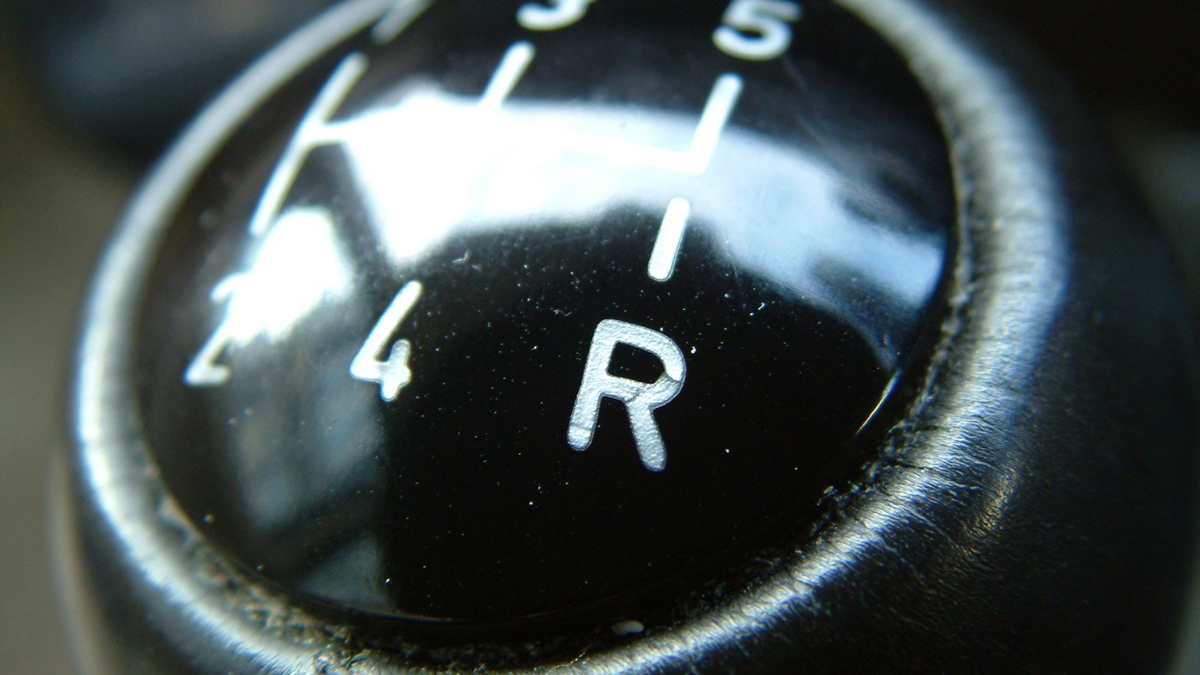
As cars come in different lengths, you can’t always use the side mirrors as a reference point before you turn the car into the parking space. A safer reference is to use the back bumper. Once you’ve done that, you can move on to the next step.
5) Turn into the slot
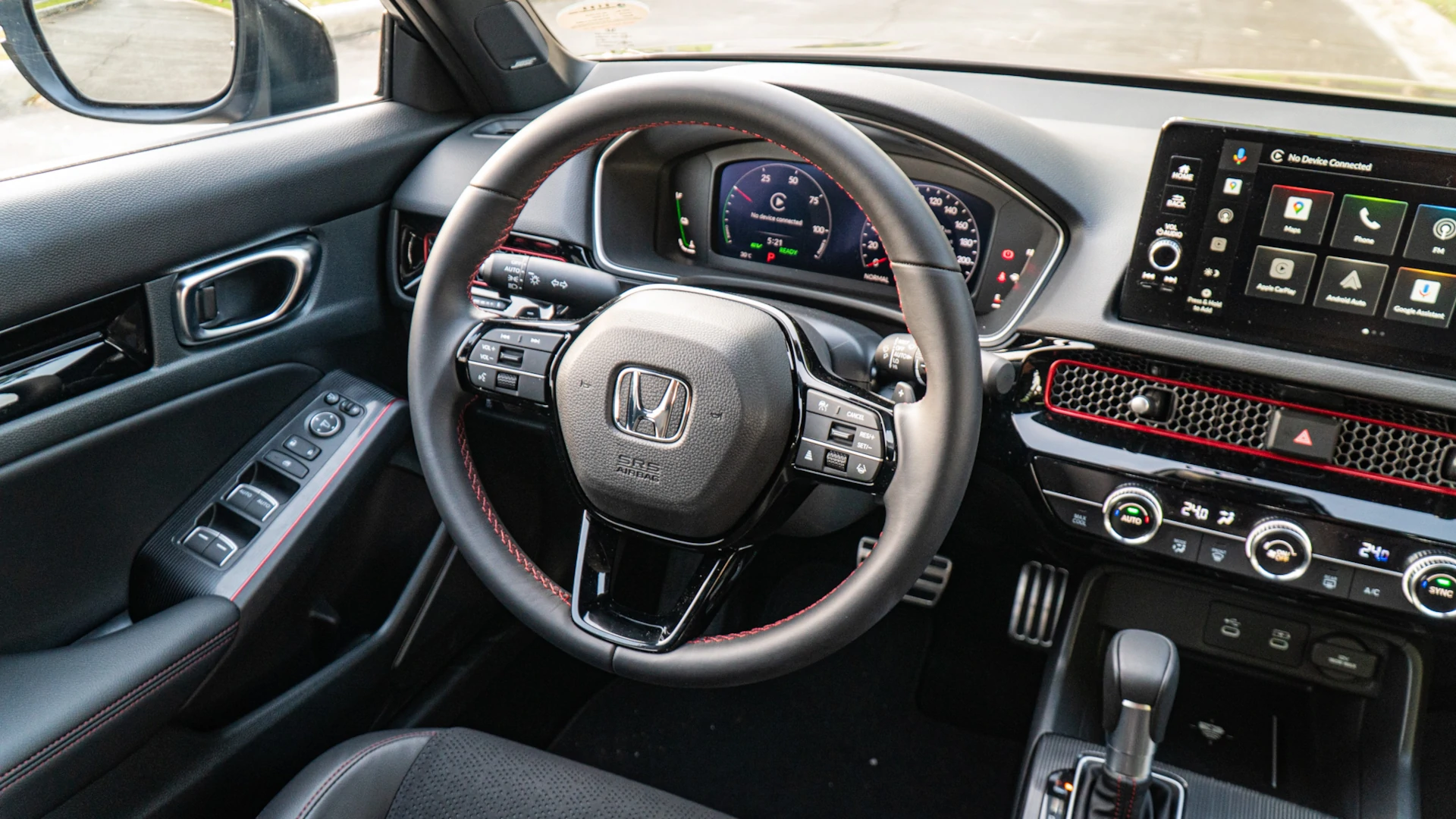
Depending on your vehicle, turn the wheel all the way and make the necessary adjustments along the way. Keep backing up until your eyes are aligned with the license plate of the car ahead or if you’re at a 45-degree angle.
6) …Then turn the other way
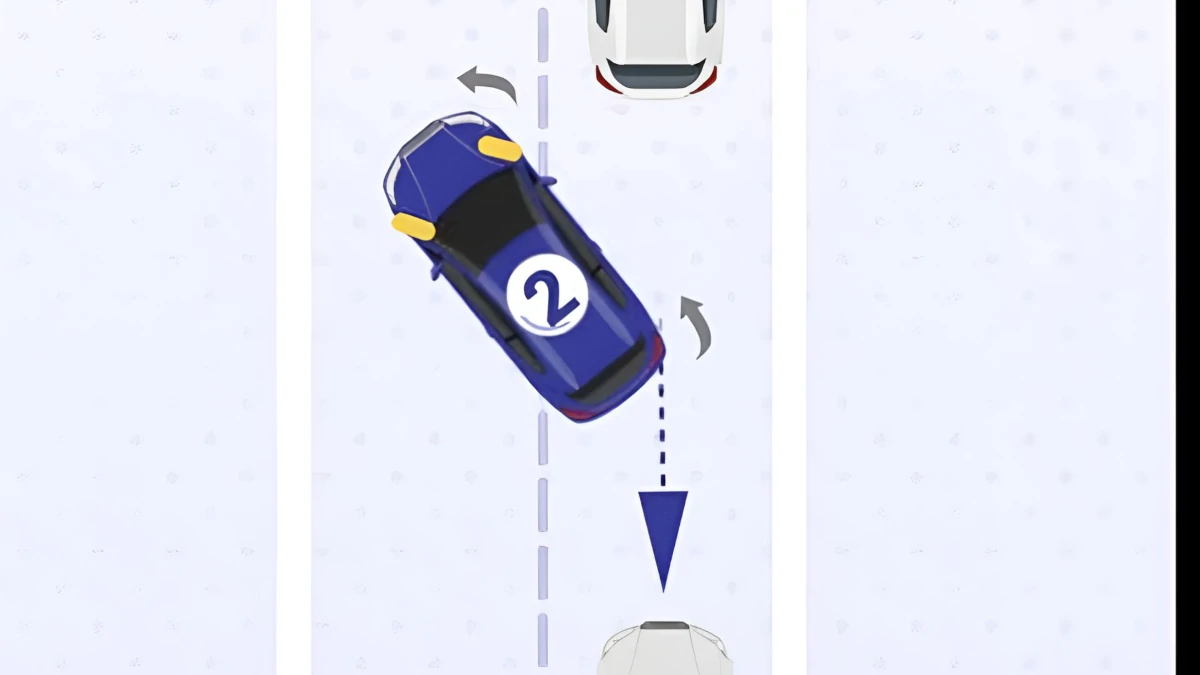
Once you’re at said 45-degree angle or aligned with the front vehicle’s license plate, turn your steering wheel the opposite way and continue backing up. Of course, stop if you get too close to the car behind.
7) Straighten the car
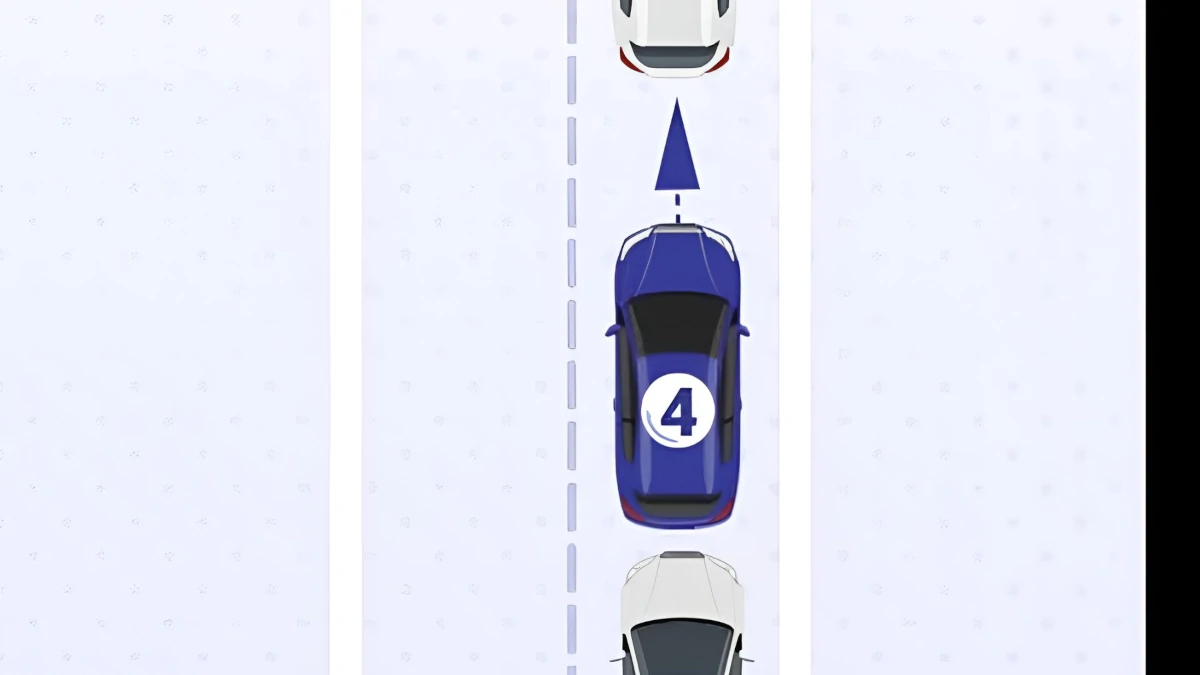
From here, the only thing to do is inch forward and straighten the car if necessary. Leave enough space on both ends as to leave maneuvering room for cars that have parked prior.
Parallel parking: Practice makes perfect
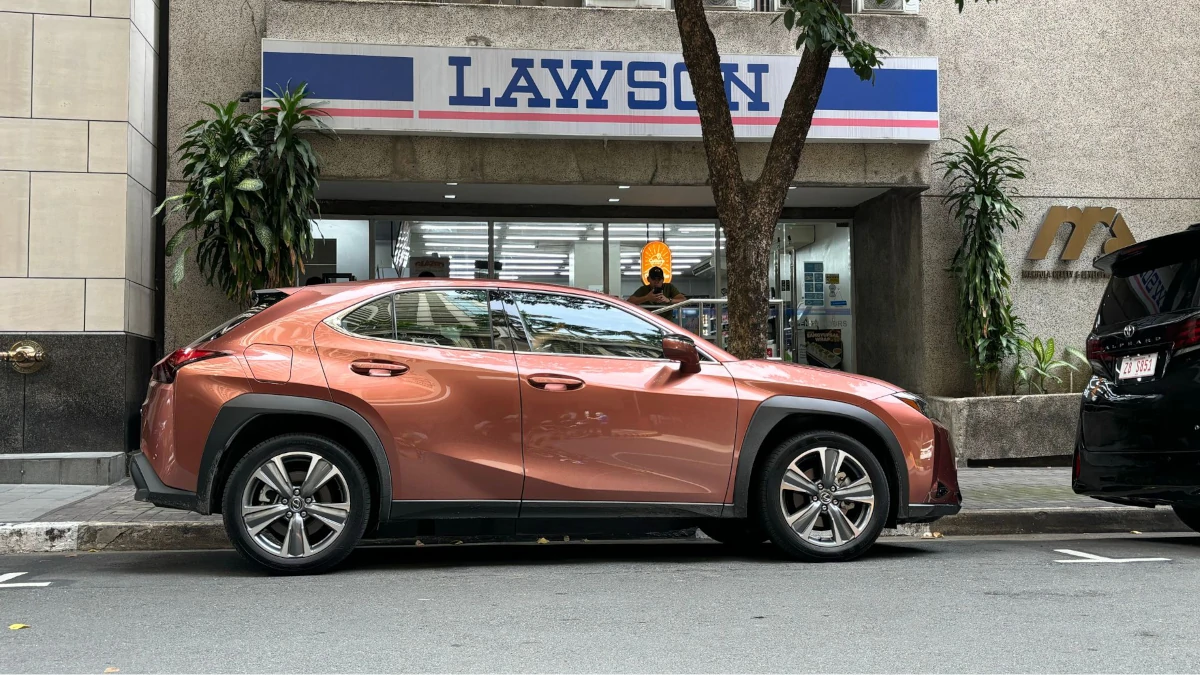
It’s okay if you don’t get it the first time. Start off by looking for bigger slots or, if you’re lucky, try it first with no car parked behind. Once you’ve gained confidence, try it with a large gap, until you’re eventually comfortable enough to perform this maneuver in tighter spots.
Also, it’s okay to use the parking sensors and cameras to make parking easier. Of course, one shouldn’t rely on them totally, but merely use them as a guide. But once you’ve mastered parallel parking, you might not even take a look at those assists anymore.