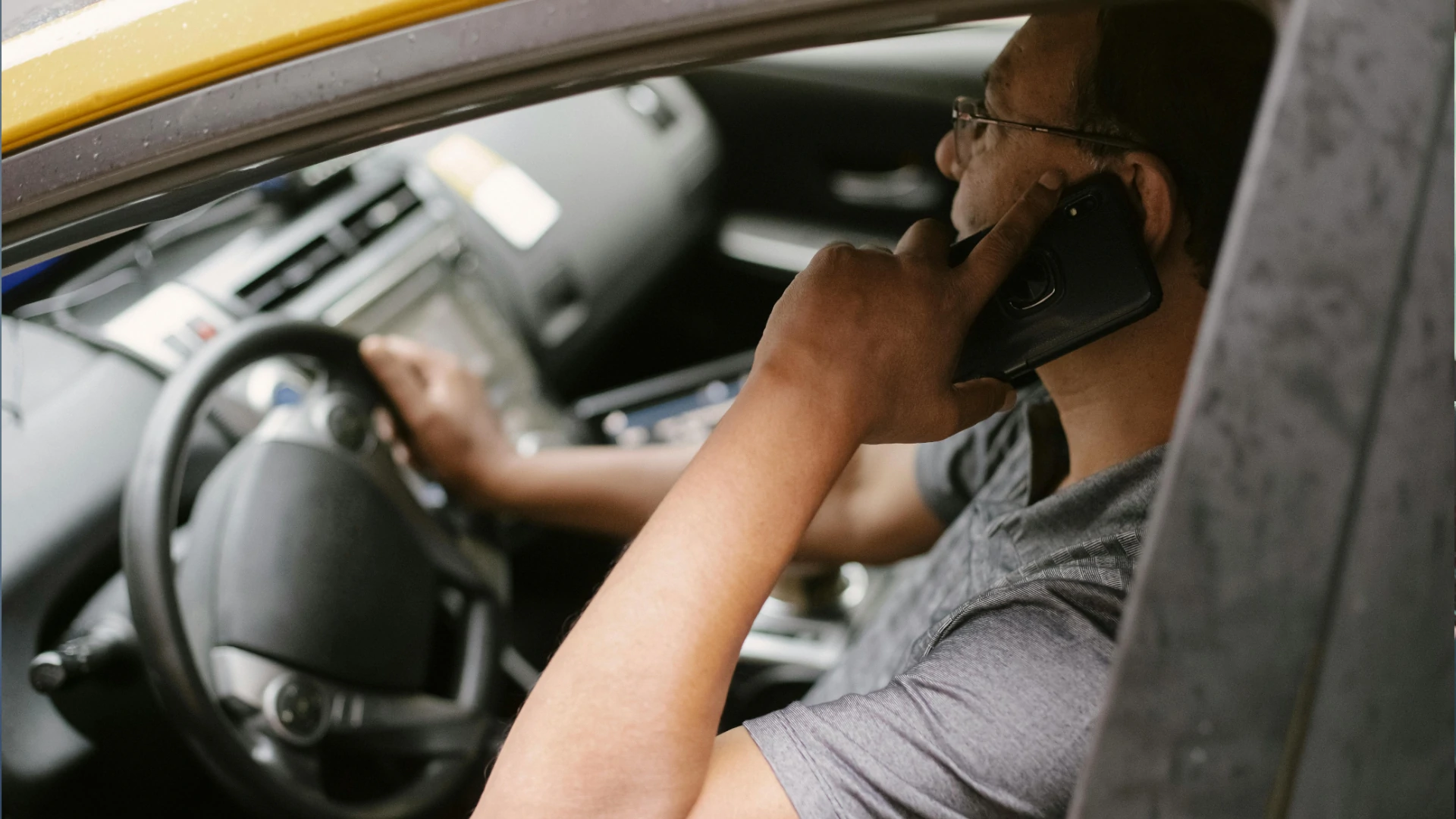
Despite the presence of the Anti-Distracted Driving Act, some Filipino drivers continue to use their mobile phones when they drive, ignoring common sense with regard to road safety.
We all know that driving in the Philippines can be challenging. With constant roadworks, poor infrastructure and obstacles, horrendous traffic and aggressive motorists. But in this age of social media, distracted driving still happens. Some drivers still pick up and fiddle with their phones to answer calls and respond to text messages, or worse, watch videos while behind the wheel.
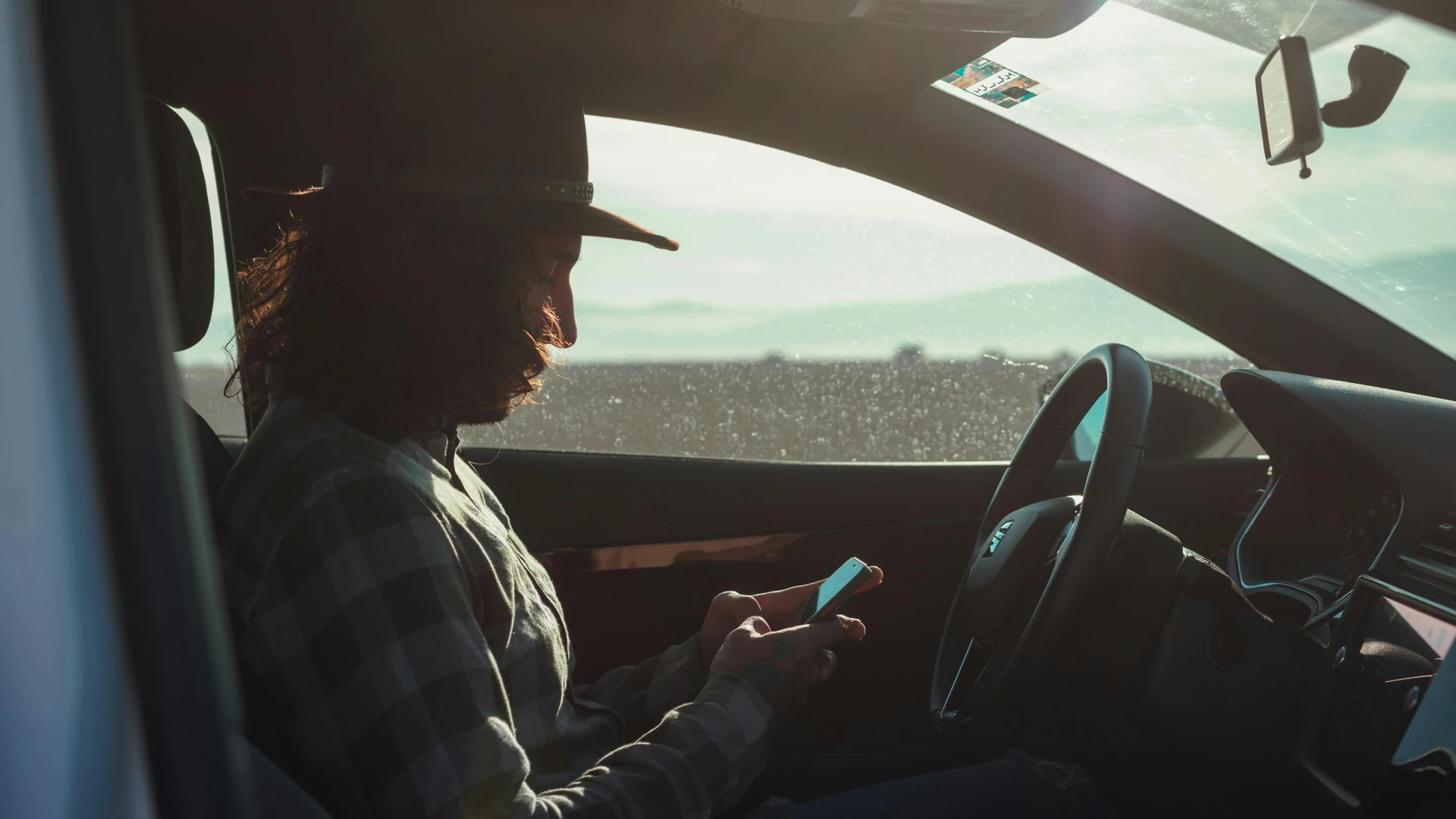
To prevent road accidents caused by inattentive driving, Republic Act No. 10913, or the Anti-Distracted Driving Act (ADDA), was enacted in 2017. Under the Philippine law, drivers are prohibited from using mobile phones and electronic communication devices and engaging in various activities that can divert their attention while operating a vehicle on any public road, street, or highway.
ALSO READ:
10 Common causes of road crashes in the Philippines
Explainer: How bollards keep pedestrians safe
But what if you’re stuck in traffic, you might ask? That’s safe, right? Wrong. The prohibitions apply both when the vehicle is in motion and when temporarily stopped at traffic lights or intersections.
Take note that this law encompasses both public and private vehicles, including motorcycles, bicycles, and other forms of conveyance when driving on public roads or where public safety is concerned.
While Top Gear has covered the subject of ADDA extensively in the past when the law first came out, we’d like to reiterate what you shouldn’t do while driving in line with Road Safety Month this May.
1) Make or receive calls
Unless you’re parked safely or haven’t started driving yet, you shouldn’t be handling your phone to make and receive calls. You need to keep it on the dashboard mount. Based on the law, only hands-free devices are allowed, provided they do not obstruct the driver’s line of sight. The use of speakerphones or earphones with devices mounted on a dashboard is allowed. If necessary, you can activate voice command functions (like Siri or Google Assistant) on your phone before driving.
Drivers are only allowed to wear earphones when making or receiving calls. Using earphones to listen to music while driving falls under “similar acts” in Section 4B of the law
There are some exemptions to this, of course. Drivers are allowed to make or take calls in cases of emergencies, such as reporting crimes, accidents, natural calamities, infrastructure failure, and the like.
2) Compose, send, or read text-based communications
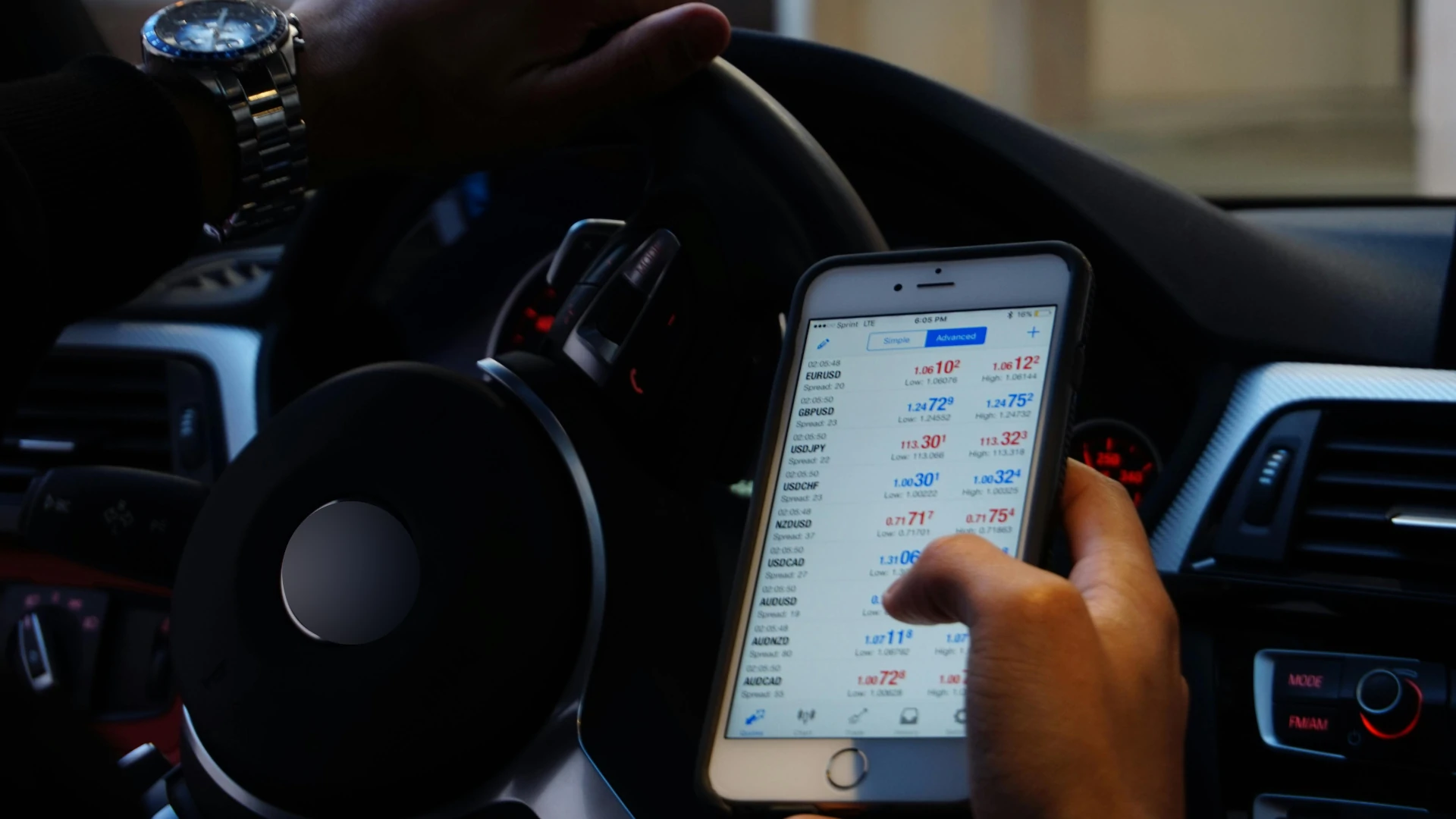
Since you can’t take calls, you shouldn’t be using your phone to send or read texts either. Under the law, composing, sending, or reading text messages or emails on your phone is not allowed when you’re driving.
According to LTO, drivers need to keep their hands on the wheel and eyes on the road to drive safely. Trying to multitask by typing and driving at the same time can significantly increase the risk of accidents. If you do have to send or receive urgent messages, have a companion in the vehicle do it for you, or pull over safely to the roadside or a parking area.
3) Play games via mobile apps or electronic devices
Bored in traffic? Are the stoplights taking forever to turn green? These aren’t excuses to turn your phone into a gaming device or try to beat your high score while waiting for the go signal. Engaging in gaming activities like mobile games, online games or any other form of electronic entertainment that may distract the driver’s focus from the road on mobile devices or other electronic gadgets while driving is now illegal under the law.
4) Take photos or videos while holding your phone
Here’s some news for social media addicts. You shouldn’t be taking photos or selfies while driving. Using the camera function of mobile phones or other devices to capture images while behind the wheel takes your focus off the road, if it involves holding your phone in your hands.
The same goes for taking videos as well. Earlier this year, a truck driver was caught on EDSA for distracted driving for slowing down and trying to take footage of a minor accident involving two motorcycle riders on the road while driving.
5) Watch movies, TV shows, or web videos
News flash. You shouldn’t be watching videos or scrolling through YouTube or TikTok while driving. The ADDA encompasses any form of visual entertainment that may distract the driver’s attention from driving. Whether you’re watching on a mobile phone, tablet or other electronic device, watching videos while operating a motor vehicle is strictly prohibited by law.
6) Surf or browse the internet
Nope, you can’t use your phone to surf or browse the internet or check notifications on social media apps. Like the other activities mentioned above, doing so significantly increases the risk of accidents. The distraction caused by phone use, even for a split second, can divert your attention from the road conditions and potential hazards and could cause you to lose control of the vehicle.
7) Use gadgets and electronic devices
In case you’re thinking of a loophole, the law is not limited strictly to mobile phones. The ADDA also prohibits the use of other gadgets and electronic devices that may distract drivers while operating motor vehicles. This includes portable media players, handheld gaming consoles, tablets, e-readers, and any other electronic equipment that may interfere with a driver’s attention.
So you shouldn’t be using electronic devices to browse through your Spotify playlist, perform calculations, read e-books, or do other similar activities while driving.
So, when can you use mobile phones?
The only allowable use of mobile phones while driving is for navigation using Google Maps, Waze, or electronic maps. Just make sure to plot your route before you start your journey and have your phone properly mounted so that it doesn’t obstruct your line of sight. In case you need to find alternate routes while driving, you’ll need to pull over somewhere safely.
For motorcycles and scooters, riders may place their smartphones or gadgets near the instrument panel or handlebars, provided that it’s via a holder or mount and do not interfere with his or her line of sight.
What are the penalties for violations?
Violating the Anti-Distracted Driving Act entails the following penalties for both private drivers and for-hire drivers:
- First offense: P5,000 fine
- Second offense: P10,000 fine
- Third offense: P15,000 fine and a three-month suspension of the driver’s license
- Subsequent Offenses: P20,000 fine and revocation of the driver’s license
Additionally, drivers of public utility vehicles, school buses, or vehicles transporting hazardous materials who commit violations within a 50-meter radius of school premises face a P30,000 fine and a three-month suspension of their driver’s license.
The law is more relevant especially now that it looks like the no-contact apprehension policy is back, which allows the use of CCTV cameras and other surveillance devices to capture traffic violations. So you could get nabbed for distracted driving even without any traffic enforcers around.
Save yourself the trouble of paying hefty fines and spare yourself and other people from possible accidents by simply keeping your eyes on the road and not on your phone.