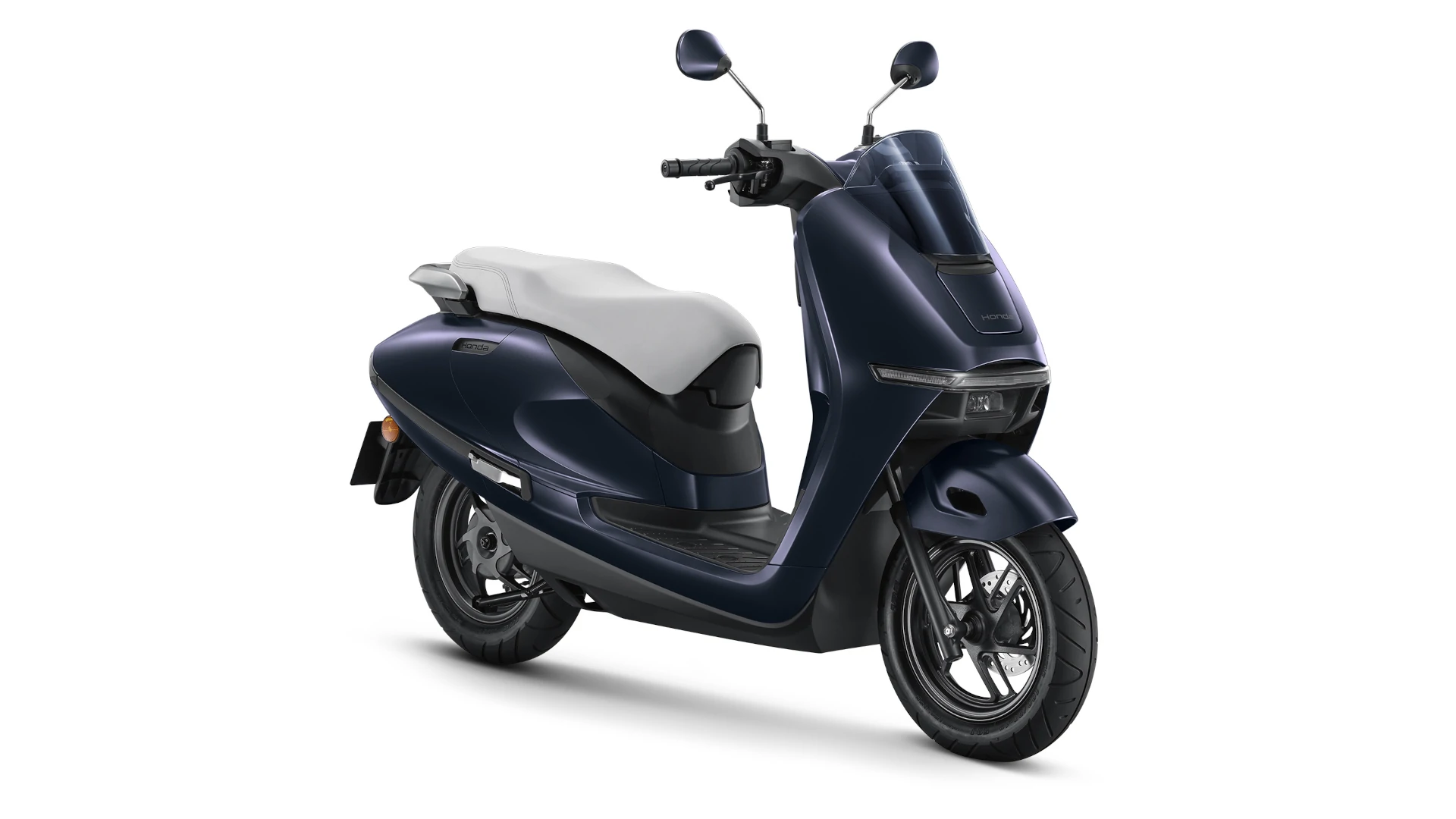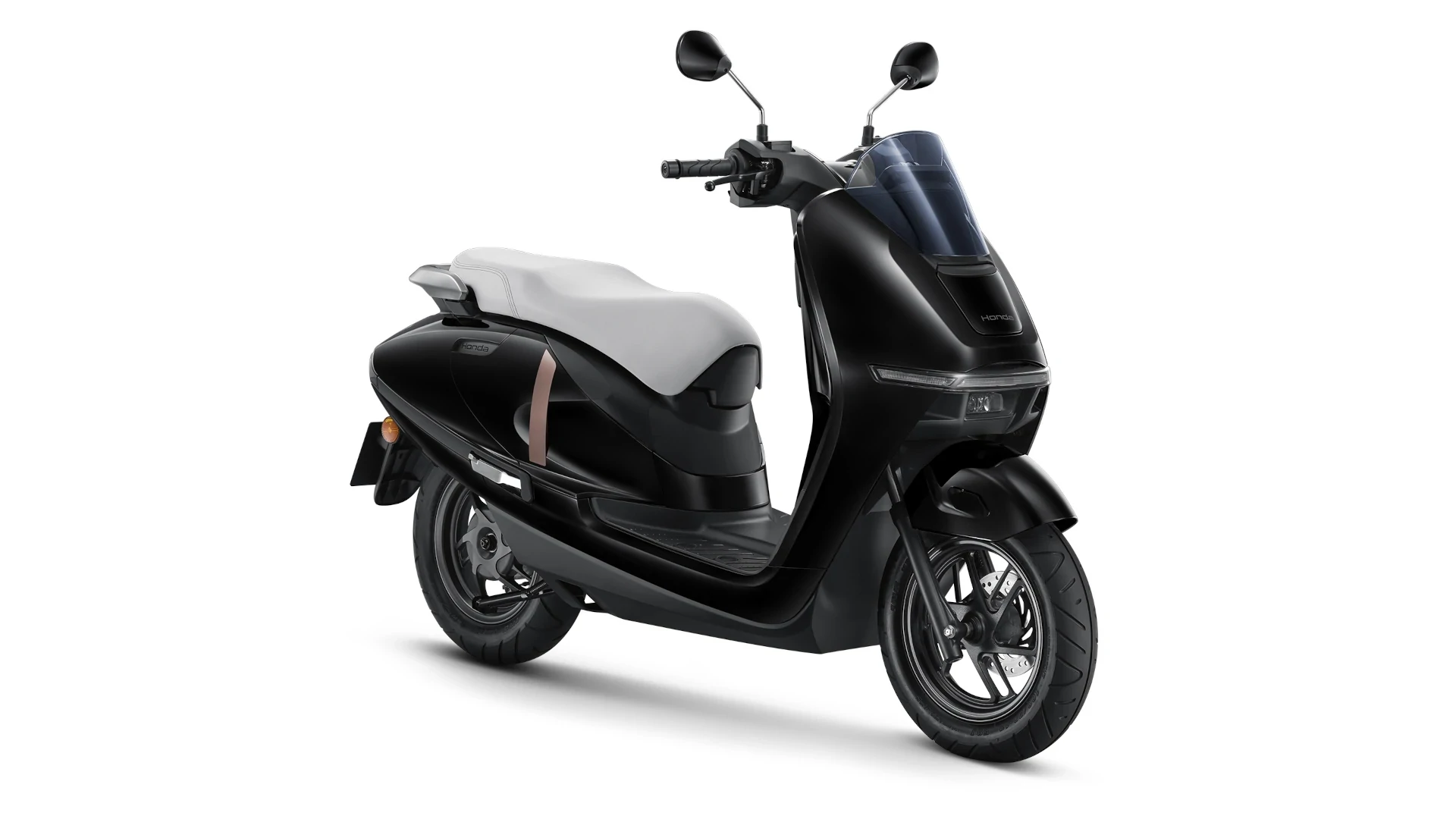

Honda’s motorcycle arm is going electric—this much is clear. In fact, we’ve already seen a few electrified models make their way to the Philippines, like the eM1 e: and CUV e:. The Japanese marque, however, has just released a new model that we think could be a good option here in our market.
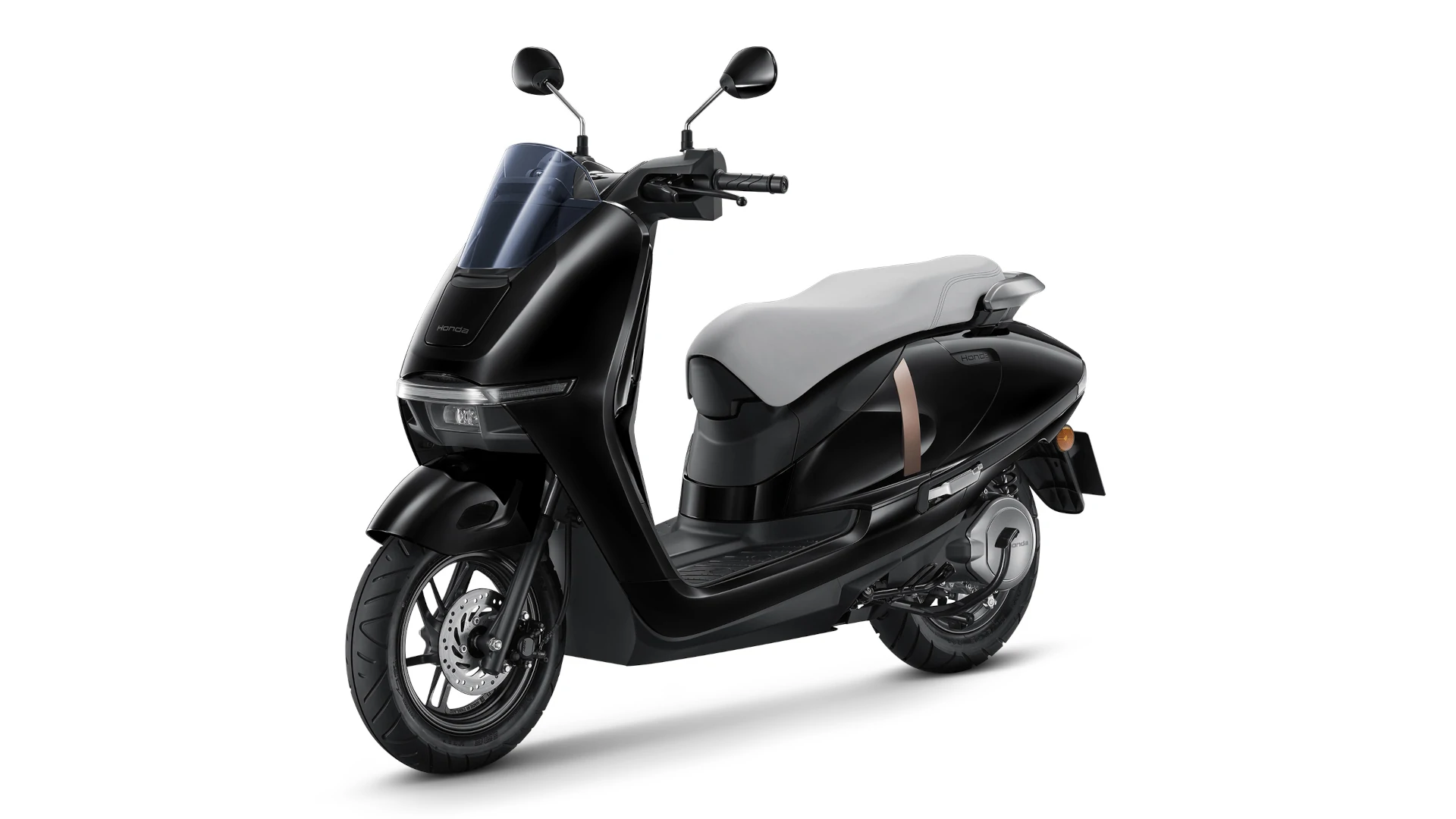
This is the new Honda UC3, the brand’s latest electric scooter that’s just made its way to Thailand and Vietnam. It takes design cues from the WN7 and looks like a futuristic PCX, but it’s actually equivalent to a 110cc scooter.
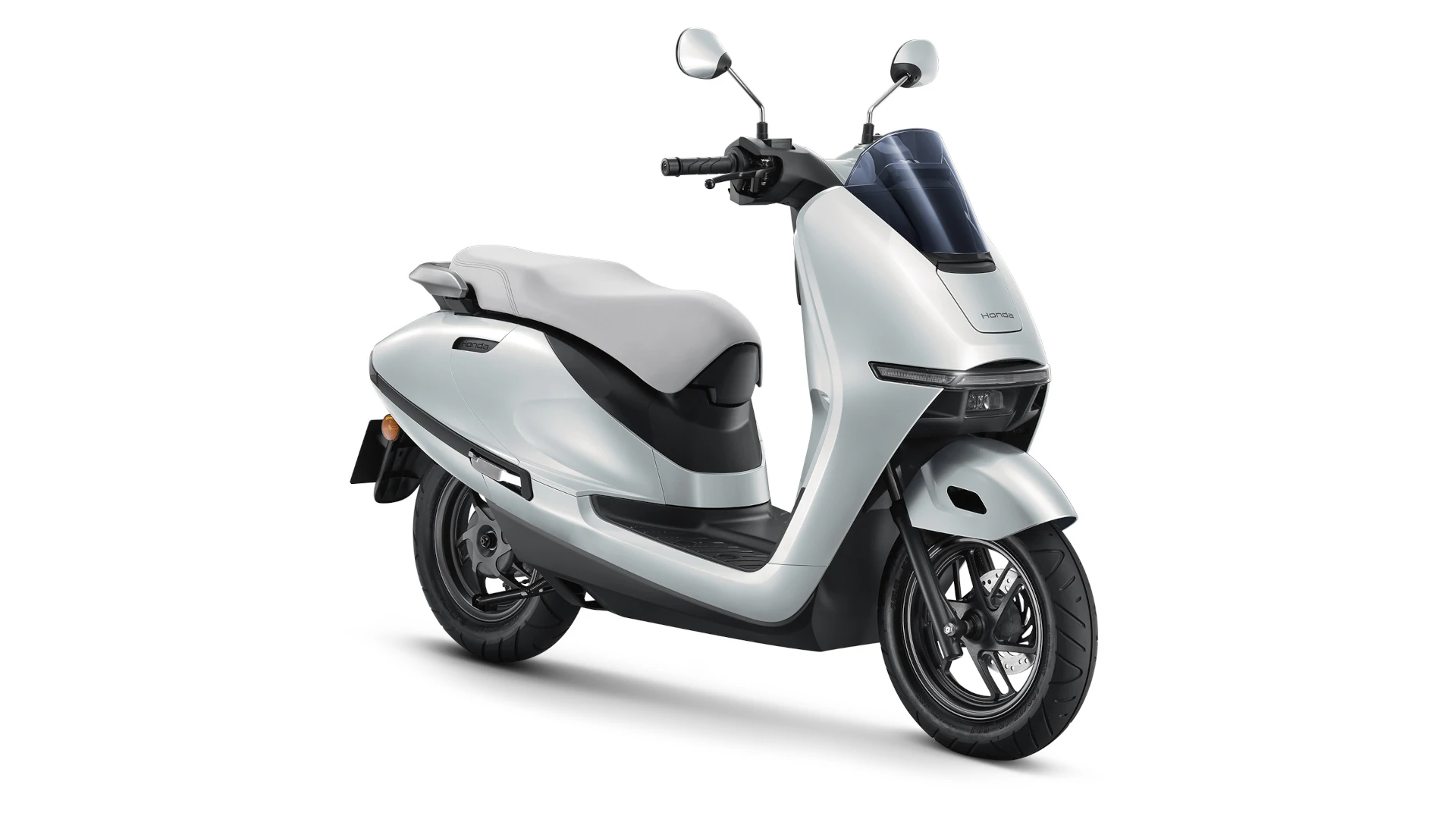
To give you a better idea of how this two-wheeler is more like a Honda Beat, let’s talk specs. Unlike Honda’s other electrified bikes, the UC3 gets the Japanese brand’s first fixed-type lithium-ion phosphate battery. This powers an electric motor that was developed in-house, and said motor produces about 8.05hp. The setup as a whole promises 122km of range on a single charge. Now, while the UC3 might be equivalent to entry-level models, this does come with selectable ride modes in Standard, Sport, and Econ.
OTHER STORIES YOU MIGHT HAVE MISSED:
2025 PH car sales: Which brands grew and which ones didn’t in the past year?
GAC subsidiary takes over Chinese brand’s local operations
The Honda UC3 will be using ‘CHAdeMO for two-wheelers’ and will support both 450W and 1200W charging. A complete 0-100% charge will take four hours with the stronger charger and nine hours with the less powerful one. Replenishing juice from 20 to 80%, meanwhile, will take two hours on the 1200W charger and five hours on the 450W one.
Honda has only introduced this in our neighboring ASEAN countries as of the moment, but the brand has shared intentions to launch this in other markets as well. The motorcycle manufacturer has also expressed its intent to expand the CHAdeMO for two-wheelers infrastructure in countries where the UC3 is being and will be offered.
If Honda gets the pricing right, this electric scooter might just actually be a hit in our market. It’s stylish, practical, and easy to use. If Honda Philippines does decide to bring this in, though, we reckon it’ll need to build a proper charging network, too. Your thoughts, readers?