
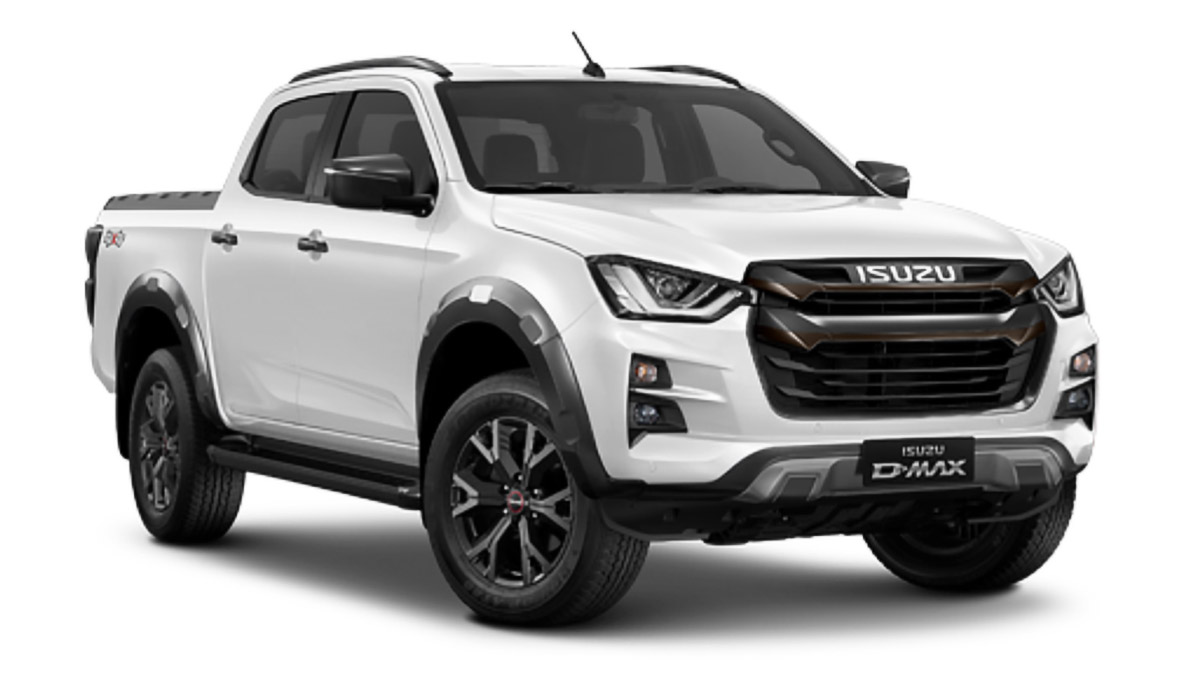
The most expensive Isuzu D-Max variant you can get in the Philippines is the 3.0 4x4 LS-E AT. It retails for P1,995,000, but expect that to skyrocket as soon as the tariffs kick in. Yikes.
That said, the price (for now) seems reasonable for a top-spec 4x4 pickup with an automatic transmission. It looks like an even greater bargain once you find out how much the electric version costs. You might want to sit down for this.
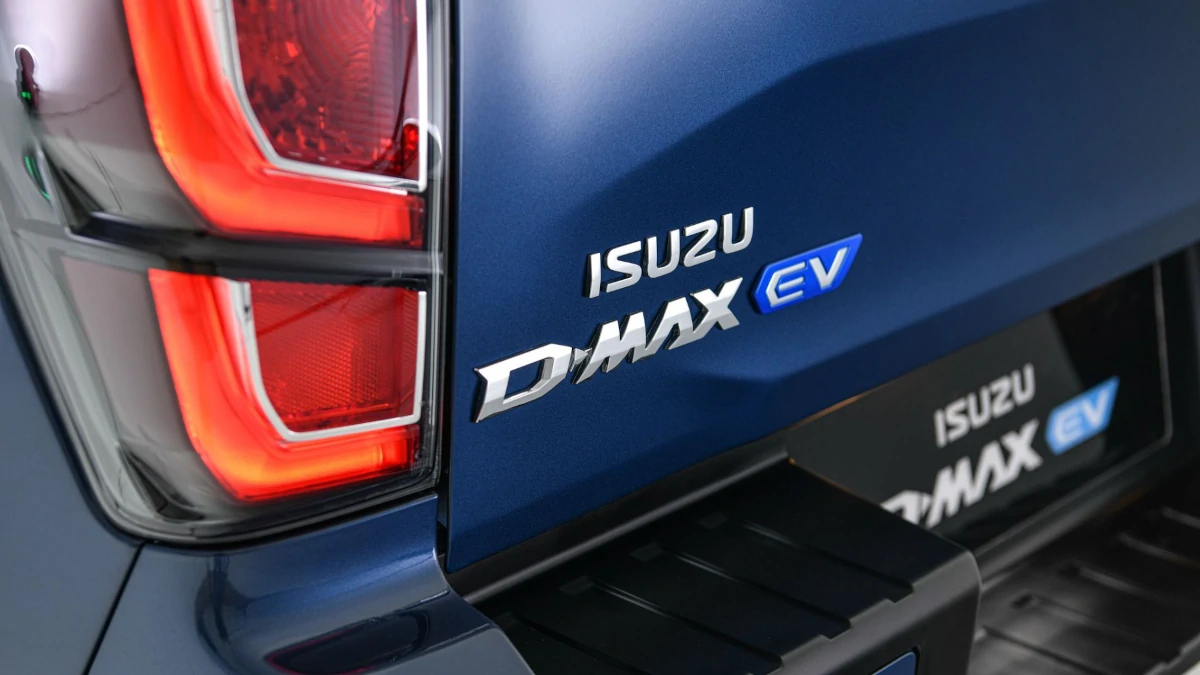
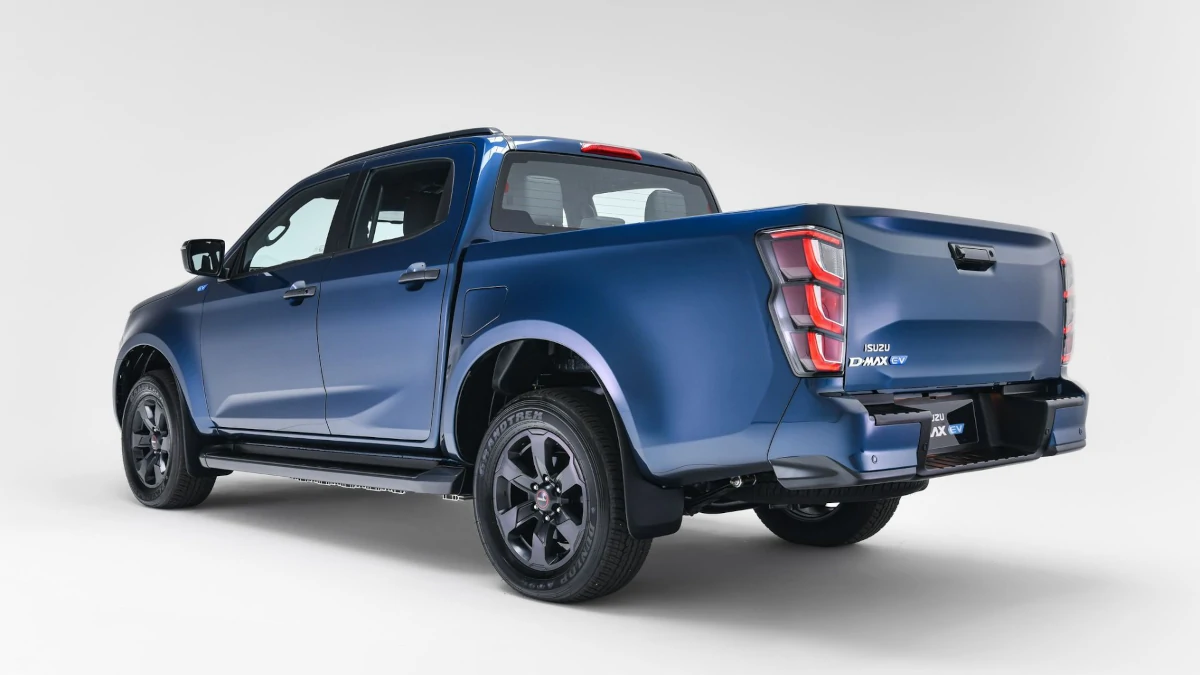
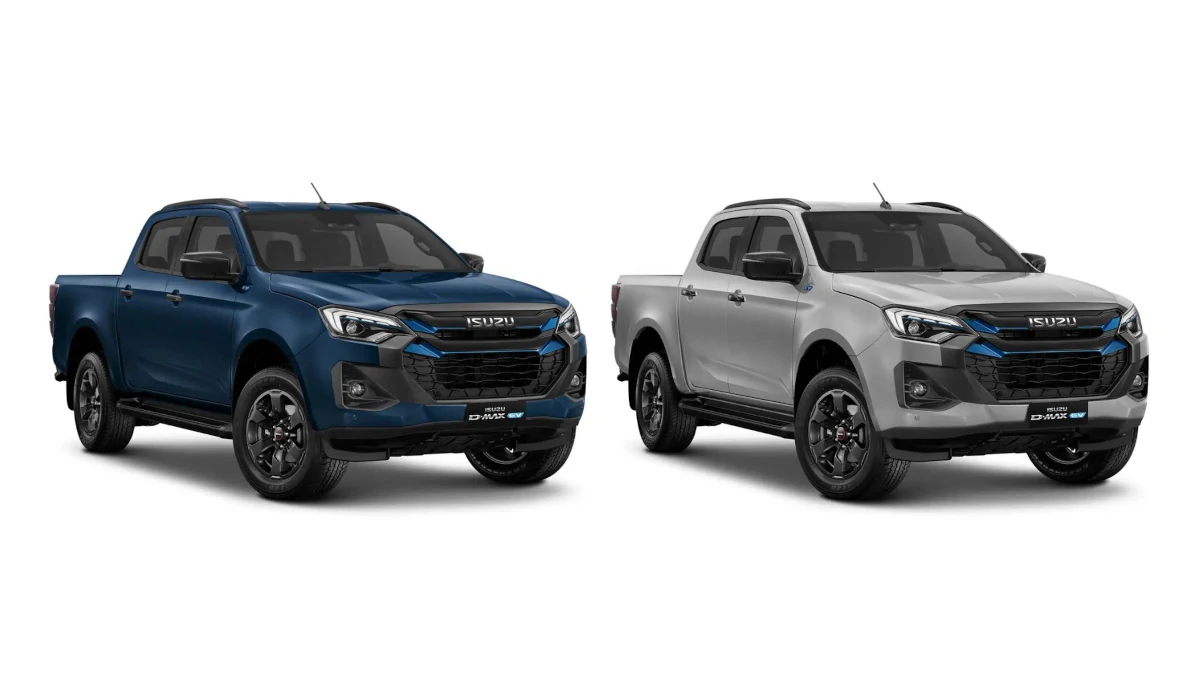
The Isuzu D-Max EV has just been launched over in the UK. There’s a wide selection of variants available, along with three variants. For prices, it starts at, wait for it, £59,995. That’s just for the base model, folks.
OTHER STORIES YOU MIGHT HAVE MISSED:
Dua Lipa’s brilliant ‘Rennstall’ Porsche 911 GT3 RS is up for auction
We reimagine what the next-gen Mitsubishi Montero Sport (or Pajero) could look like
Converted to local rates at the time of writing, that rings in at a whopping P4,618,000. Granted, car prices in the UK are up there, but it has to be said that it’s eye-wateringly high. To put things into perspective, the top-spec variant sold in England retails for £38,255 or about P3-M. The sticker price of the D-Max EV also more than double the current price of the 3.0 LS-E with four-wheel drive back home.
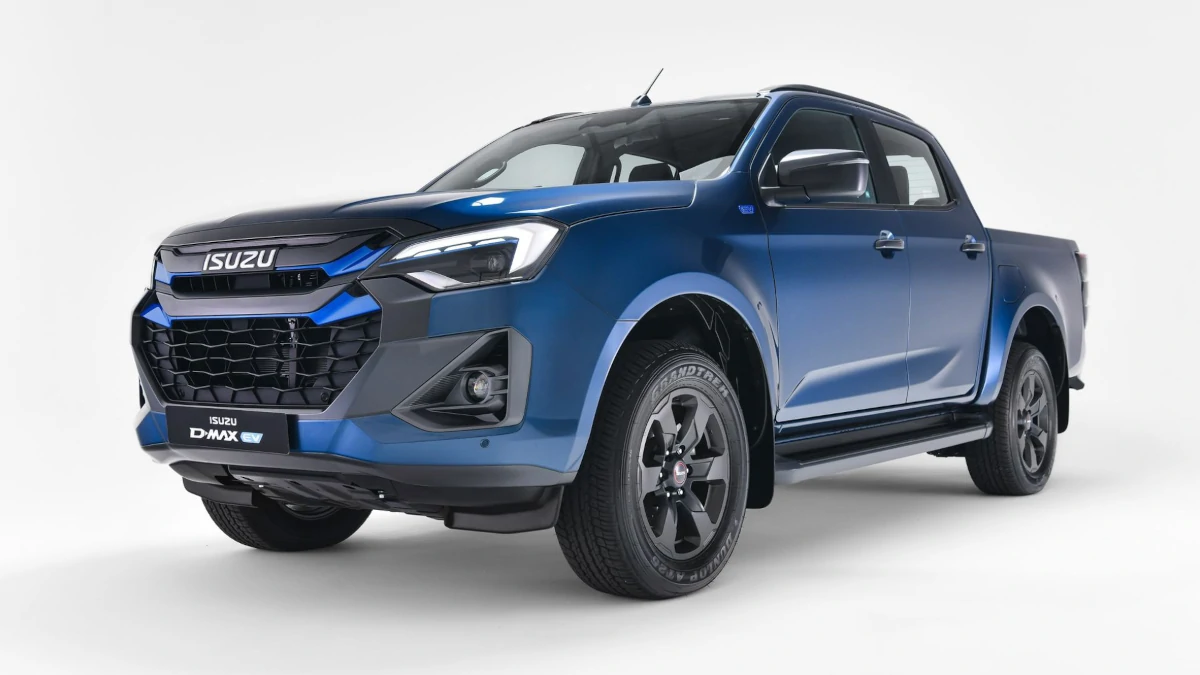
It gets even crazier from here. If you want the four-door dual-cab version, you’ll have to shell out £60,995 for that one. And, if you want to ranger-topping variant, that’ll be £62,495, please. In local currency, that’s about P4.82-M…for a midsize pickup. For the same amount of money in England, that’s enough for a top of the line D-Max with spare change for an entry-level Toyota Yaris and still have about £1,000 in the pocket.
So, why did it end up being that pricey? Well, shipping it from Thailand to the UK isn’t cheap. Factor in taxes and other tariffs, and it’s sure to balloon to a point it’s now reached. Suddenly, car prices here don’t look too bad.
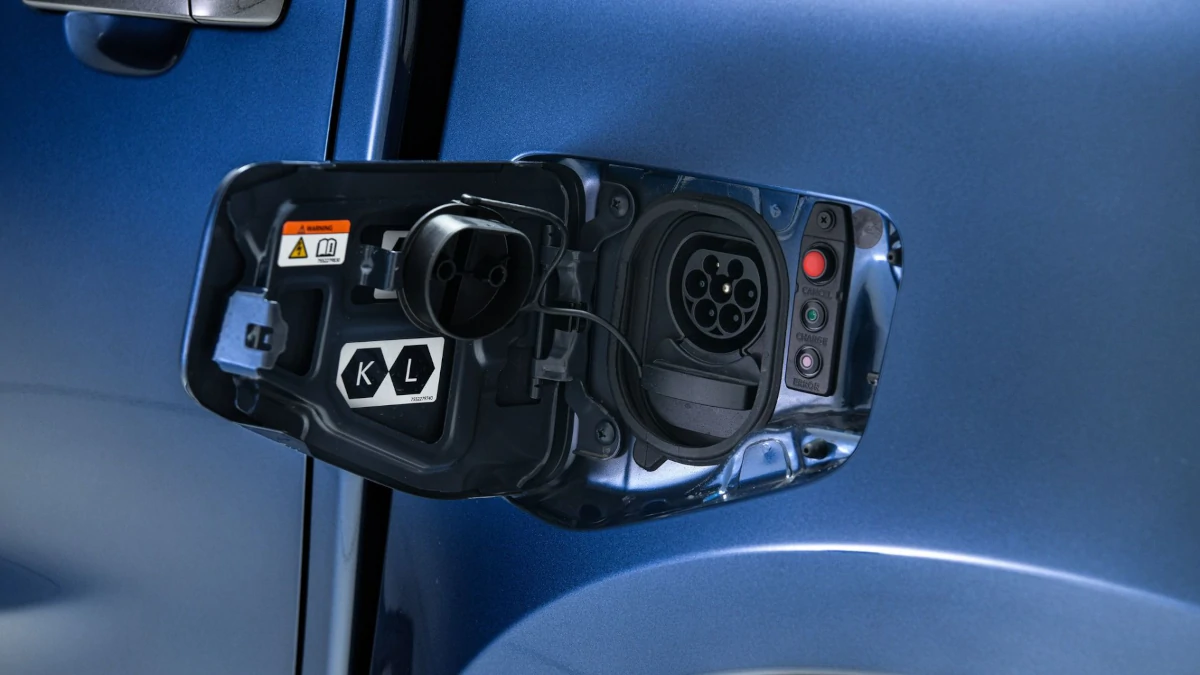
Moving on from that, what are the specs like? The Isuzu D-Max EV uses two motors to give it four-wheel drive. Those batteries then draw energy from a 66.9kWh battery that’s good for up to 262km. For power, it makes 188hp and 325Nm, about the same as the diesel in terms of horsepower but quite far back in torque. Its rear suspension has been changed to a De Dion axle arrangement, but still uses leaf springs to ensure a payload capacity of ‘over 1,000kg’.
Given that we’re much closer to Thailand and tariff exemptions for EVs, we reckon this battery-powered D-Max won’t cost as much as it does in the UK. The thing is, there’s still a huge question mark above the D-Max EV coming to the Philippines, given the country’s preference for diesel power in the pickup segment.