
Kia is determined to be a major driving force in the world of electric vehicles. The South Korean automaker already has a healthy range of EVs, and it’ll only get bigger in the coming years.
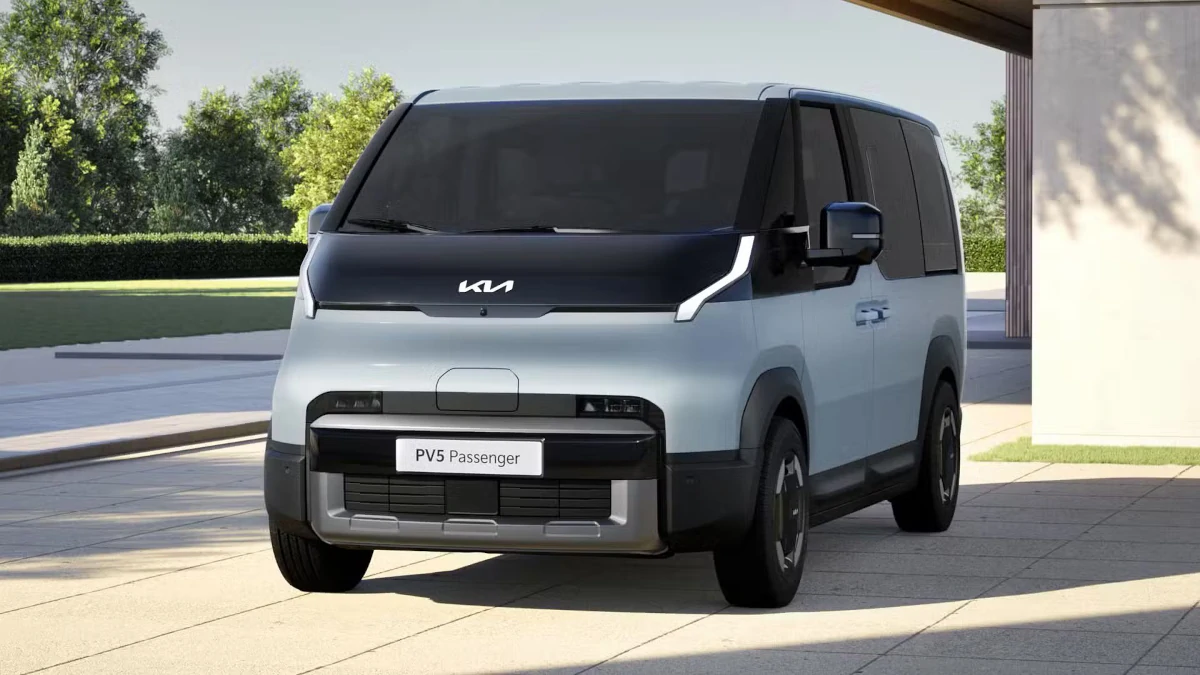
This year, the company is set to roll out a trio of all-new EVs this year. We’ve already shown the EV4, but now, Kia has also shown its first ever electric van. Dubbed the PV5, it’s a symbol of the marque’s commitment to electrification, even in the commercial vehicle segment.
The question now is, will it be a global product?
OTHER STORIES YOU MIGHT HAVE MISSED:
4 Things we want to see in the new BYD Shark 6 DMO
Omoda and Jaecoo Philippines opens with three vehicles; prices start at P998K
But first, some stats. Well, there are no official technical details just yet. However, it rides on the E-GMP platform that’s also used in the EV3 and EV5. It’s also worth pointing out that the structure also supports a 400v architecture.
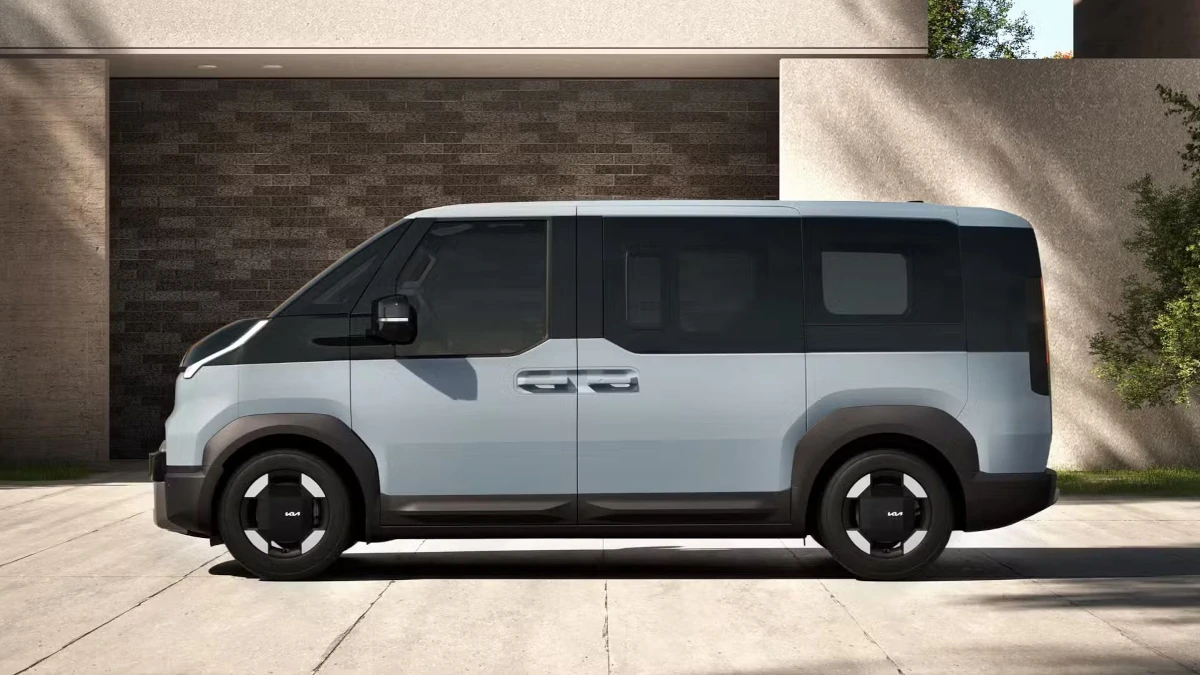
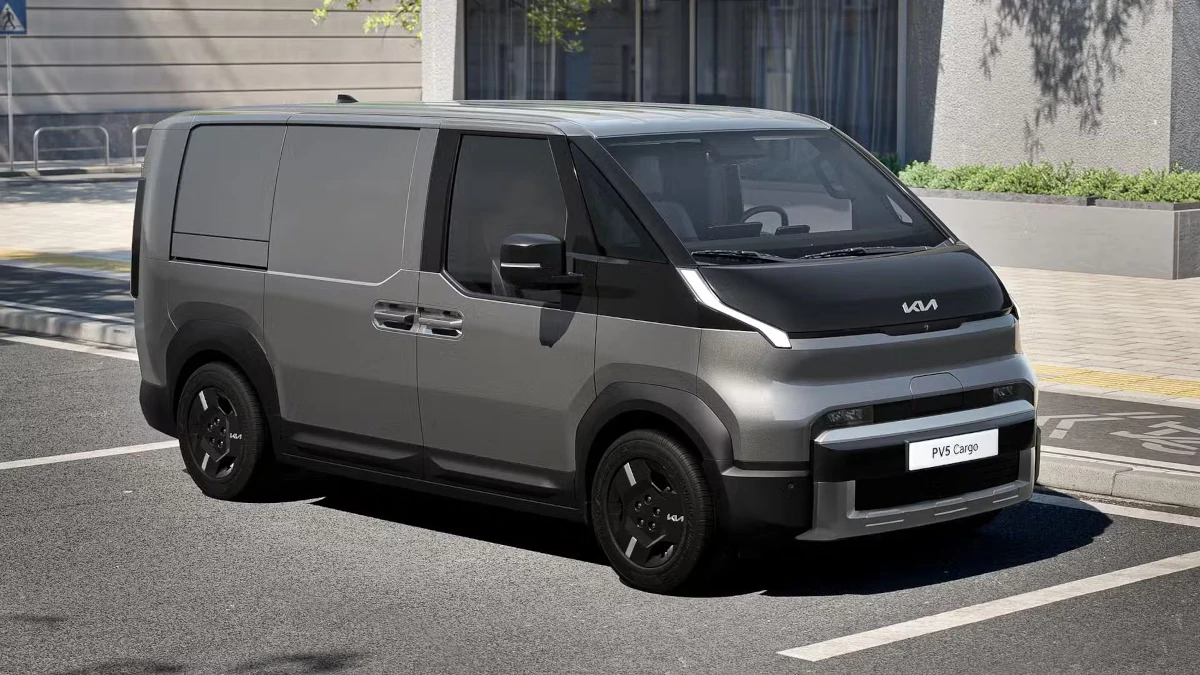
Two body types will be available for the Kia PV5, namely a cargo version and a people carrier. The prior model won’t have any windows and likely to have no rear seats. A variety of configurations are expected. Meanwhile, the latter gets sizable windows and, possibly, up to four rows of seats. As it’s touted as a passenger van, the odds of a luxury version appear slim.
As for design, it’s a continuation of Kia’s geometric theme called ‘Opposites United.’ Its boxy and upright shape means no one will mistake it for anything else other than a van, although there are some interesting exterior details. For starters, there’s the distinct vertical LED daytime running lights. Also, its headlights are somewhat in the middle section of the front fascia.
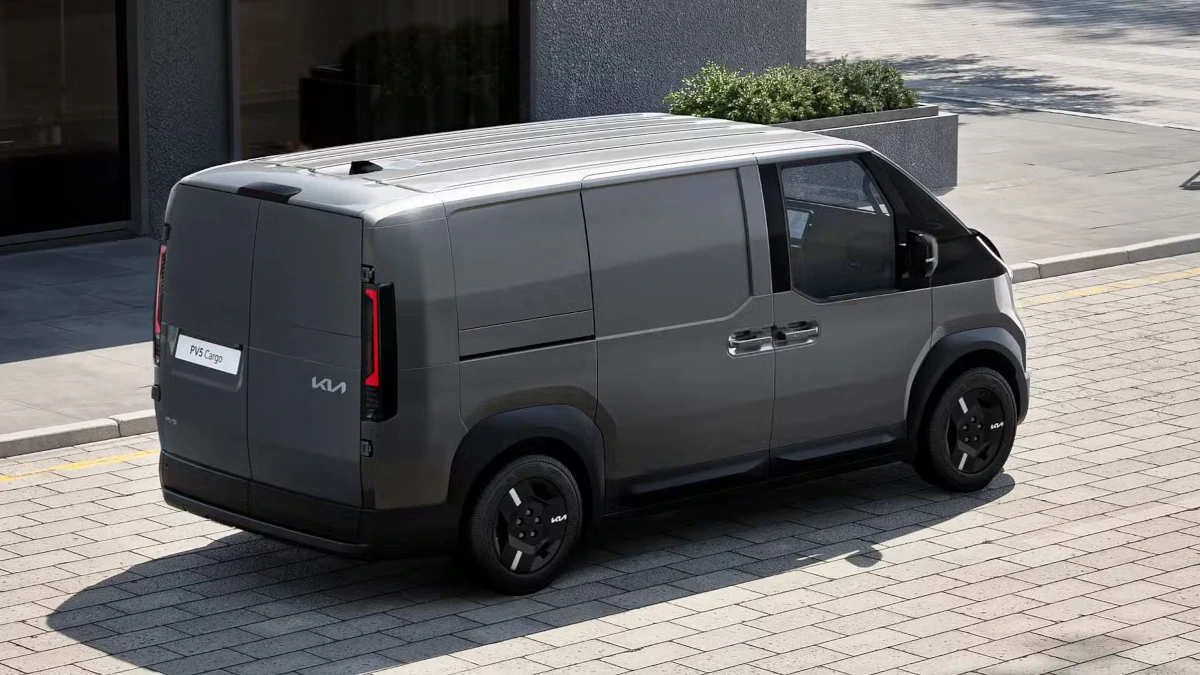
On to its side, the large windows give a low shoulder line and it’ll likely mean a lot of natural light into the cabin. At the back, the cargo model gets swing out doors while the passenger version comes with a traditional tailgate.
So, what are the odds of the Kia PV5 coming to the Philippines? Given the company’s electrification goals, there’s a fair chance of it landing in Southeast Asia at the very least. That said, the primary market seems to be Europe where this style of van is becoming popular. It’s all a matter of demand, and if there’s enough interest locally, Kia Philippines might consider it.