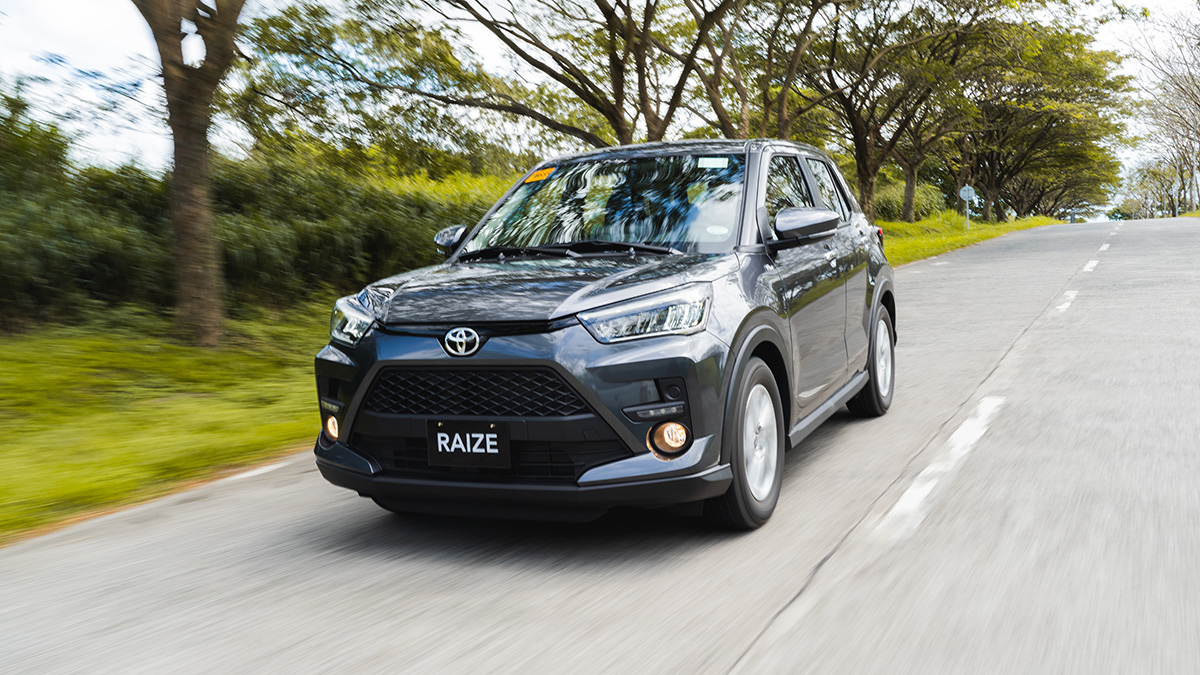

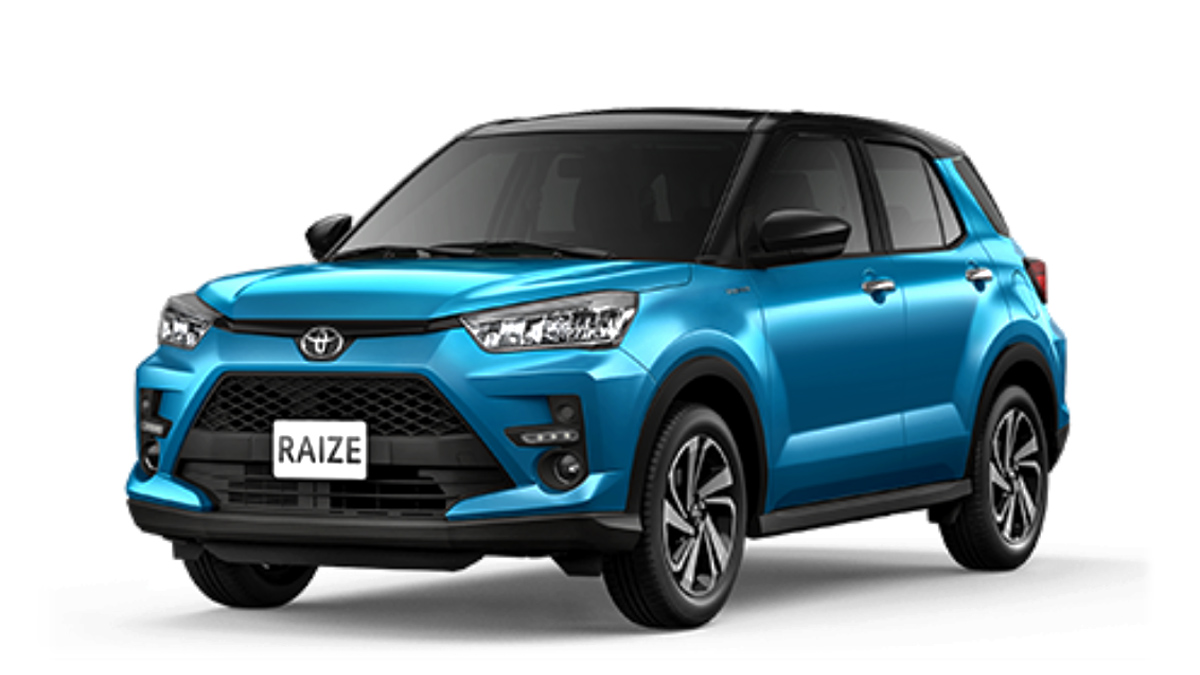
Toyota’s affiliate, Daihatsu has had it rough the past few months. The rigged test results from the all-new Vios and Wigo cast a dark cloud over the DNGA-based (Daihatsu New Global Architecture) vehicles. If that wasn’t enough, the crash test procedures for the Raize were, according to Toyota’s words, improperly certified.
Despite all that, Toyota and Daihatsu are, at least, taking steps to rectify the wrongdoings instead of sweeping it under the rug. For the Raize and its Daihatsu brother, the Rocky, the company has retested it for the UN R135-01 crash test. UN R135-01 simulates a side impact with a pole at 32kph angled at 75 degrees. The reason for the retest is because Daihatsu skipped the passenger side test (or the driver’s side for LHD markets) and the company extended the same result from the driver’s test to the other side of the vehicle.
OTHER STORIES YOU MIGHT HAVE MISSED:
ICYMI: LTO chief resigns, 140kph expressway speed limit proposed, first vintage car plates released
PH fuel price update: P1.10/L increase for gasoline effective May 30
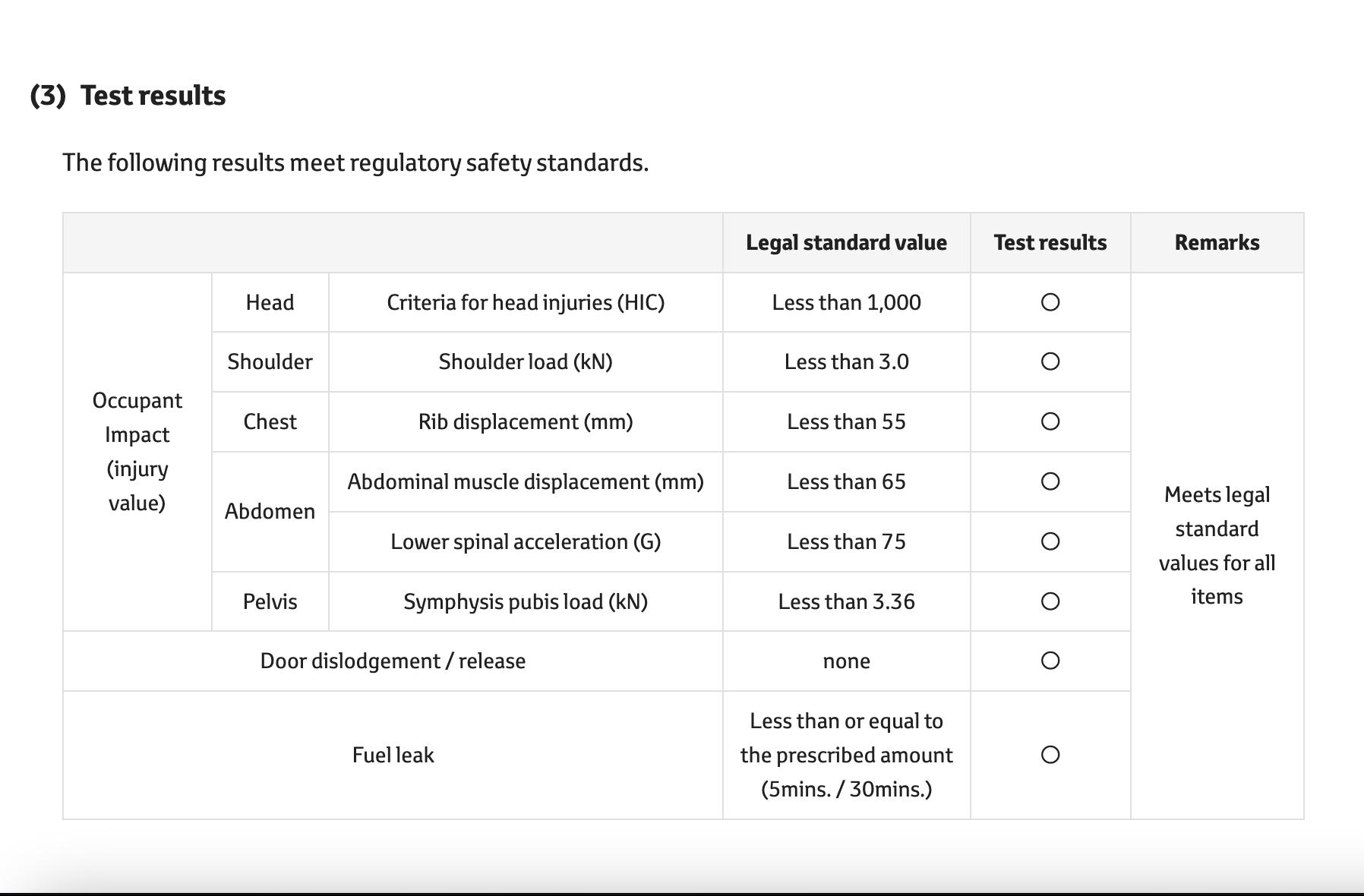
Toyota has since done the passenger side pole test, and says the Raize passed its internal parameters. Per the company, the measured impact forces are below the maximum allowable values set by regulations. Also, none of the doors swung open during the impact, and the fuel leakage is below a certain value.
So, it’s all good news for the Raize, right? Well, not quite. By Toyota’s own admission, the test was conducted without the presence of a ‘certification authority’. That means the company will conduct the test again with the authorities as witnesses. Toyota said it will only continue sales of the Japan-built Raize and Rocky hybrid models once it’s given approval by the government agencies concerned.
Meanwhile for the Indonesian-made, non-hybrid units, no stop-sale order is in place. It remains to be seen if the 1.2-liter, 1.0-liter turbo, and left-hand drive models are affected. As for Toyota, a deeper internal investigation is ongoing to see if there are other factors within the company that have forced a department or certain individuals to commit a wrongdoing.