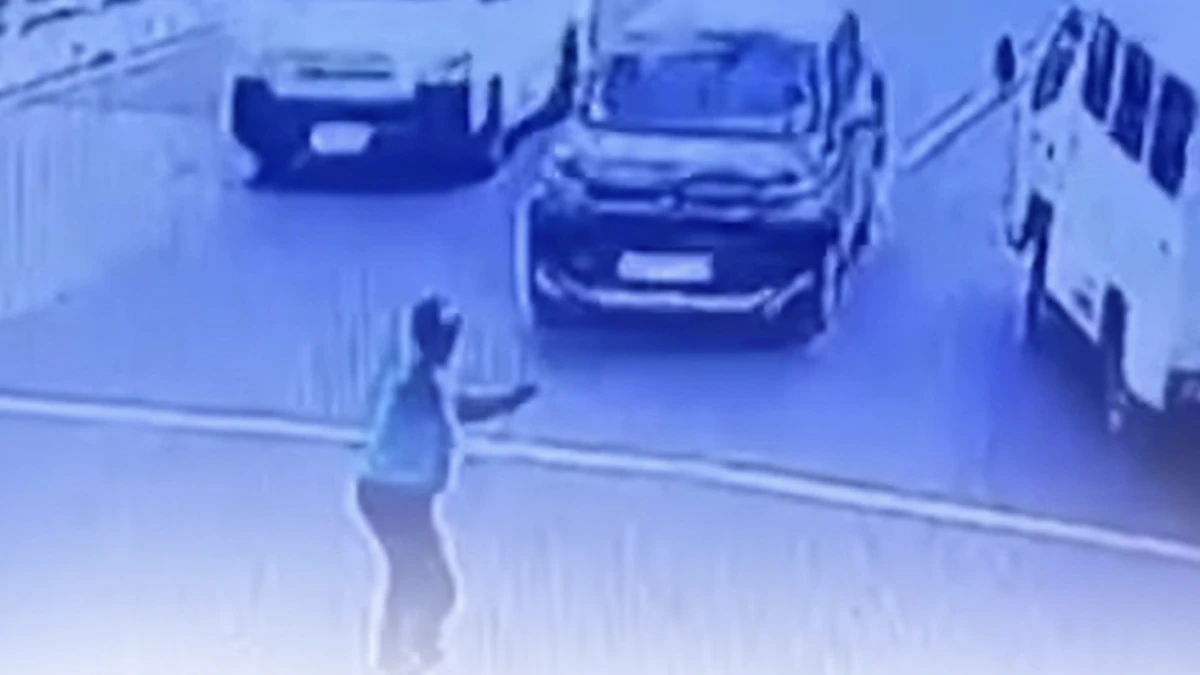
Most new cars nowadays come standard with a pedestrian automatic emergency brake (AEB) system, which is encoded in the car’s advanced driver-assistance system (ADAS). The protocol will engage the vehicle’s brakes when the sensors notice a pedestrian that is getting dangerously close to the front of the car. The car should gradually slow down, or make a complete stop before colliding with the pedestrian.
Because most sensors depend on visibility to identify possible collisions, reflective strips should help the ADAS identify pedestrians, cyclists, road workers, and objects on the road in low-light situations. Generally, anyone and anything that occupies the road should have some sort of reflective clothing to help motorists notice and avoid them.
OTHER STORIES YOU MIGHT HAVE MISSED:
From world’s worst in 2023 to 15th worst in 2024: Has Metro Manila traffic really improved?
80kph speed limit on straights of Skyway Stage 3 takes effect on January 20
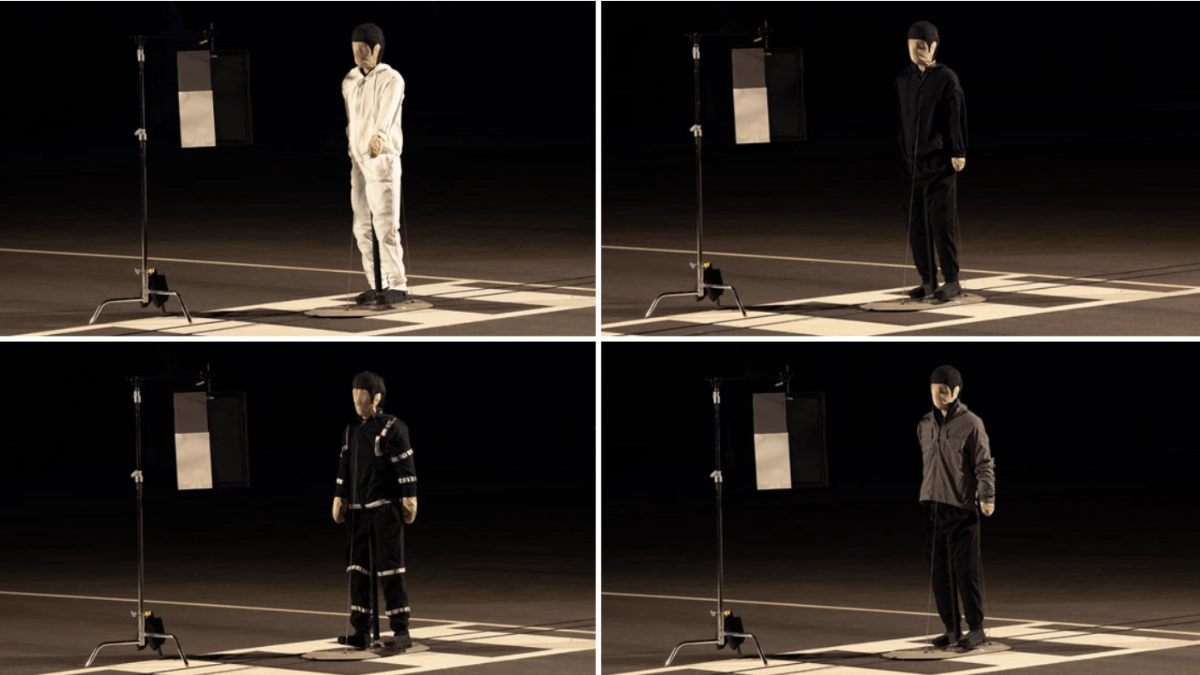
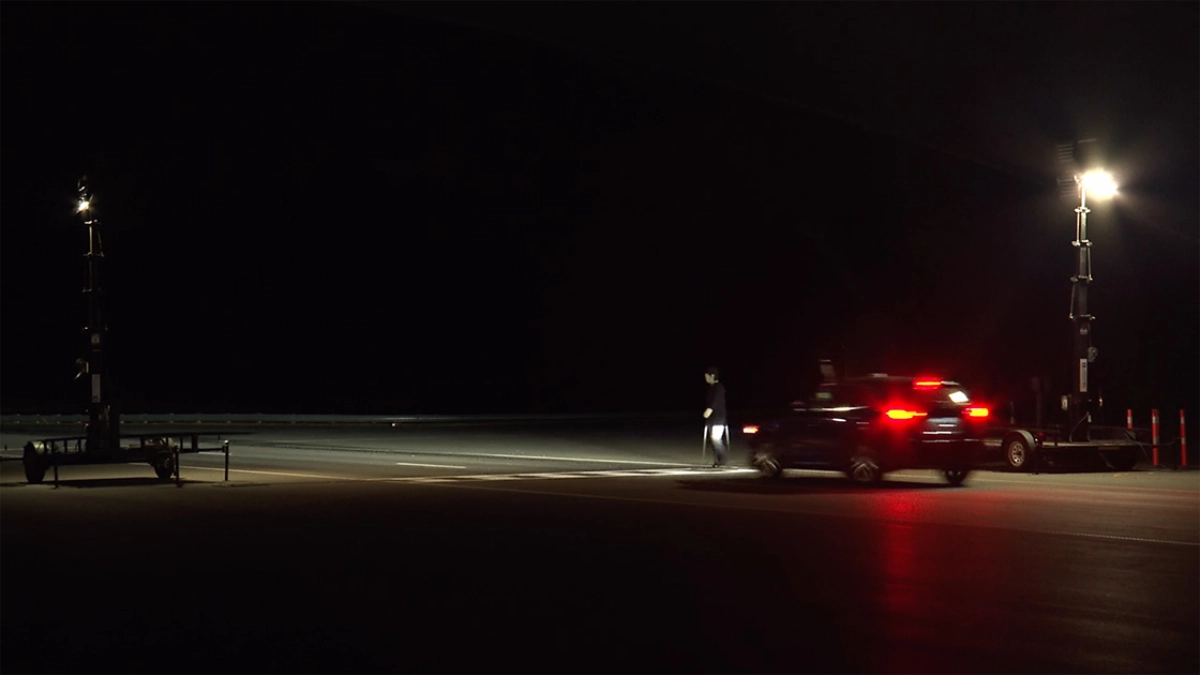
And that’s where the Insurance Institute for Highway Safety (IIHS) comes in. Because hardly any ADAS has been assessed in low-light conditions, the IIHS conducted a case study that attempted to verify how accurately an AEB system can identify reflective clothing.
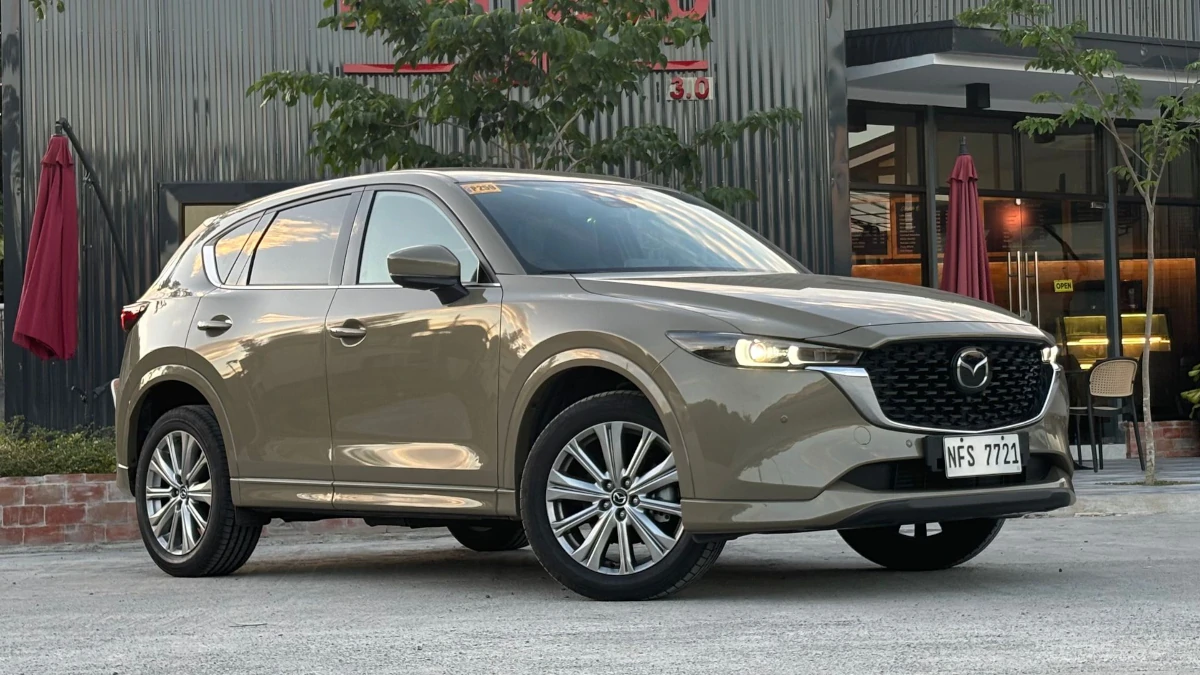
Popular cars around the U.S. market were used in this study. Namely, 2023 models of the Honda CR-V (with Honda Sensing), the Mazda CX-5 (with i-Activsense), and the Subaru Forester (with EyeSight) were put to the test in various low-light driving conditions.
The cars would drive at a controlled speed of 40kph through multiple lighting conditions from the car’s headlights and surrounding street lights. A crash-test dummy was placed as the pedestrian to avoid, and it was dressed in non-reflective, and reflective clothing.
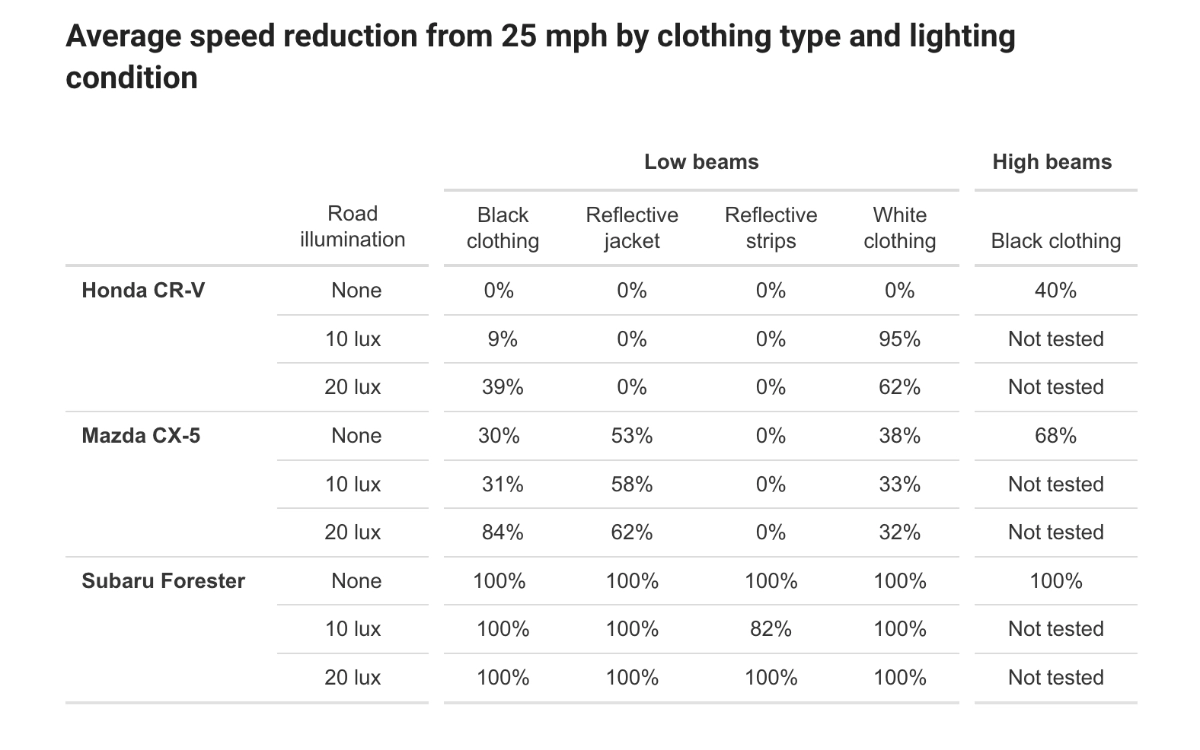
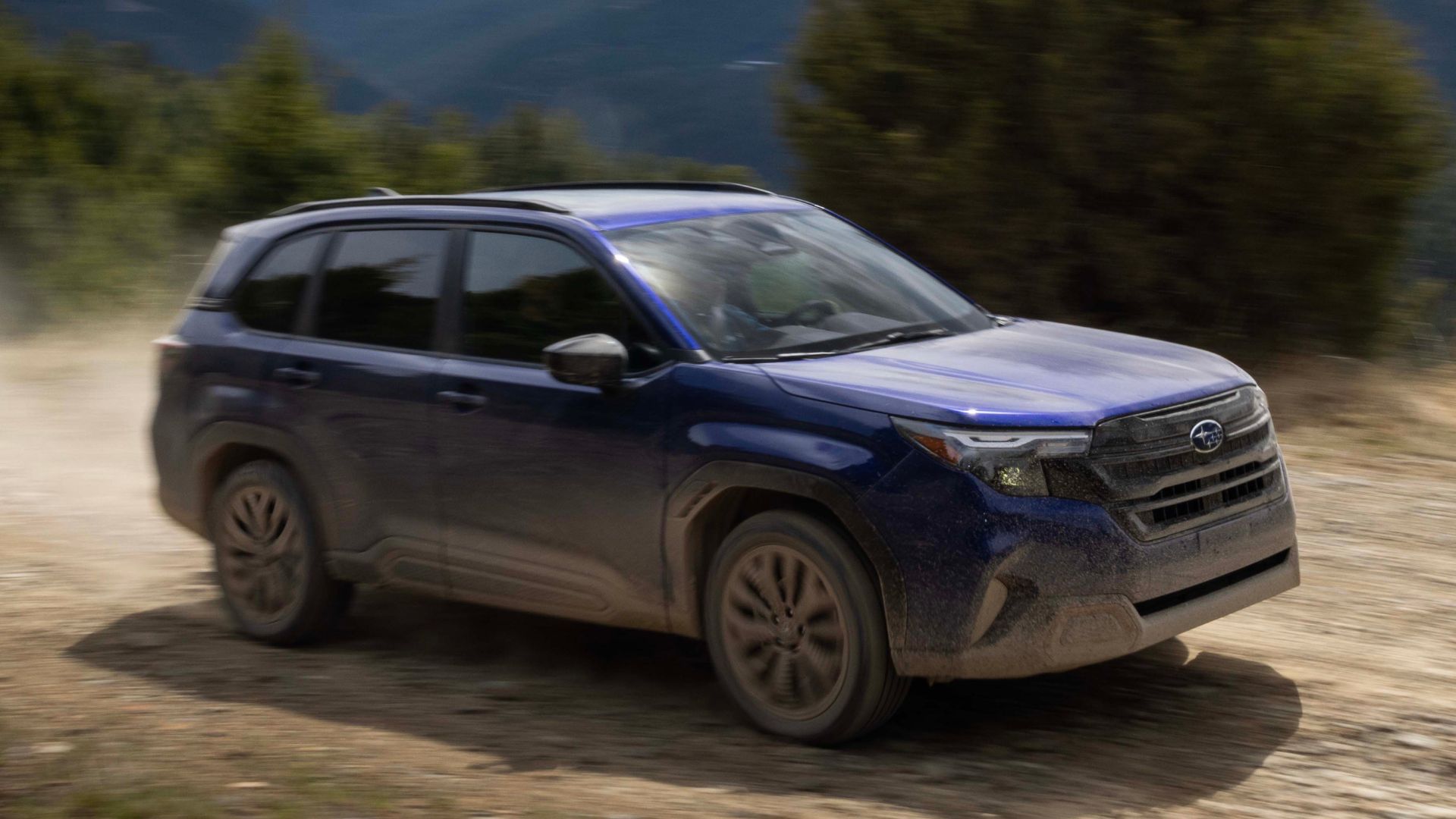
Results from the study showed that the Subaru’s EyeSight ADAS was able to consistently identify the dummy throughout varying lighting conditions. Even when the dummy was not in reflective clothing, the Subaru Forester was still able to reduce its speed, and come to a complete stop. However, the Forester was only able to reduce 82% of its speed while the dummy was wearing reflective strips on a street that was semi-lit.
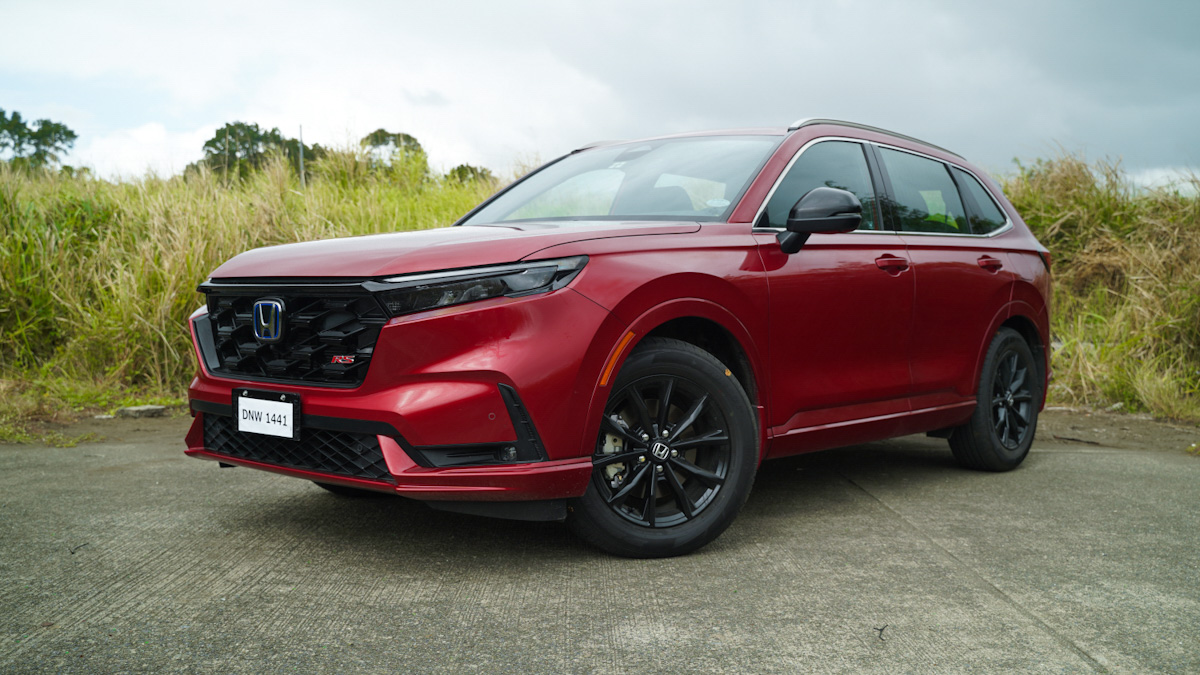
Notably, the other two vehicles would struggle when the dummy was in reflective clothing. The Mazda CX-5 with its ADAS was able to slow down when the dummy was dressed in a full reflective jacket, but otherwise could not identify the dummy in just reflective strips. While the Honda CR-V and its ADAS had the most difficult experience identifying the dummy when in reflective clothing, and in different lighting conditions.
Interestingly, the respective Mazda and Honda AEB systems were able to notice the dummy in the darkest conditions, and somewhat reduce the speed of the cars. However neither were able to come to a complete stop.
The results are sure to raise a few eyebrows and cause some confusion. But, what is clear is that this study does not discourage the use of reflective clothing, but rather is a call to action for all carmakers to better calibrate its ADAS and AEB systems. According the IIHS, AEB systems were able to reduce pedestrian-vehicle collisions by 27%, further proving its importance.
However, this study should also reinforce that these systems and softwares are meant to assist drivers, and not automate the actual control of the car. ADAS and AEB systems have come a long way, but drivers are still responsible for the overall safety of their vehicle and their motoring.
You can learn more about the IIHS and its work on its website. The organization also rates and awards vehicles based on its safety features, crash tests, and other assessments. It’s worth noting that the IIHS awarded the 2025 Honda Civic, Acura Integra, and Mazda 3 as part of its top picks for safety in 2024.
The full study, conducted by David G. Kidd, and Watson Spivey is also available here.