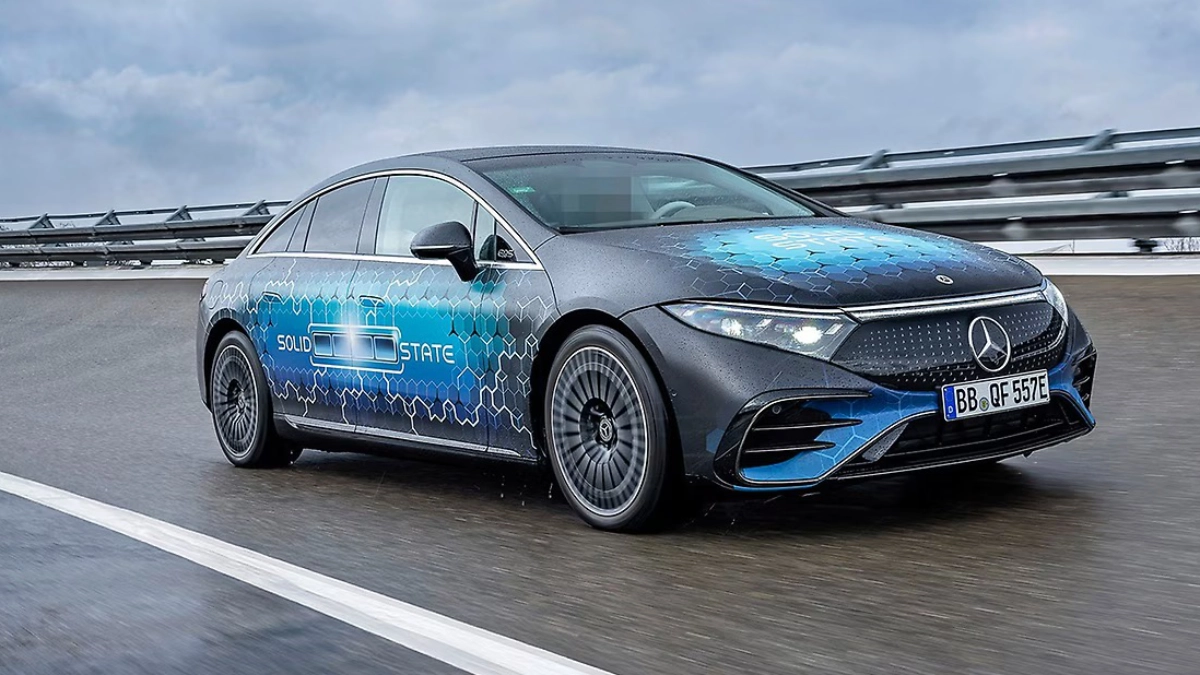

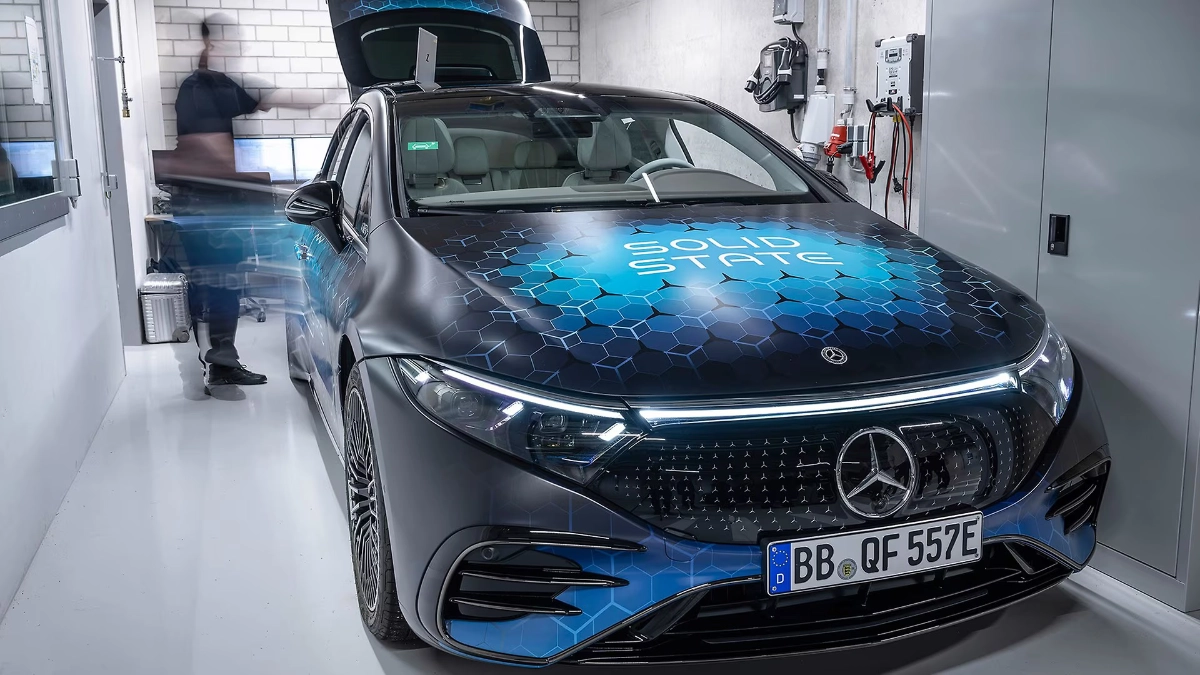
Mercedes-Benz has modified an EQS EV to test its prototype lithium-metal solid-state battery, and the results are already looking really promising—taking range from 785 to a theoretical 1,000km.
The ‘succinctly’ named Mercedes-Benz Centre for Competence for Battery Systems is working with battery cell manufacturer Factorial and the guys from AMG High Performance Powertrain—the same team responsible for F1 tech. Their ‘slightly modified’ EQS Sedan is expected to get 25% more range compared to a current battery of the same weight and will be able to manage charging cycles better, too.
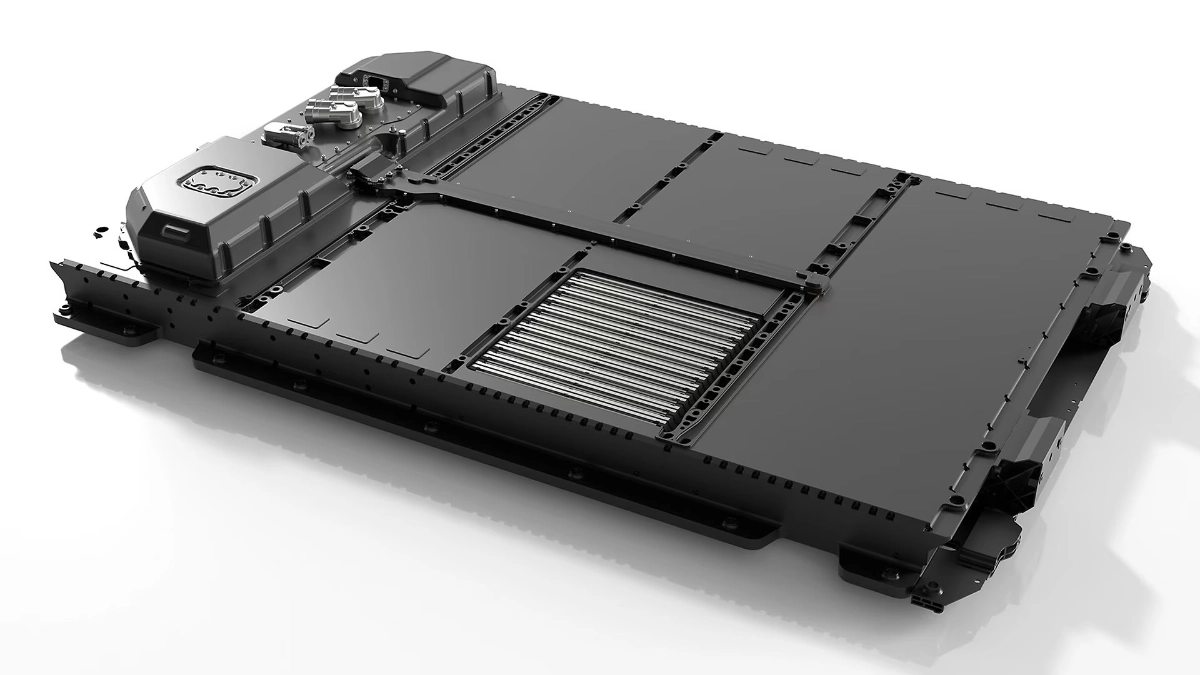
That’s because on top of the 450Wh/kg target power density, volume-monitoring pneumatic actuators (or, in regular person talk, air cushions) have been fitted to protect the battery.
OTHER STORIES YOU MIGHT HAVE MISSED:
Kia presents exciting, more accessible EVs during 2025 EV Day
Toyota teases a new EV for the European market
While solid-state batteries are lighter and safer (basically the Holy Grail of battery innovation), the rigidity of the solid electrolyte means a greater potential for it to break. Unlike liquid or gel found in today’s batteries, which have a bit of give when the electrolyte gets warmer and expands, the solid one doesn’t. That’s where the air cushions come in, managing the space during expansion and contraction.
Merc reckons it’ll get additional weight savings and more energy efficiency as it works to cool the battery. The Silver Arrows also say there will be further insight over the next few months as testing continues. More as we have it.
NOTE: This story first appeared on TopGear.com. Minor edits have been made.