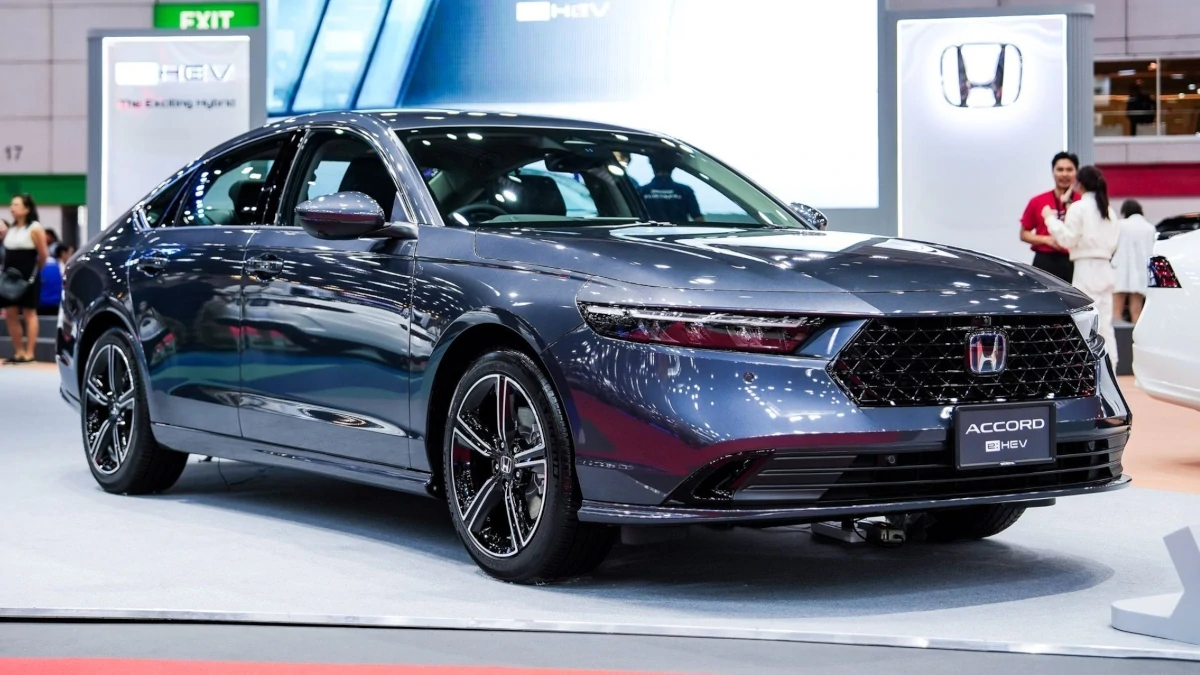
President Ferdinand Marcos Jr. has just signed Executive Order No. 121, which orders the implementation of the Electric Vehicle Incentive Strategy (EVIS) program.
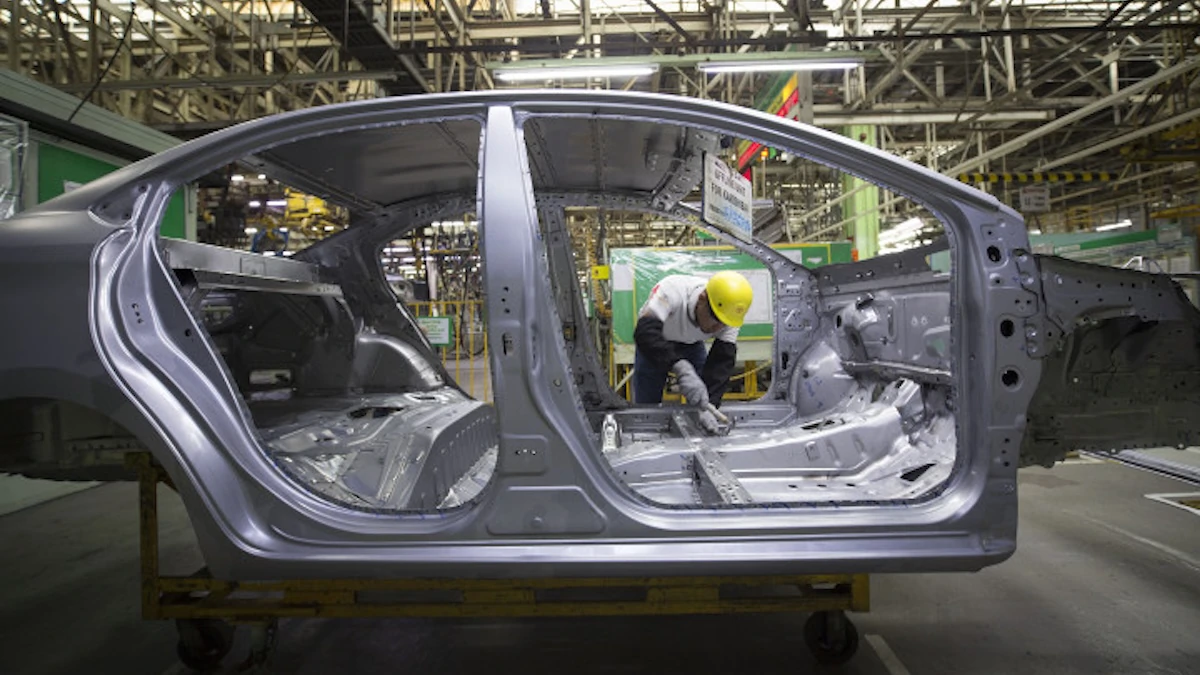
This aims to promote the manufacturing of fully electric and hybrid vehicles in the Philippines and to also support the nationwide adoption of electric mobility. Under production volume goals, carmakers will receive incentives for their investment in the country. Some of these include tax reliefs and monetary support from the government.
With that, the program will be overseen by the newly created Inter-Agency Committee on Electric Vehicle Industry Development, which will be led by the Department of Trade and Industry’s Board of Investments. The committee will also include the Department of Finance, the Department of Energy, the Department of Transportation, and the Department of Budget and Management.
OTHER STORIES YOU MIGHT HAVE MISSED:
Report: Honda considering an Accord-based SUV for 2029
Could we be getting the all-new BMW iX3 in PH soon?
Mainly, the group will facilitate partnerships and fiscal support with businesses aiming to participate in the EVIS program. Ultimately, all of these fall in line with the goals set under Republic Act No. 11697, or the Electric Vehicle Industry Development Act, and the subsequent Comprehensive Roadmap for the Electric Vehicle Industry.
At a recent press briefing, Presidential Communications Office undersecretary Claire Castro explained that several employment opportunities are also expected to be generated from the EVIS program. Along with those, the administration also expects a reduced dependency on imported fuel and a more active role in the global EV supply chain.
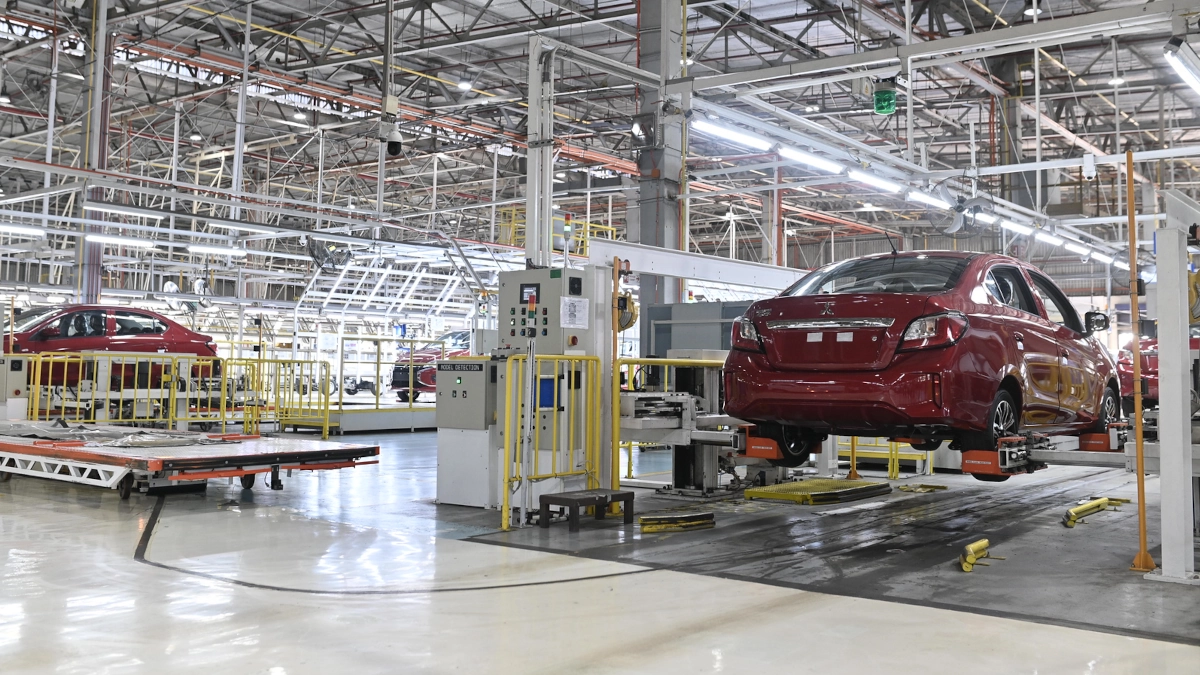
Arguably, the most prominent entity to commit to local EV manufacturing is Mitsubishi Motors Philippines. Earlier this year, the company announced that it aims to build a hybrid model at its Santa Rosa Plant, with production slated for 2028.