The Department of Energy announced its permitted ranges of fuel price adjustments earlier today at its weekly press conference. In disappointing news to many motorists, fuel prices continue to climb this week despite Dubai crude oil steadily returning to pre-war prices.
For the week of July 7 to July 13, 2026, gasoline prices can hike up to P0.25 per liter, with diesel also jumping by up to P3.57 per liter. Kerosene is also getting a similar jump by up to P3.70 per liter.
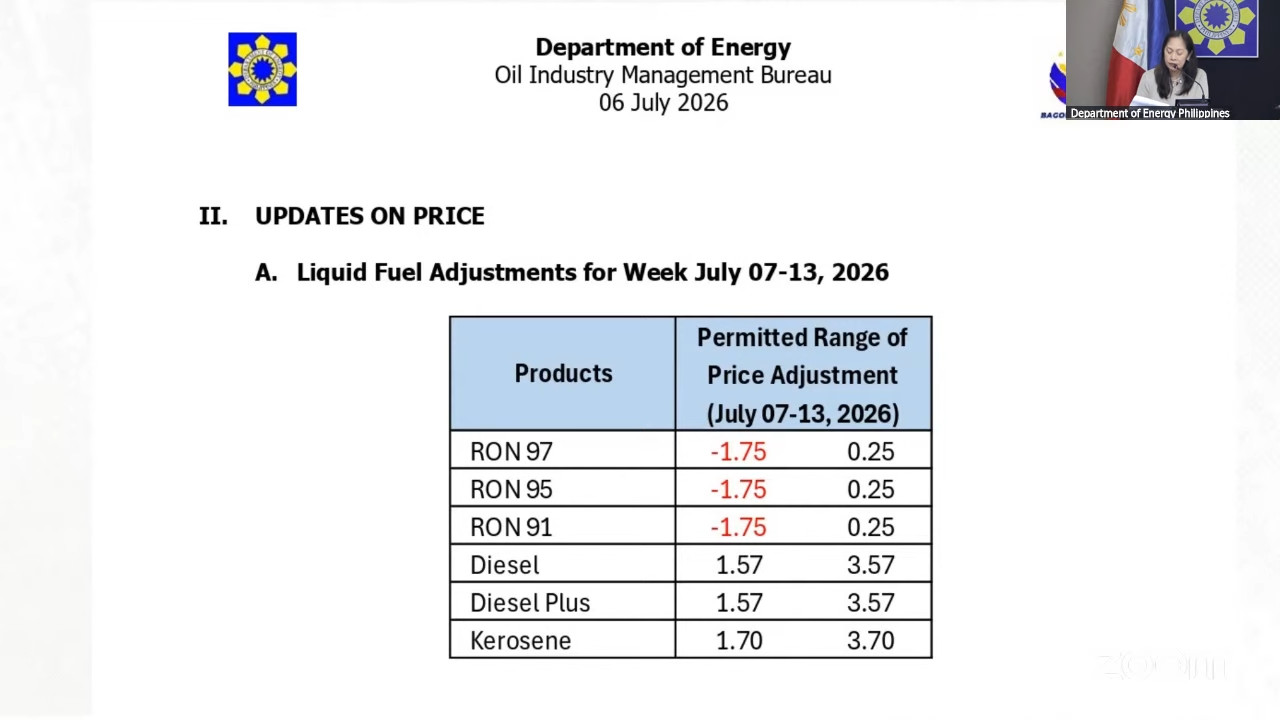
As with previous weeks, oil players have chosen to lean towards the maximum possible increases. In the case of gas in particular, companies have chosen to raise gas by P0.25 per liter despite the up to P1.75 per liter possible rollback calculated by the DOE.
OTHER STORIES YOU MIGHT HAVE MISSED:
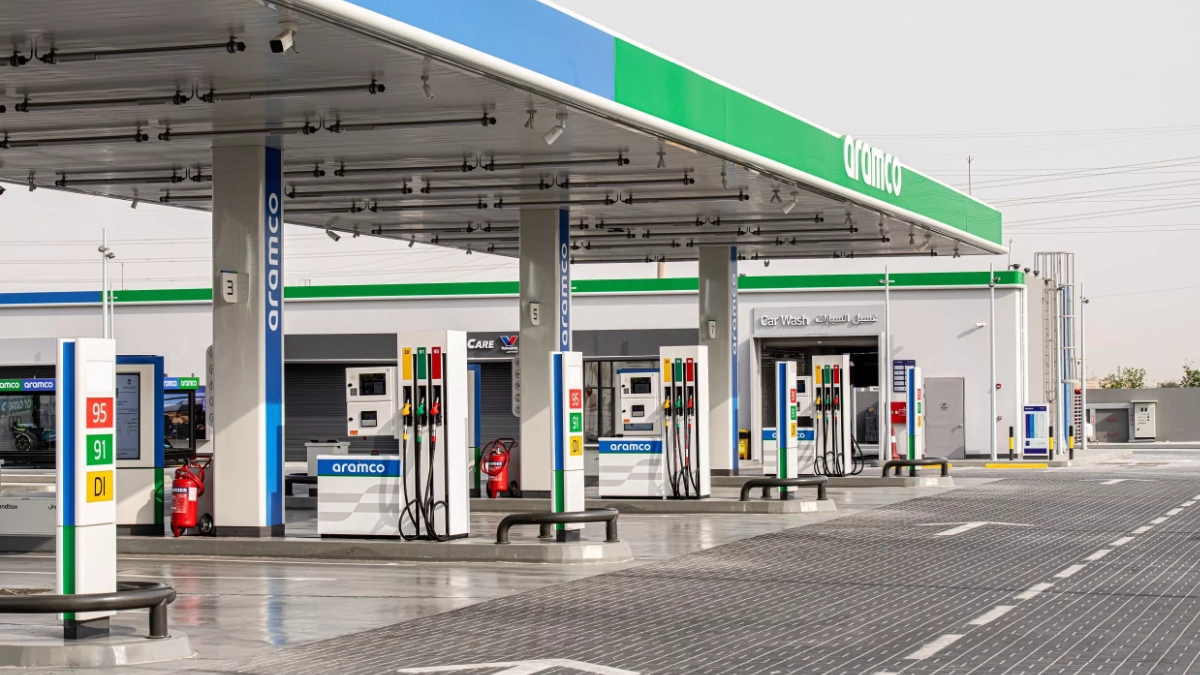
Is Saudi Arabia’s Aramco opening fuel stations in PH?
Kia Sonet Pilipinas Club marks second year as the subcompact SUV breaches 10,000 unit sales
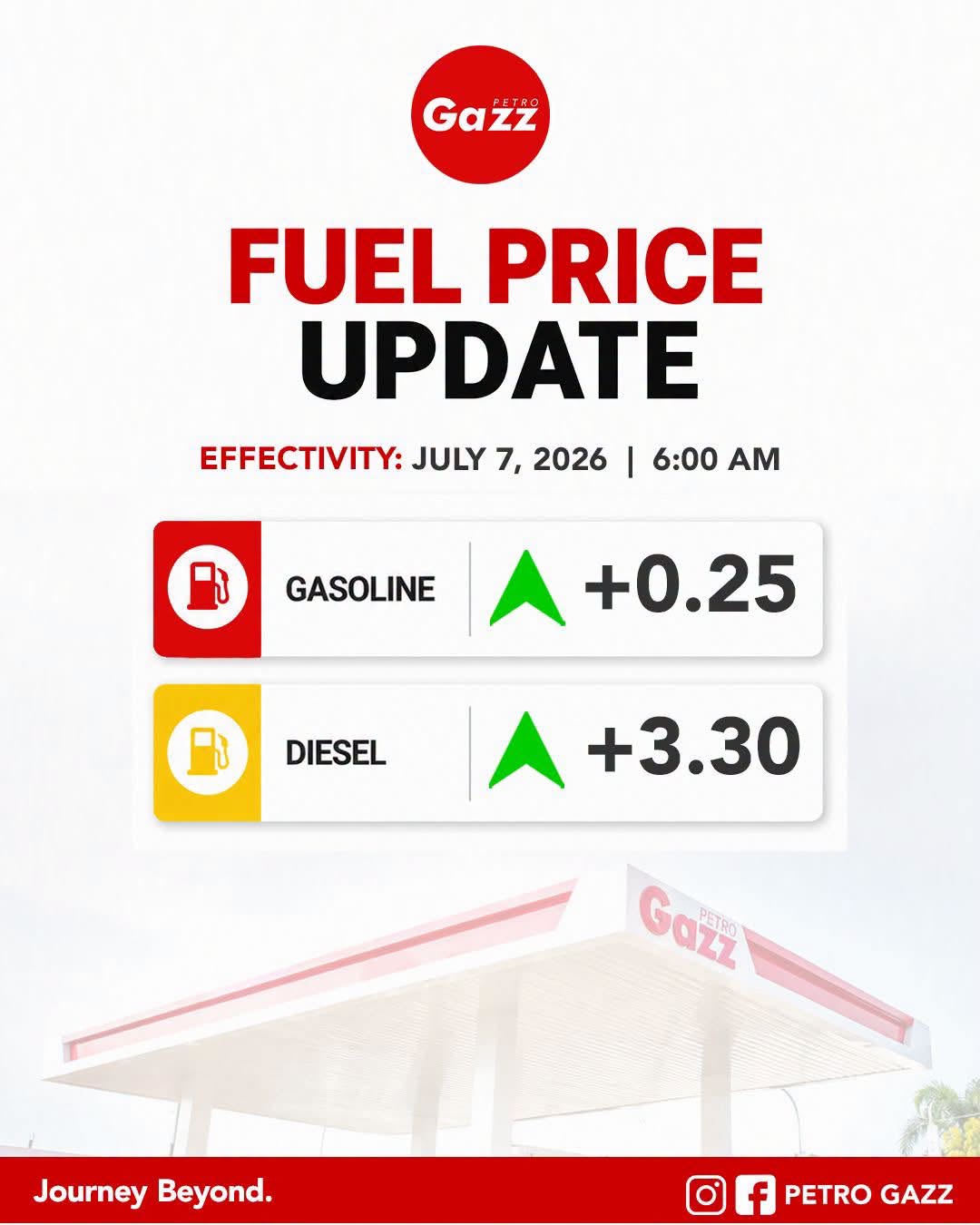
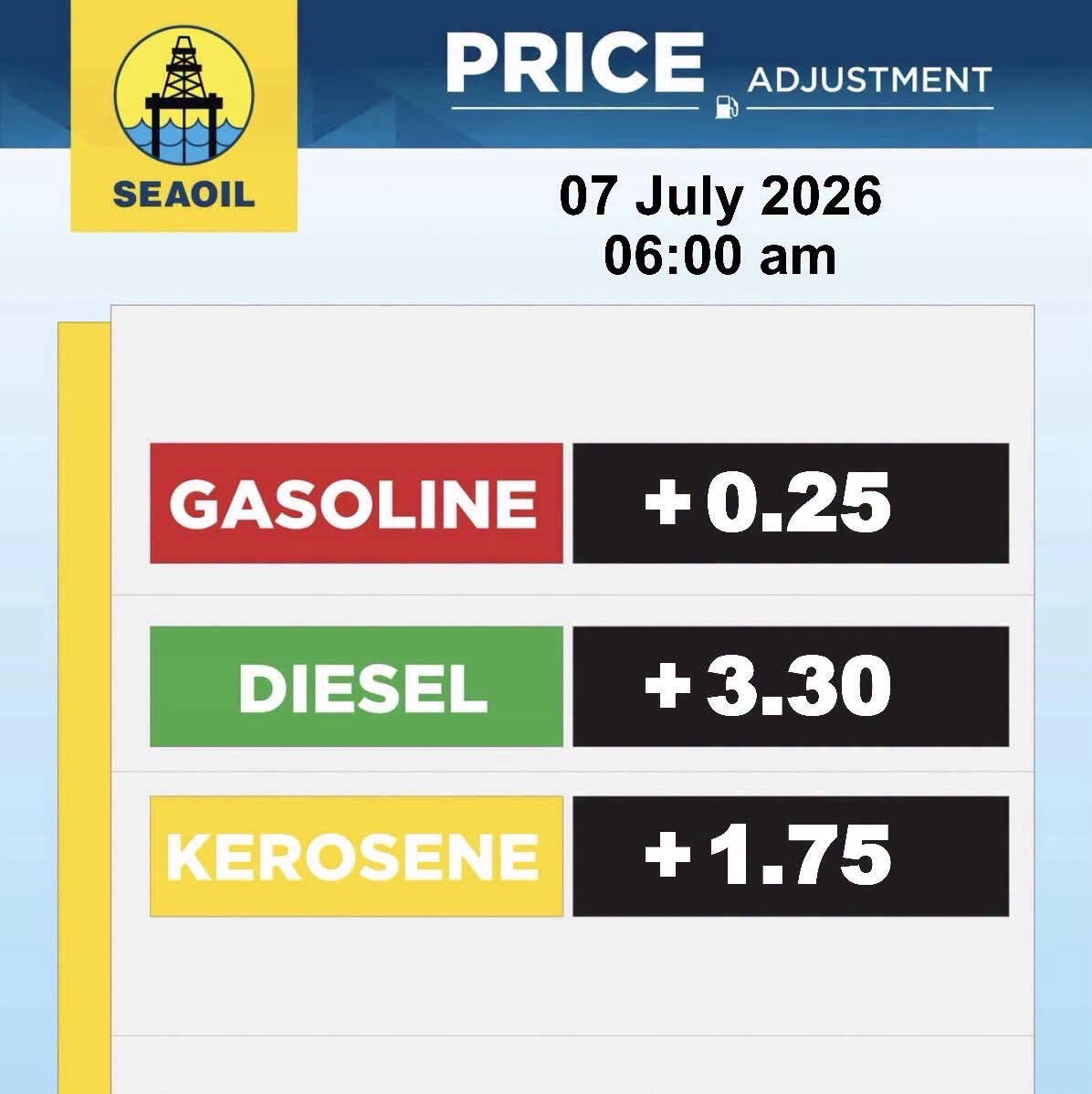
As for this week’s diesel hike, the oil companies that have announced their price adjustments so far have all chosen to raise diesel prices by P3.30 per liter. This increase sits just under the maximum allowed price movement set by the DOE.
During the press conference, a question from the media was raised on why fuel prices continue to climb despite the steady recovery of oil prices in the international market. DOE Undersecretary Alessandro Sales attributed this to the fact that majority of the Philippines’ oil is imported—as a result, prices at the pump are pegged on the Mean of Platts Singapore, the regional benchmark for oil prices.
That being said, DOE secretary Sharon Garin reassured the public that “the worst [of the fuel crisis] is over,” and a return to pre-war prices at the pump is possible within three months. Cited facts to back up this claim include the Strait of Hormuz’s output being restored to around 30%, as well as oil-producing states in the Middle East reportedly being almost back to 100% production.
The DOE also announced at the press conference that it has formally proposed amendments to the Oil Deregulation Law of 1998, and its suggested provisions are now being reviewed by the House of Representatives and Senate Committee on Energy. Notably, the Department’s proposed amendments carry no provisions on powers to directly limit or dictate prices.
Instead, the amendments are focused on creating additional safeguards (a national strategic fuel reserve as well as higher minimum inventory requirements for oil companies) in the event of another energy crisis.