
Last month, we reported that numbers are showing how more and more US car buyers are settling for the jacked-up car prices being thrown at them by dealerships. The situation has gotten so bad that a study found over 82% of customers paid for their car above the standard retail price in January 2022.
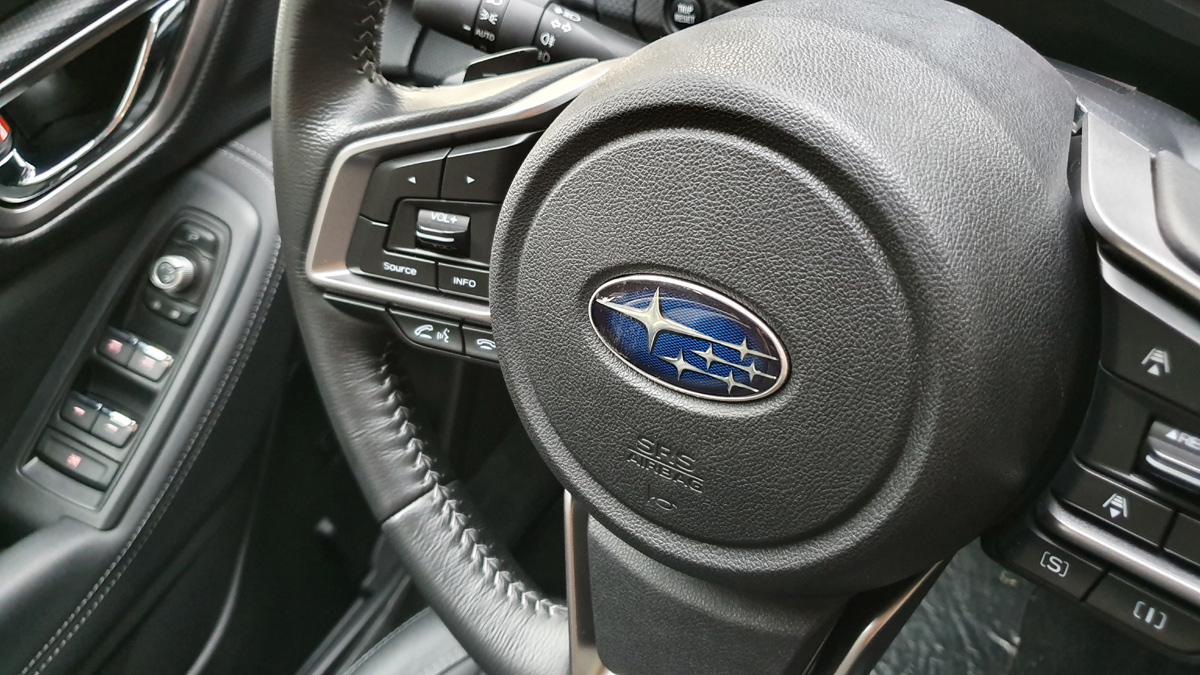
Not all car manufacturers are taking this issue lightly, though. Subaru, for example, has had enough of its retailers engaging in the practice, calling them out in a strongly-worded letter sent to concerned parties within the manufacturer’s US network.
The letter, which was obtained and shared by Jalopnik, was signed by Subaru of America president Thomas Doll. It called the practice of taking advantage of the ongoing supply shortage against the company’s brand philosophy and called on retailers to quit it.
ALSO READ:
Quick guide: How to apply for a number coding scheme exemption
The end could be near for the gasoline-powered Subaru WRX STI
“We are receiving an increasing number of customer letters and emails voraciously complaining about sales of vehicles at prices above MSRP,” a portion of the letter’s first paragraph reads.
“We strongly discourage our retailers from engaging in this practice because of the negative impact this can have on the customer experience and your brand loyalty. In addition, such a practice does not fit with the brand philosophy of our Love Promise…that promise to provide customers with the best purchase and ownership experience in the industry.”
Doll also made sure to separate regular car dealerships from retailers, saying while that practice may be common among the former, it is not something the latter should consider doing.
“We request those Subaru retailers who are engaging in the practice of selling vehicles at prices not consistent with the Love Promise to refrain because of the negative impact this is bringing to our brand. The current situation is testing our resolve, commitment, and discipline to the principles of our Love Promise customer commitment.”
Have you seen instances of this practice being used in the Philippine market? Let us know in the comments.