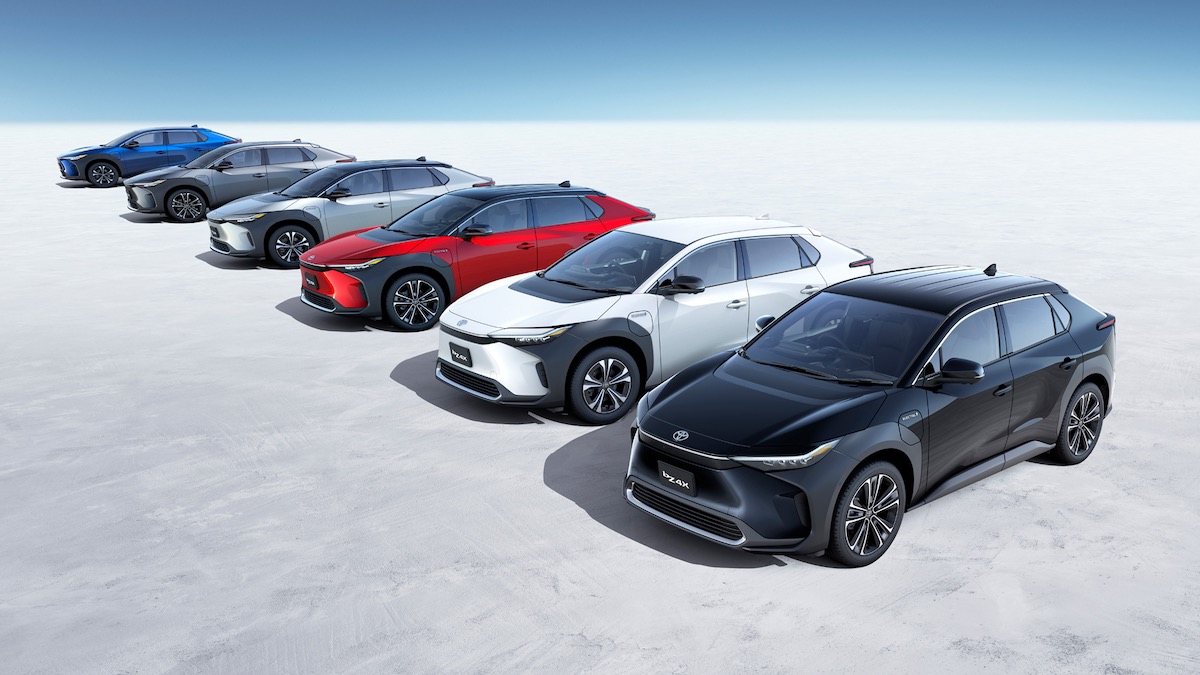

Toyota may be committed to saving the internal combustion engine, but it also wants to make headway in the electric vehicle market. At the moment, it is making baby steps towards expanding its EV lineup, but that might soon change.
Recently, MG, under SAIC’s wing, announced that its ready to roll outs solid-state batteries before the end of 2025. It’s a huge claim, but the gauntlet has been thrown in the race to be the first to produce these. Not to be outdone, Toyota has also released a statement regarding its progress on solid-state batteries.
OTHER STORIES YOU MIGHT HAVE MISSED:
The new look Honda HR-V makes its ASEAN premiere
Mazda CX-6e trademark hints EV or REV version of CX-60
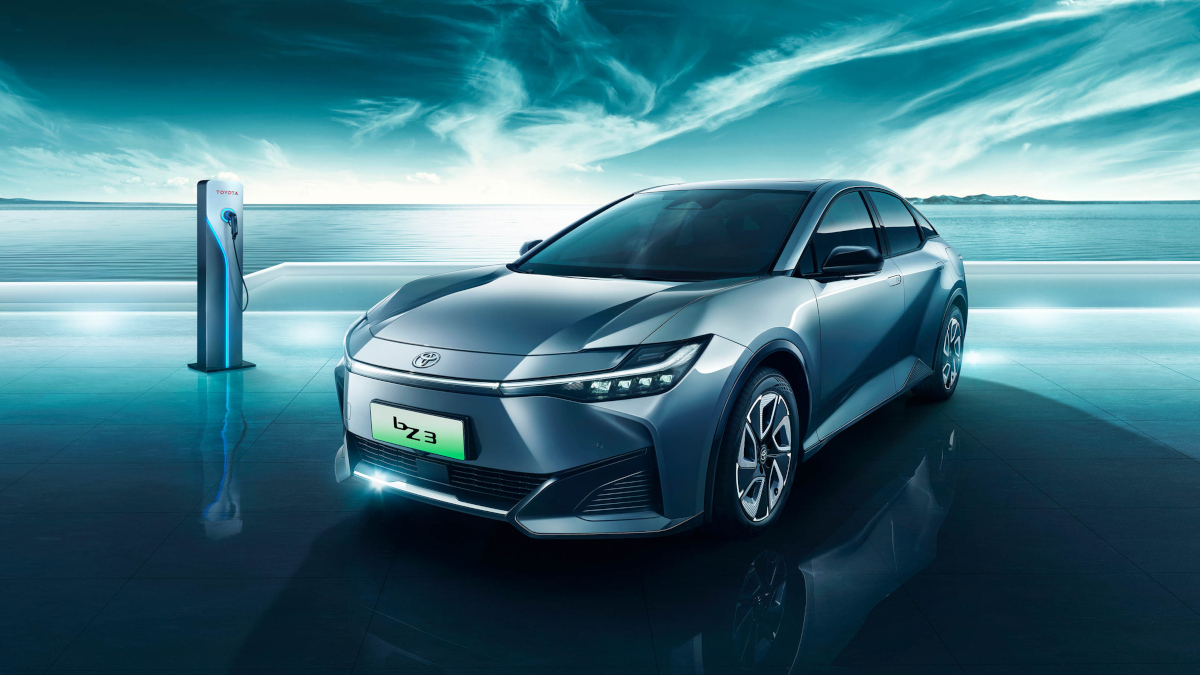
Initially, Toyota said it will have these batteries ready by 2027. Now, the Japanese automaker has adjusted that target to 2026. While still behind SAIC, it appears that Toyota is taking a more cautious (and transparent) approach to it.
“[It] is an equipment-intensive industry requiring large-scale investments in significant facilities. To maintain and enhance manufacturing capabilities and technologies within Japan's battery industry, which includes equipment industries and material manufacturers, government support is provided,” said Toyota. Toyota adds that initial production will be limited but be ramped up by 2027 and beyond.
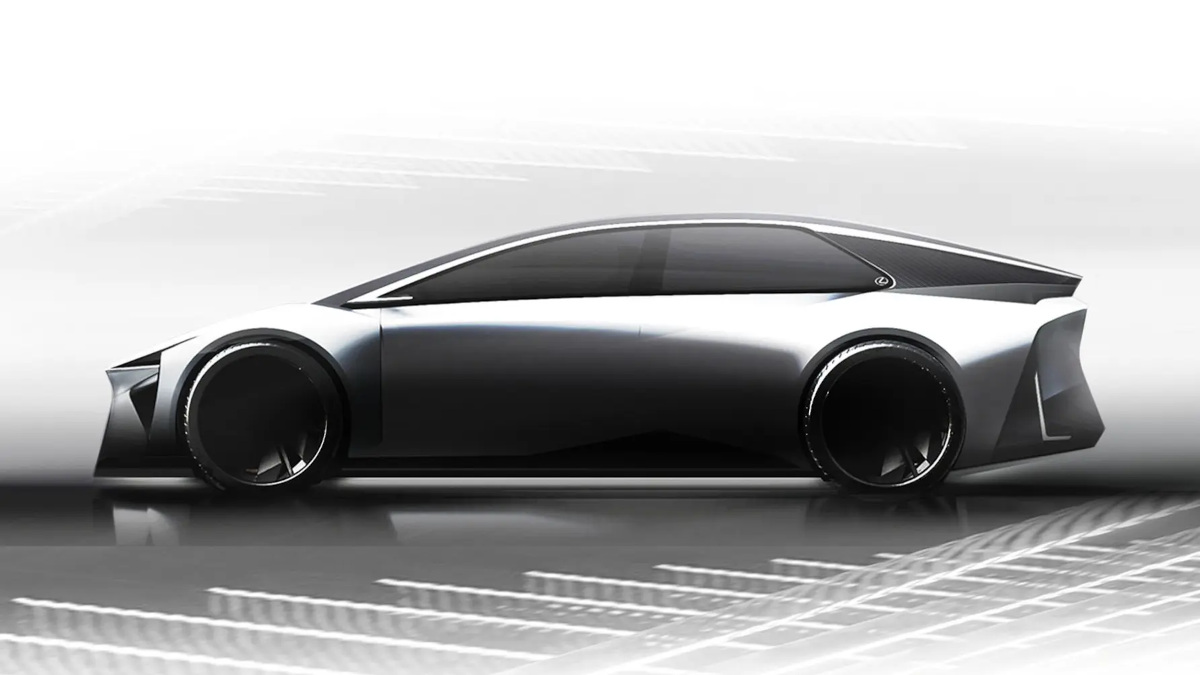
Plans to roll these out have been validated by the Japanese Ministry of Economy, Trade and Industry. Prior to that, Toyota has been making progress in solid-state battery technology. These batteries are said to be able to charge from flat to full in around 10 minutes and offer a range of 1,000 kilometers. Then, in June 2023, the company was able to extend that range to 1,200 kilometers.
It is said that Toyota will not install these batteries in a full electric vehicle as it might be too expensive for consumers. It has been reported that it will instead put these in hybrid vehicles to further improve its electric-only range in EV mode. Should Toyota produce more of these, it might drive down costs for series production to allow more vehicle types to use this technology.