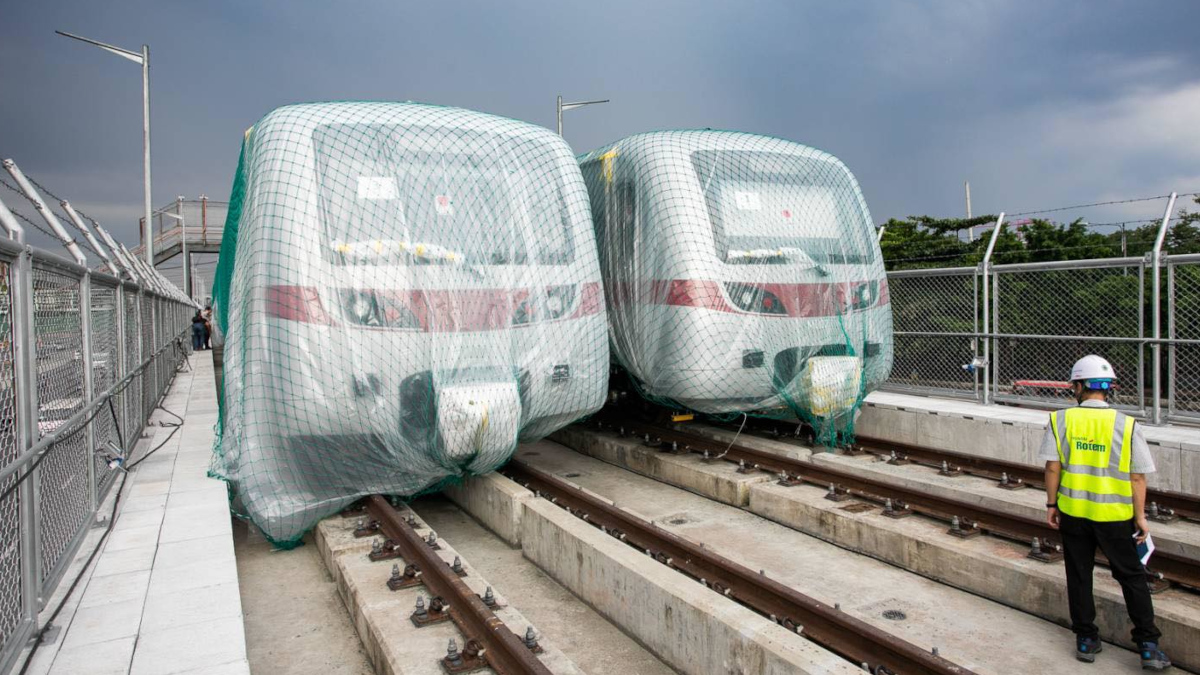
If you’ve ever experienced riding trains abroad, you know how convenient and enjoyable commuting can be. I enjoy railway travel in countries like Japan and Taiwan, as trains are fast, super-efficient, leave on the dot, and seamlessly connected to points of interest. They’re comfortable and easy to ride, and you can easily get where you need to go cheaply and hassle-free.
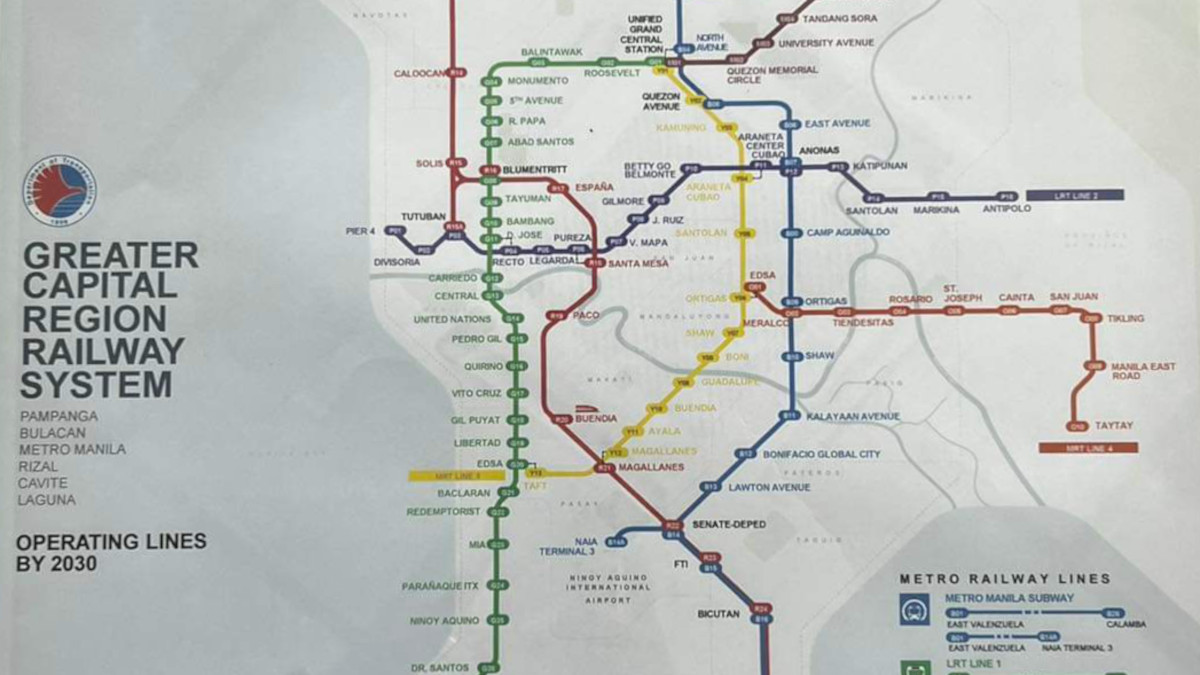
While our country has a lot of catching up to do in terms of mass transport, there are several major railway projects underway. When completed, these will hopefully enhance connectivity, alleviate traffic woes, and give commuters the same level of convenience we normally only get to enjoy in other countries.
But how much longer do we have to wait before these train lines are operational?
As of May 2025, here’s a quick look at the ongoing projects and latest projected completion dates based on various news reports (pending further delays and notorious right-of-way issues, of course).
1) MRT Line-7
The Metro Rail Transit Line 7 or MRT-7 is a 22.8km elevated railway that will run from North Avenue, Quezon City, to San Jose del Monte, Bulacan, with 14 stations. The rapid transit line is expected to reduce travel time between the two areas to 35 minutes.
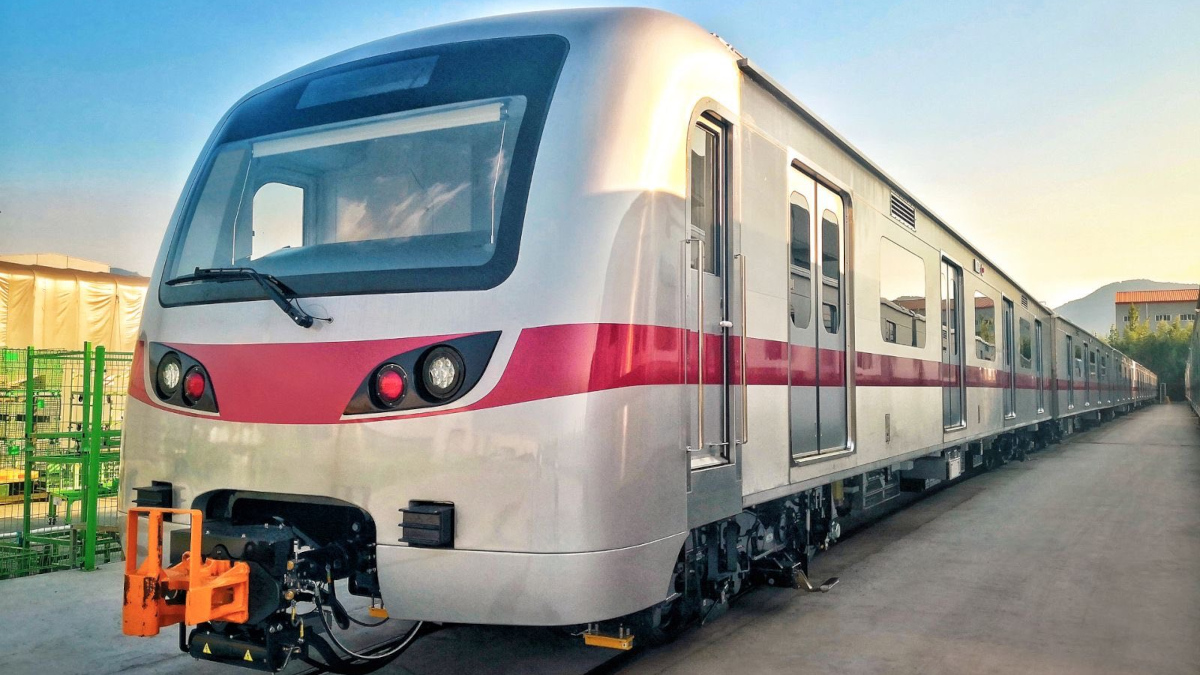
Following San Miguel Corporation’s most recent service agreement signing with Korea Railroad Corporation (Korail, the national railway operator of South Korea), the MRT-7 trains are expected to be running and tested by the end of 2025 and could potentially be operational next year.
OTHER STORIES YOU MIGHT HAVE MISSED:
Explainer: What are the amendments to the Motorcycle Crime Prevention Act?
Things you shouldn’t do while driving, according to the Anti-Distracted Driving Act
“We have faced delays—mostly due to right-of-way issues—but we have stayed focused. With all trains expected to be running and tested by the end of this year, and full operations targeted for 2026, this partnership with Korail brings us closer to our goal,” said SMC chairman and CEO Ramon S. Ang.
2) LRT-1 Cavite Extension
The LRT 1 Cavite Extension project aims to expand the existing LRT 1 line southward from Baclaran to Bacoor, Cavite, adding approximately 11.7km to the railway system.
The project is divided into three phases, with Phase 1 covering five stations (Redemptorist-Aseana, MIAA Road, PITX, Ninoy Aquino Avenue, and Dr. Santos), operational since November 2024.
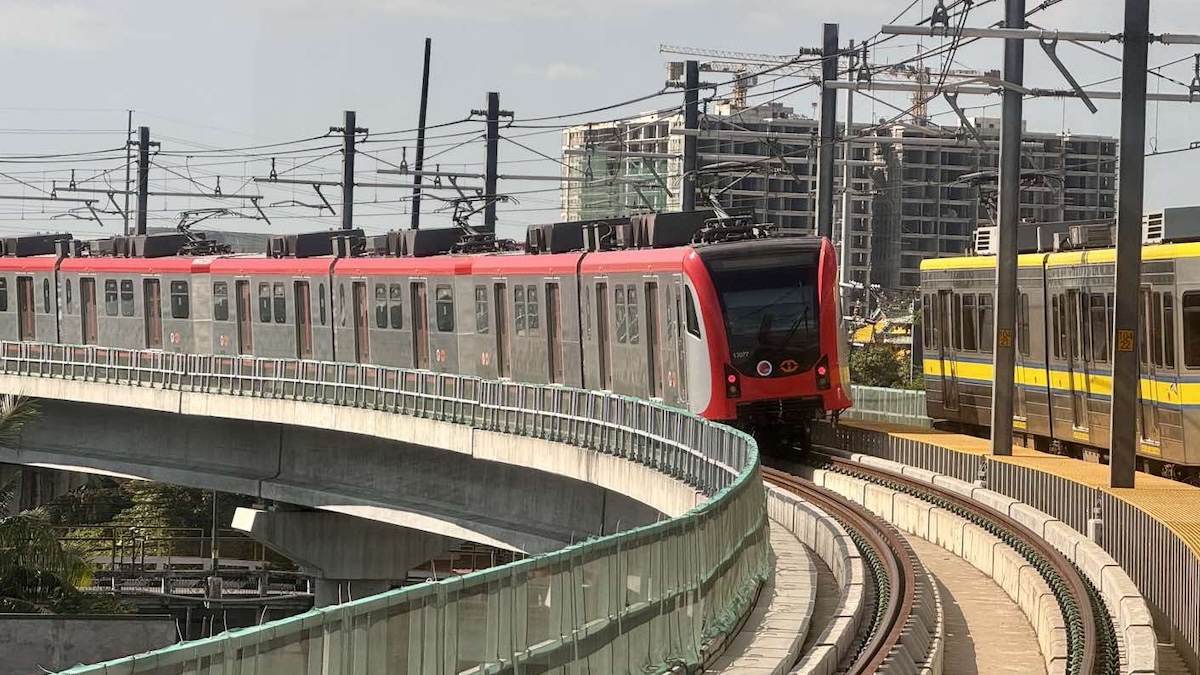
Phase 2 will include the opening of the Las Piñas and Zapote Stations, while Phase 3 will culminate with the Niog Station in Bacoor, Cavite, serving as the final stop in the extension project.
Construction of Phase 2 and Phase 3 is scheduled to begin in 2026, according to the Department of Transportation. Meanwhile, the full extension line is expected to be completed by 2031, according to officials from the Light Rail Manila Corporation (LRMC).
3) Metro Manila Subway
The Metro Manila Subway is a 33.1km underground line under construction with 17 planned stations from Valenzuela to NAIA Terminal 3. The line will run north to south between Valenzuela, Quezon City, Pasig, Taguig, Paranaque, and Pasay. It will also provide another direct airport rail link after the North-South Commuter Railway, with a branch line to Ninoy Aquino International Airport.
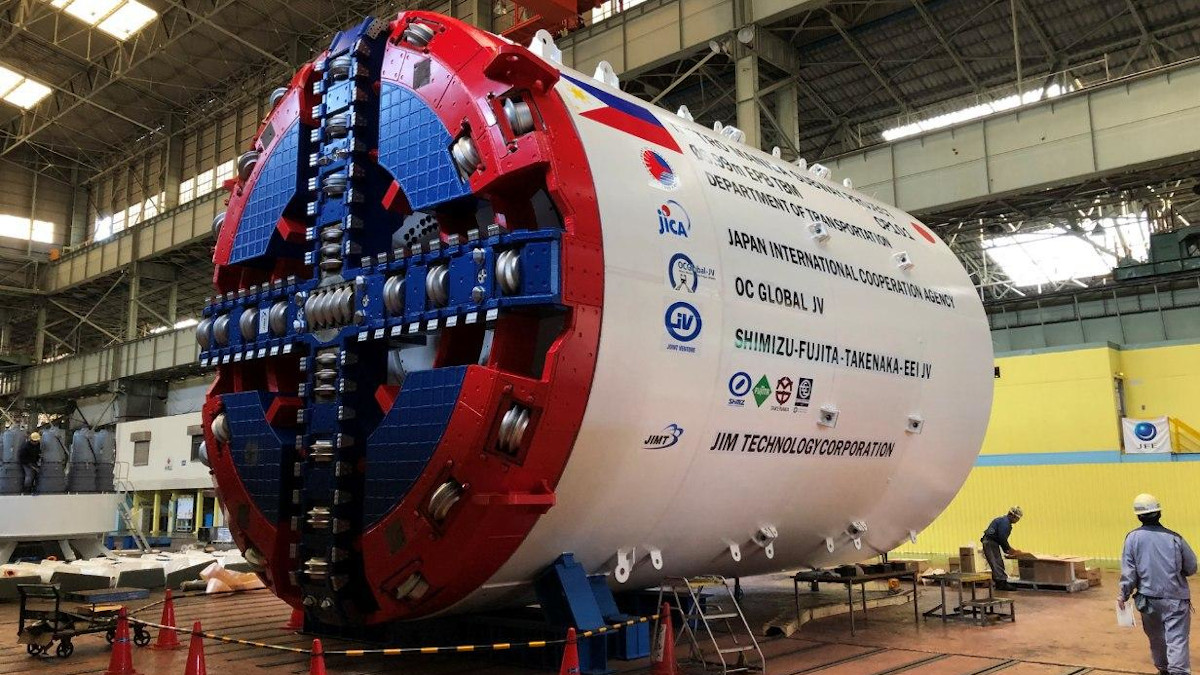
In a TeleRadyo Serbisyo interview quoted in an ABS-CBN news report, Secretary Vince Dizon of the DOTr said that the project is “unlikely to be finished by the end of President Ferdinand Marcos Jr.’s term in 2028” due to right-of-way issues, but that partial operations might be likely in 2032.
“Napakarami pong delays,” Dizon said. “Mukhang mahihirapan tayo na matapos yung subway ng 2028. Mukhang malabo po yan. Pipilitin natin pero masuwerte na po kung makakaisang istasyon tayo. Ayoko naman magsasabi at magbibitaw ng pangako na alam ko naman na mapapako lang. Sa tingin ko, partial operations by 2032, pwede.”
4) North-South Commuter Railway (NSCR)
The North-South Commuter Railway (NSCR) is a 147km commuter rail project that will connect Clark International Airport in Pampanga to Calamba, Laguna. Once fully operational, the NSCR is projected to reduce travel time between Clark and Calamba to two hours, against the current four to 4.5 hours.
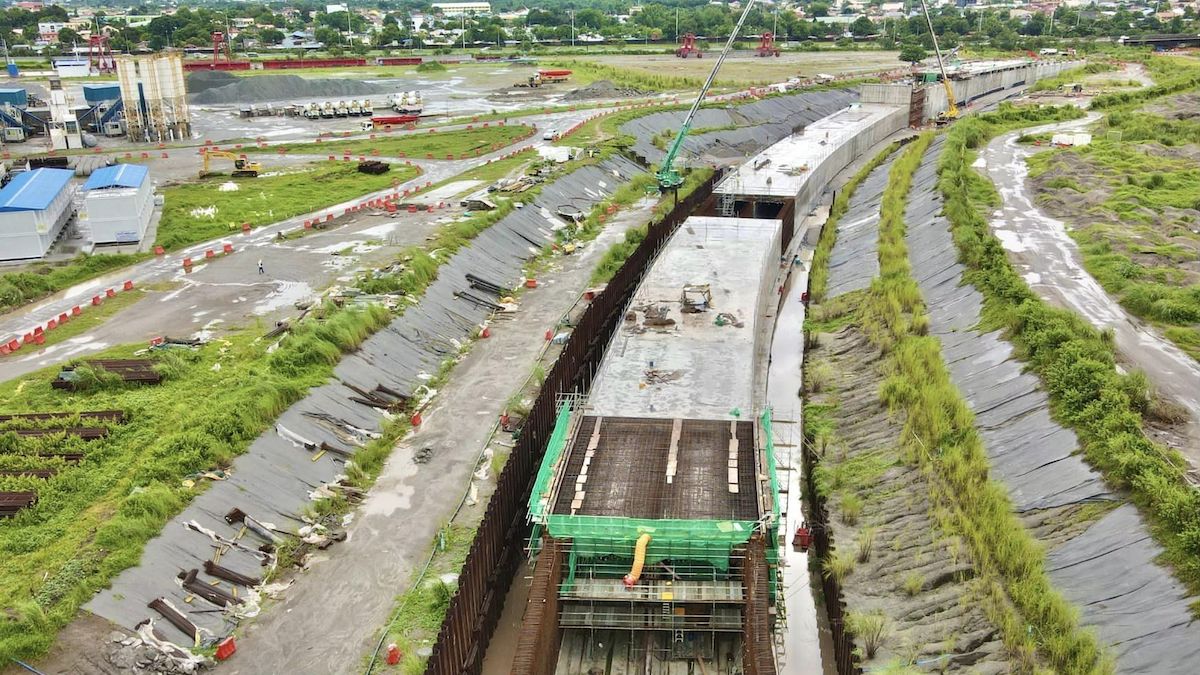
The project will be implemented in three phases, each with its respective opening dates. PNR Clark 1 will cover Tutuban to Malolos, PNR Clark 2 will cover Malolos to Clark, and PNR Calamba will cover Solis to Calamba.
Based on the latest news reports, up to a four-year delay is expected on the rail project from the initial target completion date of 2027 for full operations. However, the DoTr is expecting a segment of the NSCR to be operational by 2027.
“The NSCR is roughly at a little over 50% complete from Manila to Clark, but we are confident that we can still run the Manila to Malolos by the end of 2026 or maybe early 2027,” Dizon said in a BusinessWorld report. “We will see these trains start to operate within the term of the President—not the full line, but I think the line from Manila to Malolos.”
5) Makati Intra-City Subway
The planned Makati City Subway project has been officially canceled due to numerous challenges, including territorial disputes between Makati and Taguig. The project was recently described as “no longer feasible” by Philippine InfraDev Holdings, the project’s main contractor.
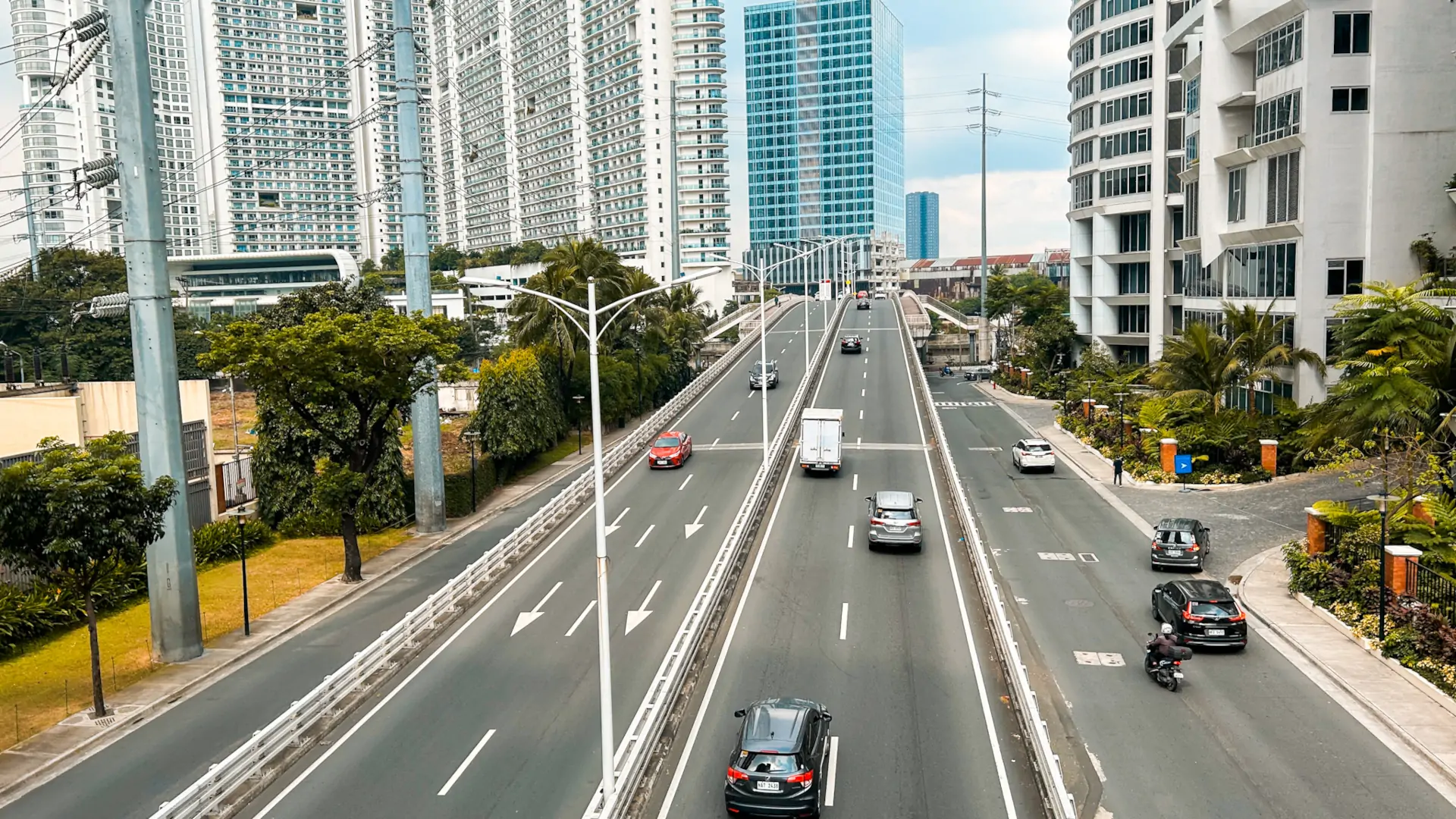
A Supreme Court ruling in 2022 found that 10 embo barangays (villages) that were formerly part of Makati were within Taguig’s territorial jurisdiction. Unfortunately for Makati, these areas were crucial to the subway project. Some stations, tunnels, and a train depot in the alignment were set to be located within the vicinity of these barangays.
Originally, the Makati City Subway was supposed to stretch 11km with 10 stations within the country’s premier financial district. It was envisioned as the country’s first intra-city underground rail system connecting key Makati destinations such as Ayala Avenue, Sen. Gil Puyat Avenue, Circuit Makati, the University of Makati, Makati City Hall, and Ospital ng Makati.
There were also plans to connect the Makati City Subway to other public transportation systems, including the existing MRT-3 train line, the Pasig River Ferry Service, and the approved Metro Manila Subway after its completion. However, after the Makati-Taguig boundary dispute, this subway project has been deemed no longer logistically and economically viable.