Had to happen, didn’t it? The governing body of Formula 1 has said it will take steps to prevent the unsavory scenes from the 2023 Qatar Grand Prix—in which several drivers became dangerously ill during and after the race—from ever happening again.
Despite taking place after sunset, high temperatures and humidity made for some of the toughest conditions the drivers have ever had to face. Williams rookie Logan Sargeant was forced to retire midway through the race because of severe dehydration, having had “flu-like symptoms” in the buildup, while teammate Alex Albon was treated for acute heat exposure after the checkered flag.
Meanwhile, Lance Stroll was seen seeking help from an ambulance in parc ferme having barely been able to climb out of his car, and Esteban Ocon admitted on the team radio that he’d vomited inside his helmet in the early stages of the grand prix.
OTHER STORIES YOU MIGHT HAVE MISSED:
The opulent Lexus LM is now in the Philippines and it starts at P7.578-M
This might just be the next-gen Mitsubishi Delica concept
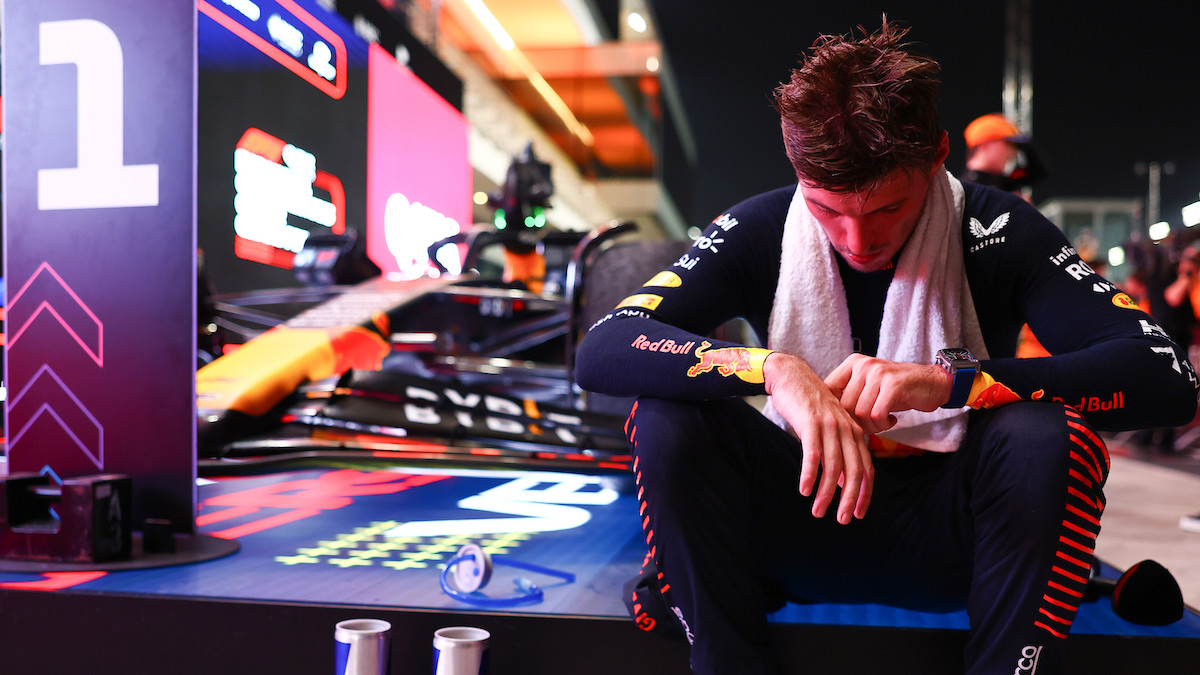
George Russell—who at one stage was driving with his wrists as he used his hands to channel air into his visor—later said he’d been “close to fainting” as he charged back up to fourth from last place. Even race winner Max Verstappen felt the need to sit on the floor before the podium ceremony, later saying that the heat had been “too extreme.” This was echoed by several other members of the grid.
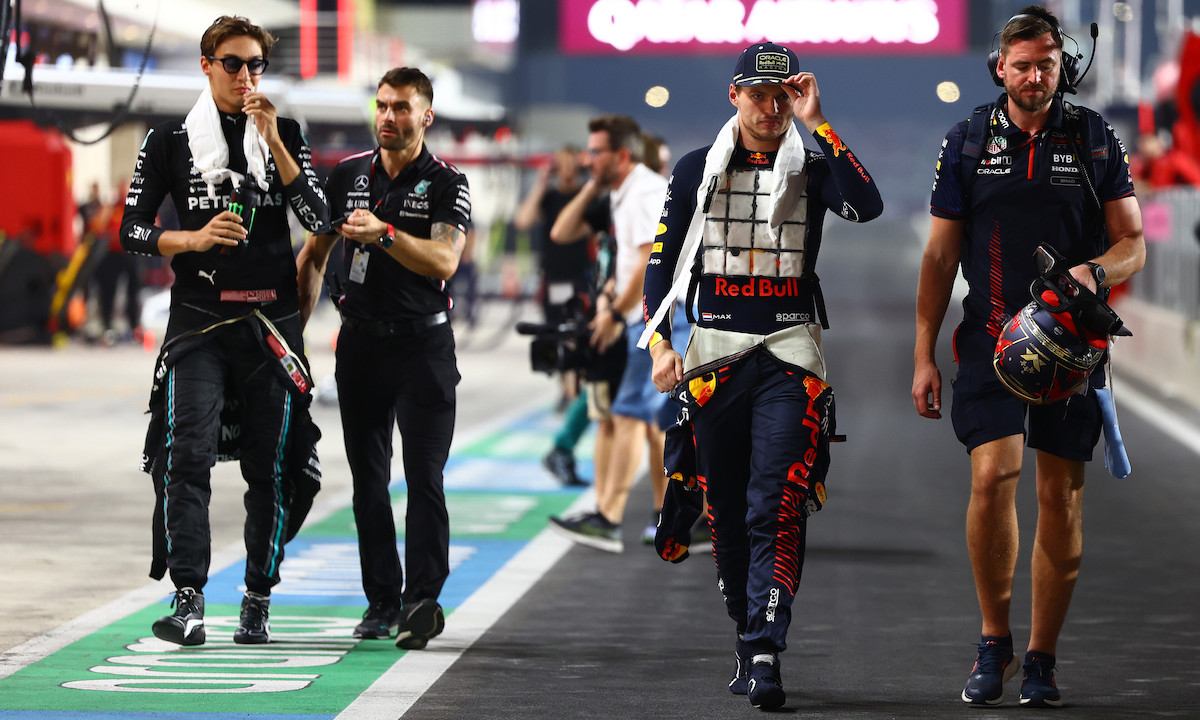
F1 cars don’t have aircon, remember, and with drivers compelled to wear fireproof overalls (for obvious reasons), cockpit temperatures were thought to have reached 50 degrees. Ugh.
“[The] Qatar Grand Prix had an impact on the wellbeing of the drivers,” said a statement from the FIA. “While being elite athletes, they should not be expected to compete under conditions that could jeopardize their health or safety.
“As such, the FIA has begun an analysis into the situation in Qatar to provide recommendations for future situations of extreme weather conditions. It should be noted that while next year’s edition of the Qatar Grand Prix is scheduled later in the year [December 1st], when temperatures are expected to be lower, the FIA prefers to take material action now to avoid a repeat of this scenario.
“Measures may include guidance for competitors, research into modifications for more efficient airflow in the cockpit, and recommendations for changes to the calendar to align with acceptable climatic conditions, amongst others. Research from other series, such as cross-country events in extreme climates, will be examined for potential applications to circuit events.”
Next season’s calendar begins in Bahrain on March 2nd, immediately followed by visits to Saudi Arabia and Australia. The Singapore GP—widely considered the toughest race of the lot because of its humidity and duration—is scheduled for September 22nd.
NOTE: This article first appeared on TopGear.com. Minor edits have been made.