
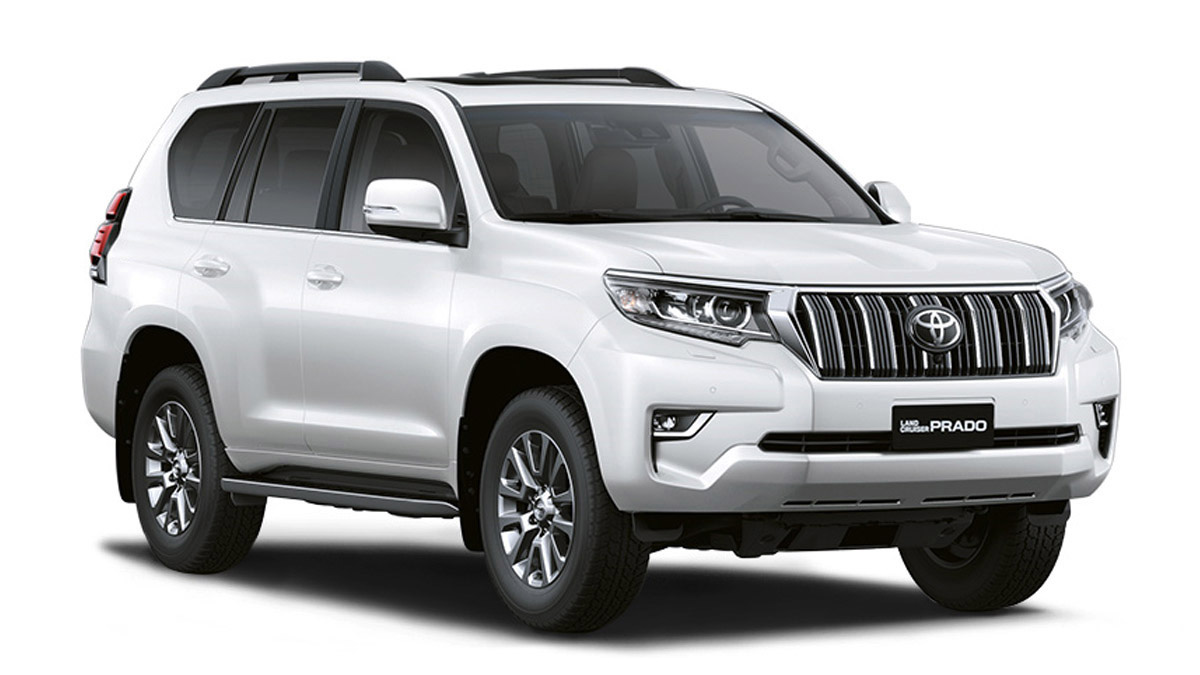
Toyotas have been part of countless stories and journeys throughout the years. The most iconic Toyota is different for every person, usually defined by their most cherished memories of a particular model—maybe childhood school rides or the office commute for some, and family road trips or the daily grind and hustle for others.
For people whose Toyota stories revolve around adventure or heavy-duty work, two vehicles stand out: the Land Cruiser and the Hilux.
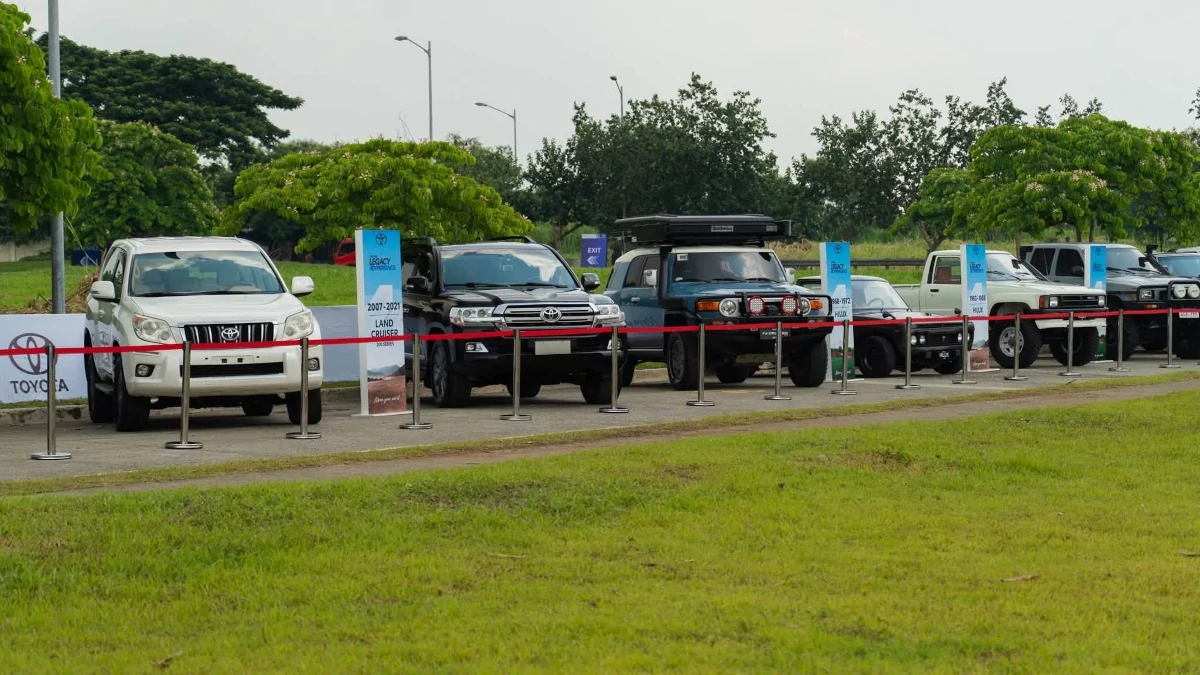
These long-running nameplates have built their legacies on decades of grit, endurance, evolution, and owners who continue to make a place for them in the family garage. Among this loyal set, it’s not uncommon to upgrade within the same model line as newer iterations come out, but many owners have also held on to their original units, passing these down to the succeeding generations.
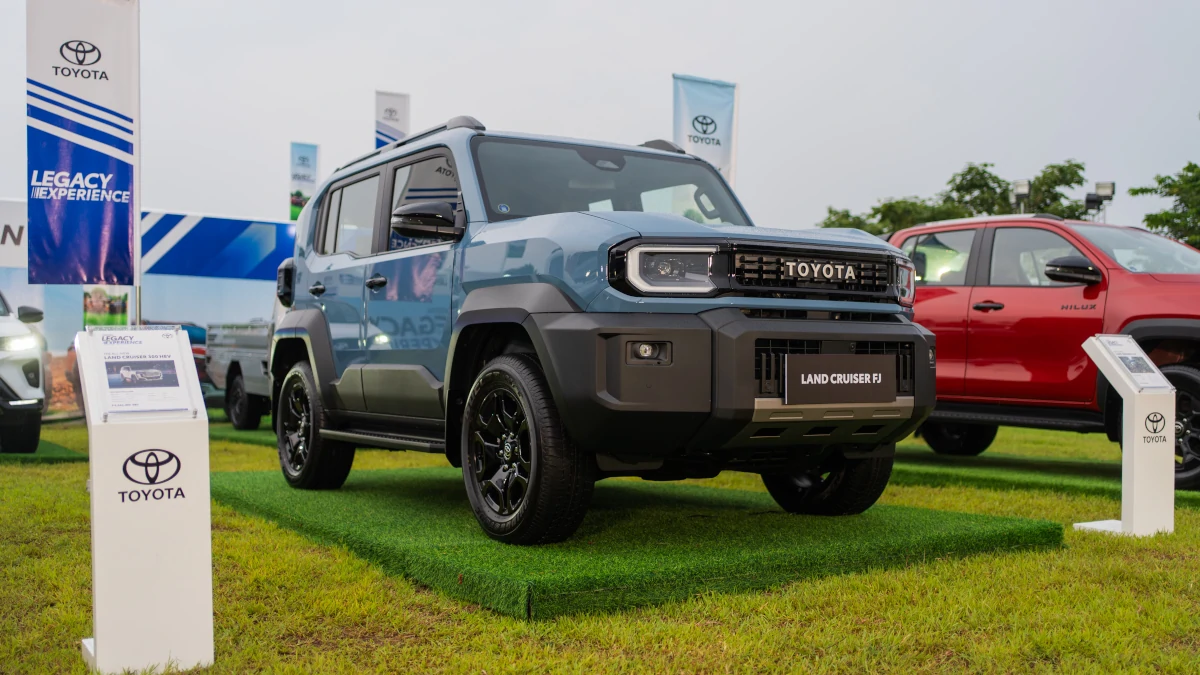
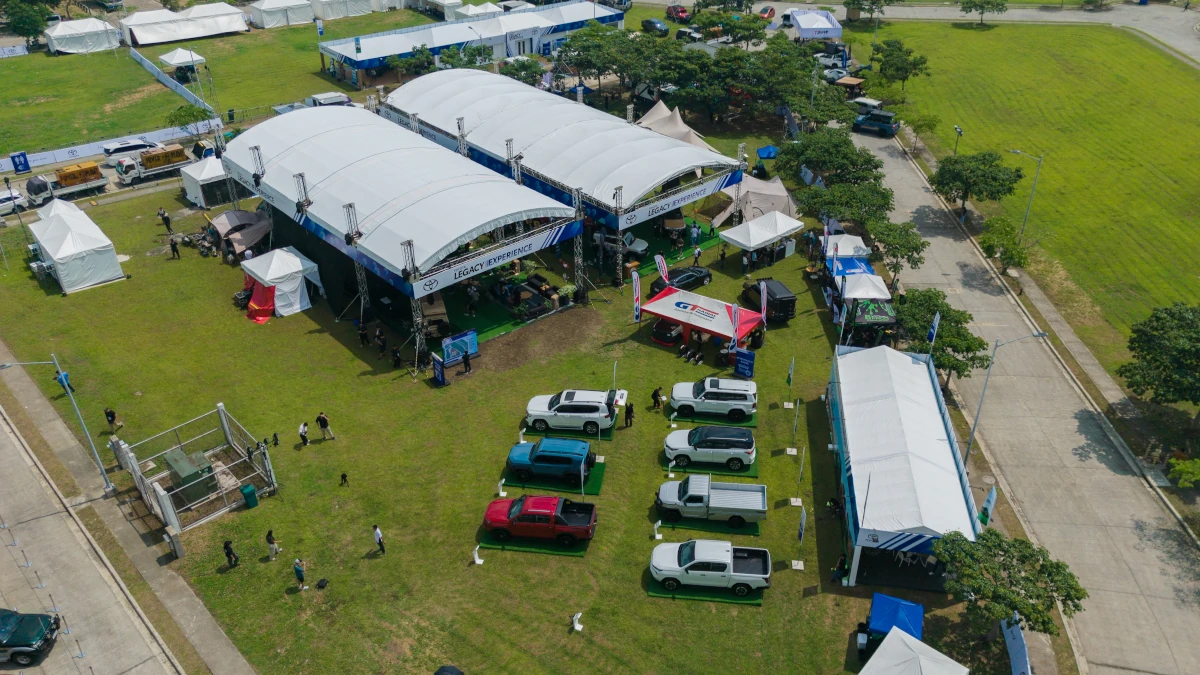
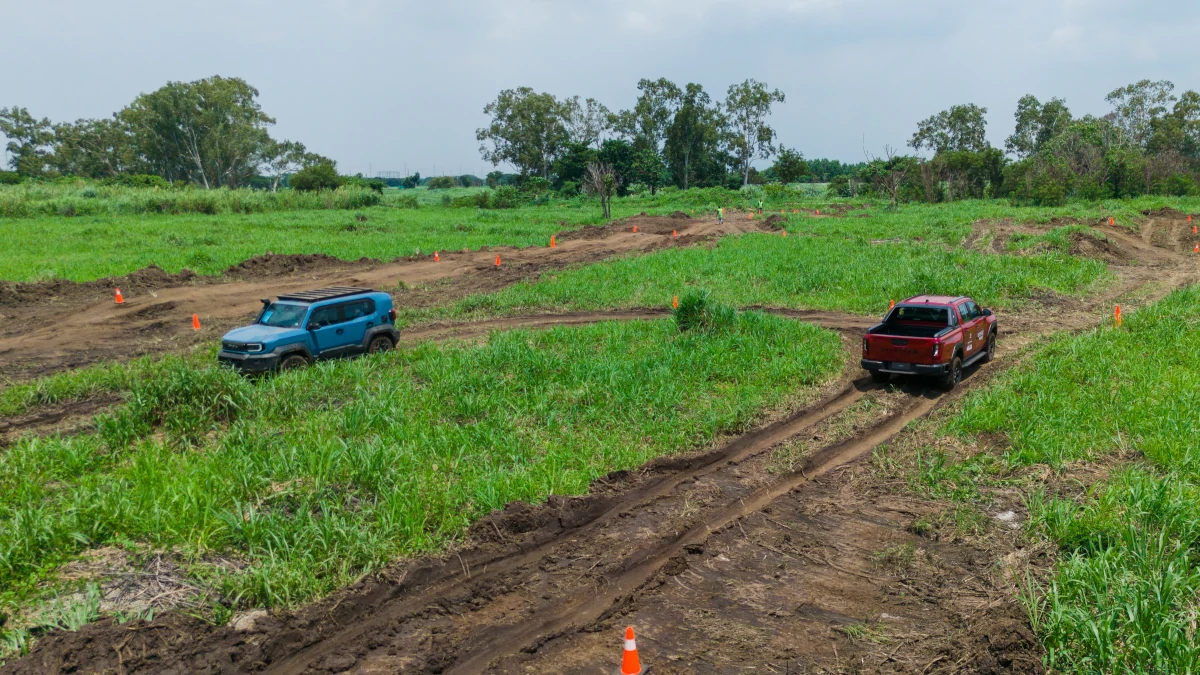
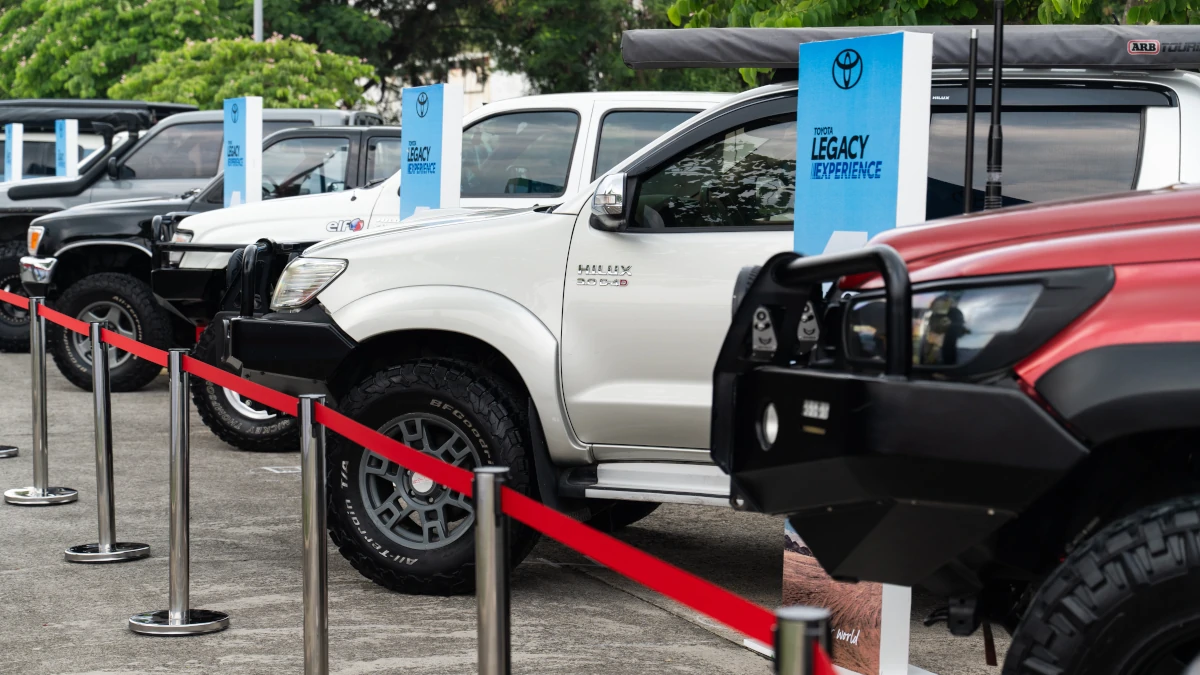
Fittingly, for the public launch of the latest Land Cruiser FJ and Hilux, Toyota Motor Philippines staged an event that not only showcased the heritage of these models, but also paid tribute to the community that’s been driving Toyotas over the years. A knowledge of history allows for a better appreciation of the present, so the Toyota Legacy Experience was a chance to try out these new cars firsthand while learning more about their earlier iterations.
Toyota Land Cruiser: A masterclass in evolution
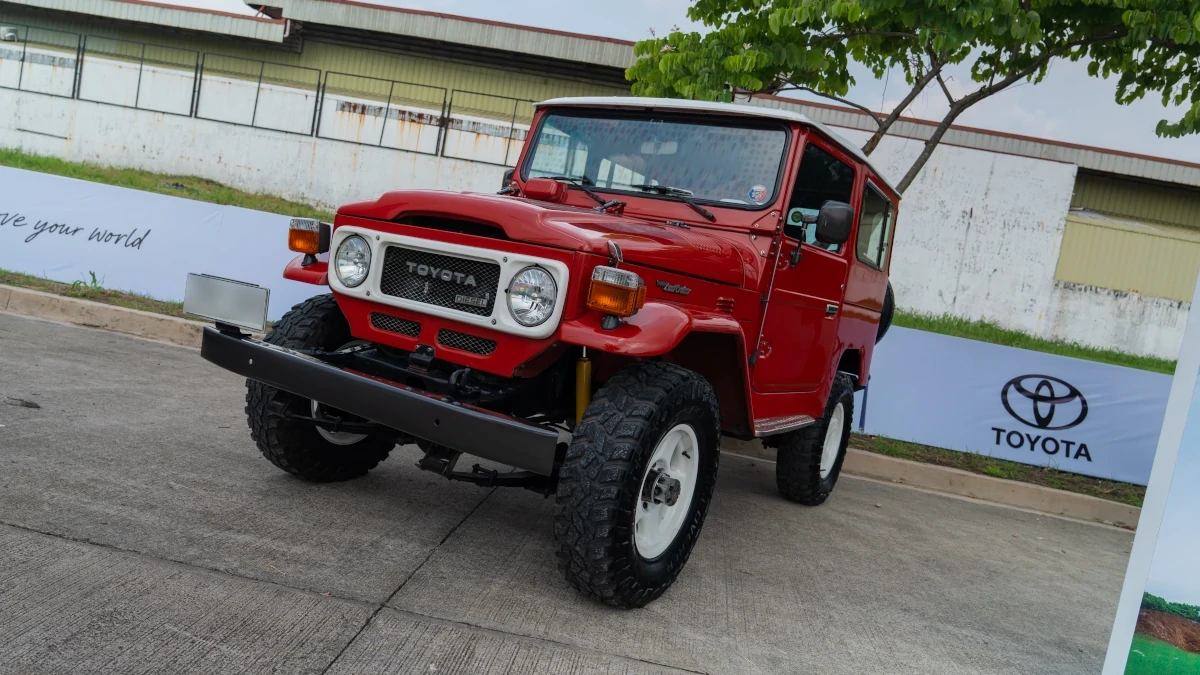
The Land Cruiser has been around since 1951, although the name wasn’t used until 1954. The first-generation, called the BJ, was designed and built for Japan’s National Police Reserve, which made Toyota an official defense contractor after the BJ successfully ascended Mount Atago and climbed to the sixth station of Mount Fuji. Come 1954, it was being exported to other markets—Pakistan first, then Saudi Arabia a year later.
From its rugged and military origins, it eventually became available to civilians starting with the second-generation 20 series in 1955. More than a dozen model lines have been released over its 75 years in existence, split into three distinct series: Heavy Duty, Station Wagon, and Light Duty, more popularly known as Prado. Different body styles and configurations were introduced for various needs; the BJ, in fact, was already produced in five different versions.
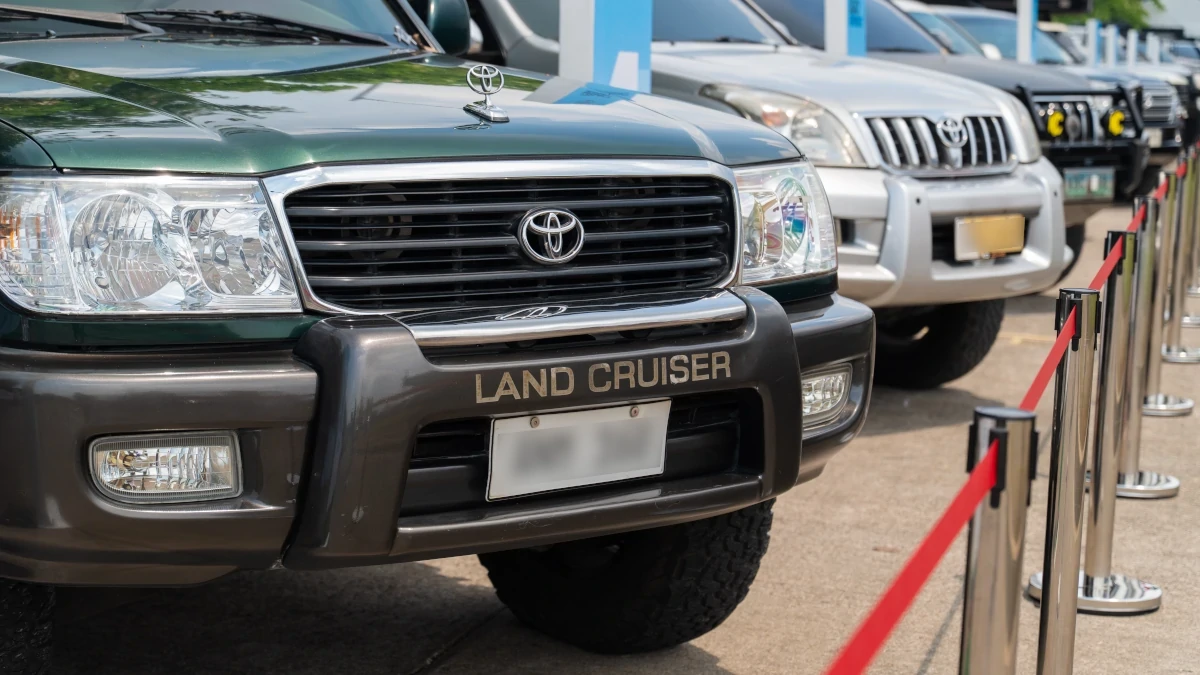
The Land Cruiser has always had an imposing road presence, so as it adopted more creature comforts, it naturally evolved into an upper-class status symbol. Even with the mid-’90s introduction of the more refined Lexus LX450—itself based on the 80 series—many buyers still gravitated toward the Land Cruiser, partly because its name was more widely known and, at the time, had better recall.
But despite this new identity, the model has remained true to its off-road utilitarian persona. It’s built to last, and nothing demonstrates this better than the 70 series, which has been in production since 1984 and is still preferred for government field duties, humanitarian operations, and heavy-duty business use. Another lasting aspect of the nameplate is design. The 40 series or the ‘FJ40’ remains iconic to this day, and its styling cues—notably the round headlights and the Toyota wordmark up front—have found their way to newer models like the FJ Cruiser, the 250 series Prado, and the all-new Land Cruiser FJ.
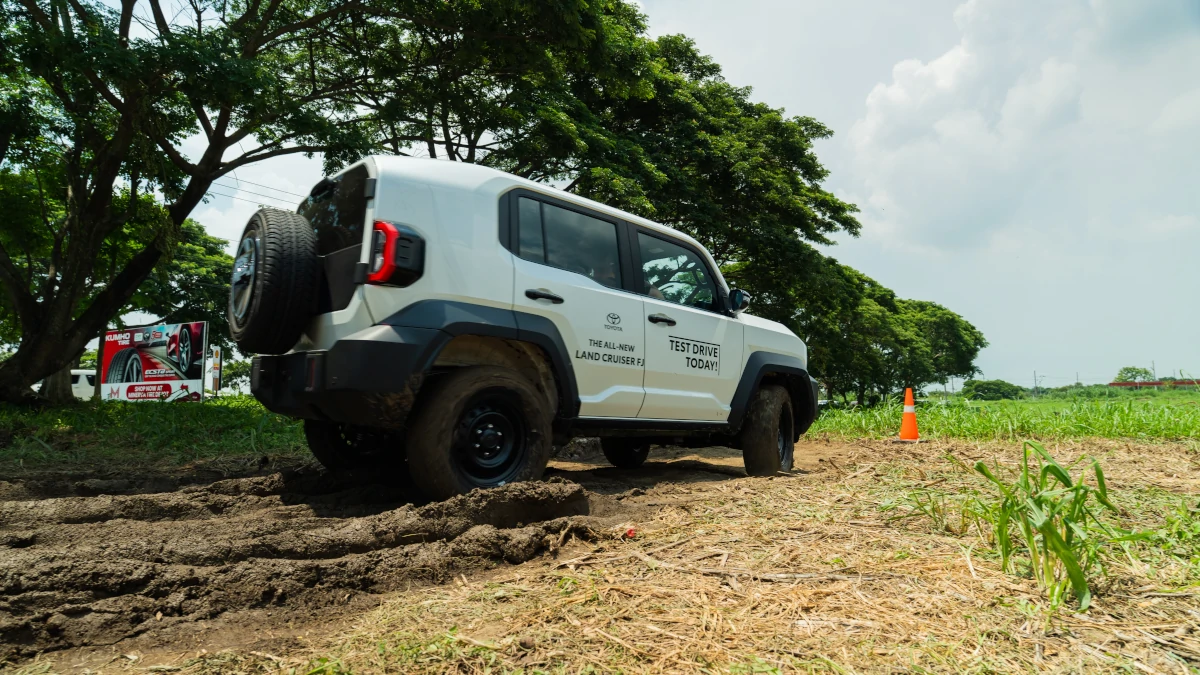
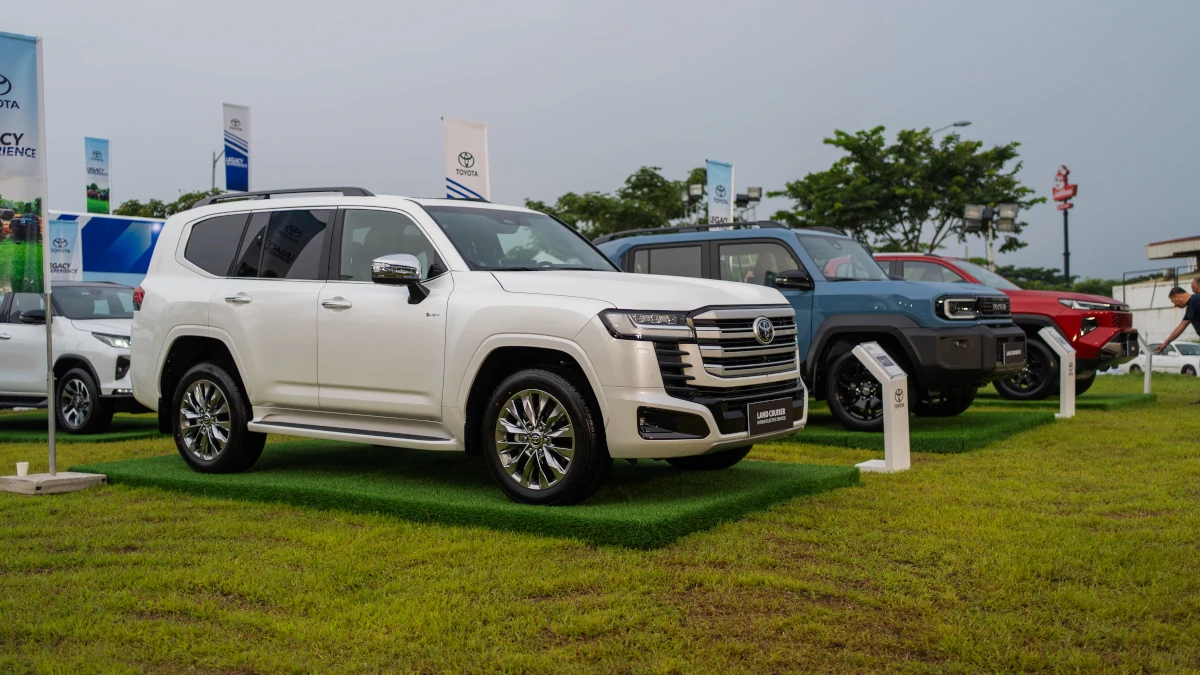
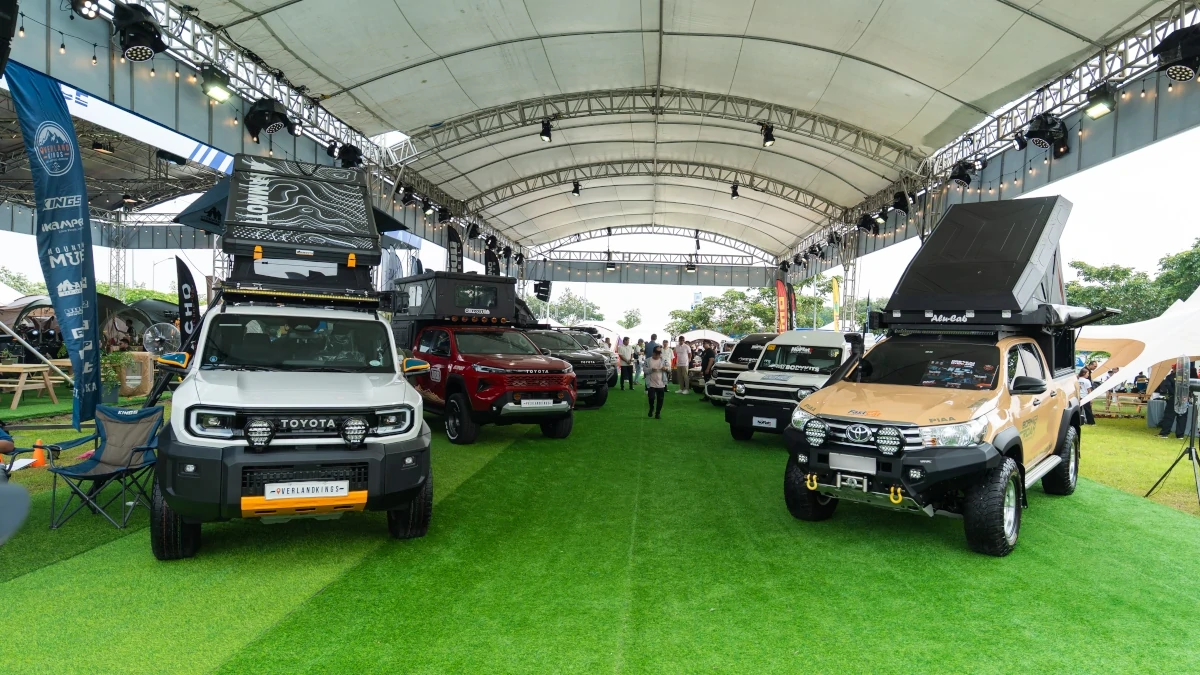
Now available in the Philippines, the all-new Land Cruiser FJ continues the legacy of the nameplate in a more compact, more accessible, but still very off-road-capable package. Various builds at the Toyota Legacy Experience also highlighted its customization potential, showing how owners can modify it for work, leisure, or adventures.
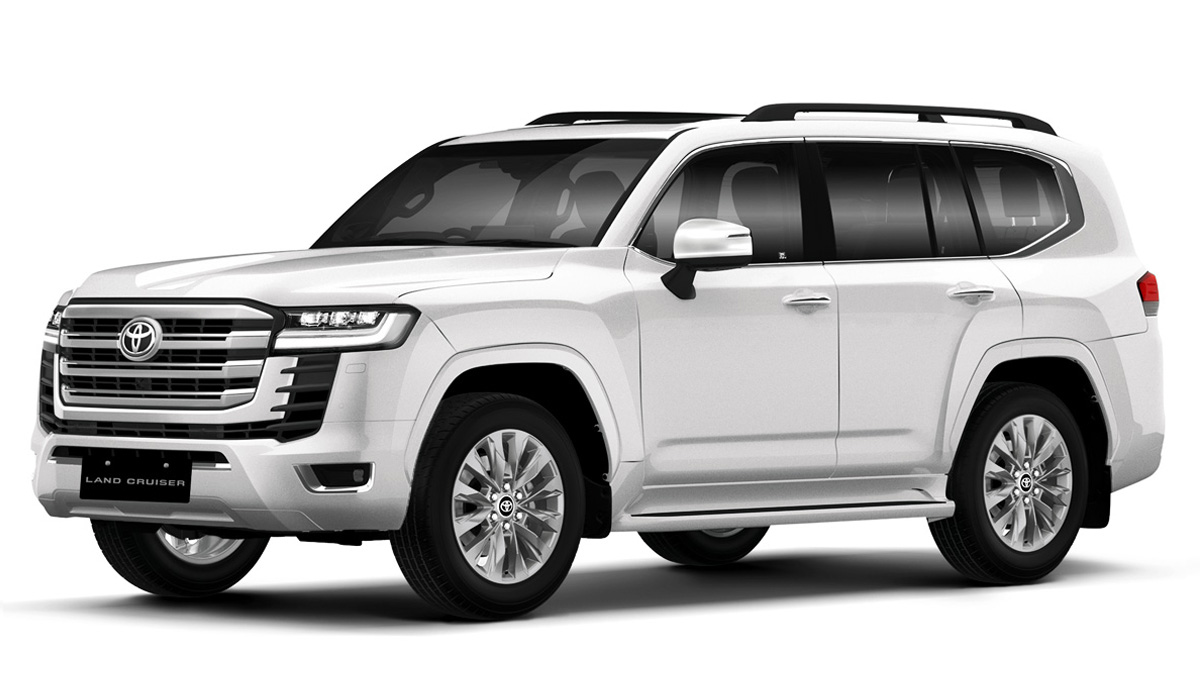
Another model on display at the event and now being sold on the local market is the Land Cruiser HEV. It brings electrification to the Land Cruiser 300 line, combining proven performance and reliability with Toyota’s hybrid technology prowess.
Toyota Hilux: The indestructible workhorse
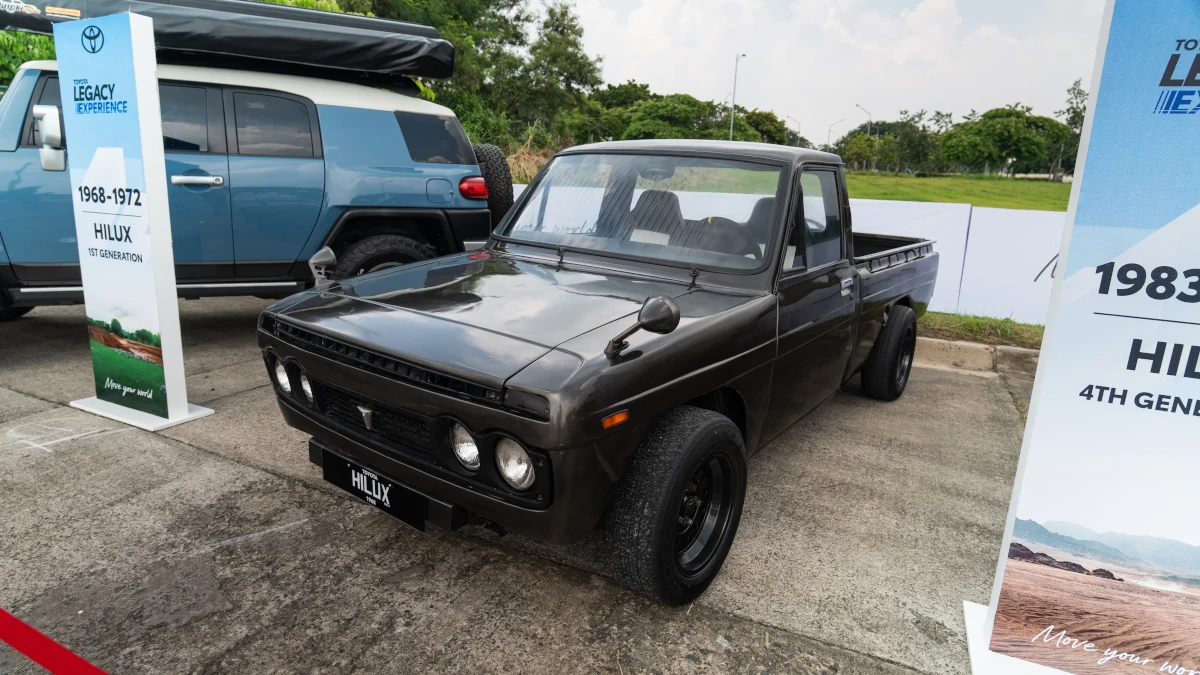
It’s easy to imagine the Hilux having its share of doubters back when it launched in 1968. The name, after all, is a contraction of ‘high’ and ‘luxury’—not the best combination for a light commercial vehicle.
But the new model was built to work hard from the outset, featuring a separate-frame construction underpinned by a rear rigid axle with leaf springs. ‘Luxury’ here was relative to the much more basic, utilitarian interior of the Stout heavy-duty pickup, thanks to some creature comforts from the brand’s sedans. In the US, it was simply called the ‘Toyota Truck’ lest its actual name be taken at face value.
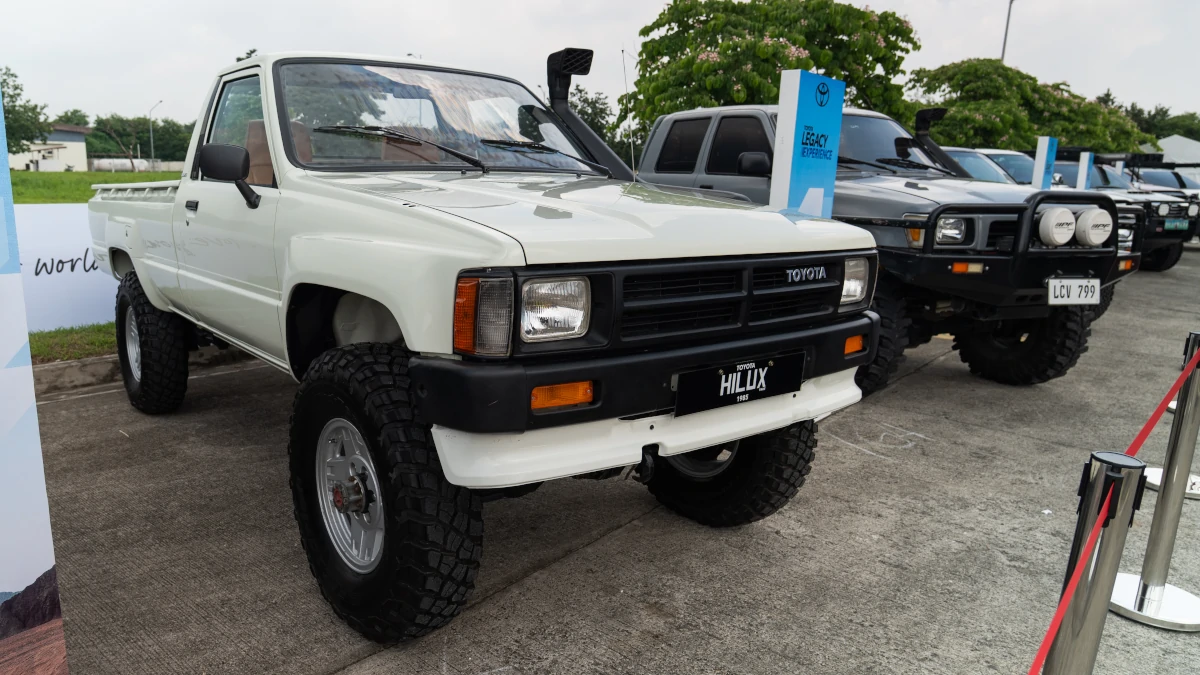
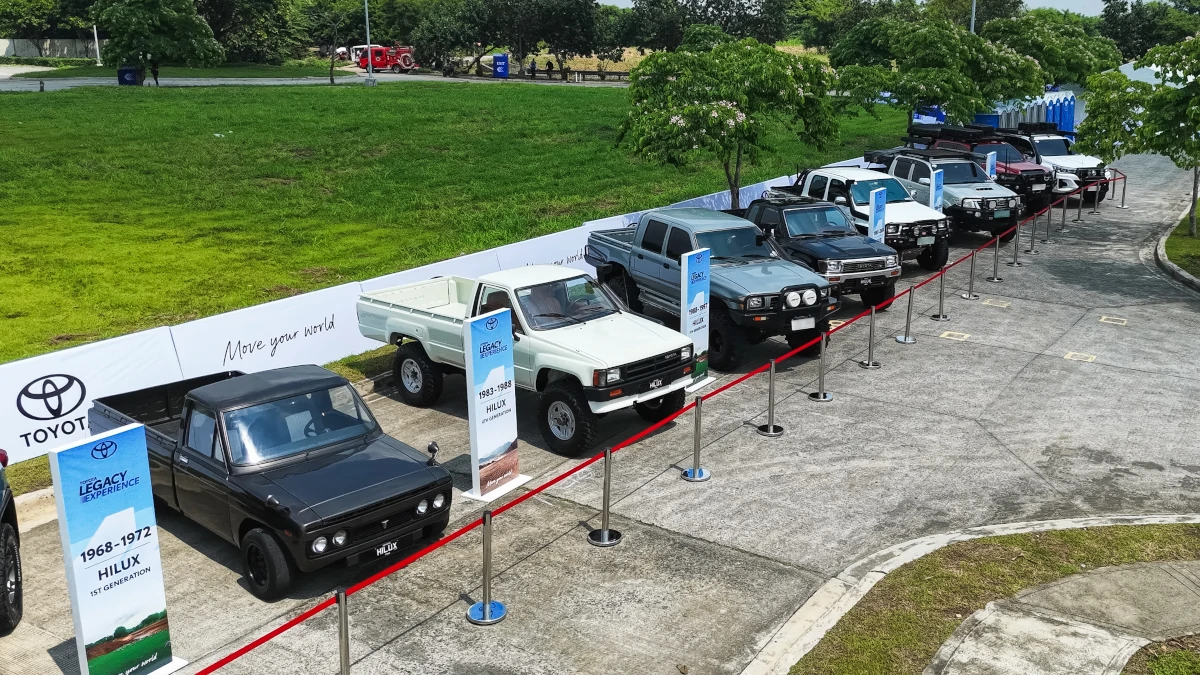
An assortment of engines and wheelbase lengths ensured that the Hilux could cater to different needs, but 1979 brought two key changes to the third-generation model: four-wheel drive and diesel power. The former unlocked farther destinations for the pickup, giving it the hardware to deal with inhospitable environments and harsh conditions; the latter meant lower running costs and higher torque compared with gasoline engines.
The fourth and fifth generations spawned an SUV model called the Hilux Surf or the 4Runner. Later generations were eventually built on the Land Cruiser platform, but by the seventh-generation Hilux, the IMV initiative allowed it to share its platform with two other models: the Fortuner and the Innova. At this point, the pickup’s indestructible reputation had long been established, so Toyota’s Gazoo Racing division presented it with another challenge: the extremely demanding Dakar Rally. It has so far won the event four times, in 2019, 2022, 2023, and 2025.
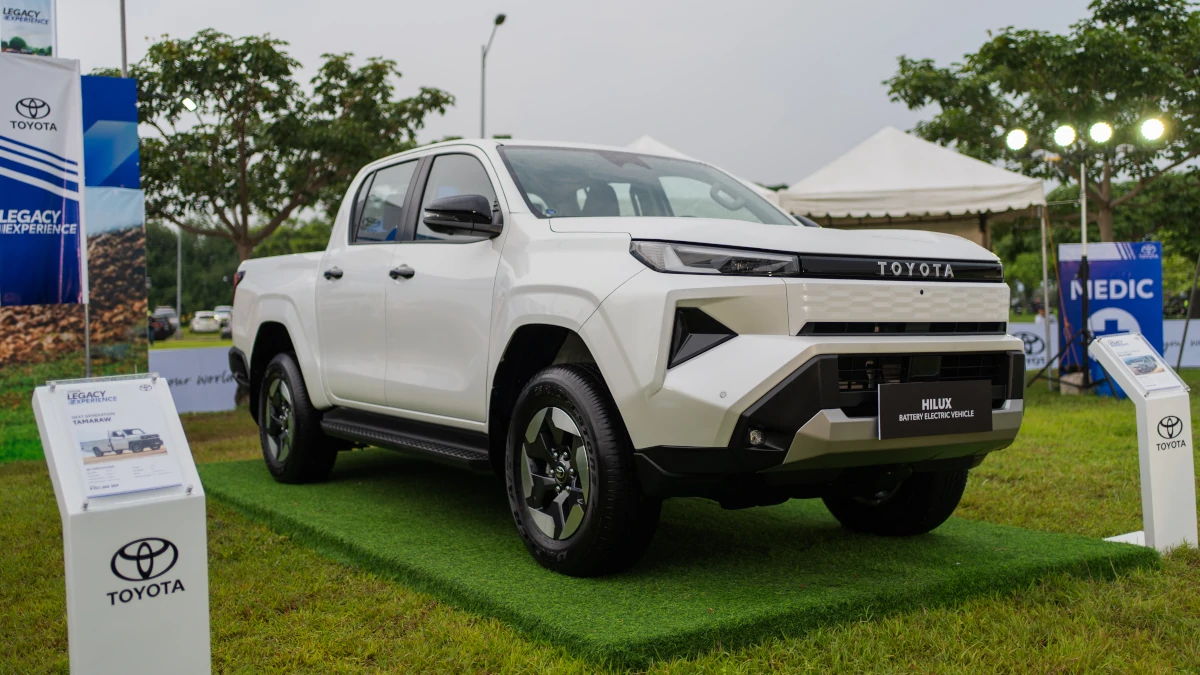
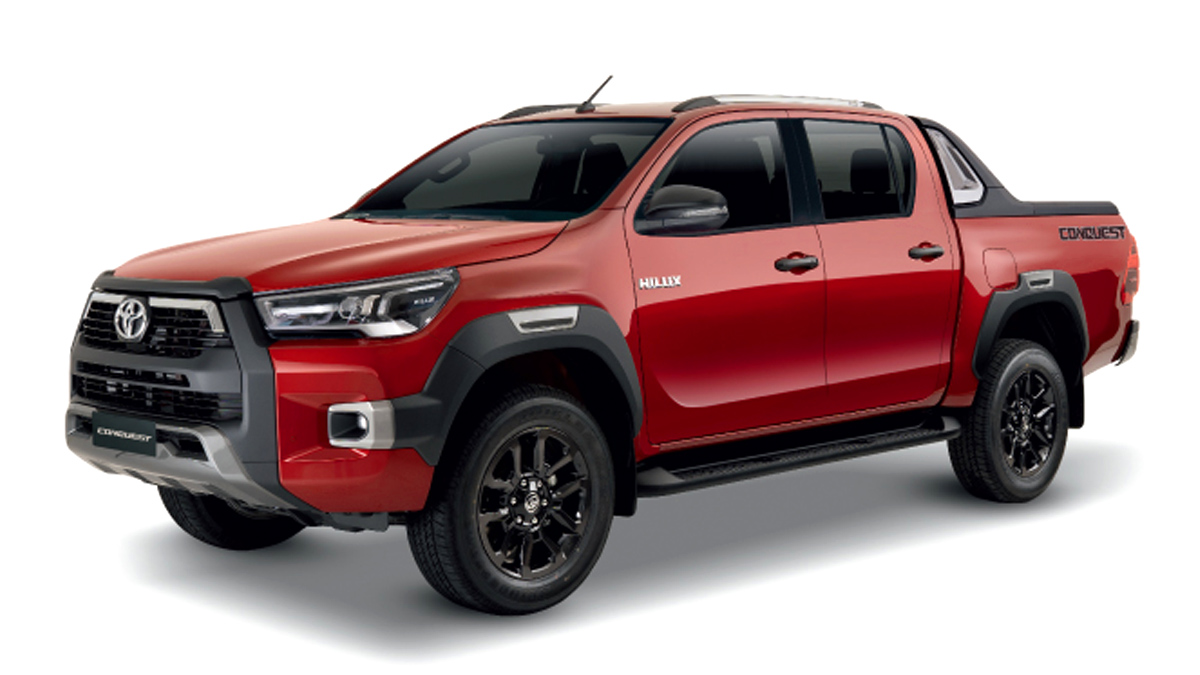
The radically new cyber-sumo design of the latest ninth-generation Hilux represents a major change for the nameplate, with a focus on greater interior sophistication, easier handling, and better on-road comfort without sacrificing its tough and agile qualities. And for the first time, there’s a battery electric variant in the lineup. The Hilux BEV 4x4 is powered by two motors, delivering four-wheel-drive capability and instant torque, as we’ve come to expect from fully electric powertrains. The diesel variants, meanwhile, retain the 2.8-liter 1GD-FTV turbocharged engine, known for its competence and reliability.
Continuing the legacy
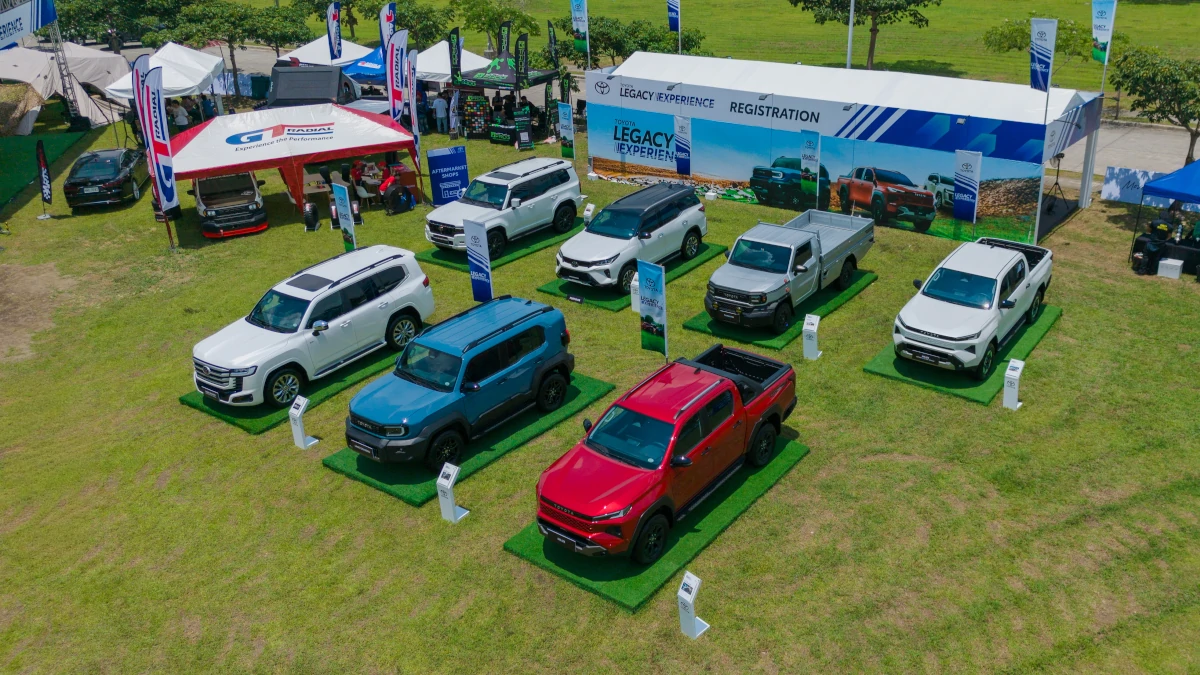
It’s one thing to build a legacy and another to keep it going—that’s why some icons remain in the past and others are able to move with the world. From one generation to the next, the Land Cruiser and the Hilux have unceasingly adapted to changing times and needs, all the while retaining their core spirit and purpose that continue to resonate with new and existing owners.
And the same can be said of Toyota itself. Through events like the Toyota Legacy Experience, it is honoring its heritage while clearly stating that there’s more to come in the future—more stories, more journeys, and more choices for both new and long-time members of its community.
Created in partnership with Toyota Motor Philippines