A few years ago, Private Motor Vehicle Inspection Centers (PMVICs) started rolling out across the country. Back then, the Department of Transportation tried to mandate all motor vehicles to undergo inspections at these PMVICs for registration renewal, but the move faced severe backlash from the public.
We didn’t champion it, but we reported about it enough to have our readers brand us ‘bayaran’ or even PMVIC investors. It wasn’t true, of course, but we often face name-calling and ad hominem when we journalists try to do our jobs right, even if it’s something as simple as sharing the news. Anyway…
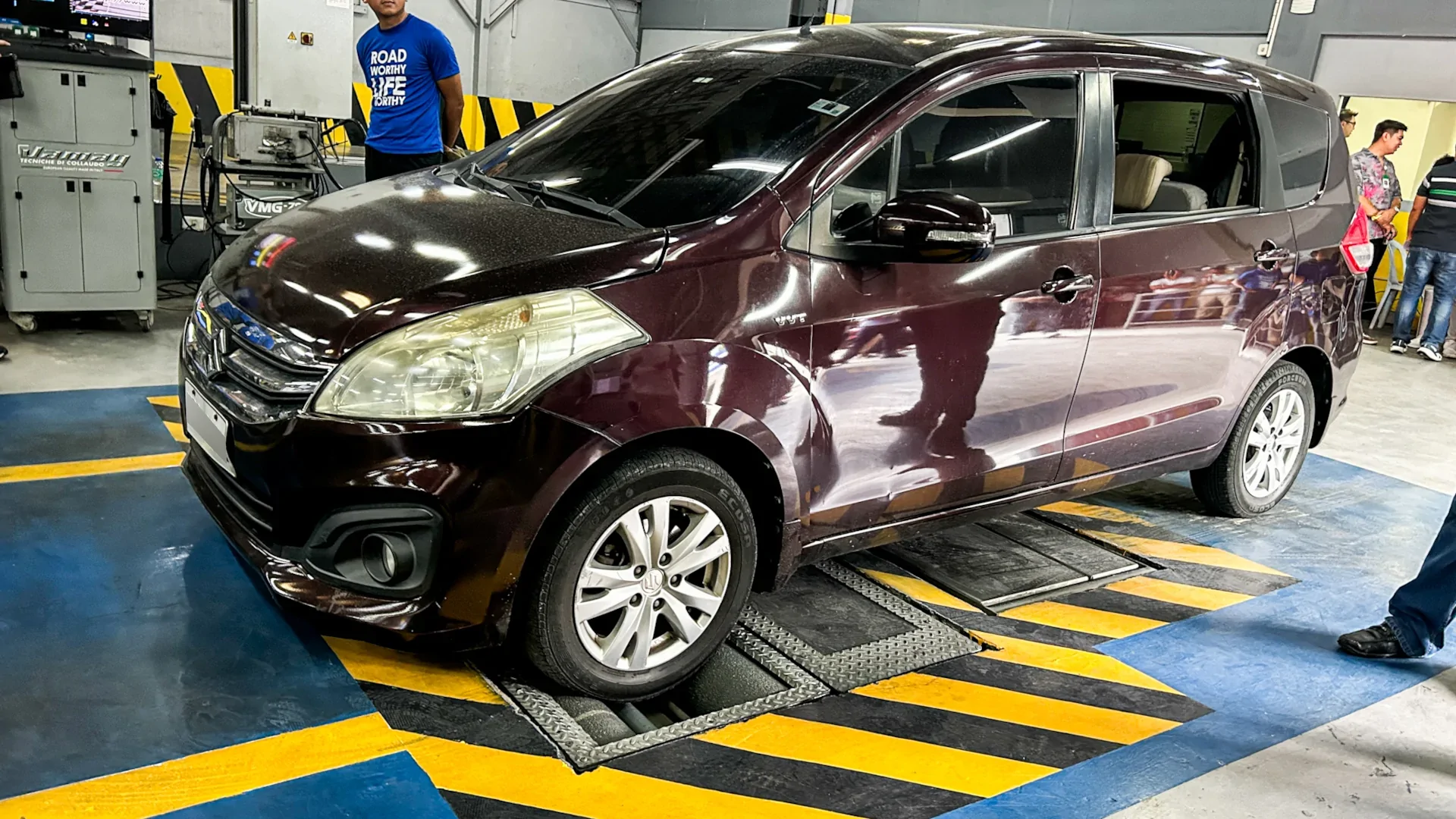
While the intentions were in the right place, there were a lot of issues. One of them being the availability of the inspection centers—there weren’t enough to accommodate the millions of vehicles that were up for registration and set to undergo the Motor Vehicle Inspection System (MVIS) each year. Another was the price: Why would you require motorists to take a more expensive procedure when a more affordable one gets you the results you need, anyway? Never mind if one’s better than the other. The monetary issue alone is worth questioning, because not everyone has the cash to spare.
OTHER STORIES YOU MIGHT HAVE MISSED:
Odd-even scheme, more trains and buses, shared bike lanes: Proposed EDSA rehab project traffic solutions
Hybrids and EVs will be exempted from the EDSA odd-even scheme
But it’s 2025, and things have changed since. Recently, the Vehicle Inspection Center Operators Association of the Philippines (VICOAP) invited us to a roundtable discussion, and it was here that we learned more about the important numbers and figures. I was honestly a bit hesitant to join at first, lest we end up reading accusations in our comments anew, but given the recent unfortunate motoring-related events, we decided to oblige so we could take a look at things through a different lens.
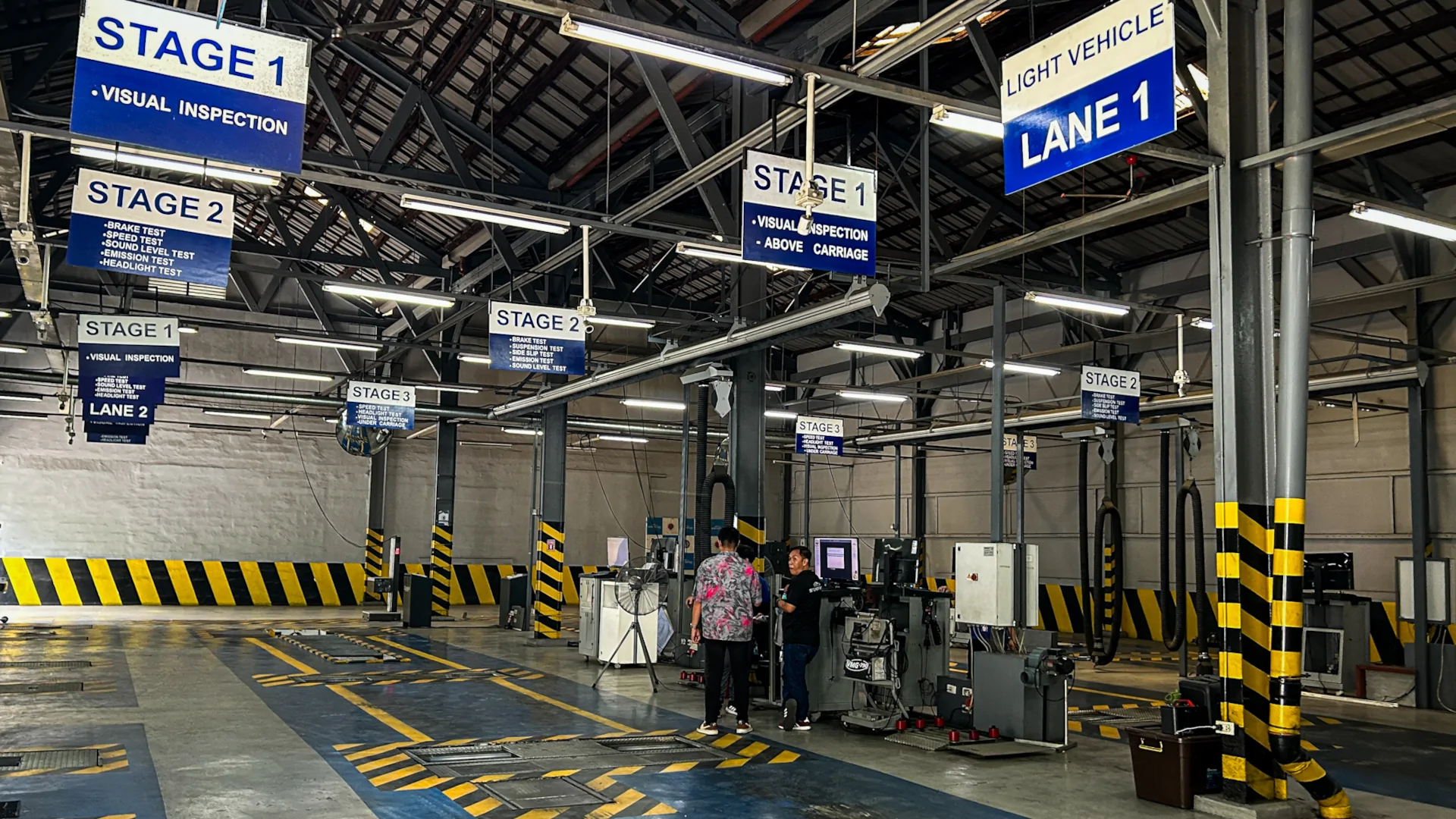
According to VICOAP, not only have the costs for PMVIC inspections gotten lower, but there are also now more testing centers than ever. There are now more than 130 centers across the Philippines, to be a bit more specific, and 80 of which are members of VICOAP. The association says that after running the numbers, each center could—and we emphasize this, in theory—accommodate 90,000 vehicles annually. Multiply that by the total number of centers, and you’re looking at 11.7 million, which is slightly more than the estimated 11 million vehicles that need to be registered each year. So if all of us who owned registered vehicles were to go to a PMVIC for our next renewal, it’s possible, and that’s because unlike Private Emission Testing Centers (PETCs) that are limited to 80 tests per day, PMVICs can inspect as many vehicles as their operating hours permit.
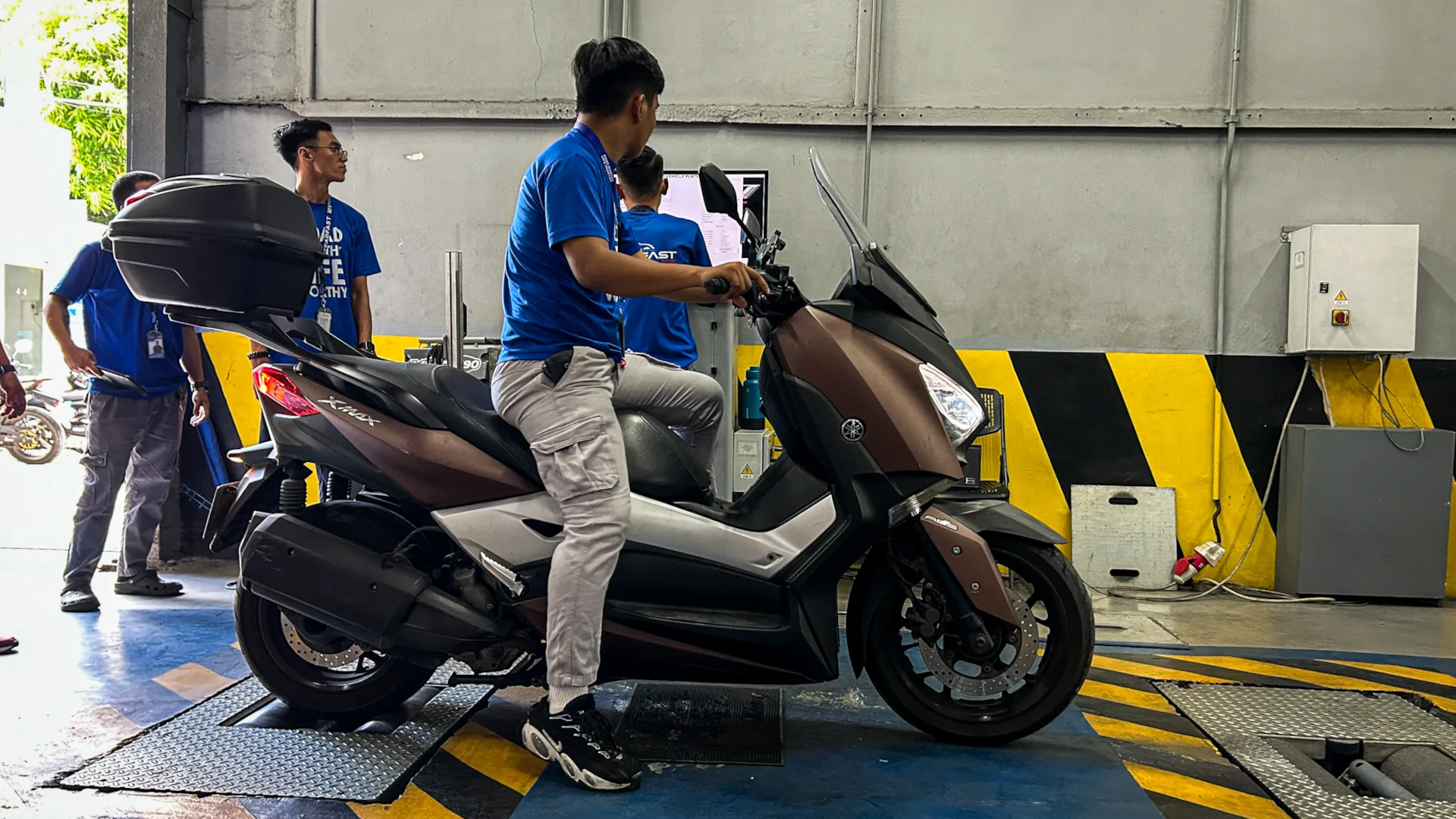
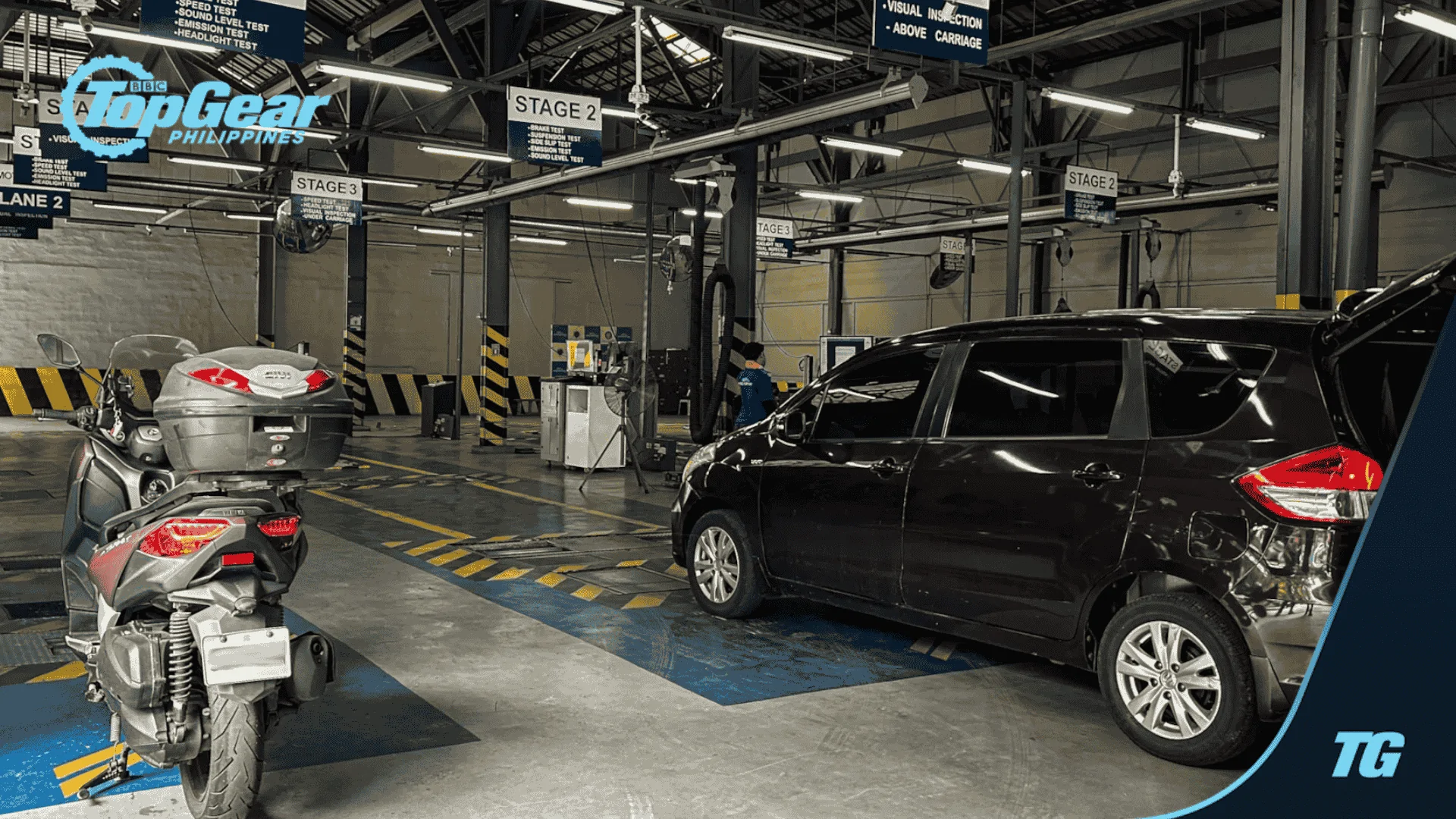
But why would we, right? We’re all accustomed to sticking to what we know. “If it ain’t broke, don’t fix it,” as the old adage goes. But that’s the thing—it’s ‘broke.’ Or at the very least, it could be better. Much better. See, our recent visit to the Steadfast PMVIC in Sta. Ana, Manila with VICOAP made me realize a few things.
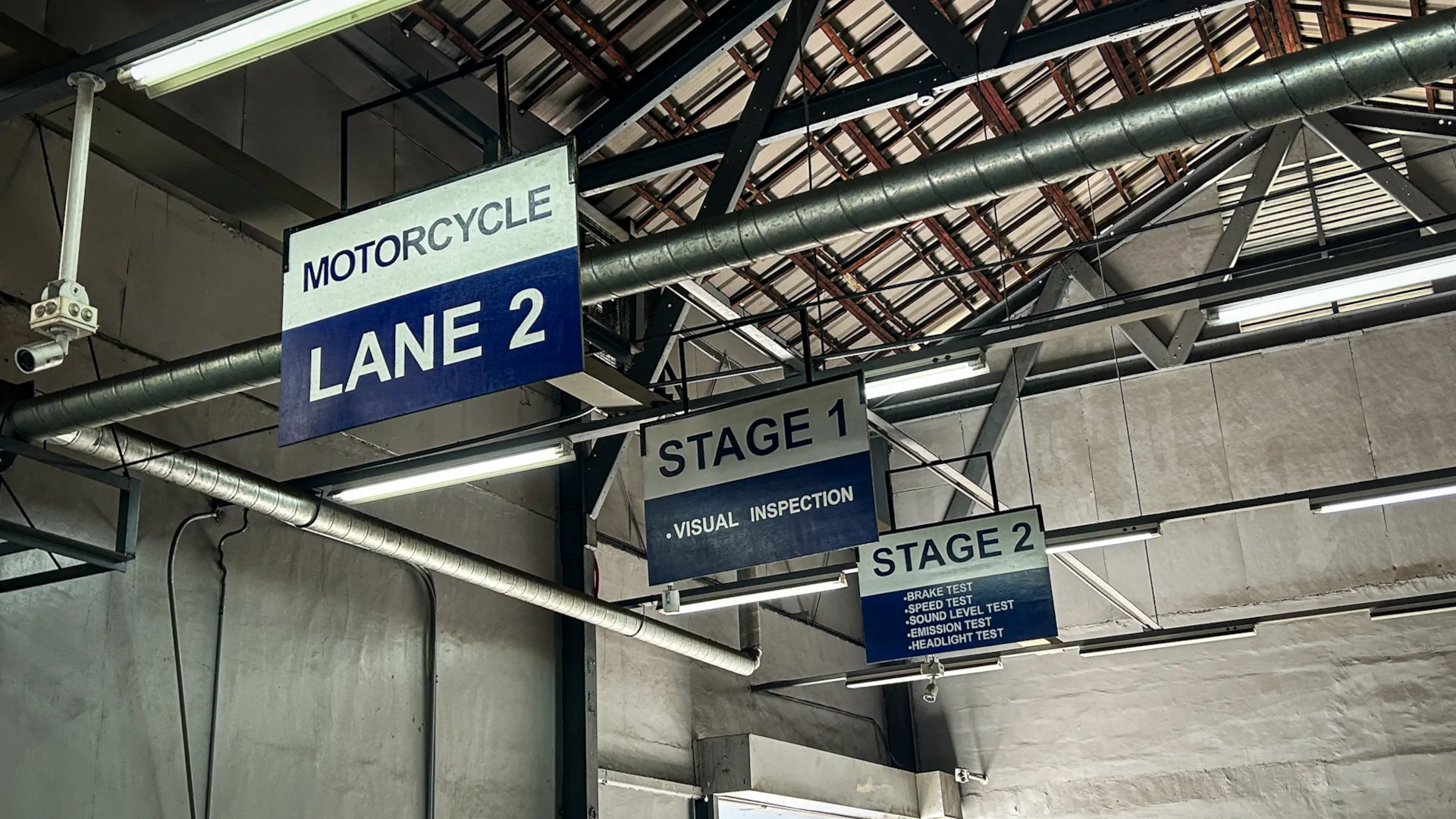
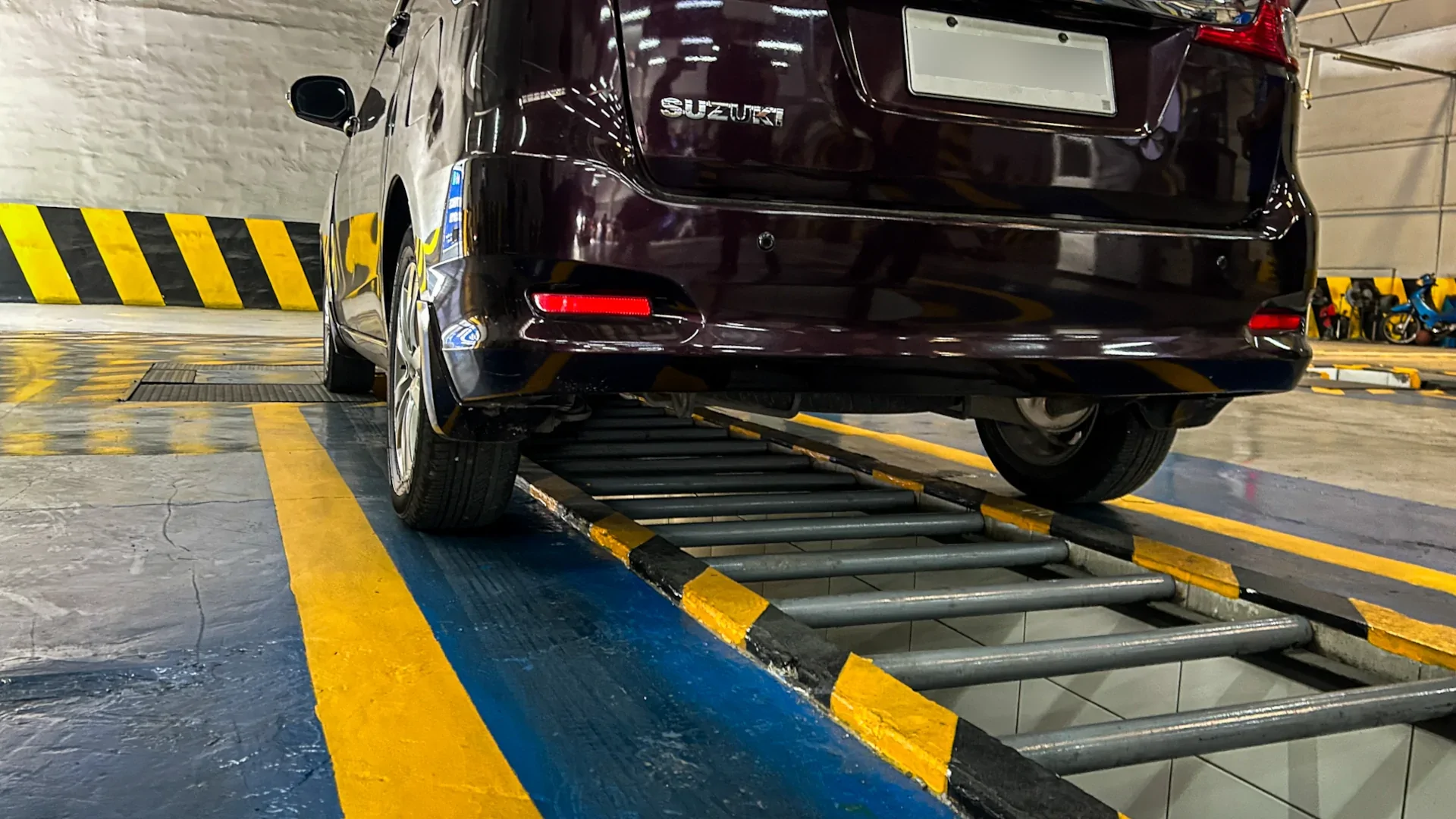
For one, it’s that PMVICs conduct way more tests than what the Land Transportation Office currently requires, which are just visual and emission tests, not the mechanical kind. This is the bare minimum that the usual PETC complies with. At a PMVIC, inspection can cover more than 60 points for a four-wheeled vehicle, including important ones such as brake integrity, headlight function, suspension and sideslip, and speedometer accuracy. PMVICs are also required to have either lifters or pits to allow the TESDA-trained inspectors to have a proper look at the underchassis of each vehicle. Two-wheelers have significantly fewer points covered, but still more than usual, nonetheless. Data from all these tests are recorded accordingly and sent to the LTO in real-time, preventing anyone from tampering with or completely faking the results.
The data logging allows both VICOAP and the government to maintain a singular, reliable database for all vehicles inspected. For example, of the 2 million vehicles that went through PMVICs in 2024, recorded data shows that 45.1% of those failed braking tests, 37.3% had defective headlights, 9.2% failed alignment tests, 5.3% had speedometer issues, and 3.1% did not pass emission standards. These failed vehicles were still deemed roadworthy, because as mentioned, not all of these inspection points are included in the current testing requirements for registration renewal.
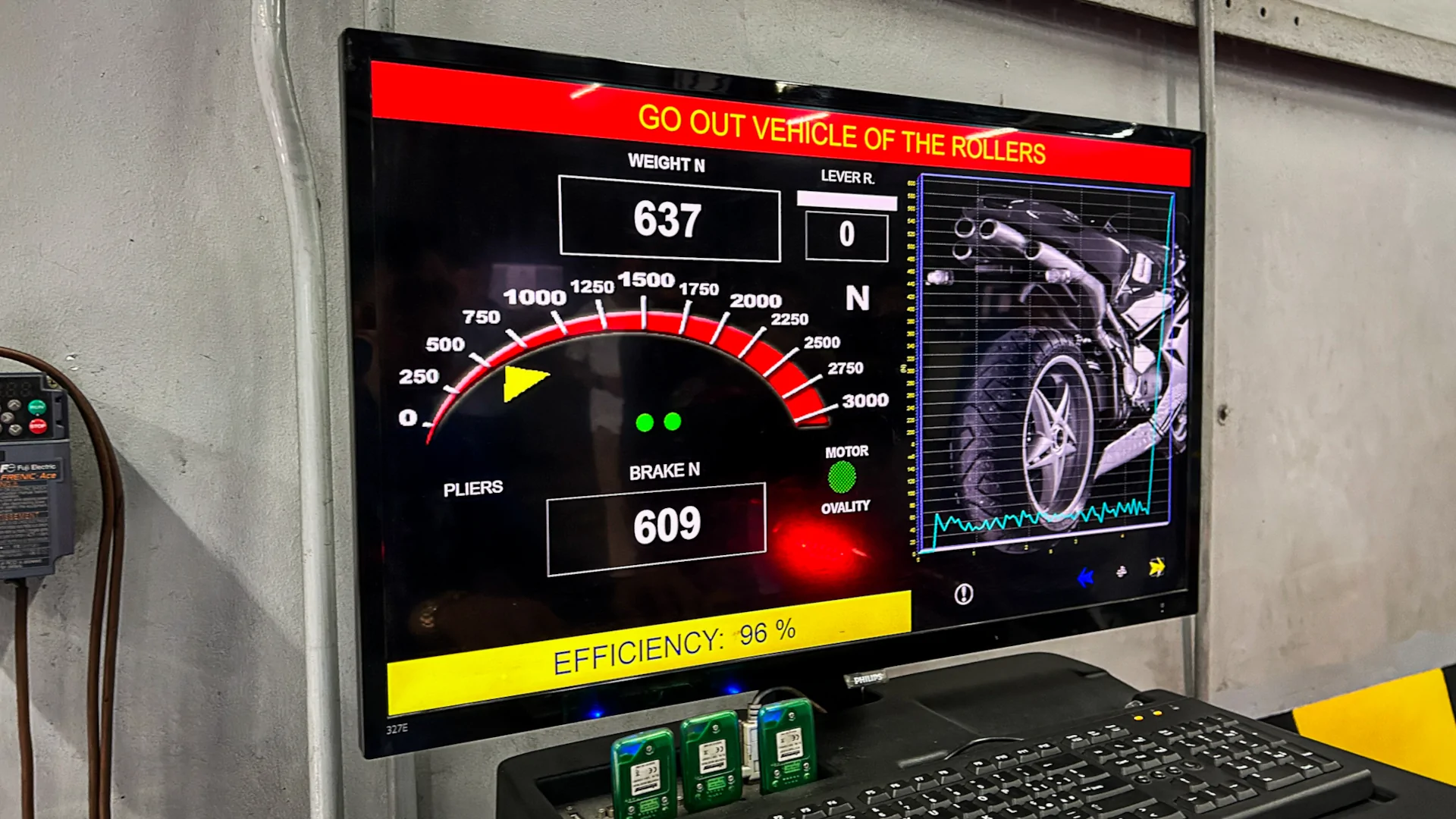
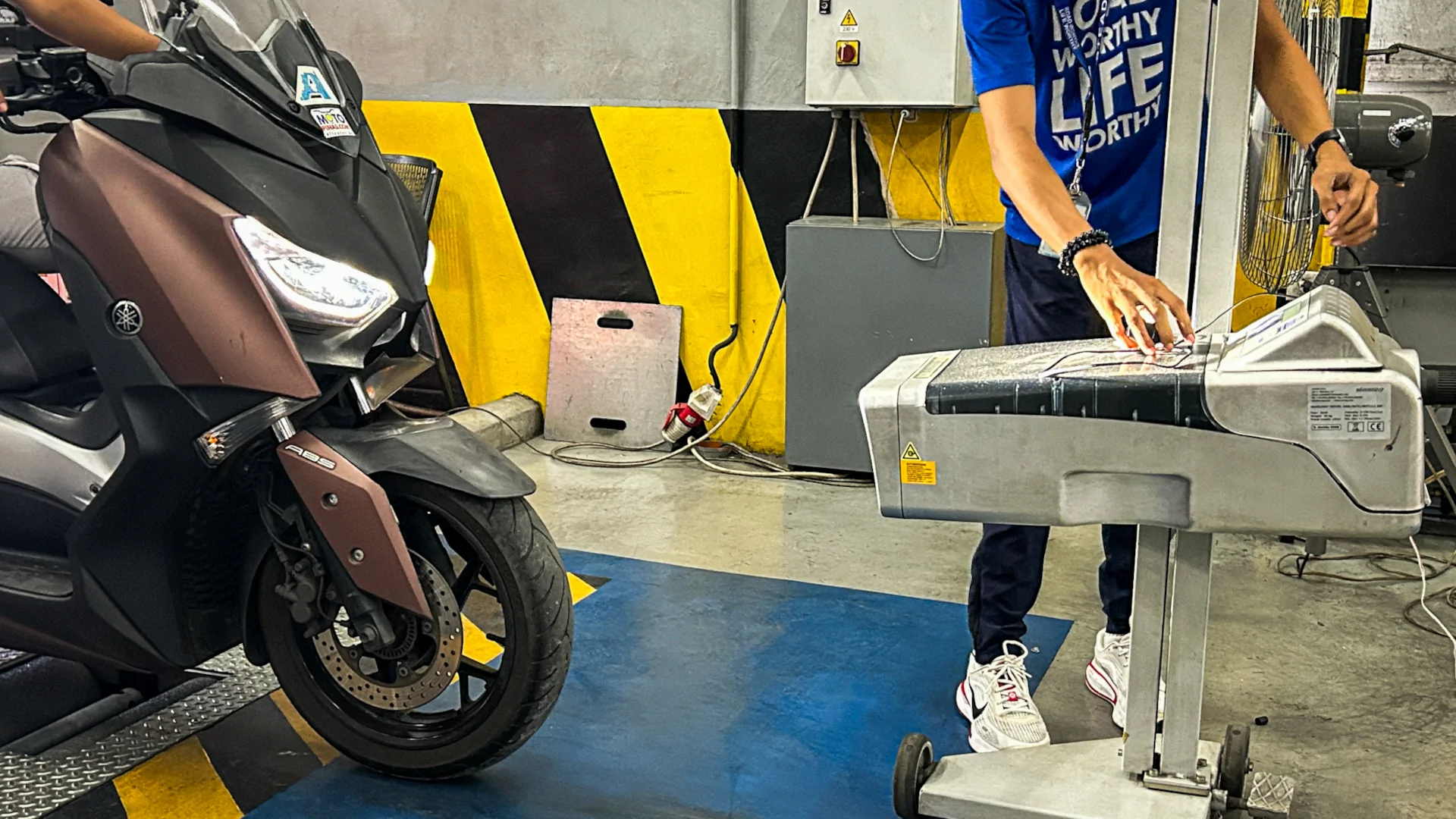
It sounds like a complete waste, but it’s not. At least for those 2 million vehicles, their owners were duly warned about the current and potential issues regarding their cars. That gives them the chance to address these issues or be proactive with maintenance, ultimately resulting in a truly roadworthy and safe vehicle. And in the event they fail, PMVICs let owners bring their cars in for a redo for free—we were told some centers may even allow more chances.
But that’s not an incentive that car owners need to be convinced to go to a PMVIC. Because let’s face it, for us Filipinos, when has safety been enough of an incentive for anything, anyway? Right now, it’s the access to online registration renewal that’s considered the biggest ‘perk’ when you go to a PMVIC. If you’re not very tech-savvy, chances are, you don’t really care. Therein lies the problem: Our general mindset as motorists. We shouldn’t need incentives.
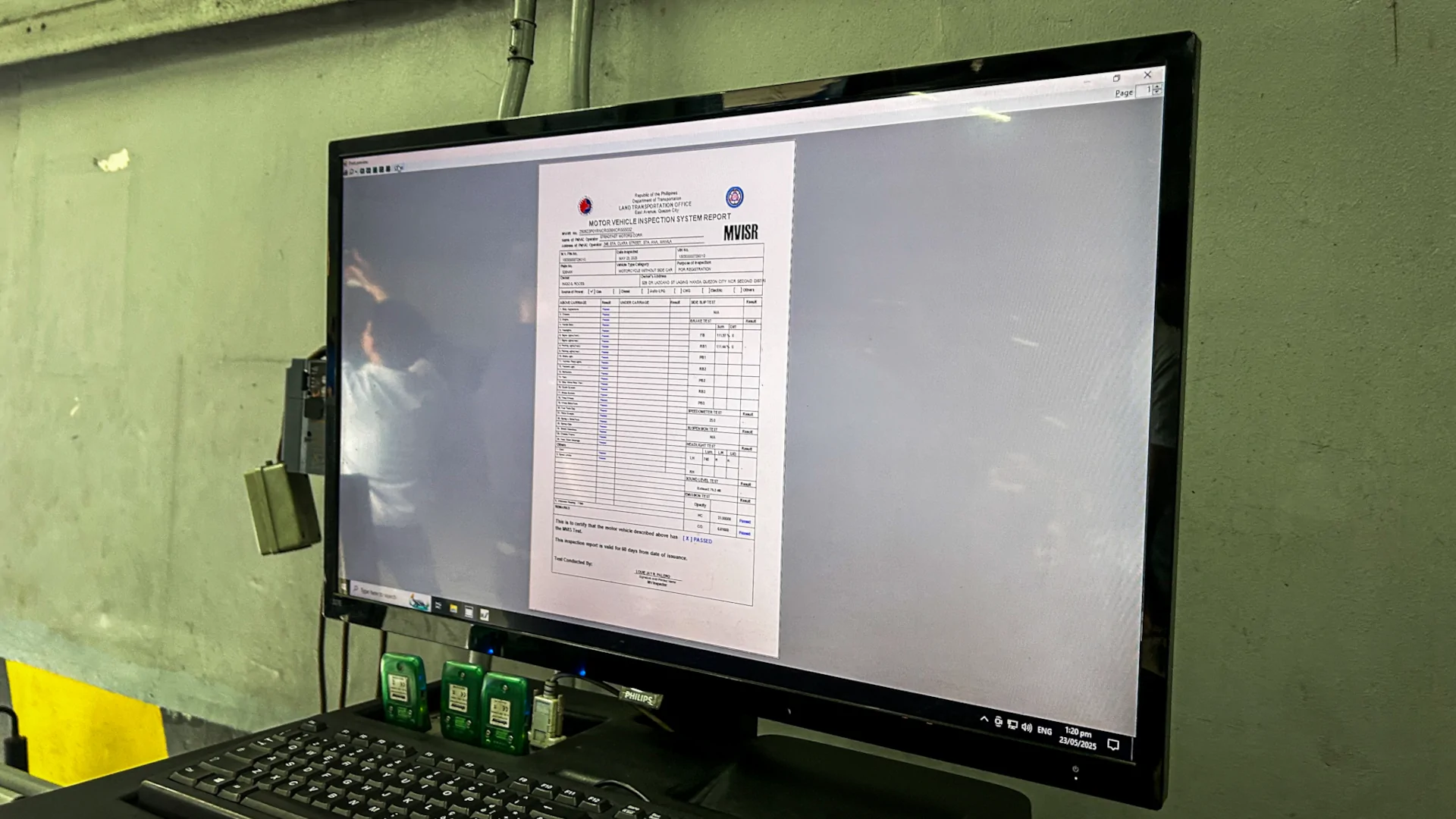
That’s also part of my other realization. We all just see vehicle inspection as a mere requirement. That these tests are just hurdles we need to get through so we can drive our cars on the roads daily as we wish. Well, newsflash—they’re tools to properly determine whether a vehicle is roadworthy or not, and they can actually help make our roads safer, one car at a time.
I’m not saying PMVICs will help eradicate these road crashes, because there are still several limitations. Heavy commercial vehicles like trucks and buses—the latter of which was involved in one of the recent major crashes—still can’t be accommodated by PMVICs. Geographical concerns remain as well, because for this to work, all motorists should have reasonable access to a testing center. Nobody should need to take, say, more than a one-hour drive just to go to a testing center, and right now, I doubt that’s possible.
But at this point in time, we need all the help we can get to make our roads safer. It’s not just about driver education or stricter implementation of traffic rules and regulations anymore. If we want safer roads, sure, we need better drivers—but at the same time, we need safer cars, too. It just so happens that these PMVICs are currently the best-equipped facilities for the job.
Mandating PMVIC inspection isn’t the answer, though. Been there, done that. We all know what happened the last time. What we need instead is for the government to shake up the system in a way that the process for determining roadworthy cars is ultimately pro-safety but remains equal for all motorists. It’s a challenge, alright—I don’t even know how it can be done—but it’s one those in charge need to face head-on, and fast. The recent major crashes were all preventable in hindsight, and only by having the right systems in place can we prevent more of the same in the future.