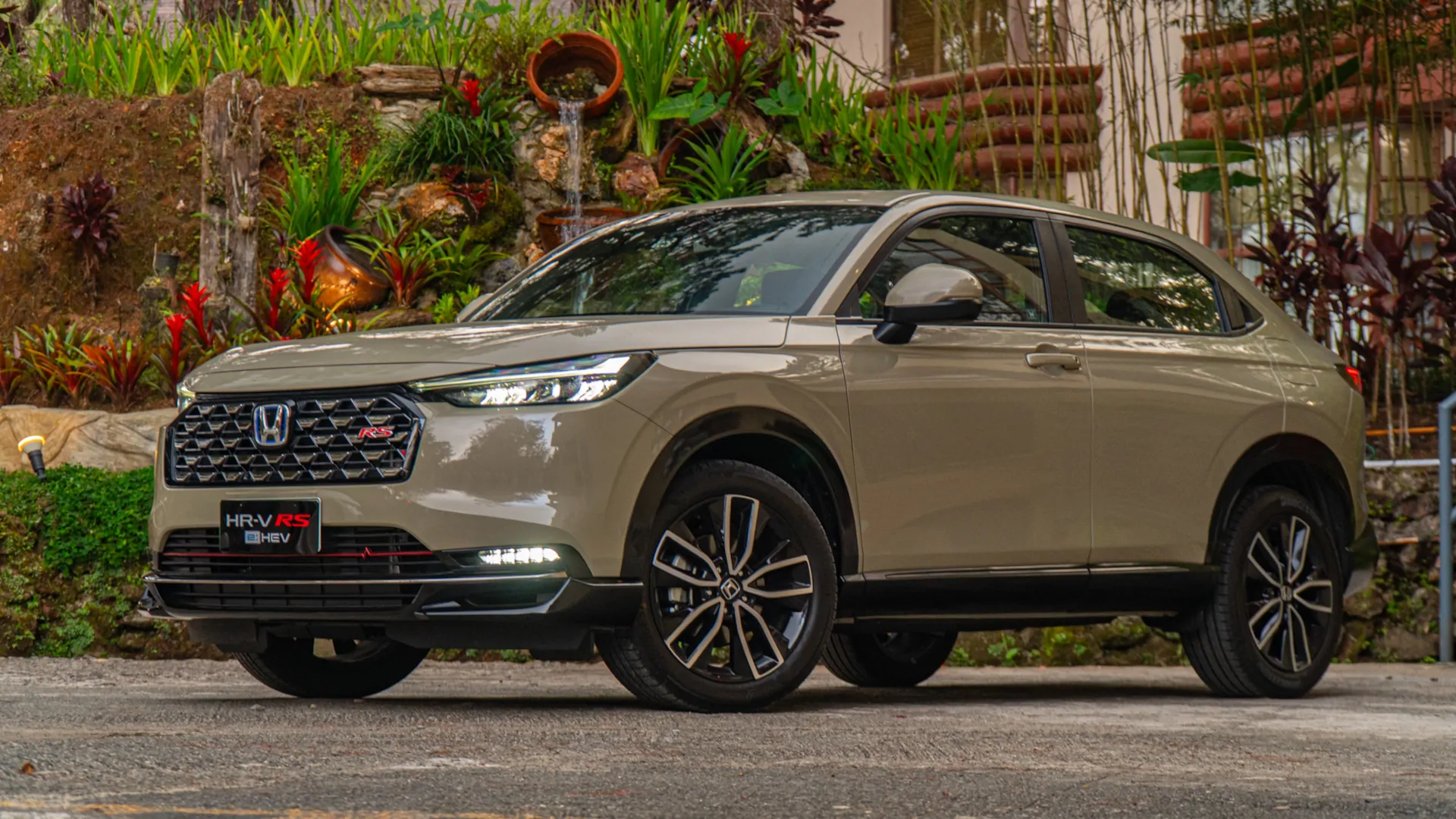
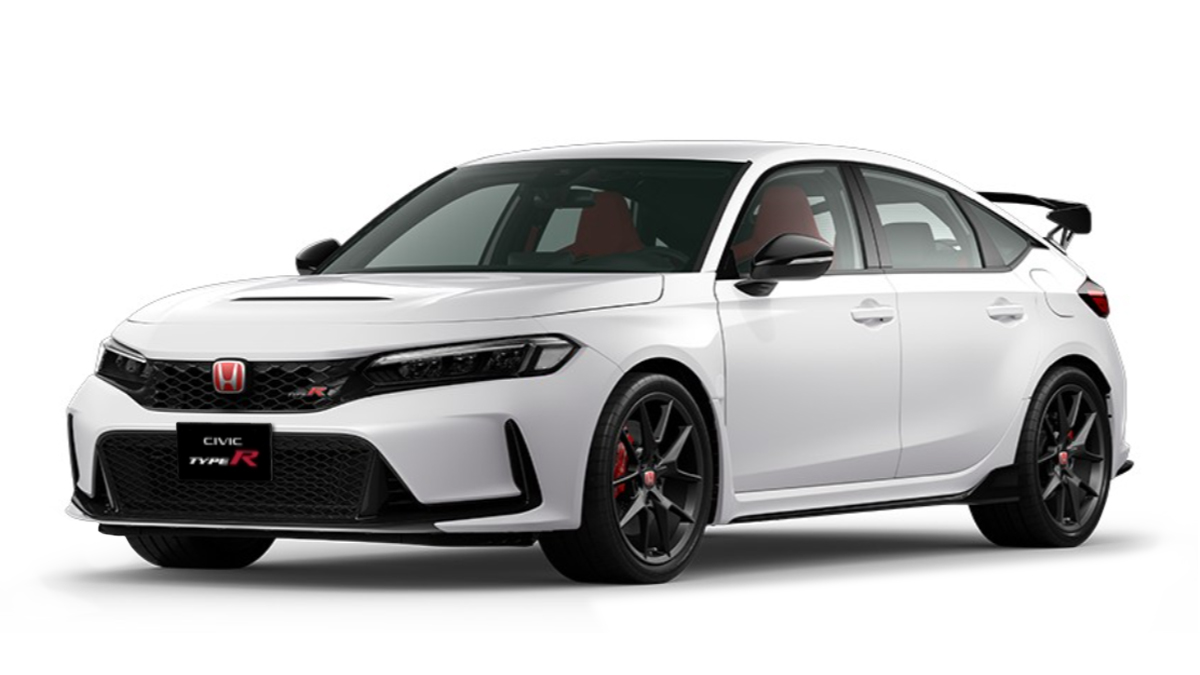

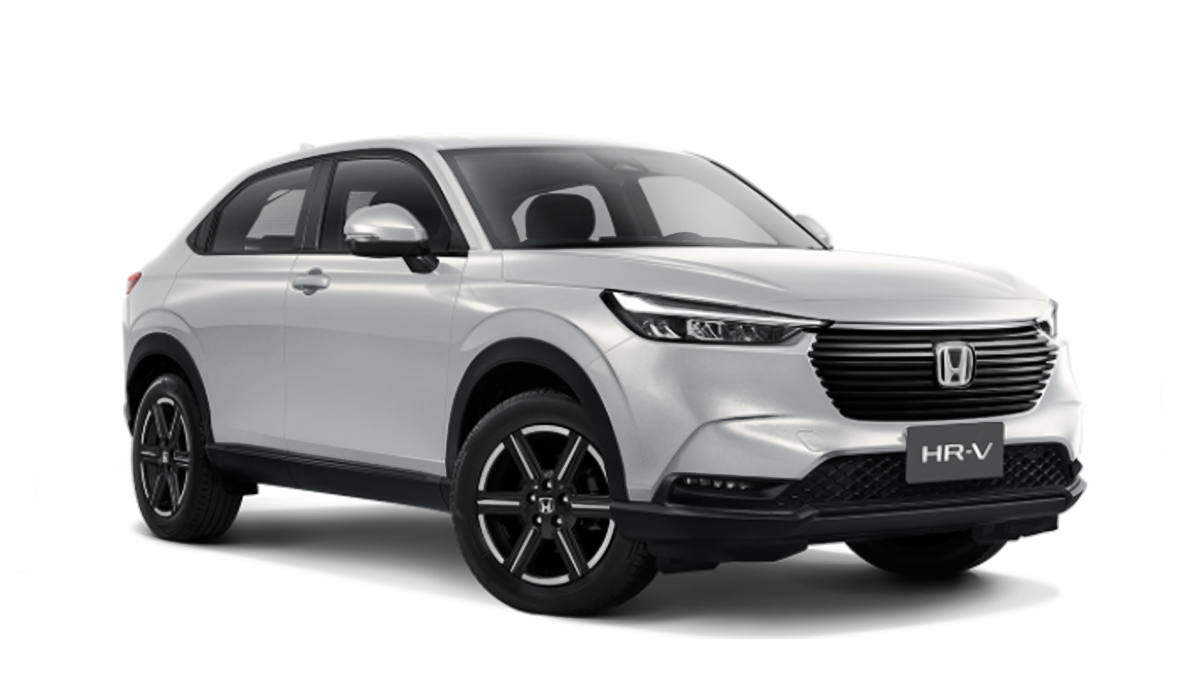
The third-generation HR-V has been a steady performer for Honda Cars Philippines ever since it arrived in our market. The subcompact crossover has proven to be a practical choice for Filipino car buyers, be it the turbo and non-turbo version of the HR-V.
For 2025, it’s undergone a bit of a transformation with the arrival of the hybrid variant, and recently, we were given the chance to get behind the wheel of it. HCPI invited us to take the HR-V RS e:HEV on a quick overnight road trip to Baguio City, and we couldn’t help but pass up the opportunity.
Little did I know, though, that we’d be driving all three hybrid Hondas en route to the City of Pines and back. At first I thought it would take away from the HR-V RS e:HEV experience—which was what I intended to focus on for this drive, anyway—but the arrangements actually gave me more insights than I expected.
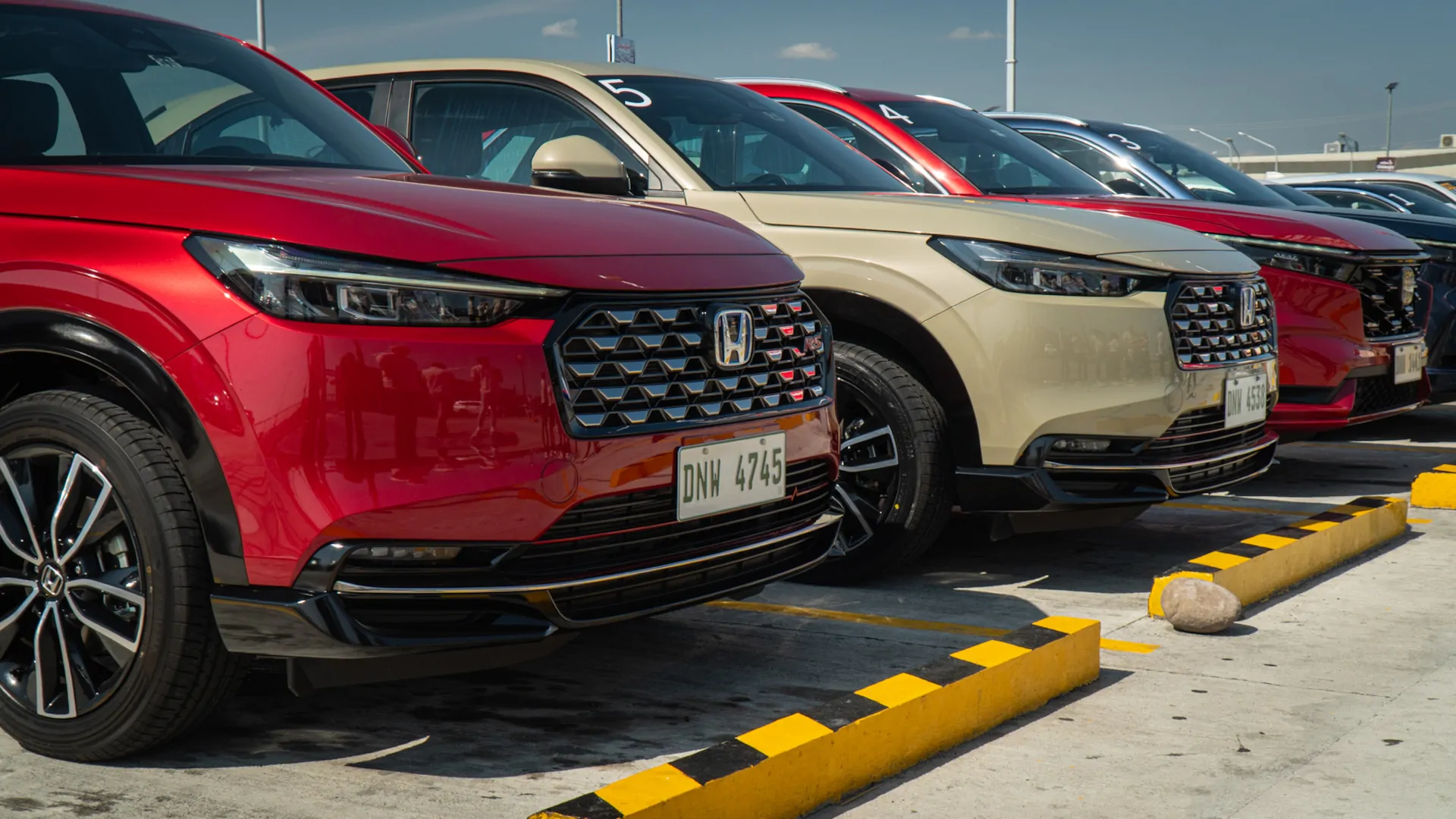
We started off our drive, luckily, with the HR-V. Equally as fortunate were our car assignments, as me and my teammate Sam Pineda had our friends Macoy Averilla and Chenee Jimenez as our carmates for the entire trip.
Chenee was first up, so I got to have some seat time in the second row while we were on EDSA. The HR-V RS e:HEV rode just like any other HR-V would—significant road noise was coming into the cabin, and it felt a bit harsh through bigger road imperfections. We weren’t bouncing around, but we did feel every bit of the poorly paved cement underneath us. While it’s partially because of Metro Manila’s terrible road conditions, it also says a lot about the HR-V’s ability to block off outside noise and absorb larger bumps on the road.
Once we reached Total NLEX, it was Macoy’s turn, so Sam and I stayed in the back. Through these asphalt roads on the expressway, the HR-V felt much more comfortable. It made it more clear that the crossover was built for roads like these, not the ones inside the city. Our fuel economy was also at an all-time high, as we hit 24-25km/L after this portion of the drive.
My shift eventually started at Petron TPLEX, and as I expected, it was as smooth as the other Honda hybrids. Power delivery feels almost instantaneous, and pedal feel is excellent. It’s light and it feels very easy to drive. But to my dismay, the HR-V wasn’t as comfortable as expected on this expressway. Although this time around, the condition of the road was more to blame than the car. But it still highlighted the lack of sound insulation inside the HR-V. The roads here were rougher than they looked, and it made for quite a noisy time inside the vehicle.
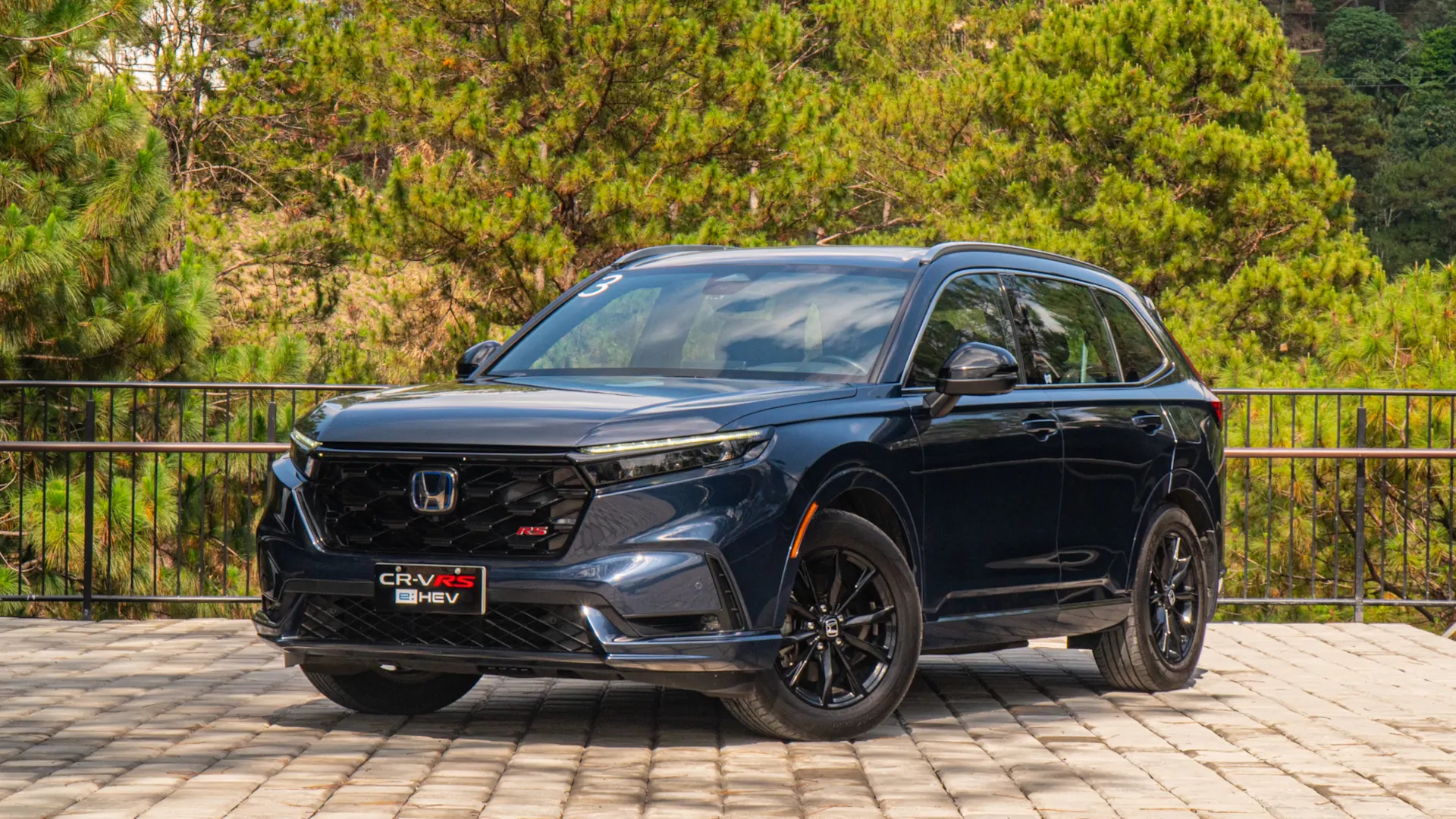
This was made even more apparent when we switched to the CR-V RS e:HEV when we reached Cleanfuel Rosario. See, we had to ditch the hybrid HR-V and move to the CR-V for the climb through Kennon en route to Baguio City, and this was going to be our final car change for the day.
The driver order remained the same—Chenee took on Kennon Road, while Macoy had his turn for a small portion of the mountain pass and past Camp John Hay. After we reached the nearby outskirts of the city, I took the wheel of the CR-V on the way to Mt. Camisong.
Undoubtedly, the HR-V handled better. The new hybrid model felt heavier than the previous turbo and non-turbo HR-Vs, but it felt more nimble and agile than the CR-V. That said, the comfort inside the CR-V more than made up for all that. And besides, it wasn’t like it couldn’t hold its own through twisties, because it most definitely can.
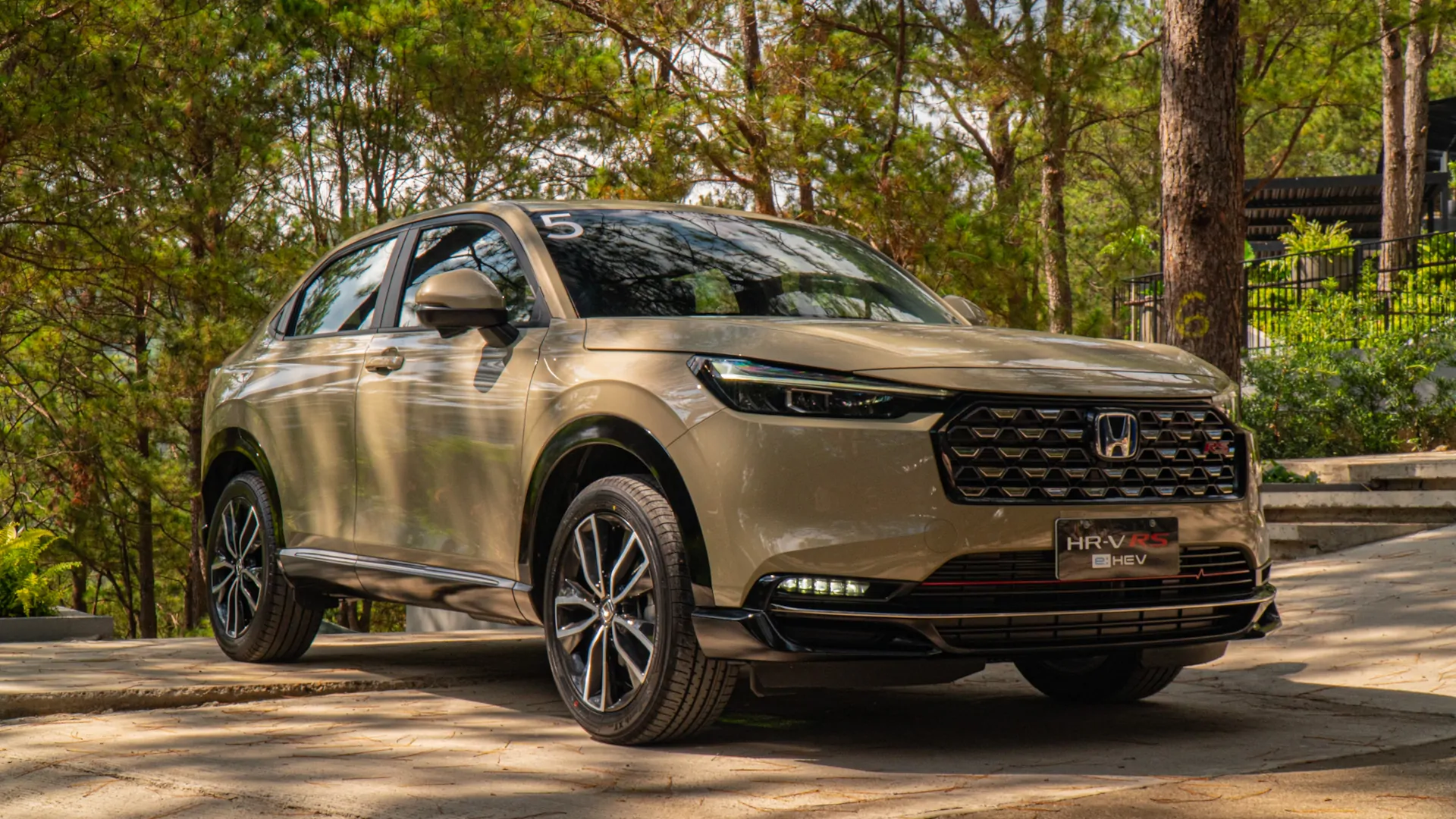
As soon as we reached Mt. Camisong, I went to check the fuel economy of the HR-V unit we started with, and voila: 16km/L. That was the final log after more than 250km of driving in the city, on the expressway, and through the winding roads of The Cordilleras. It suffered going uphill, but it still yielded very impressive results.
But of course, fuel economy wasn’t the only concern here. While the HR-V had already answered the usual “kaya ba mag-Baguio” question at that point, I still had to know how it performed. I was told that with four people onboard with some luggage in the back, you’d really feel the engine grunting through the steeper portions of the route.
Forgivable, since the HR-V RS e:HEV does have a smaller 1.5-liter hybrid setup compared to the Civic and CR-V’s 2.0-liter hybrid powertrain. The former makes a combined total of 129hp and 253Nm, while the latter puts out 204hp and 335Nm of torque. It wasn’t a surprise that our CR-V didn’t even break a sweat going up the mountains.
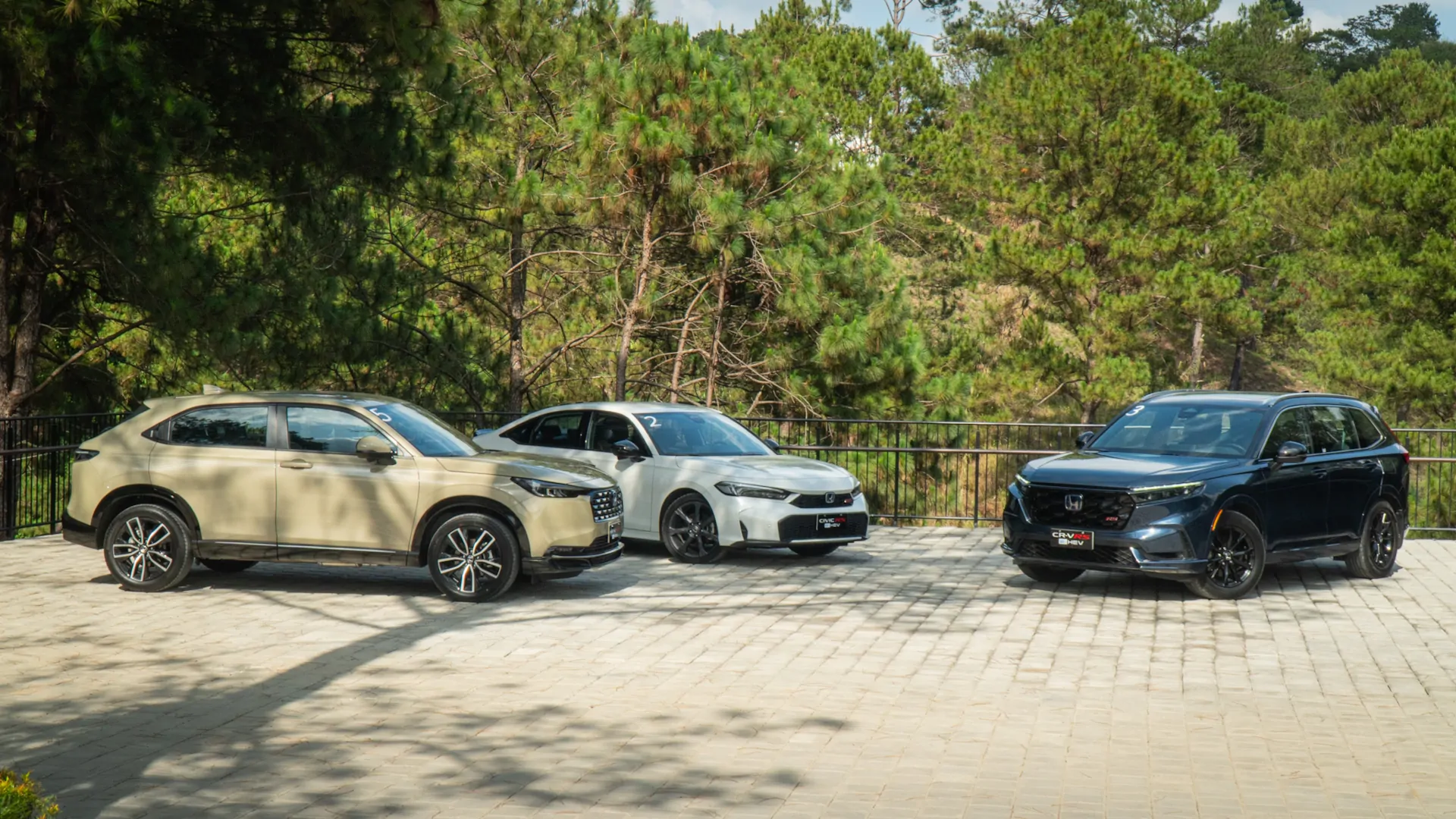
At this point, we were treated to a scrumptious lunch at Alapaap, a newly opened restaurant inside Mt. Camisong. The lineup that Chef Stanley Suva had prepared for us was insanely good. The menu had some of the most creative dishes I’ve ever seen. Who would’ve thought dipping smoked ribs in both adobo and pares sauce would be so darn good?
After our unforgettable dining experience, we got to enjoy the sights around Mt. Camisong a bit more while we shot content with the hybrid Hondas. I then finished off Day 1 by driving the CR-V RS e:HEV back to Camp John Hay.
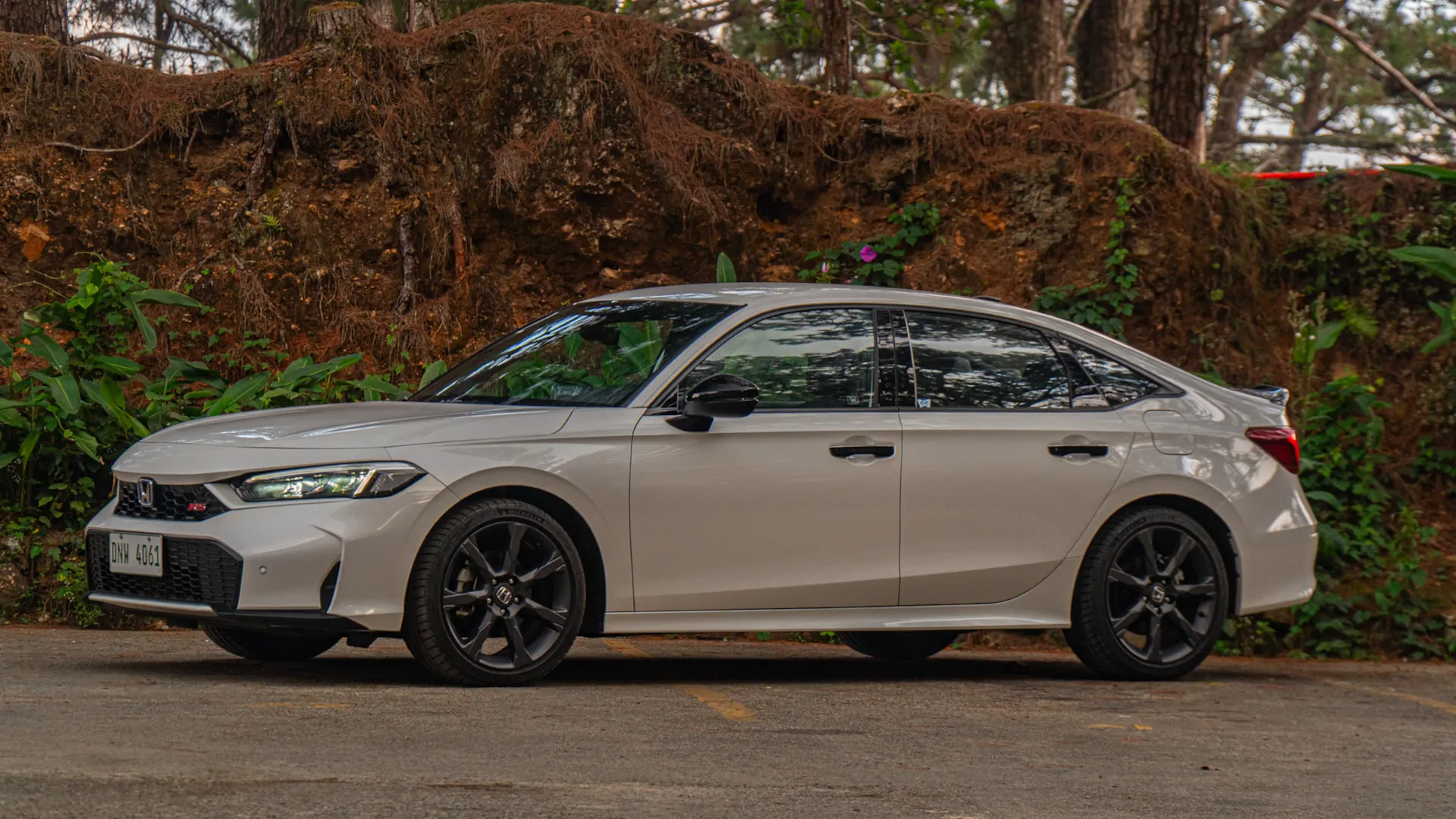
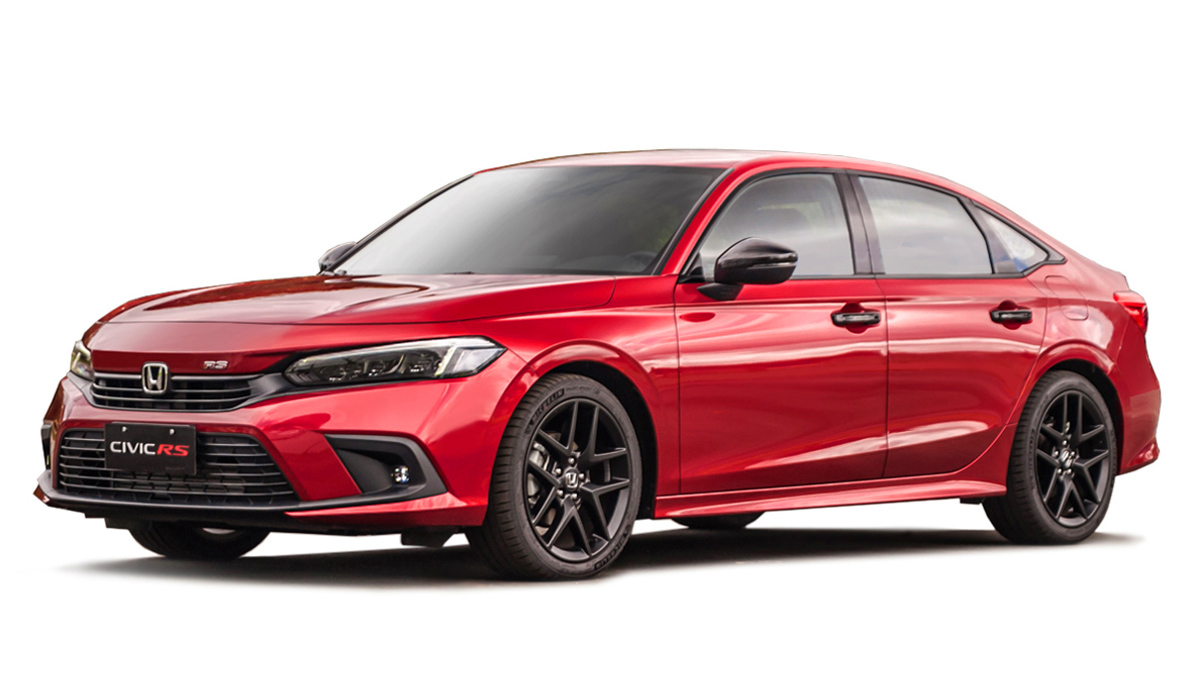
For Day 2, we were assigned the Civic RS e:HEV—my favorite among the three and, quite frankly, currently one of my most favorite sedans across the market—and we took on a fuel economy challenge. It was Civic against Civic, HR-V against HR-V, and CR-V against CR-V, so it was a fair fight for all. My only gripe about all this was that we had to say goodbye to a spirited drive with the car, because we had to be very light on the throttle all day.
Macoy went first, driving down through Kennon Road and basically using up as minimal fuel as possible. The e:HEV system allowed for maximum regenerative braking downhill, and it reached a point where the fuel-consumption gauge read 99.9km/L, which was the most it could display. These Honda hybrids all have paddle shifters to adjust regen on the fly, which also helped a lot in conserving fuel for this portion of the drive.
Chenee then took on almost the entirety of TPLEX, where her strategy was to draft behind the lead car driven by Georges Ramirez to reduce drag and ultimately, reduce fuel consumption. Unfortunately, Sir Georges had to move around a bit to check that both Civics were following the rules and driving at the minimum 80kph, so we couldn’t draft the whole way. Still, she did an excellent job following Macoy’s stint, with the gauge dropping to just around 35km/L after more than 100km of driving.
I took on the last leg of the run from the end of TPLEX to Clark, which proved to be more challenging. Most parts were either flat or uphill—I had little downhill portions where I could utilize regen. I also tried drafting behind Sir Georges but to no avail, so I chose to drive closely behind our competitor instead. In the end, I’d like to think I did my part, because we got a final reading of 29.8km/L after the 160km+ drive. Not too shabby, eh?
We ended up winning the challenge, though we weren’t told what the final numbers were for all the competitors, so we didn’t know whether or not we cut it close. In the end, it didn’t matter—a win is a win. Kudos to my carmates who set the tone for this fuel-eco challenge.
After another scrumptious lunch—this time at Tito Boy by Chef Bong in Clark—it was time to head back to Metro Manila and conclude our drive. For this part, Macoy volunteered to drive all the way back, which we all happily agreed to. The back seat of the Civic is quite roomy, anyway, so I had zero complaints as a rear passenger in this car.
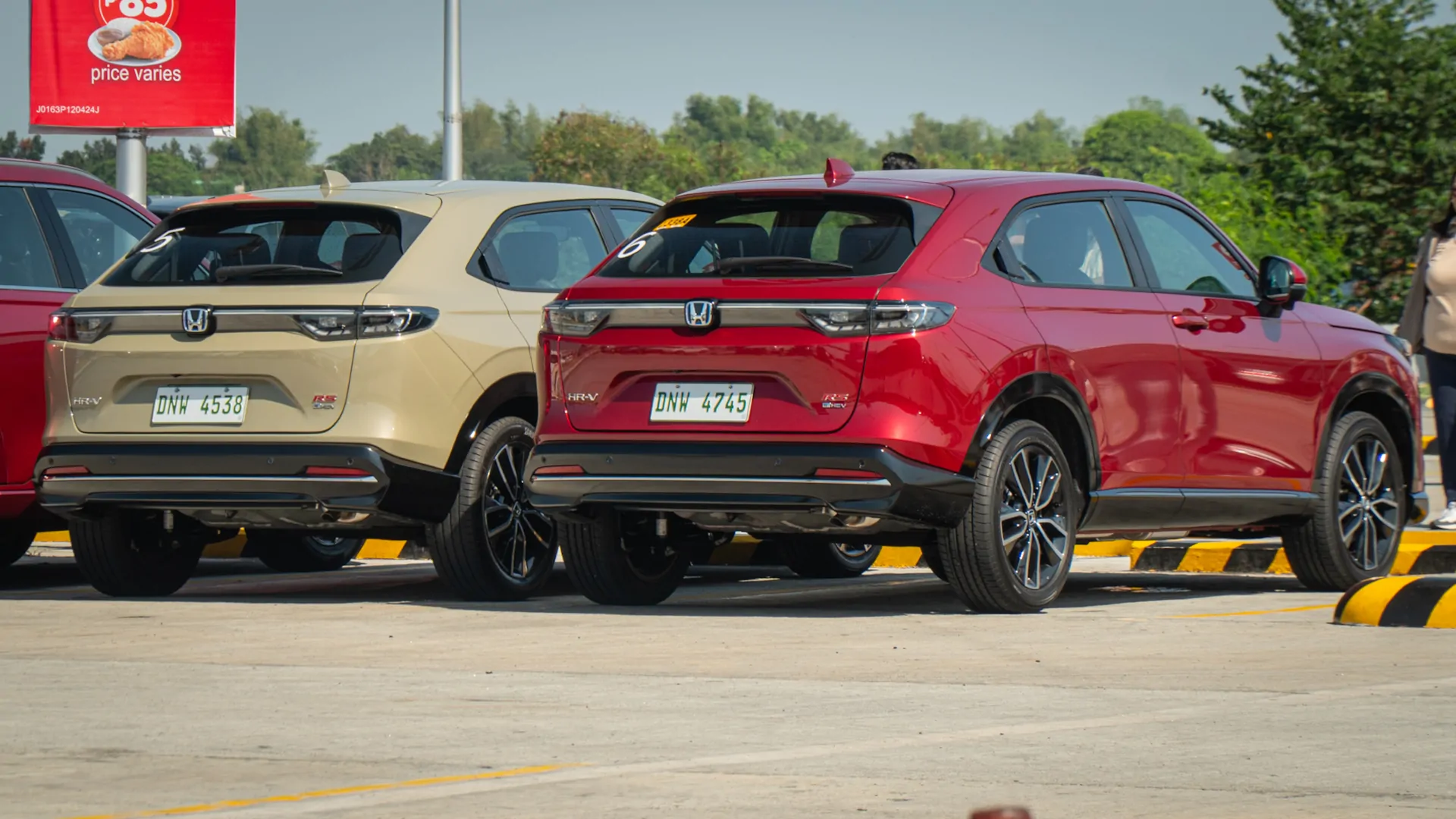
The drive was admittedly short but very sweet, and as I said, it left me with a lot of valuable insights.
This trip to the mountains showcased what the HR-V is capable of. It’s more focused as a city slicker, but it can more than enough hold its own on long road trips, and even when it’s filled to the brim at that. It might not be as plush as the CR-V or as sporty as the Civic, but it’s got everything a discerning car buyer wants in a brand-new purchase. It’s better-built than most crossovers these days, it’s fuel-efficient, and it’s coding-exempt. And of course, it’s got that signature HR-V styling that Filipinos have grown to love.
Driving the hybrids back-to-back-to-back also emphasized one thing: That HCPI is determined to electrify its lineup. The good part is that the hybrid models to come out from Honda as of late have all been very impressive. They’ve also been quite pricey, but for the target market, they’re very much worth all that dough.
The arrival of the HR-V RS e:HEV also underlines the fact that Honda is capable of covering multiple segments across the market with its hybrid models, and it’s only a matter of time before it brings in more electrified cars to fill in the remaining gaps. And if the hybrid HR-V and its smaller powertrain is any indicator, I’m guessing the hybrid City—which we can only hope is up next—will be just as impressive as this.