
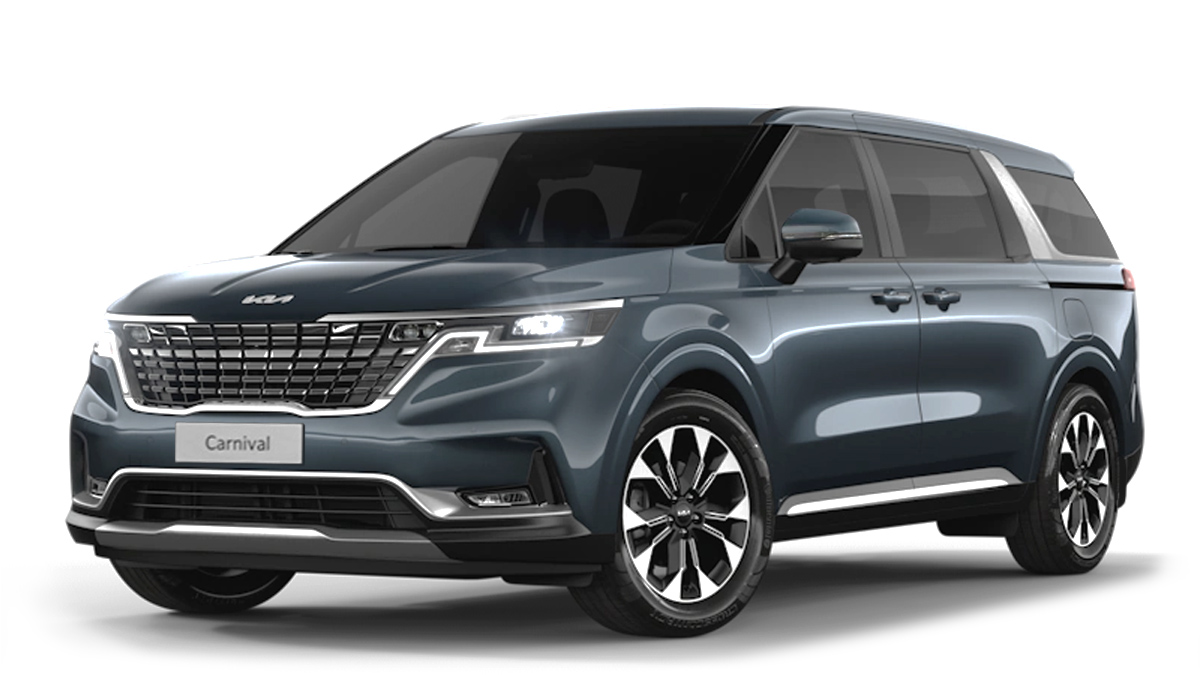
The original Kia Carnival sold itself as a cheap alternative to the common minivan, but it didn’t stay mini for long. The following one was 90mm wider and 250mm longer. It also boasted a more powerful 190hp 2.9-liter diesel, which was necessary to deal with the 200kg of extra weight.
Though big, the van was rather pedestrian in terms of creature comforts, which Kia rectified with the 2015 car—it had a nicer interior, more modern driving manners, and the ubiquitous 2.2-liter Hyundai-Kia diesel. The fourth generation moved further upmarket still, and with the 2025 facelift, has brought hybrid technology to the Carnival nameplate. Along with an eye-watering P3.368 million price tag. Is any Carnival, however colorful, worth that much money?
Styling
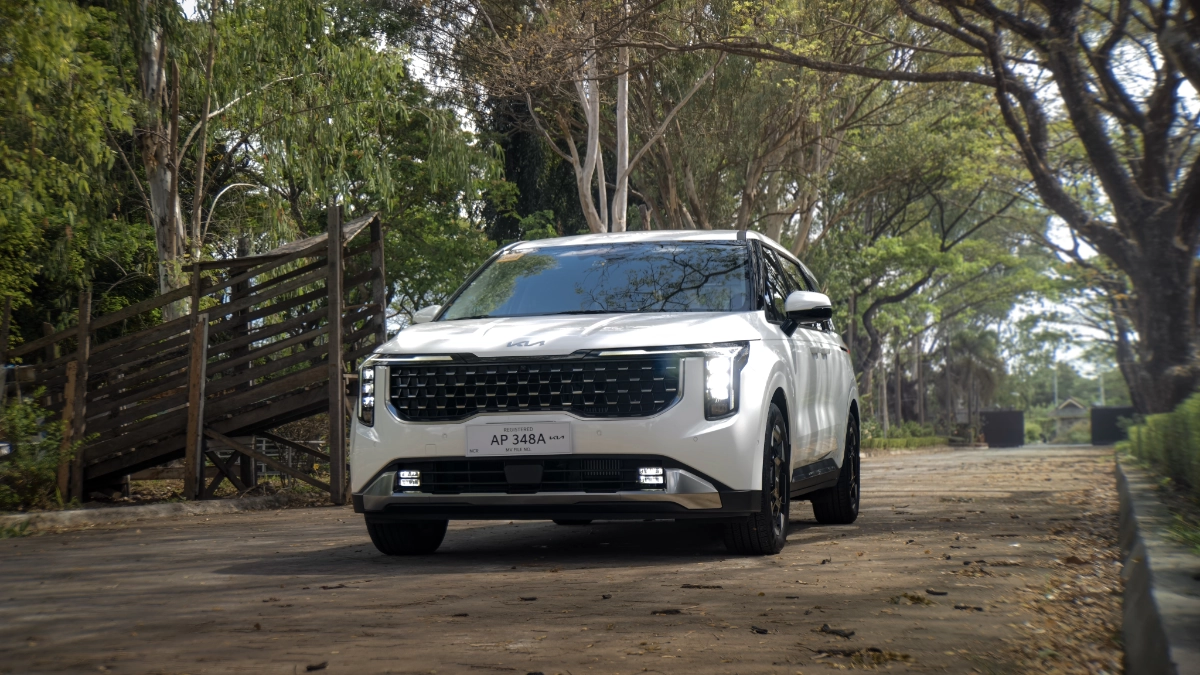
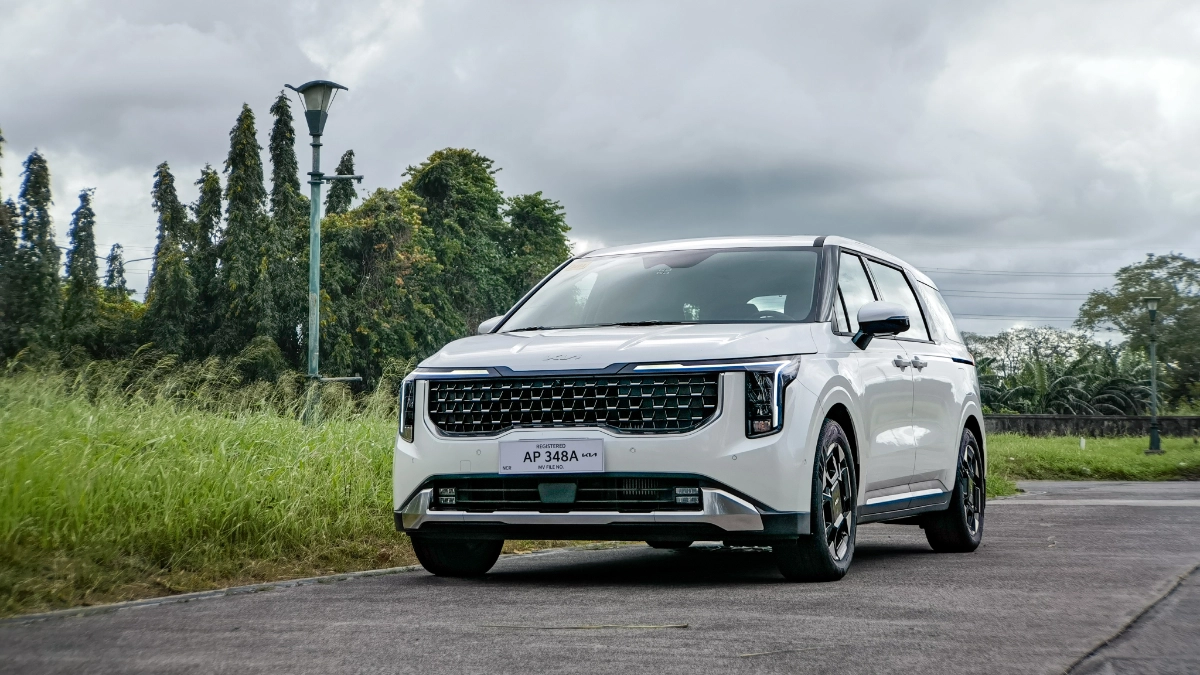
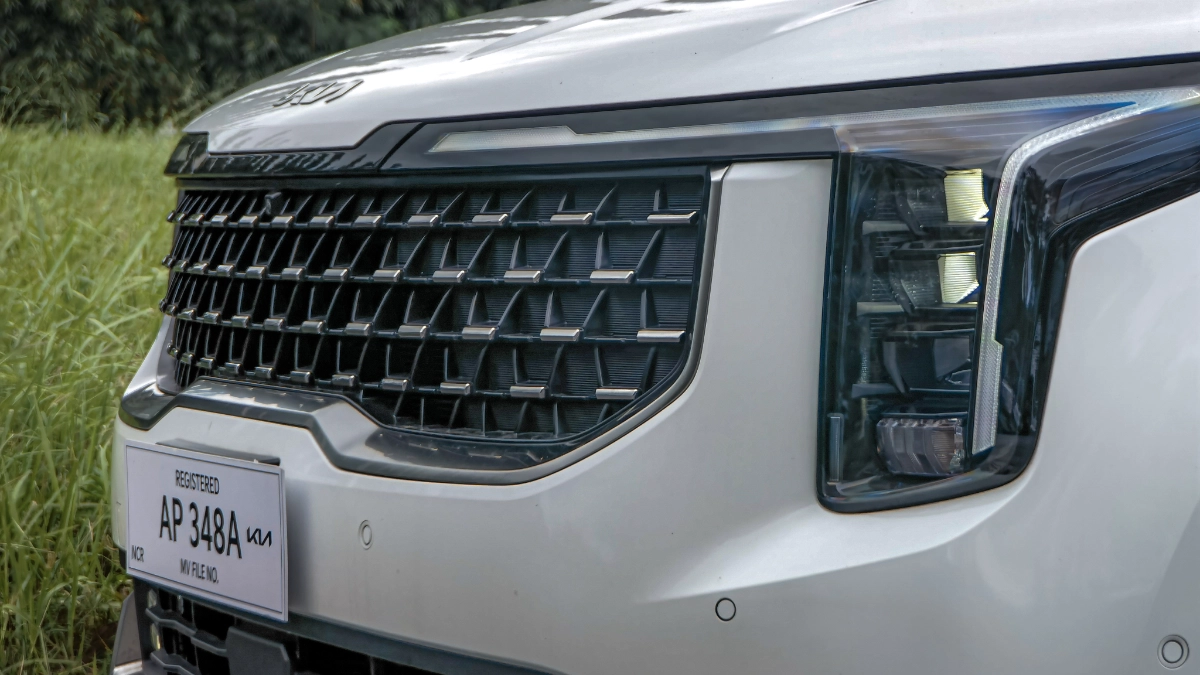
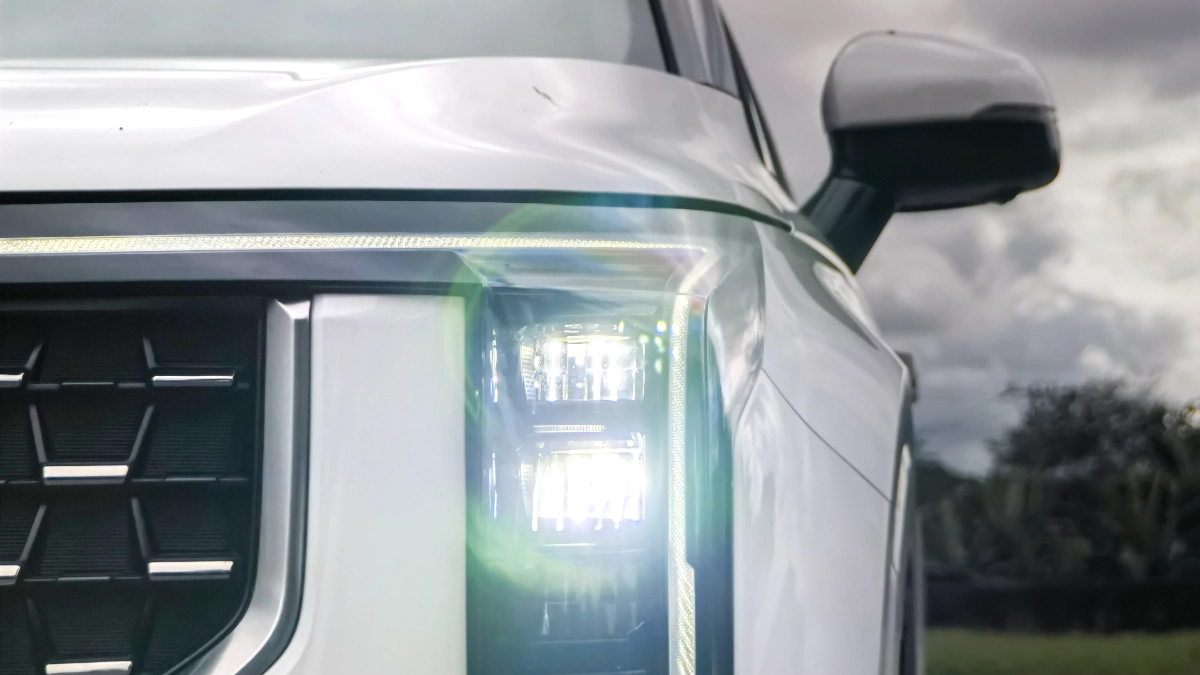
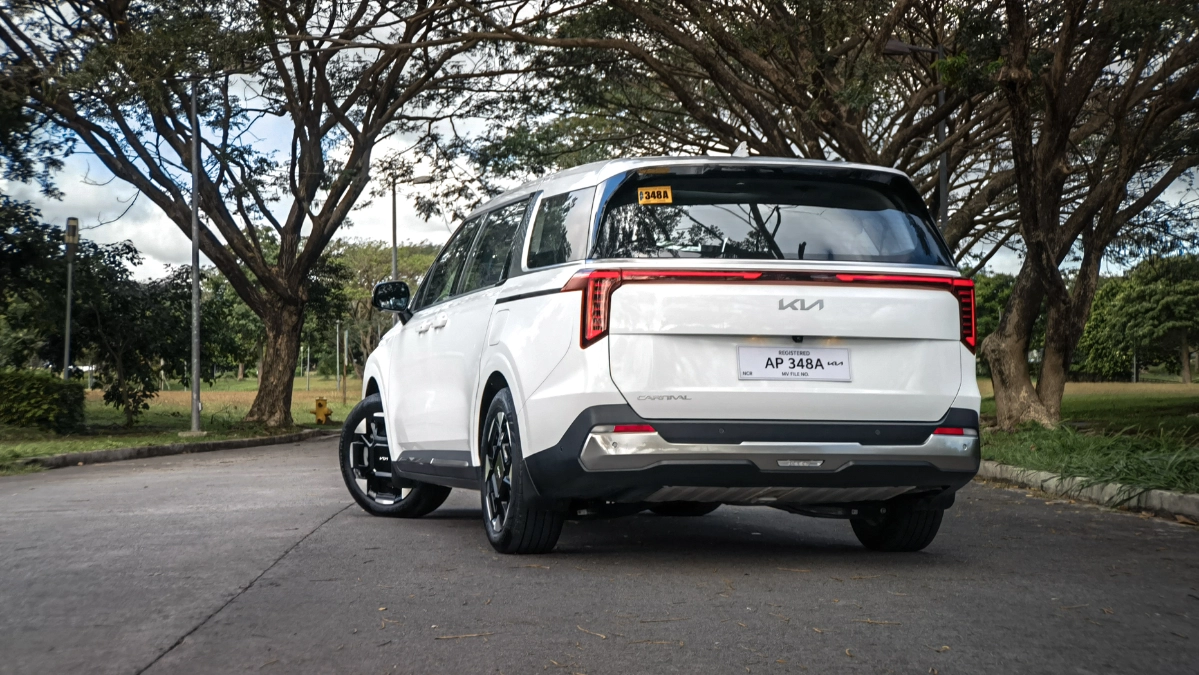
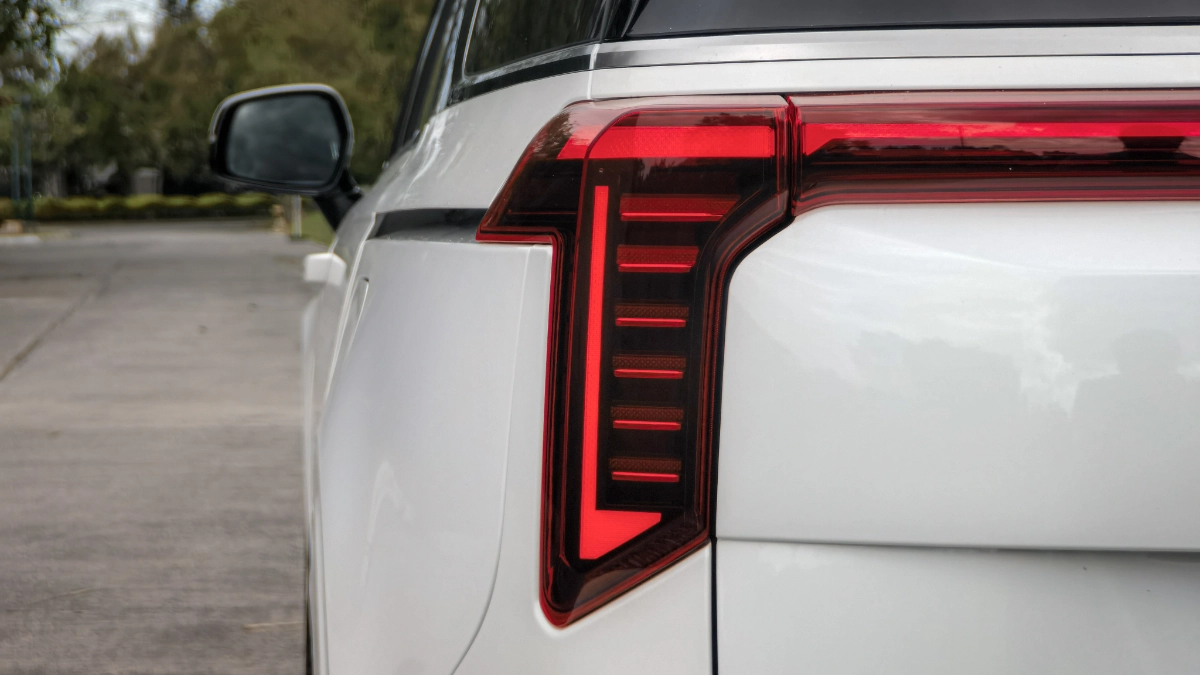
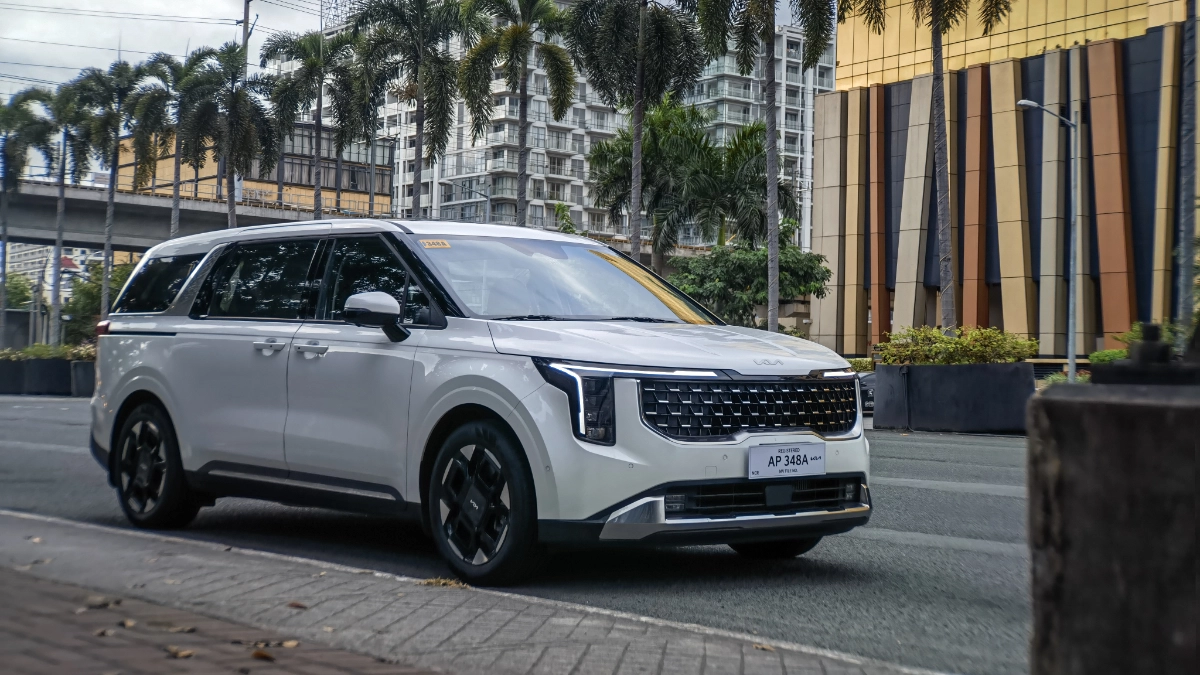
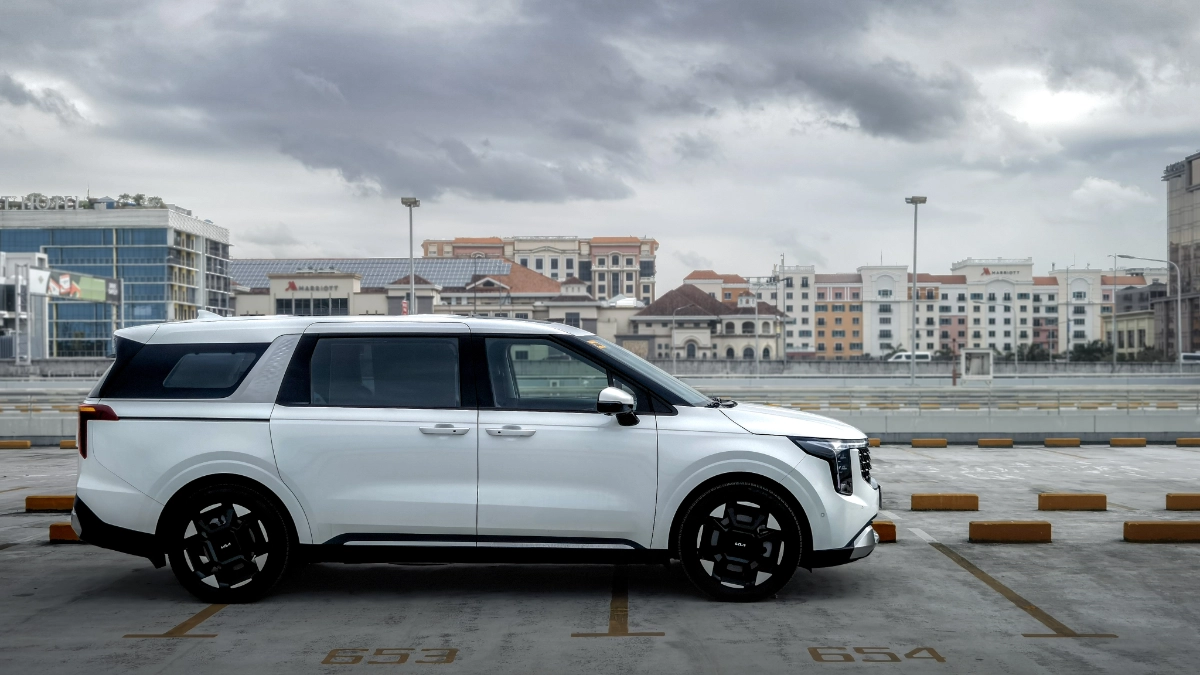
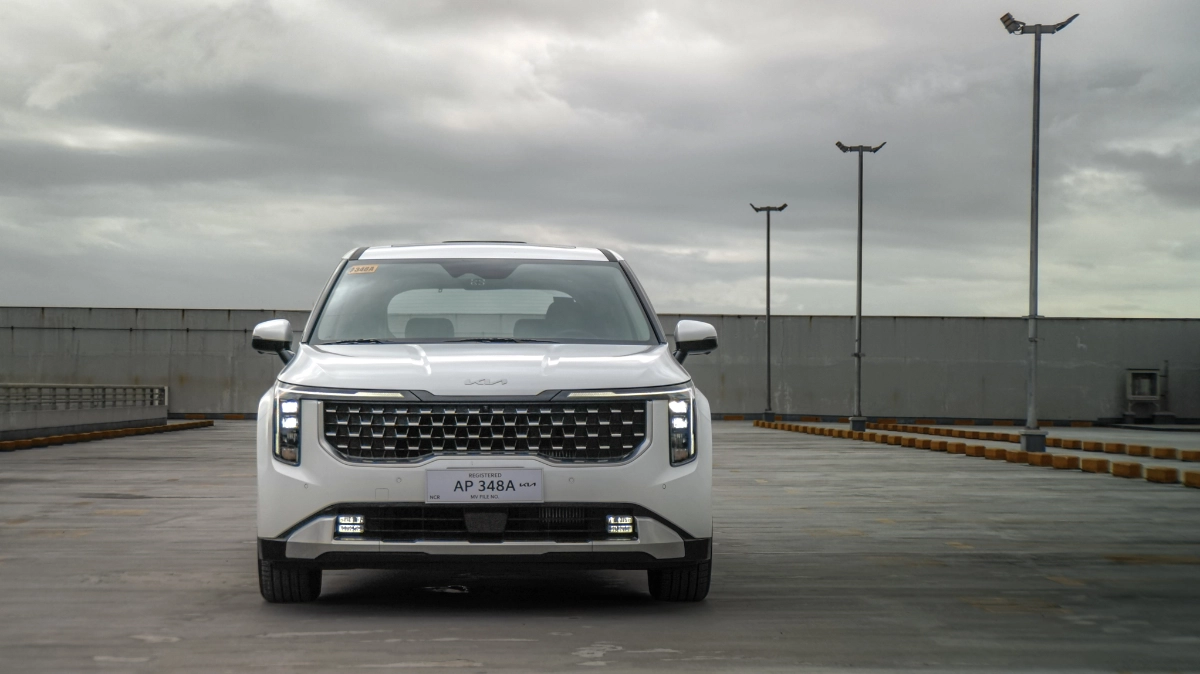
Unlike the sleeker previous generation, the new Carnival’s front end is 90% grille. Wide enough to swallow a Picanto whole. Flanking this gigantic edifice to the Peter Schreyer school of design are stacked LEDs, matched by projector-type foglights. The rear end gets teardrop taillights and a slightly revised rear fascia sitting under the rear light bar, creating a similar design theme—minus, of course, the giant grille.
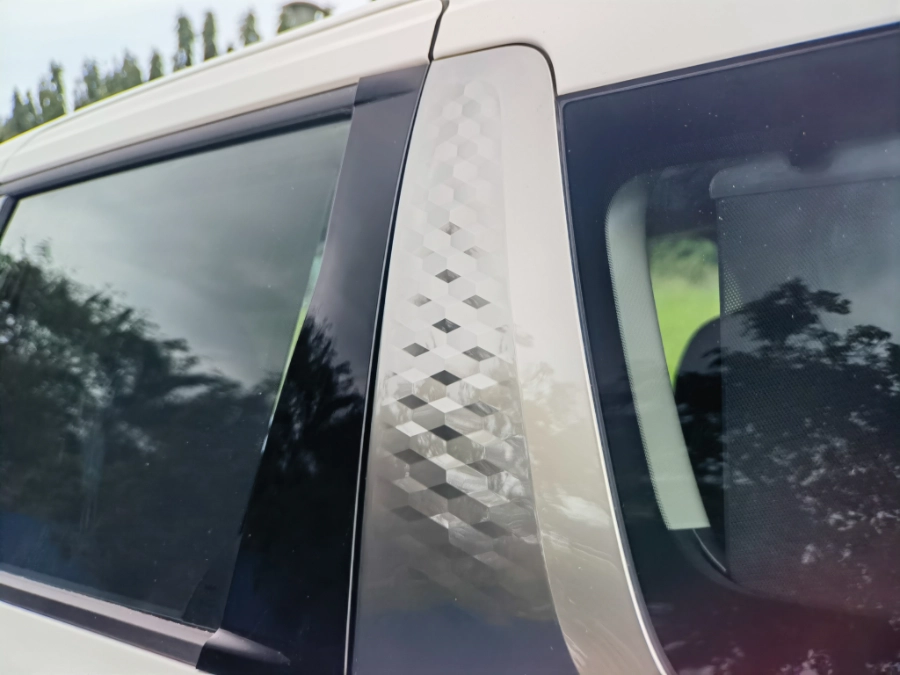
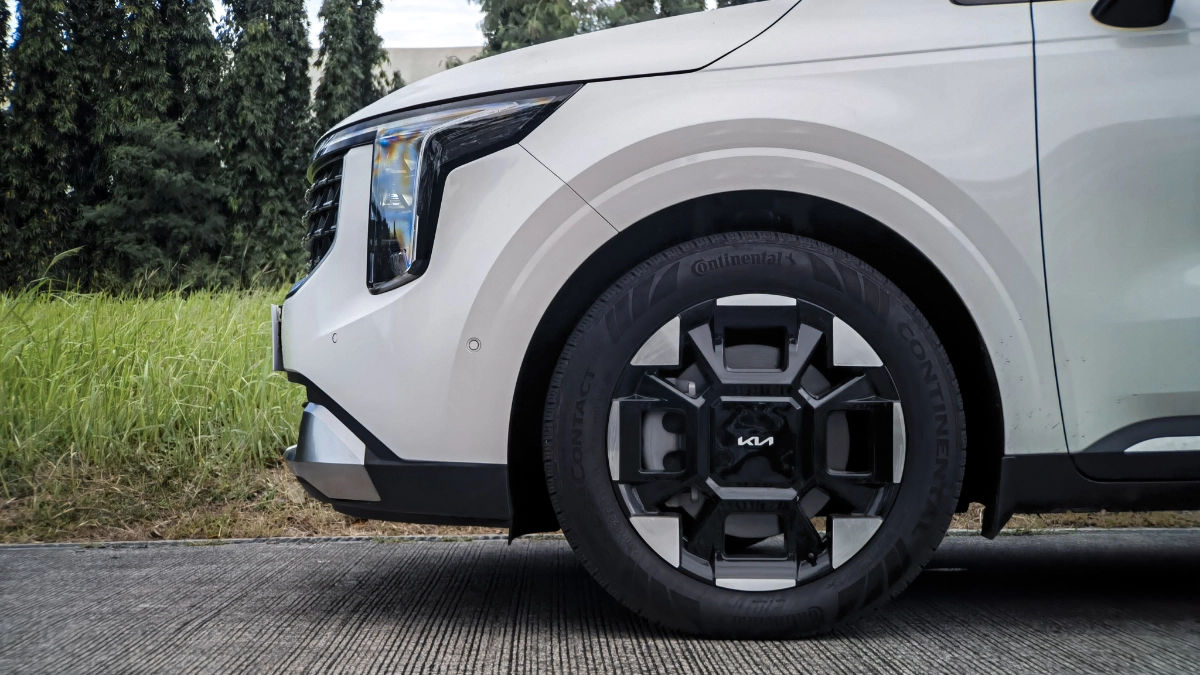
Aside from that, the body styling is nigh identical to the pre-facelift model, down to the diamond-patterned metallic C-pillar. Yet despite the shift in front-end design, the overall look is still cohesive, though the taller nose makes the two-tone geometric-spoke 19-inch wheels feel a size too small. This is one humongous ‘mini’ van.
Interior
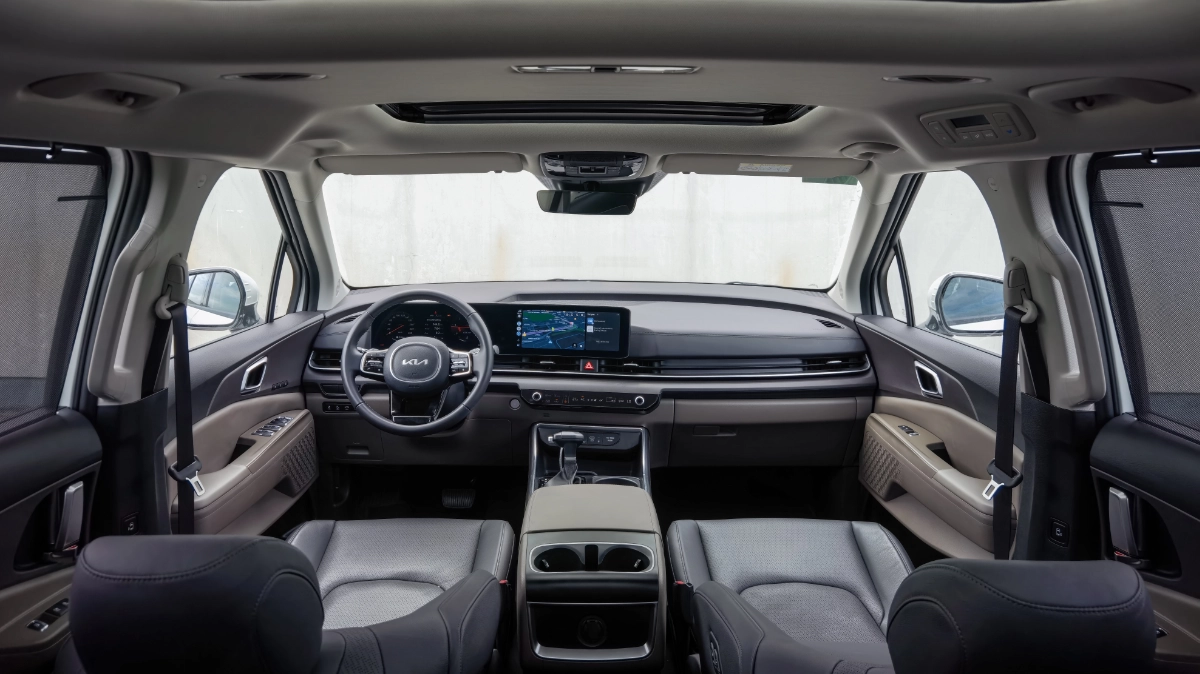
You definitely feel that biggish-ness in the interior. The Carnival is nothing if not spacious. Okay, so maybe we’re a bit disappointed it isn’t a completely walk-through cabin, but with modern gadget storage and charging needs, that’s probably never coming back. At least here you get a decent walk-through in the rear when you’ve got the second row seats slid outboard.
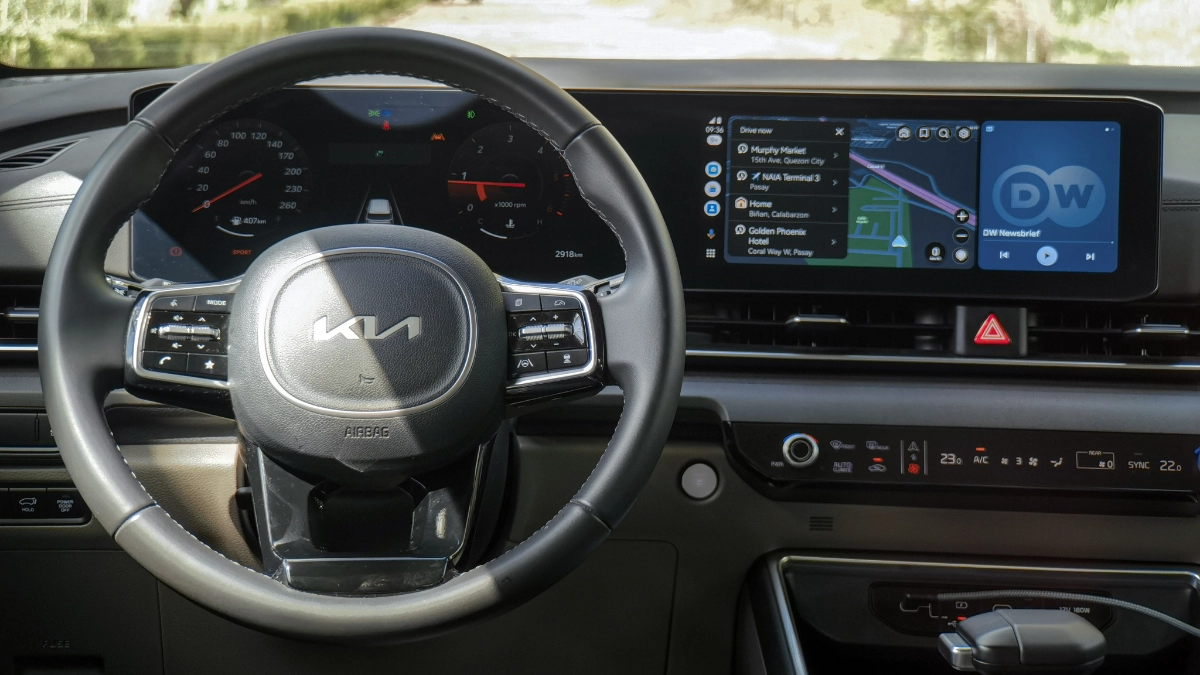
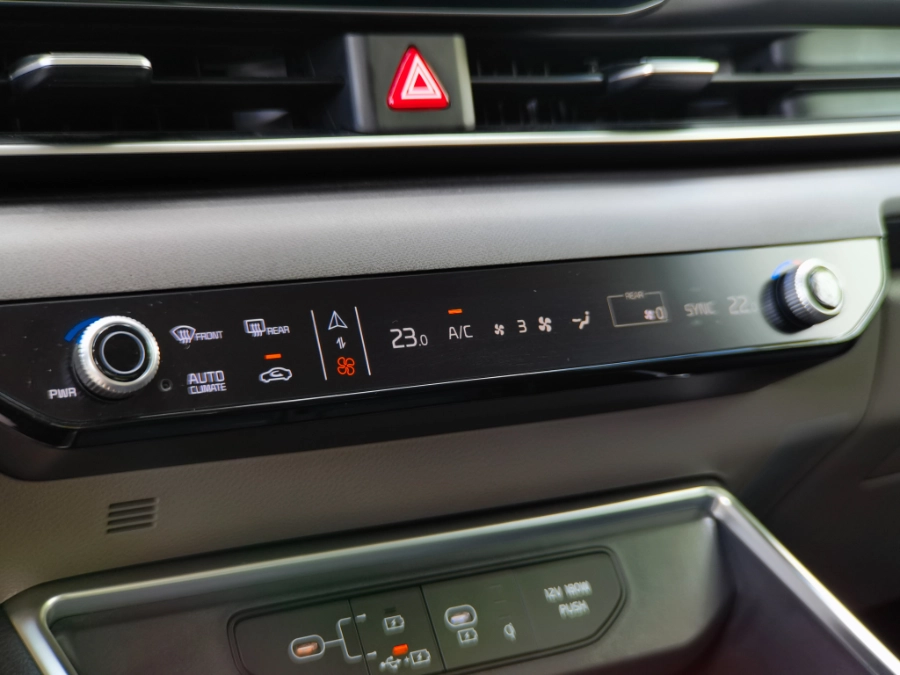
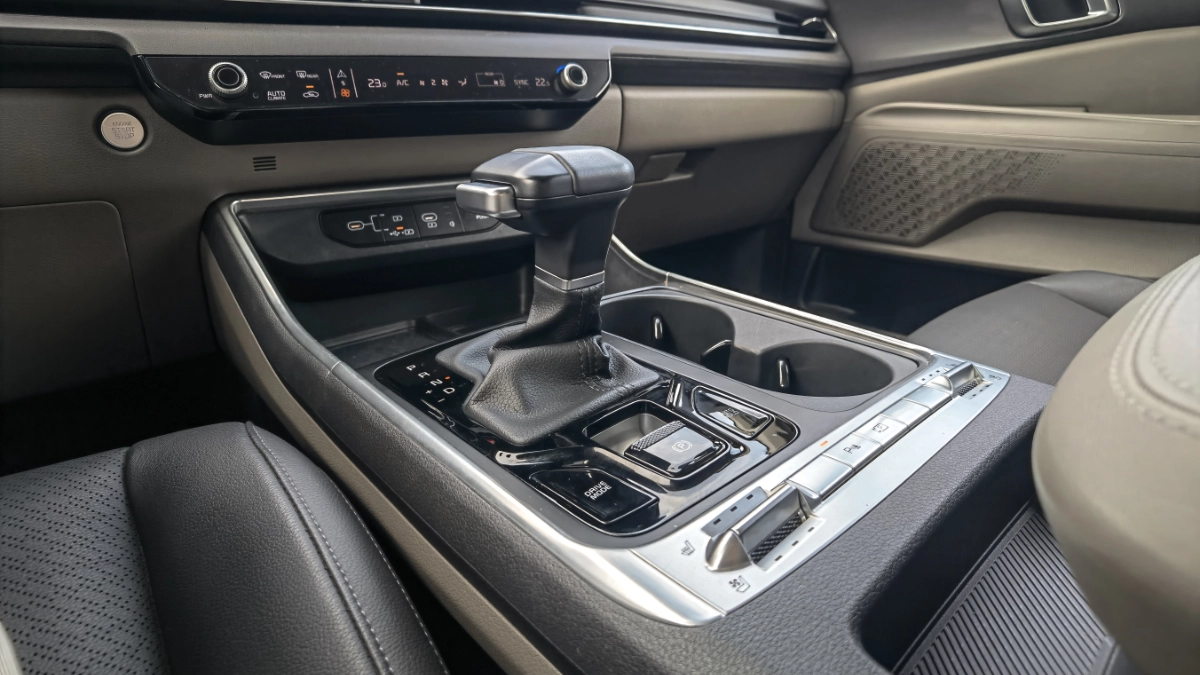
Back up front, there’s acres of headroom and legroom, and a wide center console with three phone trays, four cupholders, multiple charging points, and a big center box. The dashboard is clean and simple, with A/C vents sandwiched between a wide but low touchscreen and auxiliary controls. A neat touch panel switches between A/C and media controls. Normally, we frown upon touch controls, but this one is done very nicely, and incorporates physical knobs for temperature, fan speed and volume.
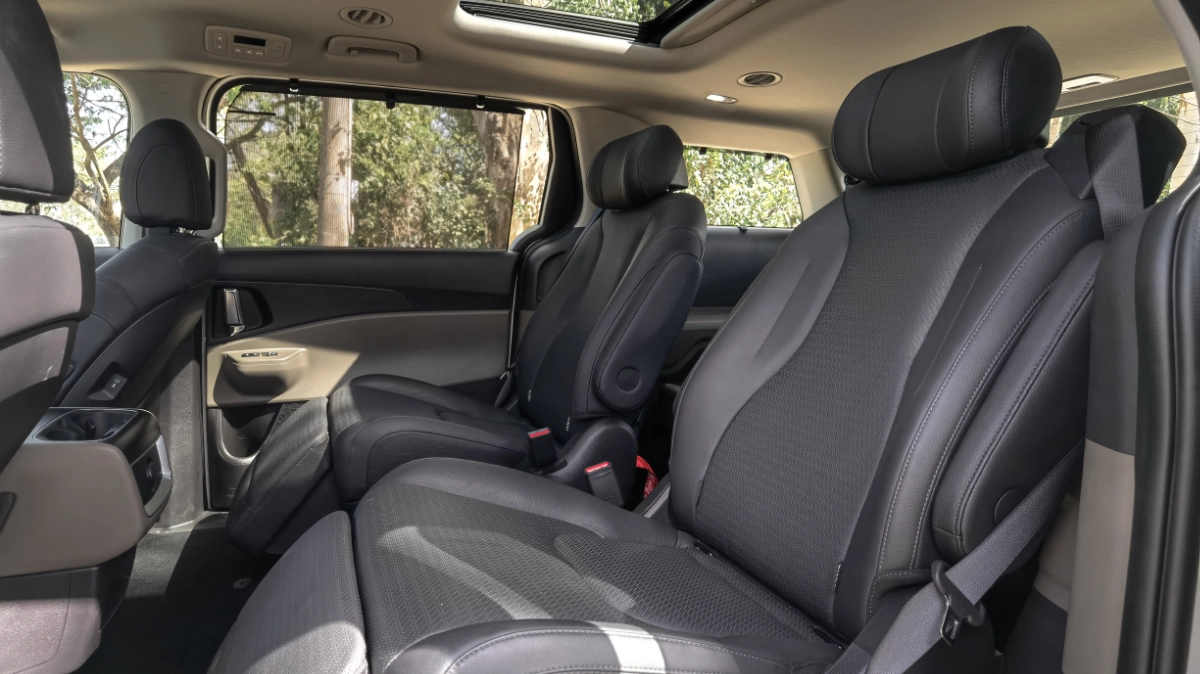
The first two rows are made up of captain’s chairs with power adjustability. The second row is, obviously, the best in the house, with seats that move forward, backward, and sideways over a wide range, but as the sliding controls are manual, seniors sitting in this row might need some help sliding the big, heavy seats into position.
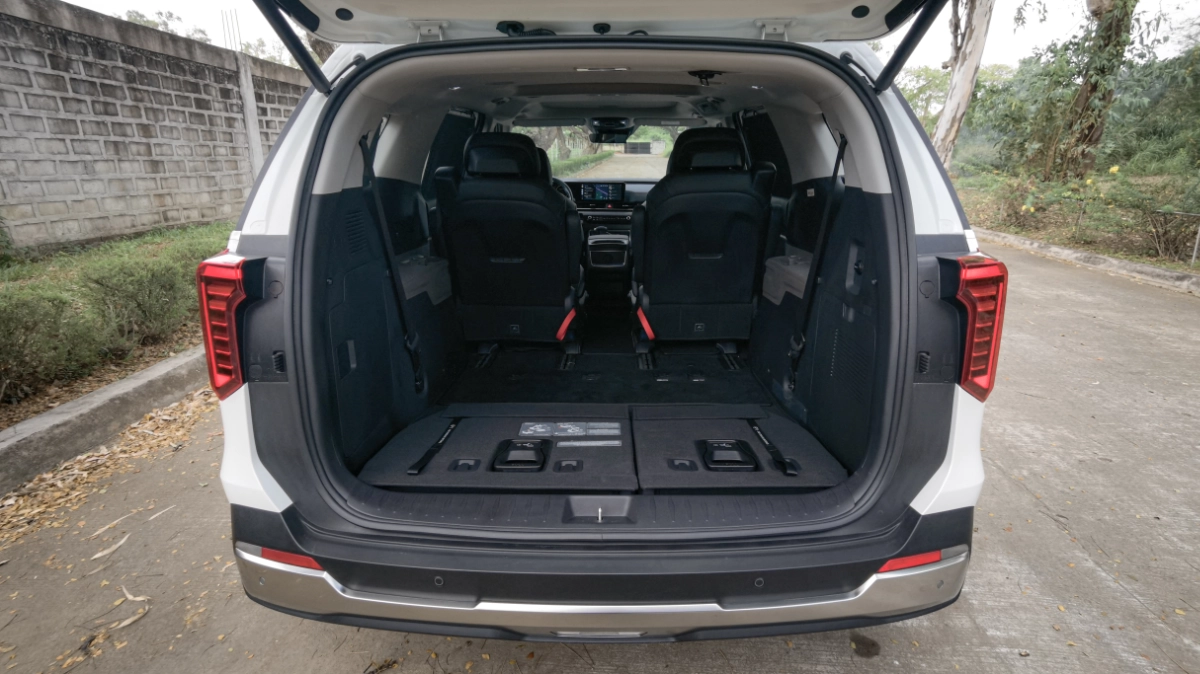
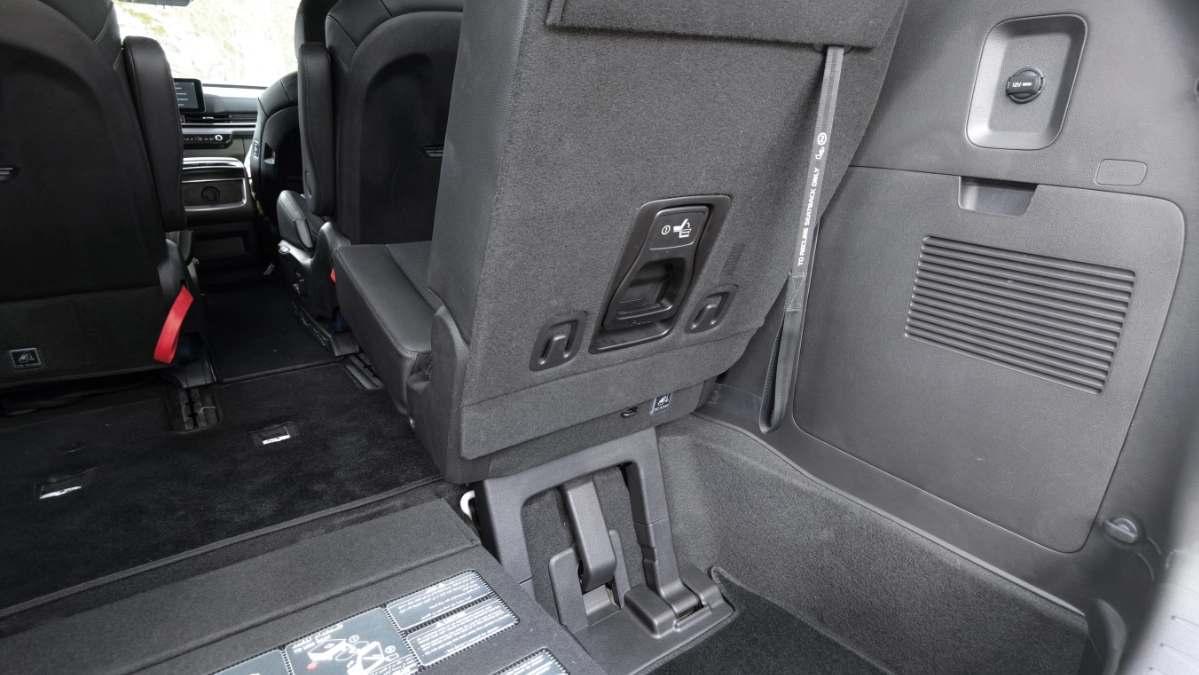
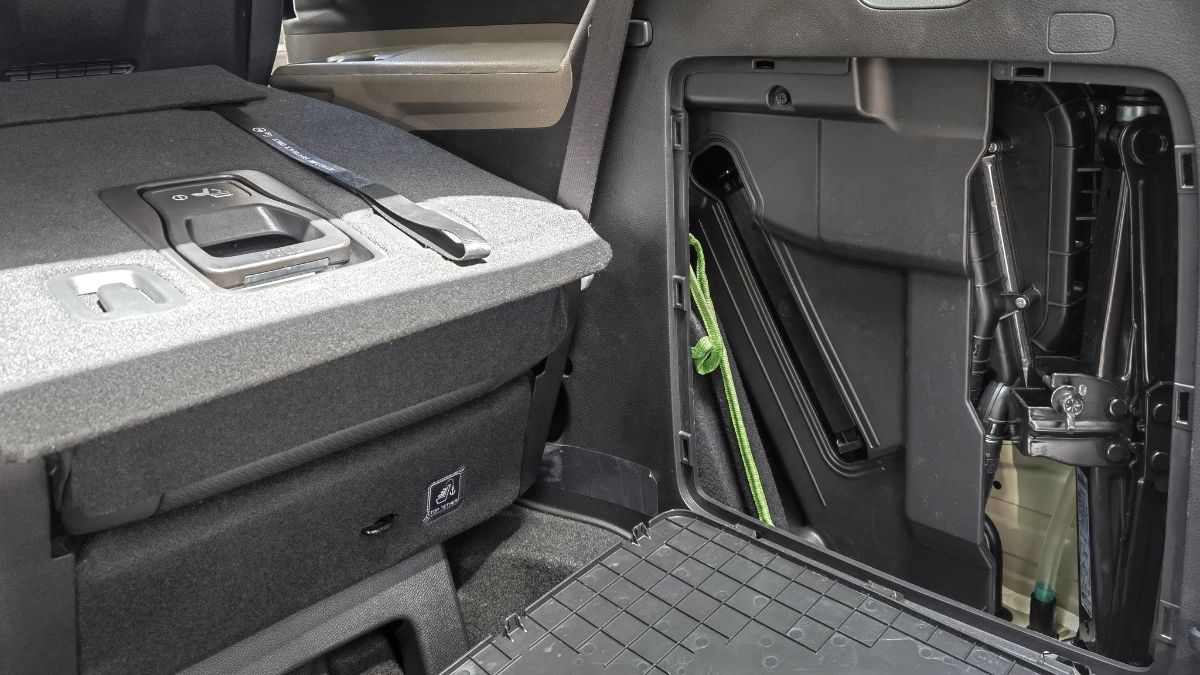
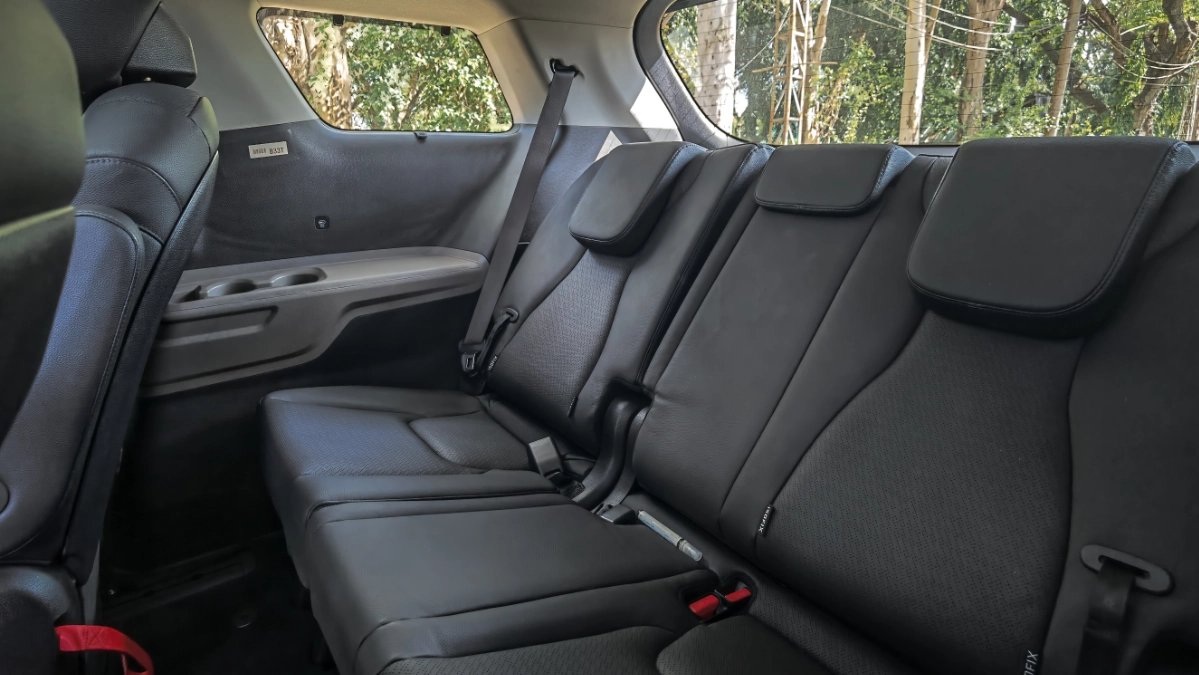
The third row isn’t as luxurious, with thinner seat cushions than the forward rows, but it’s relatively spacious compared to SUV third rows, with seating for three, given they’re not too ‘thicc’—and with proper headrests and even cupholders. For those who don’t need the extra passenger capacity, it folds completely flat into the floor to reveal a frankly huge cargo bay, increasing the already impressive 627-liter cargo capacity by another 1,000 liters and giving you a completely flat loading floor up to the second row. While the power-adjustable second row seats are still technically removable—as the non-powered ones in older Carnivals were—it isn’t something most owners can do without special tools and an extra set of hands to carry the extra-heavy seats.
ALSO READ:
EDSA rehab begins on June 13; DOTr eyeing free Skyway toll to manage congestion
Zeekr PH launches 009 electric MPV with an introductory price of P3.99-M
Engine performance
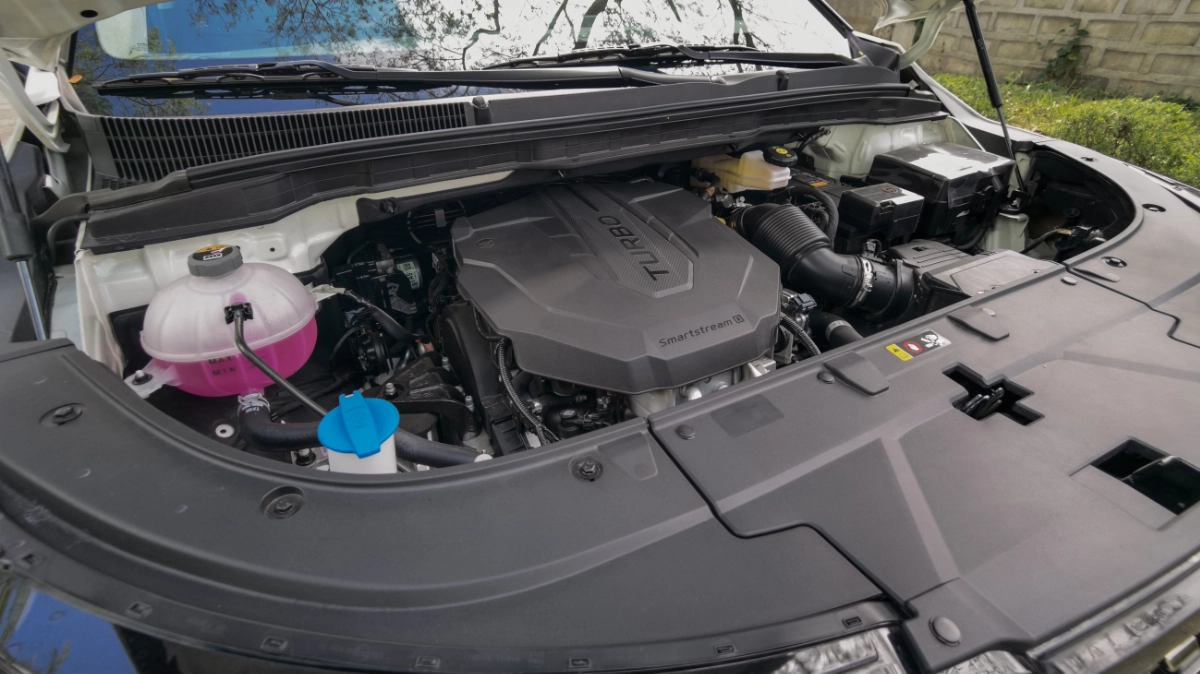
Though the headline powertrain for the Carnival is the 1.6-liter Turbo Hybrid, we figure this 2.2-liter turbodiesel will be the big seller. It’s a little down on power compared to the hybrid, but 0-100kph in 9.7sec isn’t bad at all. Low-end diesel torque and a snappy eight-speed automatic conspire to mask any difference in off-the-line performance versus the electrically boosted gasoline flagship. You can even shift manually via the +/- gates on the shifter, but you will never really feel the need to.
The big reason to go hybrid, of course, is fuel economy, but in this case, it’s hard to see a case for it. During my time with the Carnival, I saw an average of 11.6km/L in mixed driving, 8km/L when we had lots of traffic, and up to 20-22km/L on the empty highway. Over a full tank, the Carnival promises 800km of driving in mixed conditions and over 1,000km on long road trips. That’s real-world range and versatility that makes this a great cross-country road trip choice.
Driving impressions
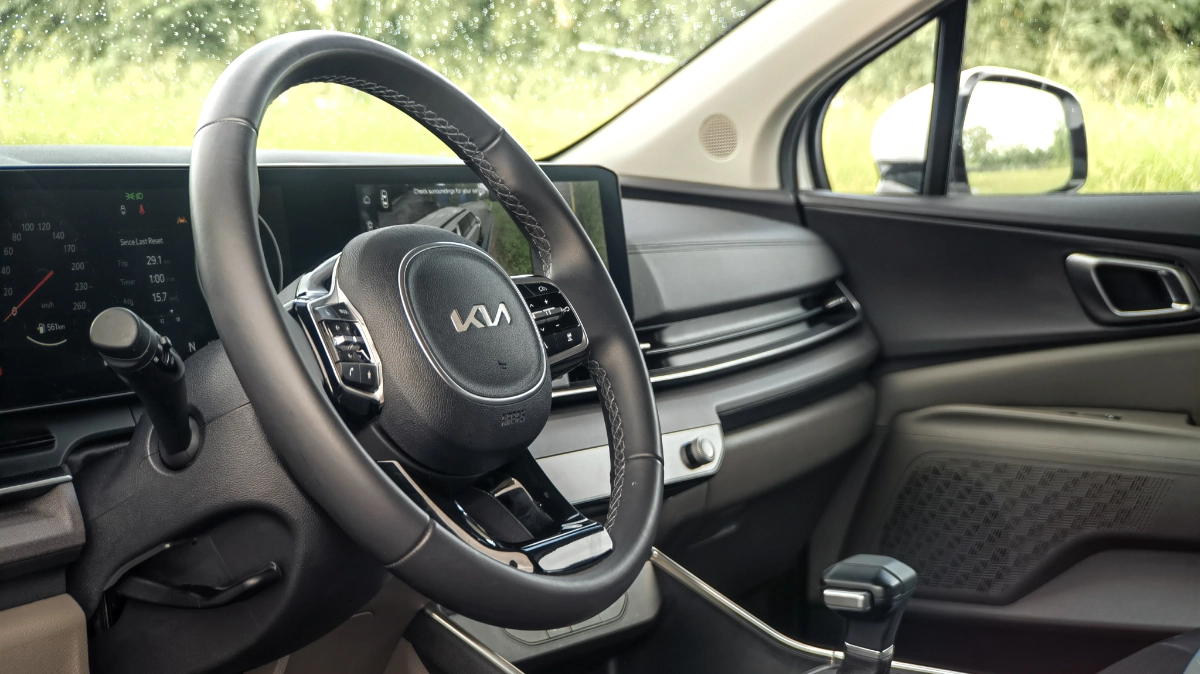
On those long stretches of highway, the Carnival shines. It has the heft and power to smother hundreds of kilometers of highway in one go. The ride is generally pliant, but with an edge of firmness as there’s no getting around the size of those wheels and the extra weight of the Carnival over the Sorento it shares a platform with. The 235/55 R19 Continental CrossContact tires provide great grip, steady handling, and quiet running, though with a van like this, I’d trade a little more of that handling finesse for a softer ride. That said, I won’t complain about how easily it tackles high-speed sweepers and the curvier sections of the Skyway Stage 3.
But once you drop down to the surface streets, that size starts to compromise things a little. While the new Carnival might not be any bigger on paper, in person, that taller nose affects visibility somewhat. This is not a van you want to drive down narrow eskinitas and alleyways. Even rush-hour traffic on major arteries feels constricting, given the Carnival barely fits inside what passes for a traffic lane on EDSA. Thankfully, you have 360-degree cameras that can be kept on while moving, giving you a good view of the edges of your lane. This is helpful if you’re hemmed between an SUV and the bus lane barriers.
Extra features
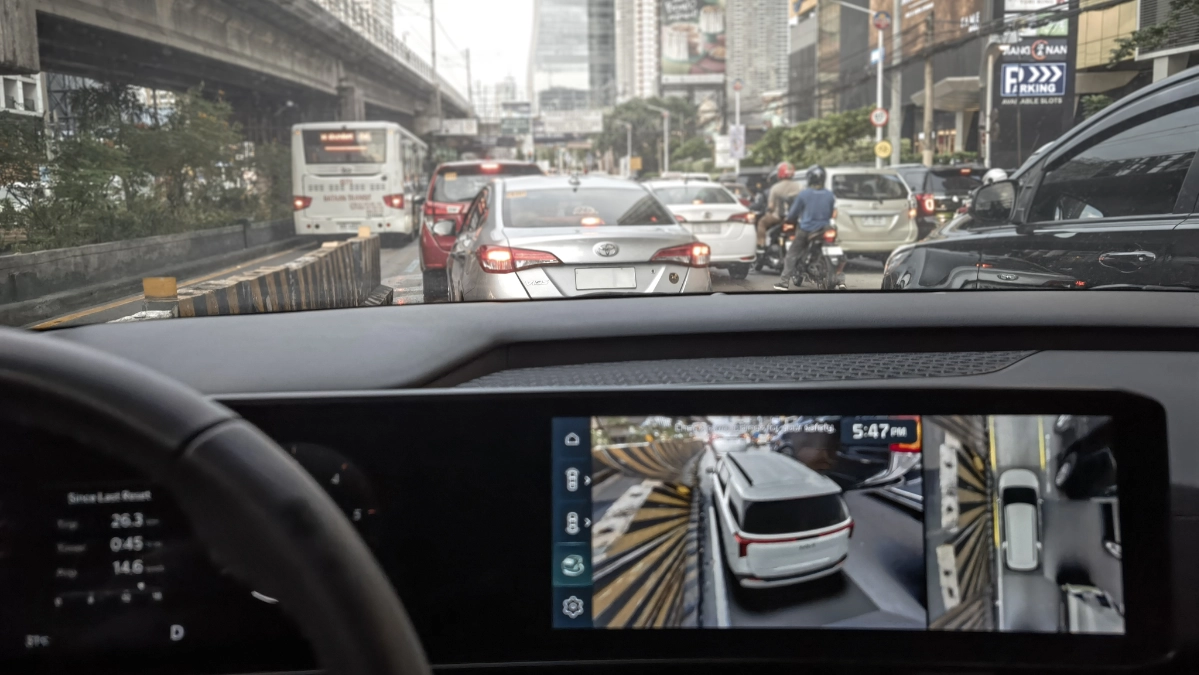
Aside from the 360-degree cameras and parking sensors, you also get the full Level 2 driving assist suite, with adaptive cruise control and lane keeping. While the lane-keeping assist will refuse to activate if the markings are obscured or absent (as is quite common in this country), the steering corrections are smooth and unobtrusive.
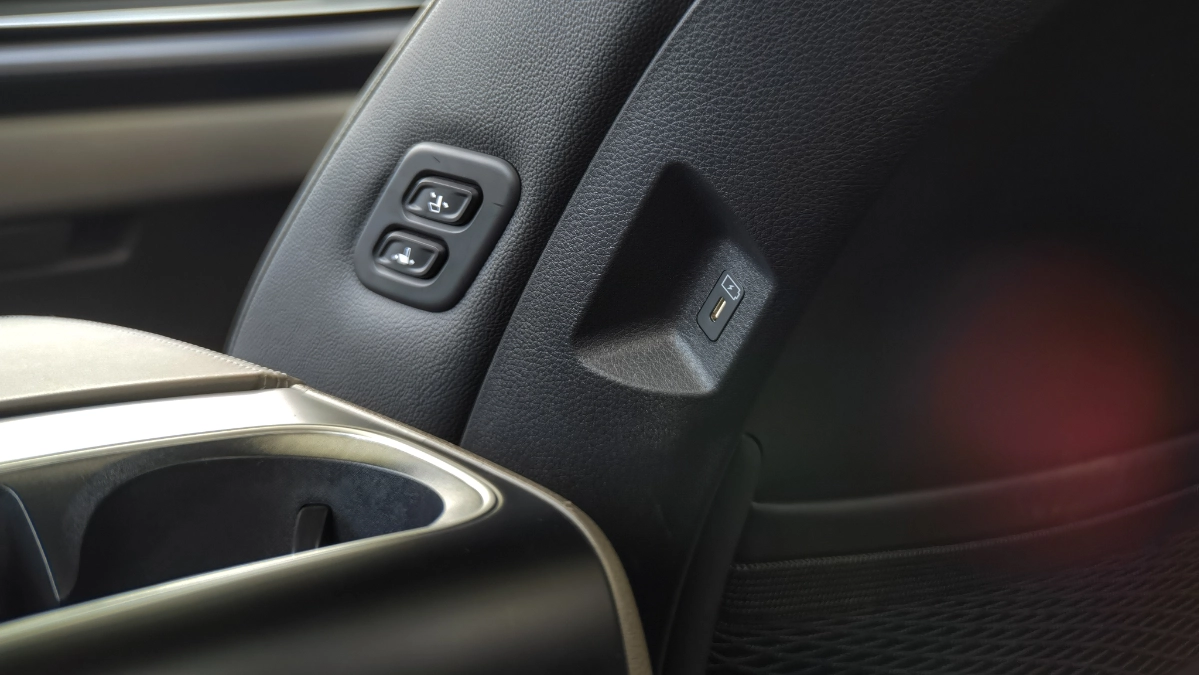
Other convenience features include wireless charging, a giant 12.8-inch infotainment screen, multiple USB-C charging points, a wireless charging pad, dual panoramic sunroofs, power tailgate and side doors, and those heated and cooled power-adjustable captain’s seats, with power footrests in the second row. While the Carnival lacks the extra functions and controls of something like an Alphard or GAC G Master, it’s still a solid package overall.
Verdict
The Carnival has gotten rather expensive over the decades, and is no longer the budget option compared to the Japanese mainstays. But that said, it’s aiming for the same kind of market that might otherwise go for the Toyota Alphard, especially with the Kia offering a hybrid at a million pesos less than the Alphard.
See, the Japanese have gotten expensive, too. The only comparable Japanese vehicle in this range is the Toyota Super Grandia, which, however plushly you spec it, is still a commercial van underneath. The only actual price competitors are the other Korean, the Hyundai Staria, which offers all-wheel drive and two more seats, and the Alphard-like GAC M8, which doesn’t come with a hybrid or diesel option. But these are more Asian and European in flavor than the decidedly more ‘American’ Carnival. Absent options like the Toyota Sienna or the discontinued Chrysler Town & Country, Kia may be the only game in town for those looking for a classic American Minivan.
SPECS: Kia Carnival 2.2 SX AT 2025
Price: P3,368,000
Engine: 2.2-liter turbodiesel I4
Power: 200hp
Torque: 440Nm
Transmission: Smartstream eight-speed automatic
Layout: FWD
Seating: 7
Score: 8.5/10
More photos of the Kia Carnival 2.2 SX AT 2025: