Earlier today, President Ferdinand Marcos Jr. gave his second State of the Nation Address (SONA). We ourselves were keeping a close eye on this year’s SONA, as there are currently a lot of issues involving the transport sector.
However, Marcos Jr. only quickly discussed a few existing infrastructure projects here and there—without significant updates or specific timelines—and made a brief mention of raising the Motor Vehicle User’s Charge (MVUC), and that was it.
Ringing more loudly than the transport-related points actually touched on by the President in his SONA this year are the issues he did not sufficiently address or failed to mention at all.
OTHER STORIES YOU MIGHT HAVE MISSED:
The next-gen Toyota Fortuner ‘leak’ photo was an elaborate hoax
It looks like the next-gen Toyota Alphard has landed in PH
1) PUV modernization
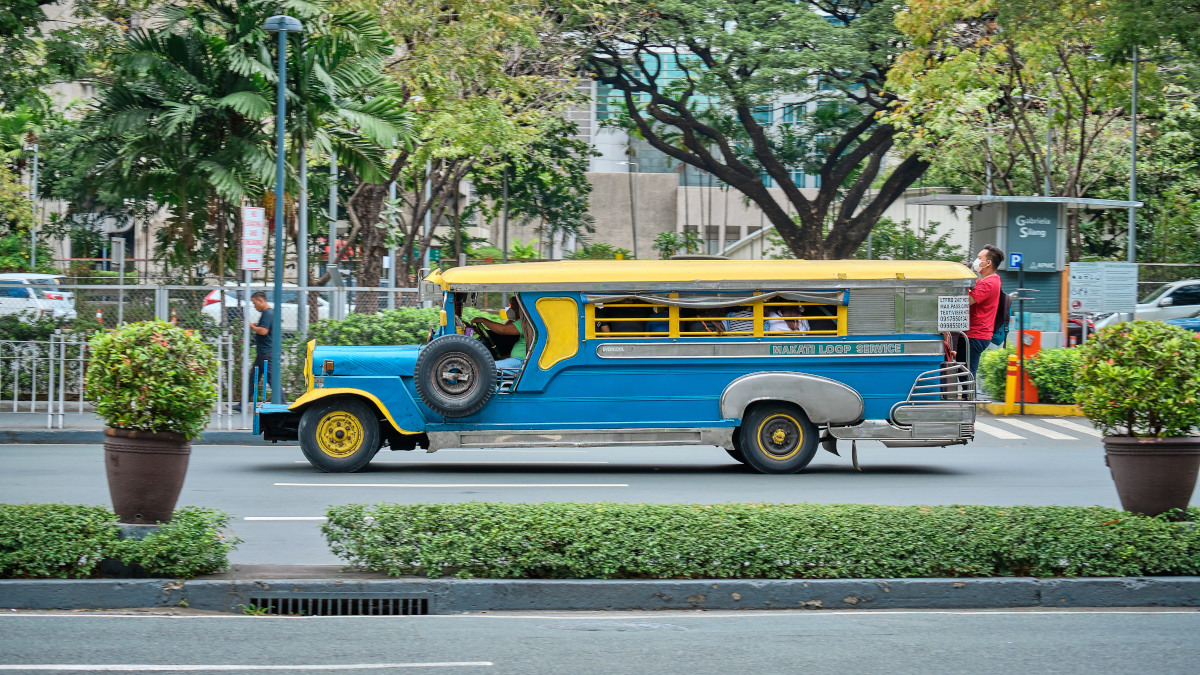
In case you missed it, government work and classes were suspended around the metro today—not just in Quezon City—and that wasn’t just because of SONA or the incoming typhoon. Various transport groups collectively held a strike in the capital today in protest of the government’s PUV modernization program, and there was zero mention of it during the SONA.
Thousands upon thousands of jeepney drivers joined the tigil-pasada today and they’ll continue to do so until Wednesday, and yet that pressing issue wasn’t even raised in the slightest during the address? Make it make sense. There’s less than half a year to go before the government’s deadline for consolidation for these PUV drivers and operators. Time isn’t a luxury for these people, whose livelihoods are on the line. – Leandre
Failure to mention appears to be a very deliberate choice given that the reason for the ongoing three-day transport strike is to protest against the program. – Sharleen
2) License cards and plates backlog
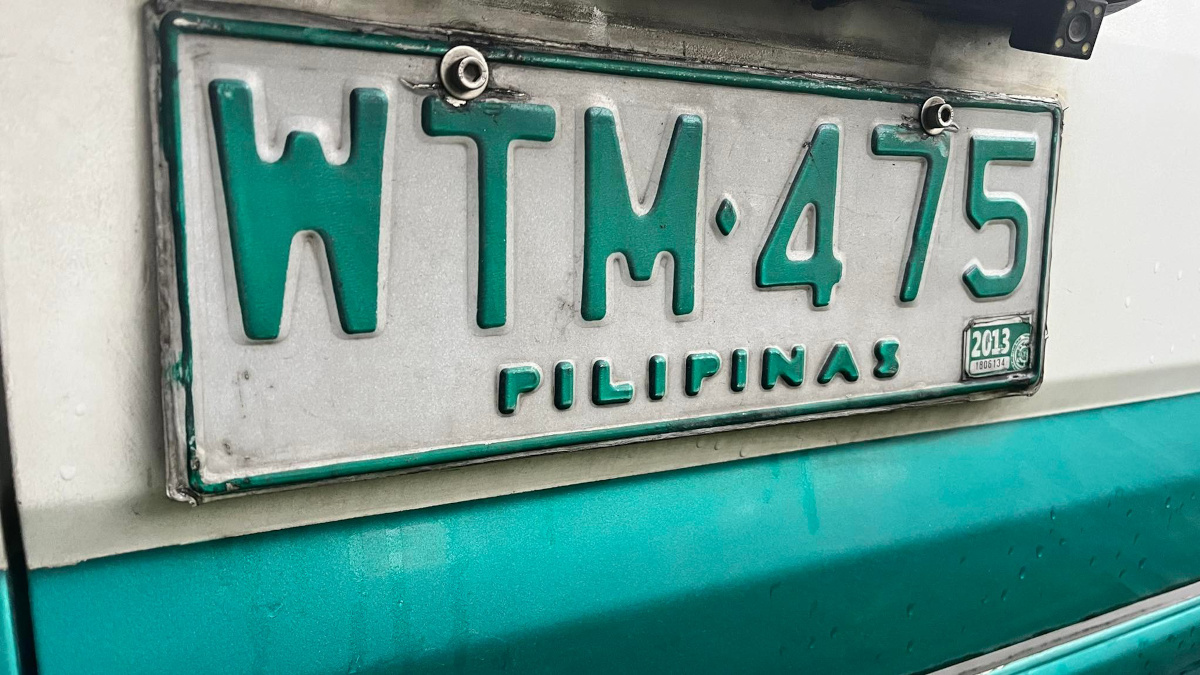
Backlogs aren’t new for us Filipinos at this point. For years now, the Land Transportation Office (LTO) has been dealing with license-plate backlogs. But this year, the agency added another backlog to its portfolio: driver’s licenses.
While the LTO and the Department of Transportation have supposedly found a solution to the driver’s license issue already, the new cards as well as thousands of motor-vehicle license plates have yet to be distributed as of this writing. So yes, it’s still a problem.
Besides, we strongly believe we shouldn’t be dealing with these backlog issues in the first place. We could have at least heard the government acknowledge the problems and assure us that the concerned agencies would do what’s necessary to avoid them moving forward. – Leandre
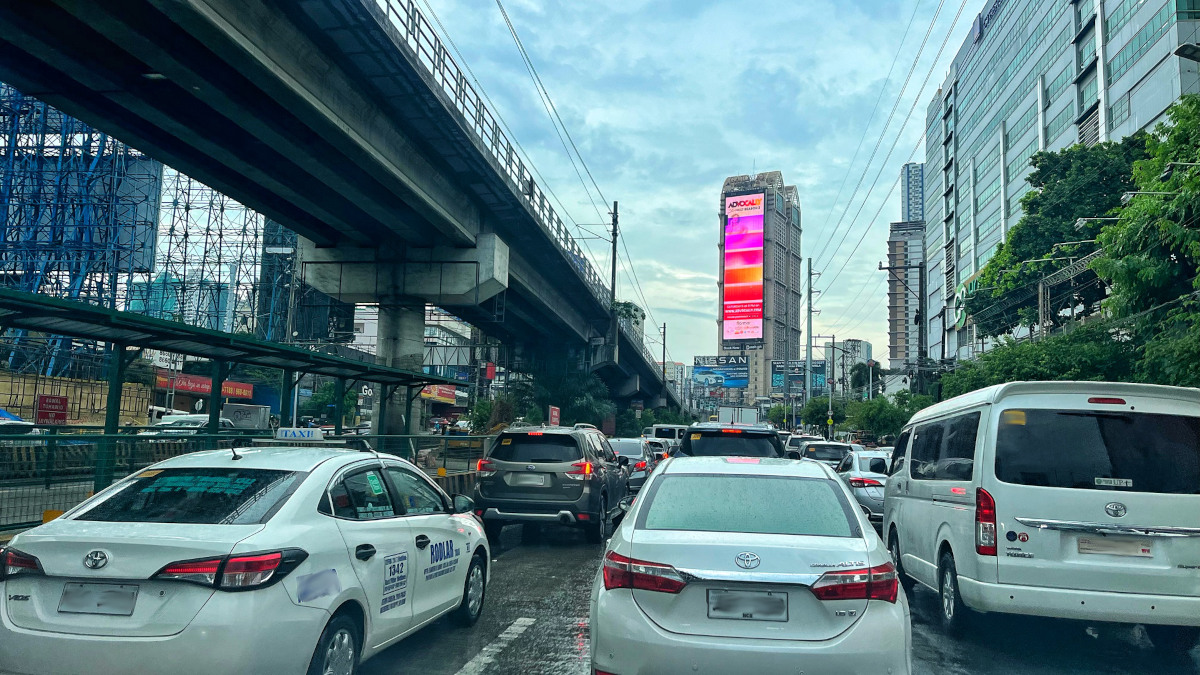
3) Metro Manila traffic

Why was it necessary to address? The COVID-19 public health emergency has officially been declared ended, so we can expect even more people to rejoin the daily commute as schools and workplaces require more regular face-to-face days, and businesses come up with more promotions and activities to encourage visits to establishments.
People not only need to be out and about—they want to be out and about, and economic recovery would progress at a much better rate if the transport of goods and services were not hampered by gridlock, and if people weren’t wasting what could be productive hours sitting in traffic. – Sharleen
It’s starting to feel as if traffic is getting worse and worse as the days go by. We’re returning to our pre-pandemic lives, yet the traffic situation appears to have grown worse than before COVID-19 hit.
It’s a fact that the economy also suffers greatly from heavy traffic. In the end, how will the economy properly recover from the pandemic if we just keep losing money due to gridlocks? God save us when the ‘ber’ months arrive. It’s only bound to get even worse. –Leandre
4) Protected bike lanes
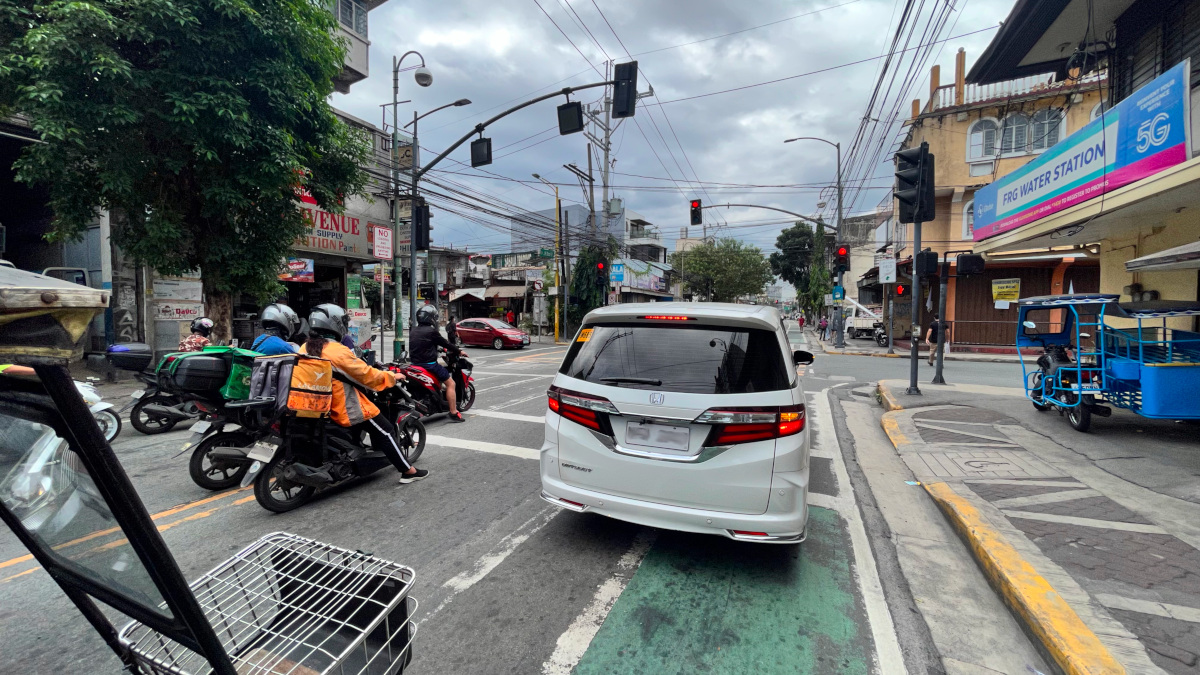
If there’s something that the pandemic showed us, it’s that alternative mobility is the true way forward. The solution to traffic is, of course, removing cars on the road, but it’s not just mass transport that can do that—personal mobility devices can share that burden, too. That’s also why mobility groups continue to clamor for protected bike lanes in the city.
But instead of getting better (and more) bike lanes in Metro Manila, we’re seeing the exact opposite. Earlier this year, there was a commotion in Makati City as the local government unit announced the removal of protected bike lanes in the locale. While that didn’t exactly push through, we’ve seen over the past several months the actual removal and degradation of other bike lanes in the metro. You don’t need to be an expert to see that—just drive around some central business districts and you’ll see what I mean.
The President did mention in passing that intermodal connectivity will be a primary consideration in the government’s infrastructure projects, but there was just nothing relating to alternative mobility whatsoever. If we really want to address the previous point in this list, this one should also be given importance. – Leandre
Bonus: Electrification
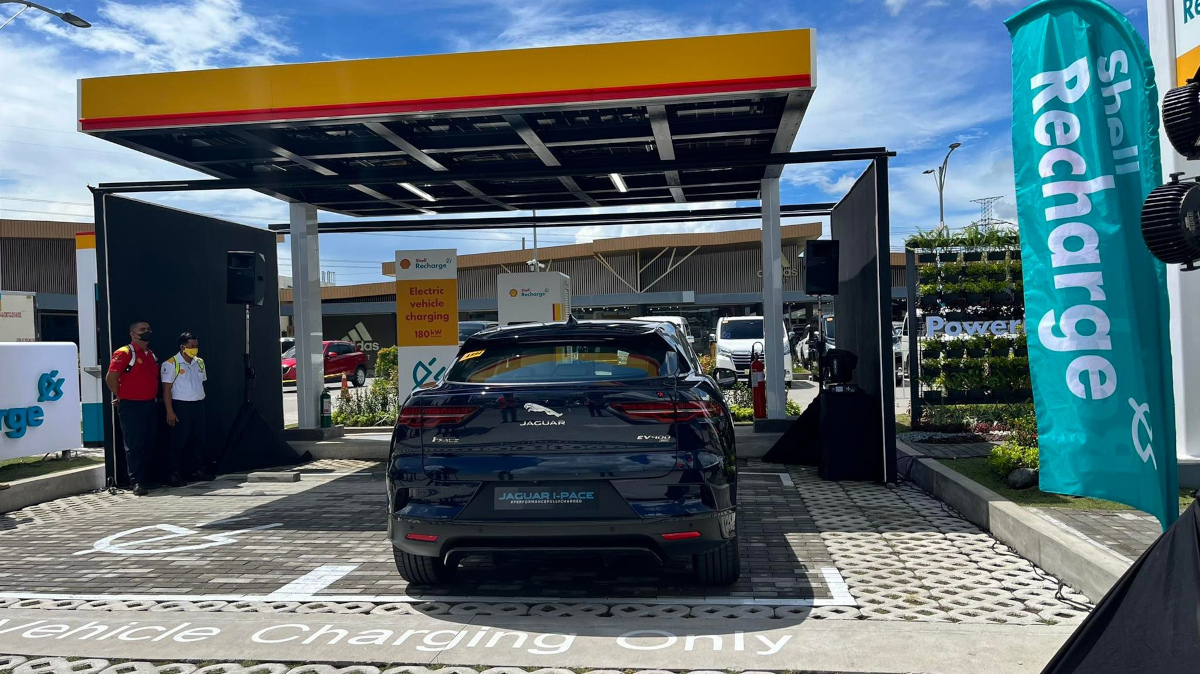
Okay, so the bonus point here isn’t a transport issue per se, but it’s something relating to mobility—electric vehicles. EVs are inevitably the future, and at some point gasoline- and diesel-powered cars will be out of the picture. As early as now, the government as a whole and not just a select few politicians should start paying more attention to electrification.
While the Electric Vehicle Industry Development Act has already lapsed into law, and incentives like number-coding exemption are already in effect, the market still needs more reasons to shift to electric vehicles. Removing the excise taxes for electric vehicles was a huge step, allowing carmakers such as Nissan to significantly cut the prices of its electrified products. But to be honest, we need just a bit more.
More charging stations, maybe more incentives, and perhaps better EV education for the public. As we move closer to the next decade—which is when we’ll start saying goodbye to internal combustion engines—we need to talk more about EVs and the future of the automotive industry. – Leandre
Aside from incentivizing owners, perhaps a good way to get more people on board the shift to electrification is to give more significant incentives to establishments that could incorporate charging facilities.
Currently, the law’s provisions are mostly requirements—for businesses to electrify a certain percentage of their fleet, for establishments to allot a certain number of parking slots as EV-only, and so on. – Sharleen