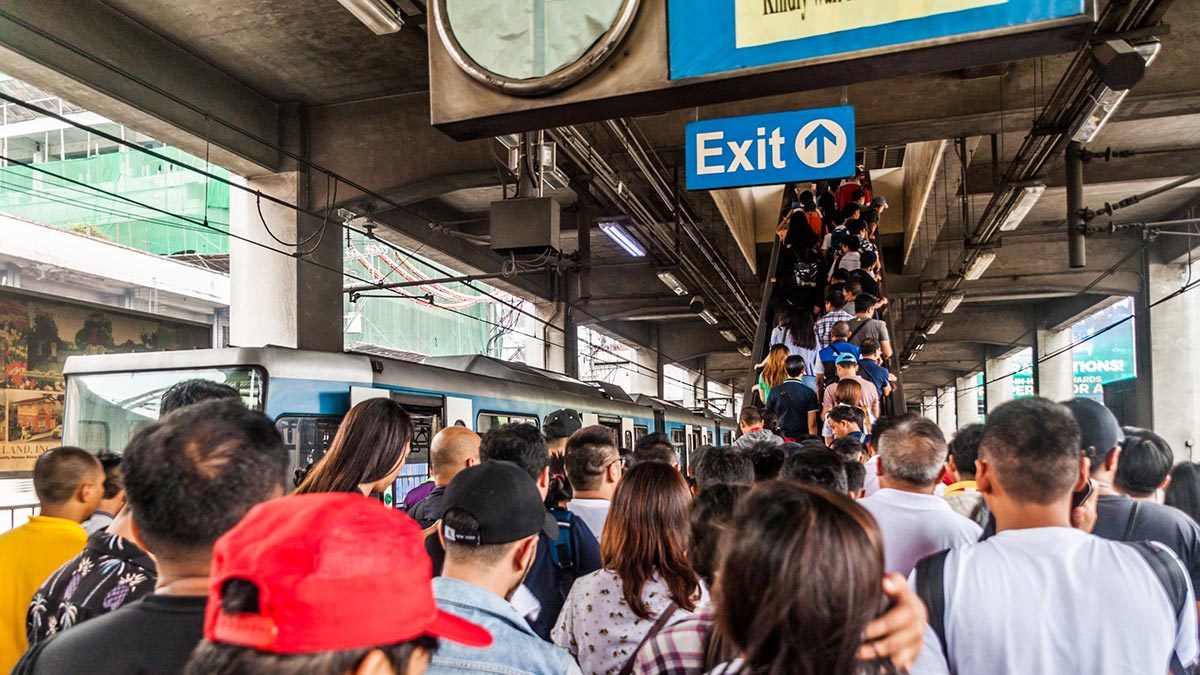
The rights of commuters for dignified public transport are being pushed in a new bill filed before the Senate. The proposed Dignity in Commuting Act, or Magna Carta for Dignified Commuting, aims to protect commuters’ rights and to ensure safe and efficient public infrastructure.
Given the country’s sorry state of public transport and roads that only get worse during the rainy season, anything that prioritizes the rights of commuters is long overdue.
Here’s all you need to know about the proposed bill that aims to empower Filipino commuters.
ALSO READ:
Guide: How to get your LTO driver’s license and plates delivered to your home
Quick guide: Car-free Sunday streets outside Metro Manila
What is the Dignity in Commuting Act?
Senate Bill No. 775 refers to ‘An Act Providing for a Magna Carta for Dignified Commuting, Creating the National Commuter Affairs, Appropriating Funds therefor, and for other Purposes’ or the Dignity in Commuting Act for short. The bill authored by Senator Francis ‘Kiko’ Pangilinan was first filed in the 18th Congress (July 24, 2019) and refiled in July 2025. The proposed bill formally recognizes commuting as a basic human right and establishes a comprehensive framework to protect commuter welfare in the Philippines.
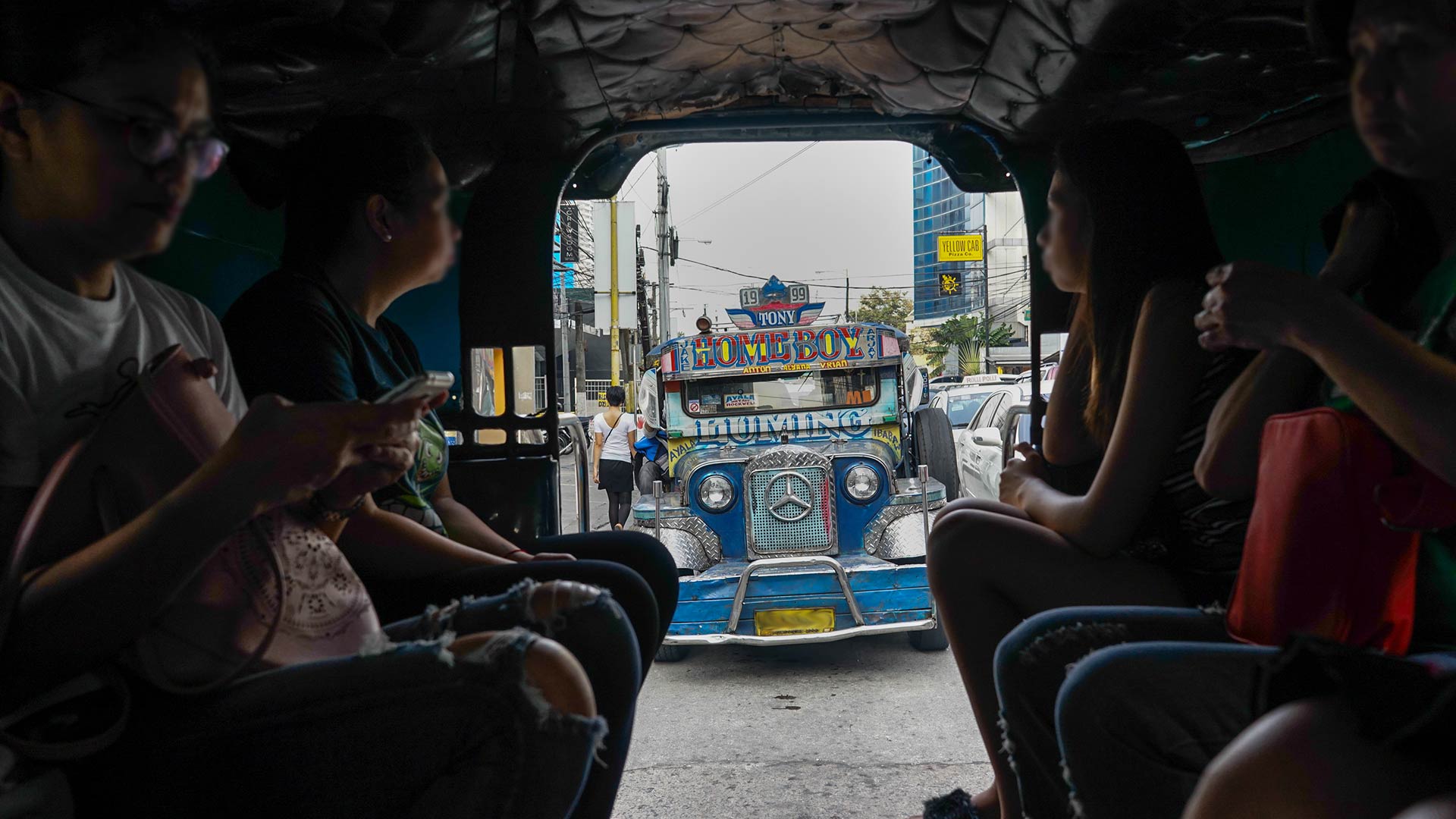
In a nutshell, the bill says that Filipinos are entitled to a safe, convenient, reliable, affordable commute with dignity since mobility is a “fundamental human need.”
The bill says: “Without mobility, persons cannot access basic necessities such as food, water, healthcare, education and livelihood opportunities.”
Similar to the proposed Magna Carta for Commuters or House Bill No. 3125 filed in Congress, which Top Gear Philippines also previously covered, this Senate Bill proposes an ambitious (and badly needed) overhauling of public transportation in favor of commuters.
The current state of commuting in the Philippines
In an infographic shared by Sen. Kiko Pangilinanan, he said that the Dignity in Commuting Act is being reintroduced to provide a “more humane, just, and environmentally friendly transportation system that recognizes the dignity and rights of every commuter.”
The reforms aim to address long-standing public transportation challenges, from heavy traffic to the lack of safe sidewalks and bike lanes.
As reported by various news outlets, a lawyer’s group that backed the bill claims the measure will address major current woes that commuters regularly face.
“In a country where the majority of the population relies on public and active transport, this bill recognizes commuting not as a burden to endure, but as a human right to be respected,” the Lawyers for Commuters Safety and Protection (LCSP) said in a statement.
In the bill’s explanatory note, Senator Pangilinan points out that commuters who travel using public transportation services and active transport comprise 70% of the total trips in Metro Manila, but are only given 20% of road space. The remaining 80% of road space is occupied by private vehicles, comprising only 30% of the total trips.
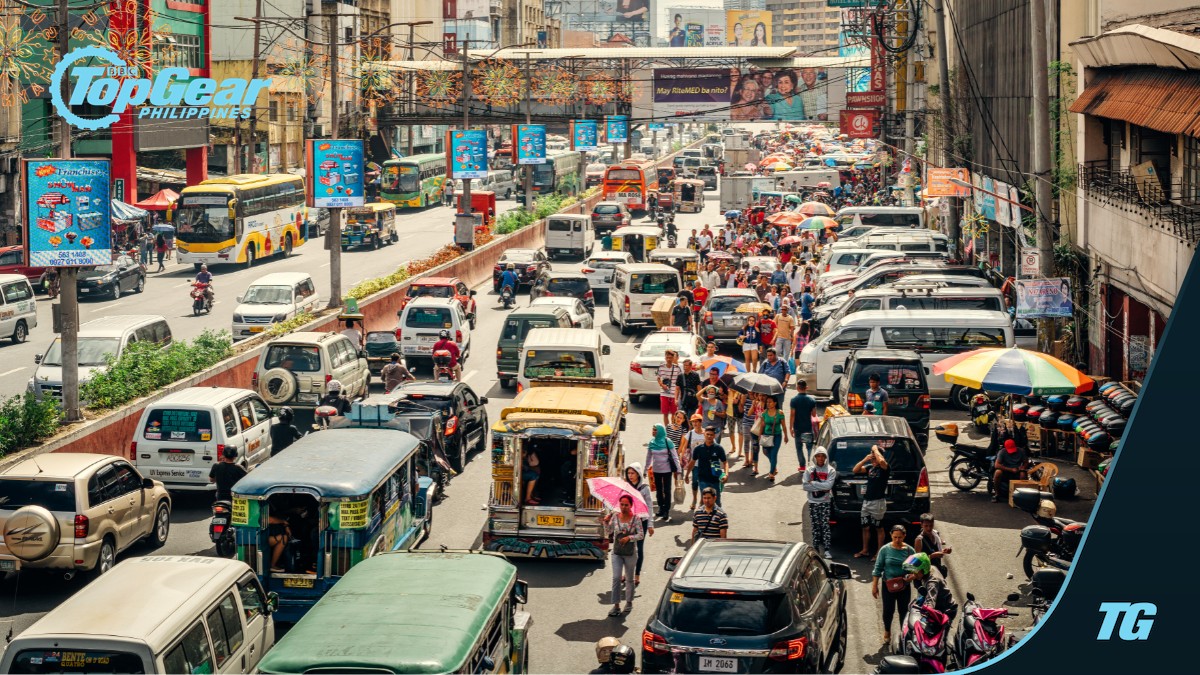
“Unfortunately, Filipinos have long suffered mobility issues from severe traffic congestion to a lack of adequate, affordable, safe, and alternative public transportation services.” The senator also stressed that “the safety of commuters is also constantly in peril,” citing figures of deaths due to road crashes, where the majority of the victims are pedestrians.
In general, commuters and active transport users face daily indignities such as overcrowding, unsafe vehicles, unreliable schedules, air pollution, and lack of legal protection, which makes commuting feel like a daily battle.
The needs of persons with disabilities and elderly citizens are also rarely considered in public road infrastructure and road safety, according to the bill.
What are the rights of commuters under the Dignity in Commuting Act?
1) Right to adequate public transportation services
The bill requires the state to provide adequate public transportation services to its citizens when it comes to quantity and frequency of public transport services to minimize waiting times; priority in road space and traffic signals, and public service stops/terminals that offer seamless connectivity to other forms of public transportation.
This section of the bill also covers commuter-focused infrastructure that promotes commuter safety and comfort to accommodate all passengers, including persons with disabilities and special needs.
2) Right to affordable public transportation services
This section states that vulnerable road users shall continue to benefit from concessional or discounted fares as provided for by law. If approved, the State shall promote the use of public transportation services by providing financial and non-financial incentives to ensure that it is more economical for commuters to use public transportation services more frequently than to use private motorized transport.
3) Right to alternative public transportation services
To augment deficient public transportation services, the state will provide alternatives for mobility, including the use of government-owned vehicles and the lease of private vehicles.
4) Right to road safety
The state shall implement comprehensive road safety programs and promote safe and efficient driving behavior by public transportation drivers through mandatory training programs and more stringent licensing.
Another provision aims for stricter vehicle monitoring and installation of CCTV systems, to promote accountability and uphold core road safety principles.
5) Right to proper mobility infrastructure
According to Section 10, the bill will ensure that mobility infrastructure promotes the welfare of commuters.
“In all renovations of existing infrastructure or construction of new infrastructure, the improvement of travel time impact on public transport service users, cyclists and pedestrians shall be prioritized.”
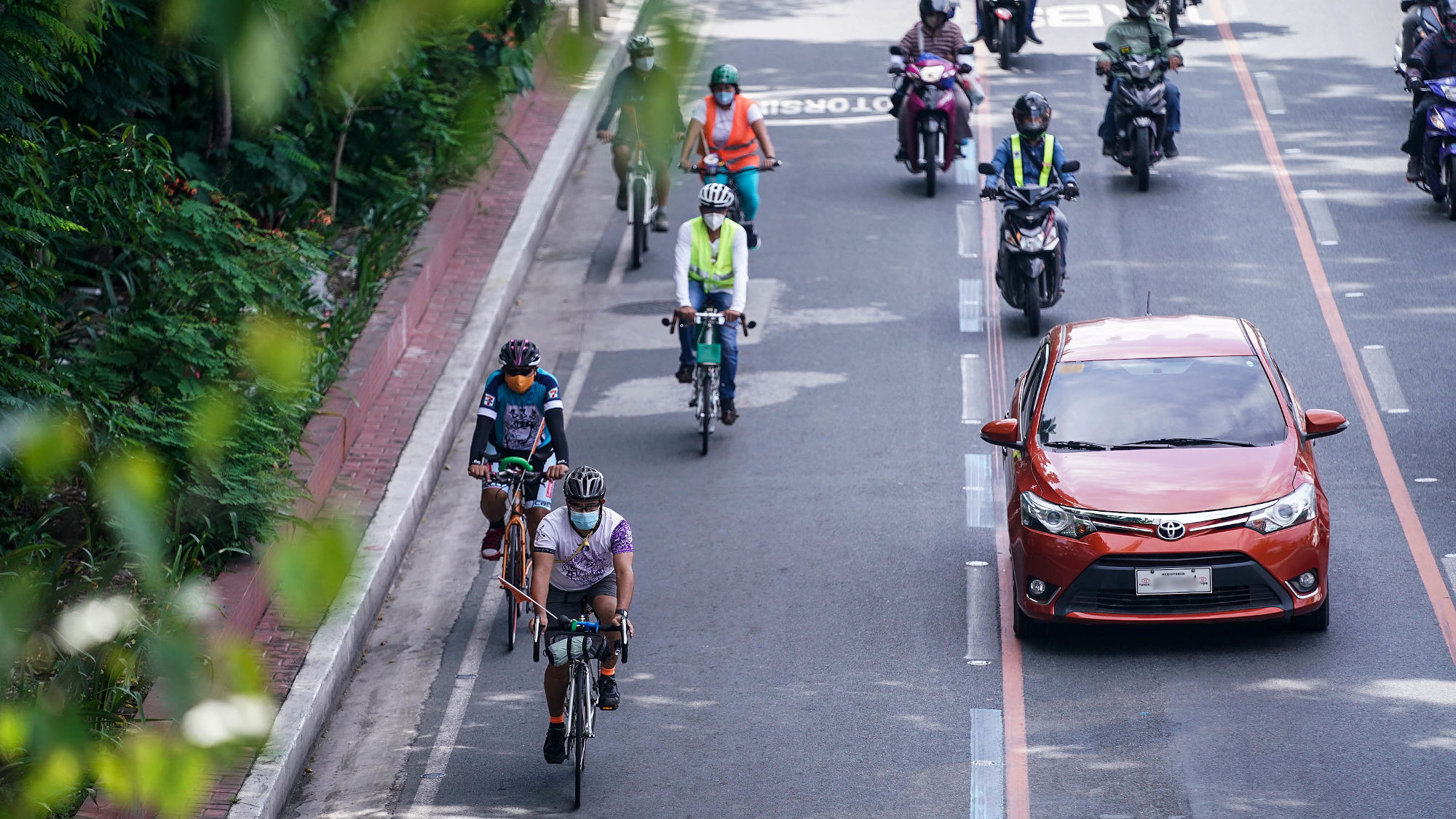
The bill also envisions more sidewalks and bicycle lane networks to encourage active transport and direct access to priority destinations. Under the bill, each barangay should include:
- Safe, well-protected, and unobstructed community-wide foot paths, sidewalks, and bicycle lanes, to enable travel around entirely by foot, bicycle, or other forms of micro mobility
- Networks of greenways to promote healthy commuting and encourage active transport
- Proper lighting on all roads and footpaths to allow safe travel even after dark
- Tactile paving on sidewalks along high-volume transport corridors for the benefit of blind pedestrians
- Bicycle racks in every public transportation terminal or stop and activity center that can accommodate at least ten percent (10%) of its anticipated users
- Safe intersections and pedestrian crossings, equipped with raised pedestrian platforms, highly visible advance warning signages, adequate street lighting, mid-crossing refuges, traffic calming, and curb outstands to reduce road pavement crossing width
End-of-trip facilities, such as shower facilities, should also be factored into government offices and buildings for commuter use.
6) Right to a fair share of public road space
The bill prioritizes public transport and active mobility, including lanes for buses, bicycles, and pedestrian zones over private vehicles. Notably, public road space and foot paths “shall not be appropriated or acquired for parking, commerce, or other activities which restrict public use of, or access to, public roads.”
7) Right to breathe clean air during travel
In line with the provisions of Republic Act No. 8749, otherwise known as the Philippine Clean Air Act of 1999, the State shall take measures to ensure that commuters are able to travel using public transportation services or active transport without compromising their health.
8) Right to information for efficient and convenient travel
The bill aims to provide timely and adequate information to commuters by including prominently displayed route maps, fares, schedules, and real-time vehicle location availability in all public transportation service terminals, as well as street maps at strategic locations in neighborhoods.
The bill requires all public transportation terminals, ports, and airports to have a twenty-four (24)-hour information assistance counter to serve commuter needs in case of emergencies.
9) Right to compensation for public transportation service breakdowns
The bill requires the state to compensate passengers in case of service breakdowns in public transportation services. This could come in the form of fare refunds, assisting affected passengers to reach their destinations, or providing food, water, ventilation, and access to waiting areas and bathrooms if the passengers are stranded for more than one (1) hour.
10) Right to participation in decision-making processes involving mobility and public transportation services
The bill ensures that commuters will be consulted and their welfare considered in all decisions regarding mobility and public transportation through public consultations and responding to comments and suggestions.
What else does the Dignity in Commuting Act entail?
The bill also seeks to establish a National Office of Commuter Affairs under the Department of Transportation at the national level as well as Local Offices of Commuter Affairs in every city and urbanized municipality to administer and implement the provisions of the act.
These offices will be tasked to coordinate with government agencies that deal with road, rail, air, and maritime transportation policy to ensure that commuters will be provided safe, efficient, and comfortable travel.
The offices will be tasked with operating help desks for the public and will provide emergency support, undertake massive commuter education campaigns, and provide legal support as needed.
Lastly, the office will also ensure that commuters’ voices are included in public consultations that will impact the welfare and interests of all commuters.
Which agencies will be responsible for the implementation?
Under the bill, the DOTr will be the lead implementing agency with responsibility for coordinating and monitoring all implementation activities. Other implementing agencies inlcude the Department of Public Works and Highways, the Department of the Interior and Local Government, the Metropolitan Manila Development Authority, and other concerned local government units.
We can’t help but feel that the provisions listed are all basic rights that citizens in other developed countries regularly enjoy when it comes to public transport, yet these are something that Filipino commuters have to constantly struggle for.
Considering the current conditions that millions of Filipino commuters face, if passed (and properly implemented), the Dignity in Commuting Act would mark a dramatic shift in public transport policy and urban planning in the country. It’s about time we address and alleviate the transport woes of commuters.