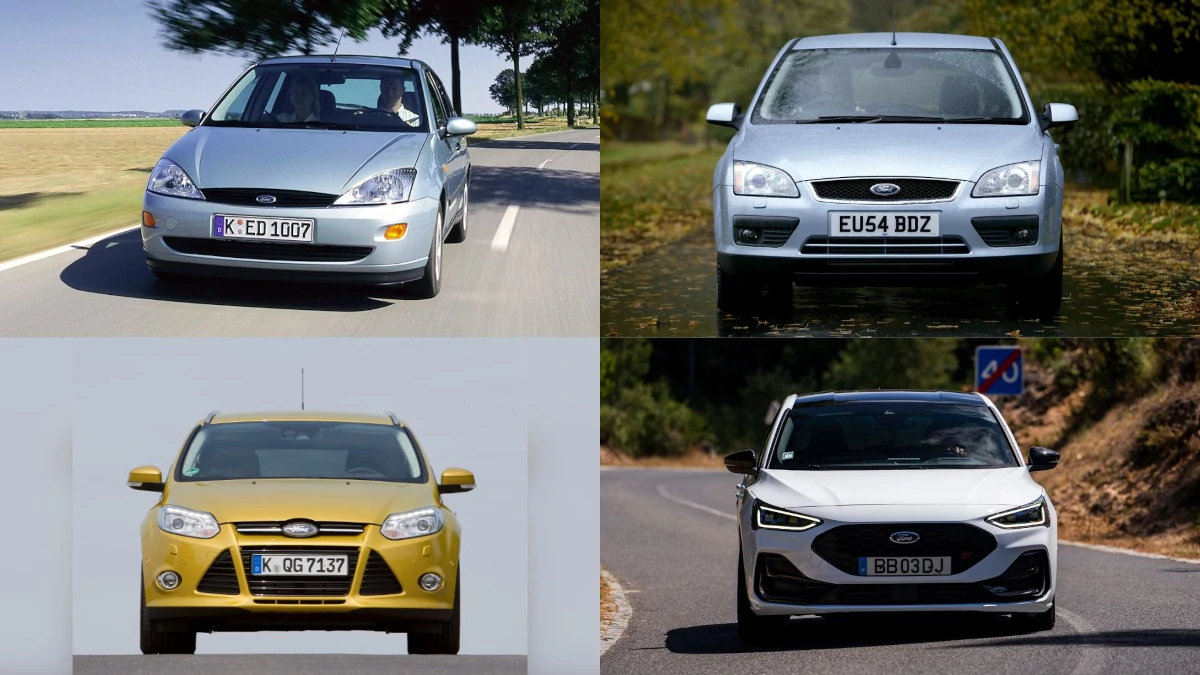
Truth be told, we’re a little surprised that the Ford Focus is still around. It took Europe by storm in 1998, launched in the North America in 2000, and eventually made its way to Philippine showrooms in 2005 with the second-generation model.
The Focus has had a colorful history over the last 27 years. Unfortunately, the rise of crossovers and SUVs meant sedans and hatchbacks took a back seat. Ford’s compact car wasn’t immune to that, and has faded largely into obscurity.
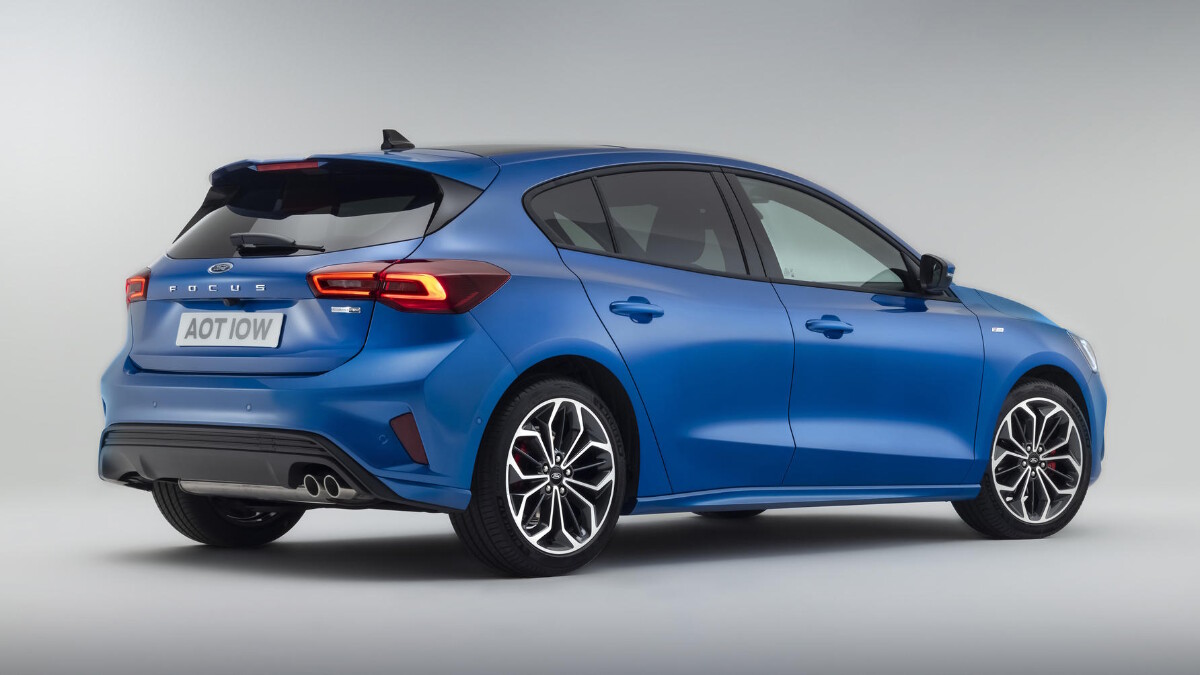
However, it’s still hanging on in Europe and some parts of Asia, much to our surprise. Well, only until November 2025 as Ford has announced that the final units will roll out later this year.
OTHER STORIES YOU MIGHT HAVE MISSED:
ICYMI: Hyundai has a 9-seater version of the Premium AWD variant
New car-free streets in Metro Manila to check out this 2025
With just a few months left before it’s discontinued, now is a good time to look back at the Ford Focus. We revisit its inception, successes, local sales, and international appeal.
Ford Focus: The early years
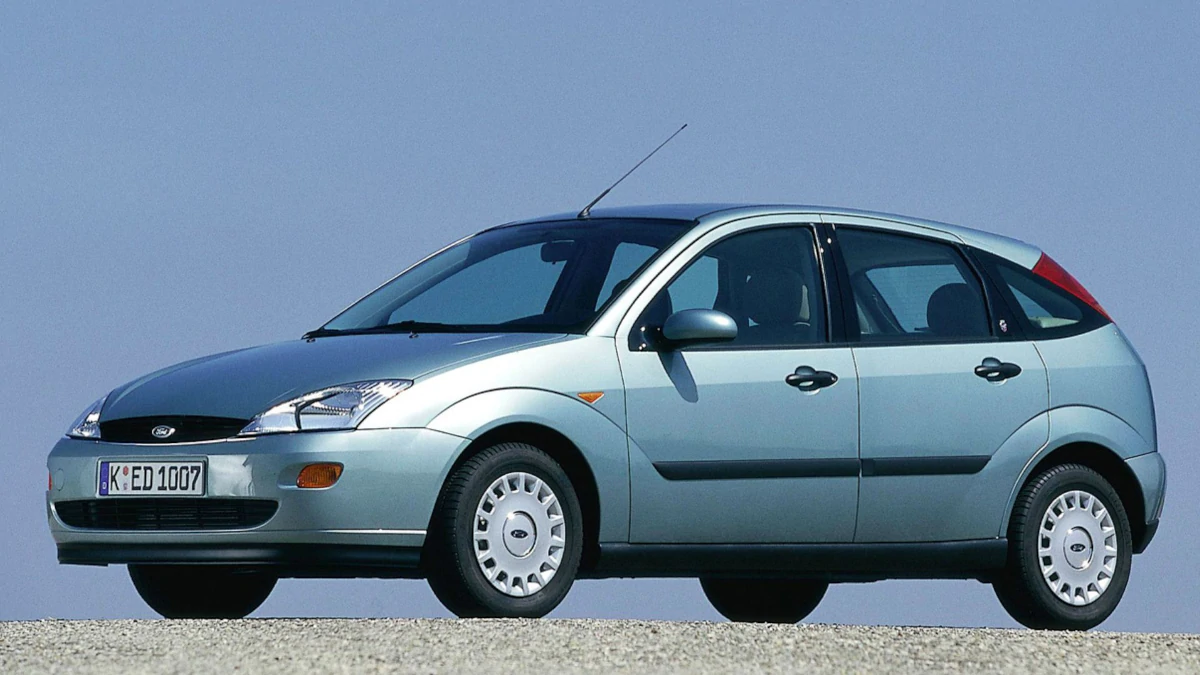
Introduced at the 1998 Geneva Motor Show, the Focus was the successor of another iconic Ford model, the Escort. But by then, the latter was a shadow of its former self. Yes, there was the Escort Cosworth, but the rest of the lineup was in dire need of a reboot.
Which is why, by the time the Focus was being developed, there was a greater emphasis on how it drove. At the same time, Ford was looking to the future, conceptualizing what the family car of the year 2000 and beyond should be like. So, not only should it be radical, it should be a pleasure behind the wheel, too.
And here’s a fun fact about the Focus: It actually didn’t have a name right up until its world premiere. It was mainly because of a legal dispute in Germany because of a publication with the same name. Without going too much into legal mumbling, Ford won the suit at the eleventh hour. The result was press officers burning the midnight oil getting releases printed and photocopied with the name Ford Focus. Well, this was in the ‘90s.
A smash hit in Europe
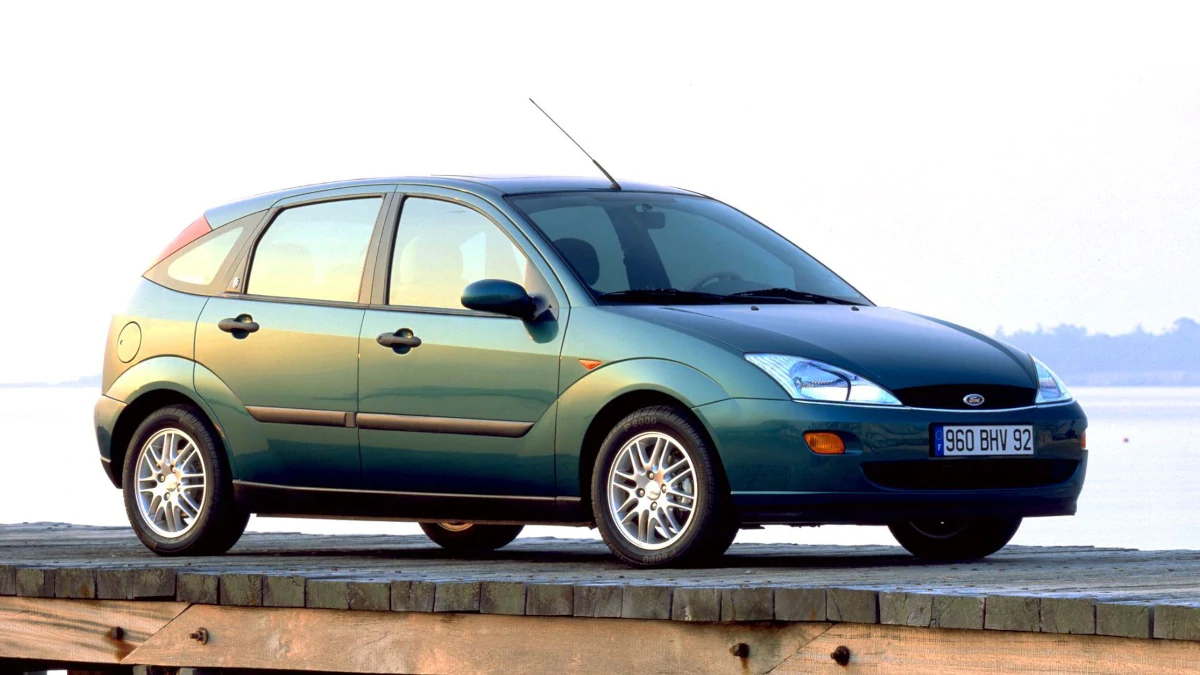
To say the launch of the Focus was a huge deal is a massive understatement. It practically banished memories of the final-generation Escort. One can say that it felt like two generations ahead of the old Escort, and it gave the competition a good fright.
Against its peers, it was advanced and radical. Its sharp and slashy exterior design was complemented by its equally playful interior. At the same time, it was far ahead of its European rivals under the chassis. It had struts up front that’s par for the course, but more importantly, multi-link suspension at the back. Only the Honda Civic at the time had a more advanced setup with double wishbones all the way.
Awards? It collected some of the biggest ones out there. It was crowned European Car of the Year in 1999, North American Car of the Year in 2000, and, ehem, Top Gear Car of the Year in 1998. The buying public then responded by buying them in droves.
Meanwhile in the Philippines
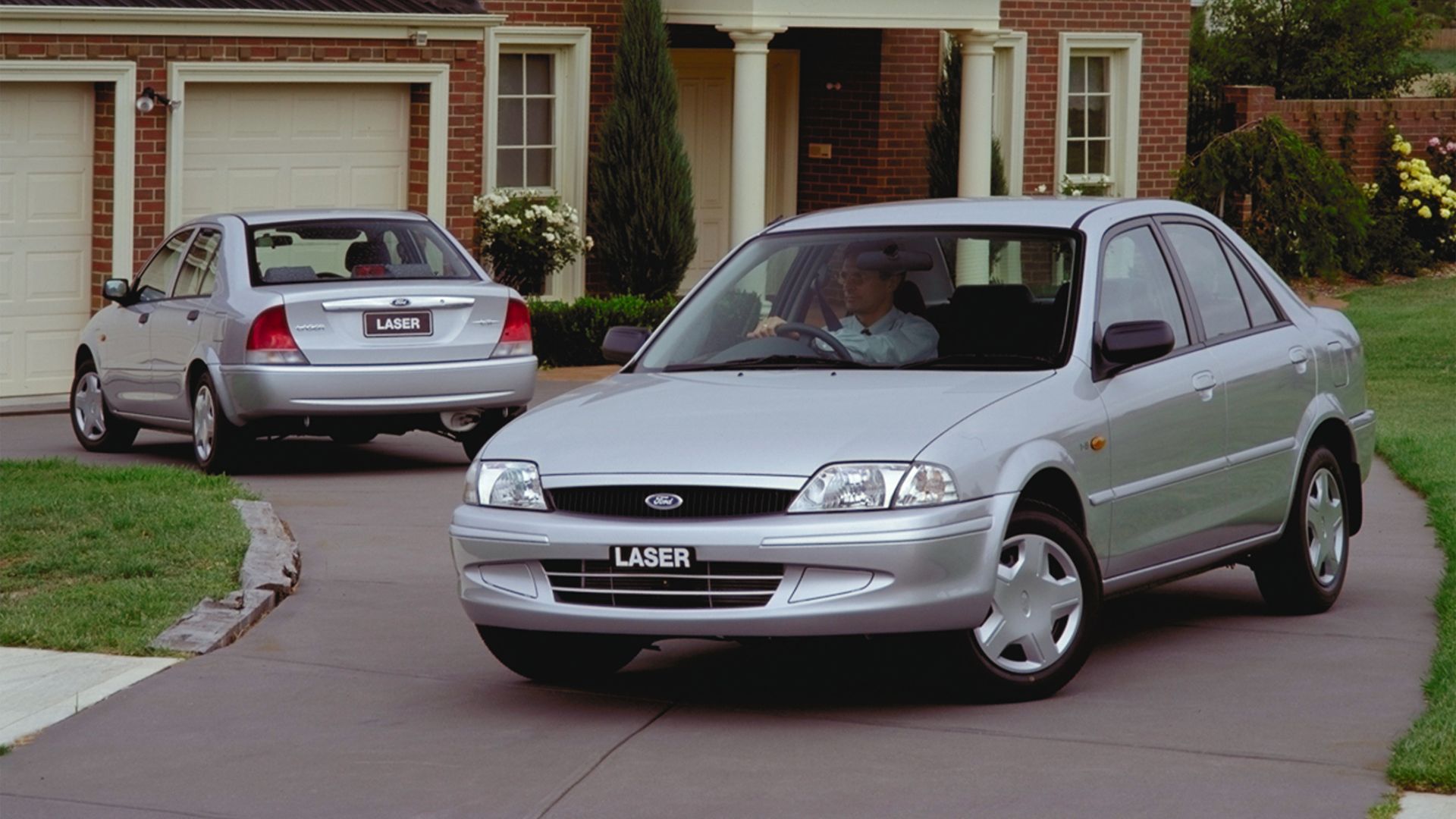
Here’s an interesting fact for you: The first-generation Focus was actually assembled locally, but never offered in local showrooms. It’s an odd case, for sure, and it’s probably safe to say that this model was considered for the local market at some point. In the end, it wasn’t, and what we got instead was the Mazda-based Lynx.
We’d have to wait until 2005 before we got this Euro-bred Ford model.
Enter, the second-generation
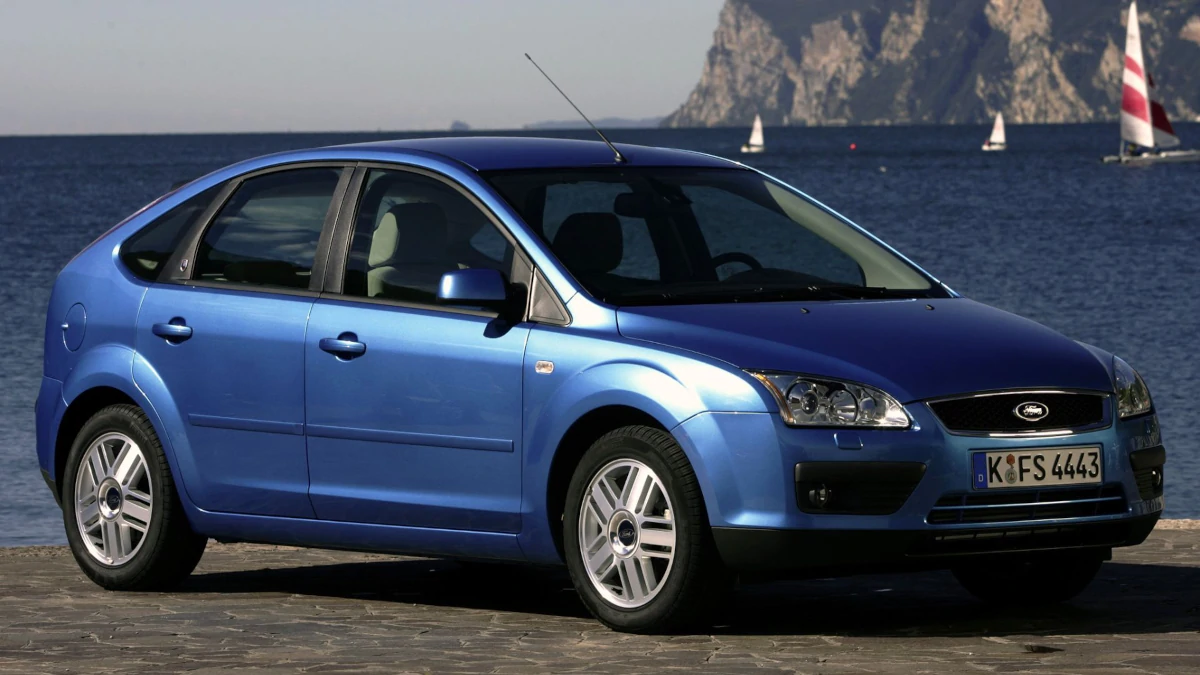
The new-generation Focus made its world premiere in 2004. Except for the US and Canada, this version was sold all over the world, Southeast Asia included. At the same time, its platform formed the basis of the first-generation Mazda 3 and second-generation Volvo S40/Volvo V50.
By this time, it featured more ‘mature’ styling compared to the first-generation. Also, it was made in the Philippines and, finally, sold here as well. There was a wide variety of variants available, but locally, there was initially two.
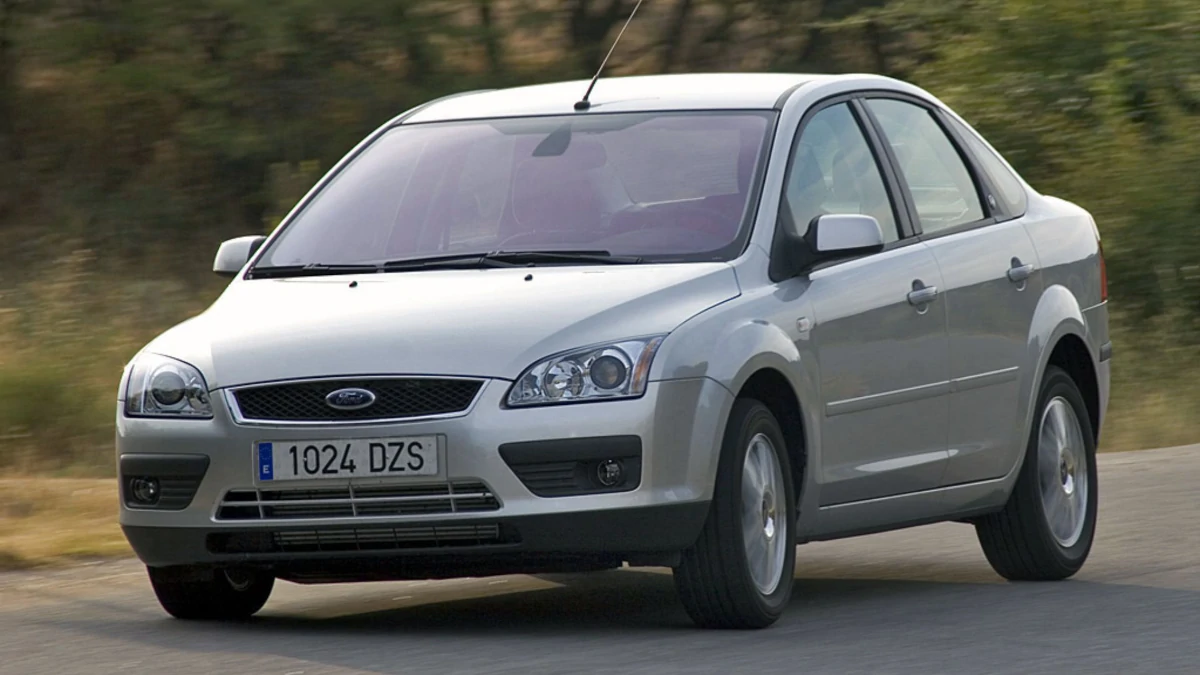
The 2005 Focus in the country was offered either as the 1.8 Ghia sedan or 2.0 Sport hatchback. The latter was initially imported from South Africa, but the Ghia sedan rolled off Ford’s former facility in Santa Rosa, Laguna. That plant has since been repurposed and operated by Mitsubishi Motors Philippines.
More variants joined the range with an entry-level 1.6-liter and a neat 2.0-liter turbodiesel hatchback. The facelift model rolled out in 2009 and the engine range was subsequently simplified. But throughout its production run, we were lucky enough to have both four- and five-door body styles.
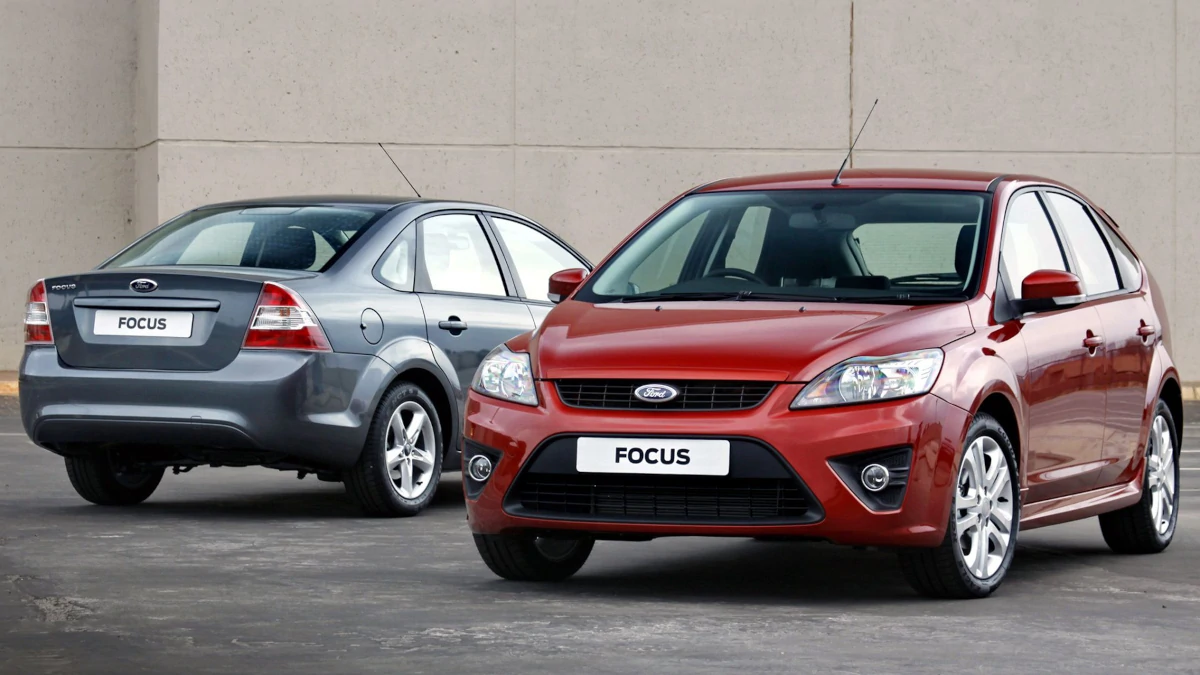
From a reviewer’s standpoint, this generation of Focus was a dynamic masterclass. It drove well, rode well, and achieved amazing balance. Of course, you could also experience that high level of chassis tuning in the Mazda and Volvo.
The difficult third album
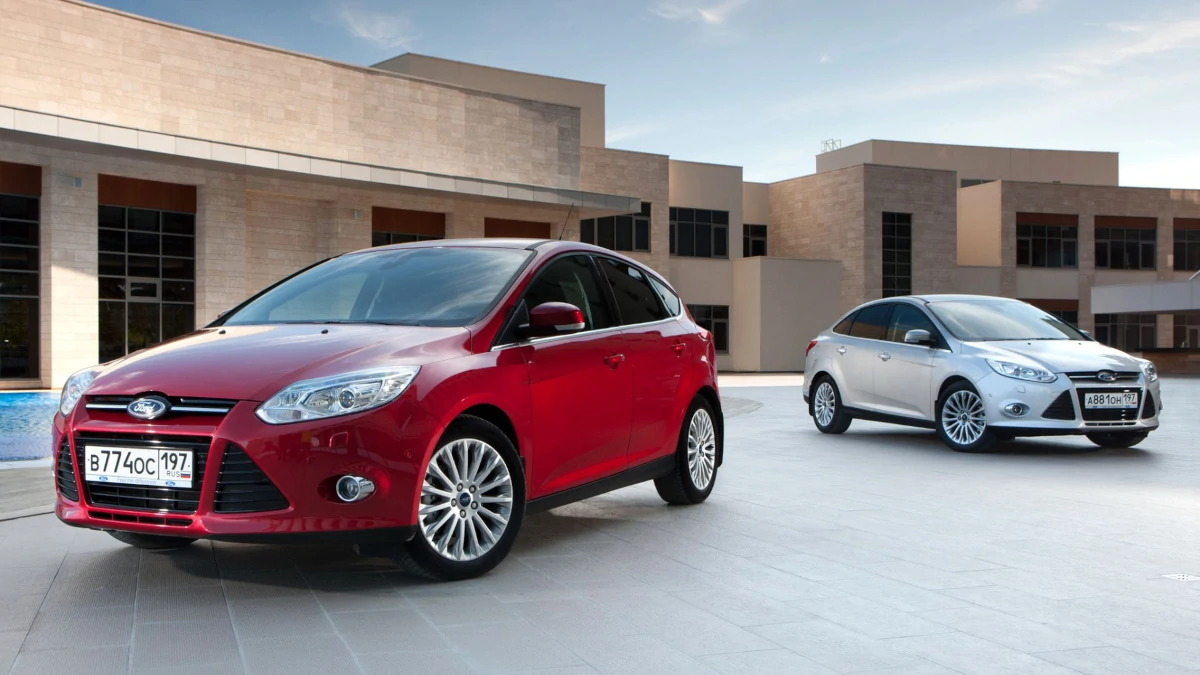
Admittedly, the second-gen Focus wasn’t a runaway success, at least in the Philippines. Still, it was successful enough for Ford Philippines to offer the third-generation here in late 2012. By this time, Ford had sold its assembly line to Mitsubishi, so this model was imported from Thailand.
We have to admit that it was radical and innovative. It was one of the first cars to come with what’s now called autonomous emergency braking, along with a barrage of safety features that paved the way for advanced driver assist systems we see more of today.
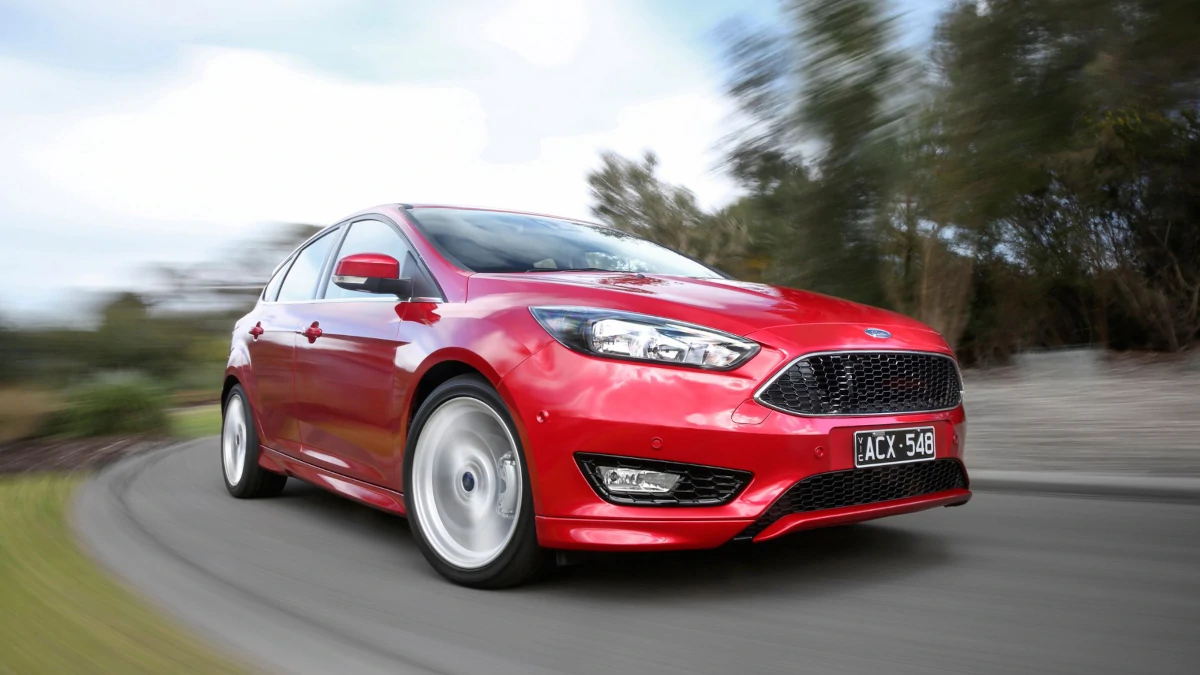
Unfortunately, the rise of crossovers and accessibility of anything with decent ground clearance meant lower sales for sedans and hatchbacks. As early as then, the Focus was already losing out to higher-riding alternatives. But it’s the infamous Powershift dual-clutch transmission that damaged its reputation and turned customers away. A conventional automatic transmission replaced it around 2016, but the damage had been done.
The third-generation Focus would be the last true global compact car from Ford as many markets didn’t get what would be the final generation.
Finale
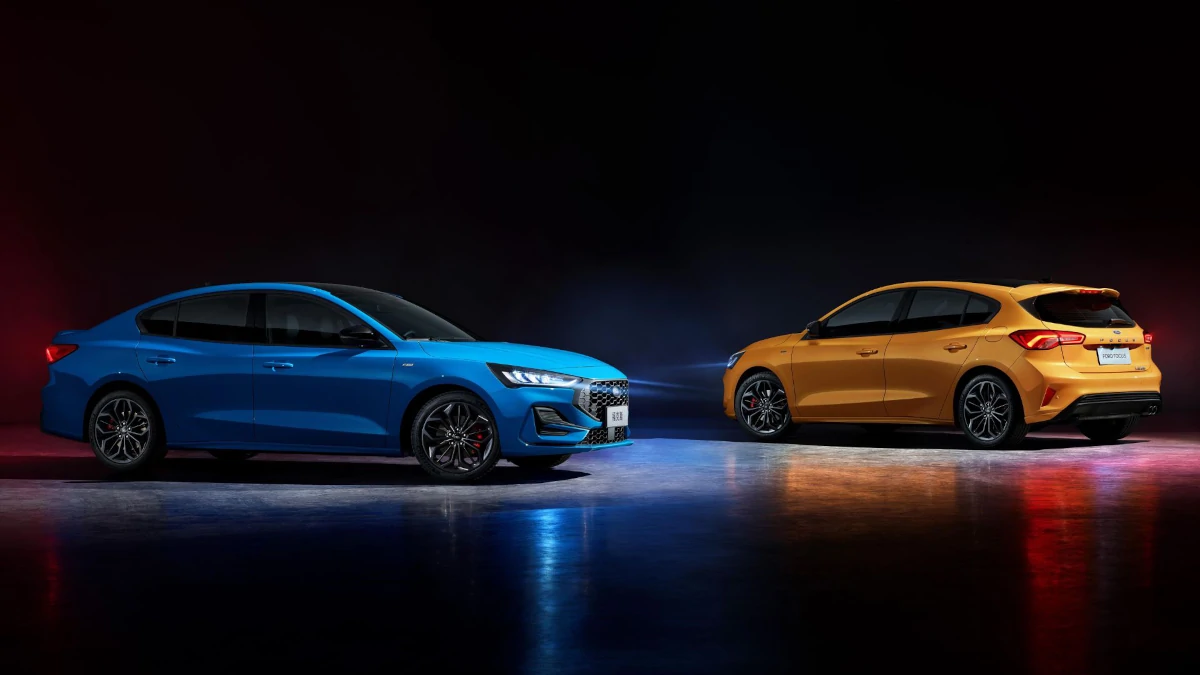
By the fourth generation, the Focus had gone from world car to mainly for Europe and China. While still a competent car, crossovers, SUVs, and pickups have eroded sales of this once popular model. It’s reached a point wherein Ford announced it will stop making sedans and hatchbacks in most markets.
The company announced that 2025 will be the last year of the Focus way back in 2023. But it wasn’t just the Focus that was sent off for retirement. The Fiesta and Mondeo drove off into the sunset prior to that. And with that, the 27-year legacy comes to a close with over 12 million units sold, a range of high performance variants, and a successful World Rally Championship career.
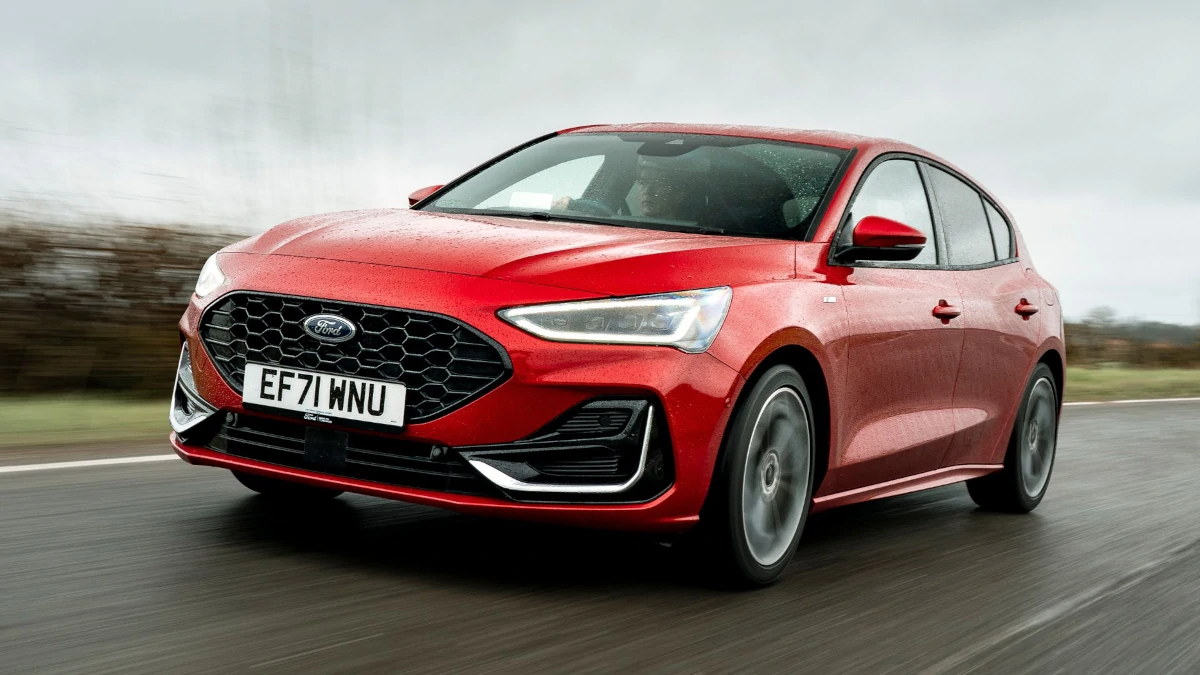
It may not live to see a new generation, but the Focus was a vital model for Ford during its time. It deserves a shoutout, at the very least, and a pat on the fender.