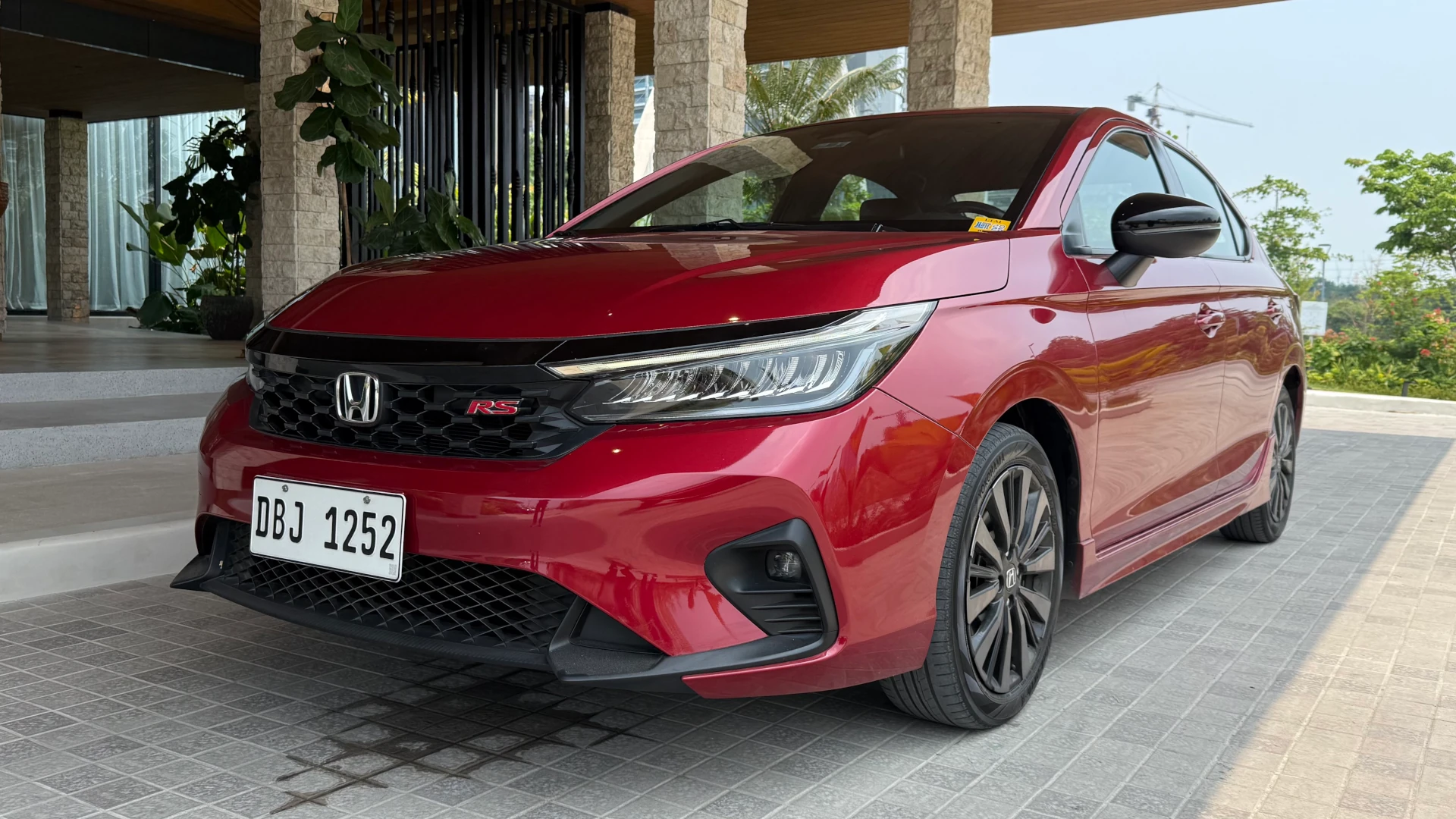
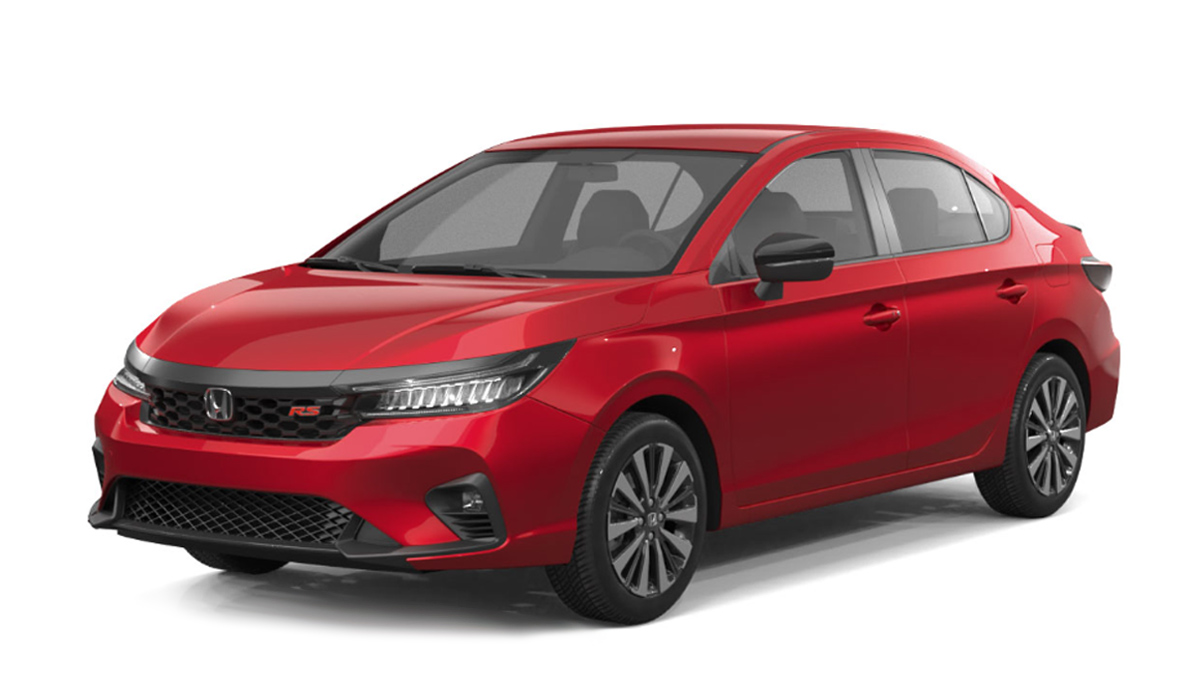
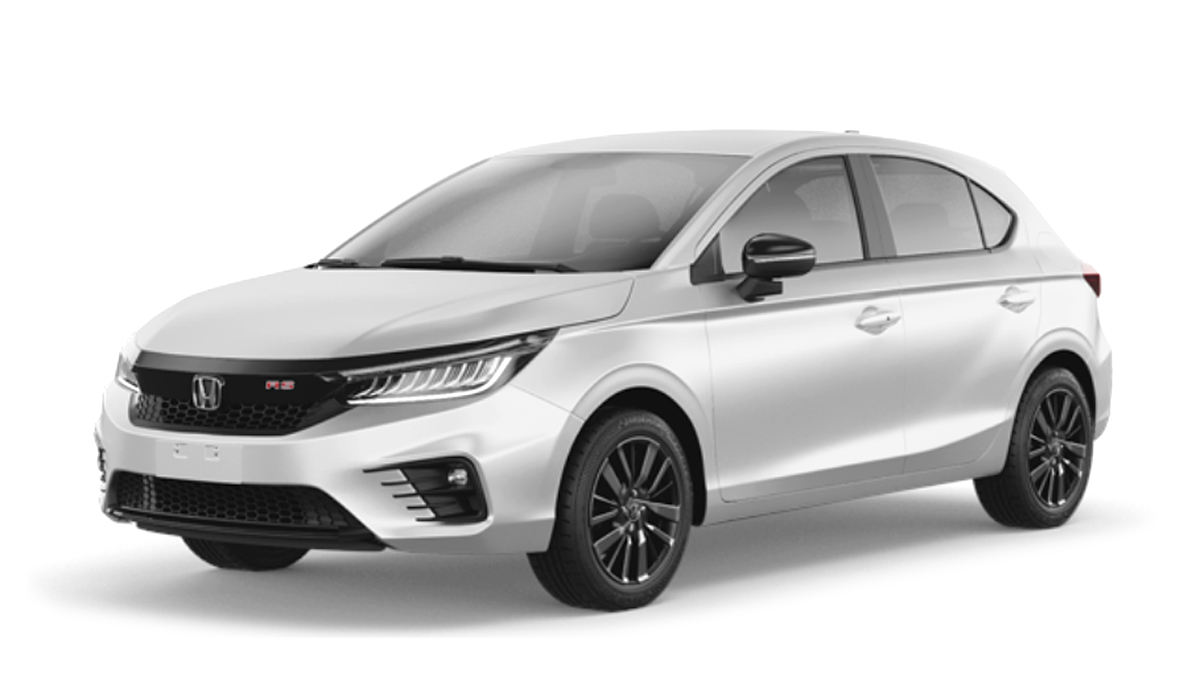
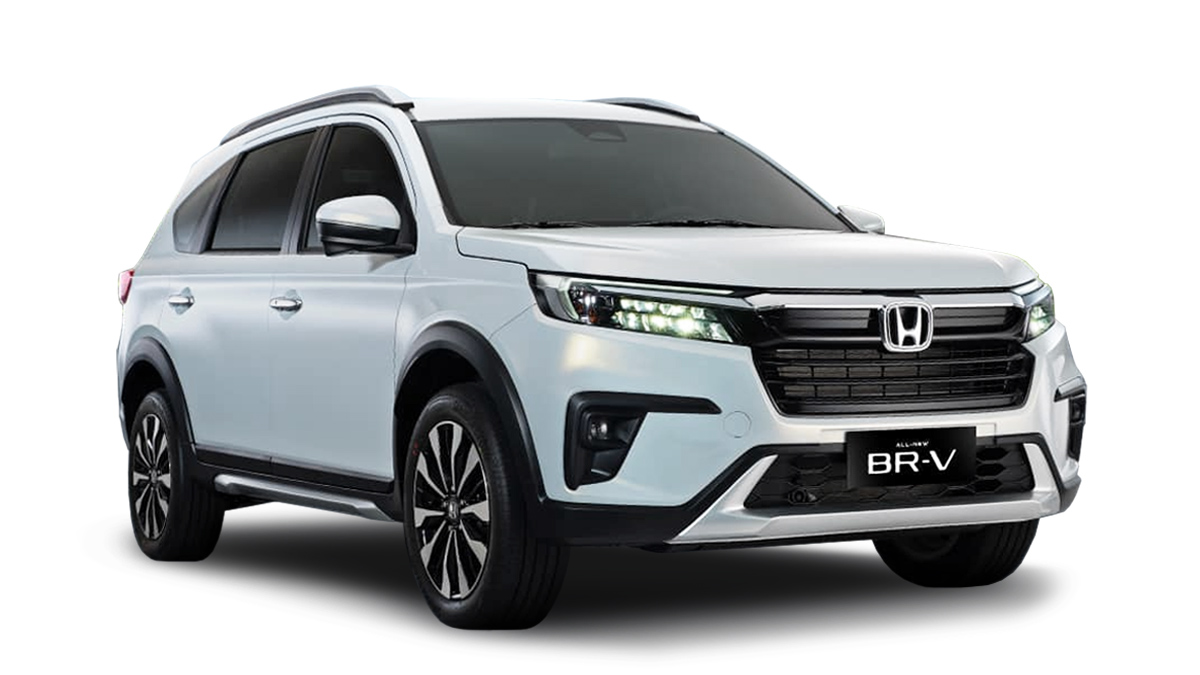
The previous-generation Honda City is a bit sentimental for me. I learned to drive in a 2018 model finished in golden brown metallic paint, and it’s seen me through various milestones and major life events. So when Honda invited me on a drive to test out the safety features on the current City (and the BR-V ), I was more than happy to take them up on the offer.
What’s it like driving the Honda City today?
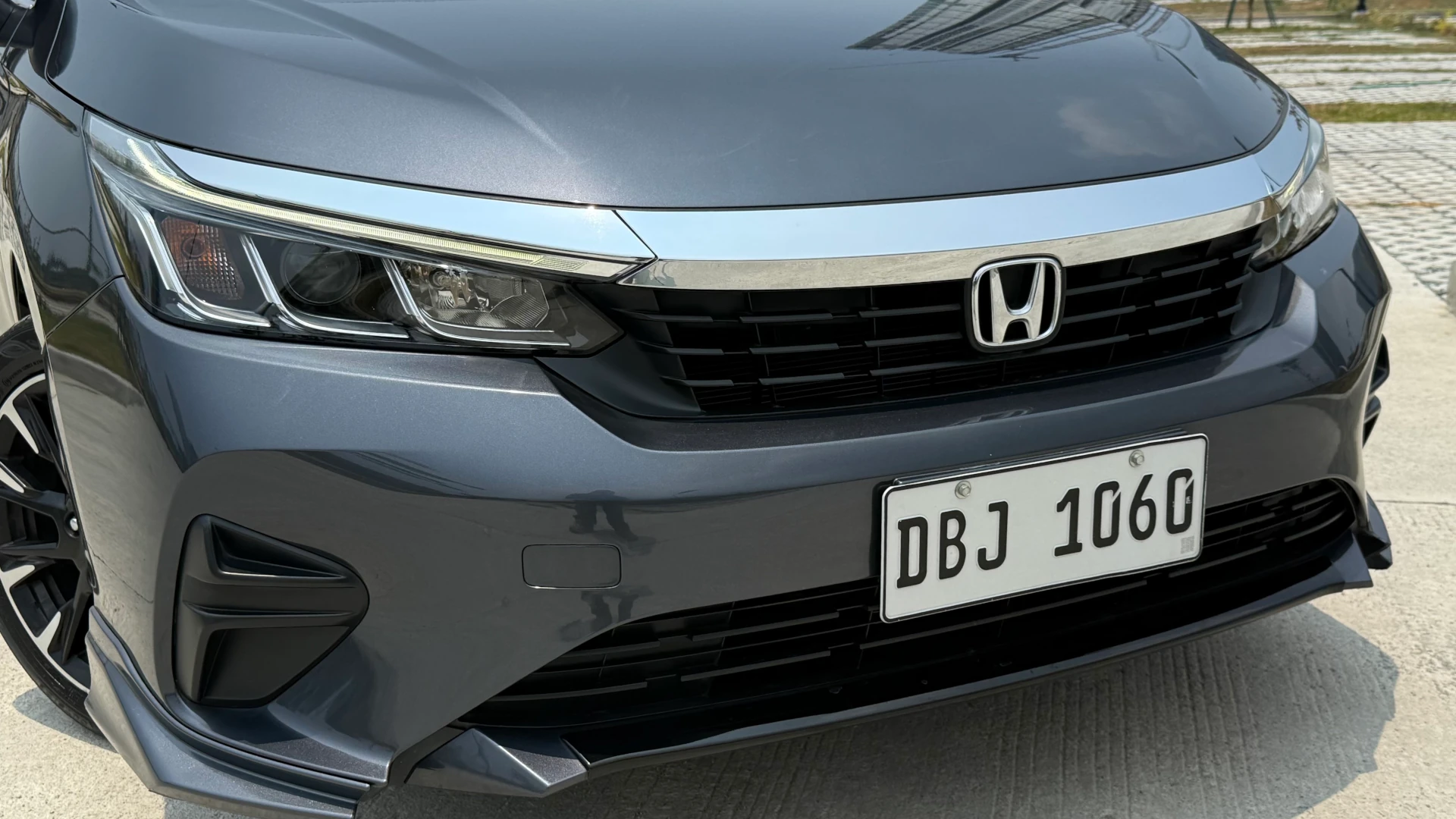
The City is as easy as it’s ever been to drive. Even if it’s been a while since I was last behind the wheel of one, the responsive steering and handling make it effortless to settle into. Some quirks are still present, like the unusually strong idle creep and the deeper than average brake bite point, but those fade away after some time on the road.
Our driving course didn’t have many road imperfections, save for a scattering of manhole covers jutting from the asphalt. The suspension didn’t particularly like rolling over them while at speed, which quickly trained me to keep an eye out for them and steer clear.
And how was the Honda BR-V?
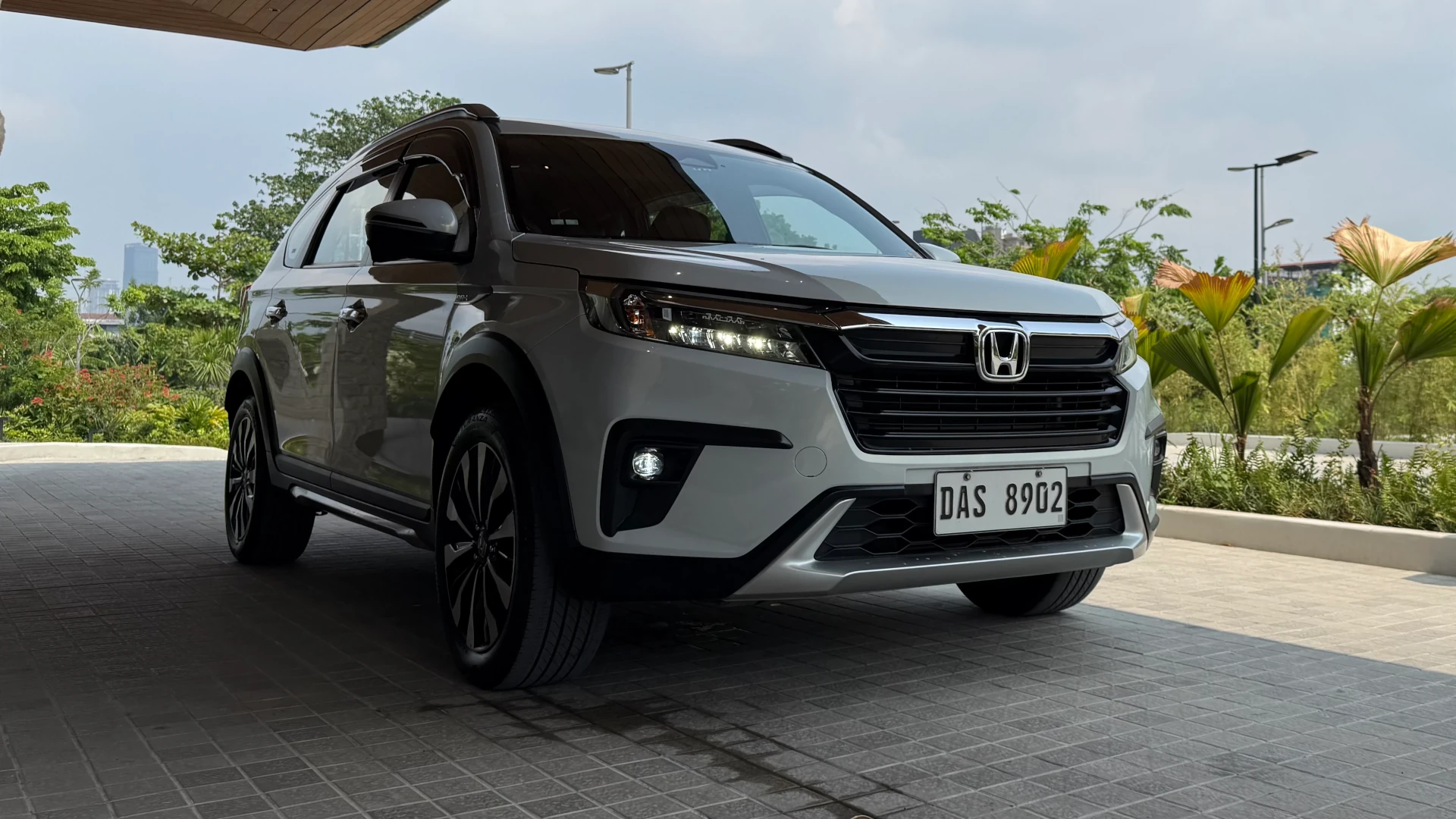
I’ll save myself the word count by saying this: Most of my thoughts on the City also apply to this seven seater. Since the two models share a platform and powertrain, the BR-V handles like a sedan with a lift kit. Sure, the bigger body type makes things ever so slightly more sluggish, but that responsiveness at the wheel is still there.
Though the added ride height may imply it can handle obstacles better, the suspension is still set up to favor response, leading to a bumpier than expected ride. The BR-V still asks you to handle imperfections, bumps, and potholes with caution, which is pretty fair considering its position as a family-oriented vehicle.
Wait, weren’t we supposed to be testing safety features today?
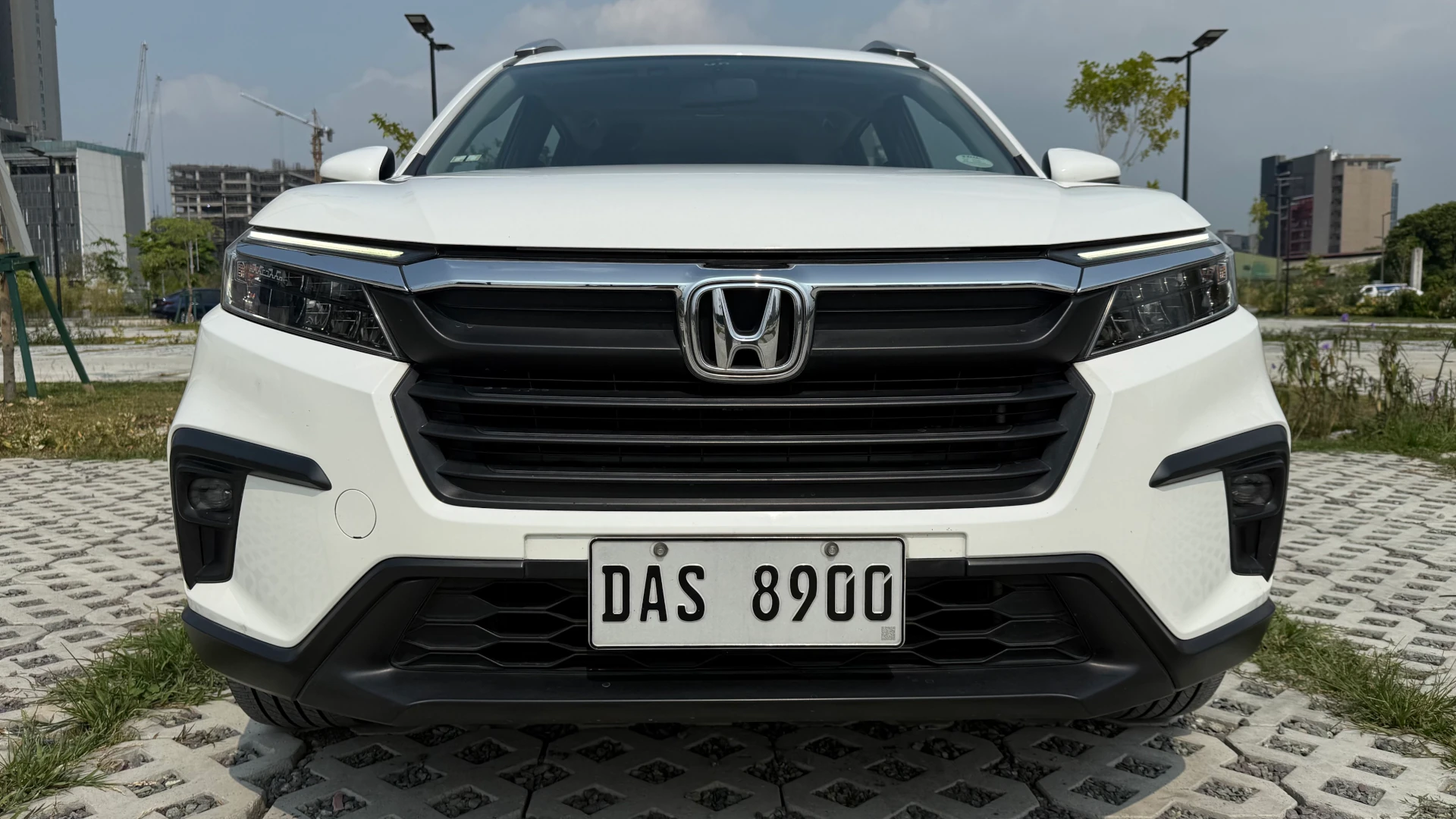
Right, back to that. First up was a linoleum spill test to showcase the ABS and traction control. Needless to say, the ABS kicked in as expected, but what stood out to me was the stability even in the slippery situation we forced it into. It took minimal guidance to keep the car pointed forward, not that it felt like it had the intention of veering off anyway.
The same applies to the traction control system that kicked in as we were instructed to floor the gas to get ourselves off the spill. Even with my whole foot planting the pedal into the carpet, the City and BR-V feathered the throttle with composure to find traction. The engine never over-revved and gradually found grip to move on to the next stop.
What did you put the cars through next?
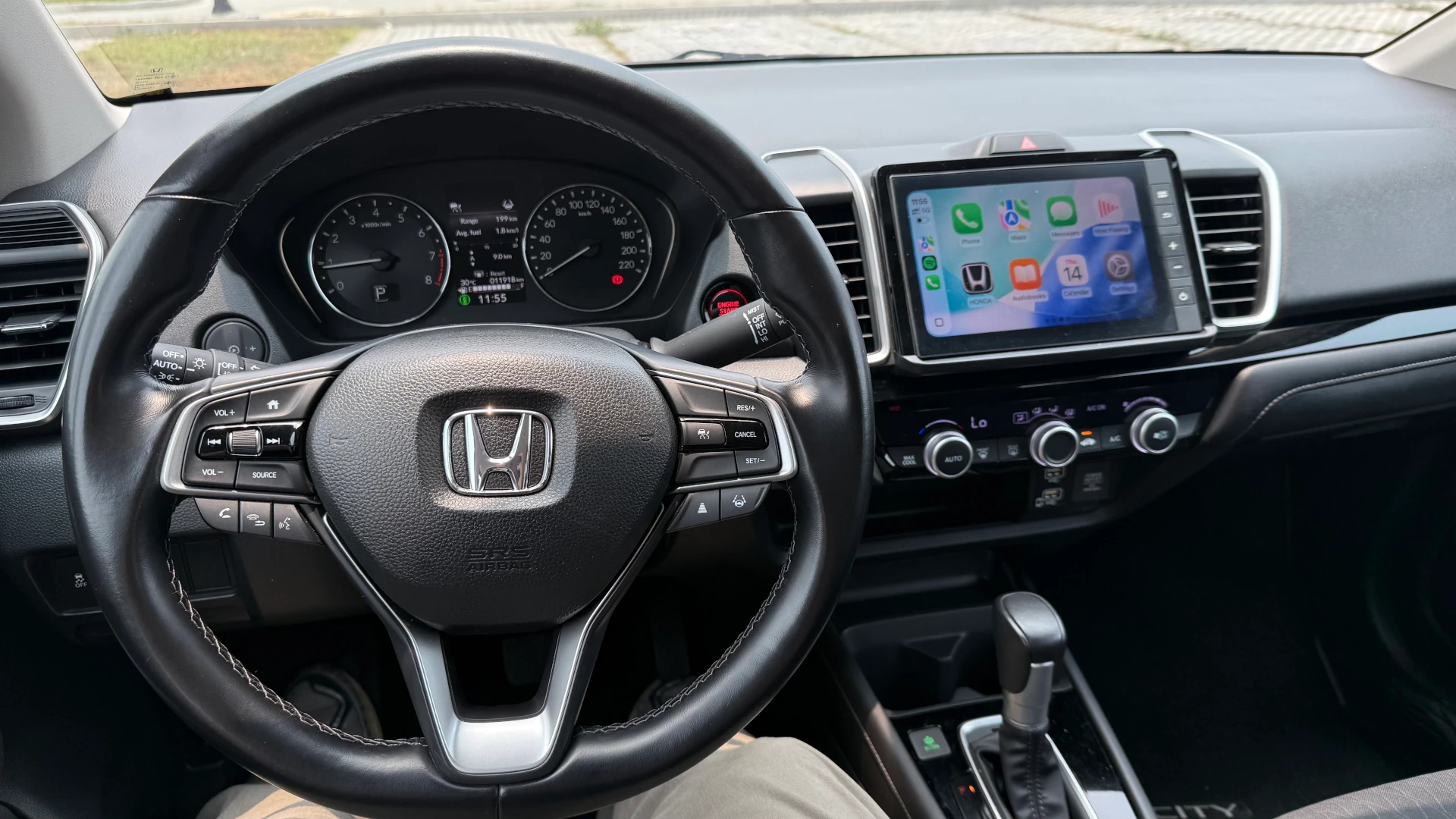
Coming right up was a simple slalom to test the car’s agility and handling. The responsive steering shines again here, and especially on the BR-V I felt confident that it could handle being thrown through turns at speed. Sure, we experienced body roll in both cars, but not to a dangerous extent.
The slalom also reminded me how well the City handles spirited driving. During my free time, I’d return to the slalom repeatedly to see how close I could thread the sedan through the cones. Good, clean, and safe fun. Maybe I should get into autocross?
Last but certainly not least, was the moose test.
What’s a moose test again?
It’s a standardized procedure that simulates an obstacle forcing a fully loaded vehicle to swerve out of the way while at high speed (between 70kph to 80kph.) then return back to the lane it was originally on. The moose test highlights a car’s stability and traction—or lack thereof—in an emergency situation like this.
I can’t lie, it’s scary being thrown around in the passenger row of the City and BR-V during a test like this, but both cars handled the situation well. Plenty of body roll as we avoided an imaginary animal walking onto the road, but the cars still recovered their position just fine after the maneuver.
It’s a situation nobody wants to be put in on the road, but it’s nice to know the Hondas can keep their composure in worst case scenarios.
Wait, haven’t these two been around for a while now?
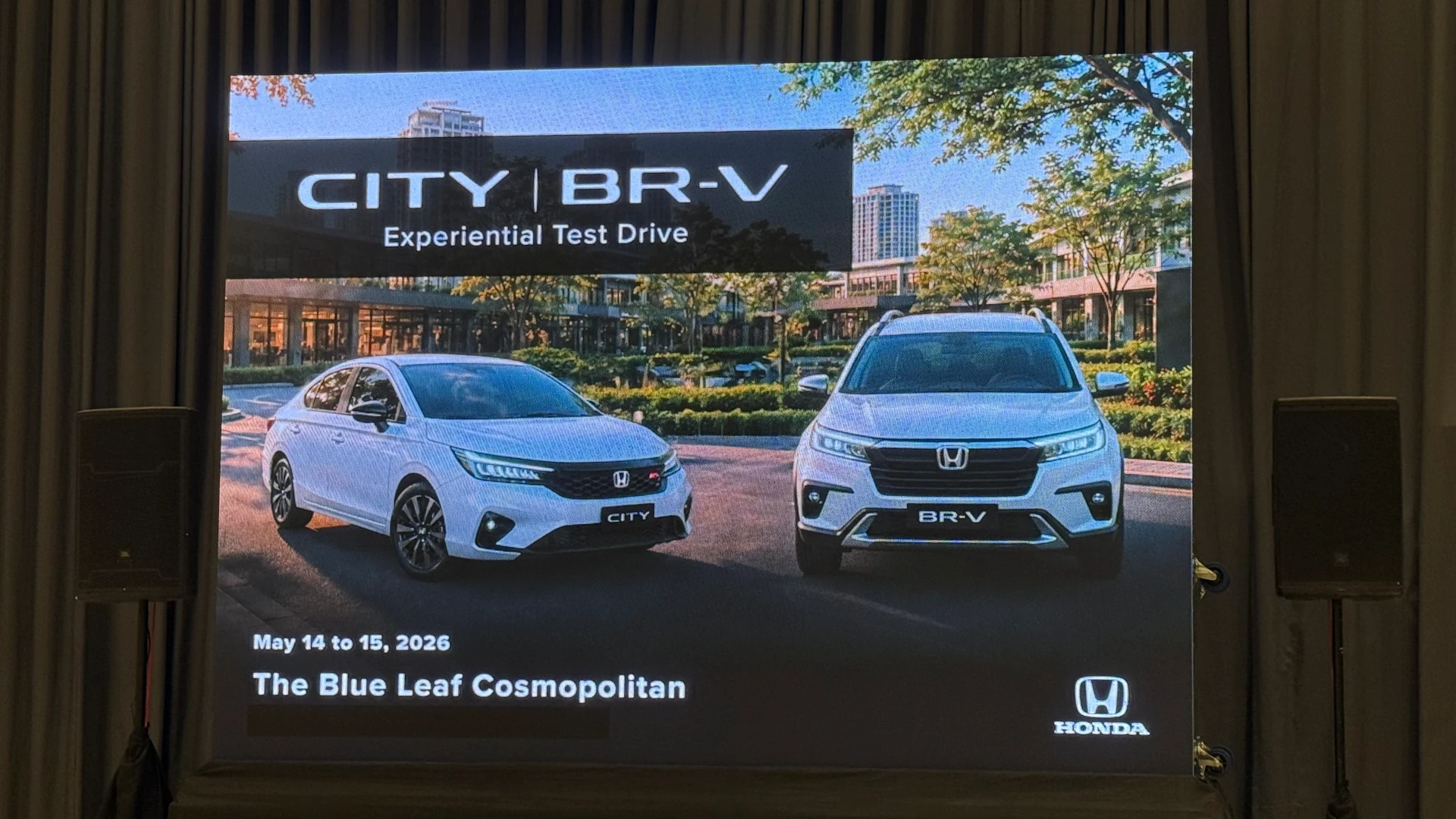
Right. There’s no denying that the City and BR-V we have today are getting long in the tooth. The current City is six years and once facelift old; the BR-V turns four later this year. The interiors are dated at this point, and some would argue the same goes for the bodywork. The City and BR-V could use an update, but I’d still say they should be top picks for first-time drivers.
Revisiting the City platform reminded me why I was able to pick up driving so quickly. It’s very accommodating to new (or returning) drivers with easy handling, but it still lets you know if you’re pushing in a way you’re not supposed to. They’re easy rides that guide you into good driving habits.
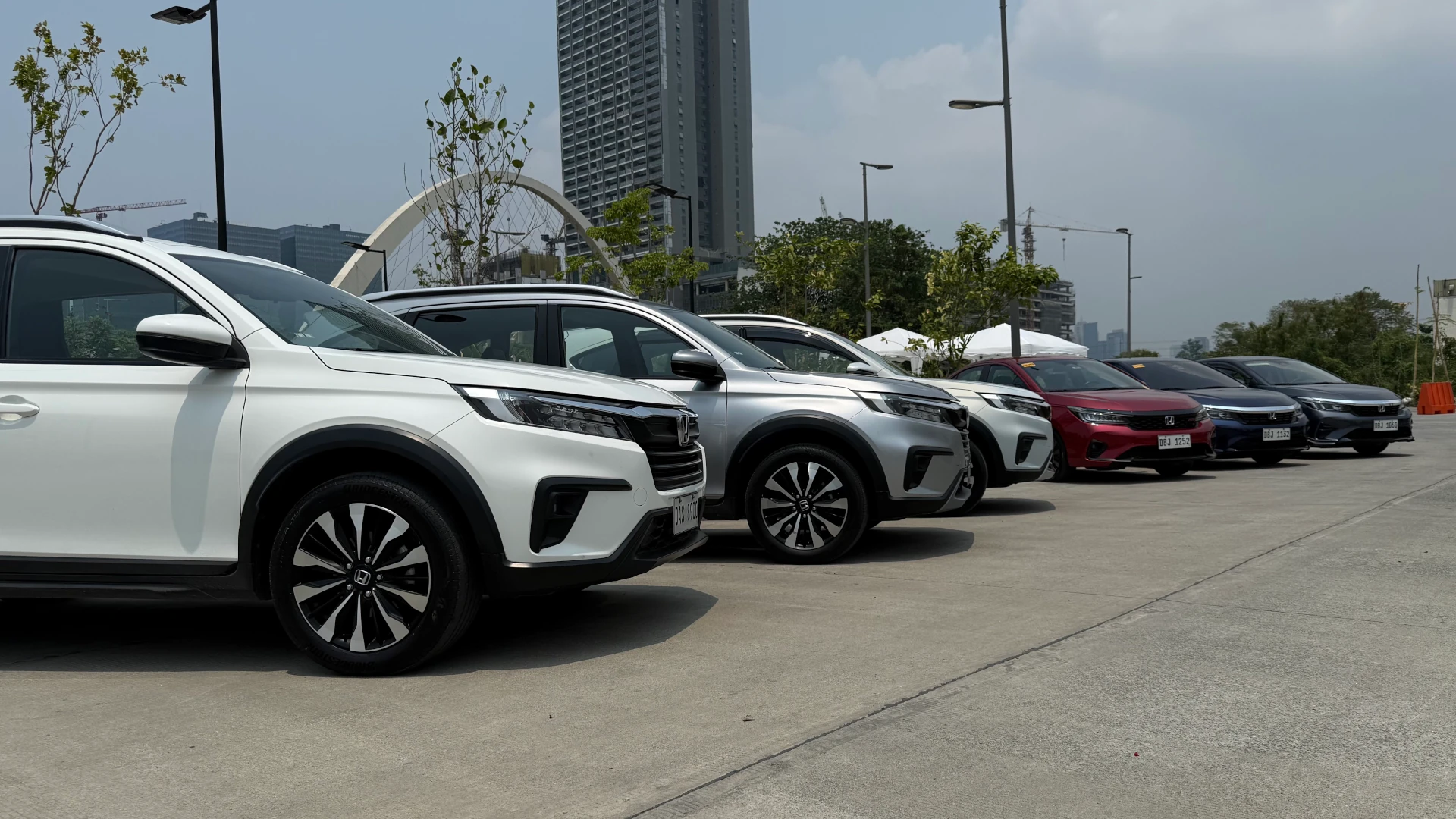
The 119hp and 145Nm of torque is plenty of power, but not enough to inadvertently put you in danger. They’re built on an incredibly stable platform that keeps cool in emergency scenarios. And I know looks are subjective, but both models have a clean and respectable look in my opinion.
What more does a beginner need from a first car?