
Crossovers and SUVs are commonplace these days. You can get a tiny one for not much money, or one that’s a size of an ocean tanker with an equally impressive price tag. It’s reached a point wherein the best-selling vehicle in the world is an SUV.
One of the cars that had a big hand in the SUV revolution, particularly crossovers, was the Honda CR-V. Granted, it wasn’t the first one marketed as such, as the Toyota RAV4 beat it to the market by about a year. Still, the CR-V’s impact in the automotive world has been massive, helping popularize car-based SUVs and, quite literally, reshape the industry.
If you’re reading this in 2025, this is the year the Honda CR-V turns 30 years old. What started out as a niche product has become a best-seller for Honda, and has been the company’s top-selling model for a couple of years now.
OTHER STORIES YOU MIGHT HAVE MISSED:
A new EDSA Busway concourse will finally replace the Mt. Kamuning footbridge
The Lexus Manila Gallery will be opening its doors on August 18
To understand how and why the CR-V became such a smash hit, now is a good time to take a look back at the generations that have come and gone.
Honda CR-V: The origins
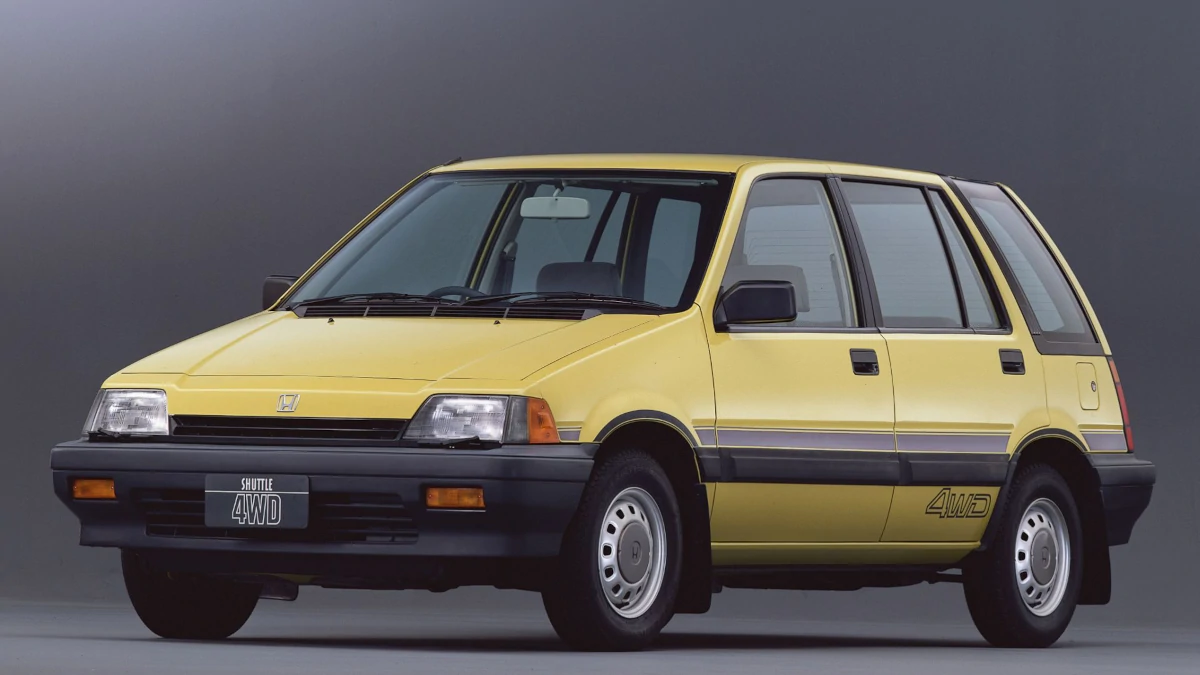
If you want to know the roots of the CR-V, you have to go way back to 1985. The term Sport Utility Vehicle wasn’t coined yet, and the word crossover wasn’t in anyone’s automotive jargon. The mid-‘80s saw the introduction of the third-generation Civic, and a tall station wagon body was also offered at the time.
That model was dubbed the Civic Shuttle, but it was also called the WagoVan in the US because of its, er, distinct shape. Looking at it now, you see some of its DNA being lent to the CR-V a decade later. Initially, though, it was only available in front-wheel drive.
Interestingly, Toyota had a similar vehicle in the form of the Tercel Wagon. It was also called the Sprinter Carib, and it was available with four-wheel drive as early as 1982. Meanwhile, Subaru had the Leone 4WD wagon that pre-dated the Sprinter Carib by a decade. It was a small market at the time, but Honda had noticed a growing segment for four-wheel drive recreation vehicles, further buoyed by the likes of the Mitsubishi Pajero, Nissan Patrol, and Toyota Land Cruiser.
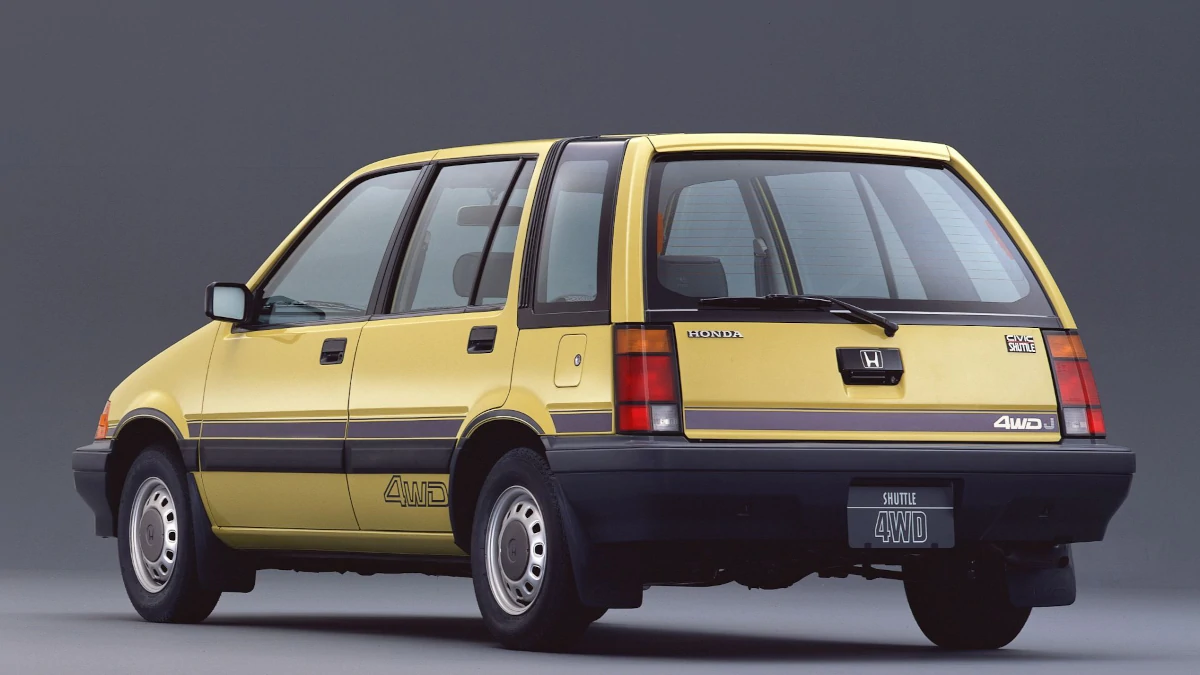
Honda’s response was the Civic Shuttle 4WD of 1985. It had a push-button 4WD system and had a higher ground clearance of 177mm. Then, in 1987, the Shuttle 4WD something called an automatic viscous coupling unit to send power to the rear wheels when it needed extra traction. Honda would name that system Realtime 4WD and it was, in essence, the CR-V of the ‘80s.
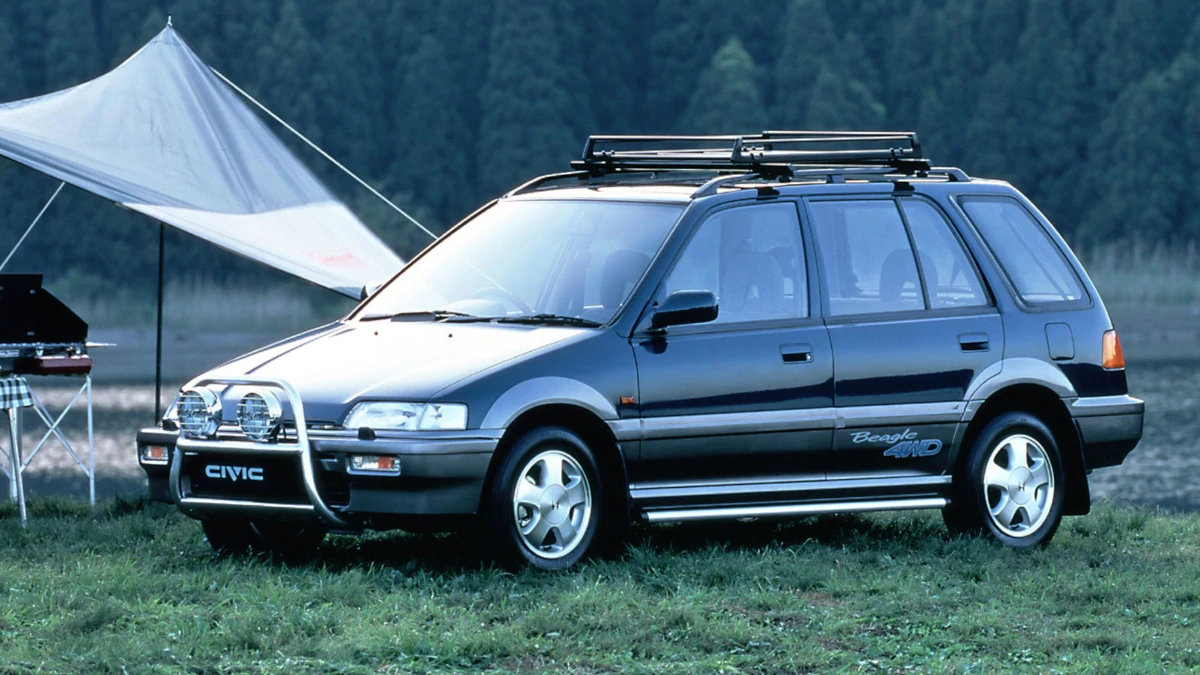
While the Philippines never got that model as Honda only entered the country in 1989, the Civic Shuttle 4WD must have been successful enough to merit a second generation. The new generation Civic Shuttle 4WD was released in 1987, and in Japan, there was even a variant of it called the Beagle that featured what we now call SUV-like styling with extra body cladding and even front nudge bar.
The booming market
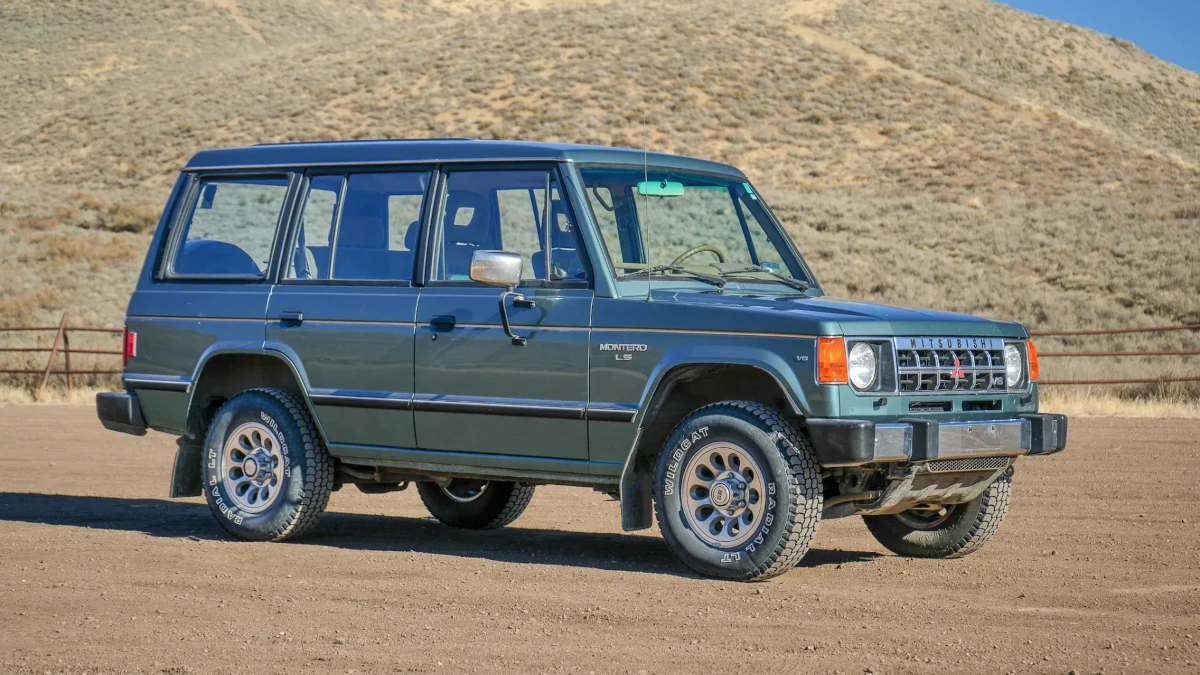
By the time the ‘90s rolled over, SUVs were starting to make their presence felt. It was starting to eat into station wagon and even minivan sales – a sign of things to come. Honda needed something to cash in on the craze, and needed one fast.
The company’s first attempts mainly revolved around rebadging Isuzu SUVs, and went as far as putting Honda badges on the Land Rover Discovery to make the Crossroad. While it was doing those stop-gap models, the Civic Shuttle 4WD was still around and would eventually serve as the inspiration for what would later become the CR-V.
World premiere
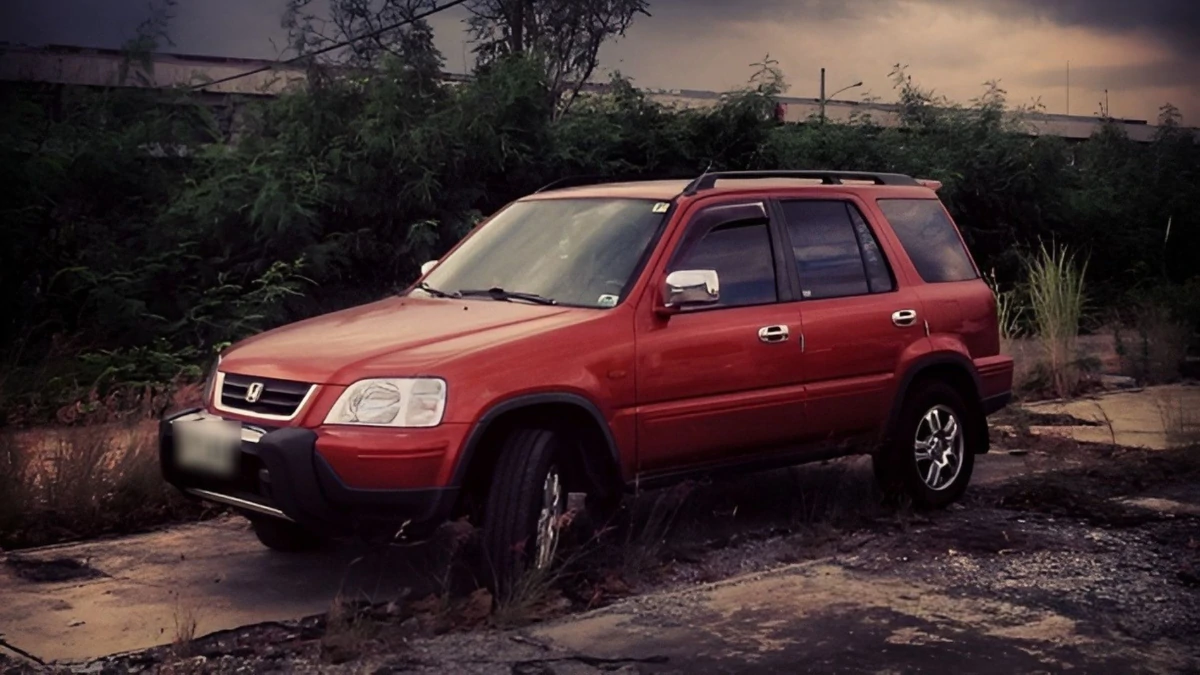
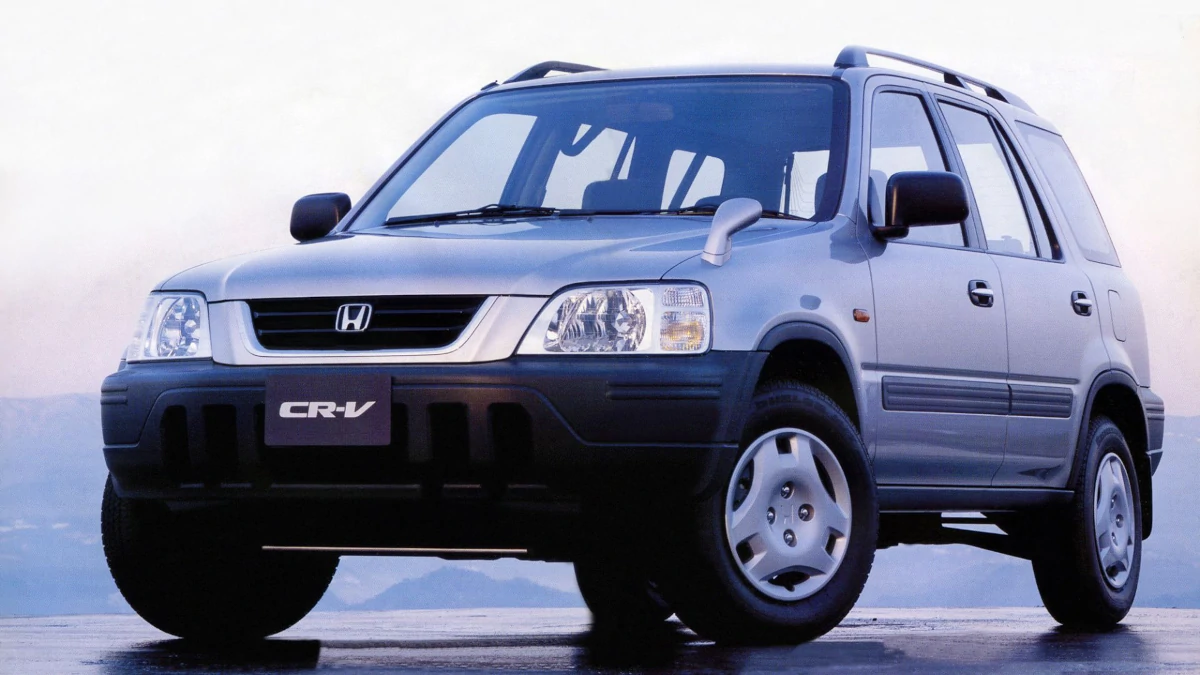
The first-generation CR-V made its debut in October 1995, about a year after the Toyota RAV4. CR-V stood for Comfortable Runabout Vehicle, and its underpinnings were based on the sixth-generation Honda Civic that came out the month prior in Japan. The formula was similar to the Civic Shuttle, but the car was a standalone model now with no mention of Civic in its literature and press releases.
Because of its Civic-based chassis, it rode and drove like a car and any truck-like characteristics were banished. Honda did give it a truck-line interior, though. The steering wheel was at an angle, and the automatic models had a steering column-mounted shifter. It also got a split tailgate with a pop-up glass hatch, and who could forget the built-in picnic table that doubled as the cargo floor?
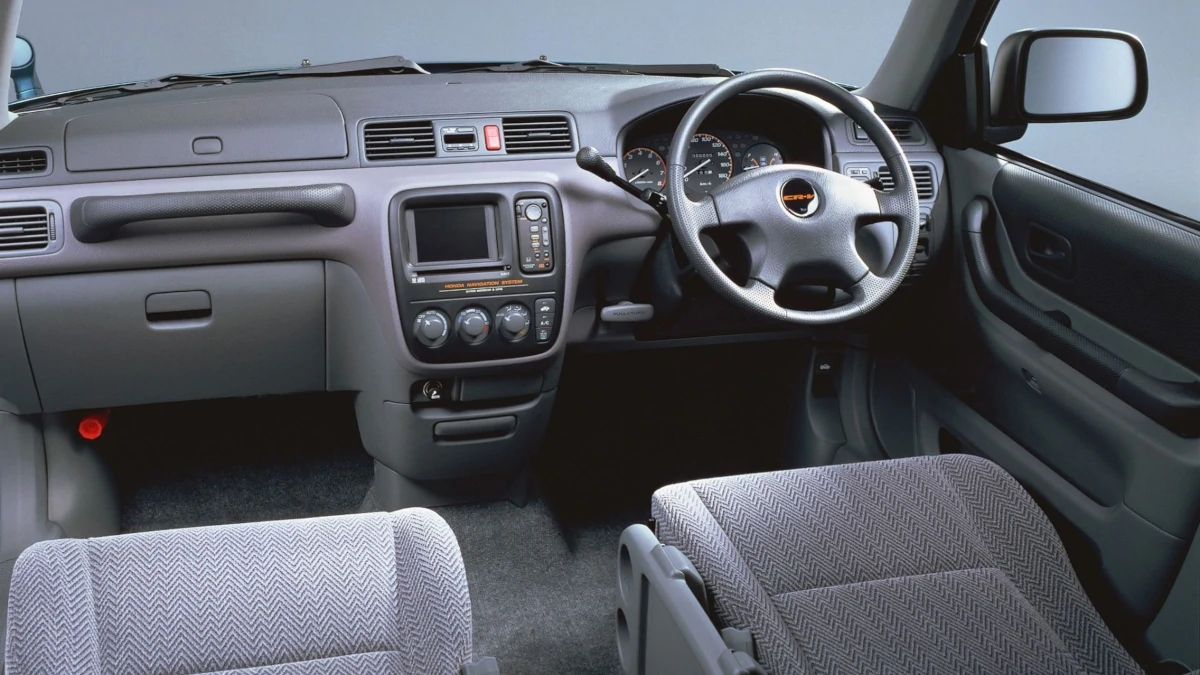
At launch, it was powered by a 2.0-liter engine dubbed the B20B, and made 128hp and 180Nm. Realtime 4WD was, of course, included. Again, the essence of the Civic Shuttle was there, but Honda had timed its debut right at the cusp of the SUV boom.
Coming to the Philippines
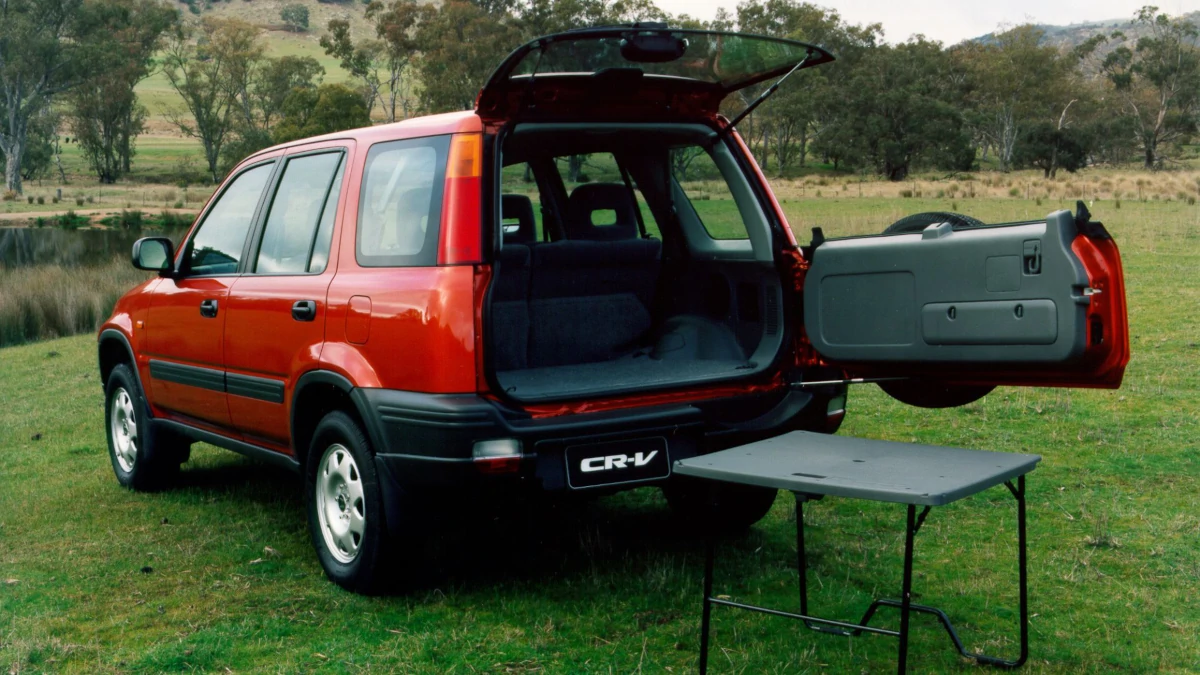
The Honda CR-V would be launched in the Philippines in 1997, nearly two years after Japan got it. It was assembled in the company’s Santa Rosa, Laguna plant during its whole run. Priced at around P840,000, it was an attractive alternative to the Honda Accord and other midsize sedan.
The local model initially had the 128hp engine, but a minor model change in 1998 gave it a much-needed power bump. Horsepower rose to 148hp, although torque was retained at 180Nm. All-wheel drive was the only drivetrain choice, but customers could choose between a five-speed manual or four-speed automatic.
The infamous ’10-seater’
The first-generation CR-V was a smashing success for Honda Cars Philippines. However, there was some trouble up ahead. SUVs like the CR-V would be slapped with a massive tax, but vehicles classified as Asian Utility Vehicles would be spared from that. Enter, the infamous ‘10-seater’ model of the second-generation.
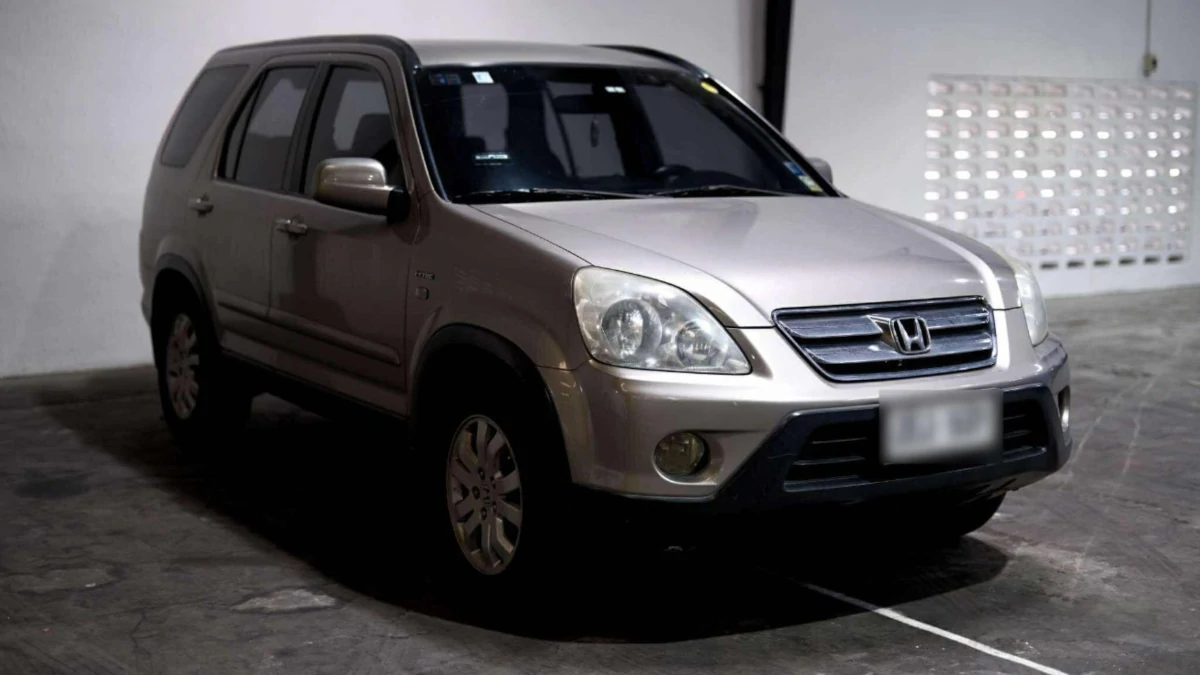
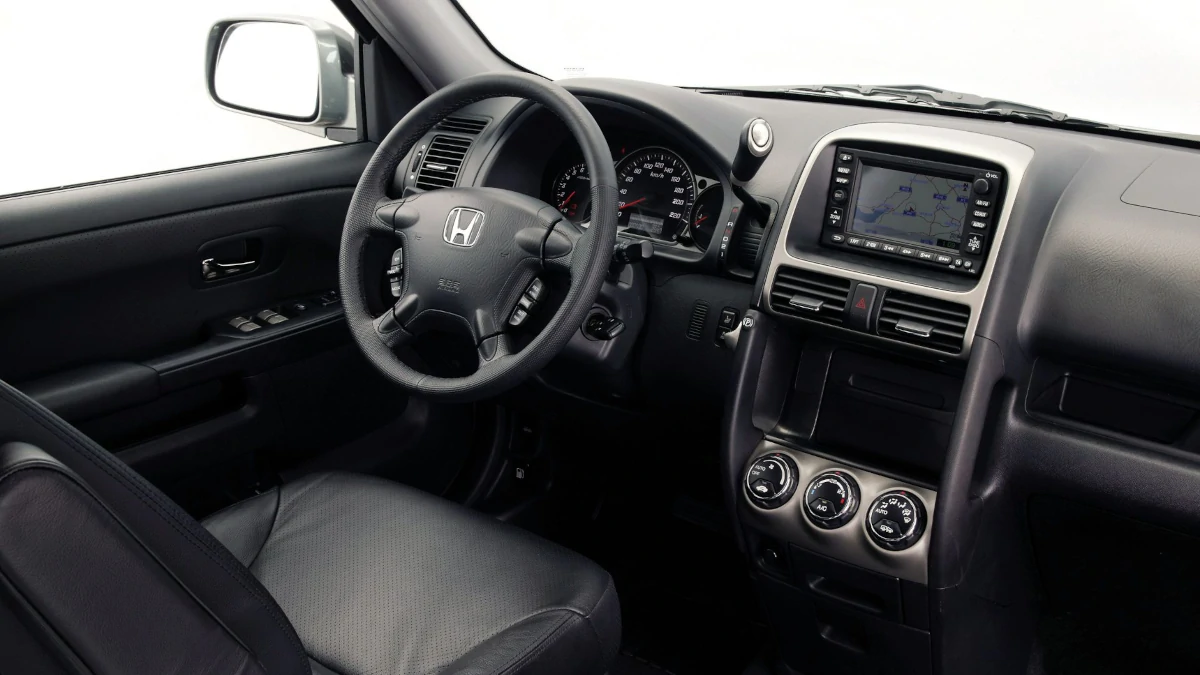
Launched in 2002 in the Philippines, the second-generation CR-V grew significantly, and the boxy styling has been smoothed out a bit. It also had a new engine in the form of the single-cam K20A. Power was rated at 150hp and 190Nm, but this time around, it only came with two-wheel drive, at least initially in the country. Ditching those seats would bump up its price, and adding all-wheel drive was out of the question.
But the loophole did wonders for the CR-V. With a base price under P1-M, it was significantly less expensive than the RAV4 from the same era. Nevermind the fact that the third row was tight even for children, and it left no cargo space at the back. Later on, however, the tax benefit that made this generation a relative bargain would be amended.
The result of that was the addition of a five-seater model, as well as the reintroduction of the all-wheel drive version. When it was facelifted in 2005, it received a 2.4-liter engine (K24A1) that upped the power to 160hp and 220Nm.
A new direction
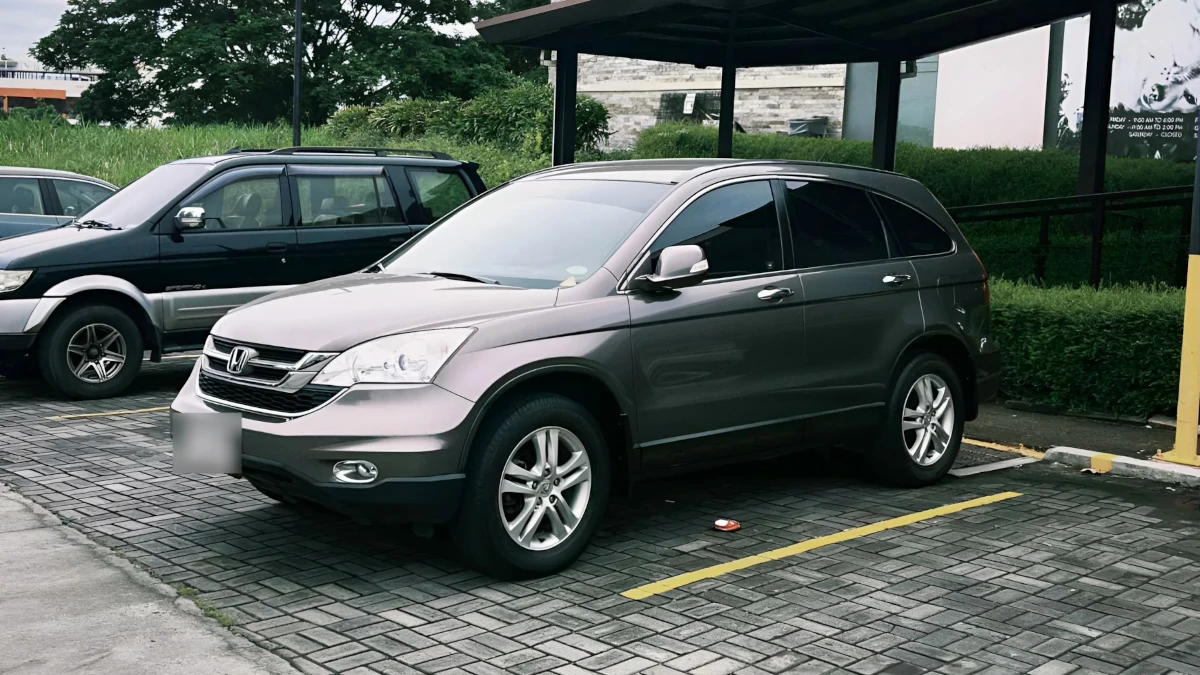
The third-generation perhaps laid down the framework for the modern CR-V. Unveiled in 2007, it had a more wagon-like design with softer lines and curves. It also lost its tailgate mounted spare wheel, the pop-out glass hatch, and the picnic table. Also, it was no longer assembled in the Philippines and, instead, sourced from Thailand. At least the vertical tail lights were still present.
By this time, the CR-V became more like a station wagon on tall tires than rough and tumble SUV. Then again, people don’t really take SUVs like these on the trails, but all-wheel drive was still available. But because of the new direction, it made this crossover a whole heap more practical than its predecessors, and there were even neat little details that made it such a great family shuttle.
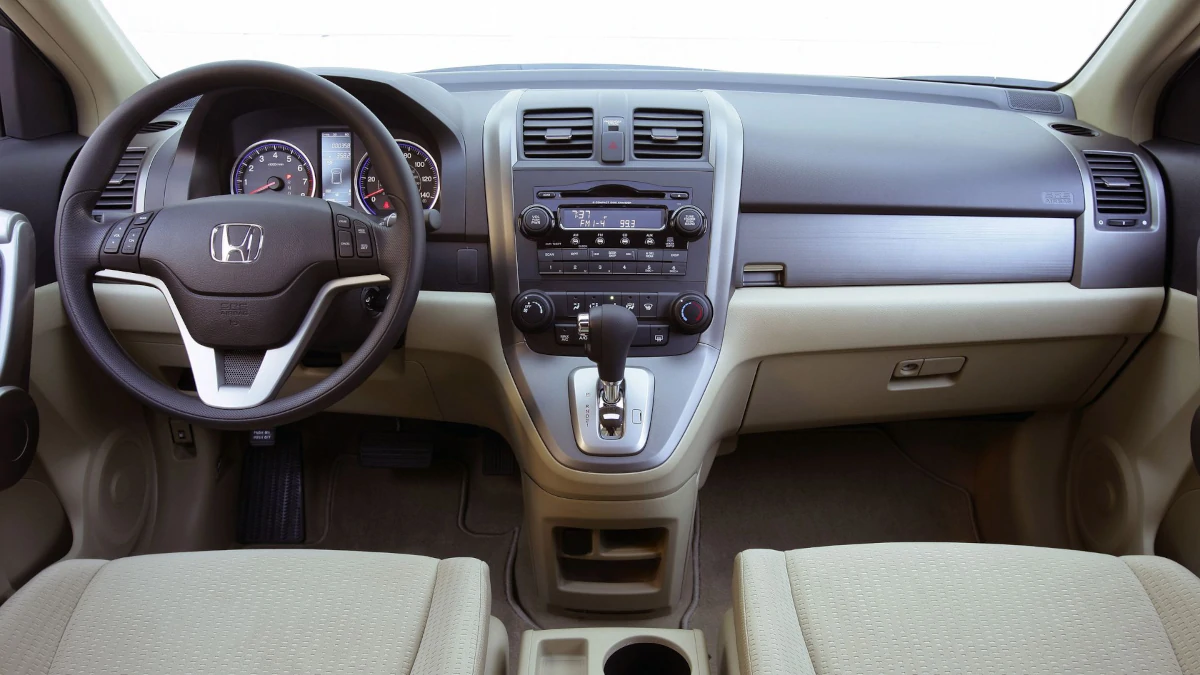
Honda maximized its floor space, giving it a lot more legroom and headroom than before. The flat floor also did wonders for cargo space, and there was also an accessory (standard for PH-spec AWD variants) that split the cargo area to give it two levels. The tailgate finally swung upwards, making it easier to load things in tighter spots. But it was the 90-degree opening doors were a godsend for parents who needed to put child seats in and out of the vehicle.
For engines, the 2.0-liter was now from the R-Series family (R20A2), but power was still rated at 150hp and 190Nm. The 2.4-liter still used the K24A, although power rose to 168hp, but torque was still at 220Nm. The latter was only available with all-wheel drive.
A mild evolution
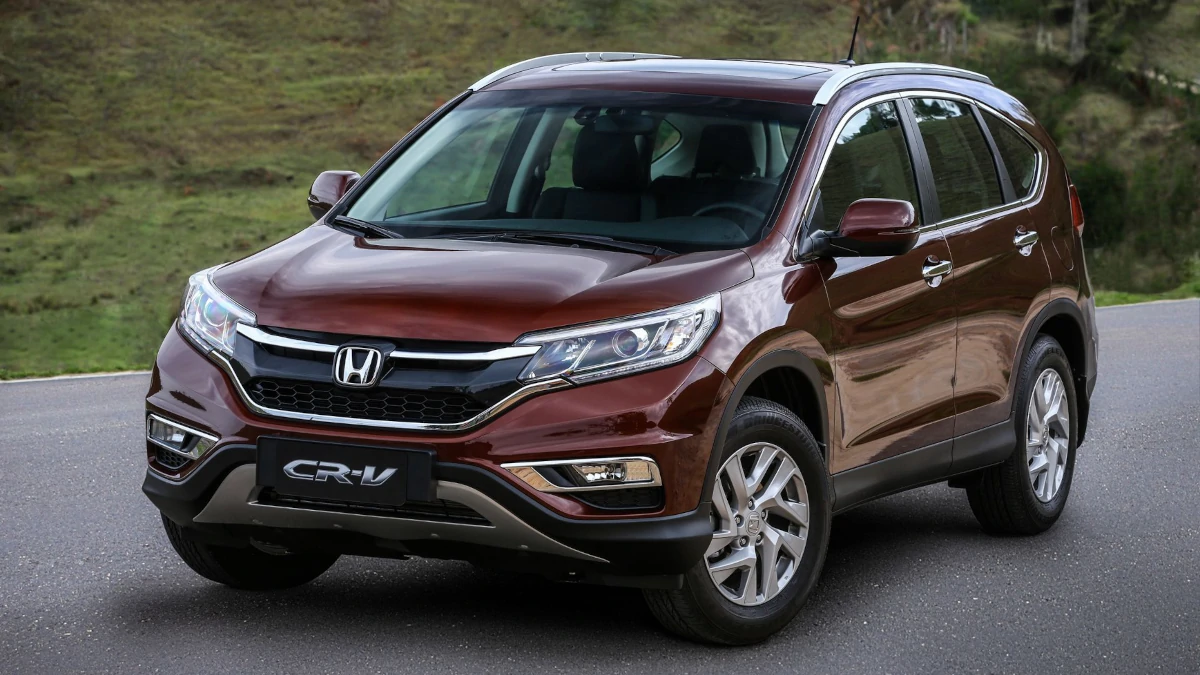
Whereas the third-generation was a massive leap from its predecessor, the fourth-generation was a small evolution from the prior model. One has to remember that the fourth-gen CR-V was developed during the global recession that kicked off in 2008, and the design and specs reflected that.
One might mistake it for a heavy facelift of the previous generation, but there was a lot of new things about the 2012 model. The interior was given an overhaul, and it rode noticeably better than before. While not the most exciting car to drive in the world, the appeal of the fourth-generation CR-V was in its practicality. Despite minimal changes to the exterior dimensions, this model managed to find even more space inside.
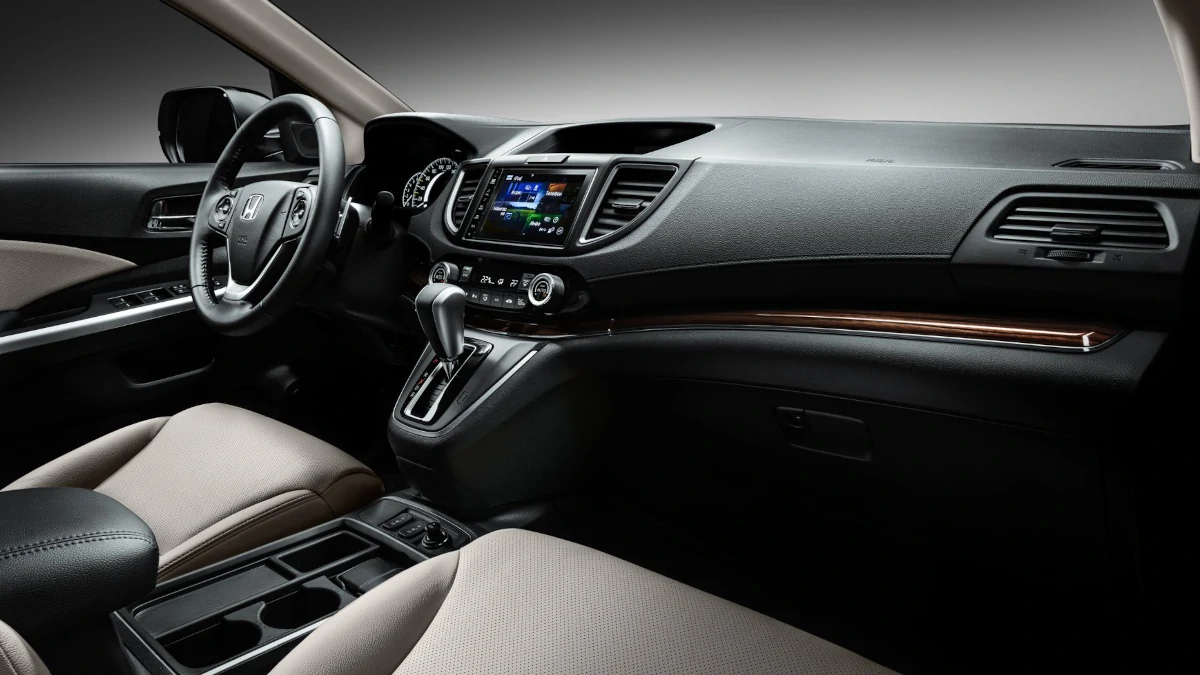
Like before, there were 2.0- and 2.4-liter engine options with the latter coming standard with all-wheel drive. For the 2.0-liter, power figures were the same as before, meaning 150hp and 190Nm, but the 2.4-liter got a healthy boost of 182hp.
Hello diesel, goodbye
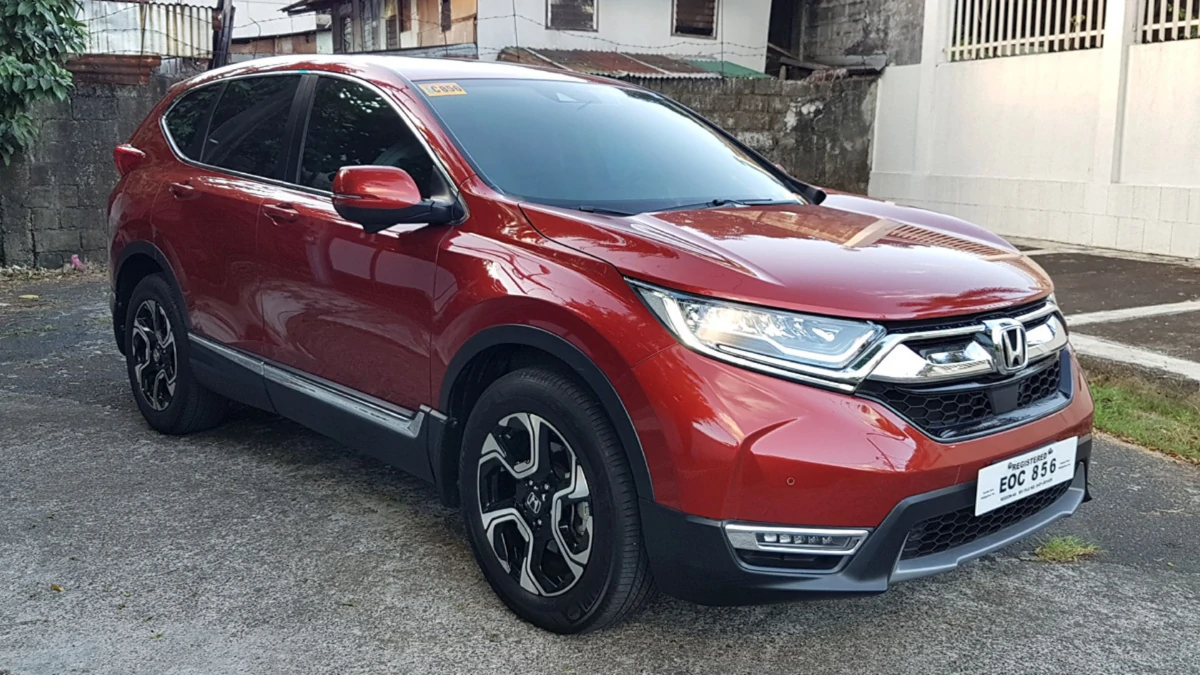
Honda had offered diesel engines for the CR-V since the second-generation model. However, it would take over a decade before the Philippines got its hands on it with the fifth-generation model. Finally, most said.
The 2017 model also cemented the car’s further push upmarket. The cabin was plusher and there was a barrage of new tech available. It would also become the first mainstream Honda model in the country with advanced driver assists.
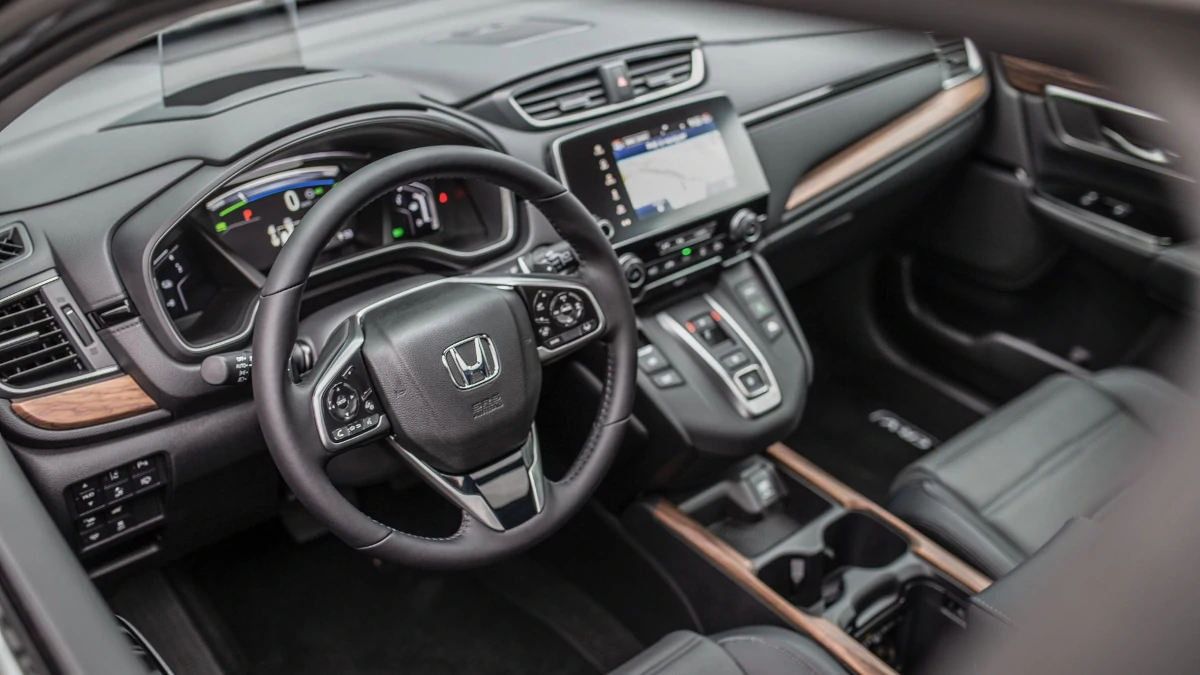
But really, it was the diesel engine that was the main highlight of the fifth-gen CR-V. For the longest time, the CR-V had a reputation for being a bit of a gas guzzler. The 1.6-liter i-DTEC engine banished memories of that, doing over 10km/L with little effort involved even in heavy traffic. It wasn’t fast, mind, as it only had 118hp and 300Nm.
Still, its sales reflected that it was the right move to give it a diesel engine. It took a long time to bring it to the country, but it was worth the way. Which is why Honda decided to totally stop producing diesel engines after this generation of CR-V.
Wait, what?
Electrified
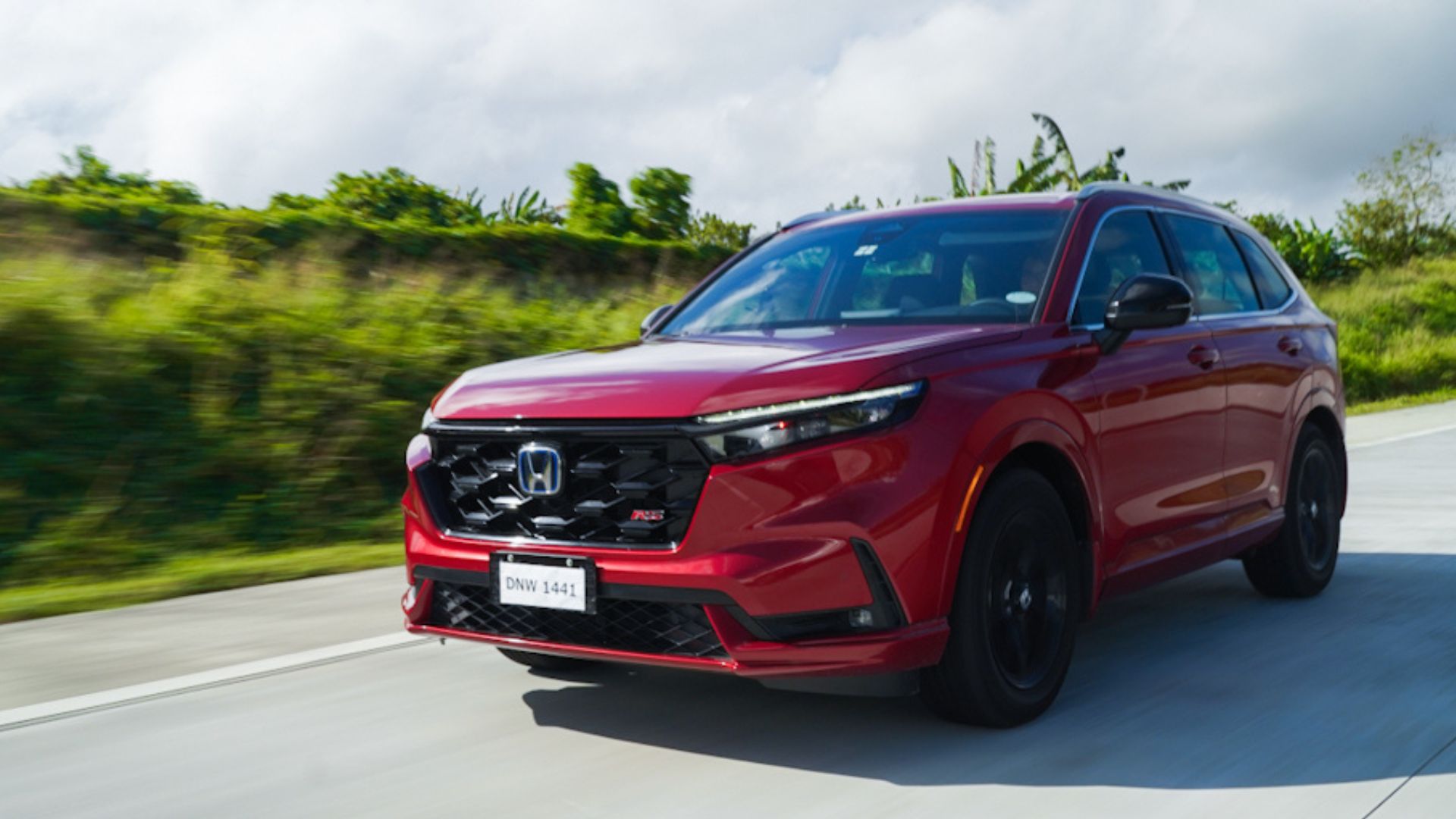
We’ll make one thing clear, Honda had already electrified the CR-V in the previous generation. But it’s only now that more markets are getting the hybrid version. While there are those who lament the loss of the diesel engine, we say try the hybrid first before you judge.
But for those who still prefer pure internal combustion power, they’ll be pleased to know that it now has a 1.5-liter turbo, effectively replacing both the old 2.0-liter and 2.4-liter engines and more powerful than both. But regardless if you go for the 2.0-liter hybrid or 1.5-liter turbo, you get either 187hp or 204hp. No complaints there.

The gas-fed models are nice to drive, and the all-wheel drive model isn’t even that thirsty. Sure, it didn’t sip like the diesel, but it’s pretty efficient for the power output and heaps more refined. The all-wheel drive model is our pick of the turbo models, if you ask us.
But really, the hybrid is a revelation. We wouldn’t call it totally sporty, but the immediate response of its electric motor makes overtaking nearly effortless, at least in the local setting. With the efficiency and performance it offers, we really don’t miss the diesel anymore, to be honest.
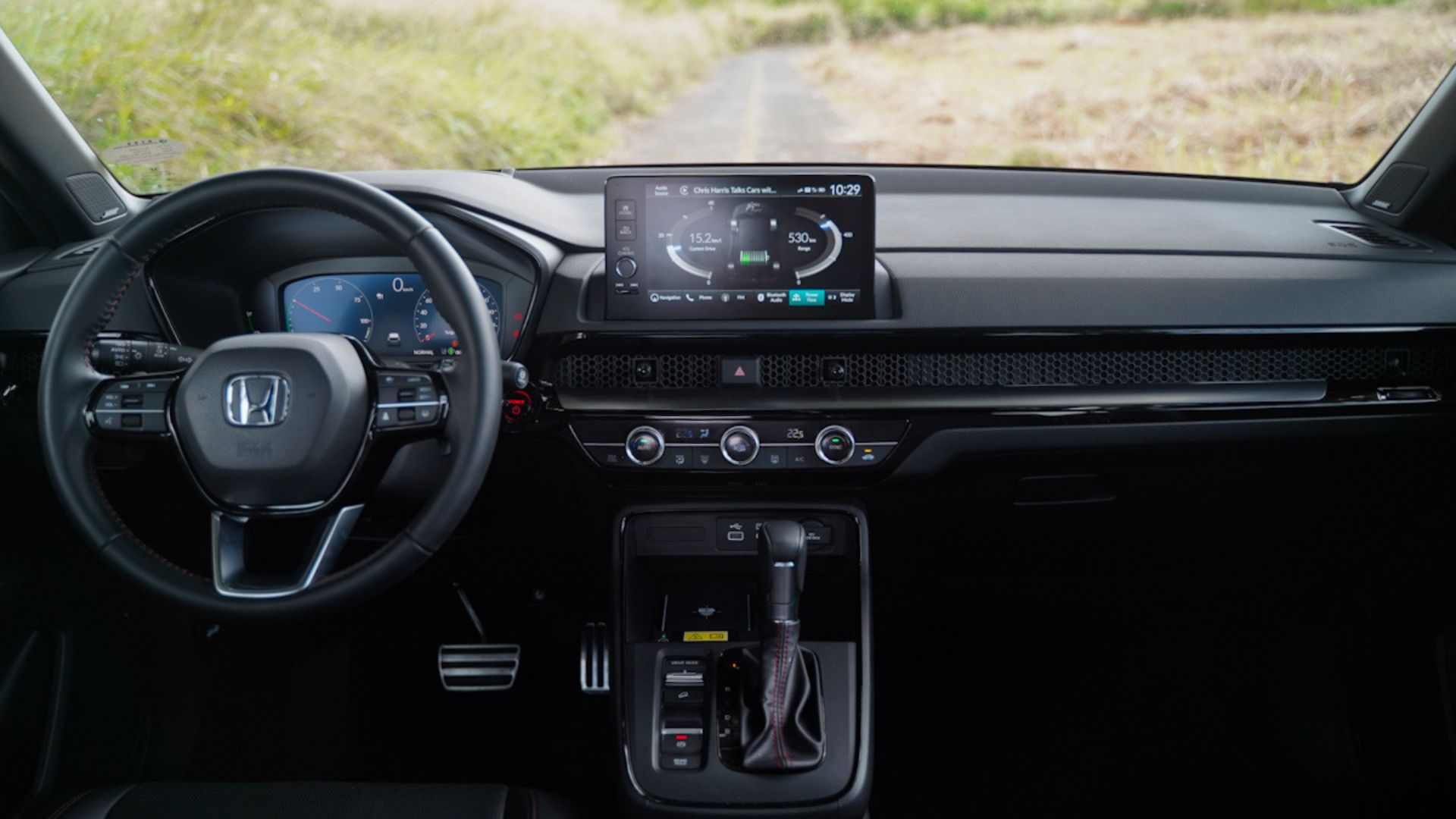
There’s also more tech in the latest model. Remember, the first-generation model didn’t even come with anti-lock brakes, but this one has an entire barrage of sensors for Honda Sensing, its advanced driver assists, along with a whole host of airbags, and a comprehensive infotainment system. We were happy with a CD player not that long ago.
Through the years
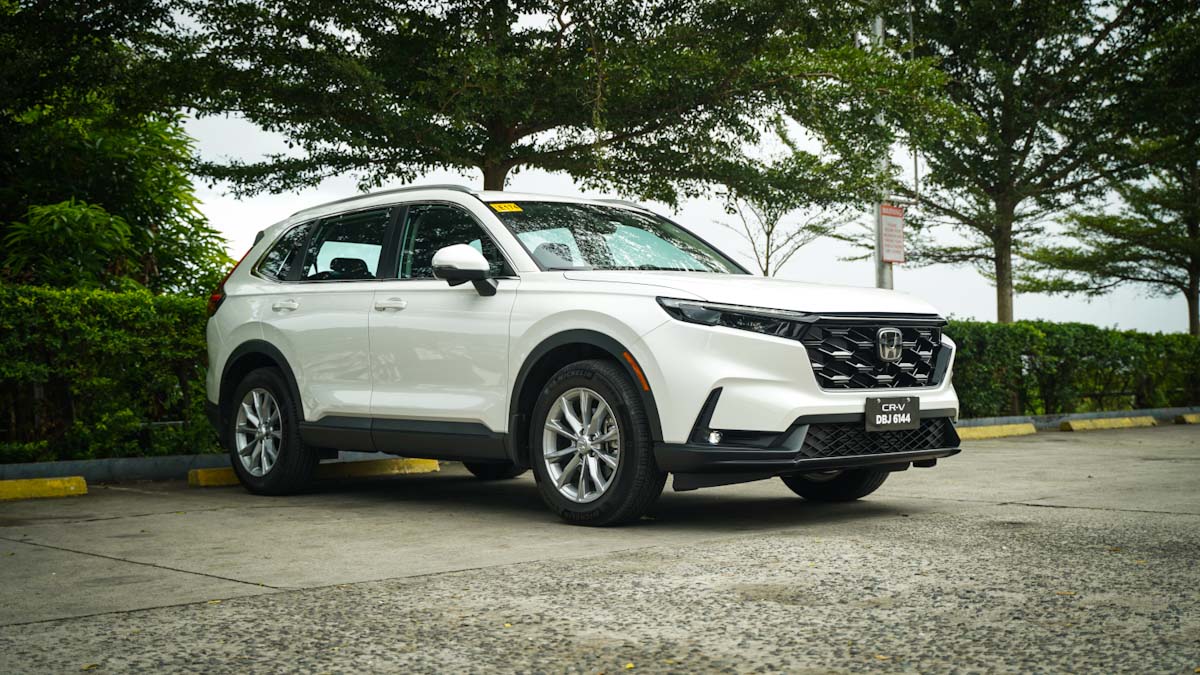
The CR-V has come a long way since 1995. The original model may be overly basic by today’s standards, but it kicked off a revolution in the automotive industry. Like it or not, SUVs are the dominant body style these days, and the CR-V was there from the start.
Over time, it adapted to ever changing times, going from a lifestyle-oriented vehicle to well-rounded family car and more. It’s moved forward in terms of tech, efficiency, safety, and power, but it’s still a familiar feeling every time you step in one. There’s a homey feel to them, even after several generations.
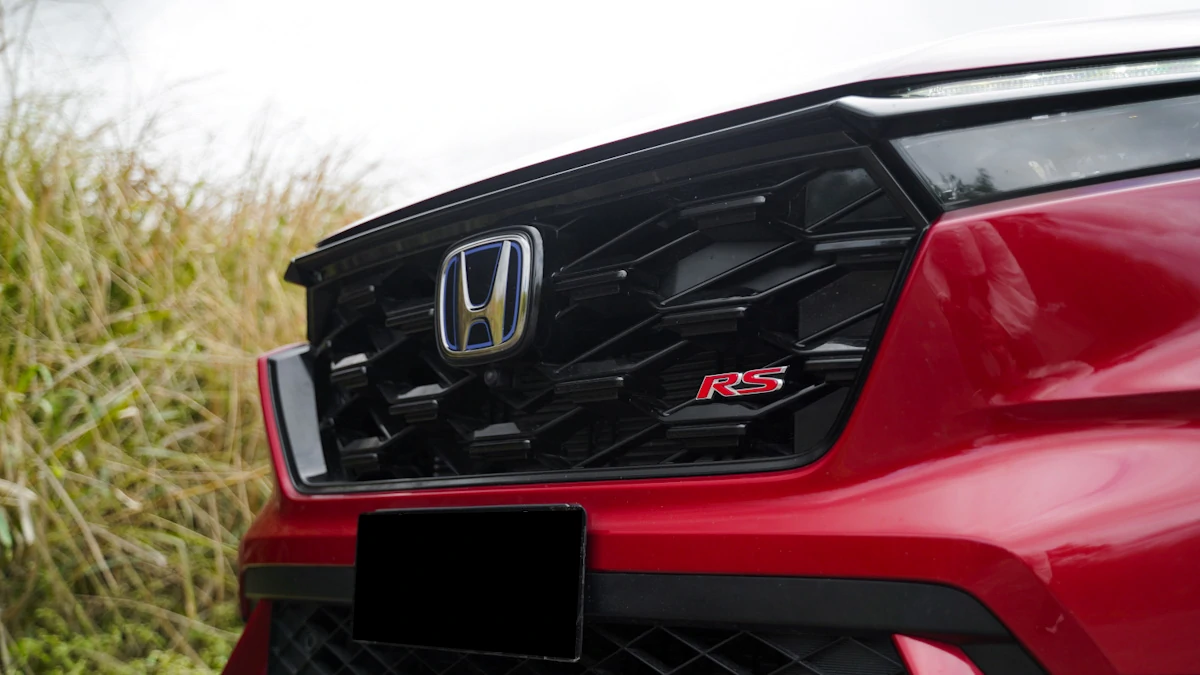
No car is perfect, and the CR-V isn’t exempt from that. It’s not a sporty drive, and there are plusher and more high-tech cars out there. The thing is, it will thoroughly impress you because of its sheer competence. It’s been that way for the last 30 years, and we have little doubt that the next 30 will still be as strong.