Honda e-N-what?
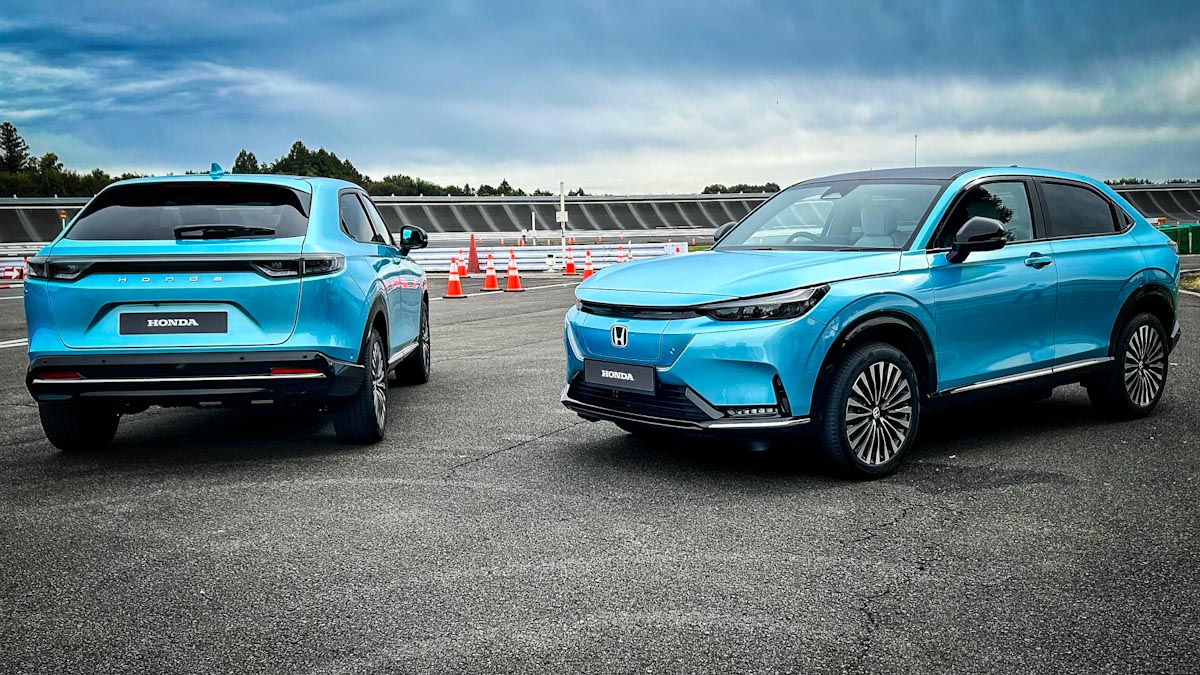
It’s the e:N1, Honda’s first-ever electric SUV and soon-to-be second-ever electric vehicle in its lineup after the famed Honda e. We recently went on a trip to the Honda R&D Proving Ground in Tochigi, Japan and we were able to get behind the wheel of this vehicle.
Before we move on, take note that we drove the e:Ny1, which is the same vehicle only it features a right-hand-drive configuration as this is the Europe-spec version. Don’t be confused.
Okay. Damn, it looks like an HR-V.
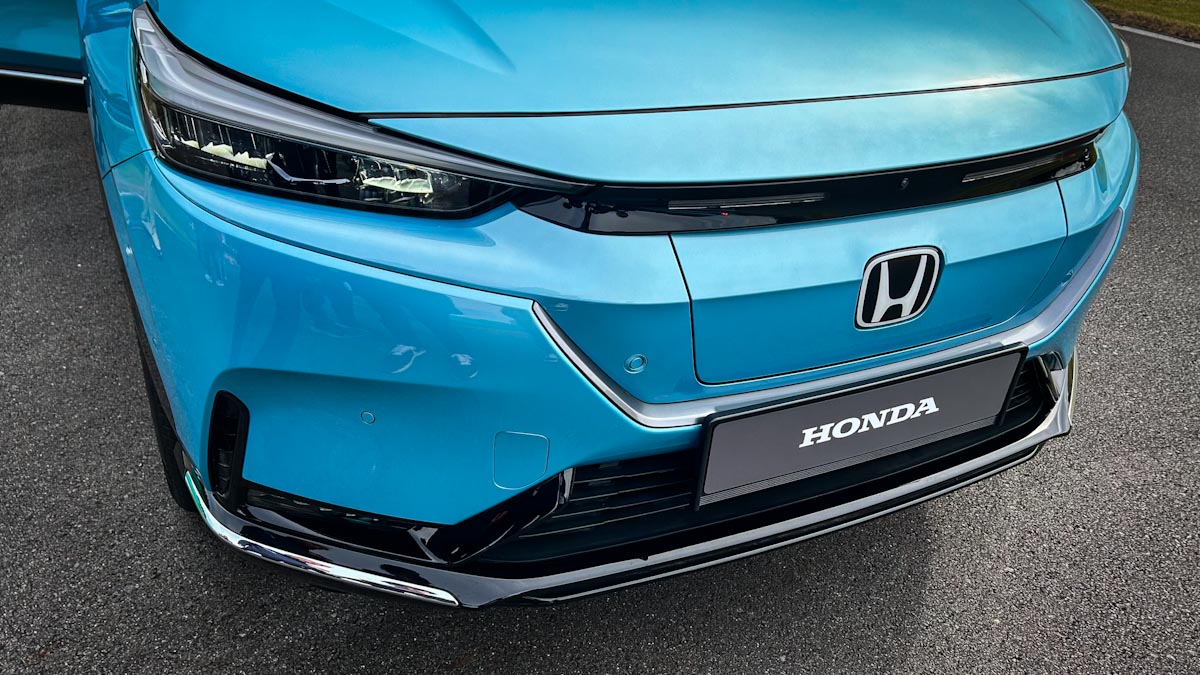
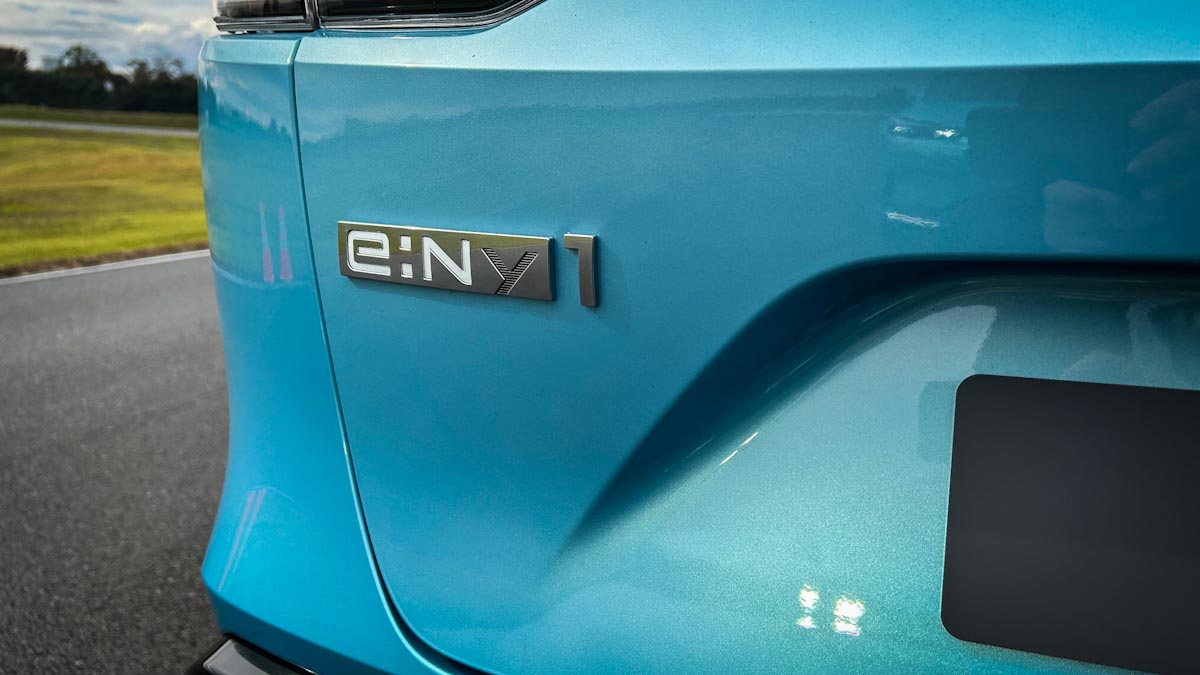
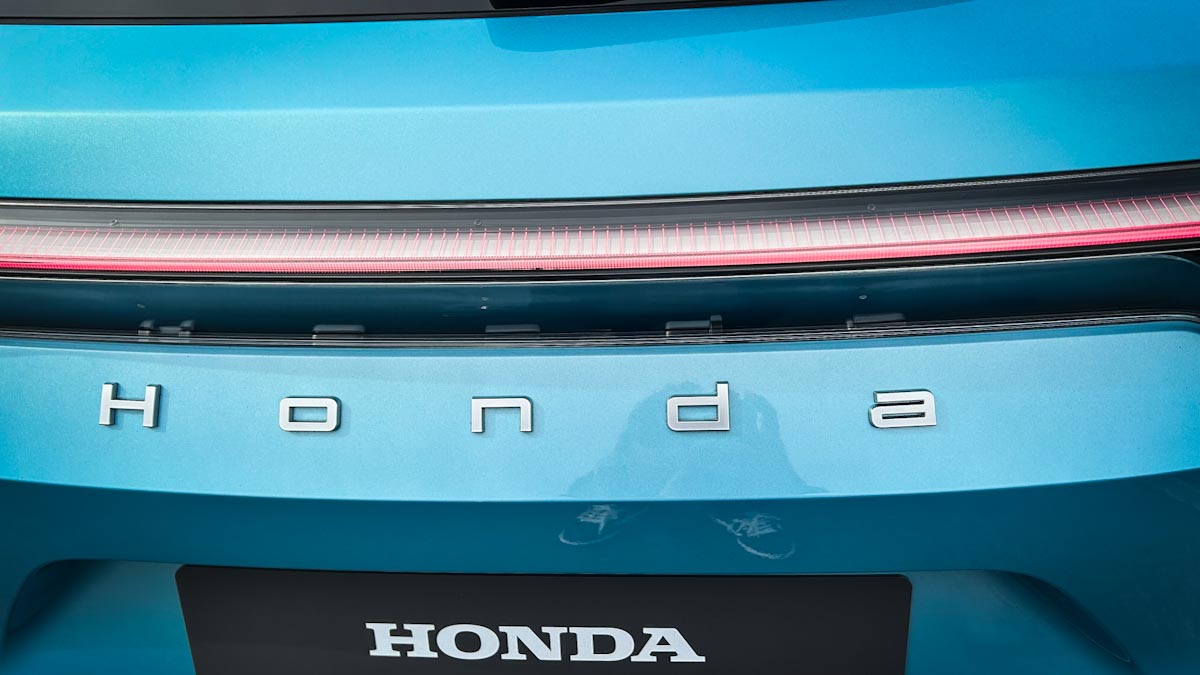
It sure does, but it’s very much not an HR-V. While it does share similar design cues as that crossover we Filipinos are familiar with, it’s an entirely different vehicle, and some exterior elements indicate so. For one, its badges are white—it’s Honda’s indicator that a car is electric.
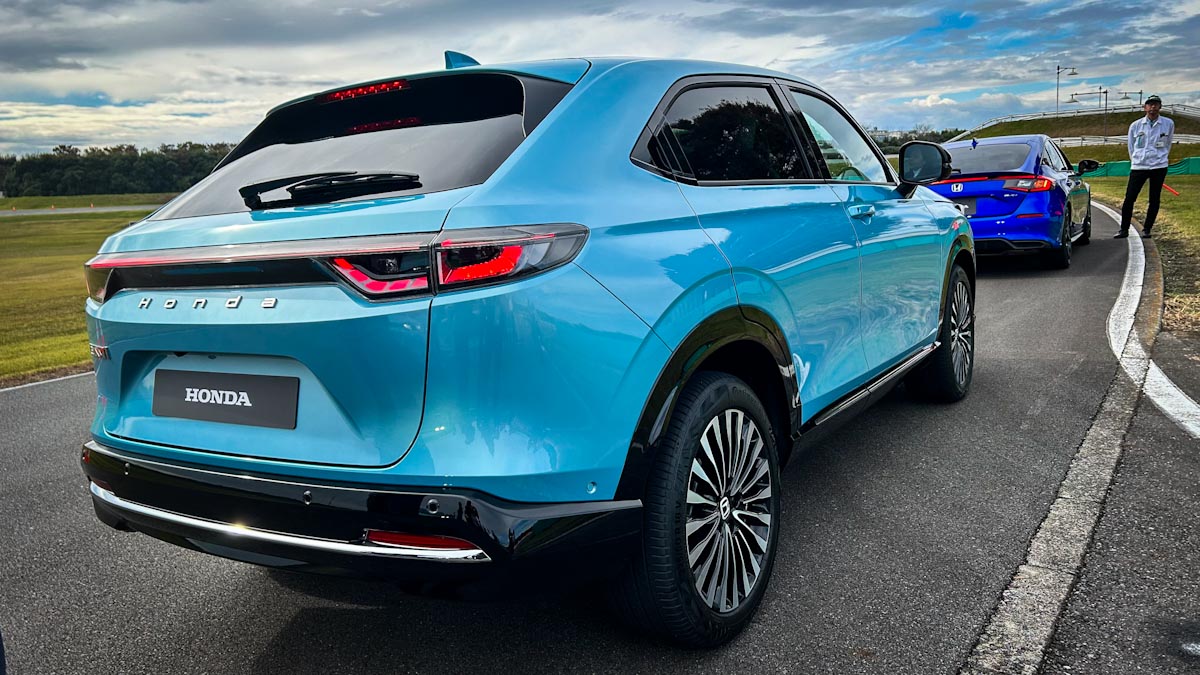
In addition to that, you’ll see something very different at the rear—there’s an embossed Honda badge on the liftgate, similar to what you see in the e and the Prologue. Very much electric, then.
OTHER STORIES YOU MIGHT HAVE MISSED:
JMS 2023: Honda revives the Prelude as a sports car concept
Honda to begin testing its futuristic handsfree mobility device
How does it look on the inside?
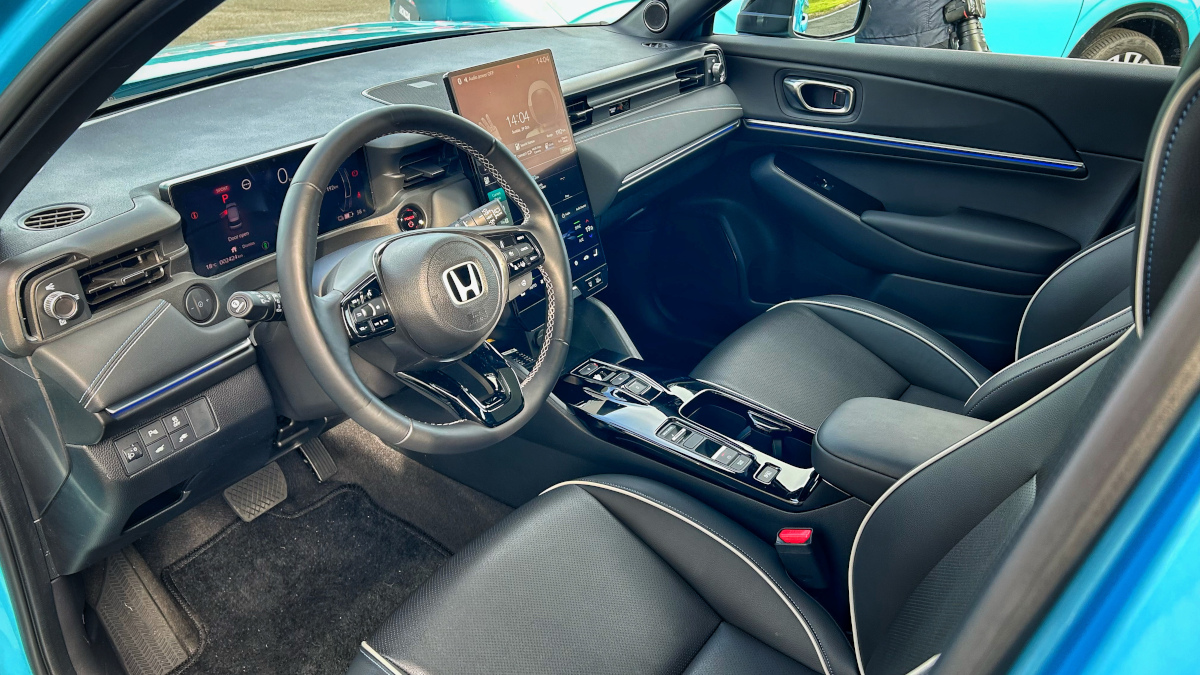
Frankly, I didn’t have the chance to really take in the interior. We were only able to spend a very limited amount of time with the cars, and the constraints had me focusing more on the drive than on the cabin. Nevertheless, I did notice a few things.
One is that there seem to be a lot of screens. I wasn’t able to fiddle with them, but I did keep seeing the infotainment system throughout our laps around the short track. By the looks of it, the large center-mounted display is more informative than any OE Honda head unit we’ve ever seen. The rest of the dashboard, however, looks very familiar.
The seats—well, at least the driver’s—are pretty comfortable as well. There’s good cushioning and enough bolsters to hold me in place whenever I tried to corner a bit at speed during our test drive.
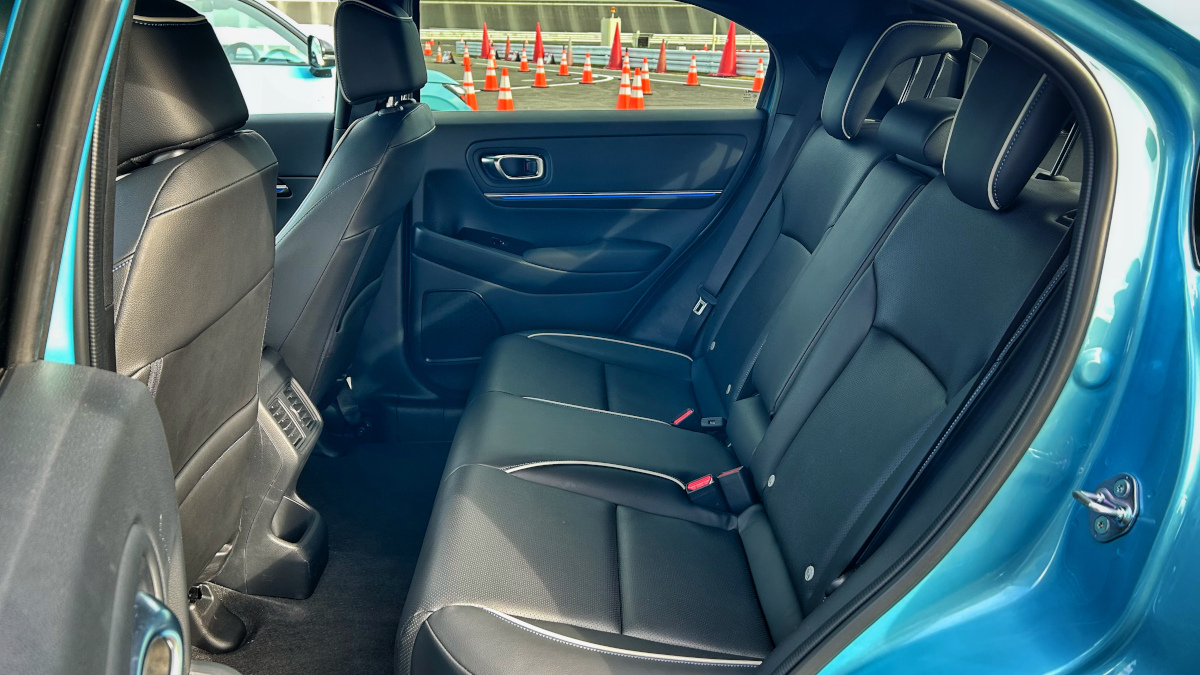
Anyhoo, the next time I’m able to sit inside the e:N1, I’ll be sure to check how much room each passenger actually gets, because the vehicle’s layout supposedly allows for impressive cabin space.
Very well. Tell us about the powertrain, then.
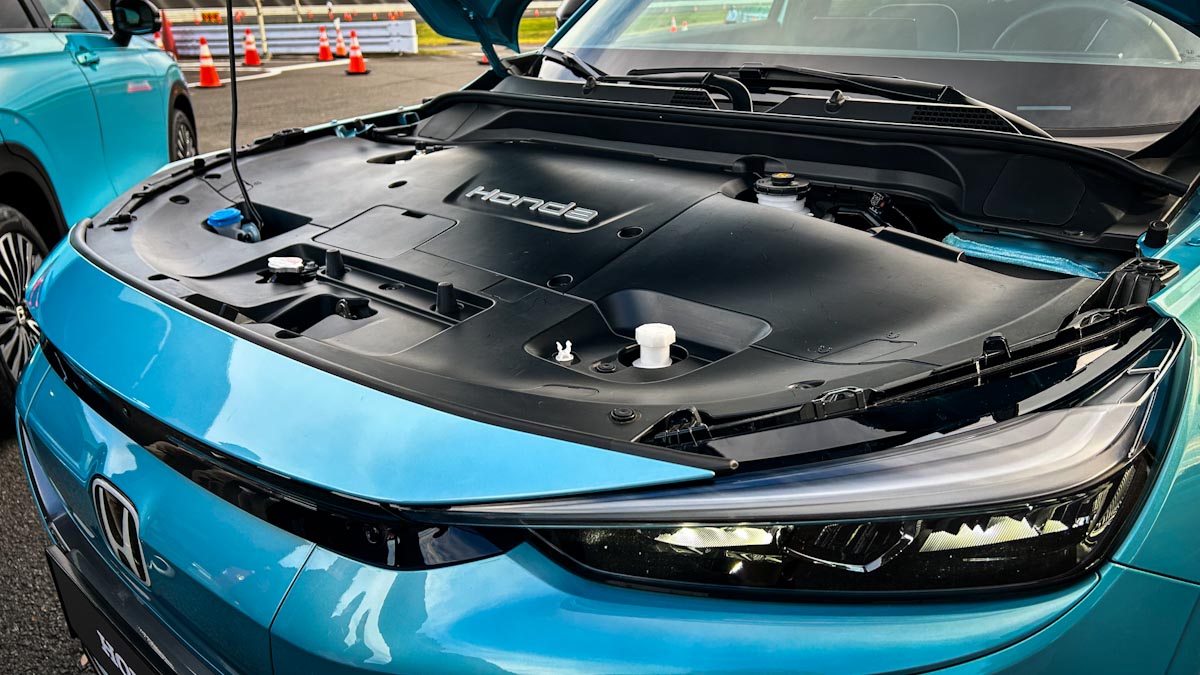
Ah, this one we can talk more about. The e:N1 is powered by a 68.8kWh battery that helps propel the front-driven motor that churns out a total of 201hp and 310Nm of torque. This setup allows an estimated maximum range of 412km on a single charge. And speaking of charge, the battery can go from 10-80% in just 45 minutes through DC fast charging, so based on some very rough math, you can get about 200km just by plugging your car in for half an hour. Not too shabby, eh?
But the powertrain isn’t the only highlight here. It’s the entire chassis that Honda really boasts about.
What’s up with the Honda e:N1’s chassis?
The e:N1 is built on the newly developed e:N Architecture F. This platform features a three-in-one integrated power drive unit, electric motor, and gearbox. This lightweight setup focuses on three things, according to Honda: “A dedicated high rigidity body structure, a low center of gravity, and carefully managed under-floor aerodynamics to ensure the SUV delivers a fun and confidence-inspiring drive.” And boy, what an exceptionally fun drive that is.
What’s it like to drive?
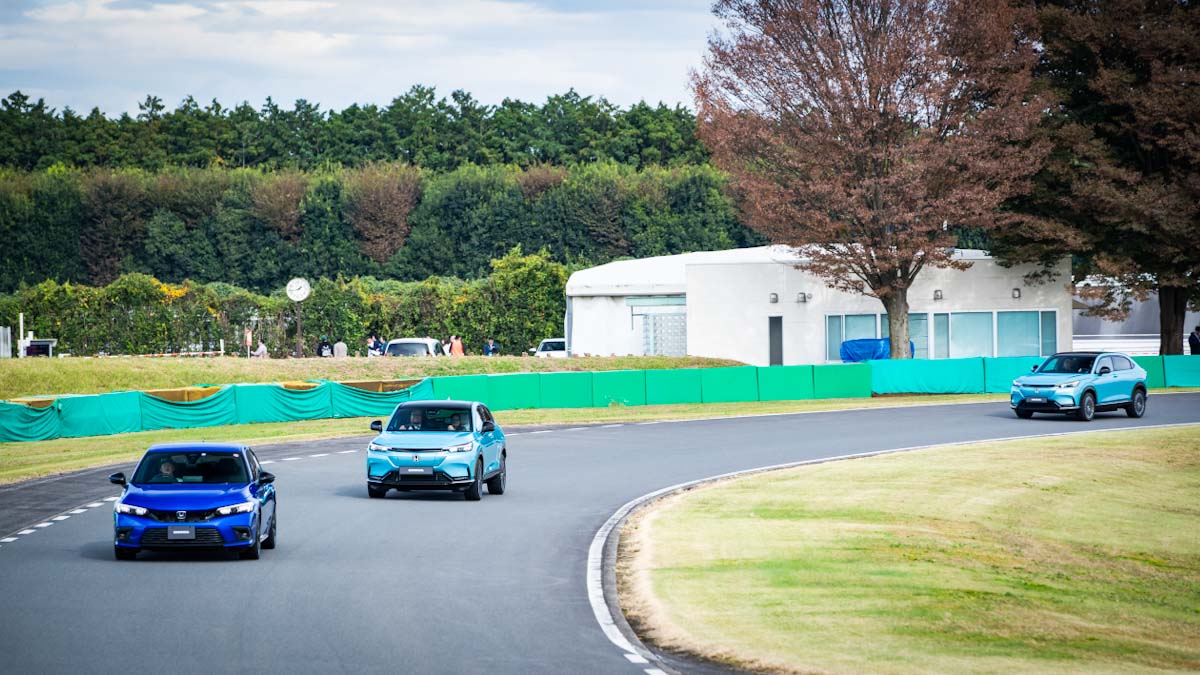
Now you’re finally asking the real questions. Honda was dead serious when it wanted to achieve a fun and “confidence-inspiring” drive with the e:N1, because that’s exactly how it feels from behind the wheel.
See, EVs usually tend to be pretty heavy, but the e:N1 feels anything but. It’s very light on its feet, and a simple press of the pedal shoots the car forward. You’ll definitely feel instantaneous electric propulsion when you floor it. Unfortunately, we weren’t able to go flat out with this because not only was the track short and had a shortage of open straights, but also the lead car during the test drive was sandbagging a bit—perhaps to prevent the overly eager media personnel like myself from going ham with the vehicle.
That said, I was still able to try taking some of the corners at speed, and it was a pleasant surprise. Thanks to the bottom-heavy configuration and the vehicle’s low center of gravity, there’s little body roll when tackling winding roads. Really promising stuff. The steering also feels somewhat precise, although I’m not sure how it’ll respond when going all out through the track we drove on.
Then again, it doesn’t matter, because the vehicle was built as an efficient and practical urban runabout, not as a track toy. The 200+ horses and 300+ Newton-meters of torque do look like they’re a lot fun to maximize, but I reckon they’re only there to make sure you have enough pulling power when you need it.
When is this launching in the Philippines?
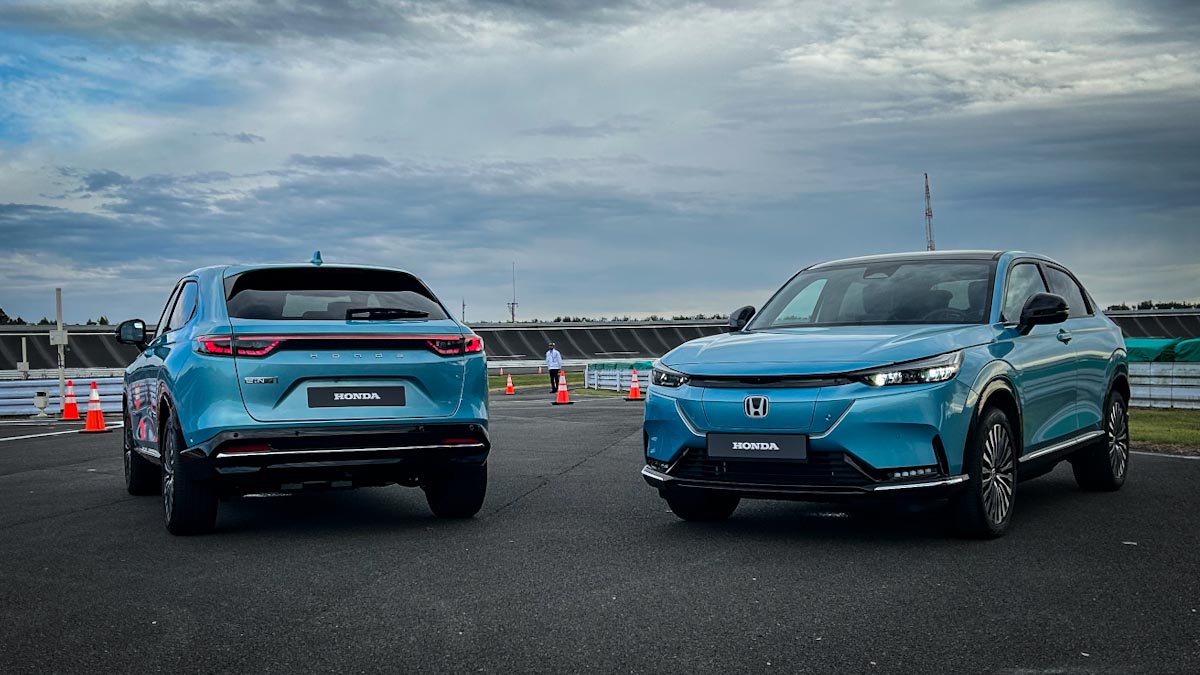
Hold your horses now, folks. Obviously, other markets will get first dibs, so there’s that, but as of this writing, this isn’t even available for purchase just yet. So put your questions on hold for now, because it’ll take a while before we see this in our market.
Having said that, it’s still exciting to think that this could be a glimpse of Honda’s first electric car in our market. We already missed our chance with the e, and that’s okay—that might not have been a good fit for our market, anyway. But considering how Filipino car buyers have gone crossover-crazy, a lot of them might see the e:N1 as an interesting proposition. It offers similar (maybe even better) utility as a typical five-seater, five-door SUV while promising exciting driving dynamics and decent ride comfort.
A potential hit? Quite possibly, but I’m still not so sure. All I know is that Honda is on to something here. If this is what the carmaker’s electrified future will look like, then I’d confidently say that it’s got a pretty bright one ahead.