Did you know that the deepest subway station in the world is roughly the equivalent of a 40-story skyscraper? Hongyancun Station in Chongqing, China, is a metro station located a whopping 116 meters below ground.
On a recent trip to China, we made it a point to check out the world’s deepest metro station and ride the train for fun, although it wasn’t part of our travel itinerary.
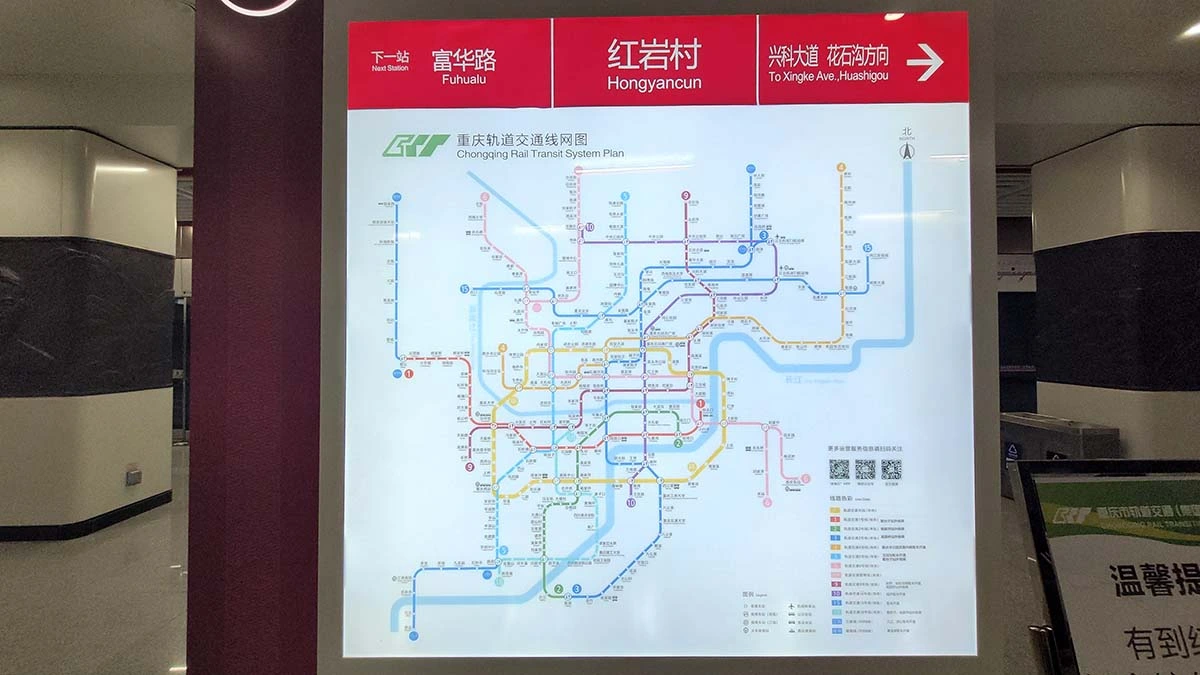
Experiencing efficient railway systems always feels like a novelty when traveling in other countries, and Chongqing’s train systems are an engineering marvel. Despite the city’s sprawling size and mountainous topography, the Chongqing Rail Transit has 12 lines with seamlessly connected stations.
In case you didn’t know, this mountainous megacity in southwestern China also has a monorail train that passes right through a 19-story residential building (Liziba Station). Chongqing, which is a prominent hub for electric vehicle production, also recently opened the largest railway station in the world.
So what’s it like riding a train from the world’s deepest subway station? Read on.
Exactly how deep is Hongyancun Station?
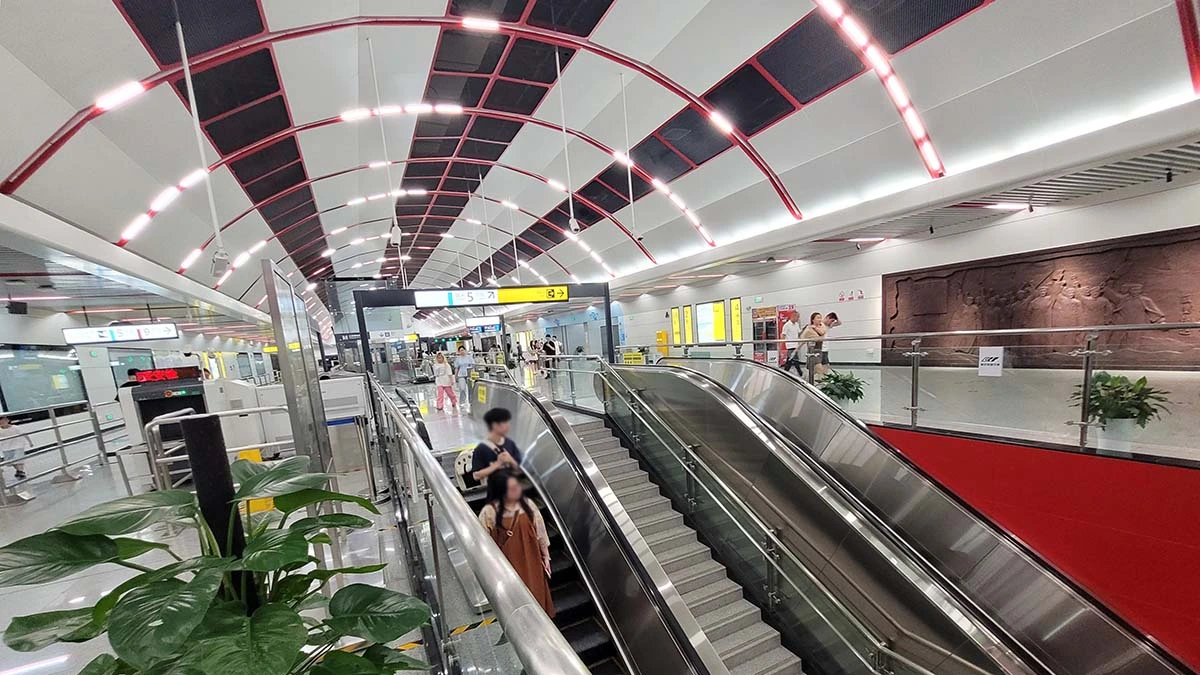
Most subway stations are usually located just a few stories beneath street level. For instance, the Metro Manila Subway, which is currently under construction, has tunnel depths ranging from 19 to 39 meters.
The deepest point of the Hongyancun Station on Line 9 of the Chongqing Rail Transit (CRT) lies a staggering 116 meters below ground, equivalent to the height of a 39-story building. Just imagine a building taller than London’s Big Ben (96 meters), or the 39th-floor observatory of the towering Umeda Sky Building in Osaka, Japan, but buried deep below ground instead.
This station, which opened in January 2022 in the Yuzhong District, is said to be exactly twice the depth of London’s deepest underground station.
OTHER STORIES YOU MIGHT HAVE MISSED:
‘Unified No Parking policy’ for Metro Manila to be finalized by September 1
NAIA lowers overnight parking to P600/day for four-wheeled vehicles of ‘verified travelers’
Why is the subway station so deep?
This station in the Yuzhong District is built into Chongqing’s steep mountain terrain, which required deep excavation to connect the city’s metro lines. Chongqing’s hilly topography makes its urban architecture unique from an engineering perspective.
Many modern buildings have multiple ground floors and levels with massive structures built against or into cliffs and mountains. One example is the famous Hongyadon Cave, a former defense fortress turned tourist hotspot. They have rooftop plazas like Kuixing Tower that resemble the ground floor on one side but drop down to the 22nd floor on the other end.
When did Hongyancun Station open?
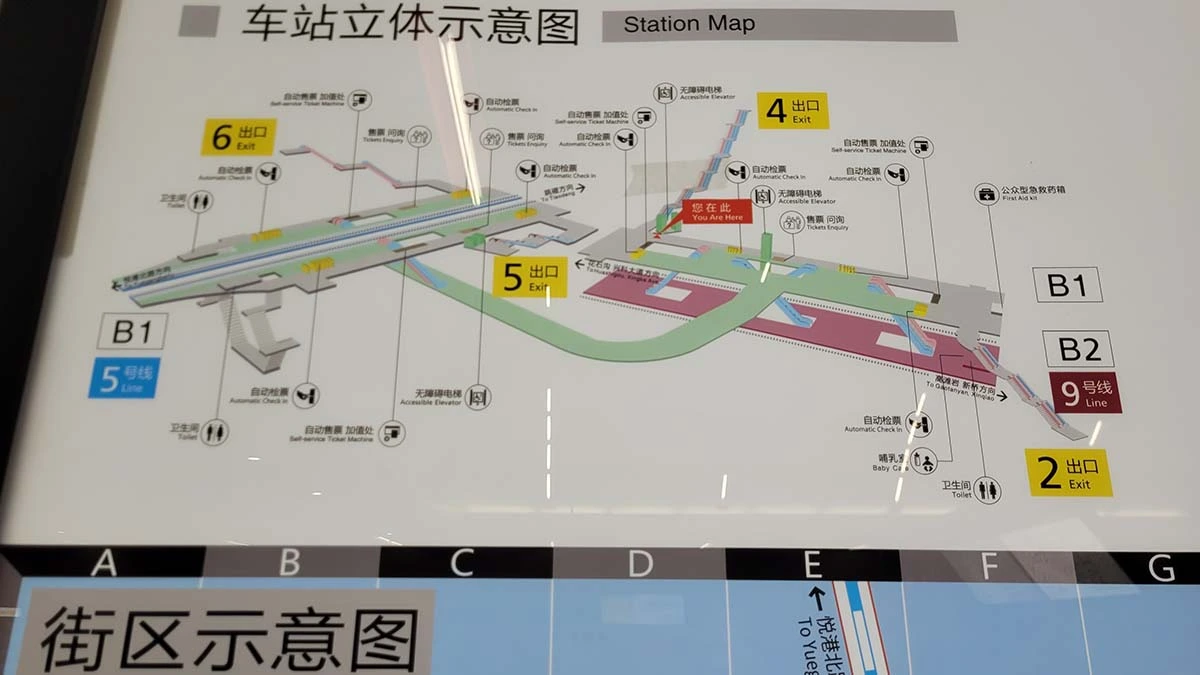
The station is relatively new. Officially, Hongyancun Station opened on Line 9 in January 2022 and has served Line 5 since November 30, 2023.
Amazingly, this station was completed only after 400 days of construction, according to local news reports. That’s just a little over a year! During its construction phase, it reportedly took workers 38 minutes to climb the stairs up from the station to the surface, which they likened to climbing a mountain each day.
How long does it take to reach the platform?
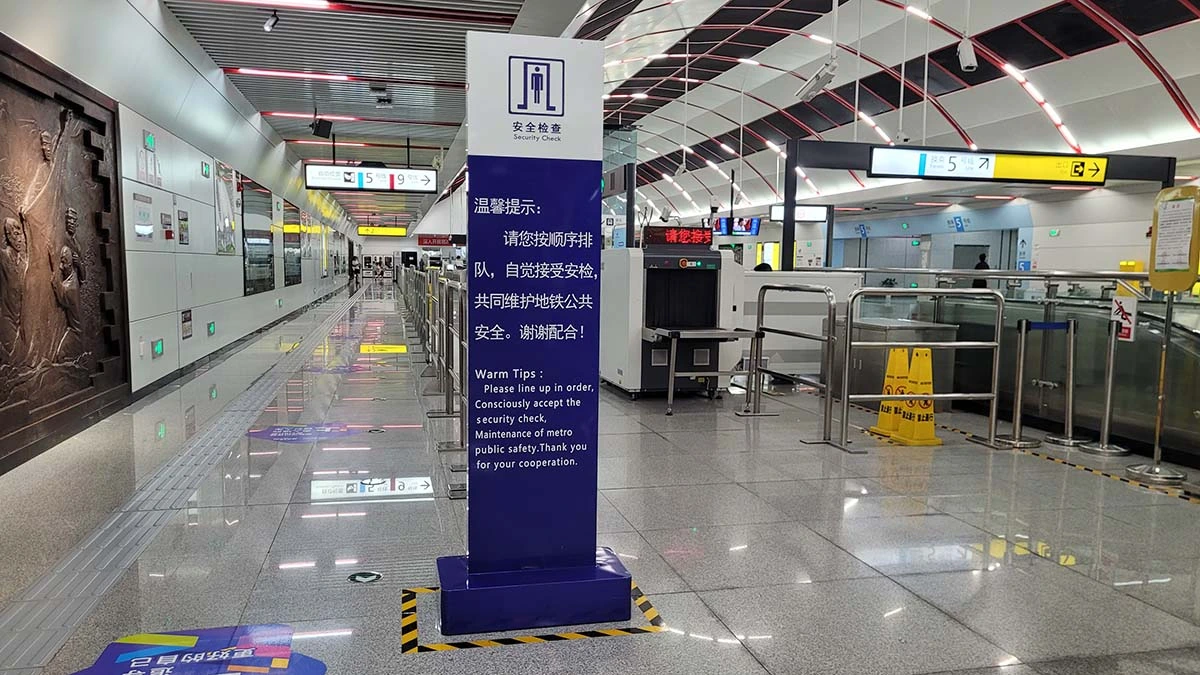
Hongyancun Station has two main entrances, numbered 2 and 4, with a significant vertical height difference of 141 meters. The entrances are quite far apart due to the station’s depth.
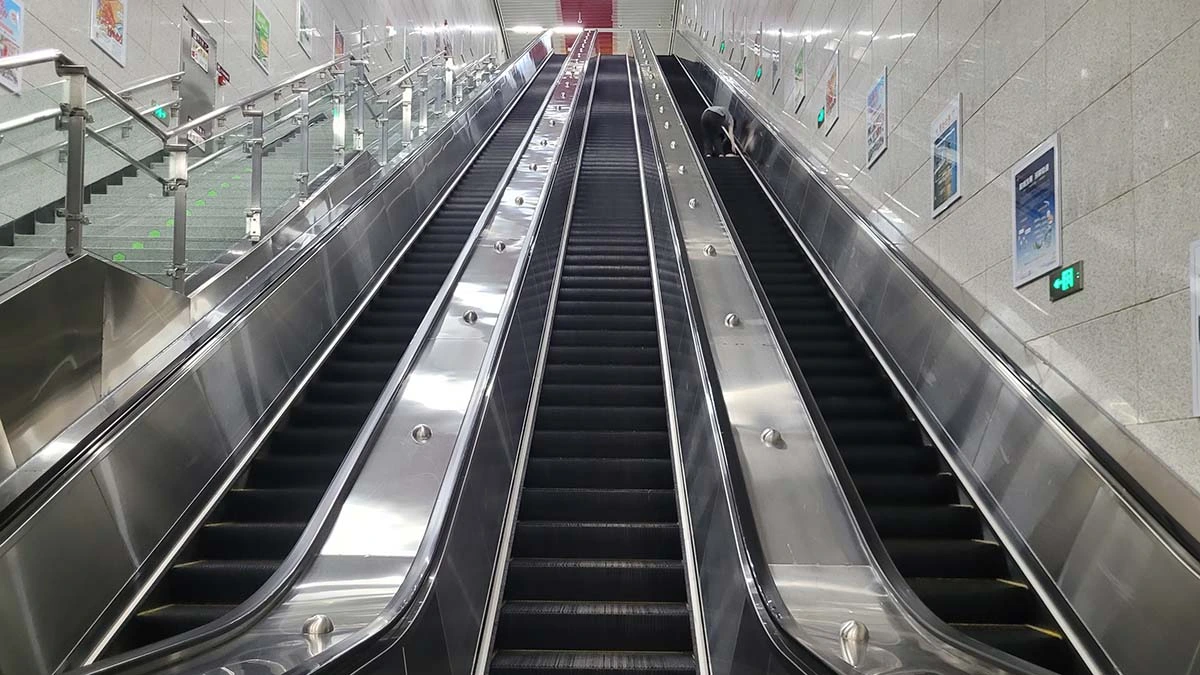
We went in via Entrance 4. To navigate the subway’s depth from here, passengers have to descend a seven-segment descending escalator from the ground level to the 116-meter station. We used the escalators, which can take as little as eight to 10 minutes to go down from the ground level to the main platform.
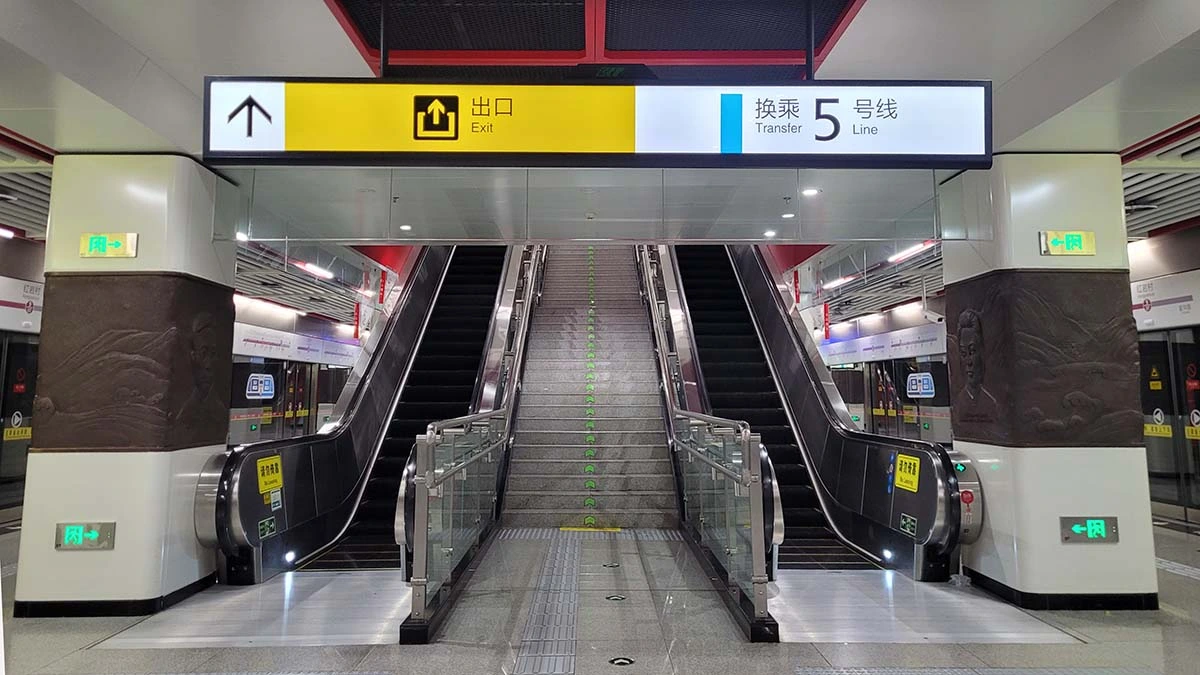
By elevator, it’ll take you less than 53 seconds to get down to the station from ground level. Some passengers who opt to whiz down through the elevator have even reported their ears popping due to the rapid pressure change. You could also try taking the stairs if you really want a workout.
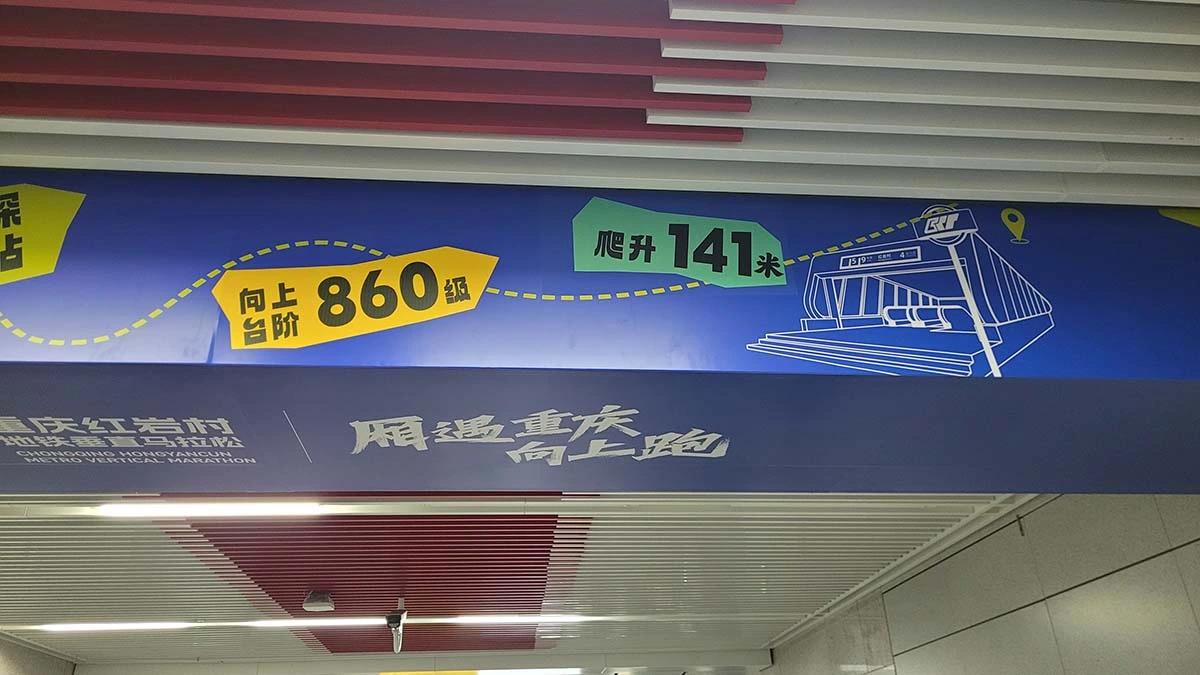
In fact, Chongqing hosts a Hongyancun Metro Vertical Marathon where runners race 860 steps of stairs with a 141-meter elevation gain between two entrances to celebrate this engineering marvel and experience the depth of the subterranean wonder firsthand.
So what’s it like riding a train from the subway station?
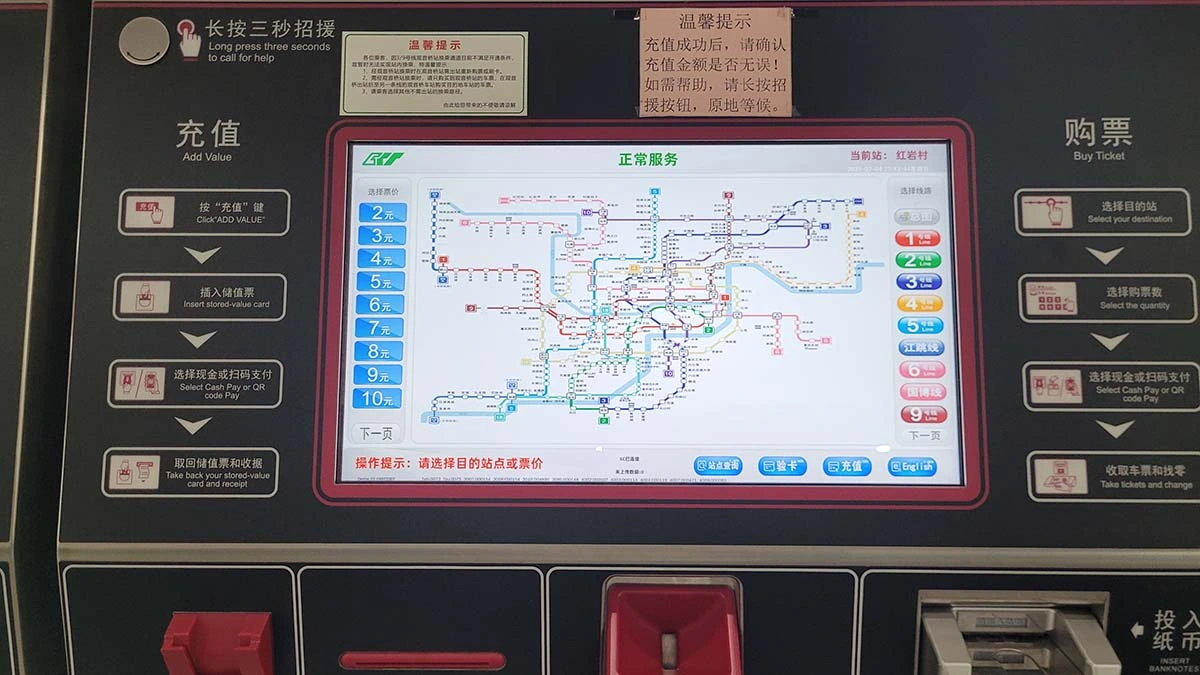
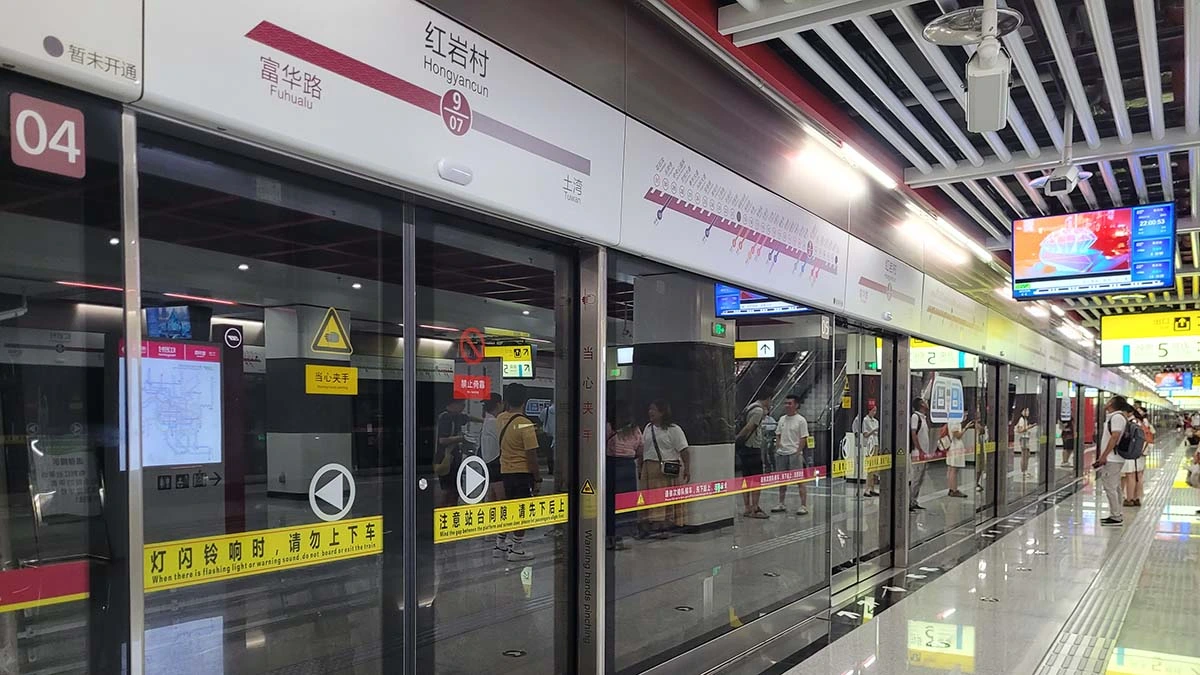
Since we were already inside the station after the long escalator descent, we decided we might as well ride the train to another stop nearer our hotel. At first glance, the train system looked overwhelming since the CRT operates so many lines covering a total of approximately 561 km of track, with more expansions planned.
But buying tickets and riding the subway is not that different from what you would experience with many other train systems around the world, featuring multiple payment methods for both locals and foreign travelers.
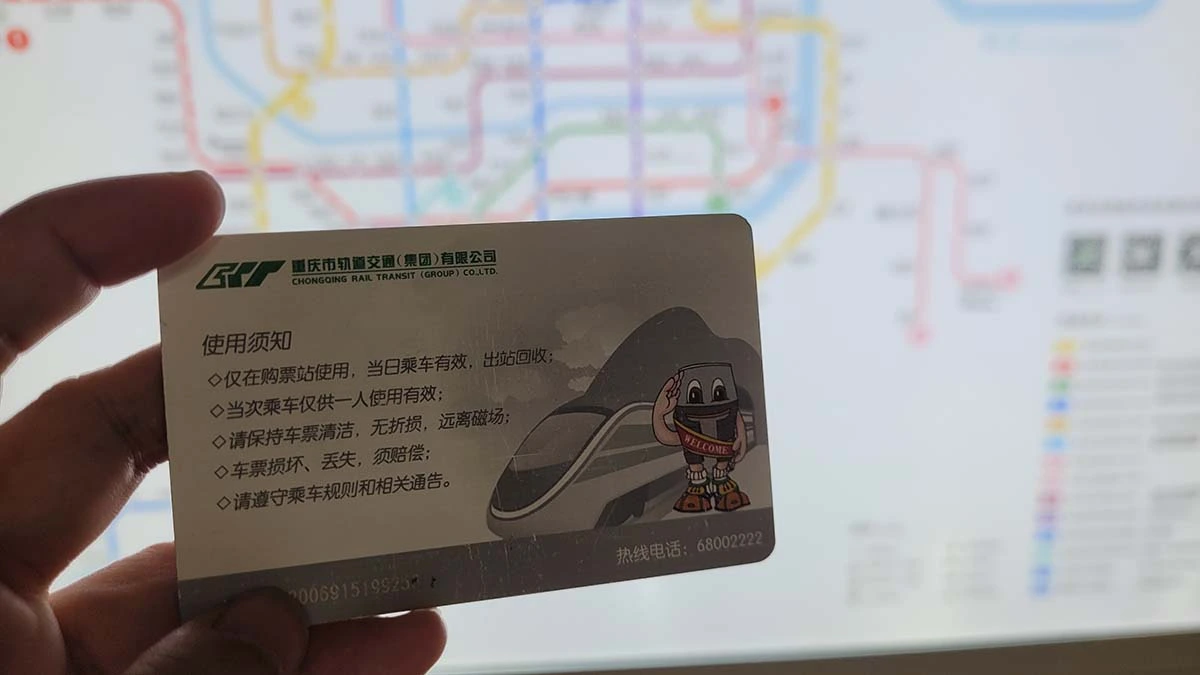
We got single-journey tickets from the automated kiosks that had an English interface and showed all the routes available. If you don’t have a Chinese-issued credit card, be sure to have coins and bills handy to use the machines. The fare is distance-based, typically around RMB2–10, with most charges capped at RMB7 or about P55.
It was a pleasant and comfy ride until we got to a stop that had a connecting line, then the whole cabin got filled up quickly.
As the world’s deepest metro station, Hongyancun Station has become a tourist spot, attracting curious travelers for its design and dramatic engineering. People come specifically just to “check in” at the station and try riding trains for the experience.
If you’re a fan of railway travel or happen to be in Chongqing, you might want to try visiting the Hongyancun Station and riding there for yourself. Experiencing their efficient and futuristic train system was an eye-opening glimpse into the possibilities of public transportation that we hope to experience in our lifetime back home.
Engineers, urban planners, and architects could learn a lot from Chongqing’s unique urban rail transit systems and subways, especially how the city integrates trains into dense urban environments and seamless travel.