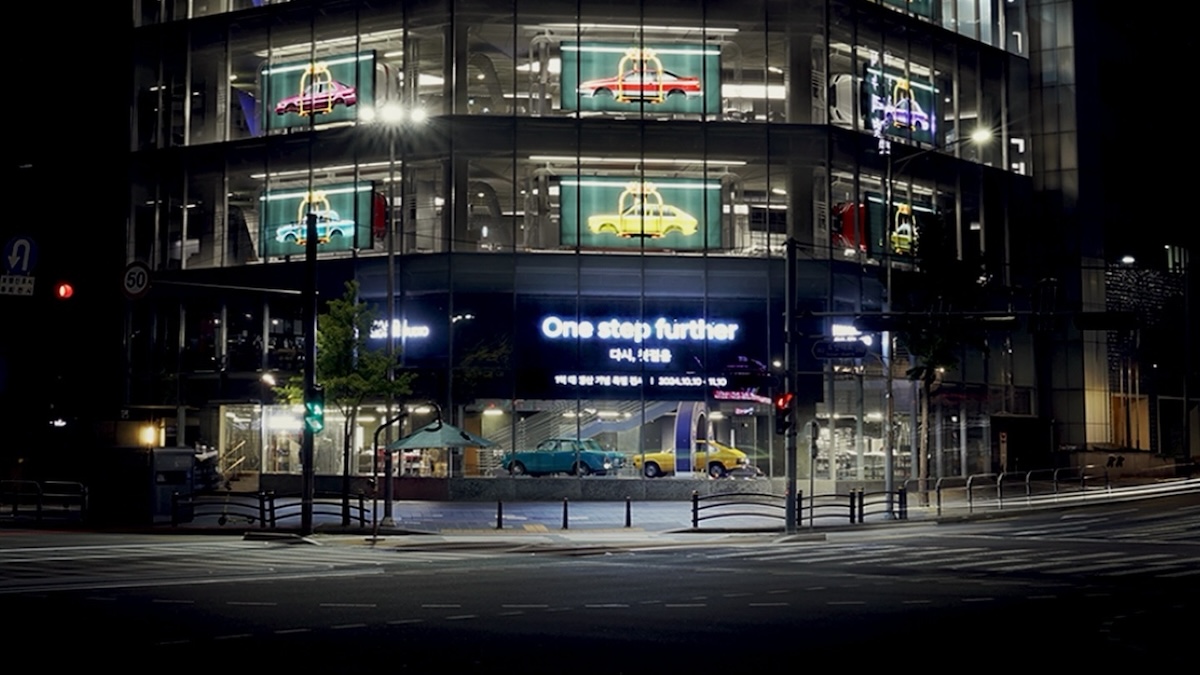
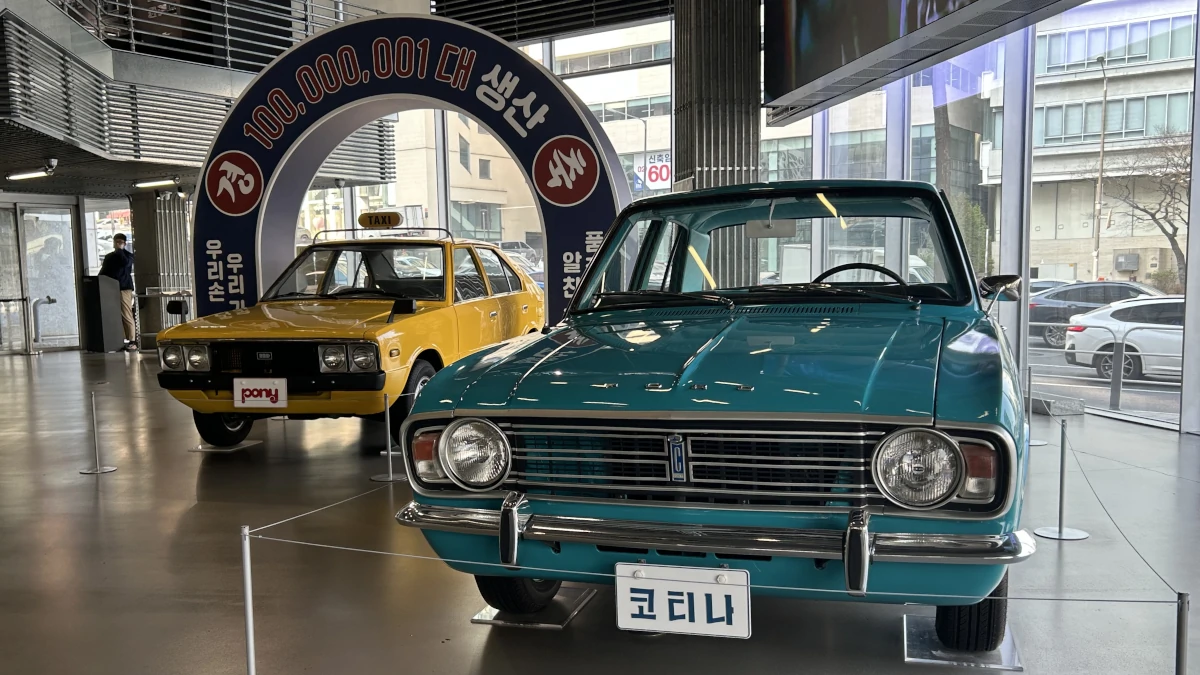

Rushing into Hyundai MotorStudio Seoul to escape the frigid bite of early spring air, I was taken aback by the blue car that greeted me in the atrium.
“What,” I thought, “is a Cortina doing here?” A first-gen Hyundai Pony in the yellow garb of a taxicab sat just beside the seemingly misplaced Ford sedan, assuring me I hadn’t entered the wrong place.
My knowledge of Hyundai was limited to the models we’ve seen on local roads, the N division, and a bit about the conglomerate’s business interests in other fields. I knew next to nothing about its car production history, but fortunately, the ongoing exhibit at Hyundai MotorStudio Seoul covered that very topic.
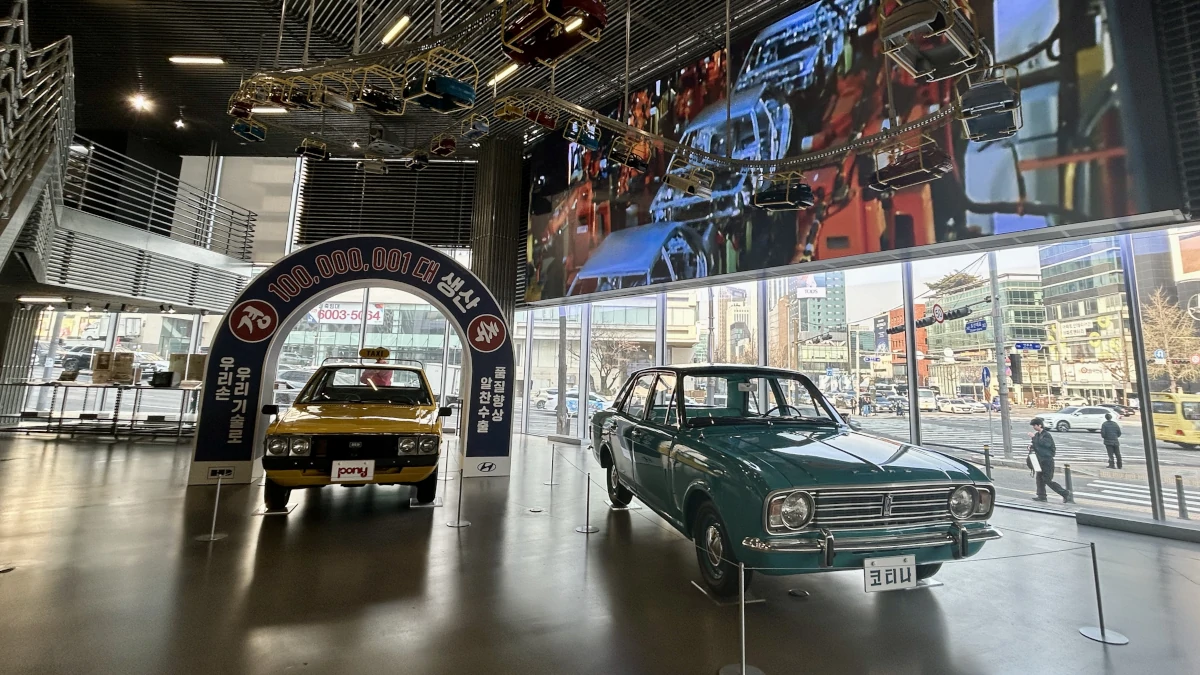
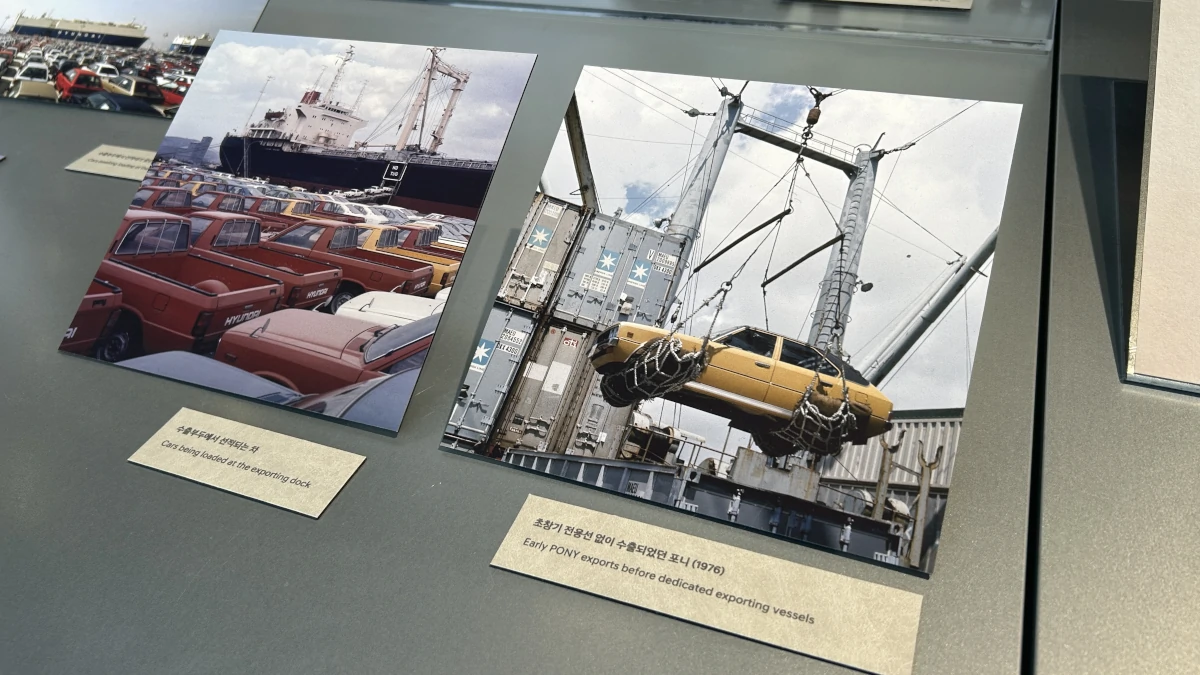
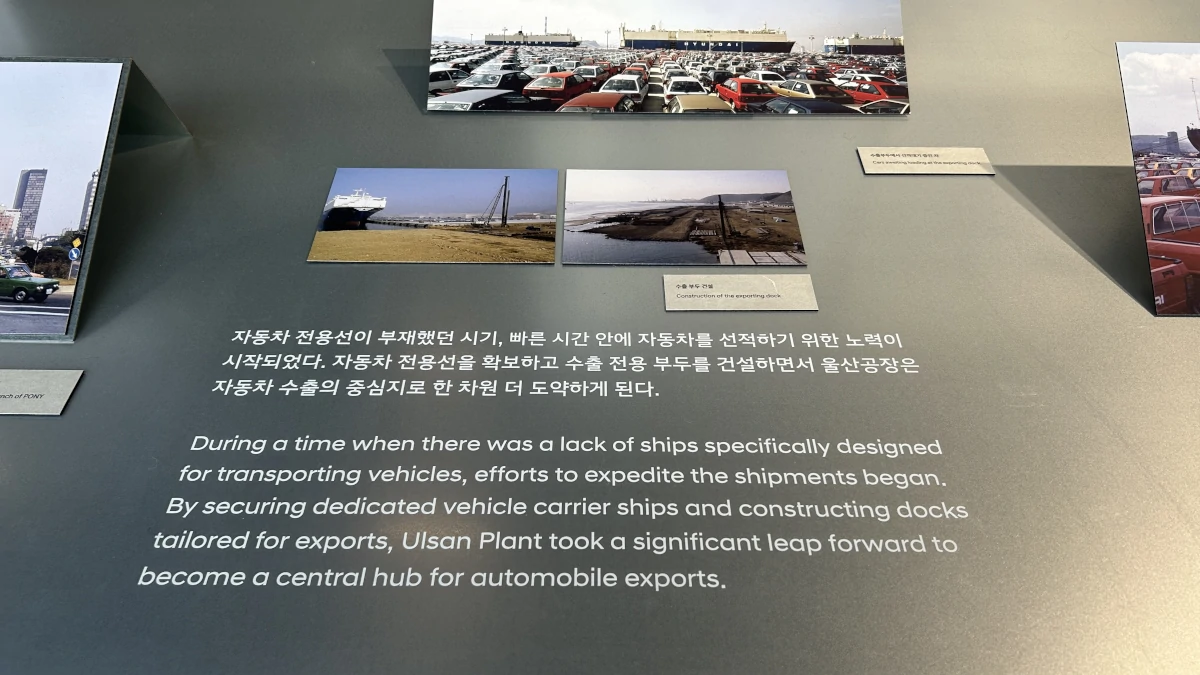
It’s entitled ‘One Step Further: Again, the First Step,’ and it turns out the first step involved the Ford Cortina. Hyundai’s initial foray into vehicle assembly began in 1968 with this model, followed by the 20M and the Granada. The brand’s Ulsan factory finally began producing the Giugiaro-designed Pony in 1976; by this time, the Cortina had shown itself to be incompatible with Korean roads, driving Hyundai to develop and build its first model.
ALSO READ:
The Hyundai MotorStudio Goyang offers a one-of-a-kind experience
Seoul 2025: The facelifted Hyundai Ioniq 6 will be followed by an N version in July
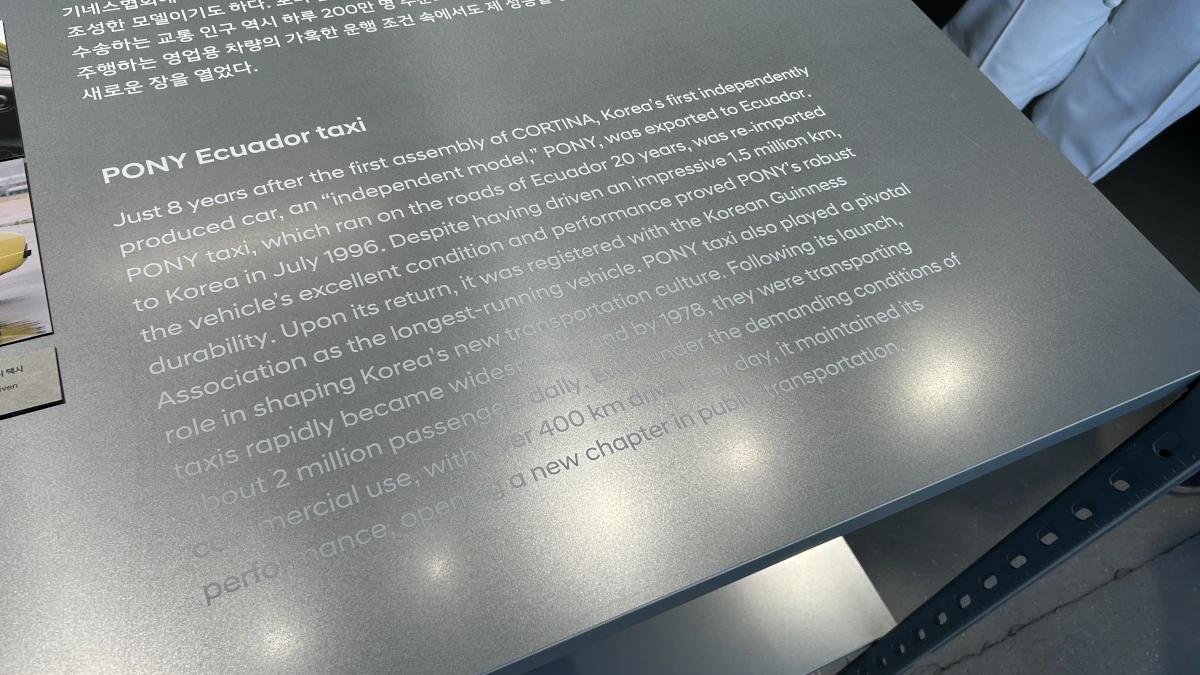
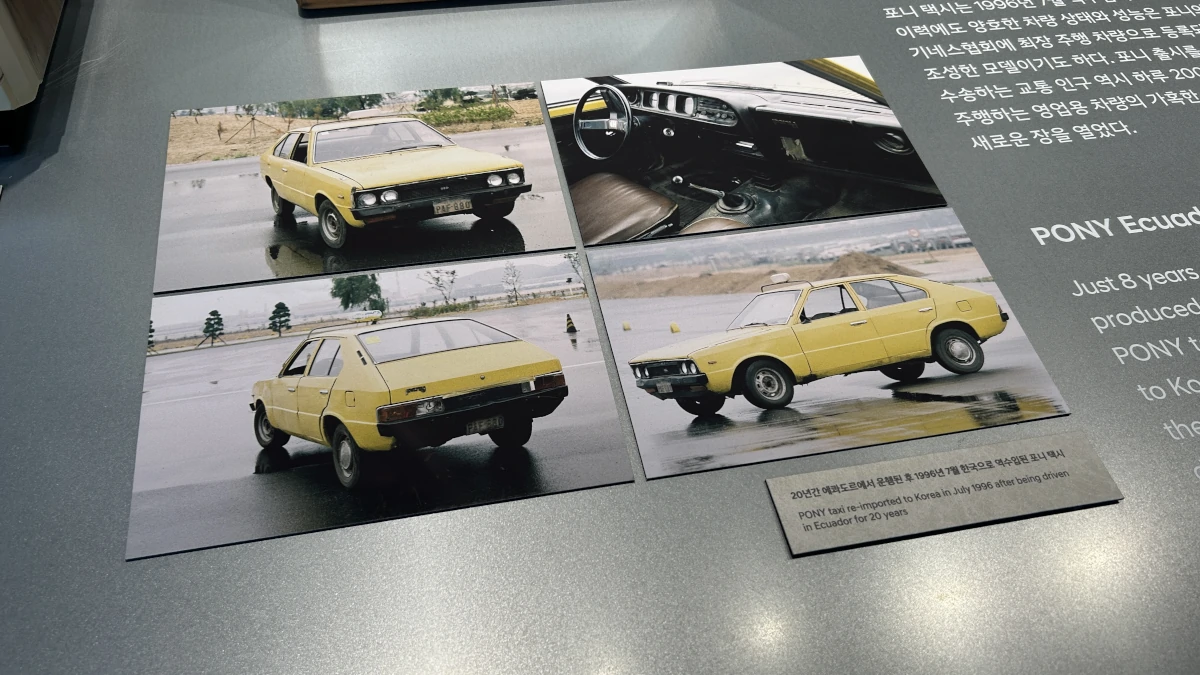
Prior to being a show car, the Pony in the exhibit really was a taxi in its previous life—in faraway Ecuador, of all places. It did a whopping 1,500,000km abroad over the course of 20 years, and was eventually shipped back home, where it underwent a light restoration. Look closely and you’ll see some of its battle scars from two decades of service.
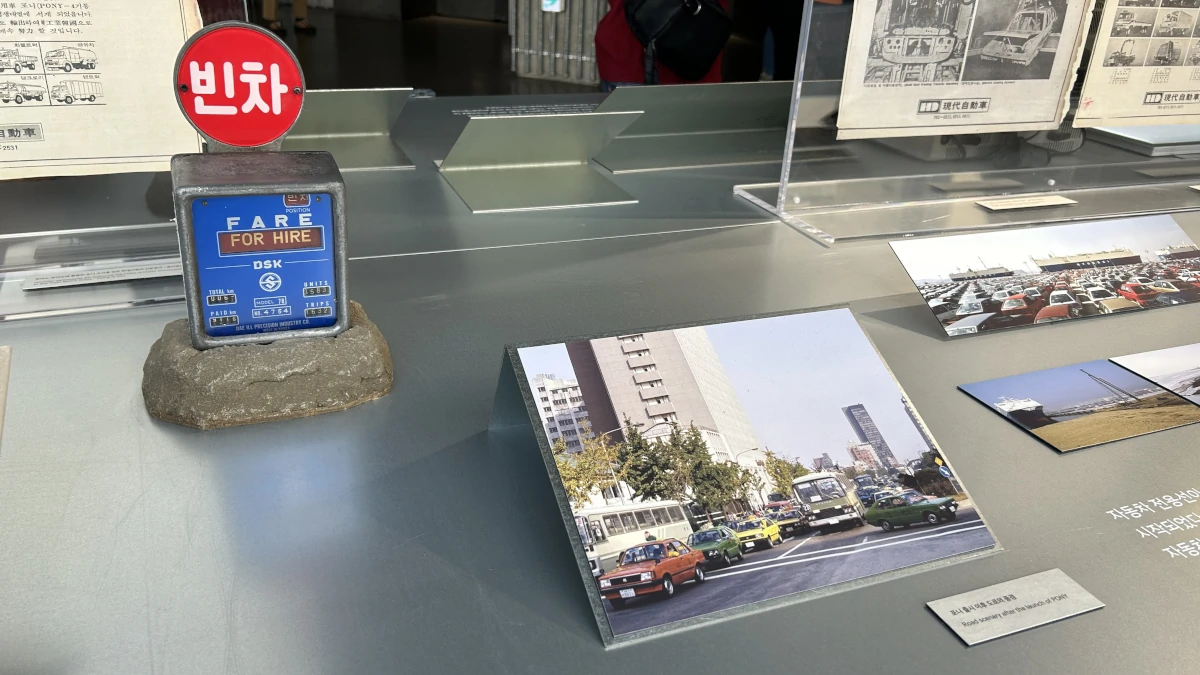
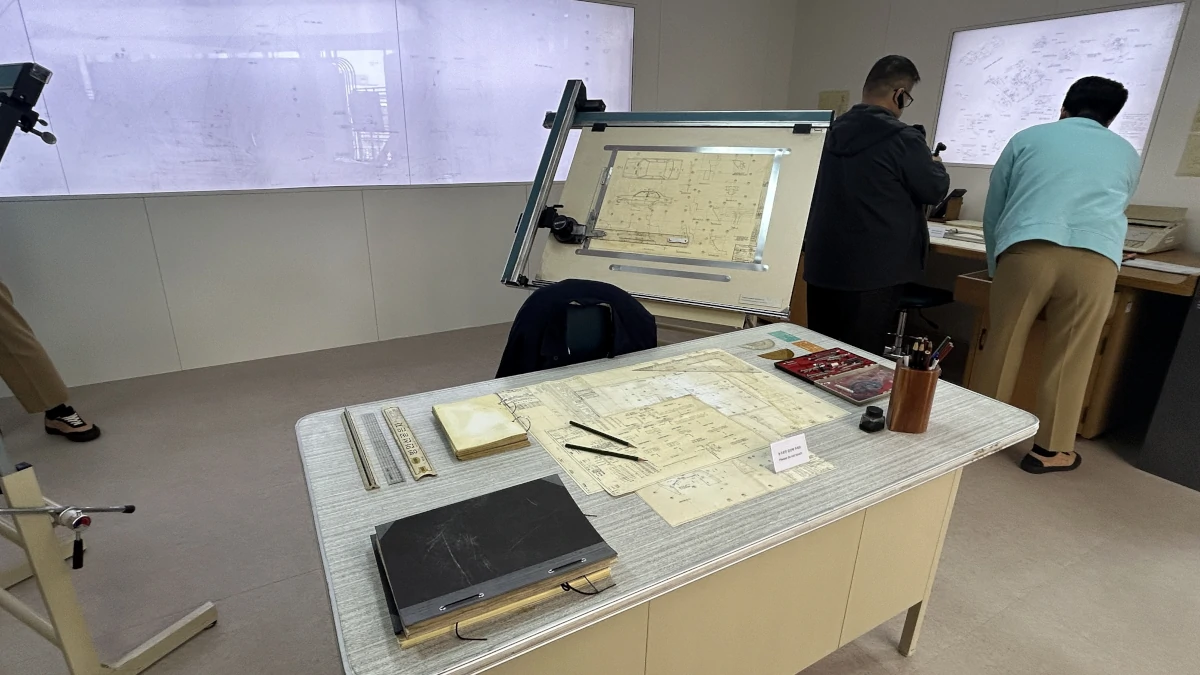
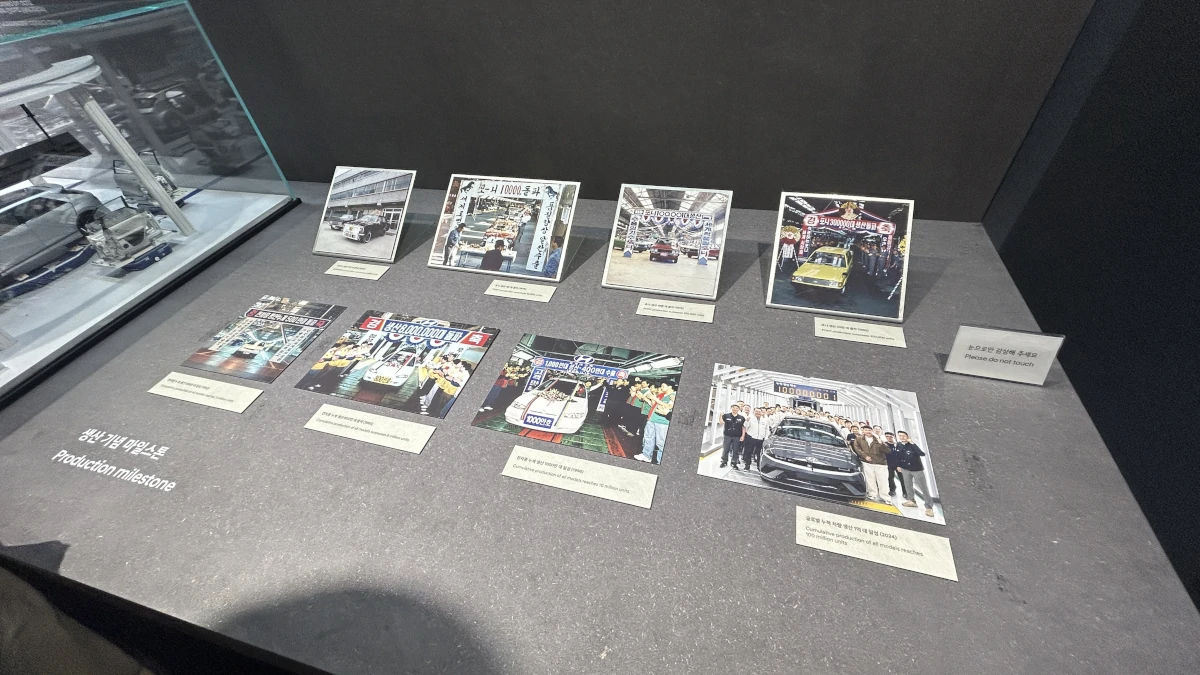
The second floor showcases the evolution of Hyundai’s manufacturing prowess. Dioramas chronicle the transformation of production lines as they became increasingly more advanced and automated, and various images show the establishment of more local and global facilities. Among the photos of the carmaker’s production milestone, the latest one dates back to 2024, with the 100,000,001st unit being an Ioniq 5.
But it’s not all clinical: There’s also a section that shows snapshots of various Hyundai owners with their cars—and some of these people have gone on to become top officials of the brand.
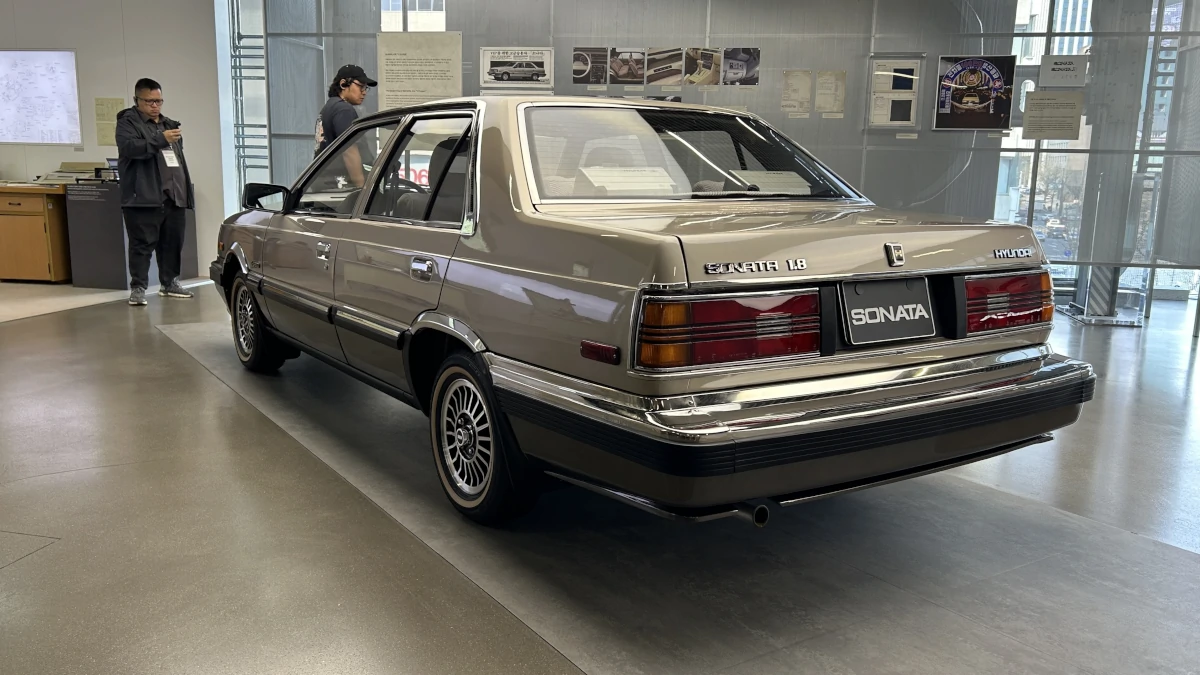
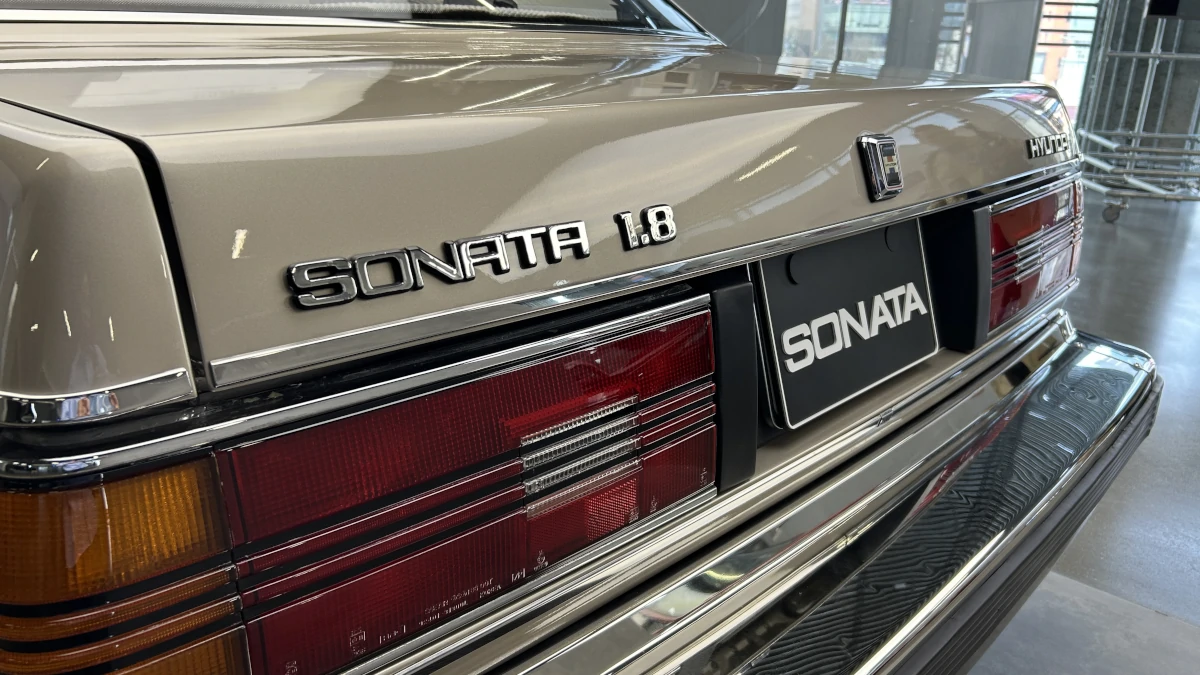
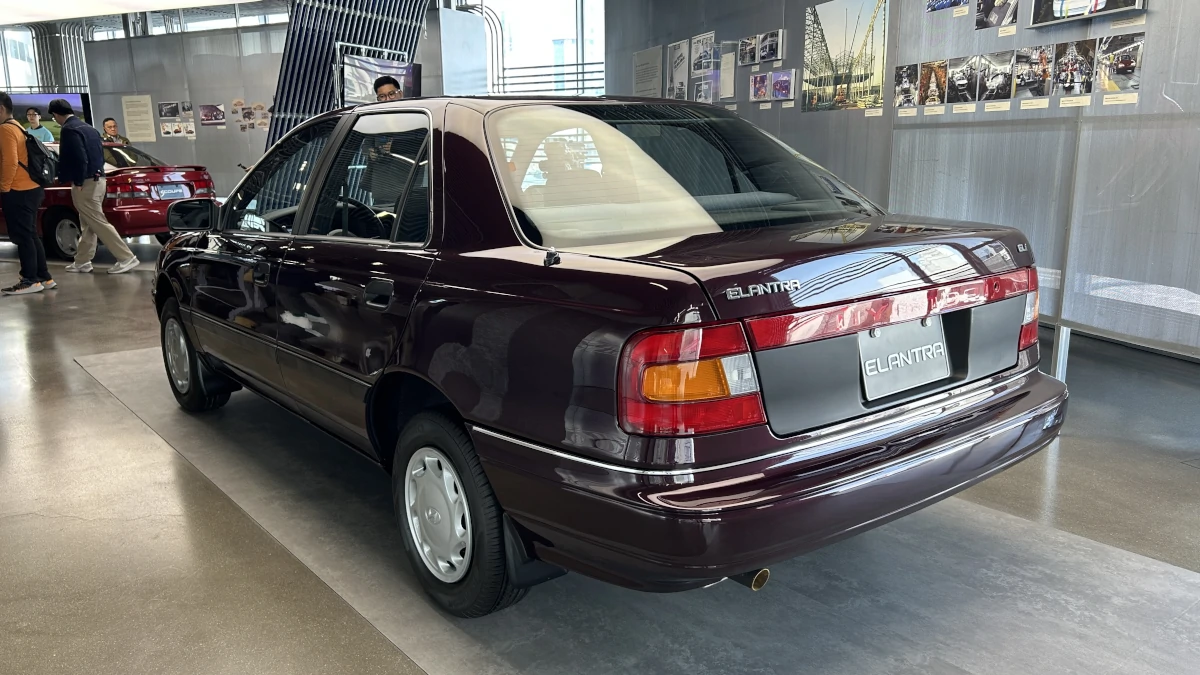
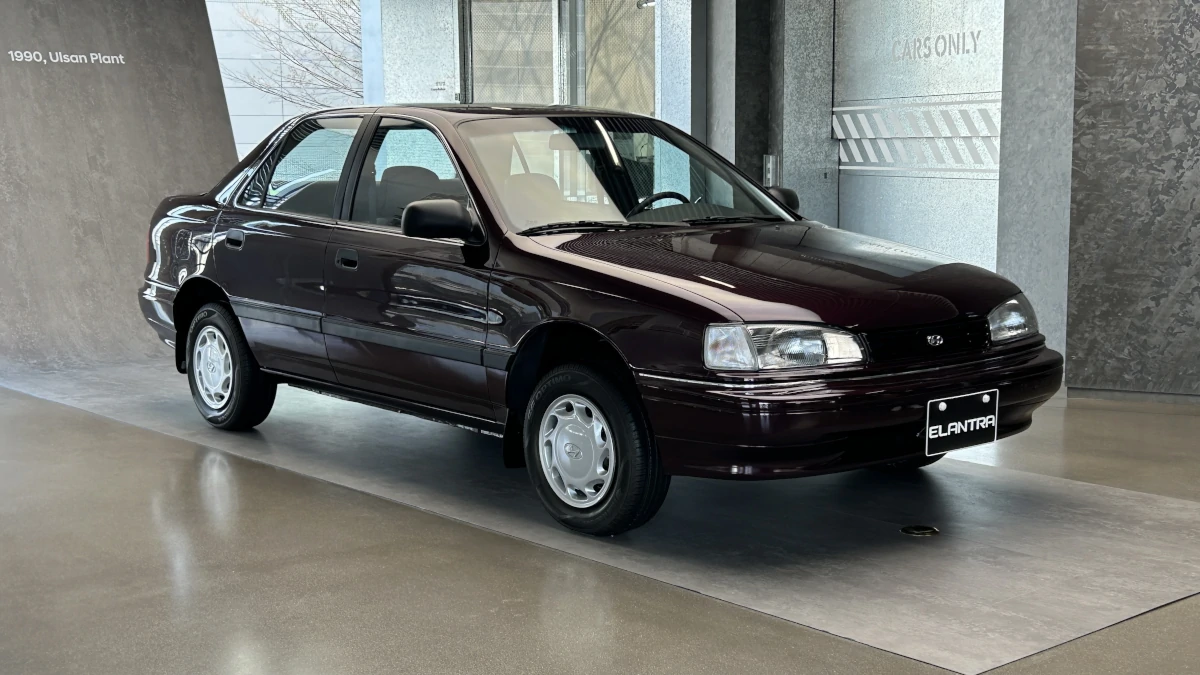
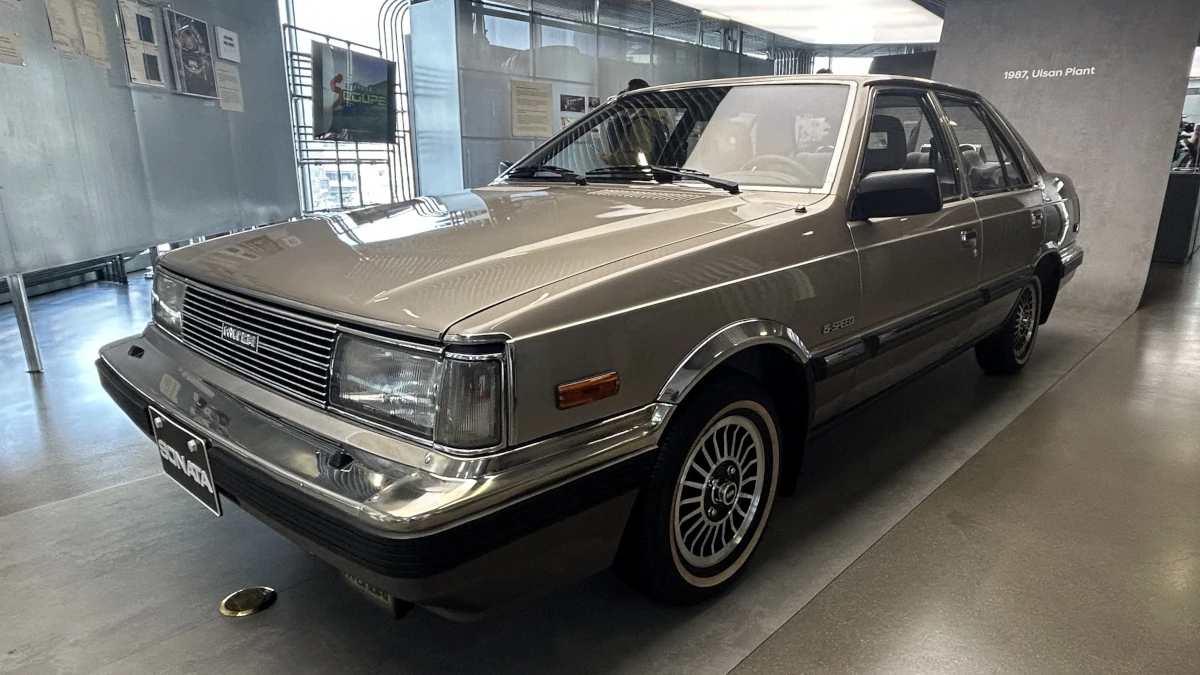
The cars on the next floor were, for me, pretty special. One thing I noticed in South Korea was the enduring popularity of sedans—a body style that has been supplanted in our market by crossovers and SUVs. While higher-riding vehicles have enjoyed higher sales in recent years, numerous Grandeurs, Avantes (aka Elantra), and Sonatas still ply Korean roads.
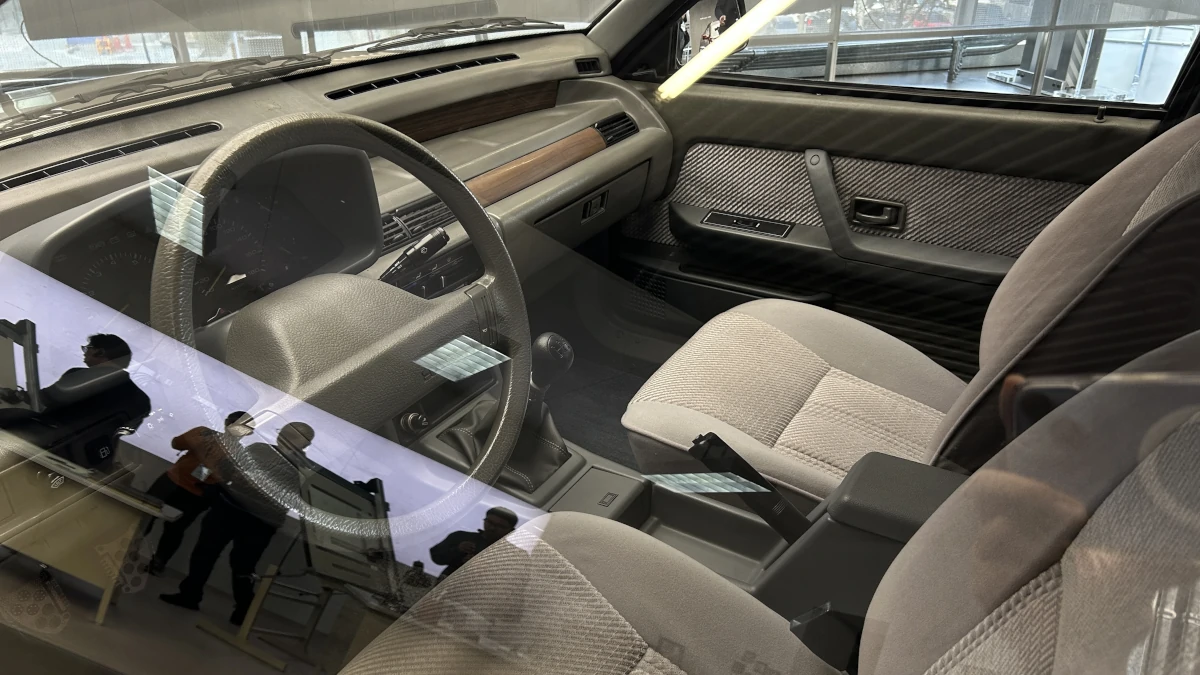
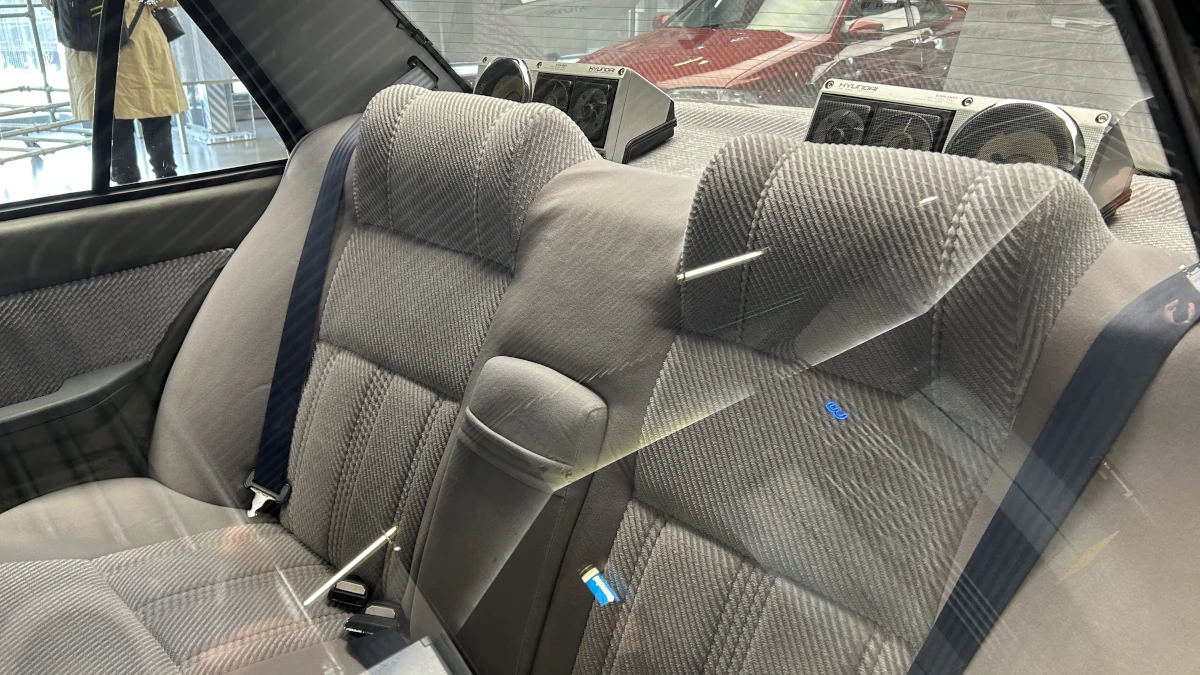
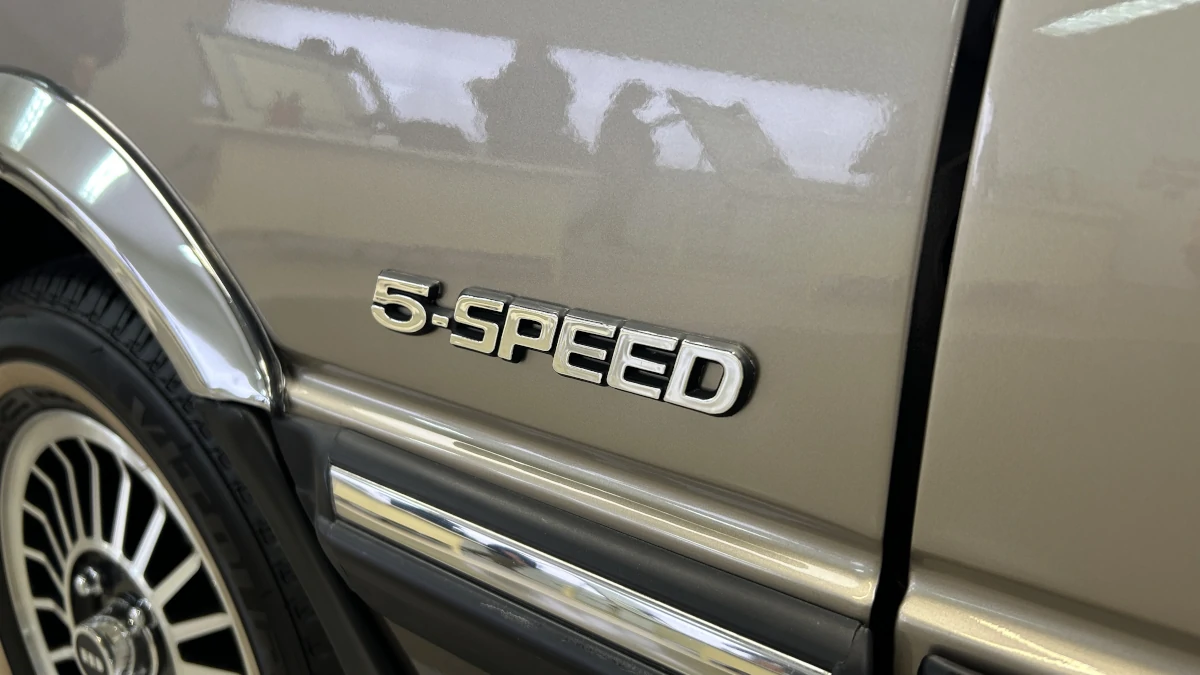
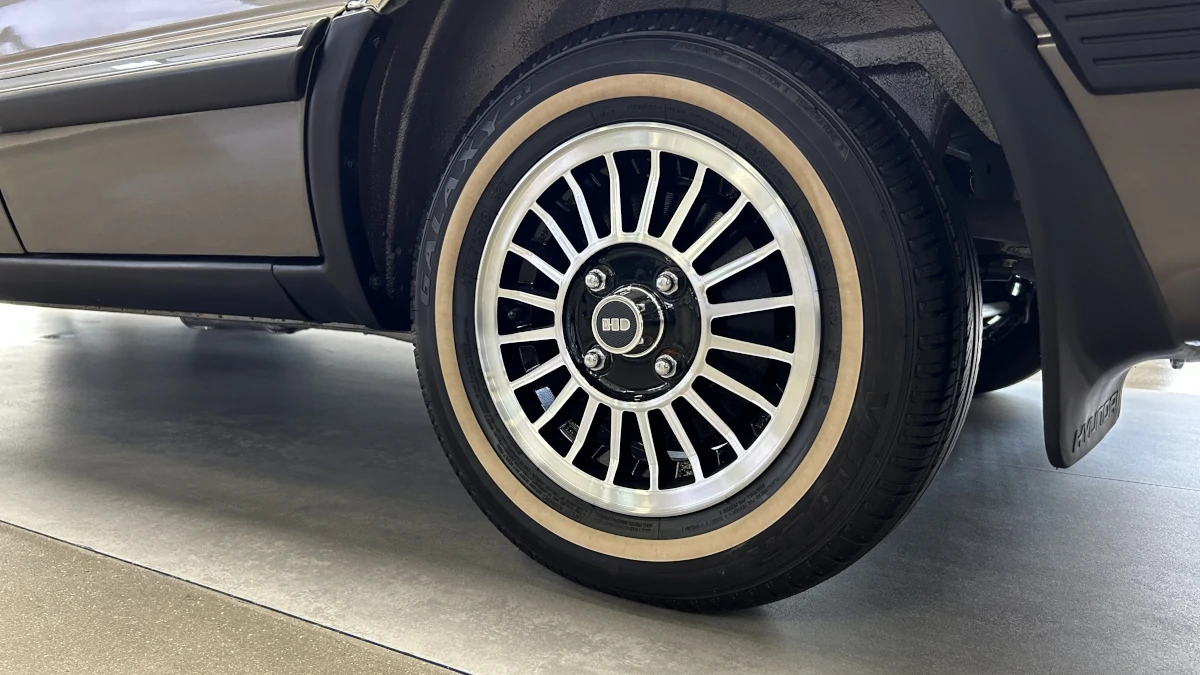
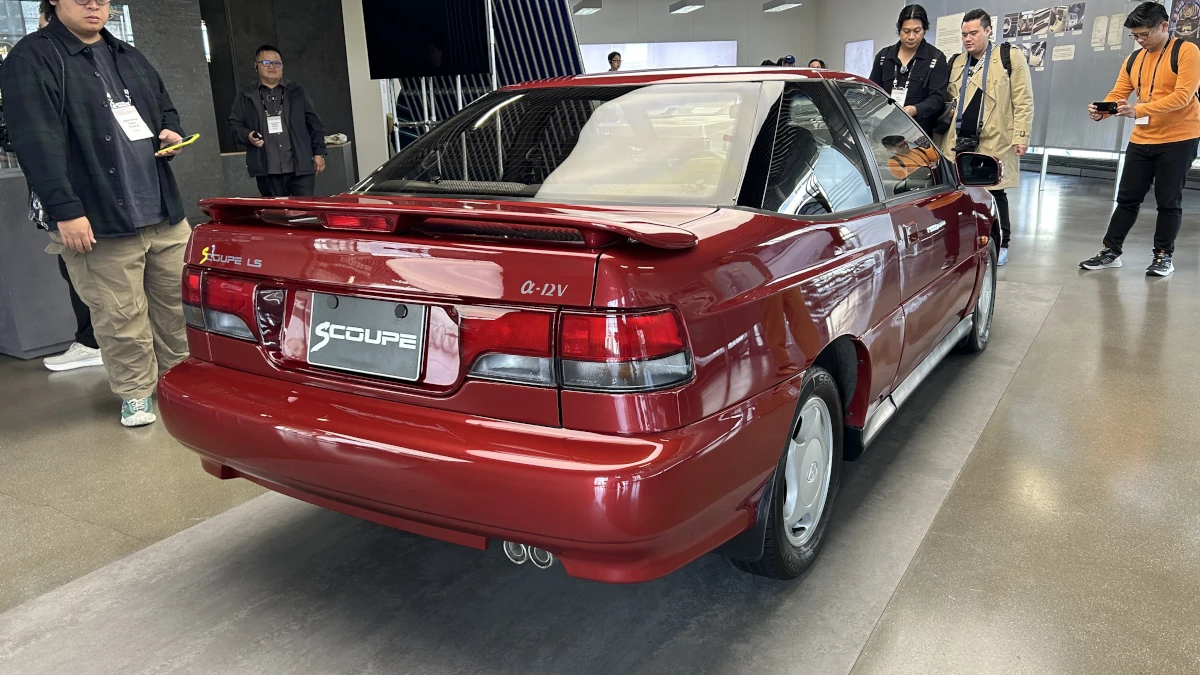
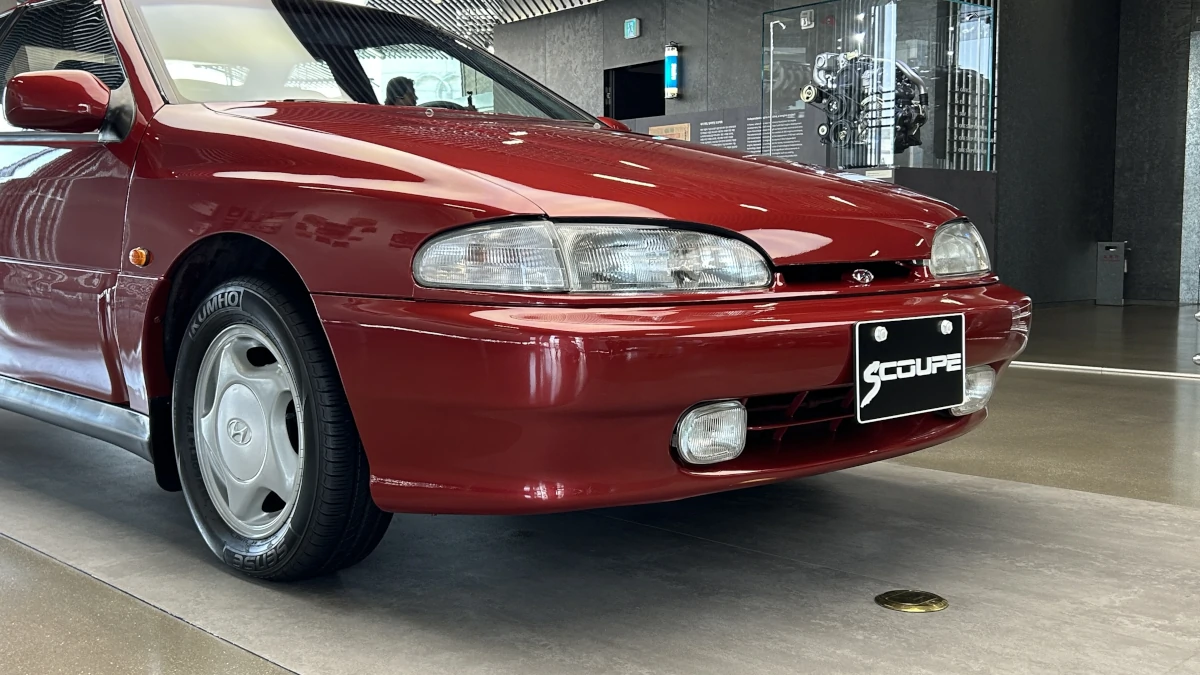
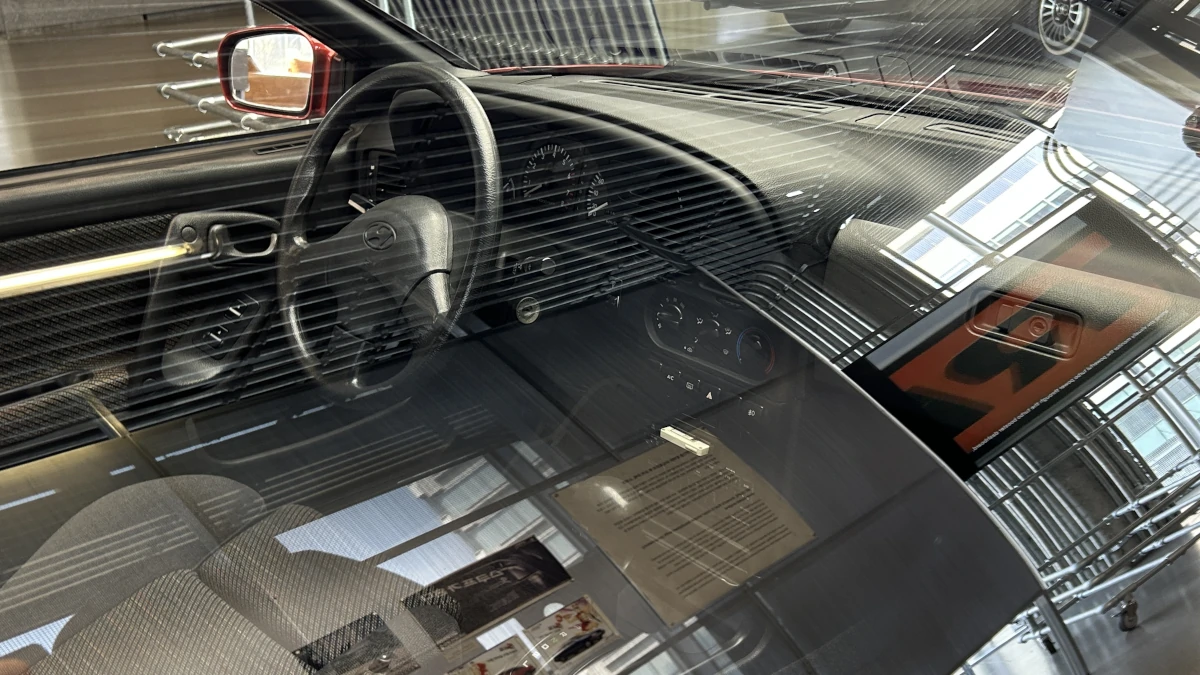
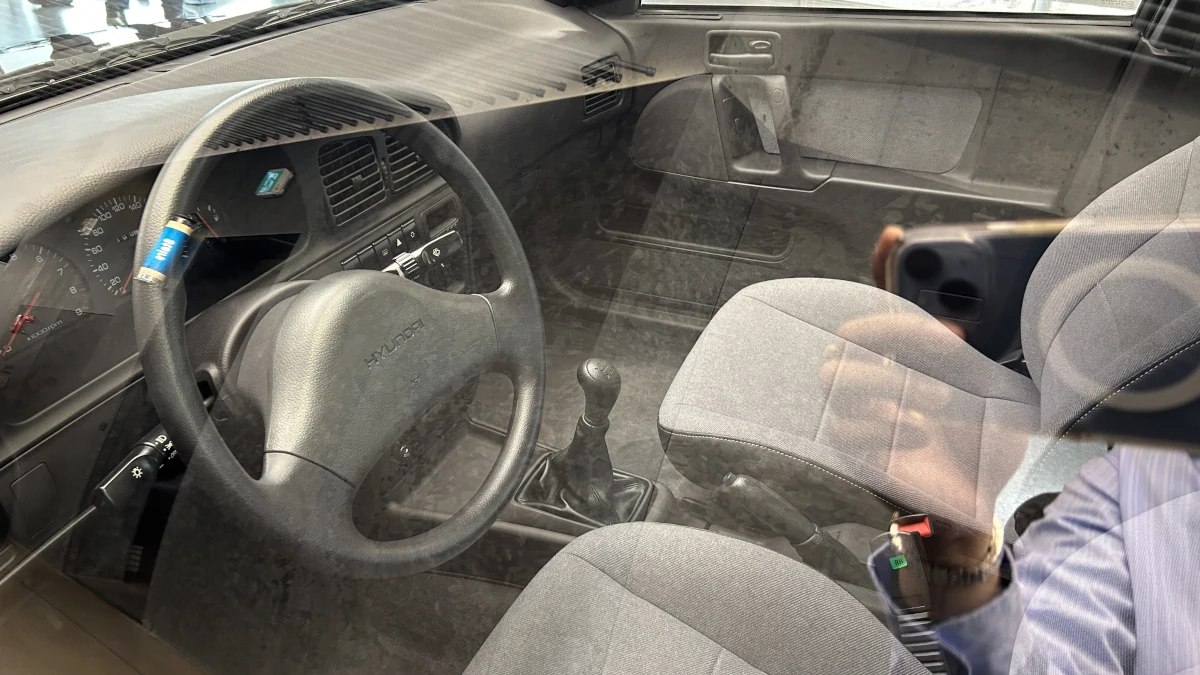
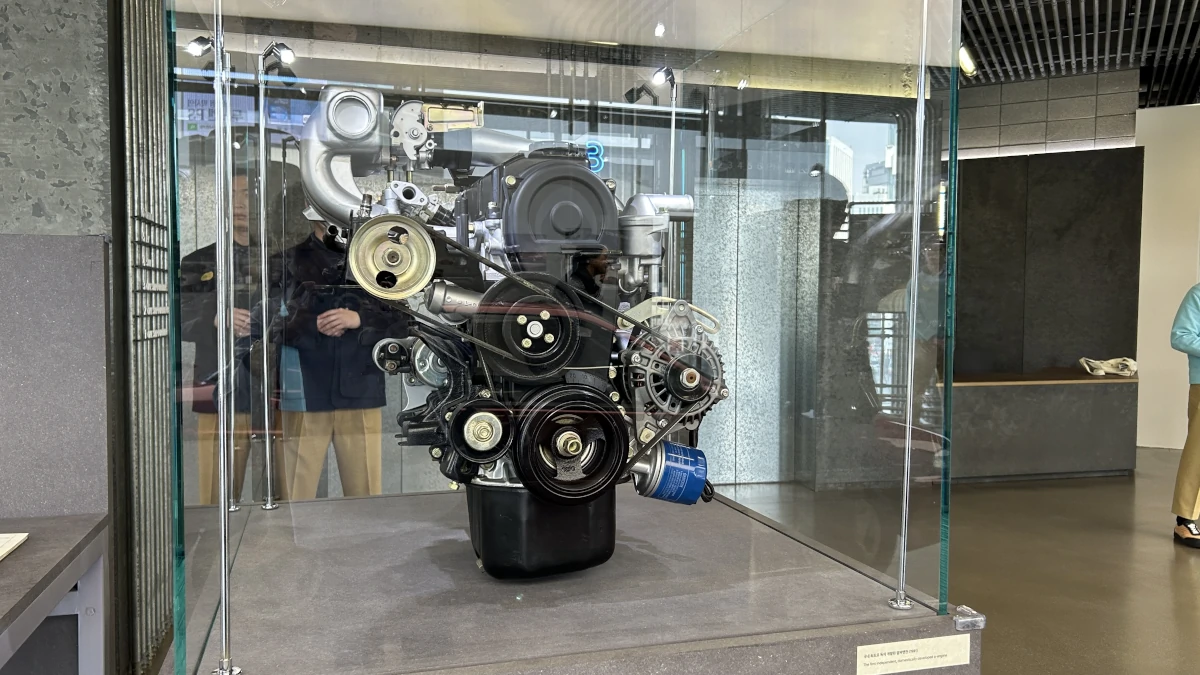
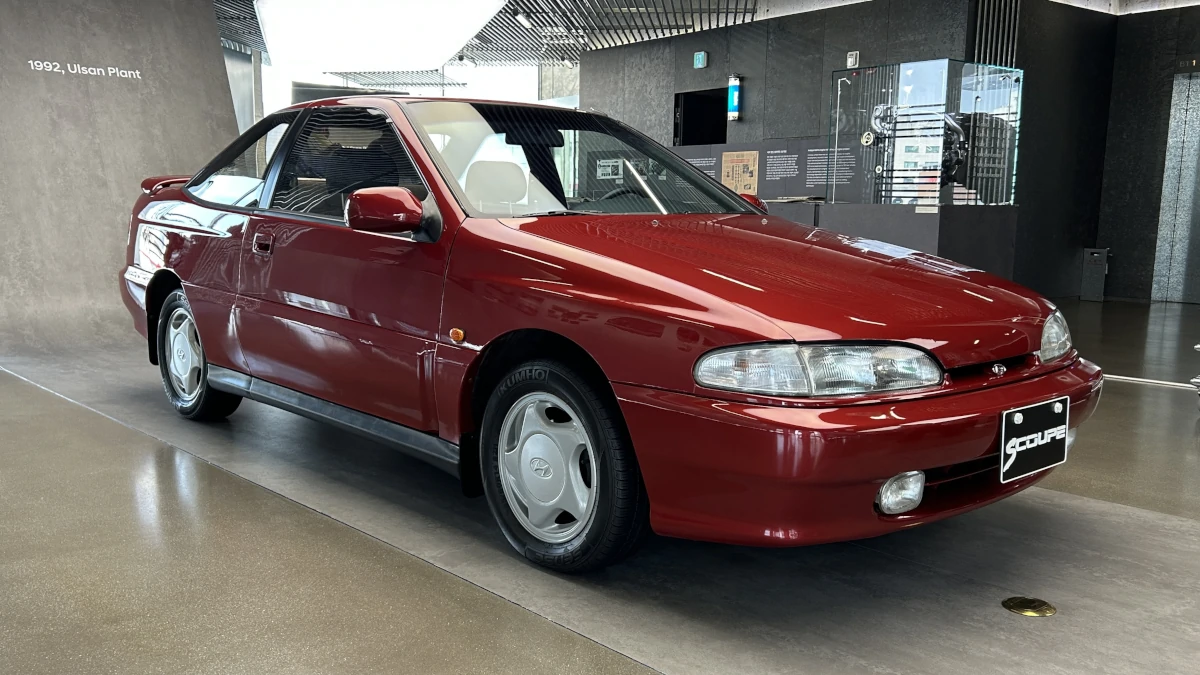
Fittingly, the exhibit includes pristine examples of the first-generation Sonata and Elantra, plus the Scoupe for good measure. The two sedans are mainstays in the carmaker’s lineup, and the latest Elantra has even sprouted a proper N version. The Scoupe, meanwhile, was the first Hyundai to be powered by the Alpha powerplant—the first engine designed in-house by a domestic manufacturer. The name is derived from ‘sporty coupe,’ and it’s the brand’s first sporty model.
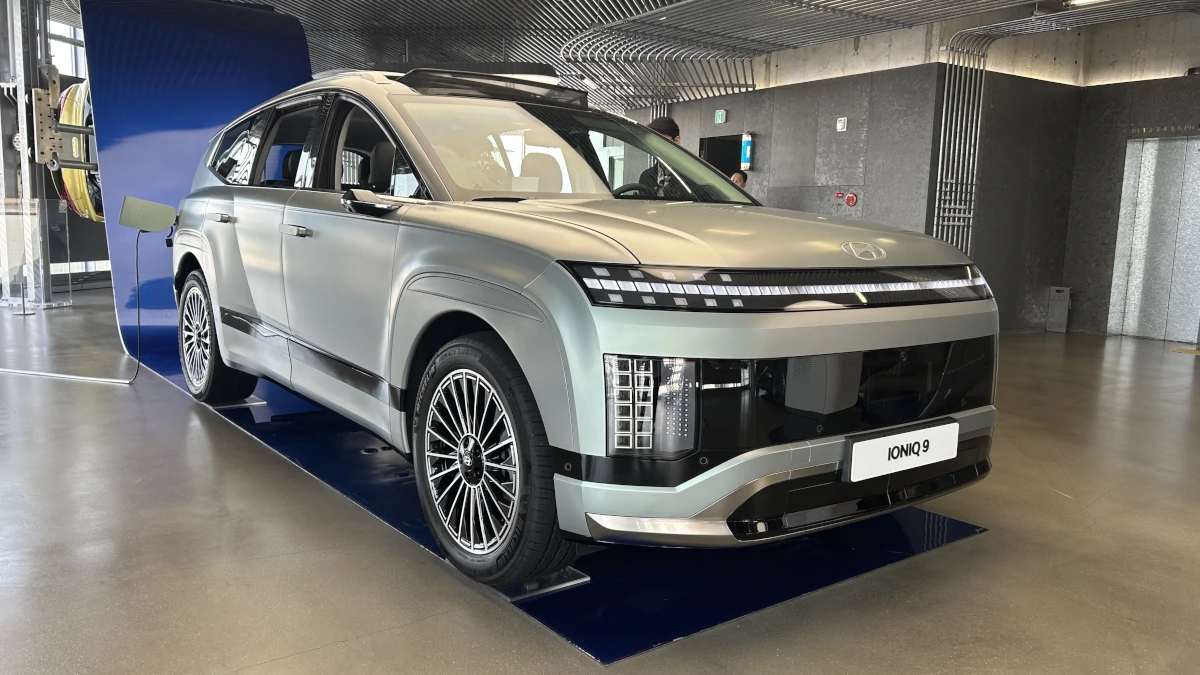
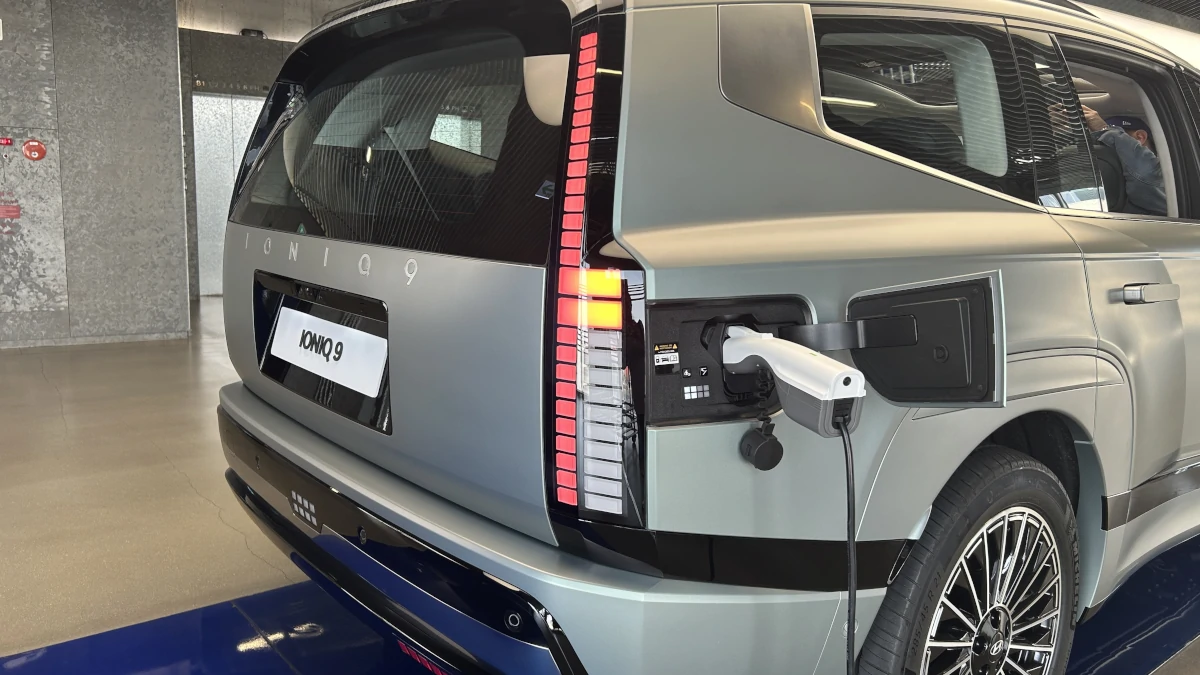
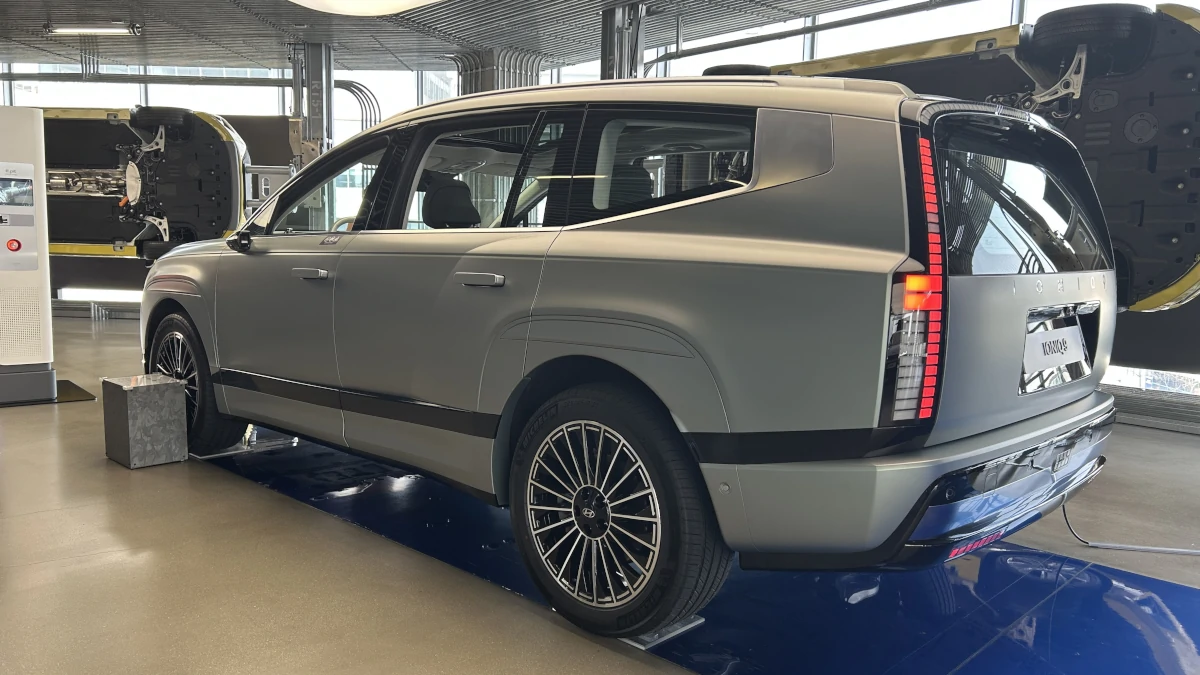
The next two floors are still part of the exhibit, but they’re also showroom space for buyers who want to check out Hyundai’s latest offerings: the all-new Palisade and the Ioniq 9 flagship EV. A bit of trivia: In South Korea, the nine-seater Palisade can use the bus lane because of its front-row bench seating.
Watch: Nine-seater Hyundai Palisade
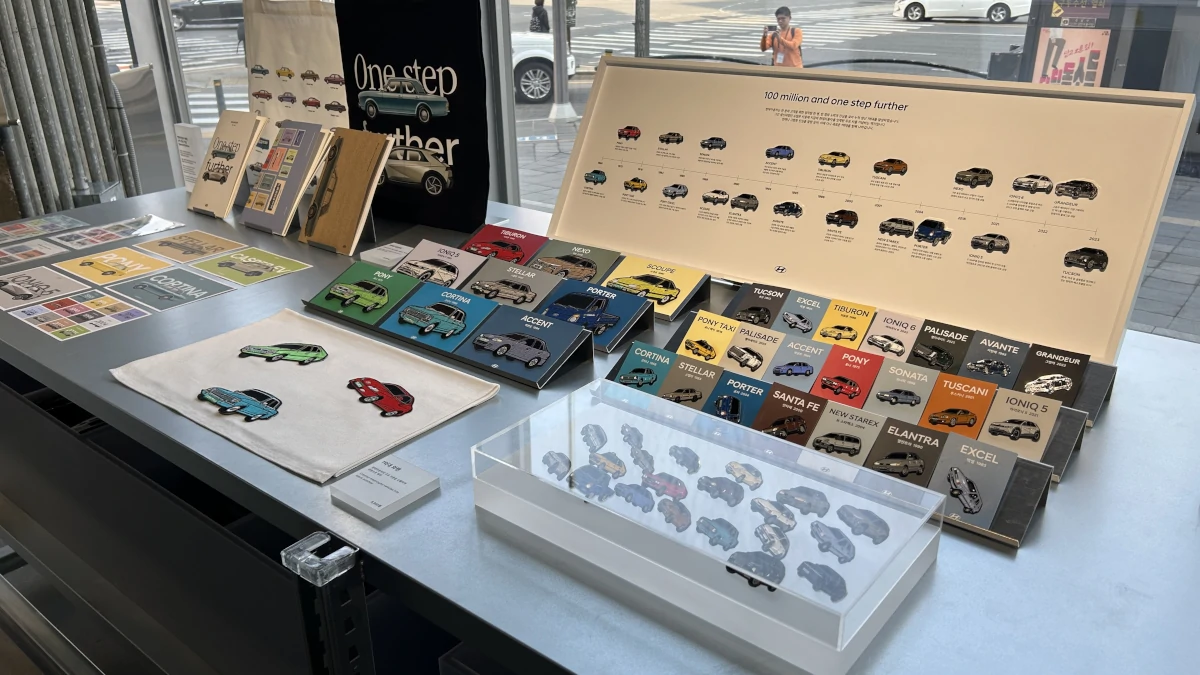
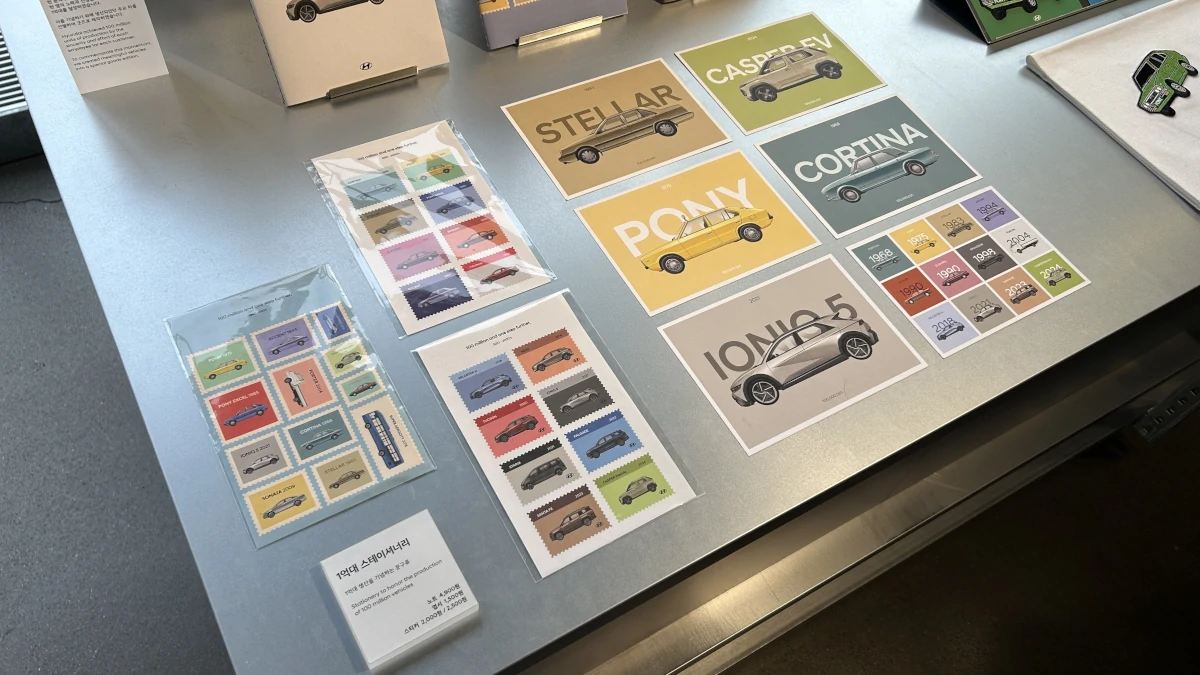
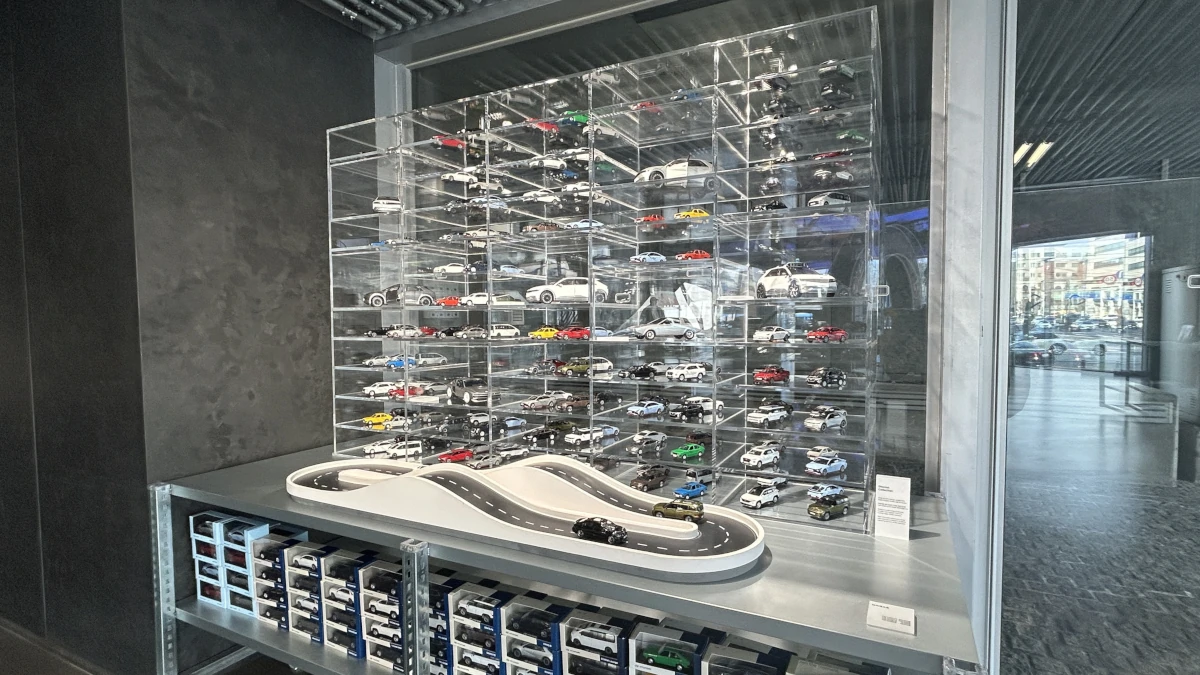
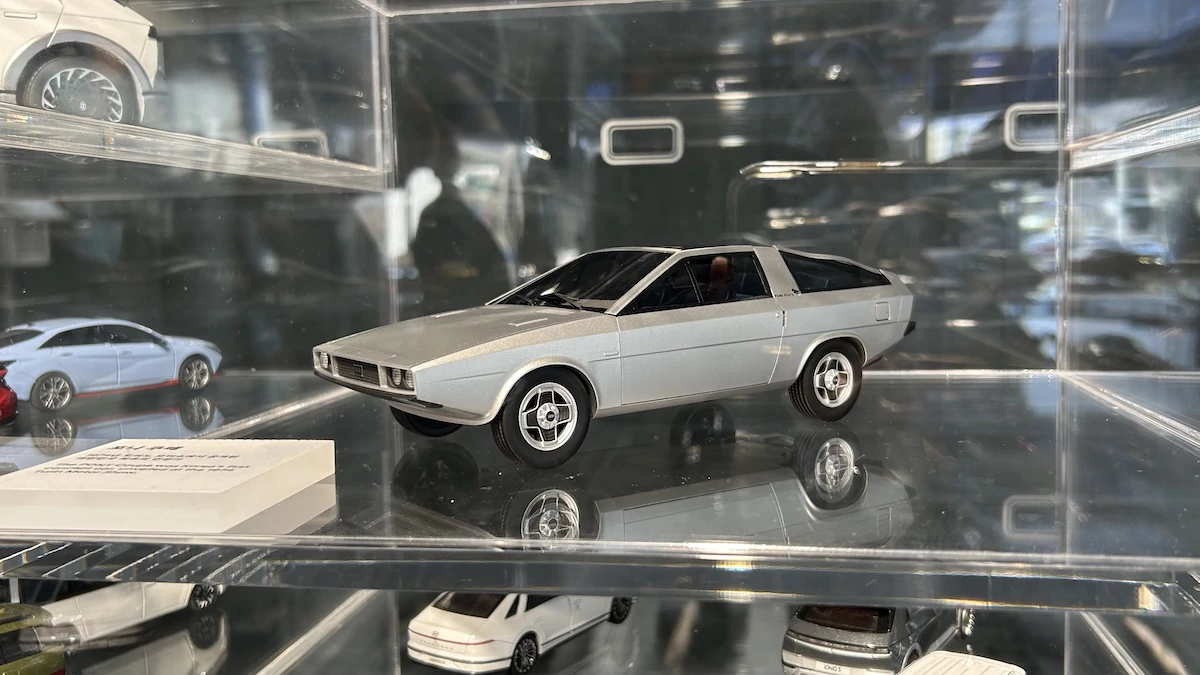
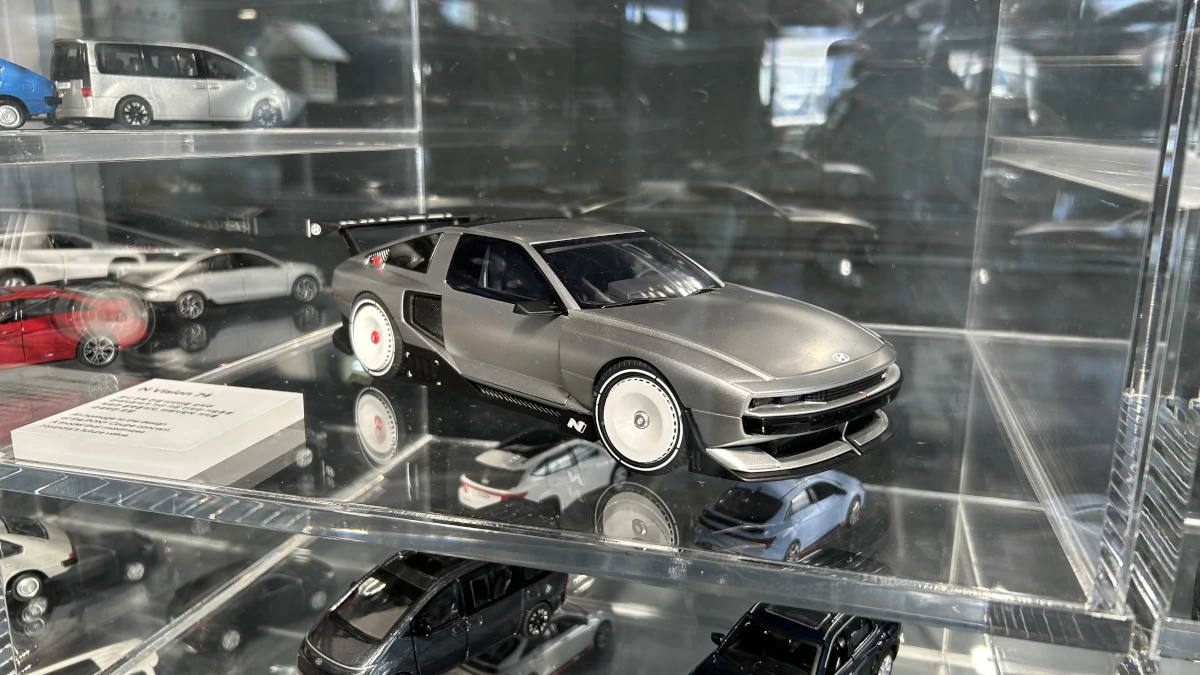
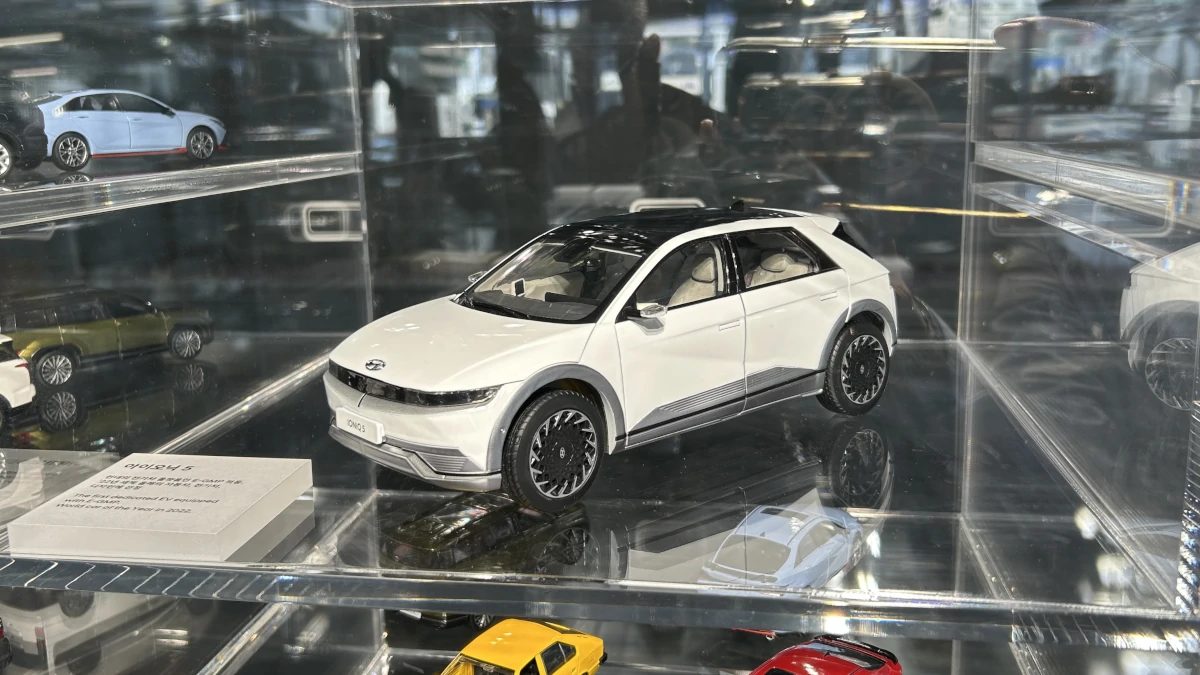
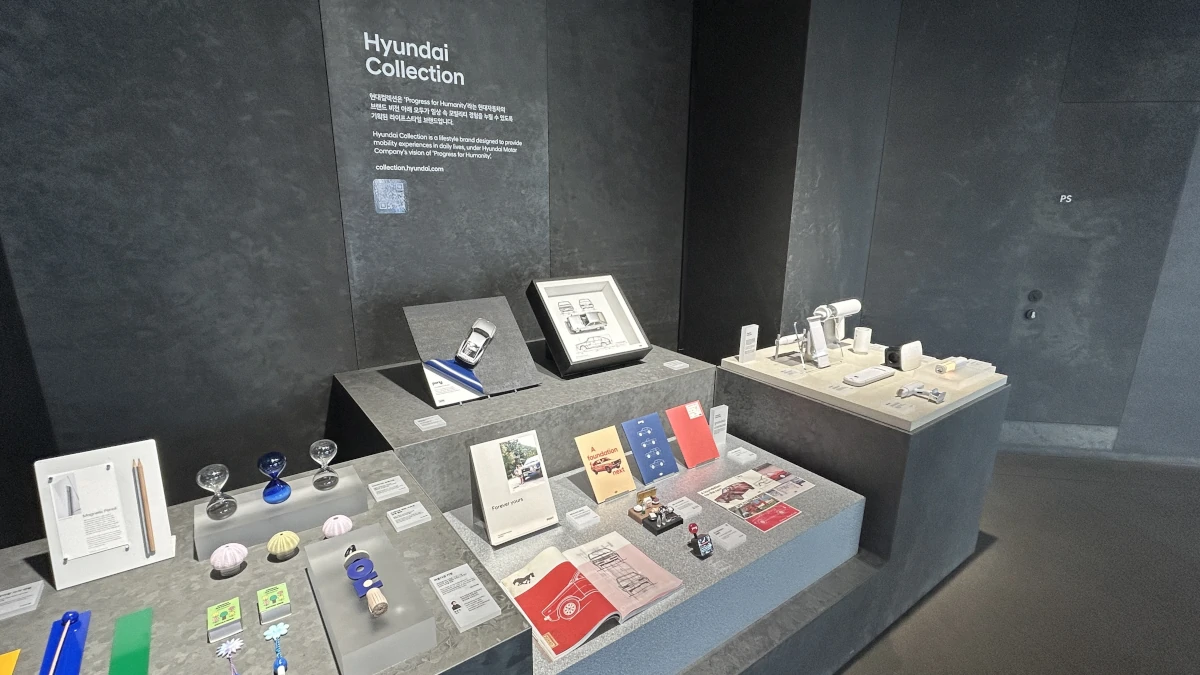
There are other things to buy apart from cars, though. The first floor carries all the latest Hyundai merch—magnets, pins, postcards, posters, stickers, diecast models (including the N Vision 74, the Pony Coupe Concept, and the Ioniq 5), and novelty items from the Hyundai Collection.
The various Hyundai MotorStudios serve as ‘brand experience centers’ where visitors can learn more about the carmaker’s history, latest technologies, and future direction. If you’re a gearhead and you happen to encounter one in your travels, it’s really worth checking out. Just don’t be surprised if you see a Ford Cortina.
More photos of Hyundai MotorStudio Seoul: