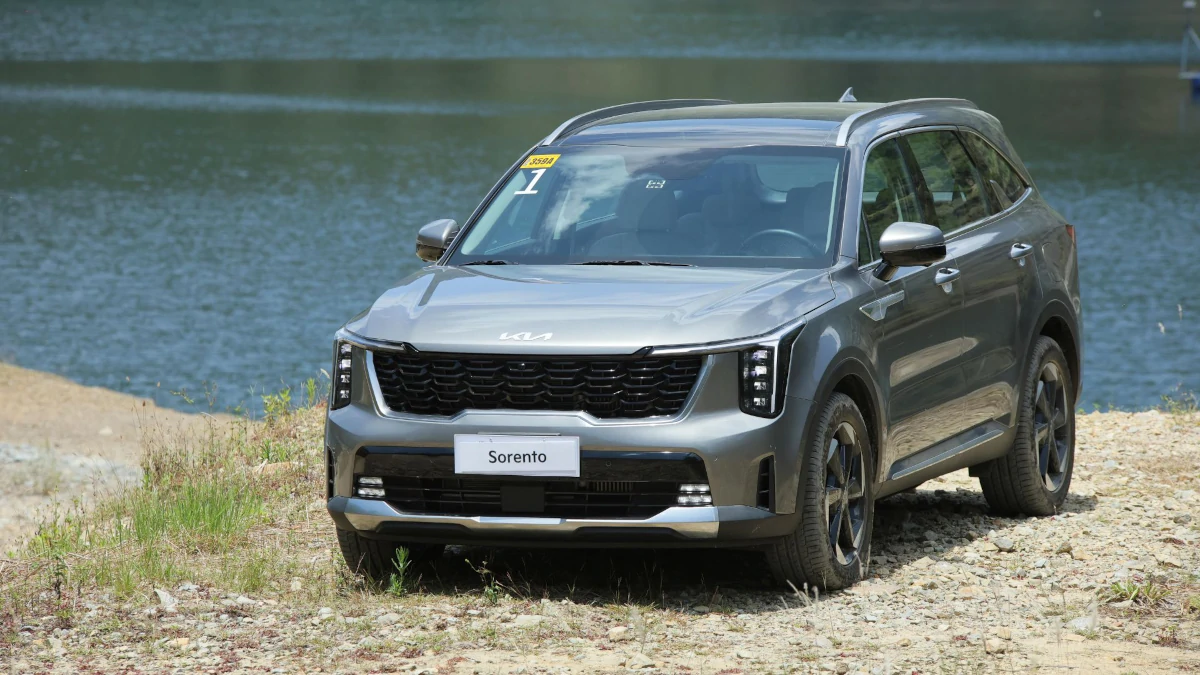

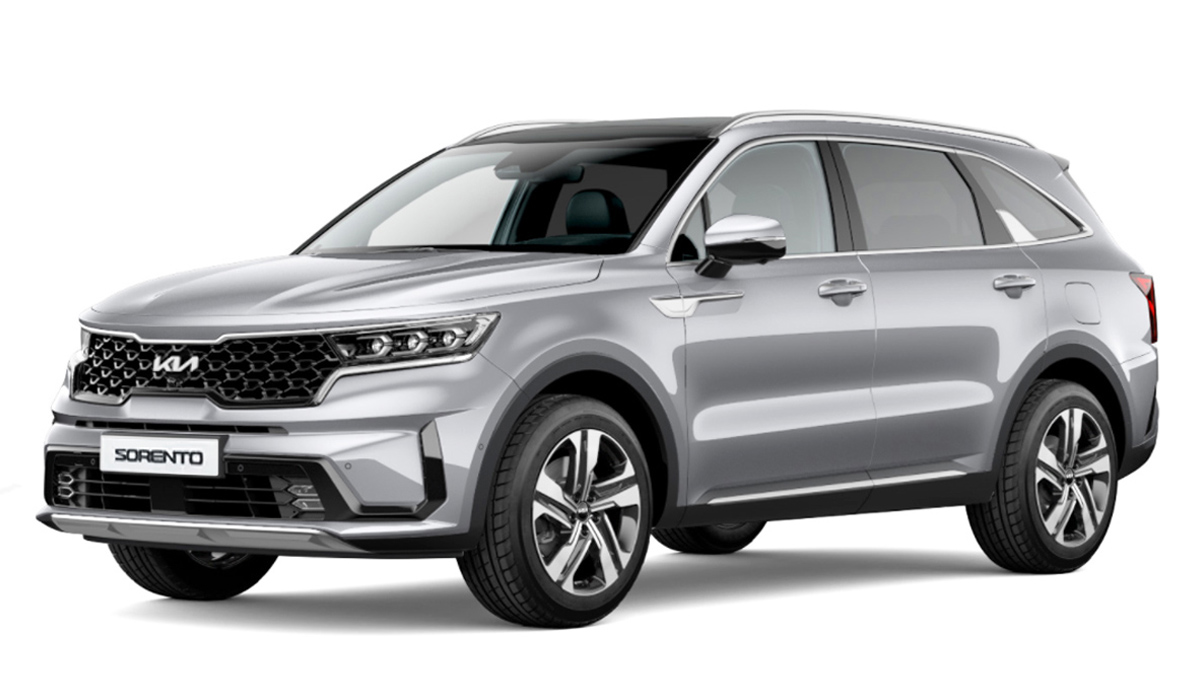
I still remember the gasps when the prices for the new Kia Sorento Hybrid were revealed. The range kicked off at under P2.2-M, and topping out at less than P3-M. For a car its size and features, it looked like great value. Where else can you get a near-five meter long SUV with seven seats, a plush interior, and all-wheel drive available?
I was admittedly smitten by it, not just because of the price. As a parent, the new, electrified Sorento ticks all the right boxes. From the day it was launched, I wanted to get my hands on it, so I was glad I was assigned to take one on a road trip with Kia Philippines.
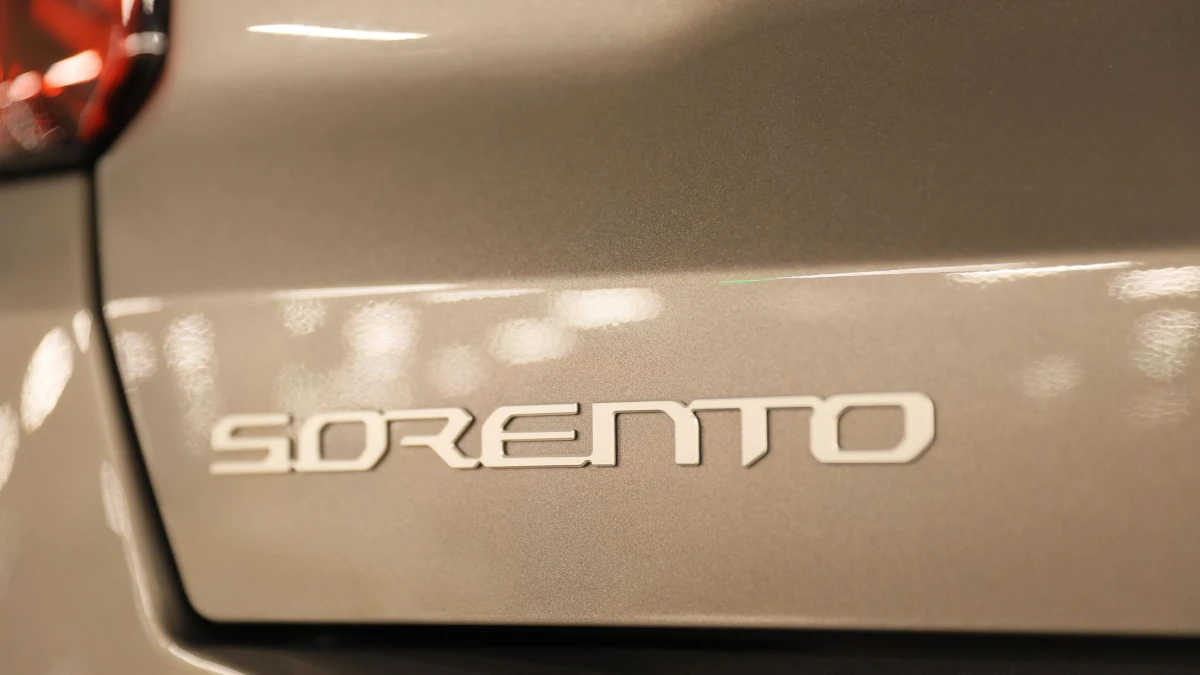
The route? We kicked things off at Manila, ended up in Baguio, drove around Benguet, and back down. There, we encountered a wide variety of road conditions, and even a bit of off-roading, so we can tell you what it feels like in the real world.
OTHER STORIES YOU MIGHT HAVE MISSED:
ACMobility activates 16 EV chargers in Cebu; charging rates start at P33.5/kWh
It’s starting to look like the Toyota MR2 revival is well underway
Kia Sorento: Underrated since 2003
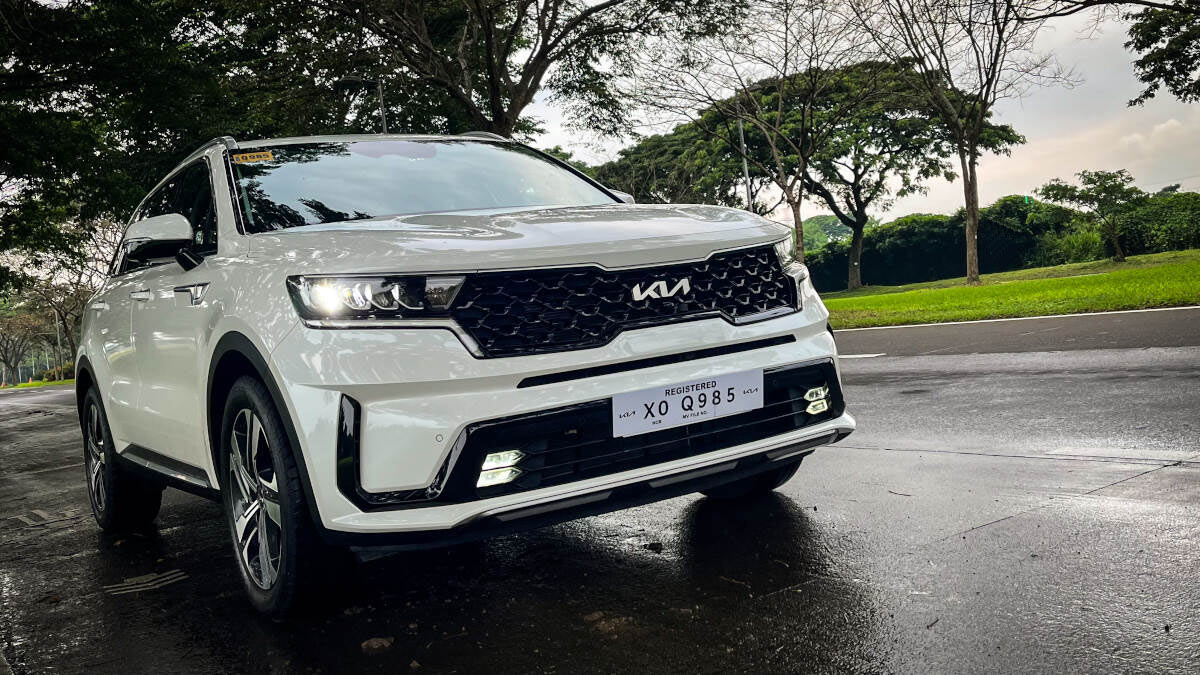
But before we tell you how this new one goes, a quick history lesson. The Sorento first came out in 2003, and it’s a far cry from what it is now. It used a truck frame, for starters, and truth be told, it drove like one, too. It ran until 2011, but the second-gen arrived in 2009.
Since then, the Sorento has used the same chassis as the Carnival, and has always been pretty solid for a midsize crossover. It was roomy, efficient, and cost about the same as a typical truck-based SUV. Truth be told, Kia could’ve capitalized on its comfort and car-like feel, but it never saw the same popularity as pickup-based SUVs.
The reason? It’s probably because of that Kia badge. It was the same case for the third generation and early fourth generation Sorentos. They sold steadily, but not spectacularly.
The Sorento now
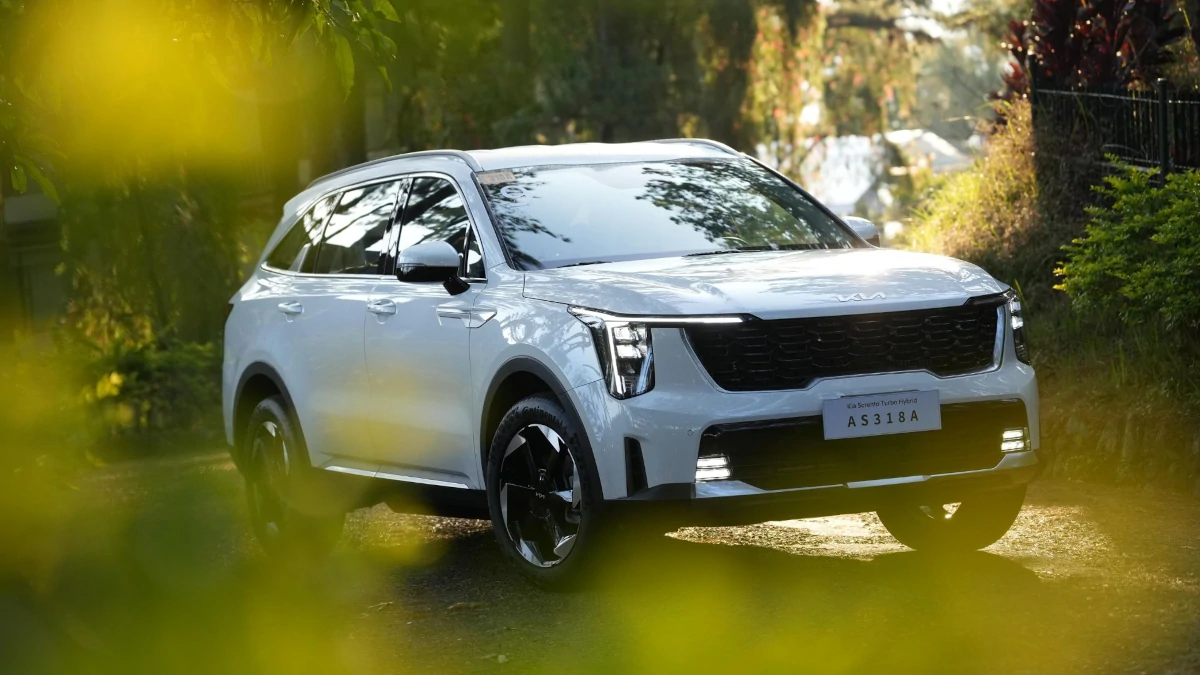
Prior to the fourth-generation model, I was able to drive the previous version of the Sorento in my early years of this job. From what I recall, it rode well and drove well for its size. It wasn’t too well equipped, though, but it’s one I’d recommend to people who are tired of harsh-rising SUVs. At least at the time.
The current Sorento came out right in the midst of a pandemic in 2020, so one can say that it wasn’t off to a good start that’s by no fault of the brand. It finally arrived in the Philippines in 2021 but only with two-wheel drive and diesel power. The facelift model was shown in mid 2023 and eventually landed here in early 2025.
Personally, I’m glad with the way they overhauled the local lineup. There’s no more diesel on offer, for starters, and it’s all hybrid from now on. Some lament its discontinuation, but we’re here to see if it’s a good move. Also, there’s all-wheel drive, something sorely missing in the pre-facelift version.
The oily (and electrical) bits
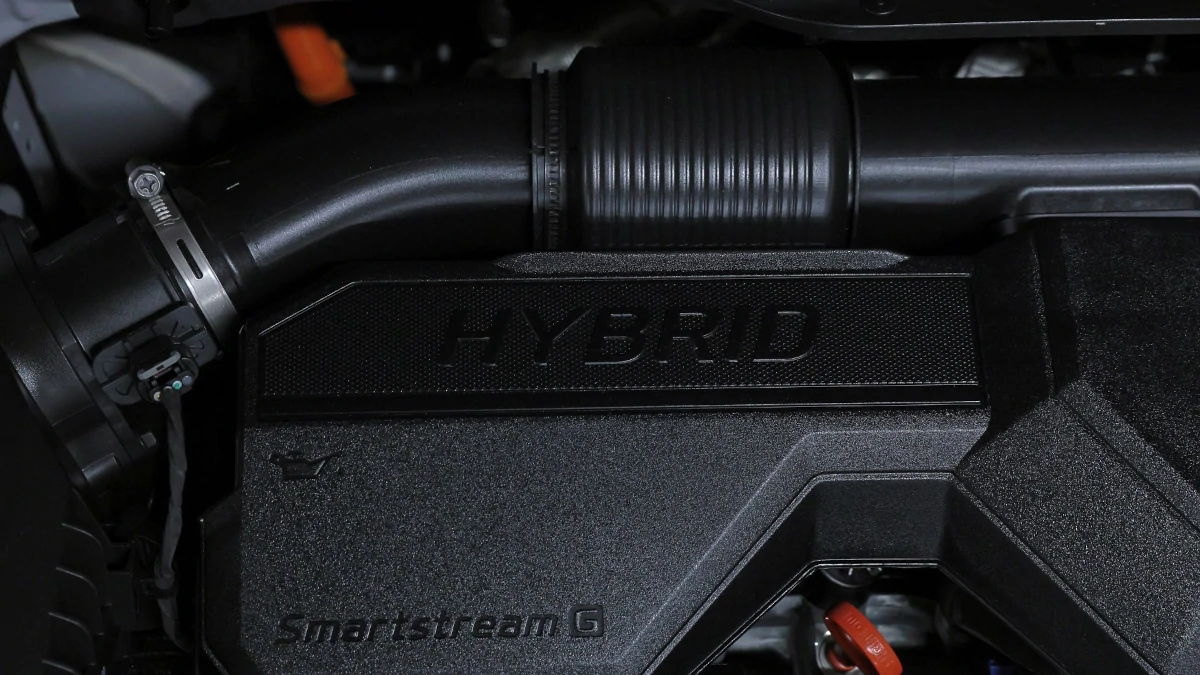
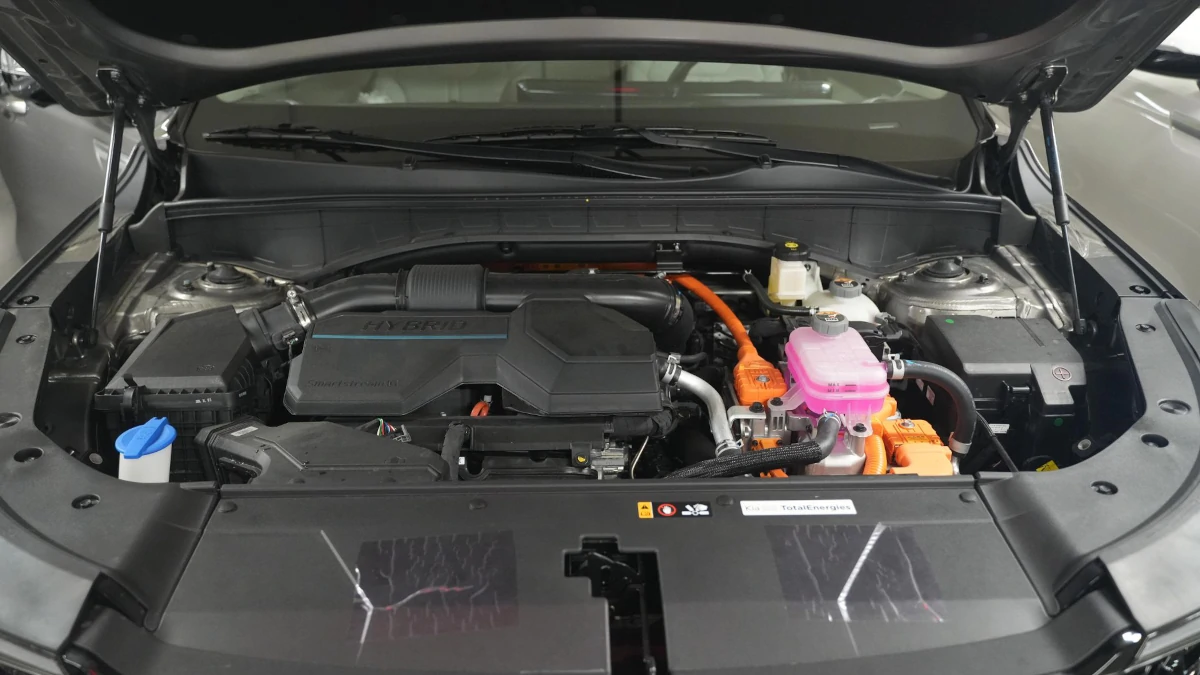
Pop the hood of the Sorento and you’re greeted by a 1.6-liter turbo. Before you scoff, the electric motor does provide a healthy chunk of assist. The result is 232hp and 350Nm, healthy numbers for an SUV its size. Base and mid-spec variants are front-wheel drive, but the one we’re in has all-wheel drive.
Because it’s a proper hybrid, it’s coding exempt, so you can drive around the metro every day of the week. That should reduce any coding hassles and effectively make it a one car solution for most.
At this point, you’re probably wondering what it feels like on the road, then. Well, read on.
From the back seat
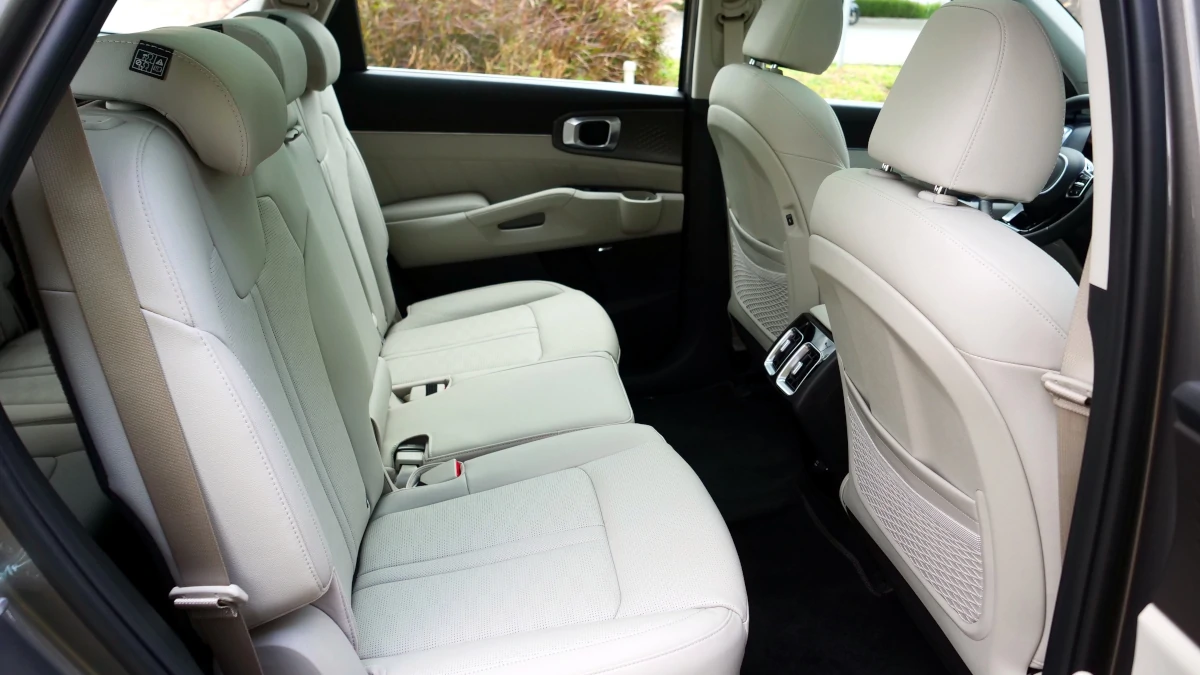
We start our drive…from the back seat. Well, it’s a good way to gauge the Sorento as an executive vehicle. After all, you’re shelling out a good chunk of cash for this model. We’ll make it clear that it’s not like the Carnival back there. If you want ultimate comfort and lounging around, it’s hard to beat Kia’s minivan.
The thing is, the Sorento is pretty good as executive transport. It doesn’t get captain’s chairs, but you do get supportive cushions to make up for it. Because of its size, there’s buckets of room with more than enough de quarto space, and the USB ports mounted on the backrests are a nice touch.
From the back, the ride is wonderfully supple. It shrugs off corrugated surfaces with ease, and the seats to a great job of cushioning road imperfections. The best part is, the rear seats recline for a more relaxing experience. Also, one can easily work from the back thanks to the smooth ride. Sure, it doesn’t get captain’s chairs, but it does make it a true seven seater. Plus points for practicality, too.
How about the front?
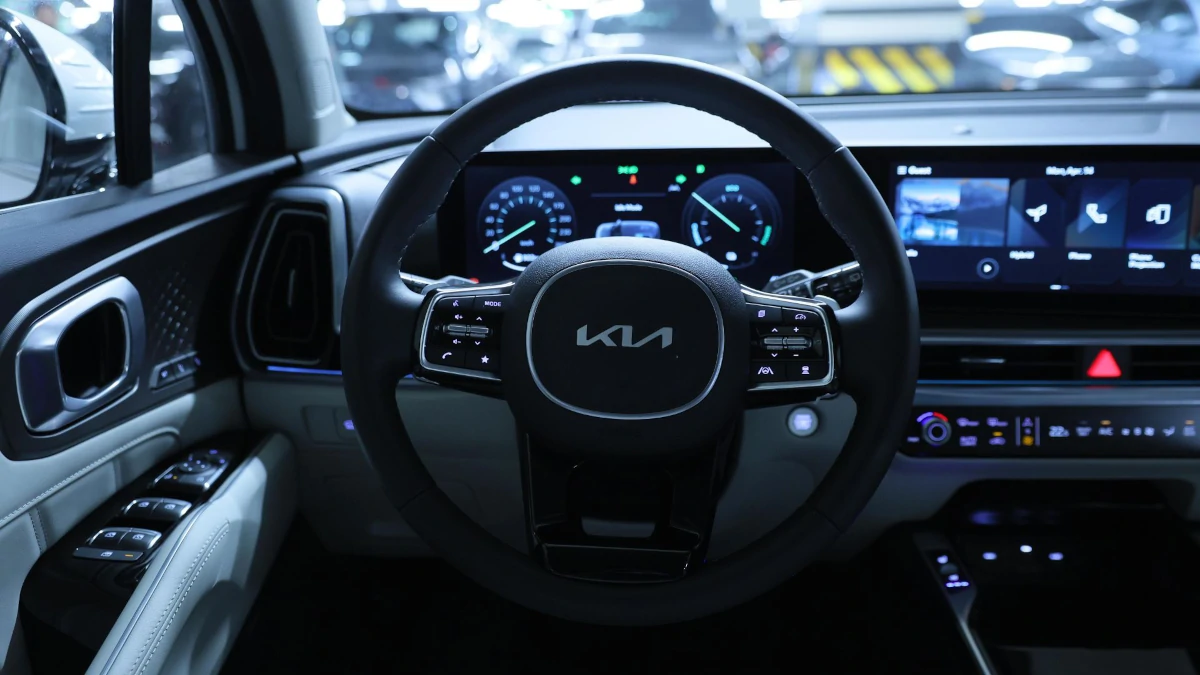
After spending a fair amount of time at the back, it was finally time to get to the driver’s seat. Five minutes in and we can tell you that the middle row is the place to be. The seats are noticeably firmer at the front, but not uncomfortably so. It could use slightly softer padding as it takes a while to settle into the seat. It’s also one of the few cars that ride better at the back than the front. The other rare exception is the Mitsubishi Montero Sport.
That aside, it’s still a pleasant place to be in. There’s a good amount of high-grade materials that, dare we say it, feel better than the Carnival. Ergonomics are good and it’s easy to get to grips with all the controls. The USB ports were of interest too, as it can switch from reading data to just charging.
The drive
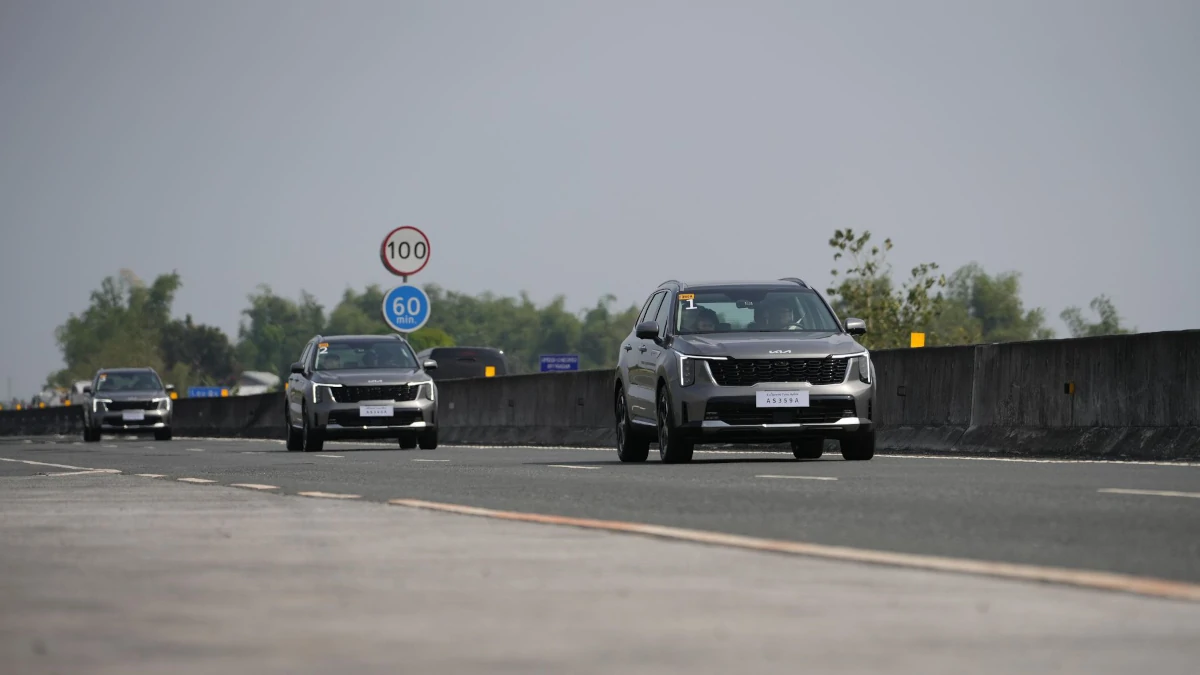
We drove the Sorento on the city, highway, and around winding roads, so we have a general idea what it’s like in the real world. At the same time, it was a good test as these kinds of SUVs are likely to be used on outings and whatnot.
To keep things simple, it’s good around the city and at home on the expressway. The ride is, as mentioned, smooth and serene, and the hybrid system kept things nice and quiet inside. Its advanced driver assists aren’t overly intrusive, and the lane keep assist doesn’t ‘ping pong’ you into staying in your lane. It doesn’t like it when you switch lanes without using turn signals, which is fine, to be honest.
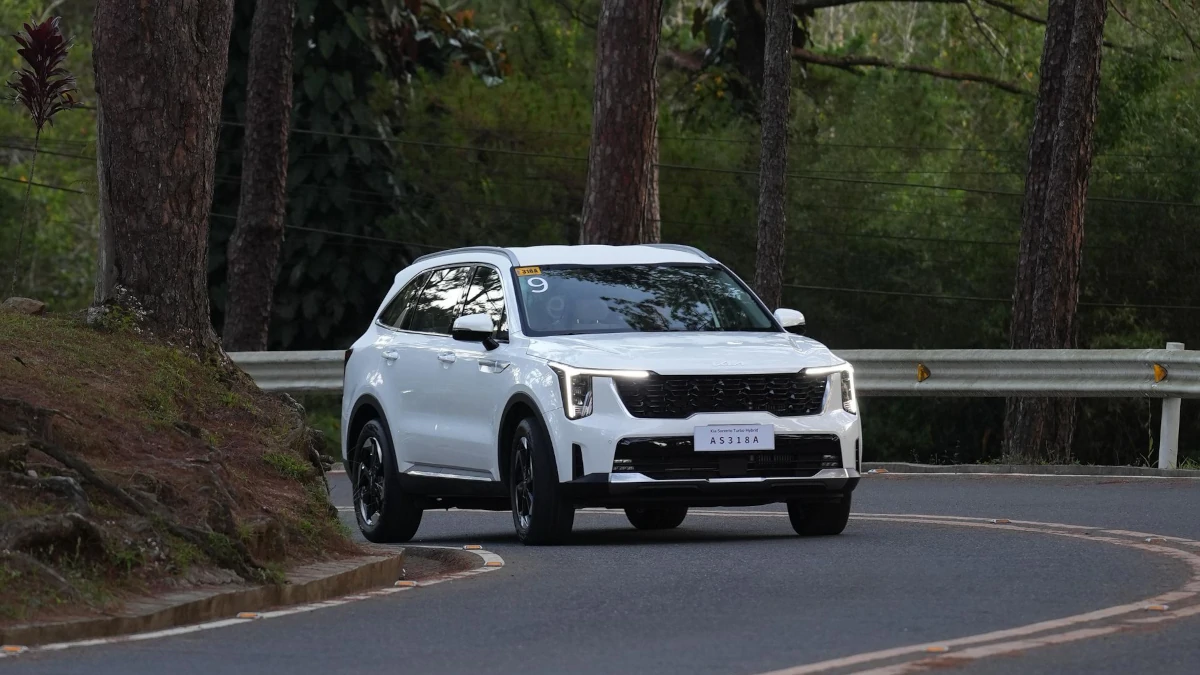
Show the Sorento some corners and it’s surprisingly composed. Mind you, there was four of us in the car with a good amount of cargo at the back. Despite the extra weight, this large SUV does well around the bends, resisting unnecessary body motion the best it can until physics take over.
Obviously, it’s no sports car as the steering is on the light side, but the Sorento has the handling confidence a cut above most similarly sized models. For those looking to buy a truck-based SUV, you have to try this one first. We have to give a shoutout to the brakes, too. It feels firm without being grabby, the latter being a common sore point in hybrids.
Pulling power
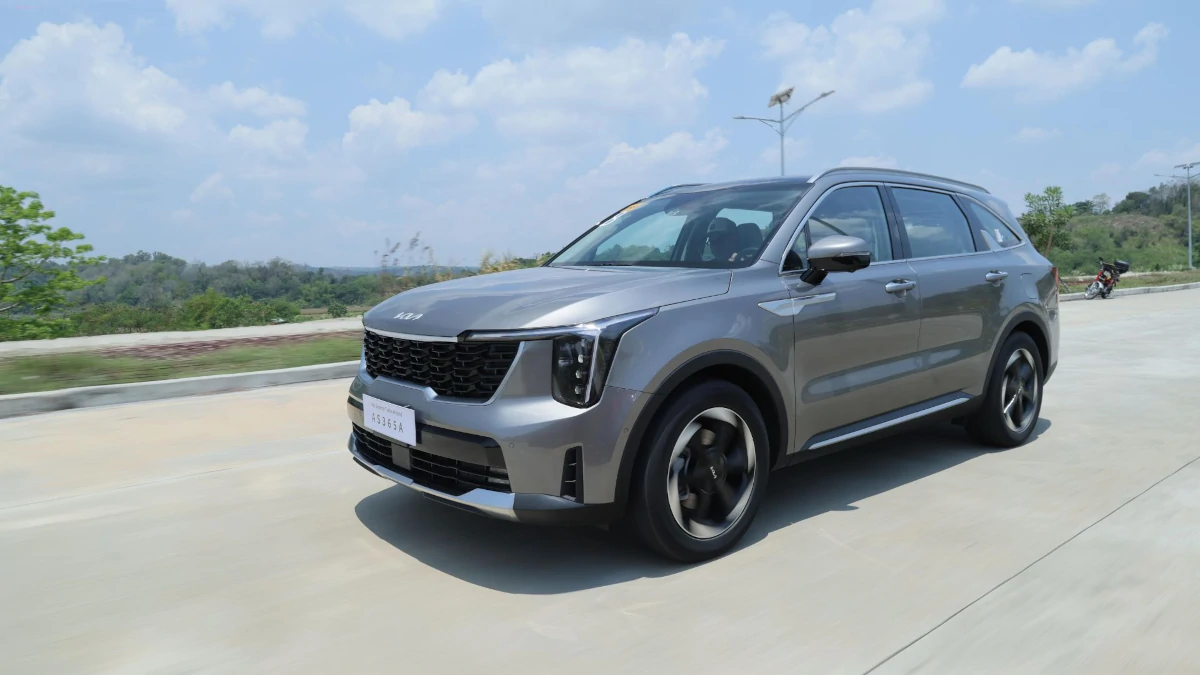
It’s got healthy power figures, and it delivers in the real world. There’s more than enough power to overtake with confidence. Thanks to its electric motor that assists the engine, response is immediate and feels more eager to put down power compared to the old diesel. In terms of refinement, it edges out most Toyotas but still a little behind Honda. Vibrations are kept to a relative minimum, but it can still be felt through the steering wheel when the engine kicks in to recharge the batteries.
There was one thing we did notice when we were going up steeper roads. While not underpowered, the compact turbo engine becomes a little more vocal when pushed. Admittedly, we were fully packed, but some might be given the (false) impression that it’s struggling. With the battery fully changed and electric assist, it does pull this heavy SUV with relative ease.
Another thing we noticed was the regenerative braking. It does a great job of recouping energy to top up the batteries, but it just lets go once said batteries are full. It might catch some drivers by surprise, and it won’t reactivate unless the charge is depleted. A solution around it is to put it in sport mode and manually downshift with the paddle shifters for engine braking.
As this is a hybrid, we might as well talk about efficiency. We did 18km/L for the whole trip and included a lot of idling, overtaking situations, and uphill driving. It’s a great result, and we still had over a quarter of fuel in the tank even after 600km+. No range anxiety here. With a gentler foot, we reckon it can travel over 1,000km on a single fill-up.
Don’t sleep on the new Sorento
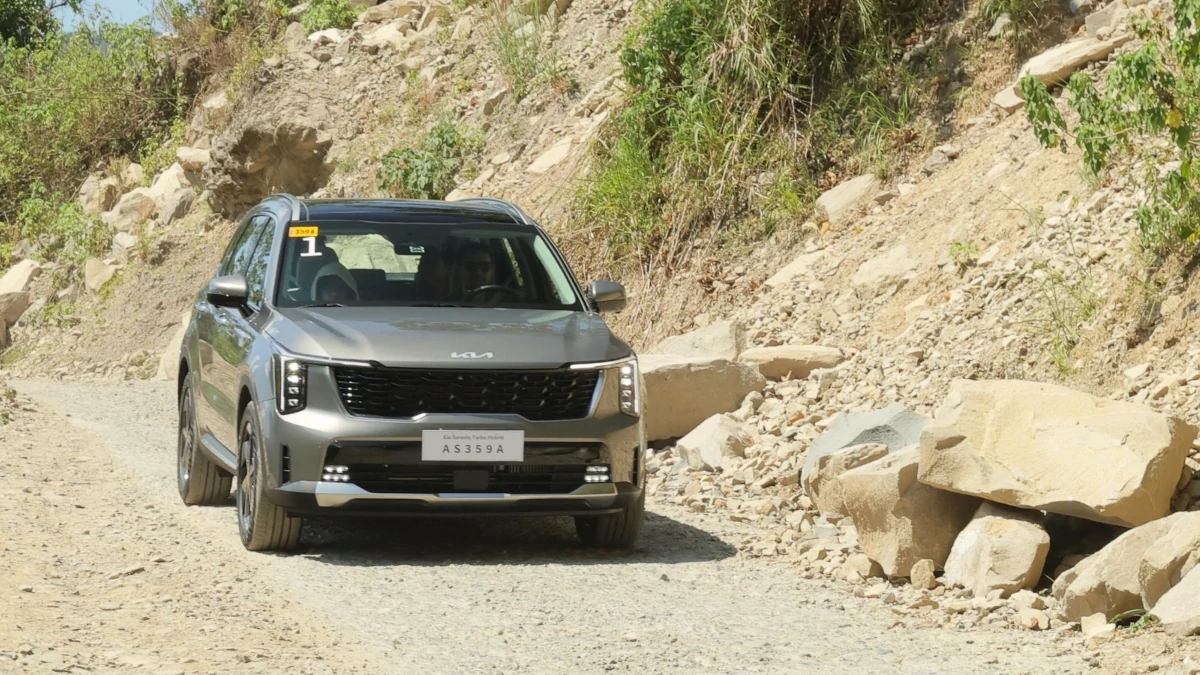
The trim we drove going to Baguio and back retails for P2,888,000. It’s a lot of cash, but if you stop and think about it, the top-spec Sorento is pretty solid value. For staters, it’s the only (non-Chinese) SUV of its kind that’s under P3-M.
For reference, the Ford Explorer retails for P3,498,000, the Mazda CX-90 starts at P3,680,000, and its own twin, the Hyundai Santa Fe Hybrid, carries a sticker price of P3,330,000. I’ll admit that the CX-90 is in a class of its own, but against the other two? The Kia’s retail price will make you think twice before considering the Ford or Hyundai.
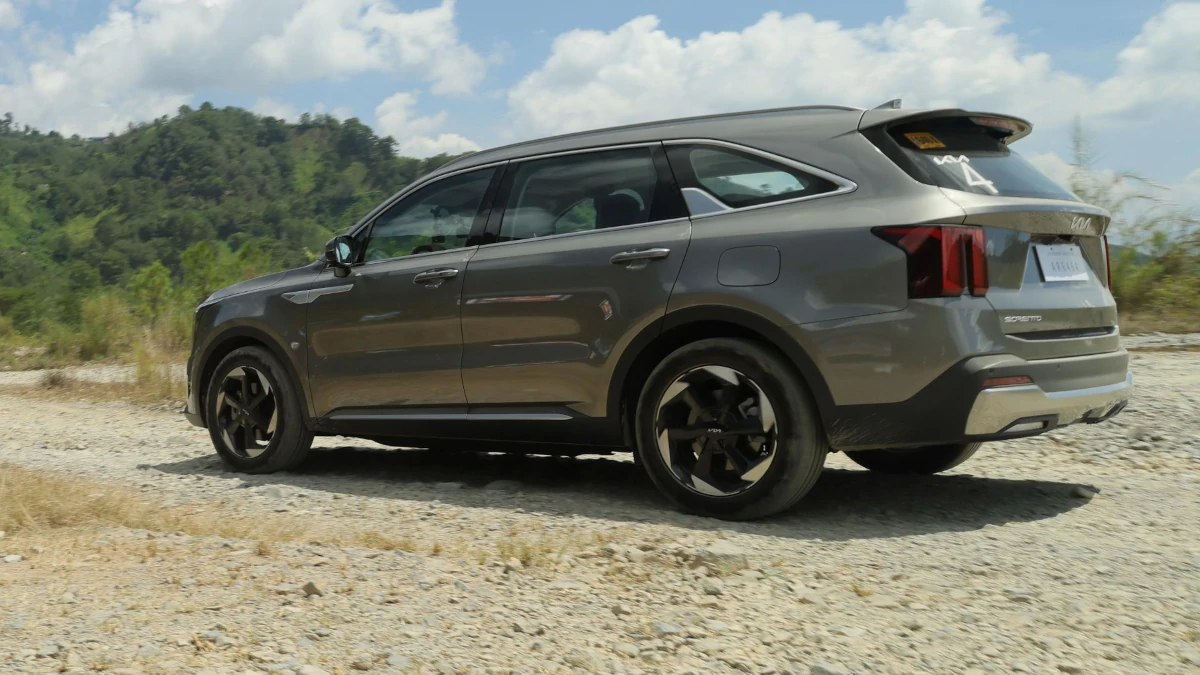
It’s even greater value if you go for the two-wheel drive variants. These models range from P2,188,000 to P2,588,000, effectively undercutting smaller hybrid SUVs like the Toyota RAV4, Honda CR-V, and Hyundai Tucson. Only the Chinese have a lower price tag. It’s about the same price as high-spec two-wheel drive truck-based SUVs and those have less space, are less refined, not as comfortable, don’t handle as well, and thirstier.
Now, we’re not telling you to ditch that pickup-based SUV. If you want to buy one, go right ahead. But it’s hard to ignore the capabilities of the new Sorento hybrid. Couple that with its value proposition for its size, those in the market for any kind of SUV in the P2-M to P3-M range need to take a serious look at this model.
Seriously folks, it’s 2025. Kia has come a long way from its bargain basement motoring roots.