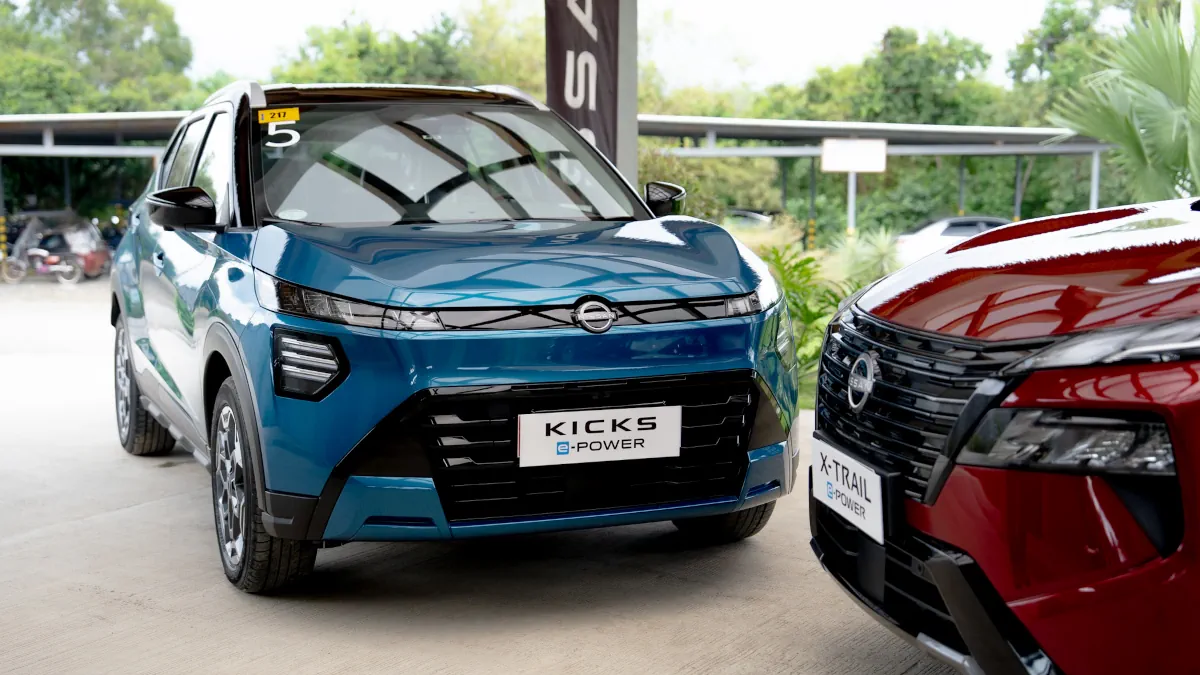

Nissan Philippines president Yoshinori Kanazawa opened the briefing to our media drive with a surprisingly frank statement: “Our e-Power technology...well, it’s quite hard to explain.”
Honestly, I get it. On paper, the premise is simple: it’s a hybrid setup that’s fed by gasoline, but it acts and drives like a BEV. That’s achieved by using the engine solely as a generator that feeds power to a small electric battery. And that battery powers an electric motor which independently drives the wheels. Certainly a lot of moving parts in this equation.
So...a PHEV/REEV you can’t plug in?
Sure, something like that. The idea is, you get the benefits of a fully electric vehicle while having the convenience of gasoline power. We’re talking quick fill-ups at any gas station you run into on the road. That’s in contrast to half-hour charging times at a station you had to plan around on the way to your destination for BEVs.
ALSO READ:
Your next Nissan pickup truck could have a folding second row
The all-new Nissan Skyline will reportedly debut in December 2026
It’s one of the more interesting approaches to electrification on the market today, but that also means it’s a bit harder to market to the general public. You can’t just say “it fills up like an ICE, drives like a BEV, and is classified as an HEV”—you’ll scare off customers with that acronym salad.
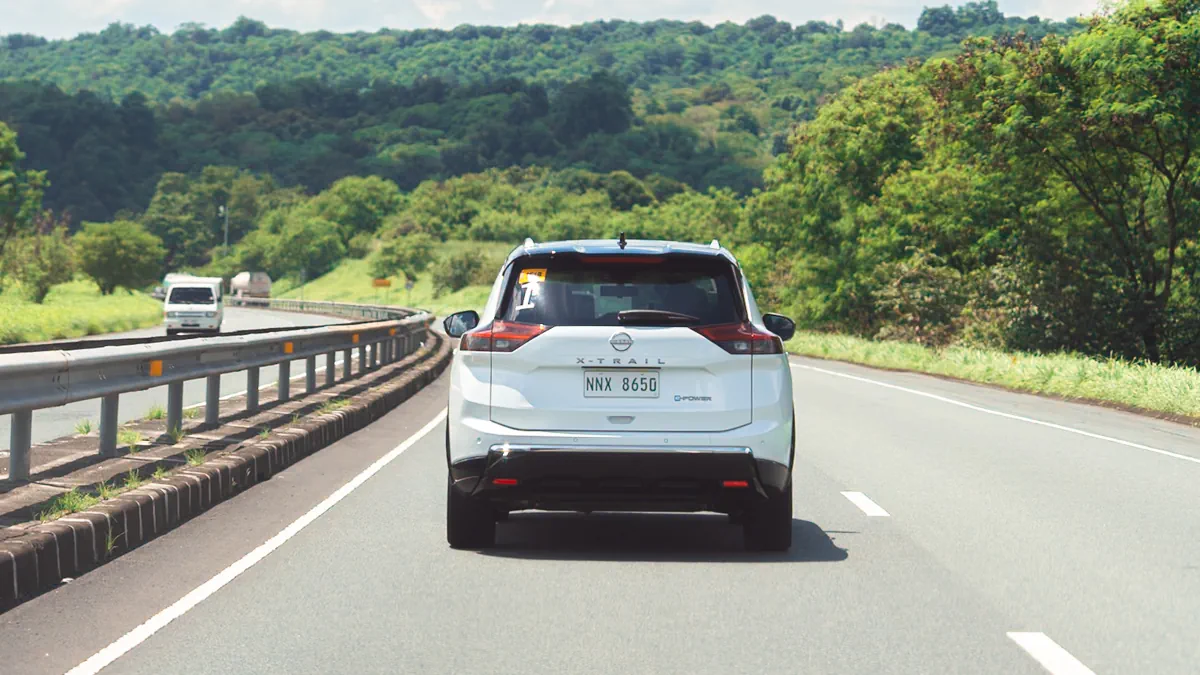
And that’s the point of our road trip spanning over 660km across three days. The tech is best experienced rather than explained. Our drive took us from Metro Manila, up to Botolan, Zambales, and further north to Bolinao, Pangasinan, before heading back to the city.
Okay, but just how BEV-like is Nissan e-Power?
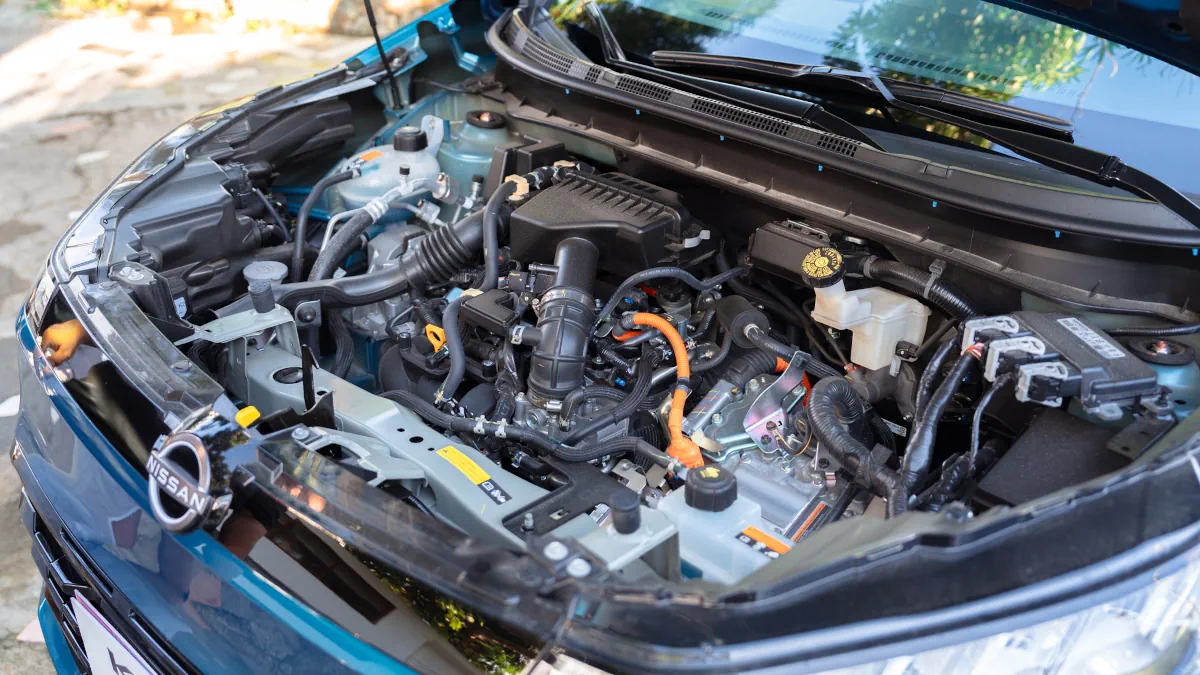
Pretty close, actually. Not perfect, but it’s maybe 90% of the way there. Stepping on the gas—sorry, accelerator—there’s a telltale kick of the electric motor driving the front wheels. Inputs feel prompt while creeping along at slow speeds, and it’s very, very quiet in these situations.
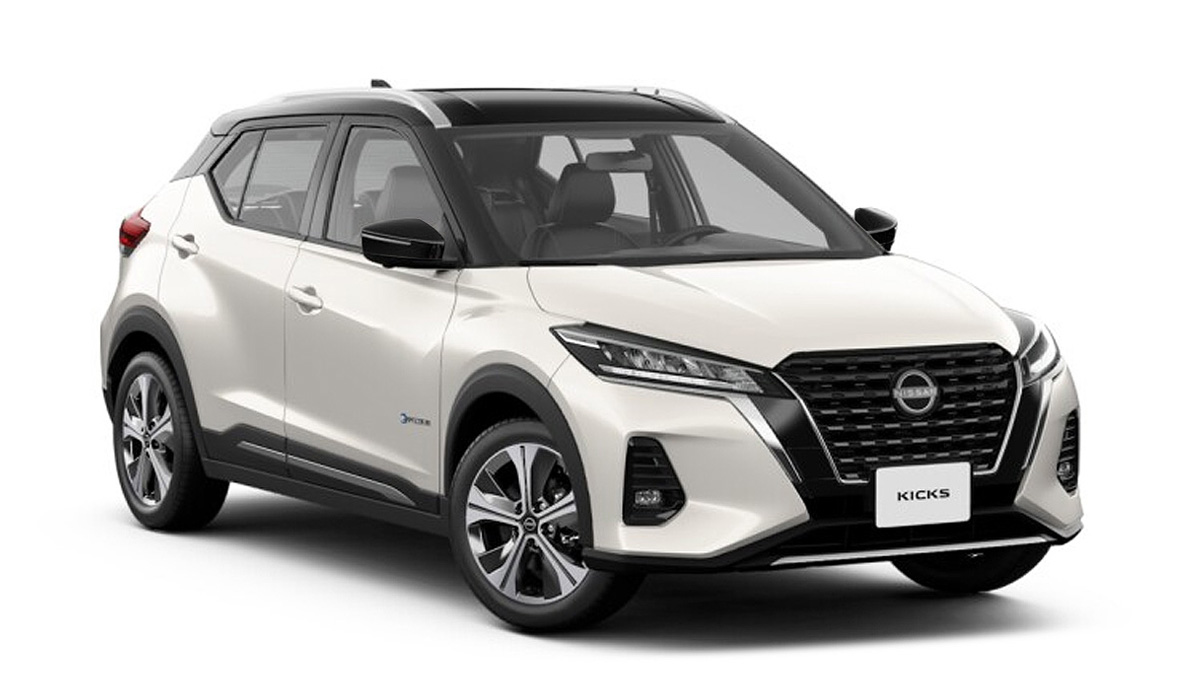
For the Kicks, in particular, you soon learn that the power figures listed on the spec sheet are deceptively low. Its 134hp is a fair amount for a crossover of its size, but the electric motor’s 280Nm of torque gives it a surprising amount of acceleration.
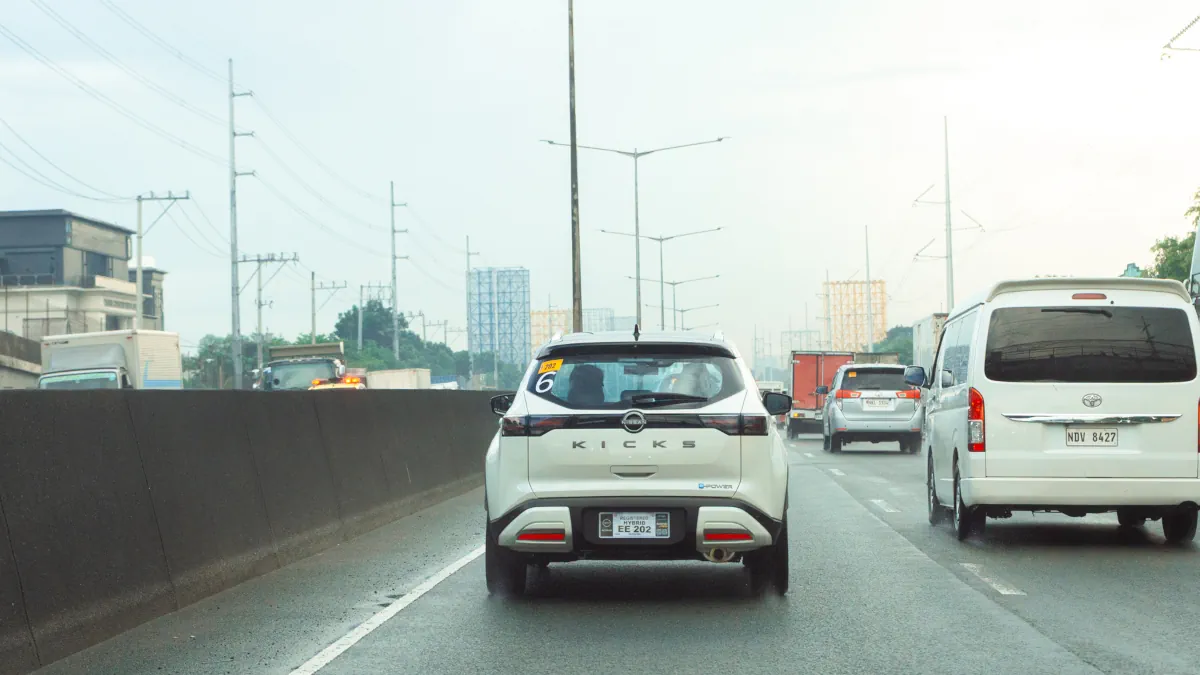
The illusion breaks during extended driving, especially on the expressway. Nissan e-Power vehicles pack relatively small batteries compared with PHEVs or BEVs (1.84kWh for the X-Trail, 2.06kWh for the Kicks), and these constantly need to be topped up by the generator when driven on the highway. As a result, a bit of noise and vibration do seep through.
Still, it’s not distracting by any means. Tire noise usually drowns out the thrum of the engine turning on to churn power, while vibrations are typically on the same level as road feedback. Flooring the accelerator will make the engine groan as it matches pace with your need for speed, though.
But does it have one-pedal driving?
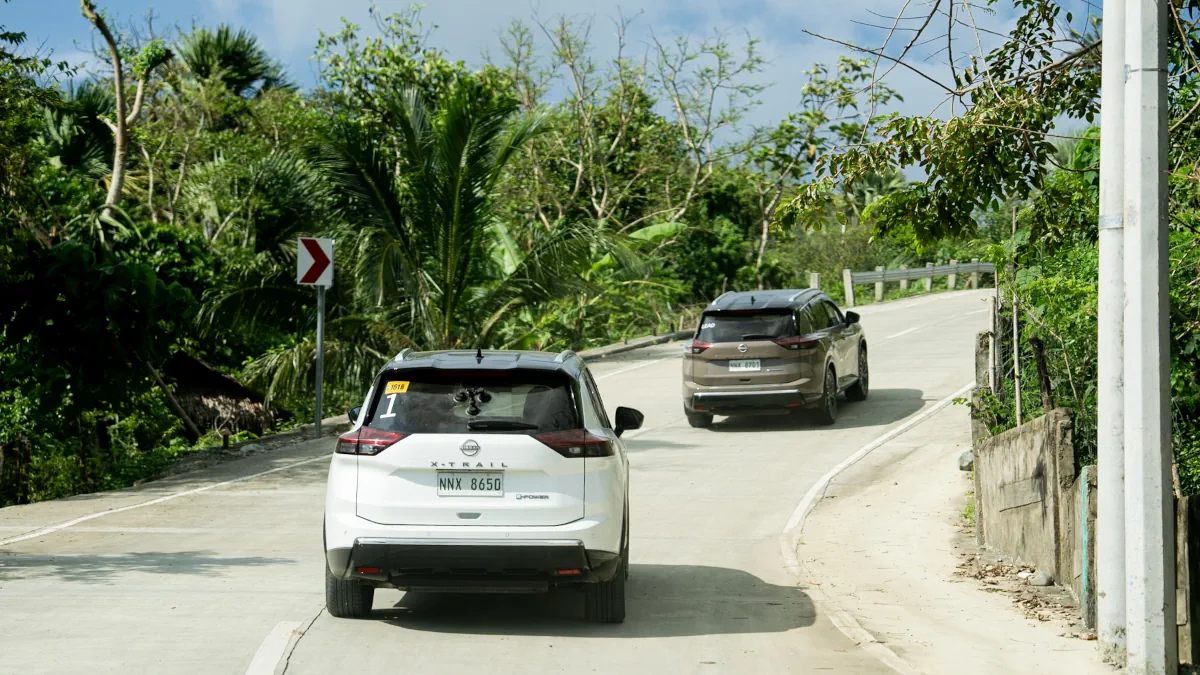
Yes, and I think it’s what really sells the BEV-like driving pitch. The speed reduction and regenerative braking work like a charm, and it meaningfully contributes to the vehicle’s range and efficiency. The X-Trail even has a readout for how approximately how many kilometers you recover through regenerative braking.
It does take a bit of getting used to. The car felt jerky during my first hour driving it with one pedal, but I gradually learned how to feather pressure on the pedal to get it to speed or slow down like I wanted.
One-pedal driving (e-Pedal Step, as per Nissan’s branding) is implemented slightly differently between the two e-Power vehicles we tested: The X-Trail has e-Power available to toggle at will, while it’s tied to the Eco and Sport modes on the Kicks. It’s also worth noting that there’s no adjusting the level of regenerative braking offered by e-Pedal mode, save for toggling between Eco, Normal, and Sport modes.
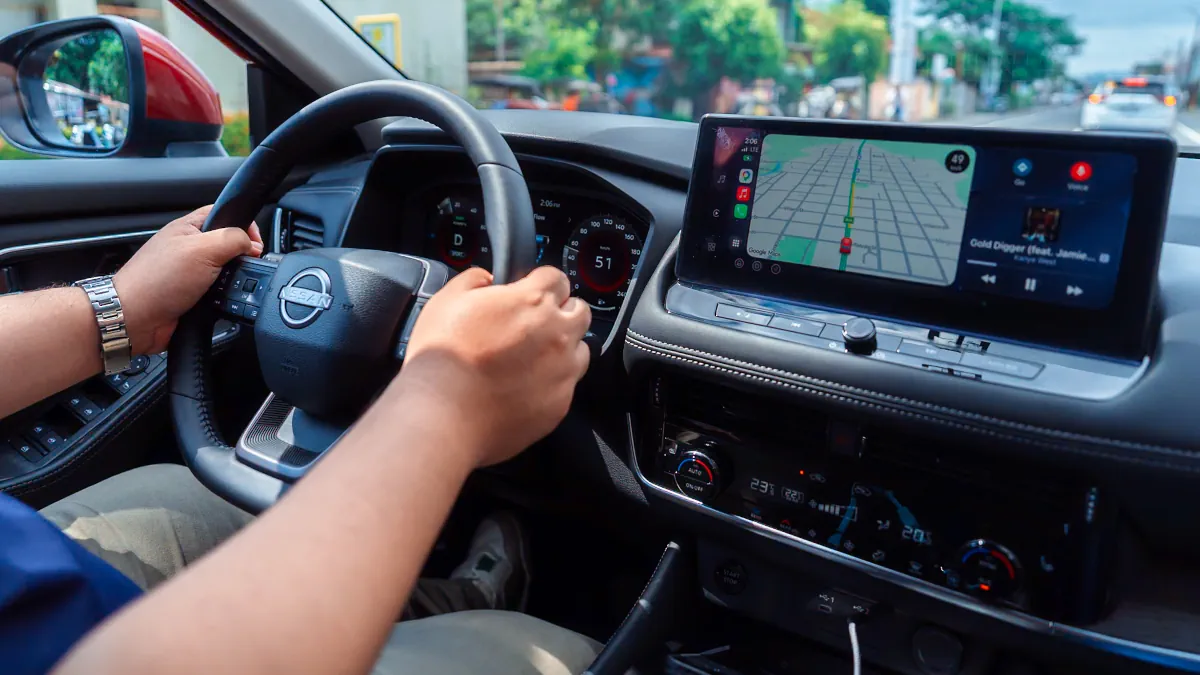
Counterintuitively, setting both cars to Sport mode felt like the best setting for one-pedal driving. I felt like it offered the most predictable level of resistance and minimized jerkiness when lifting off the pedal. Normal and Eco mode felt like they were pulling the car back too much, but those modes did come in handy during urban sections of the drive.
But Sport also makes the electric motor a bit more eager to put out power, meaning you drain the battery faster and the engine has to kick in more often. See? Counterintuitive.
I’m still of the opinion that adjustable regenerative braking would have been a great addition to the e-Pedal experience, since I was already fine-tuning it by flipping through drive modes. But as is, this is easily one of the highlights of Nissan’s e-Power system.
Anything else stood out for you while testing?
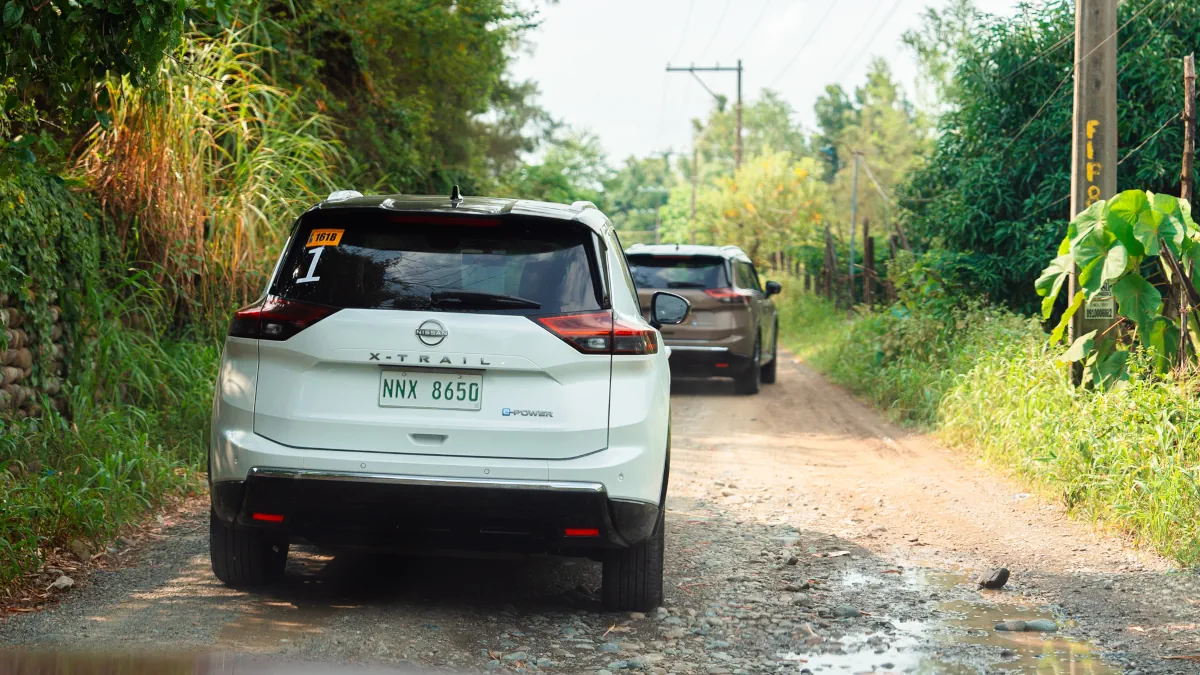
So, about e-Power still relying on gasoline while essentially being a BEV. As our drive reached the more remote and middle-of-nowhere segments of the route, it made me realize just how ubiquitous gas stations are. Even that far out, we were still passing along small gas stations where we could have easily topped up (we did our whole road trip on a single tank of fuel and still had plenty of range left when we got back, by the way).
As for EV chargers, well...there were the ones along NLEX, then a couple more installed at the resorts where we stayed. That’s about it. Granted, most EVs these days have plenty of range to get to where the EV chargers were on our route.
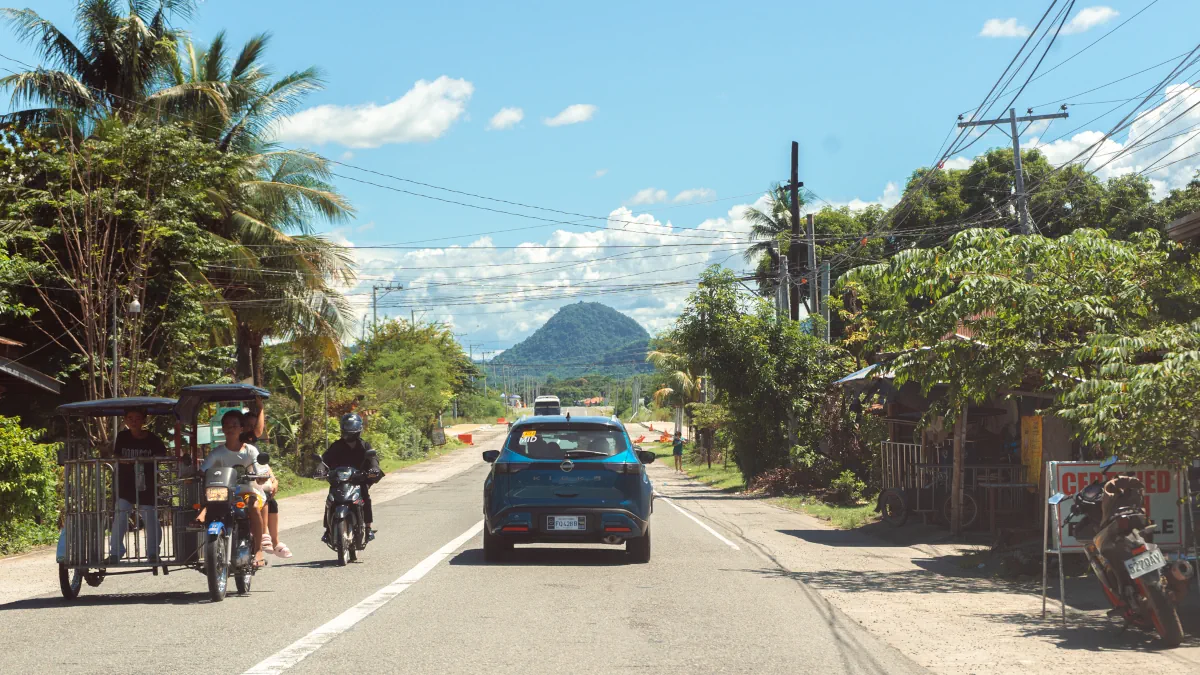
But what if we weren’t on a road trip? If we’re just in the city where a BEV can easily find chargers, then yes, e-Power’s value proposition on convenient and reliable refueling gets watered down considerably.
And then you start to factor in how much gas actually costs today, and how a lot of BEVs come bundled with a home charger you can hook up to solar panels, and suddenly…
So what’s your final verdict?
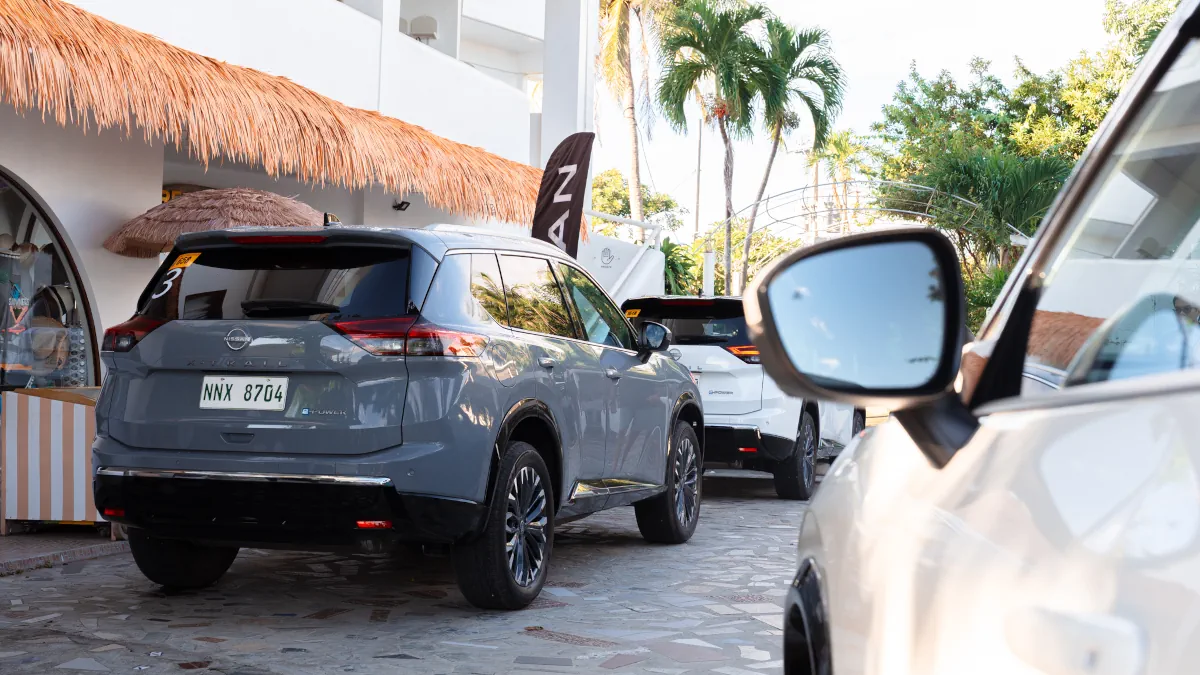
I have to concede this: e-Power feels like a transitional form of electrification. One that’s meant to bridge the gap between HEVs and BEVs, to show you what life could be like living fully electric while giving you the safety and reliability of gas power. But for the price the tech commands—almost P1.8 million as driven for the Kicks e-Power, and almost P2.3 million for the X-Trail e-Power—the Filipino buyer likely wants something more than a halfway solution.
And you really can’t blame them. Why would someone pay gas prices to fuel their BEV driving experience? Had it come a year earlier or with a lower price tag, then it might have been a compelling option to those curious to dip their toes into electrified motoring. But that window has come and gone.
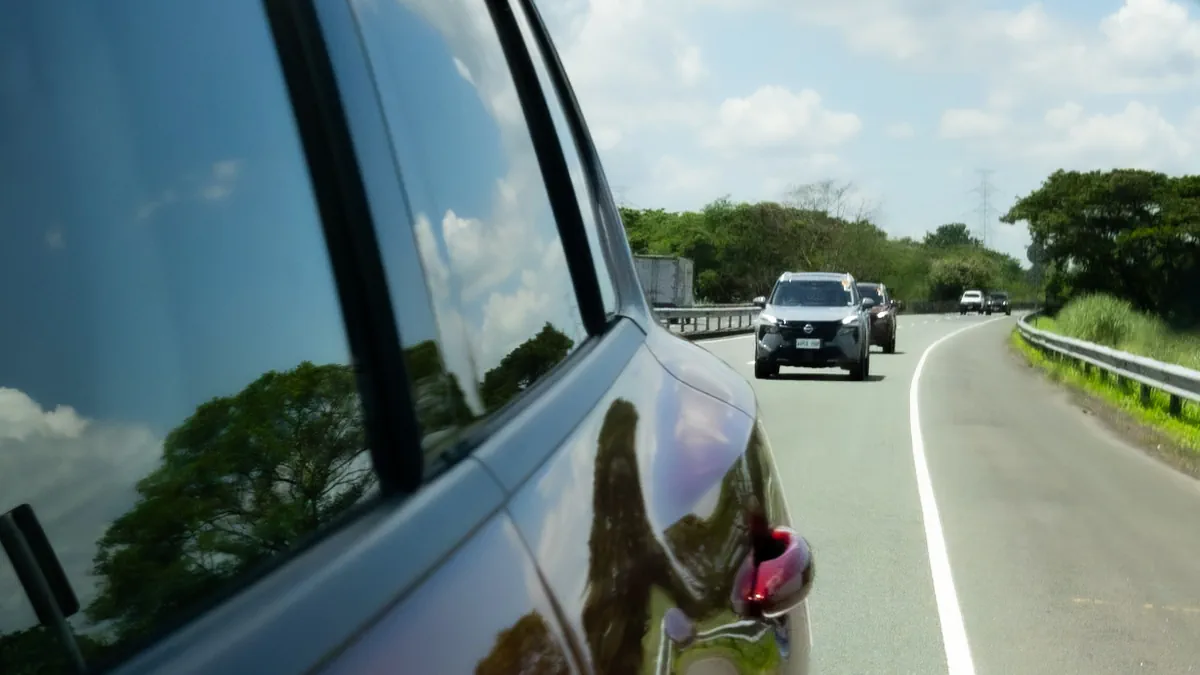
Still, I did enjoy my time with the X-Trail and the Kicks. It was pleasant being behind the wheel of these crossovers, and they also have merits of their own beyond e-Power technology.
Looking at the broader picture for Nissan, the Japanese automaker has been pretty open about working closely with its counterparts in the Chinese market and picking up lessons along the way. Who knows? Maybe this gives them the right tools to further develop e-Power into a worthy alternative to pure electric power.
Watch this space—I don’t think Nissan is putting this tech away any time soon.