If you haven’t heard, Toyota recently announced that it has produced over 300 million vehicles throughout its lifetime. That’s a period that began in 1935 to the present, covering all the brands the Toyota owns, namely Daihatsu, Lexus, and Hino.
That makes Toyota the first-ever automaker to reach that staggering figure. For comparison, its closest rival is the Volkswagen Auto Group and they sit somewhere in the 200 million range at the moment.
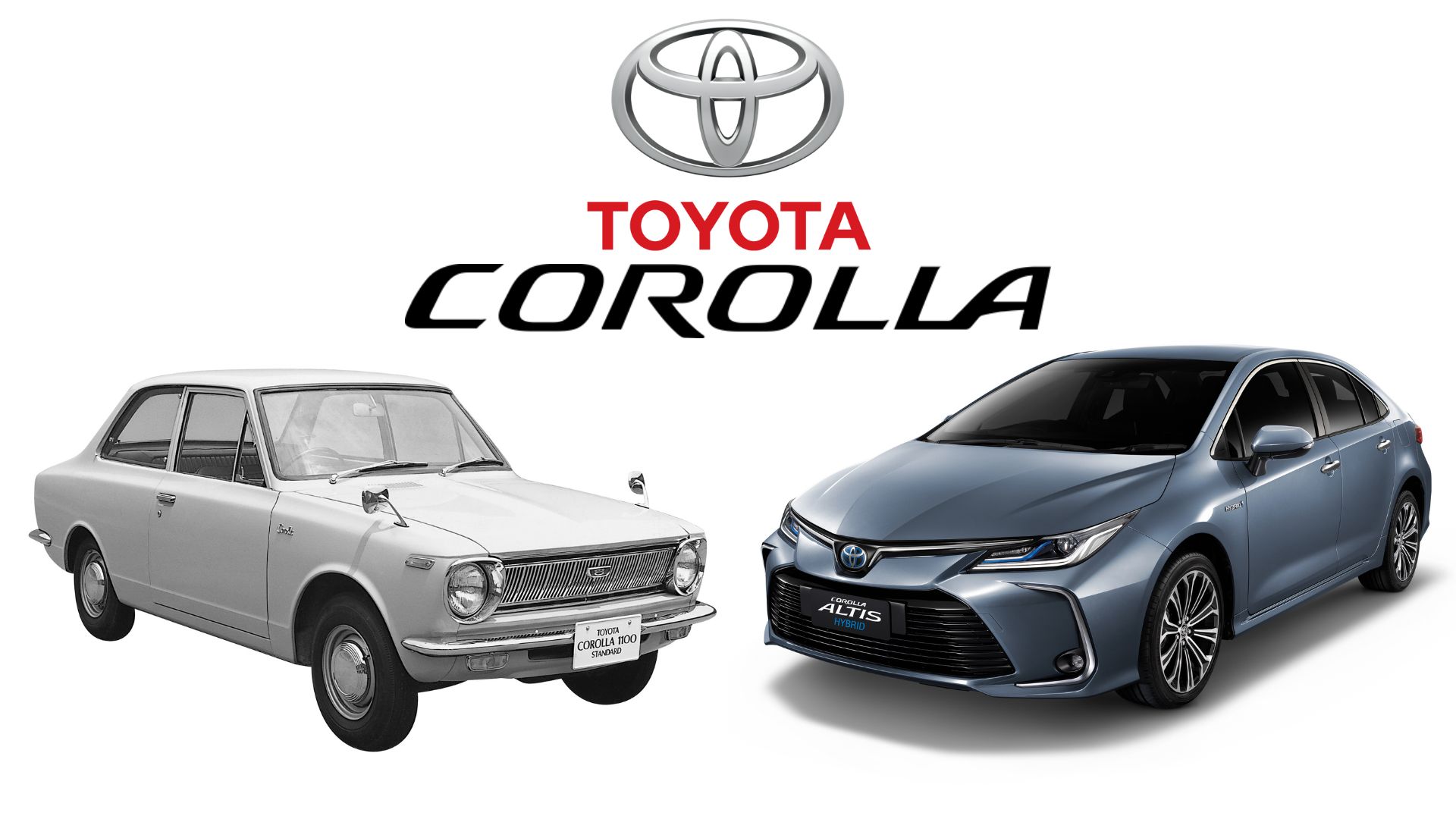
Toyota has made several best-sellers over the decades, but what’s the model that makes up the bulk of the 300 million units? Perhaps to the surprise of no one, that would be the Toyota Corolla.
OTHER STORIES YOU MIGHT HAVE MISSED:
EICMA 2023: Say hello to the Elettra, Lambretta’s first electric scooter
It’s coming: ‘Grand Theft Auto 6’ to drop first trailer next month
So, how many Toyota Corolla models have been made?
Per the company’s figures, the current tally stands at 53.399 million cars. For those interested in doing the math, that’s about 18 percent (17.79 percent, to be exact) of all the cars that Toyota have produced since 1935. To say that’s a huge chunk is an understatement. With that, now’s a pretty good time to cover the classic models to see how it got there.
First-generation (E10, 1966 - 1970)
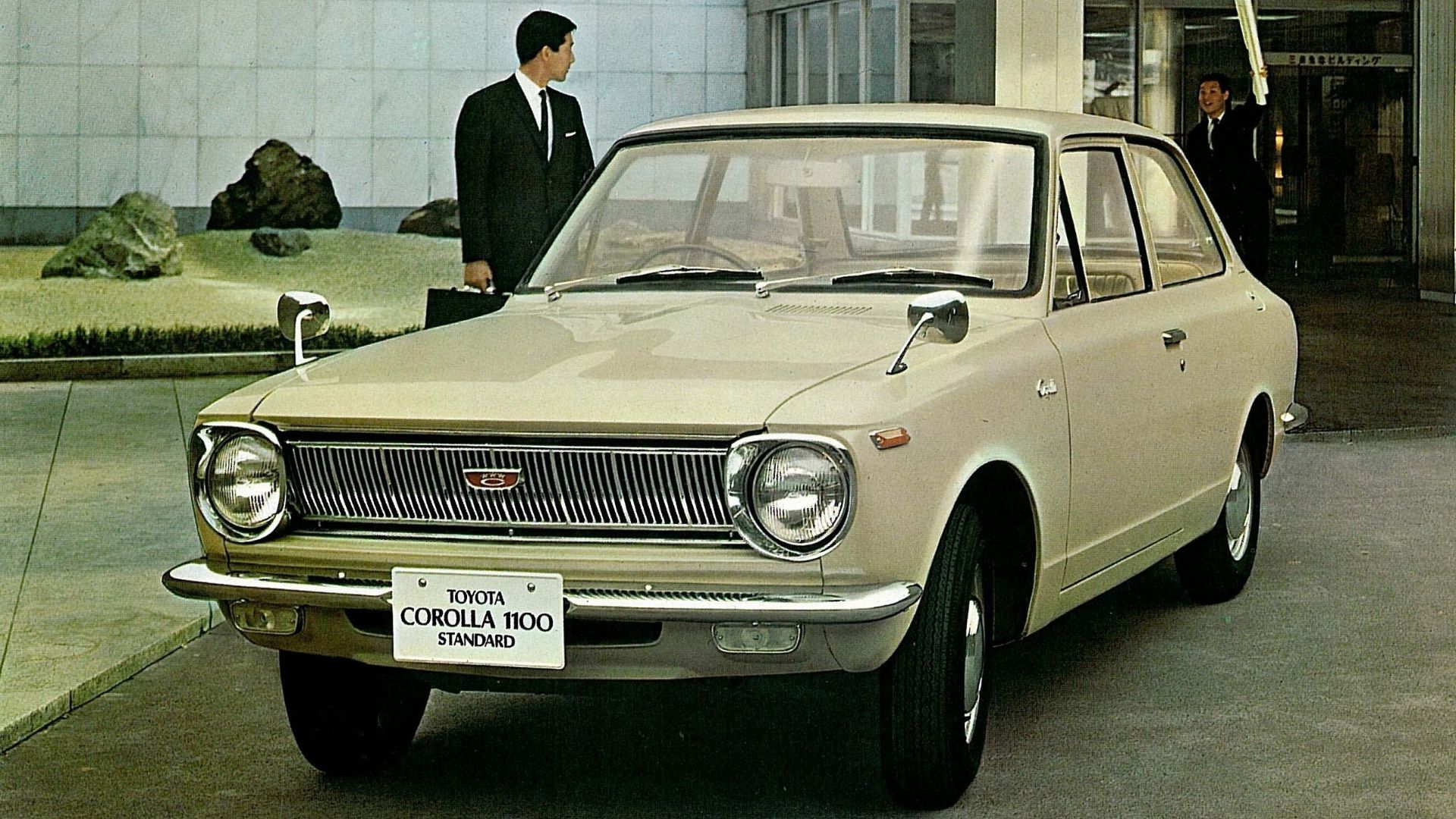
The Toyota Corolla made its world premiere in 1966 and has long established itself as the brand’s best-selling model. Its popularity, particularly in North America, helped Toyota establish its footing in the world’s largest export market at the time.
Second-generation (E20, 1970-1978)
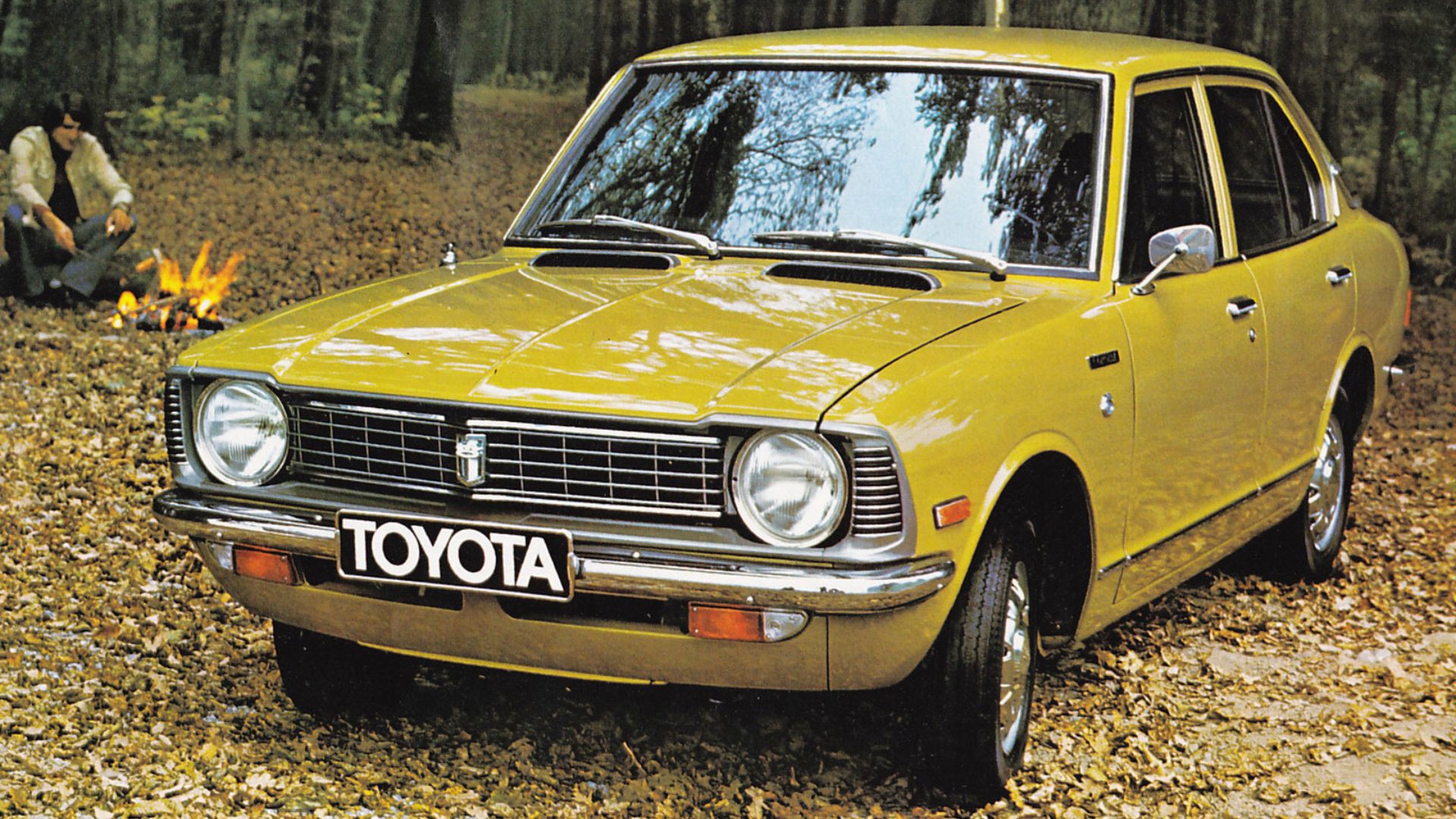
Greater sales and success followed with the introduction of the second-generation model in 1970. By then, it was sold in even more countries and the first oil crisis of the ‘70s fueled greater demand for small and efficient cars. Towards the end of its production cycle, the second-gen Corolla had become the world’s best-selling passenger car.
Third-generation (E30, 1974-1981)
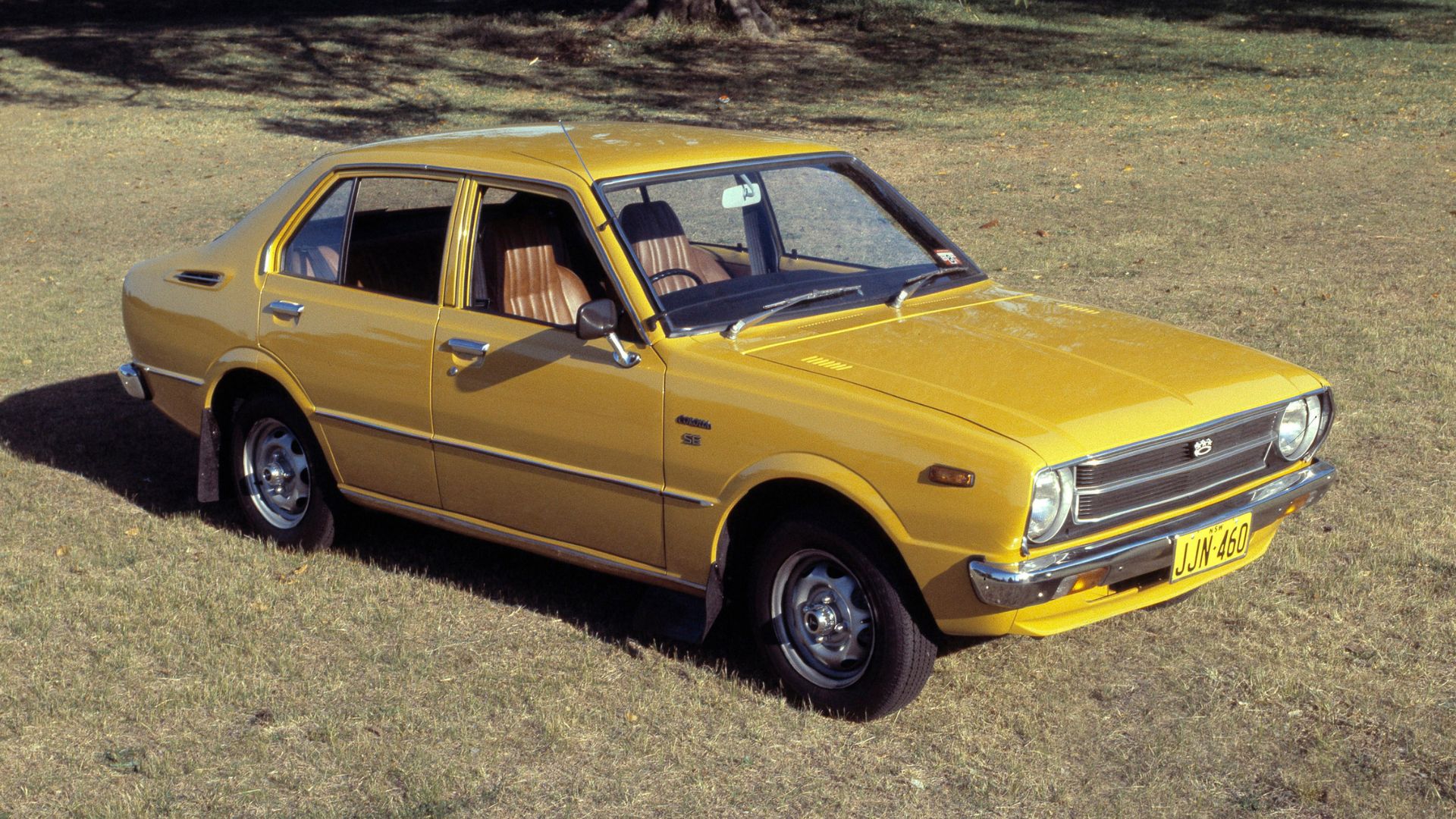
When the third-generation Corolla was released during a difficult period. It was launched right after the first oil embargo in 1974. However, that was one of the factors that swayed towards the favor of Toyota and other Japanese automakers as more car buyers were looking to downsize their cars for greater fuel efficiency.
Fourth-generation (E70, 1979-1987)
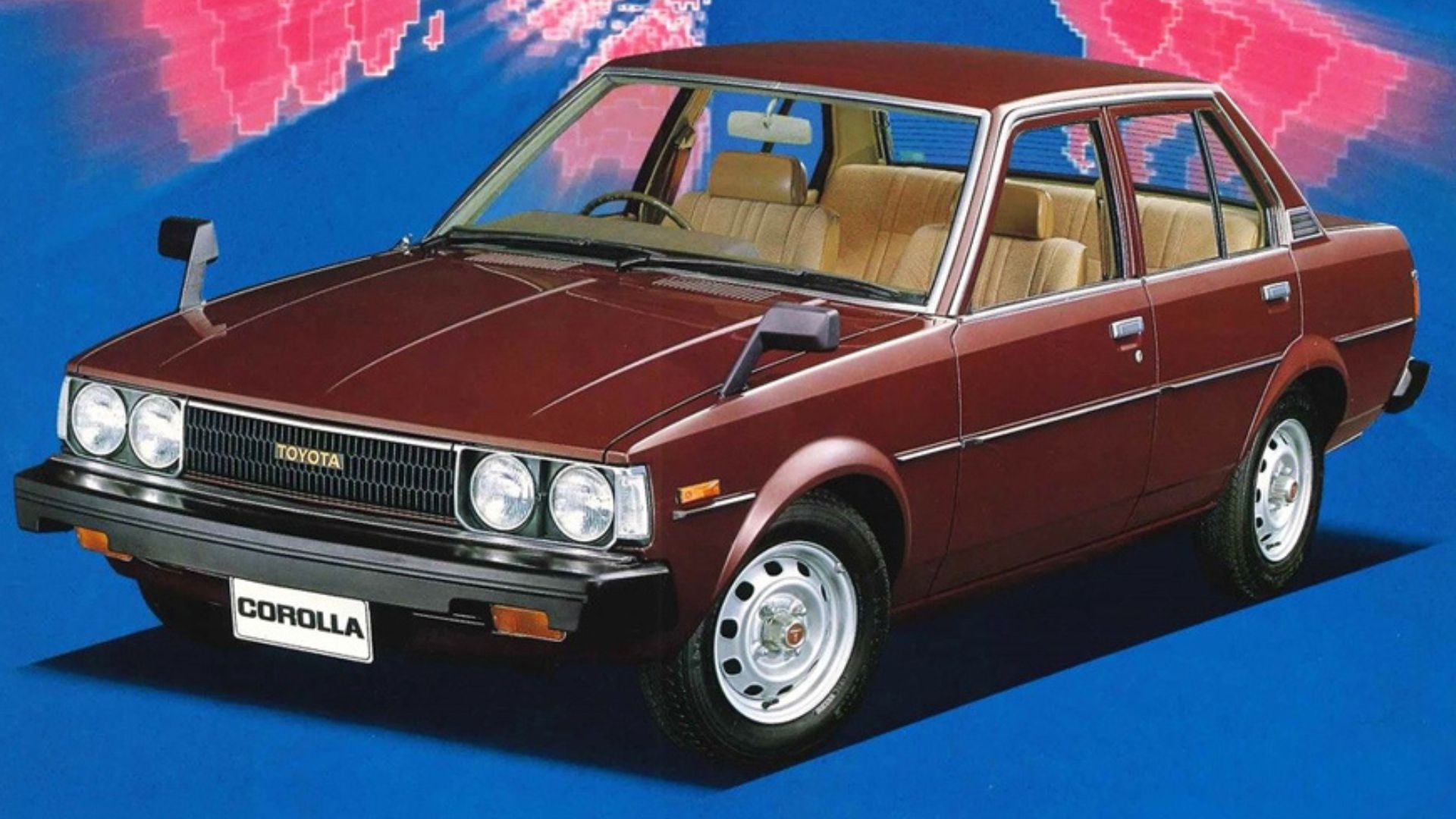
Ironically, the fourth-generation Corolla would be released during yet another oil crisis in 1979. Still, that didn’t seem to put a dent on the success of this model. It also helped that there was a wide variety of engines and body styles available from utilitarian and practical to sporty and dynamic.
Fifth-generation (E80, 1983-1990)
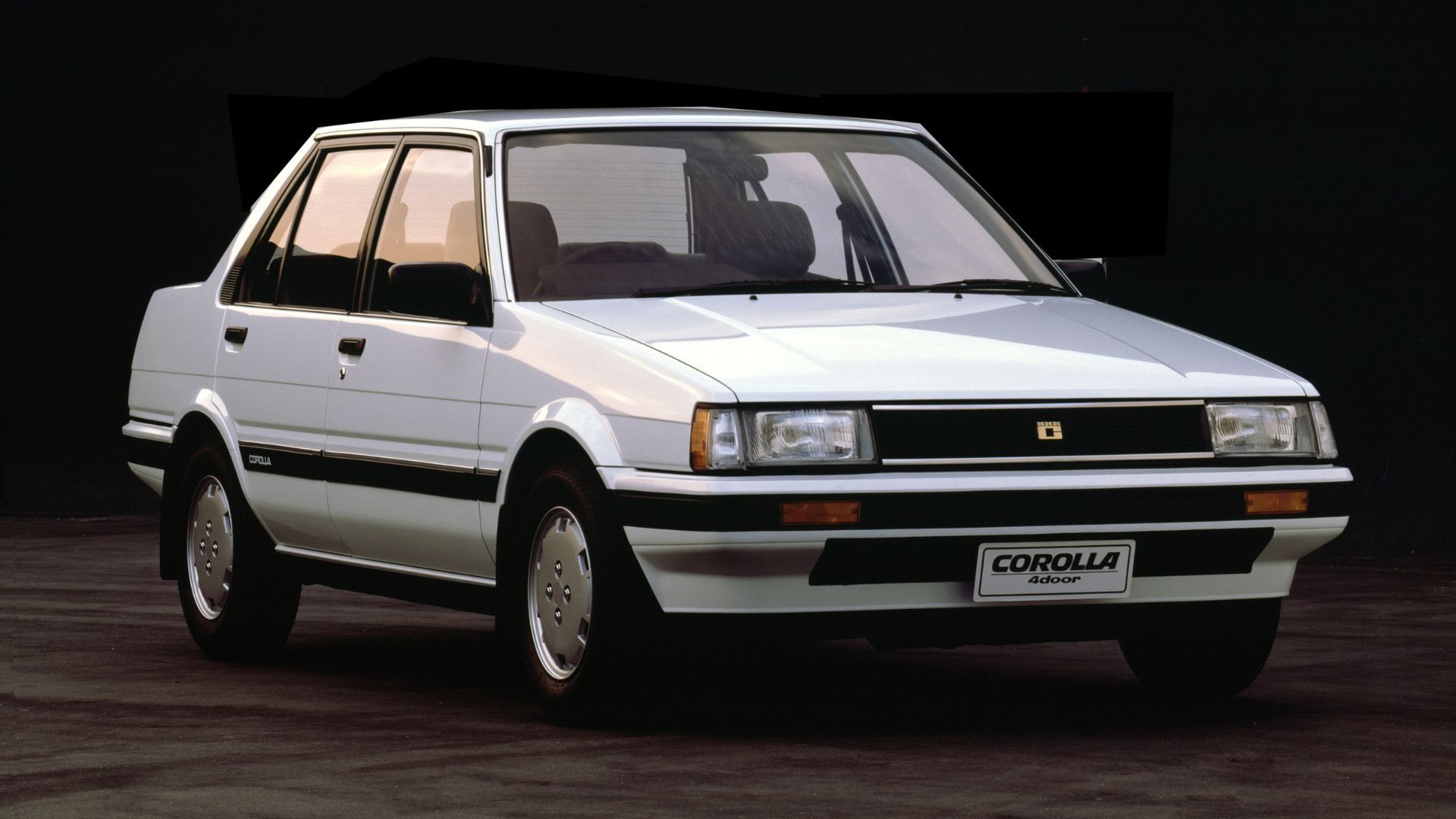
It doesn’t seem like it now, but the fifth-gen Corolla was a massive gamble for Toyota. That’s because the company had decided to shift to a front-wheel drive layout for its best-seller. On top of that, Toyota also produced sporty rear-drive models for this generation, something unimaginable in the current automotive landscape. The result of that was greater space for the sedans and lift backs and the birth of the iconic AE86.
Sixth-generation (E90, 1987-1993)
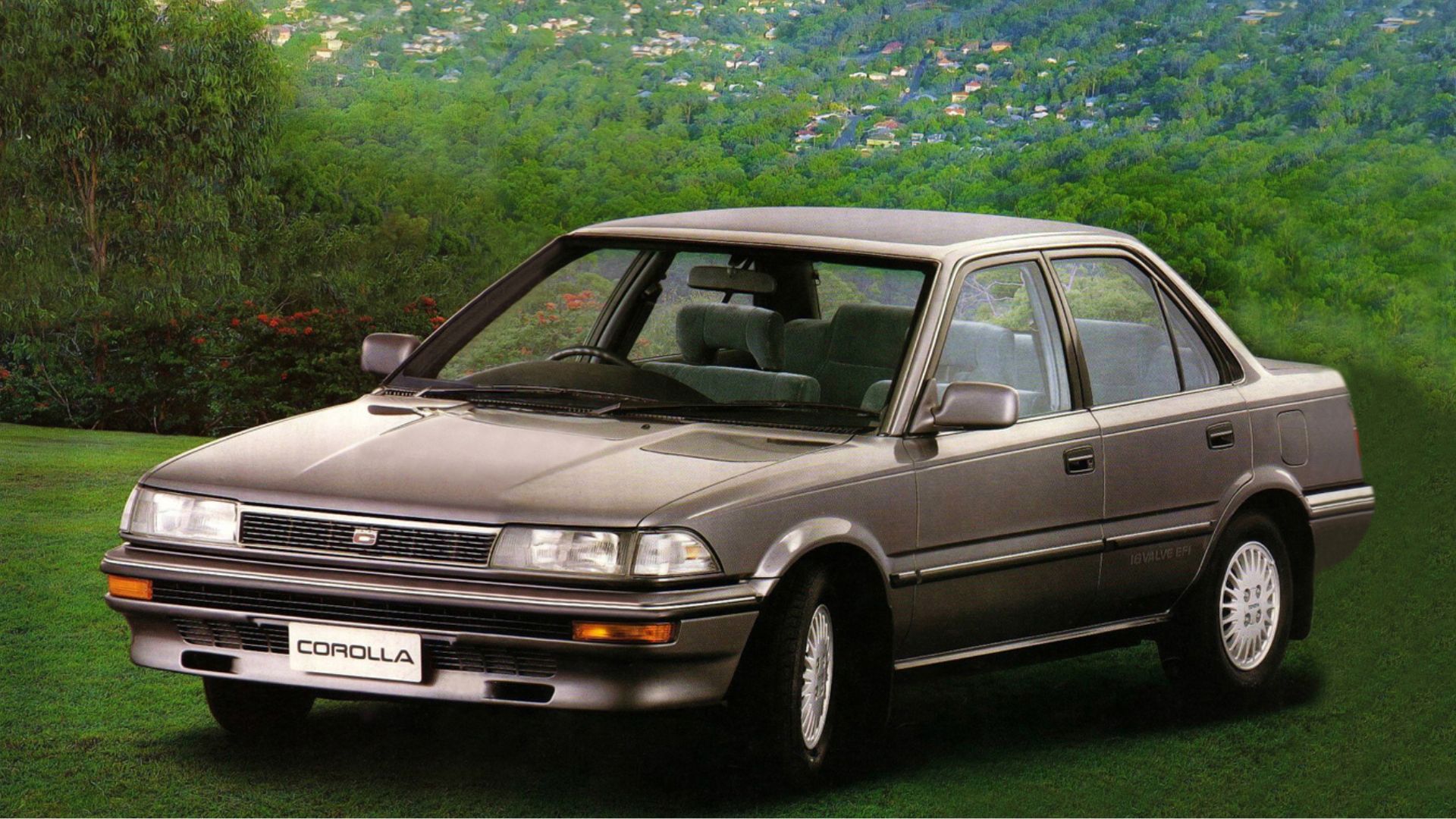
Ah yes, the Corolla affectionately known locally as the Small Body. Whereas the previous generation represented a massive shift for the model, the sixth-gen became more mature and a greater refinement of its front-drive design. It was quite a handsome car too with its sleeker and aero-looking body. It could be said that it’s also the generation that brought the car to the modern era.
Seventh-generation (E100, 1991-1998)
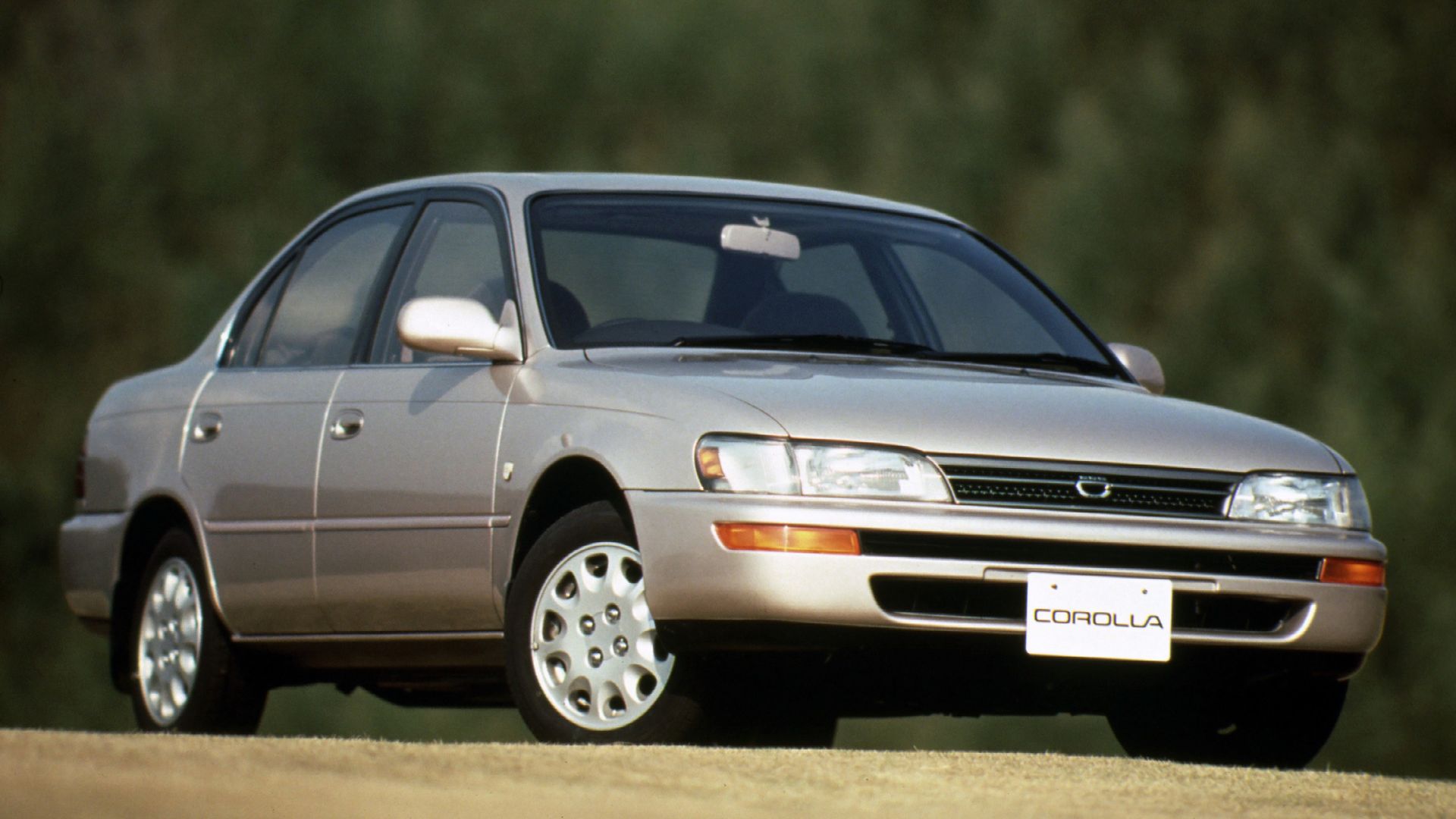
When Toyota was developing the Corolla for the new decade, chief engineer Akihito Saito and his team set out to build a ‘Mini-Lexus’. By the time it was released, the team made good on its promise by giving the car a more upmarket and (almost) premium feel. It was much larger than its predecessor too, moving it up a size class in certain markets. As far as full model changes went, it was a massive leap from sixth to seventh generation.
Eighth-generation (E110, 1995-2004)
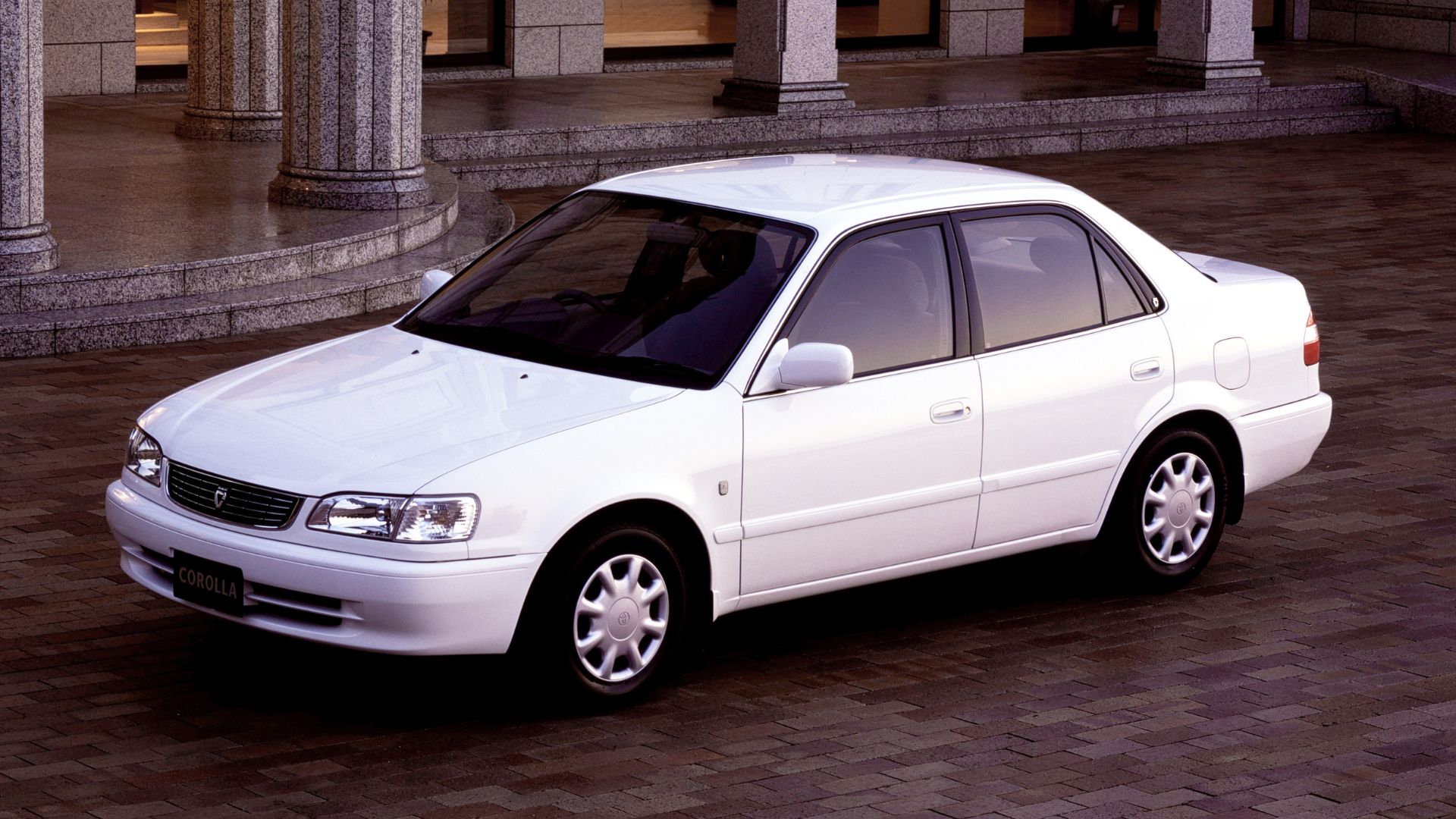
The eighth-gun Corolla was more of a gentle evolution than massive overhaul of the nameplate. For the most part, if followed the formula of the last two models. However, towards the end of its production, Toyota was mulling its discontinuation as the company was questioning the car’s staying power. It also didn’t help that it was born during successive recessions in Asia, namely the Japanese asset price bubble burst and the Asian financial crisis.
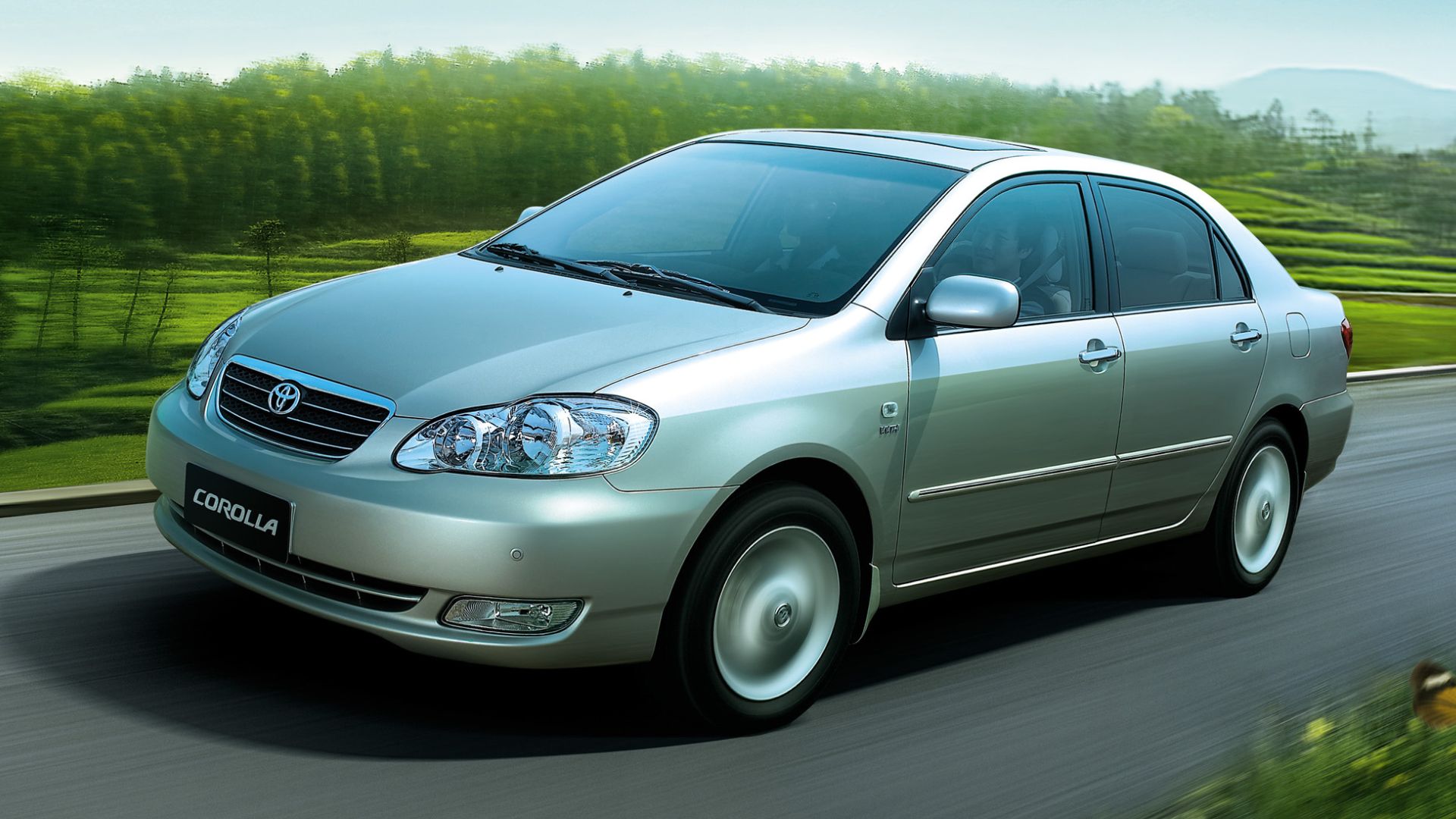
Ninth-generation (E120, 2000-2008)
 <
<
We weren’t supposed to have a ninth-gin Corolla, but we’re glad that chief engineer Takeshi Yoshida fought hard to save it. But to justify it, the ninth-gen development team had to build a Corolla like never before. They had to build a Corolla that attracted a new generation of customers while not alienating the Corolla faithful. With the Altis, we think they nailed it.
Modern era (2008-present)

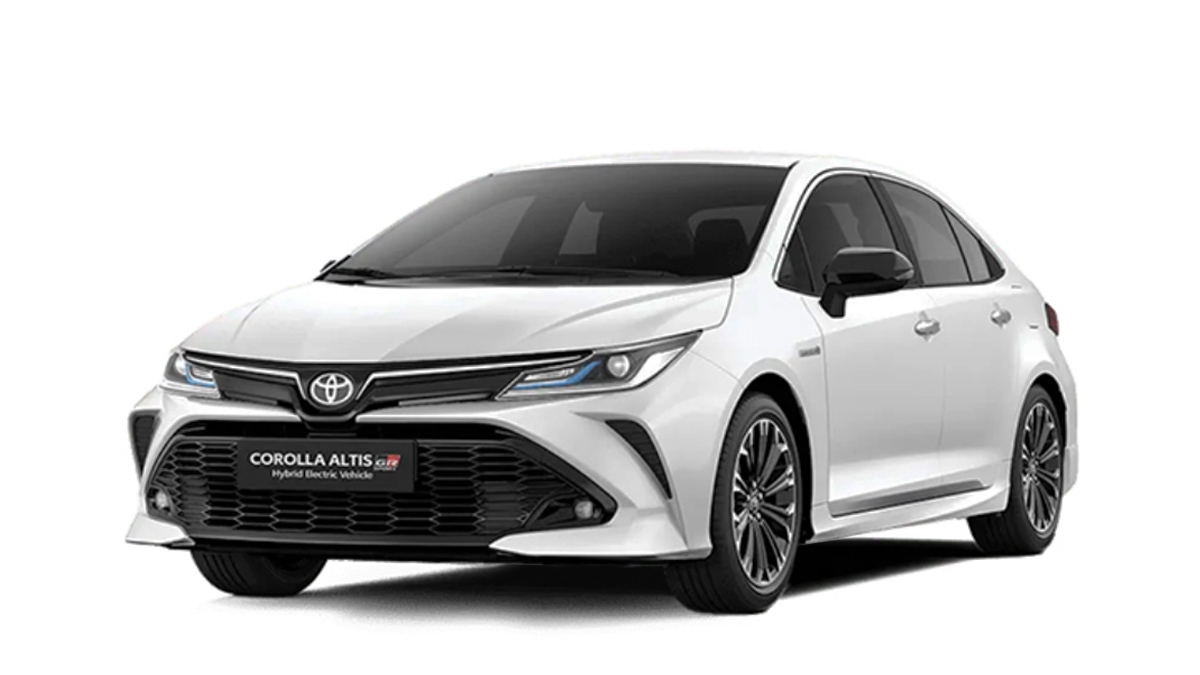
57 years on, the Corolla is still going strong despite the wave of MPVs, SUVs, and crossovers. While it’s no longer the world’s best-selling Toyota model (it’s the RAV4 now), the company still sells nearly a million units of it (and its derivatives) every year.
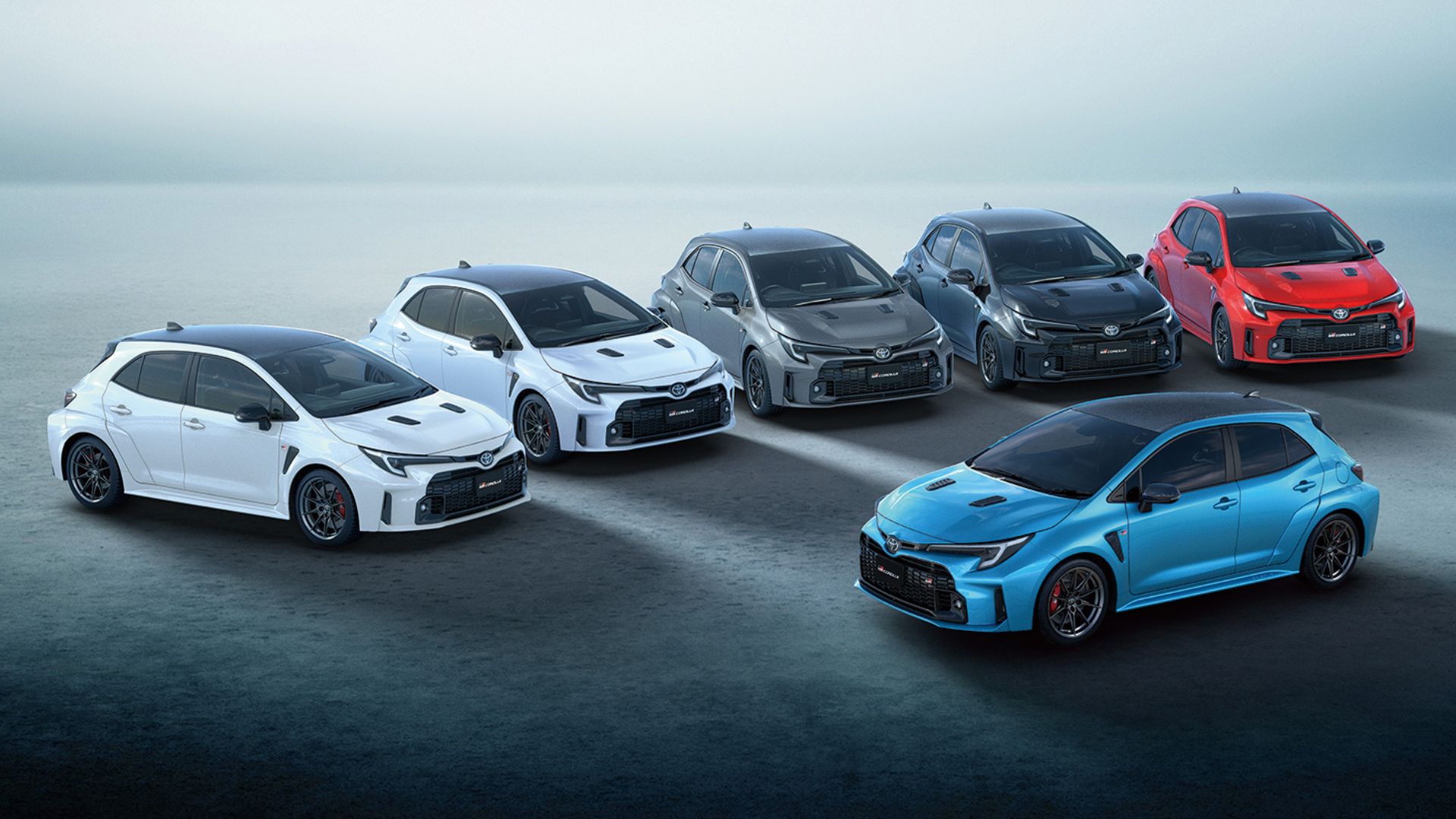
Of course, let’s not forget that Toyota brought out the fun side of the Corolla in the form of the GR model. Who would’ve thought that the company would come up with a hot hatch that’s more than a match for the Civic Type R and one that can give some of the best of Europe a good scare?

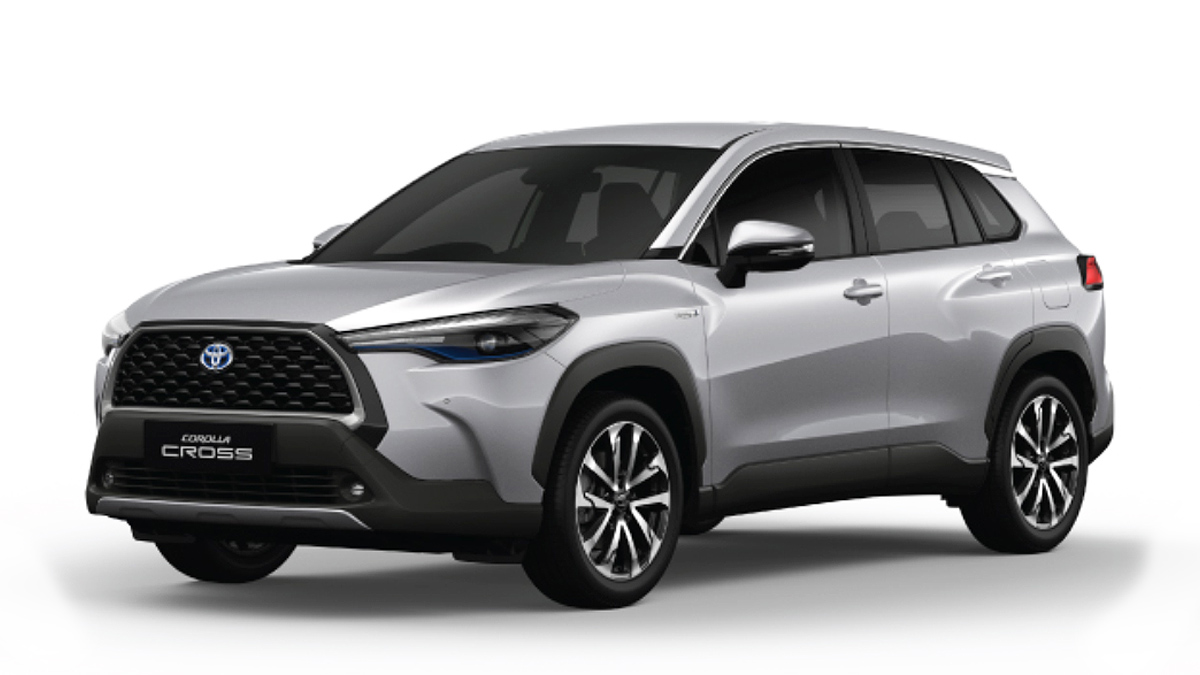
As a sign of the times, Toyota has even expanded the lineup to include a crossover in the form of the Corolla Cross. The addition of hybrid versions also shows how Toyota finds ways to adapt the model line despite shifting market preferences and the drive towards carbon neutrality.
Without the Corolla, Toyota wouldn’t be the automotive juggernaut it is today. Heck, a world without it is going to look weird as millions and millions of owners have created special memories with this model. That said, Toyota isn’t resting its laurels when it comes to the Corolla, and we’re sure the brand will continue to find ways to keep it relevant in the coming decades.