
History
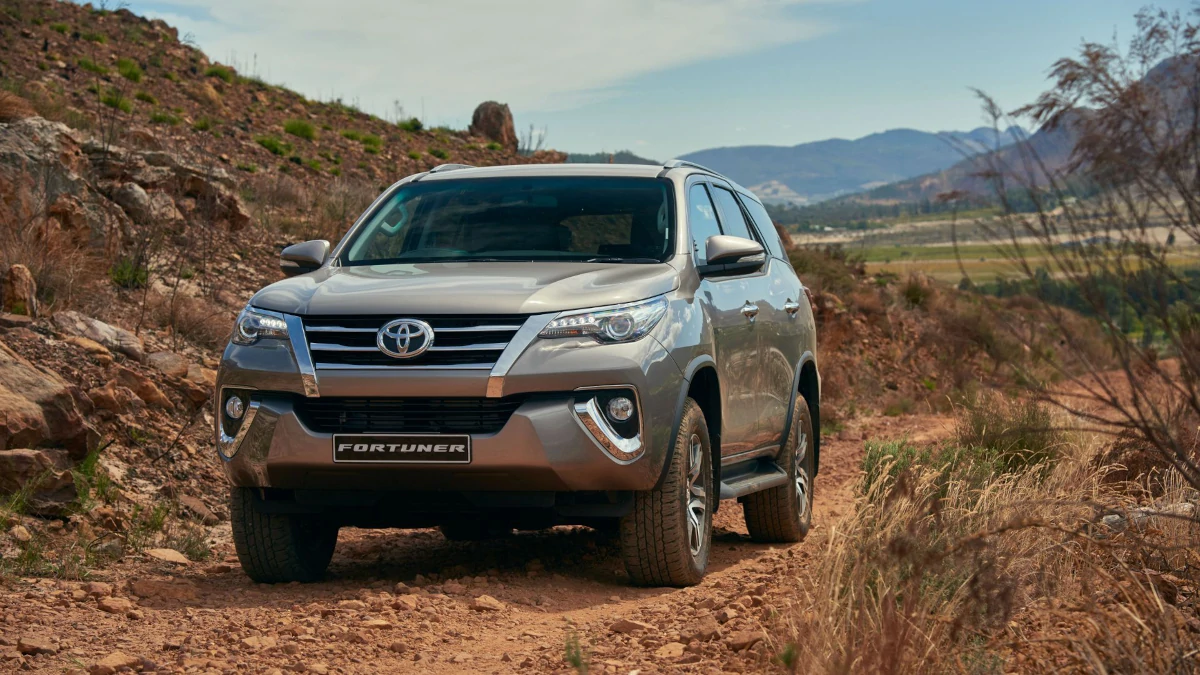
Ah, yes, the evergreen Toyota Fortuner. It made its world premiere in late 2004 and entered several markets by 2005. To say it took the SUV market by storm in Southeast Asia is an understatement. For a midsize SUV, it was reasonably-priced, while the buckets of space, ground clearance, and presence made it both aspirational and sensible.
The second-generation rolled out in 2015 and landed locally in 2016. It was a massive leap from the first model in terms of, well, everything. It was a clean sheet overhaul with an all-new platform, engines, and design. We’re old enough to remember the huge fanfare when it was launched.
But over a decade has passed since its launch, and literally thousands have flooded the used car market. With so many to choose from, the temptation to just go out there and buy one is too real. But we’re here to tell you what it’s like, as well as the common trouble spots and recalls.
OTHER STORIES YOU MIGHT HAVE MISSED:
The Lexus RX500h, LBX, and more are now offered with 0% interest
The Nuvali Flyover is opening on March 21; new traffic scheme to be implemented
Value and costs
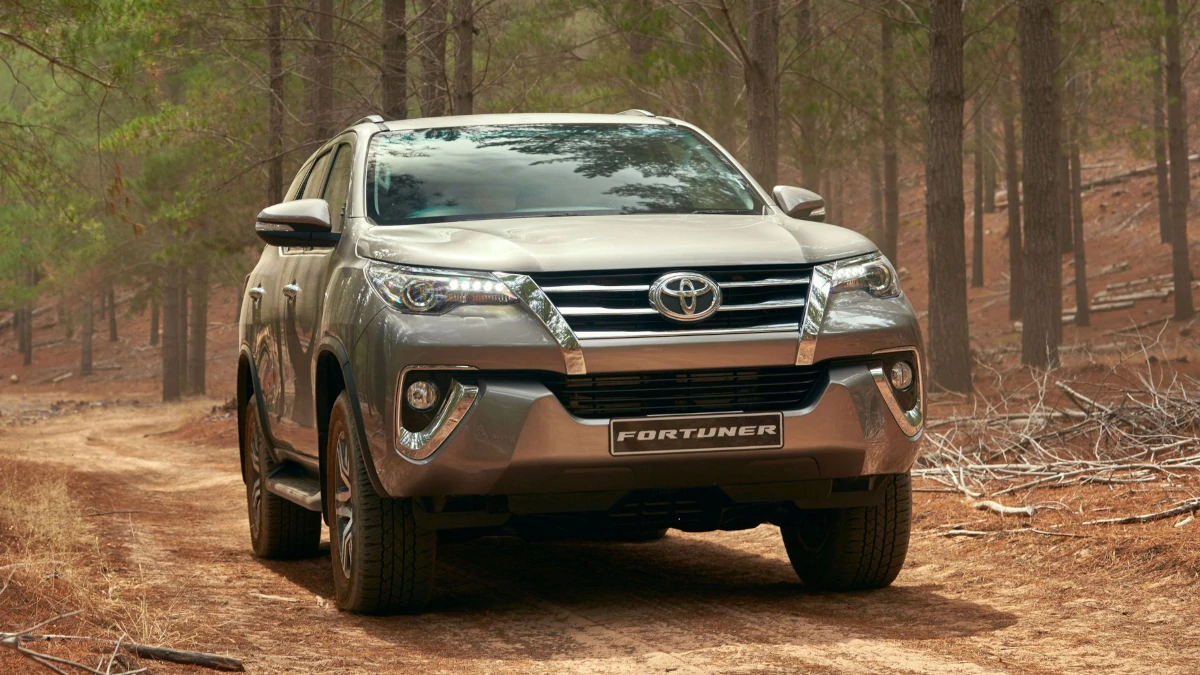
It’s a Toyota, so of course resale value is strong. For something like a base 2.4G with a manual transmission, you’re looking at the low P700,000 range, and the same goes for the gas-fed 2.7G automatic. For a 2.4G automatic, expect it to start at around P830,000 for a decent example. Some of you might be surprised that a 2.4V is still worth P850,000 and up.
If you want four-wheel drive, it’s a hair under P1,000,000. For course, prices vary on mileage, and more importantly, condition. By the way, this is the baseline for early examples of the second-gen Fortuner.
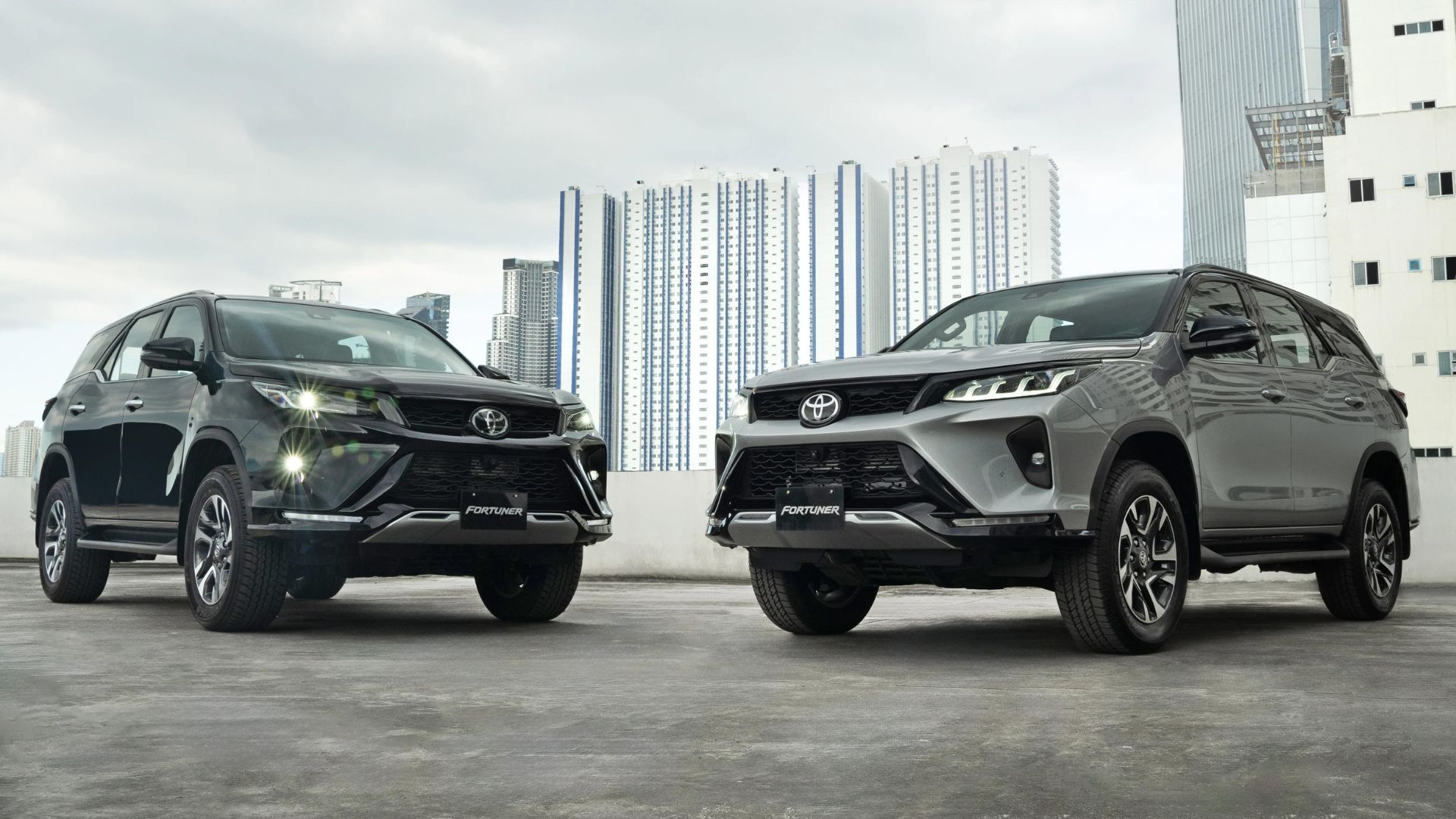
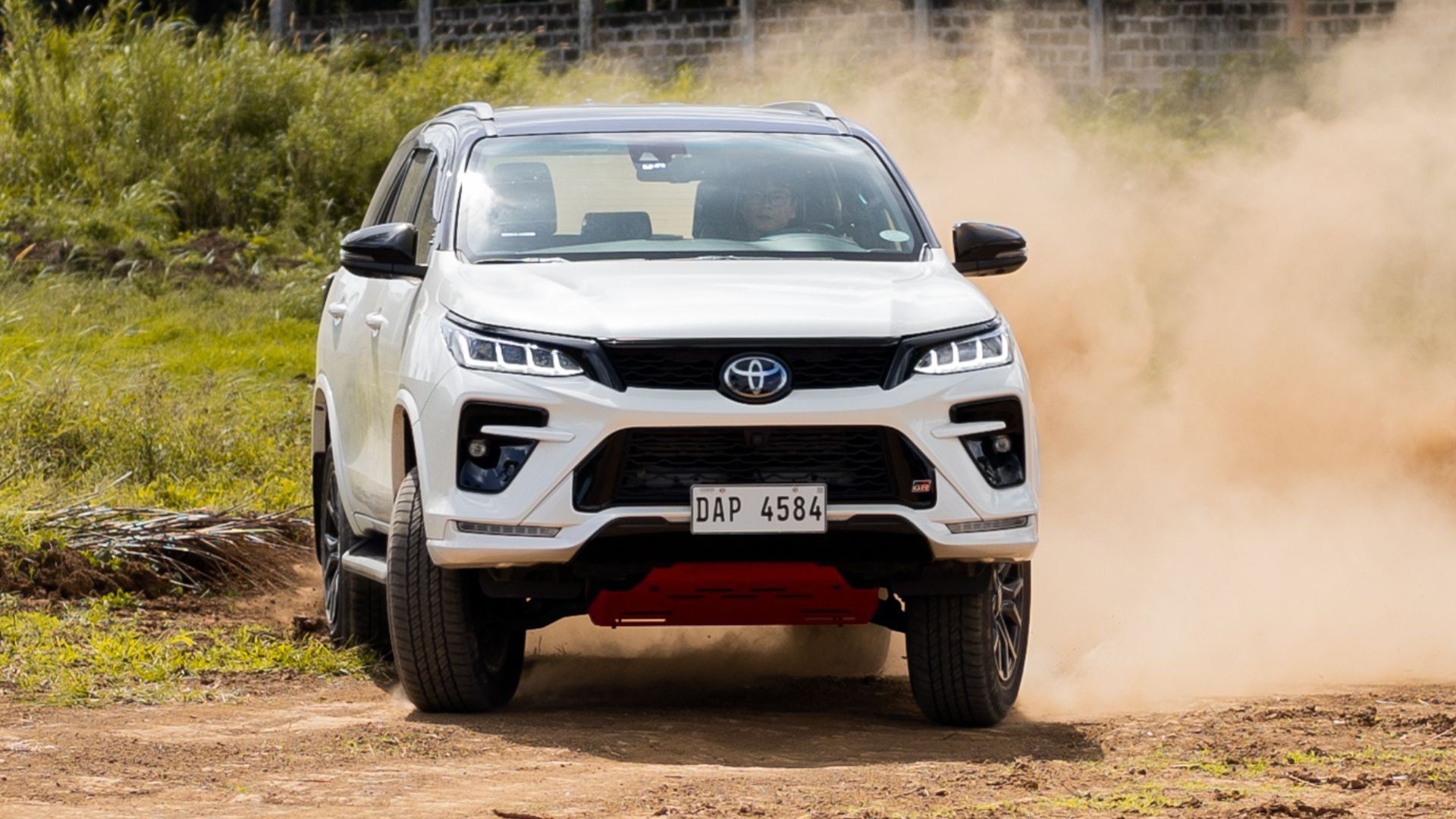
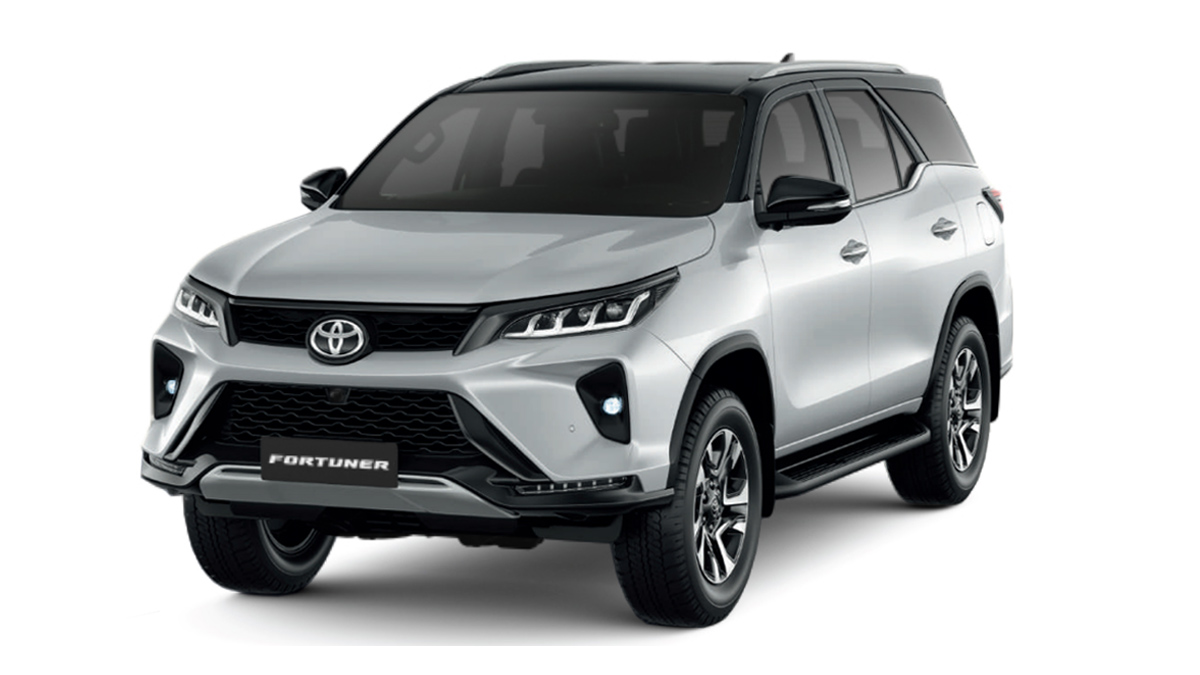
But let’s say you’d like a facelifted version from 2021. Aside from styling tweaks and feature upgrades, it also brought in new variants in the form of the 2.8Q and 2.8 LTD. The latter is available with four-wheel drive and replaced the 2.8 V 4x4. The more powerful 2.8 GR-S brought a healthy horsepower bump in 2022.
Early facelifted models range from P1.1-M for a 2.4G to P1.7-M for a 2.8 GR-S.
Exterior and interior
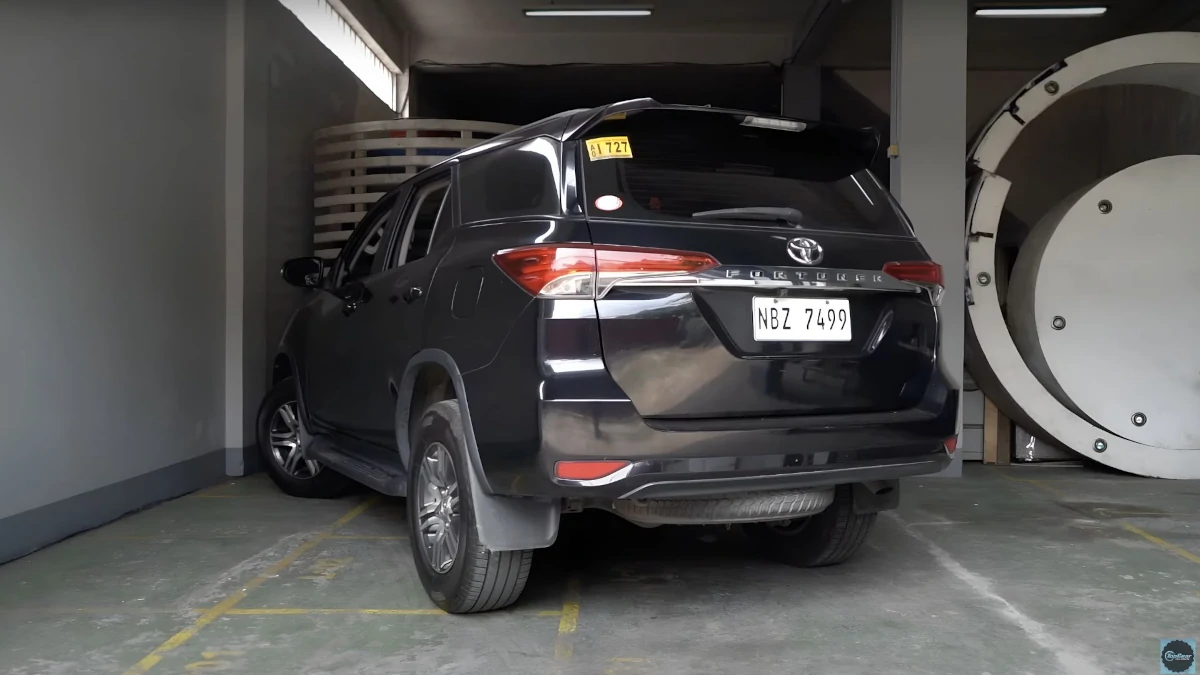
Despite its age, the current (and soon to be outgoing) Fortuner still looks rather good. Perhaps it’s the familiarity of this model, or the subsequent facelift in 2021, but we wouldn’t call it dated.
Build quality is good with consistent body gaps all throughout. Which is why it’s a red flag when you see a panel out of alignment. Paint quality is decent, although it’s sensitive to extended sunlight exposure. Sure, it’s common to every car, but Fortuners seem to be affected by it more. It improved by the facelift version.
Inside, the dash is well laid out and has a more upmarket feel than before. There’s more soft-touch materials, along with a ‘car-like’ design. However, early units suffered from peeling trims, particularly around common touch points such as the steering wheel and door panels. That said, the cabin feels generally robust and hard wearing.

Space is decent but not exceptional. Rivals such as the Ford Everest, Isuzu Mu-X, and Nissan Terra offer more. Third-row is better than most, although stowage is bulky. At least it allows for a low, flat loading area at the back.
Engine
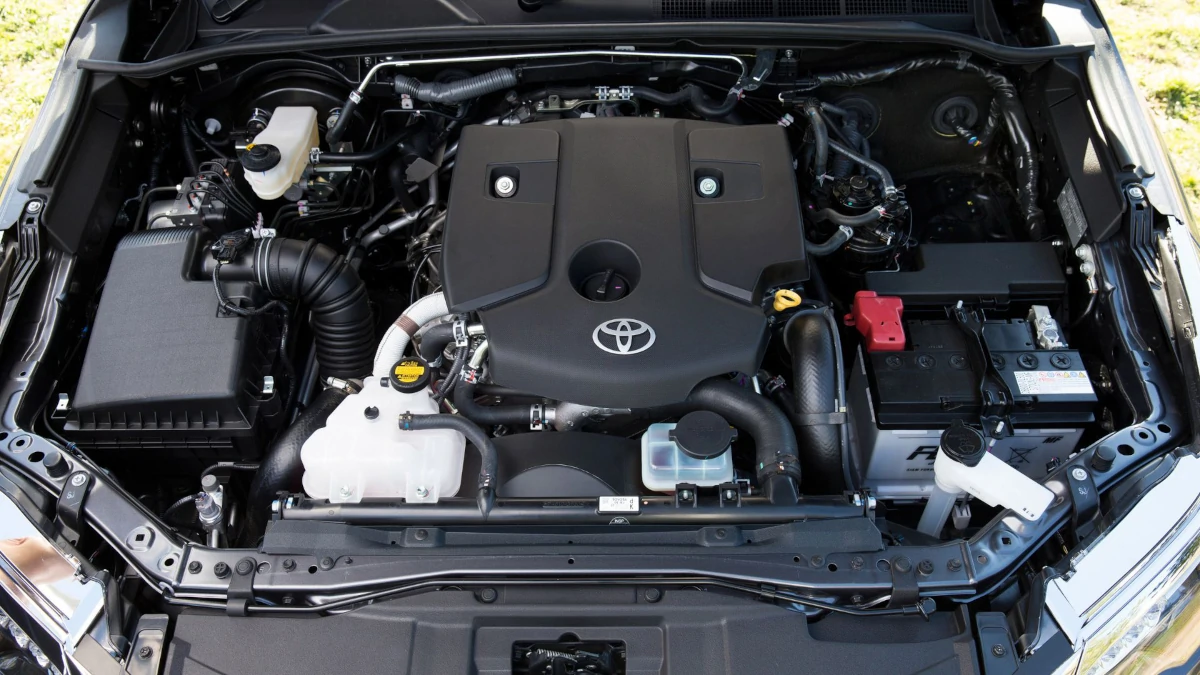
Initially, there were three engine choices to choose from. There’s the 2.4-liter D-4D turbodiesel, followed by the 2.7-liter Dual VVT-i gas engine. At the top of the pile is a 2.8-liter D-4D turbodiesel, but the story doesn’t end there.
The gas engine was discontinued in 2021, while the 2.8-liter gained extra horses. Initially, it made 177hp and 450Nm, but it was boosted to 201hp and 500Nm later on. If that wasn’t enough, the GR-S added another 20hp and 50Nm, kicking it up to 221hp and 550Nm. As for the 2.4-liter, power output remained the same with 148hp and 400Nm.
Only one variant comes with a manual, the base 2.4G MT. The rest use a six-speed automatic. Four-wheel drive models get a rear differential lock for extra traction on steep inclines and slippery surfaces. Perhaps we’re corrupted by power, but we say go for post-facelift 2.8-liter versions as seen in the Q, LTD, and GR-S. The G and V are fine, but you’ll need to plan your overtakes.
Trouble spots? Few and far between. Initial batches had transmissions glitches, but was sorted out a mere months after launch. Look out for timing chain slip in the 2.8-liter, as characterized by rattling and clattering noises, as well as noticeable vibration. Thankfully, the Philippine-spec models didn’t suffer from diesel particulate filter (DPF) issues like the ones sold in Australia and New Zealand.
Driving impressions
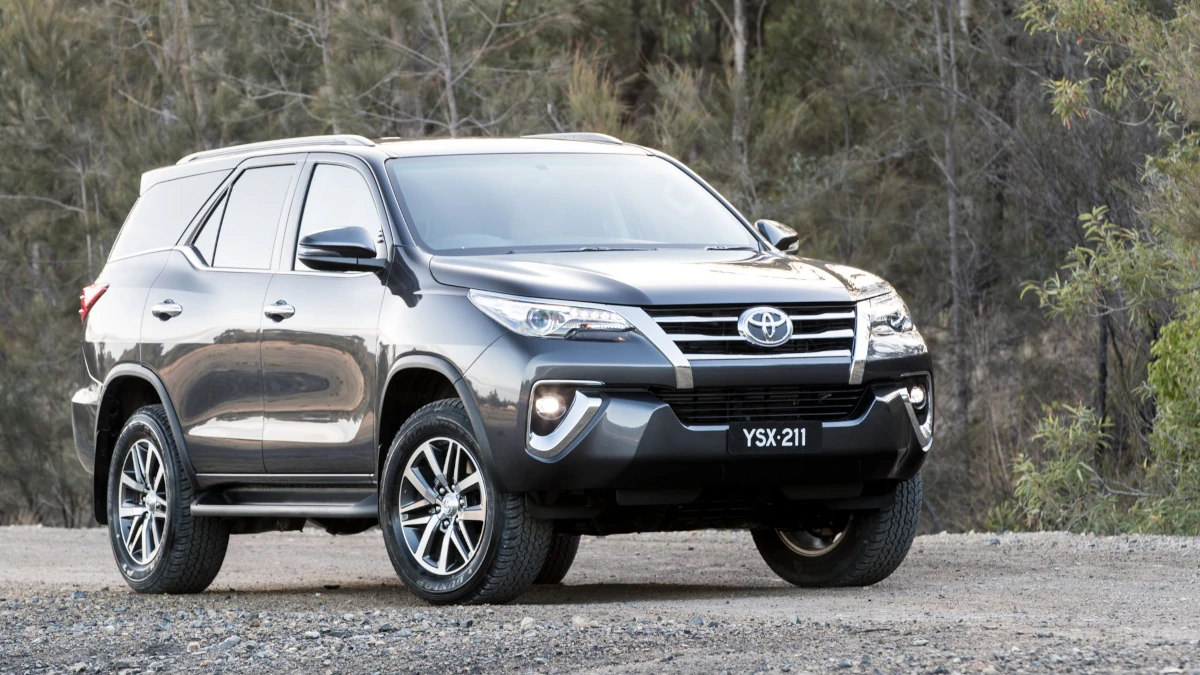
We’ll be straightforward and say it’s quite truckish. It shouldn’t come as no surprise as it’s based on the Hilux. Steering on the two-wheel drive models is relatively light, but the four-wheel drives require more muscle. Ride is on the stiff side, so it’s good to try it before you buy. Handling is decent but not spectacular, although it doesn’t feel wayward when pushed. Brakes, however, are excellent.
As mentioned, we suggest going for the more powerful tune of the 2.8-liter engine. The pre-update versions are okay, but the later 2.8-liter provides greater confidence behind the wheel without a fuel economy penalty. Speaking of fuel economy, it’s 7.5 to 8km/L in the city for the 4x4, and about 9km/L for the for the 4x2. Highway mileage varies, although it ranges from 14km/L to 16km/L.
Per the usual, be aware of any unusual clunks under the chassis, along with other noises. If it unstable in anyway, bushings and dampers might be on the way out. Also, take note that underchassis components aren’t cheap, but in the case of the Fortuner, it’s less expensive compared to some of its competitors.
Recalls
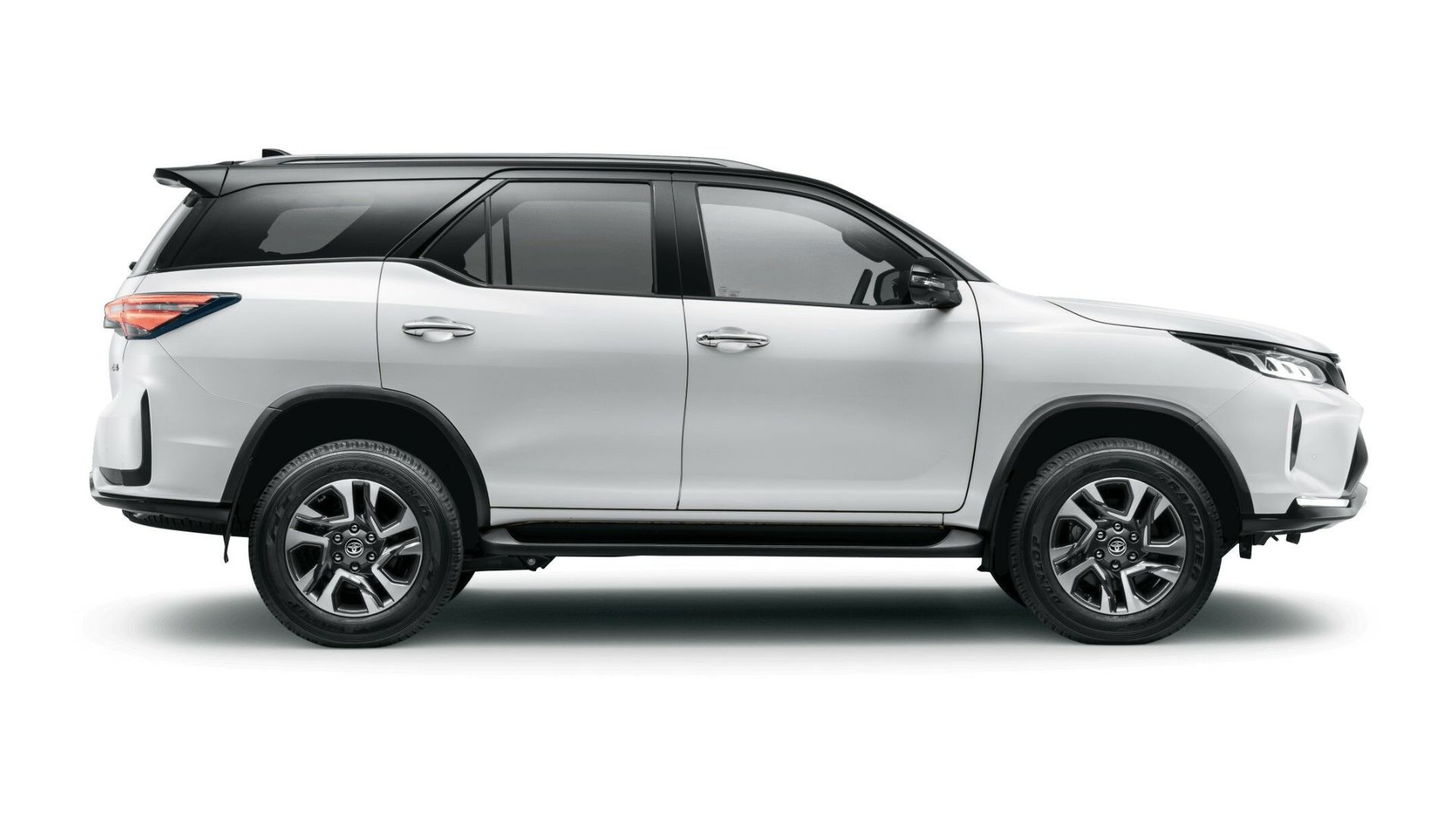
There are two recalls for this generation of Toyota Fortuner on record. For models built between October 28, 2017 to September 19, 2018 and January 4, 2019 to June 20, 2019, there is a service campaign for a fuel pump replacement. Meanwhile, units built between August 16, 2019 to October 11, 2019 are affected by a brake vacuum hose recall. It’s best to see if the unit you’re looking at has had these replacement parts fitted. Recall fixes are free of charge.
Verdict
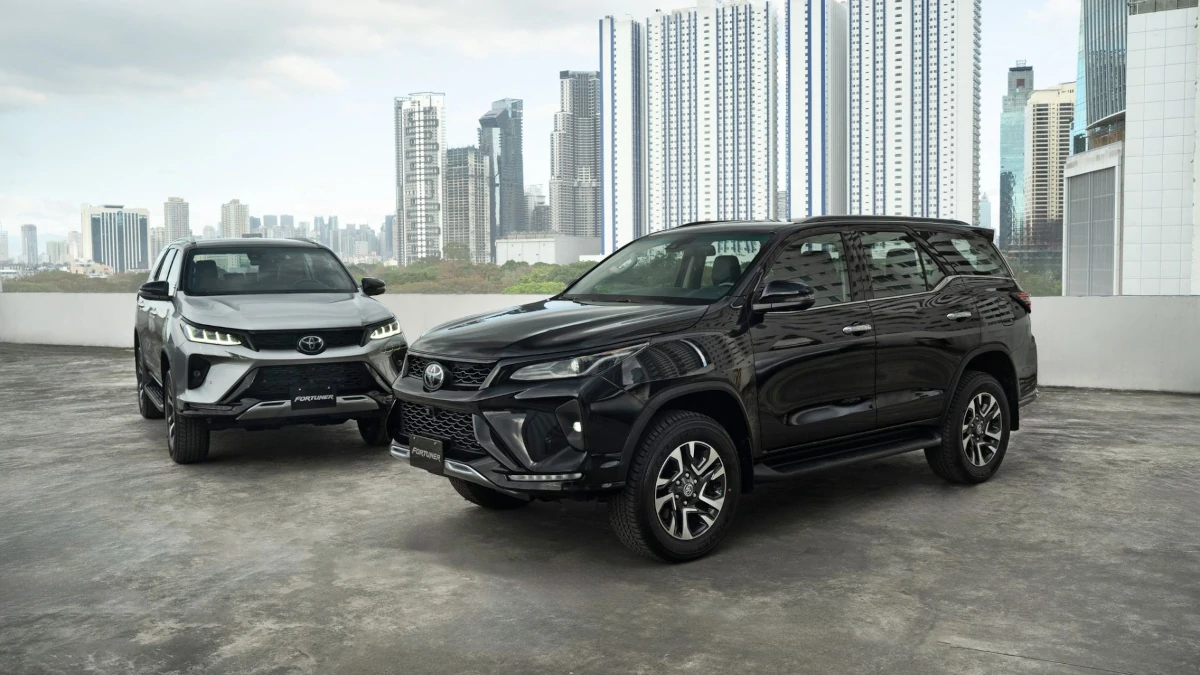
As a vehicle, it’s far from perfect. The ride is hard and driving dynamics are truck-like. It isn’t the best in terms of space efficiency, so that’s another point to consider. But for the most part, the Fortuner does what one expects from an SUV, and that’s to carry both people and cargo in relative comfort.
Is the Fortuner worth recommending? If it’s a worry-free ownership experience you’re looking for, it’s a no-brainer. There isn’t much in the way of recalls, and the same goes for trouble spots. Parts, while not totally cheap, are abundant. It also helps that reliability is proven, and it can practically be serviced anywhere. In other words, it’s a low-risk choice that will just keep on running for hundreds of thousands of kilometers.
2016 Toyota Fortuner 2.8V 4x4
Sold: 2016 to 2021 (2016-present for rest of range)
Price new: P2,126,000
Price now: P700,000 to P1,700,000 (estimate, all variants)
Engine: 2.8-liter inline-4, turbodiesel
Transmission: 6-speed automatic
Power: 201hp
Torque: 500Nm
Economy: 7.5-9km/L (city); 14-16km/L (highway)