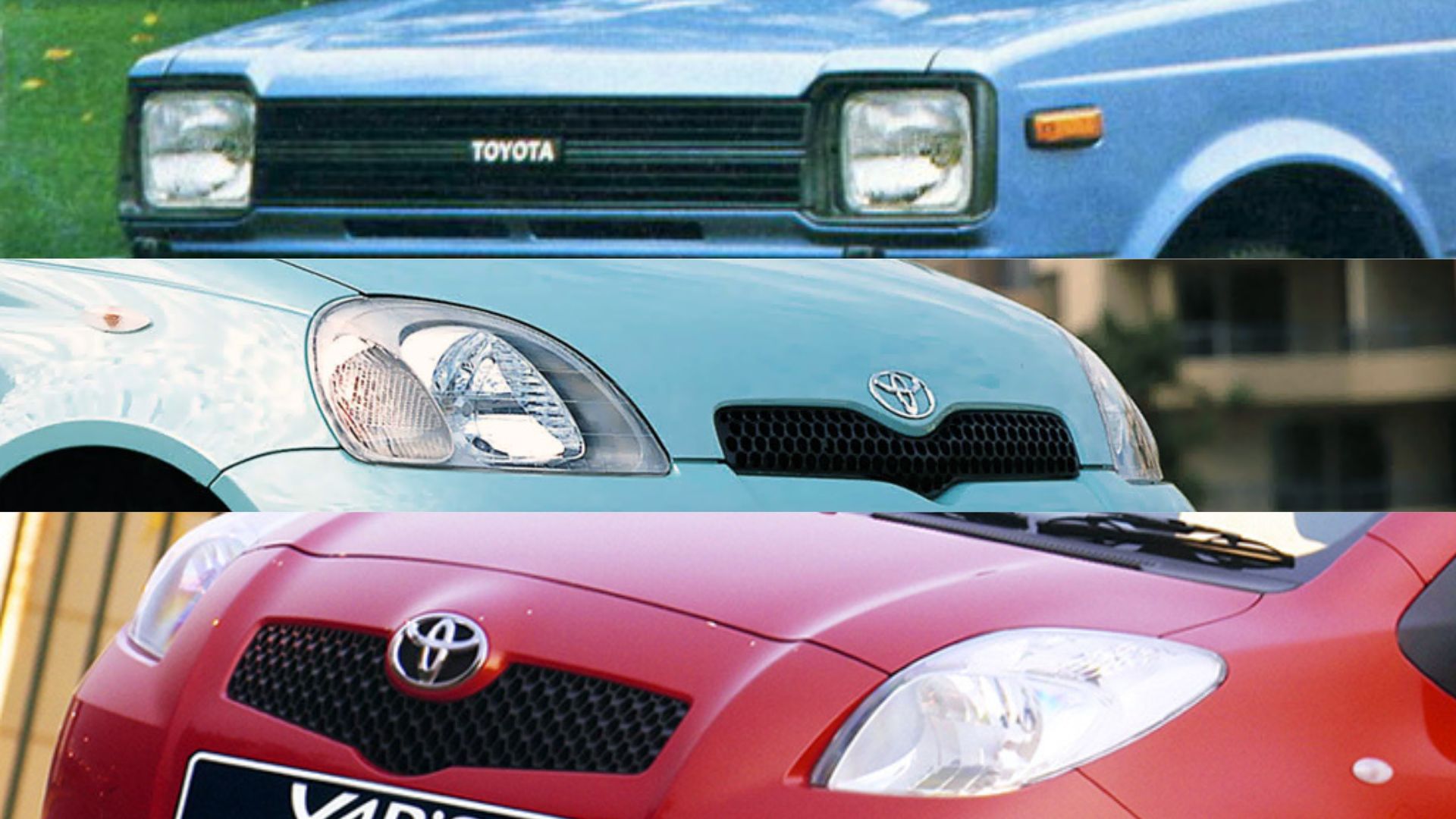
16 years after it was first introduced, the Toyota Yaris has waved goodbye to the Philippine market. It was dropped from the local lineup recently, and it doesn’t look like we’ll be seeing a new generation for quite some time.
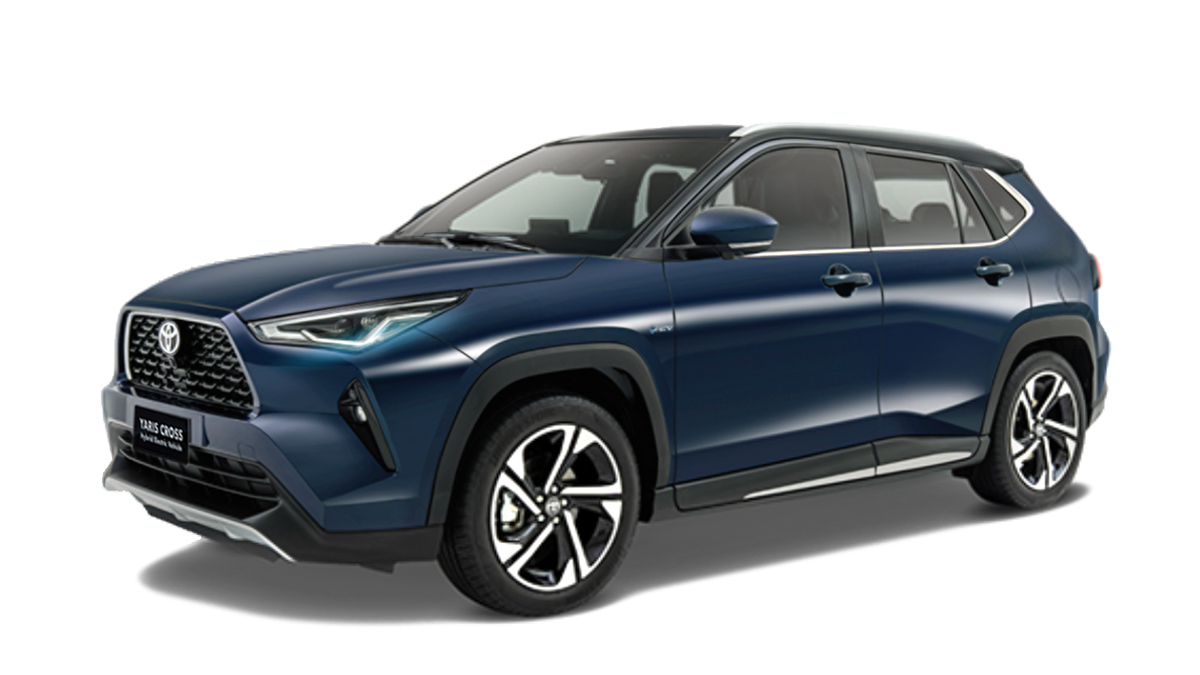
Of course, the Toyota GR Yaris and Yaris Cross will continue carrying that name. However, it’s the standard model that’s no more in the country. With that, now seems like a good time to take a quick look back the subcompact hatchbacks from Toyota that have come and gone over the years.
OTHER STORIES YOU MIGHT HAVE MISSED:
BYD launches new Atto 3 EV with a P1.598-M starting price
What's the sales split between the gas and hybrid Honda CR-V?
The OG: Toyota Starlet
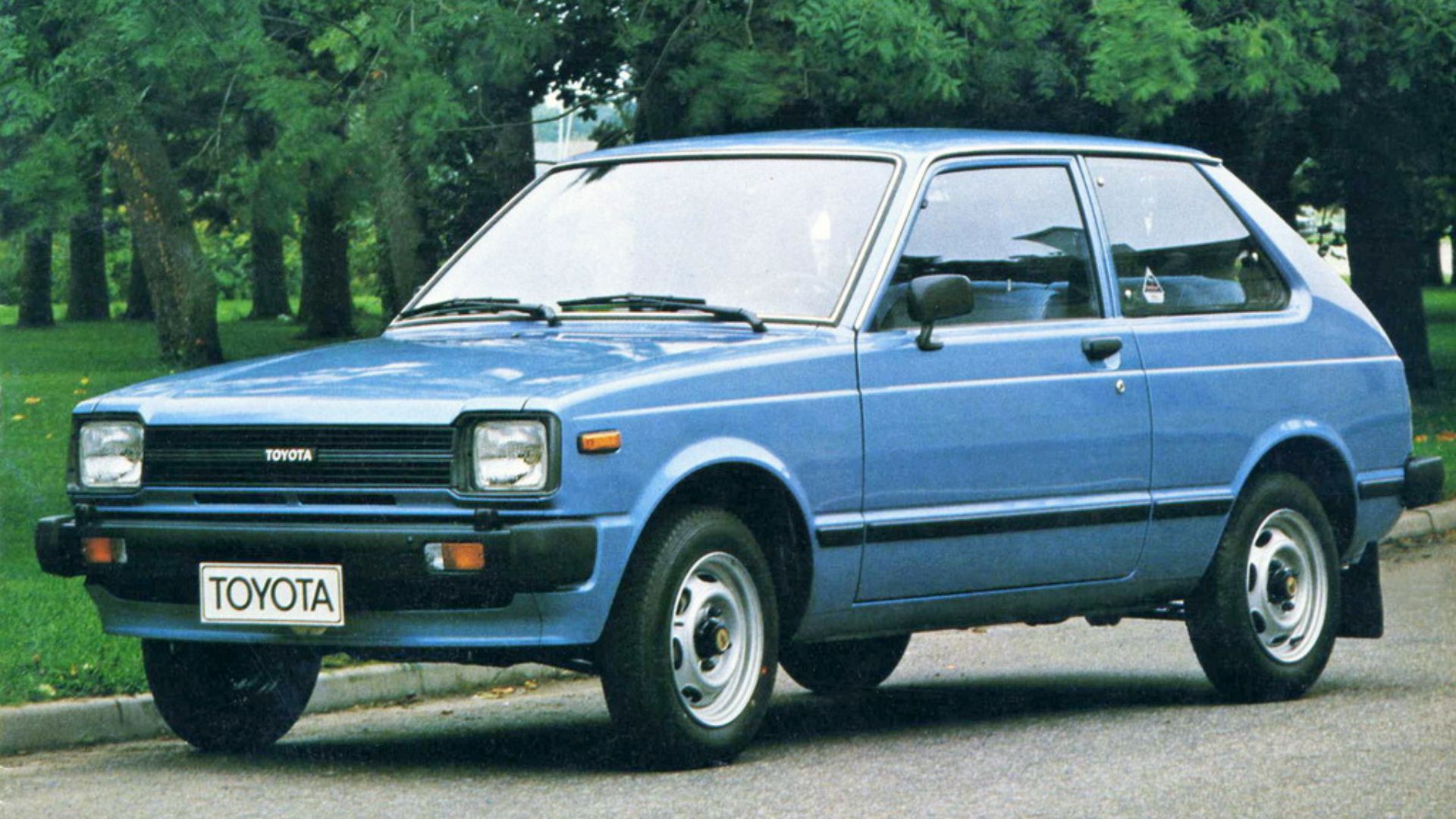
Readers of a certain age will most likely remember Toyota’s first subcompact hatchback in the Philippines. For the younger ones who’d like to know, that model is the Starlet. The nameplate made its debut in 1973, but what we got here was the second generation model.
Locally produced in the early-‘80s, it was mainly intended to be a lower cost alternative to the Corolla, but car enthusiasts of the era had different ideas. Thanks to its light weight and rear-wheel drive, the car became the darling of amateur racing drivers and boy (or girl) racers.
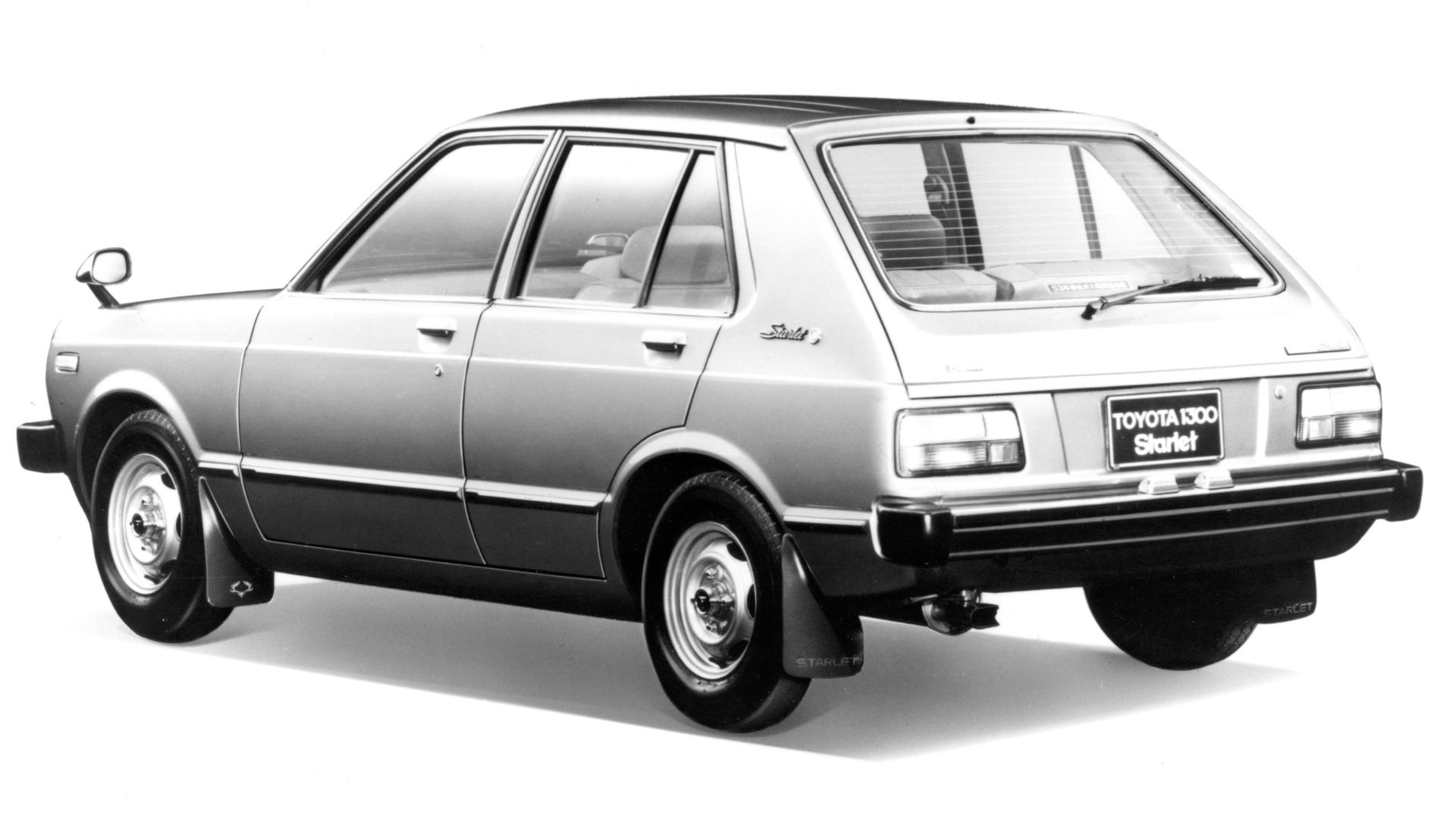
It was also popular choice for those looking for affordable and reliable transport. Unfortunately for the Starlet, its life in the Philippines would be cut short due to the economic downturn and political instability of the mid-‘80s.
The comeback attempt: Toyota Echo
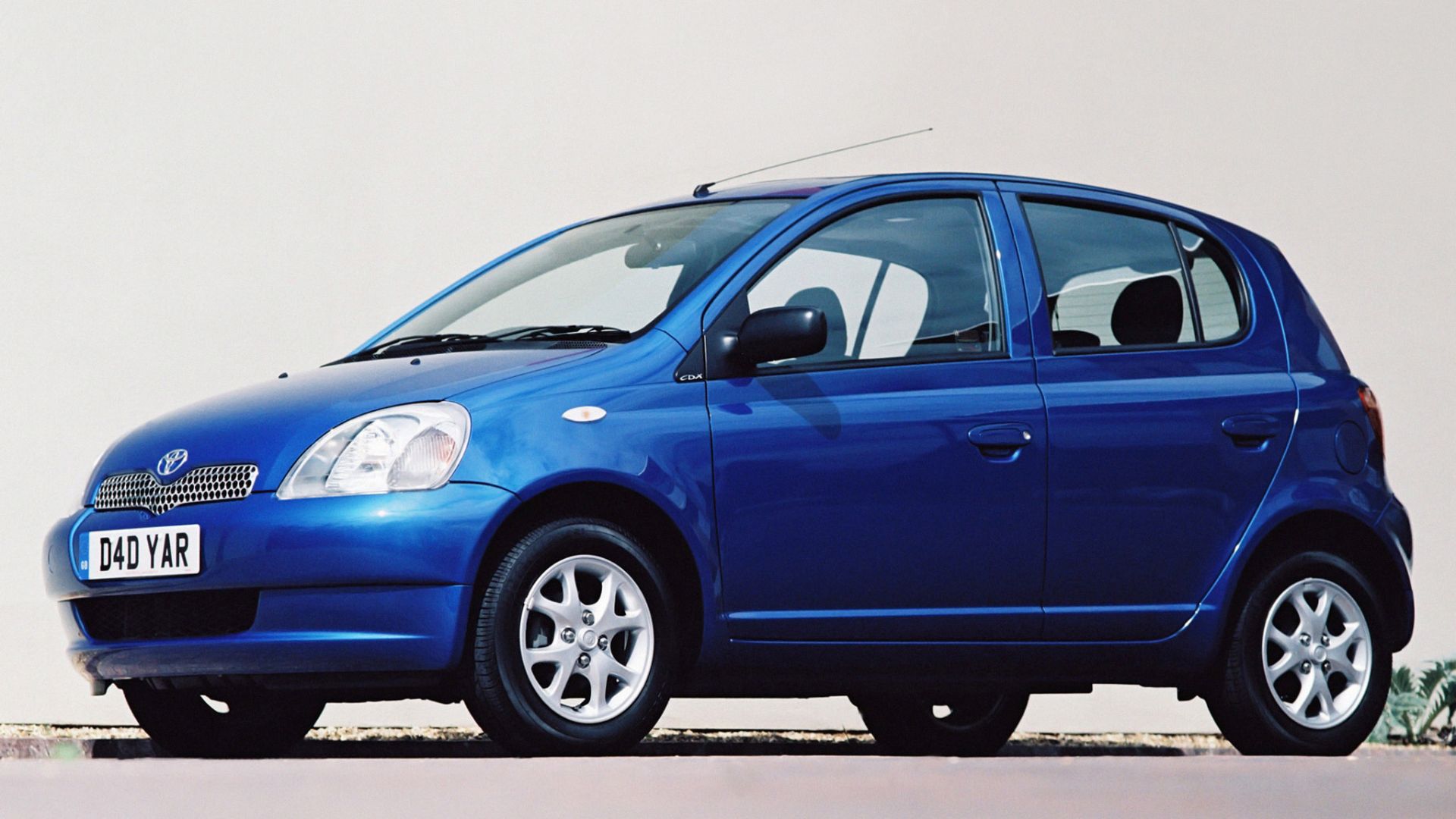
It would take a while before Toyota would sell another subcompact hatchback in the Philippines. About a decade and a half after the Starlet ceased production, its spirit would live on in another name, the Echo.
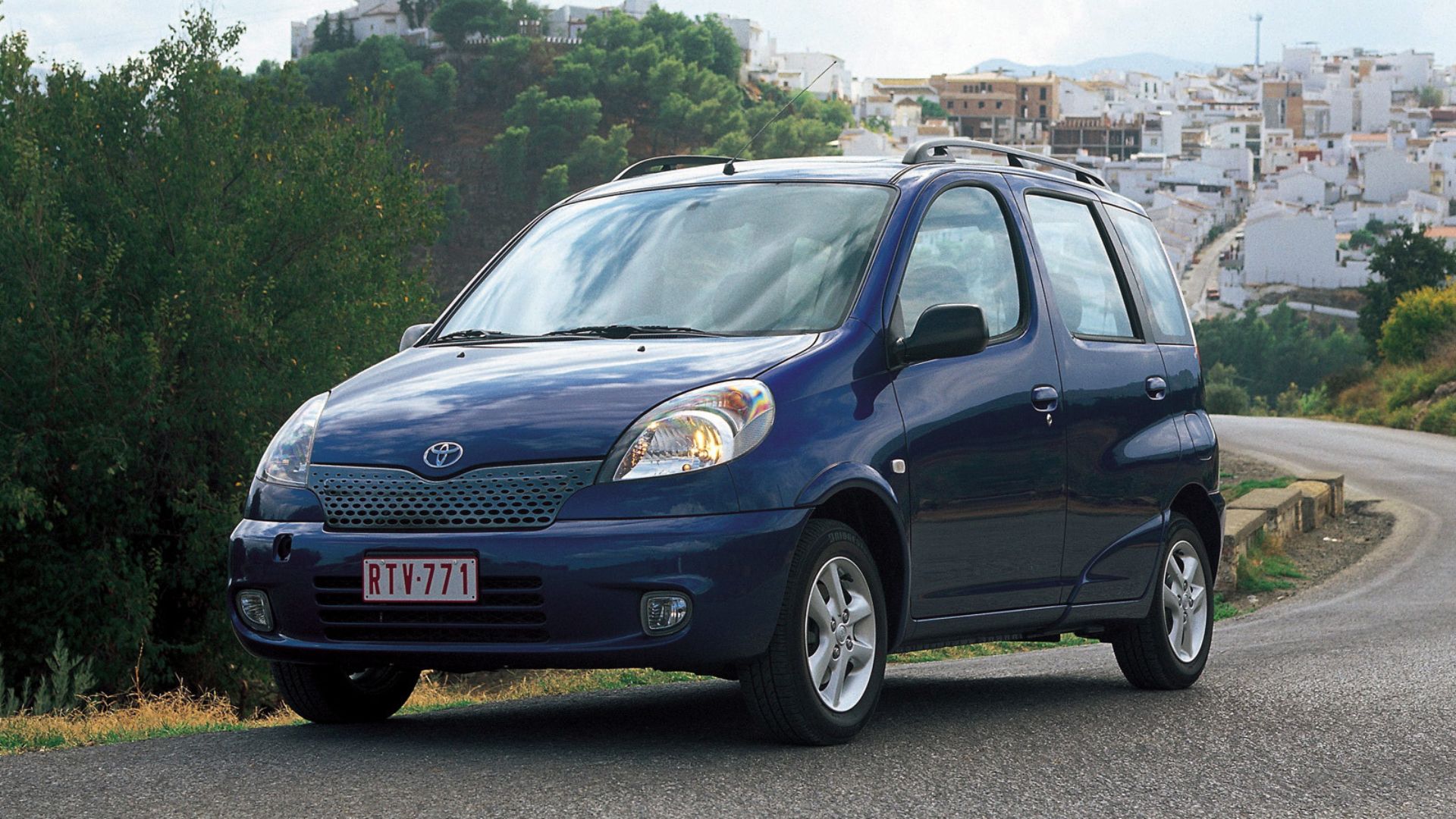
Known as the Vitz in Japan and Yaris in Europe, the Echo had the same product brief as the Starlet. It too was a subcompact hatchback that was easy on gas and easy on maintenance. Locally, there were two versions offered, namely the five-door hatchback and the wonderfully quirky (and practical) Echo Verso MPV.
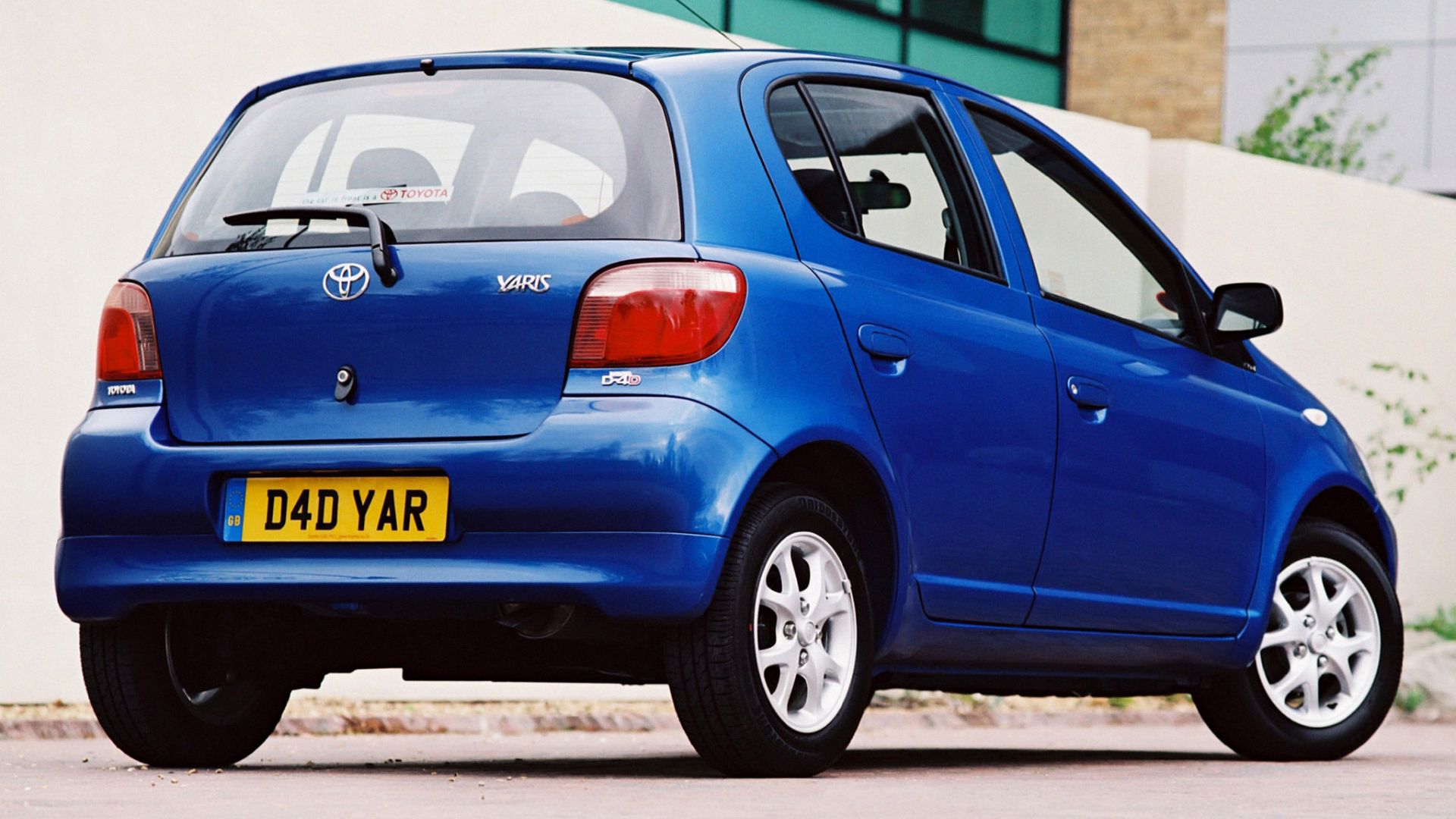
It was a bit like the second coming of the Starlet, then. Sadly, it wasn’t exactly what one would call a massive sales success. Perhaps the biggest problem of the Echo was its stablemate, the Corolla. For around the same price (or less), one could get a bigger and more practical Corolla. It also didn’t help that the country was still dealing with the aftermath of the Asian Economic Crisis. As for the Echo Verso, it was a little too ahead of its time.
Adapting the global name: Toyota Yaris
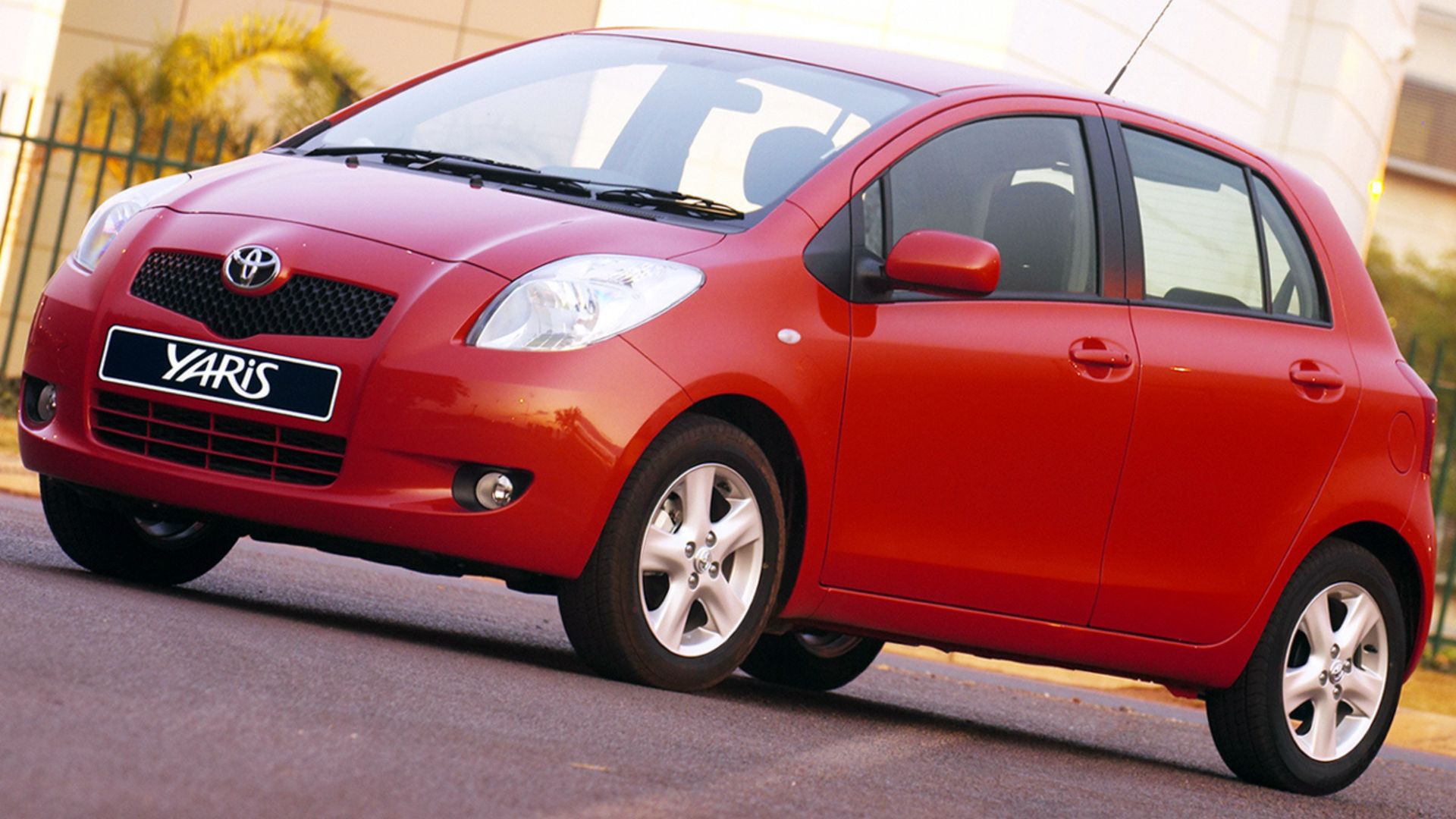
Having discontinued that Echo in 2002, Toyota was left without a small hatchback. At the time, however, that didn’t matter much as there weren’t a lot of subcompact five-doors around. Hatchbacks, it seemed, just didn’t sell in the Philippines. But a surprise smash hit called the Honda Jazz proved otherwise.
It would take Toyota a few years to respond to Honda with the introduction of the Yaris. Globally, it’s known as the second-ten Yaris, but locally, it was the first time we got that name. Needless to say, it put up a good fight against the Jazz thanks to its funky styling, fun handling, and reasonable price.
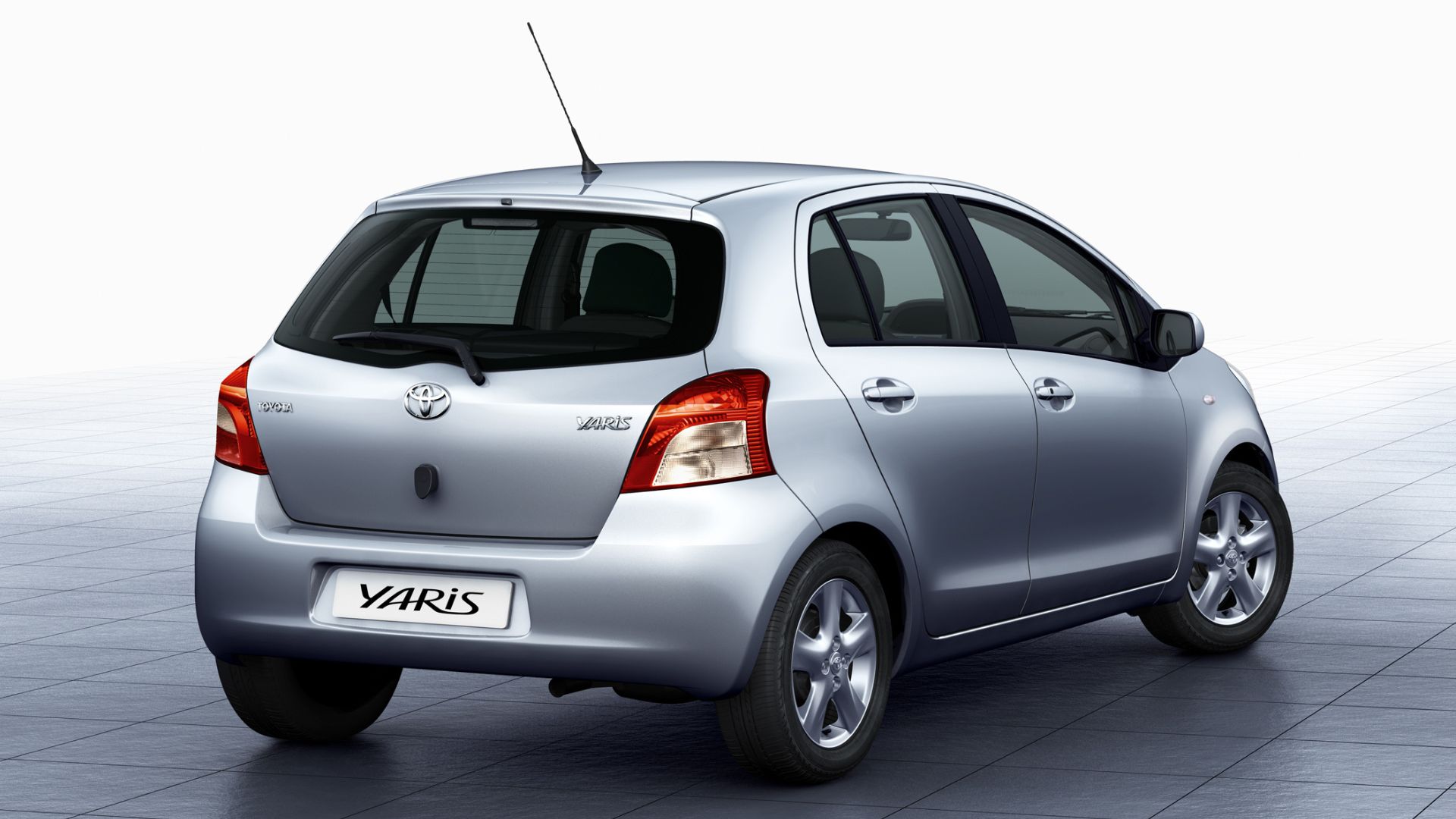
We’ve driven this generation of Yaris a few times in the past and thoroughly enjoyed it. It also helped that it had loads of aftermarket support and its availability in Japan gave it JDM kudos. The Yaris succeeded where the Echo couldn’t: Sales.
College kids loved it, so did those looking for sensible and practical transport that didn’t break the bank. Heck, even amateur racers got in on the fun.
Growing up: The second-gen Yaris
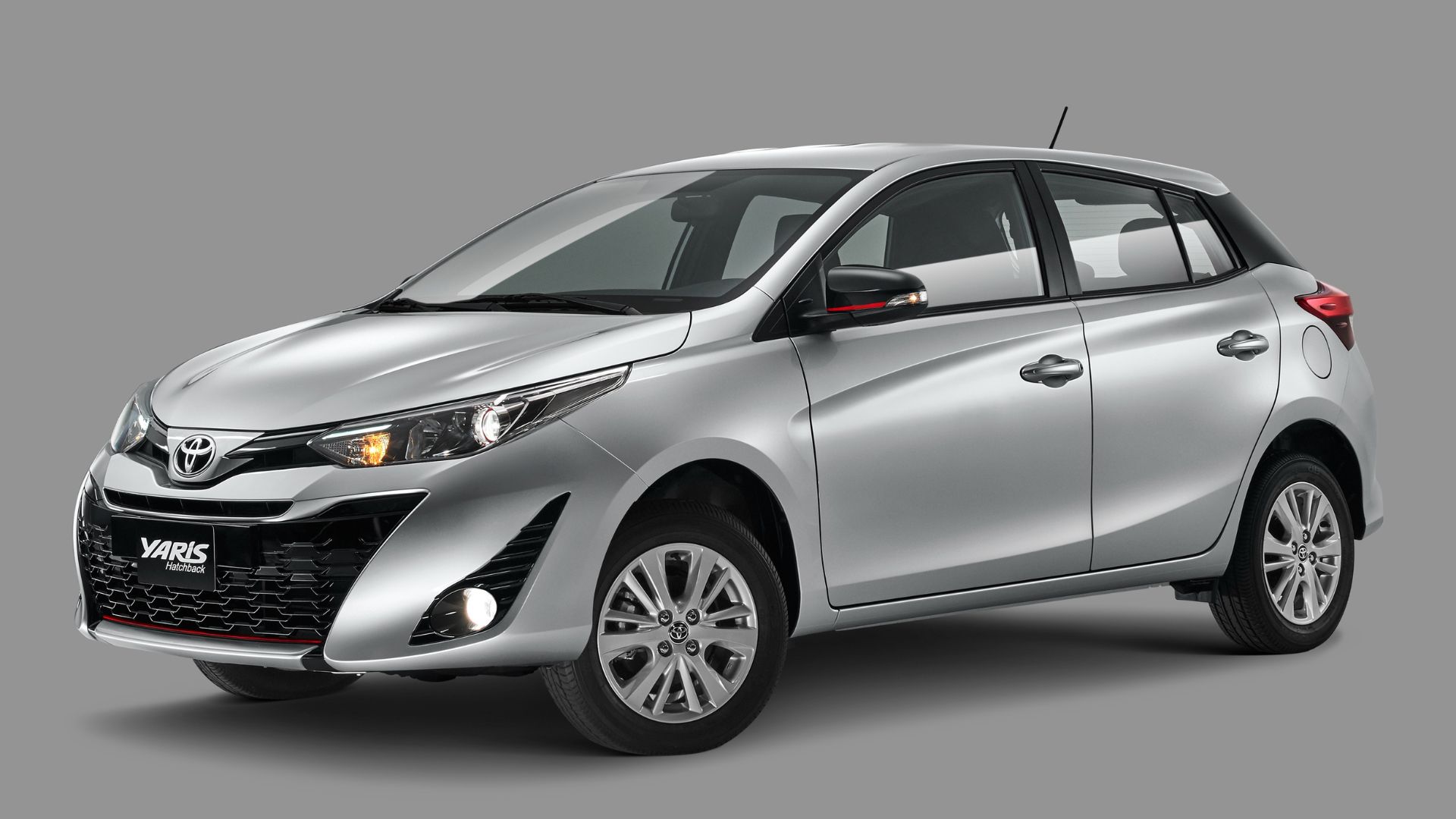
Having proved that hatchbacks can thrive in the Philippines, an all-new Yaris arrived in the country in 2014. However, the one we got isn’t the same as Japanese model. Instead, we ended up with the Southeast Asia/‘Emerging Market’ version. We’re not complaining though as it would’ve cost more to bring in the Japanese/European Yaris here.
There’s no denying that the initial models sold well in the country, and the 2017 facelift give it sharper styling. It was a decent car too with far more space than its predecessor, albeit not quite as fun to drive.
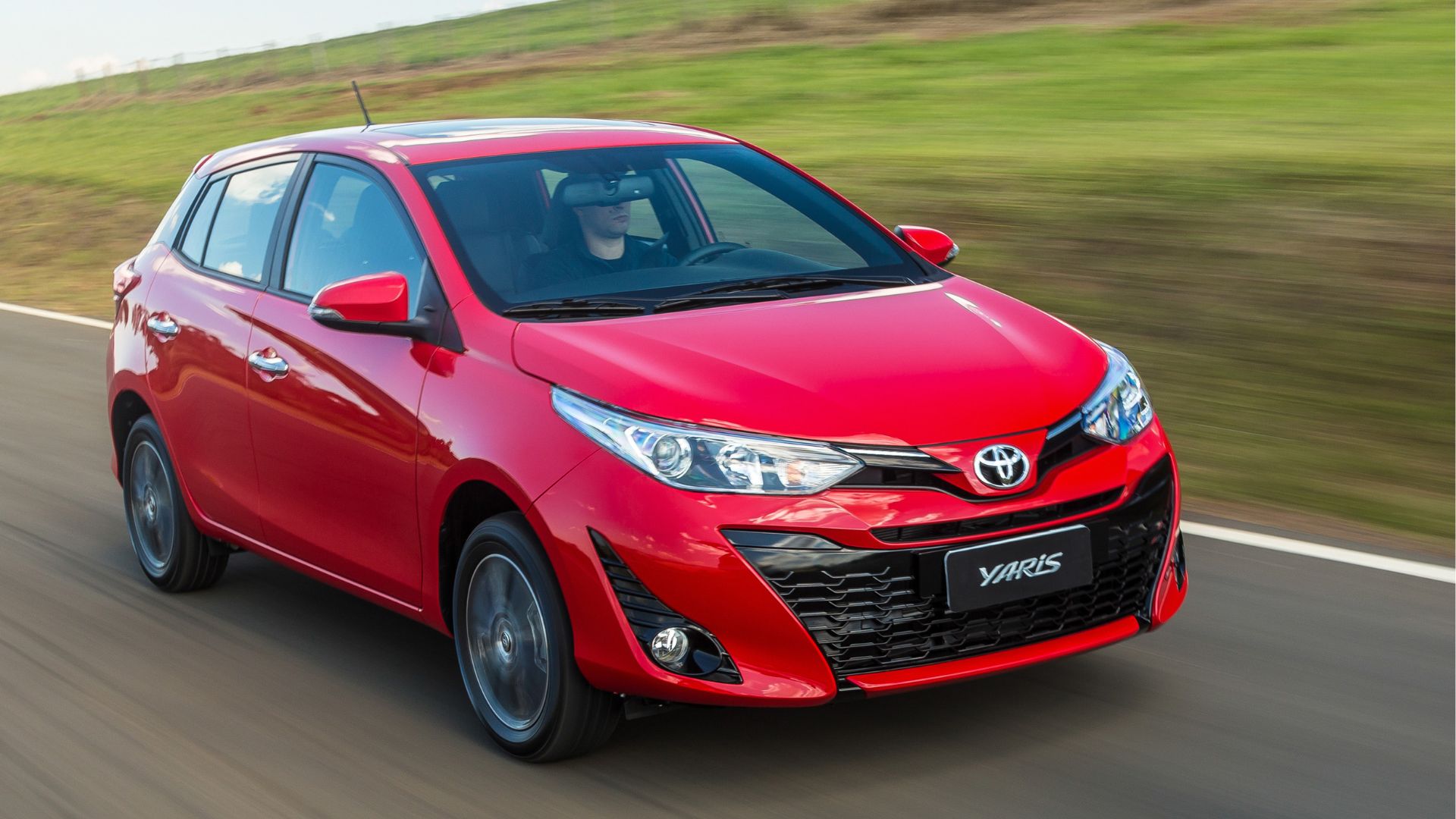
However, crossovers had become more accessible to more people, and the market began shifting towards higher-riding models. Prices had also gone up dramatically over the years, overlapping with some Toyota models deemed more practical or sensible compared to the Yaris. Sales went down to a point wherein the high-performance GR Yaris was outselling the standard model by nearly five to one.
But as sad as it is for some people, the Yaris did leave a mark in the local car community. Sure, it was never a massive seller (probably apart from the 2007-2014 model), but it’s a car that’s beloved and enjoyed by its drivers. Even though it was quietly dropped, we’re sure that the number of satisfied owners speak volumes.