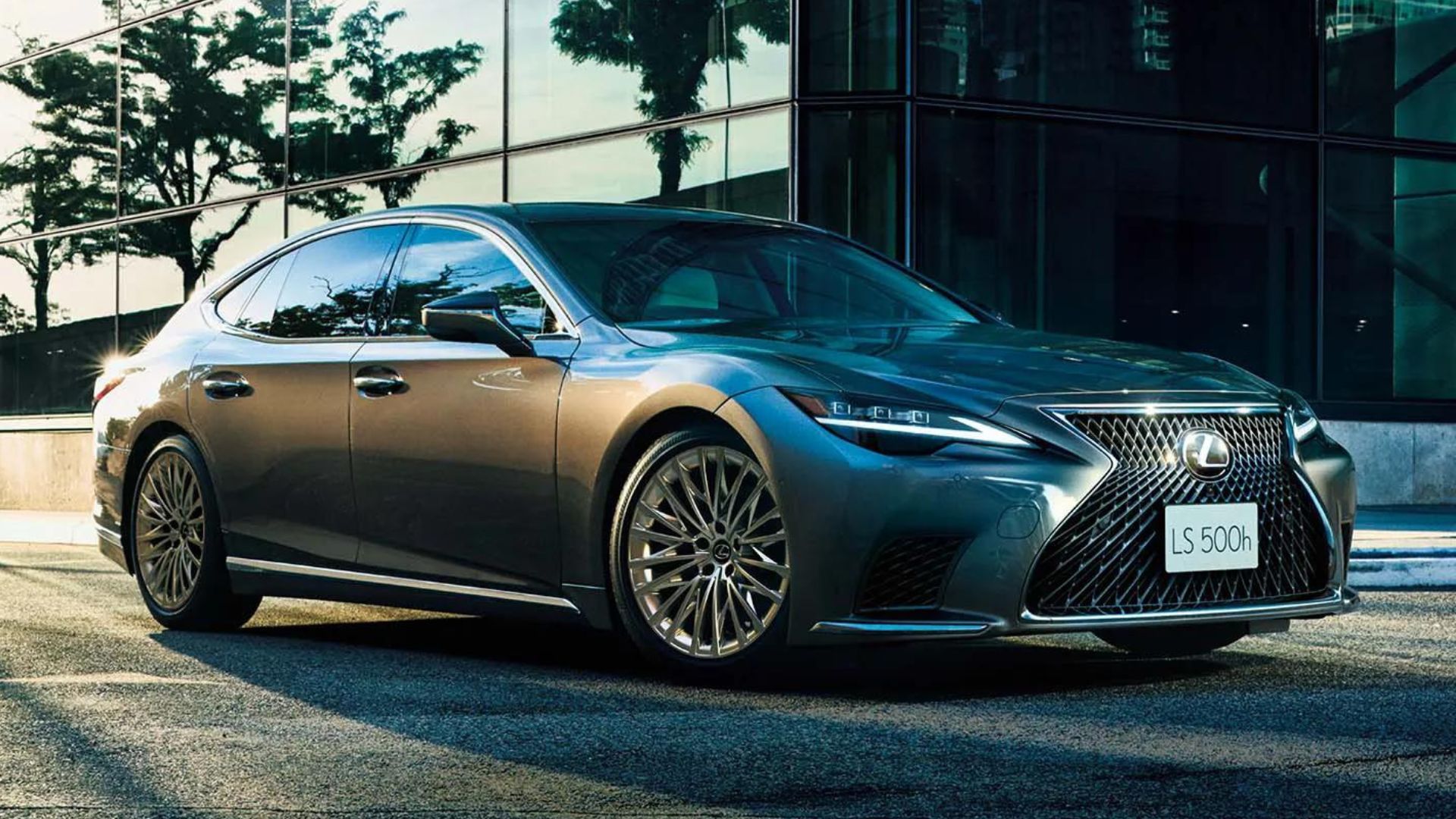

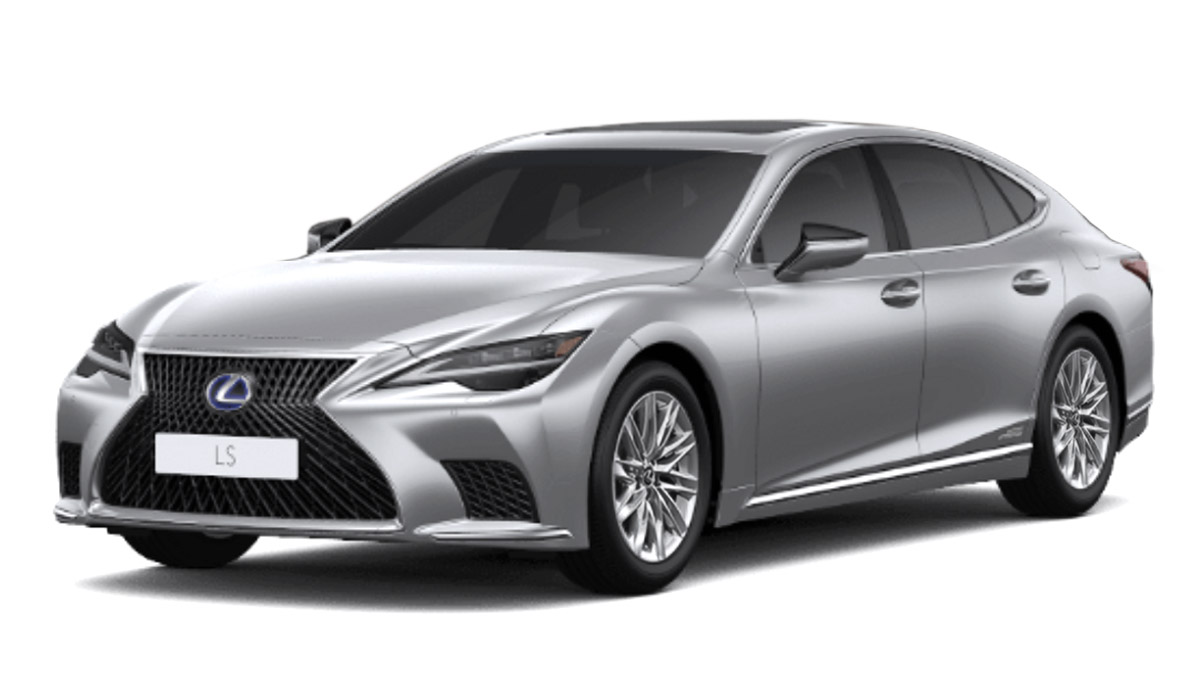
Lexus has been making a lot of noise with its crossovers and SUVs. There’s the first-ever TX, the baby LBX, and the hotly anticipated GX. However, it’s been quiet in the sedan front.
The current Lexus sedan range consists of the IS, ES, and the LS. The IS received major changes in 2020, while the ES got a minor facelift in 2021. As for the flagship LS, it too had a nip and tuck for the 2021 model year.
OTHER STORIES YOU MIGHT HAVE MISSED:
The most affordable expressway-legal motorcycles in the Philippines in 2023
Ken Block's daughter Lia Block has won her first rally championship
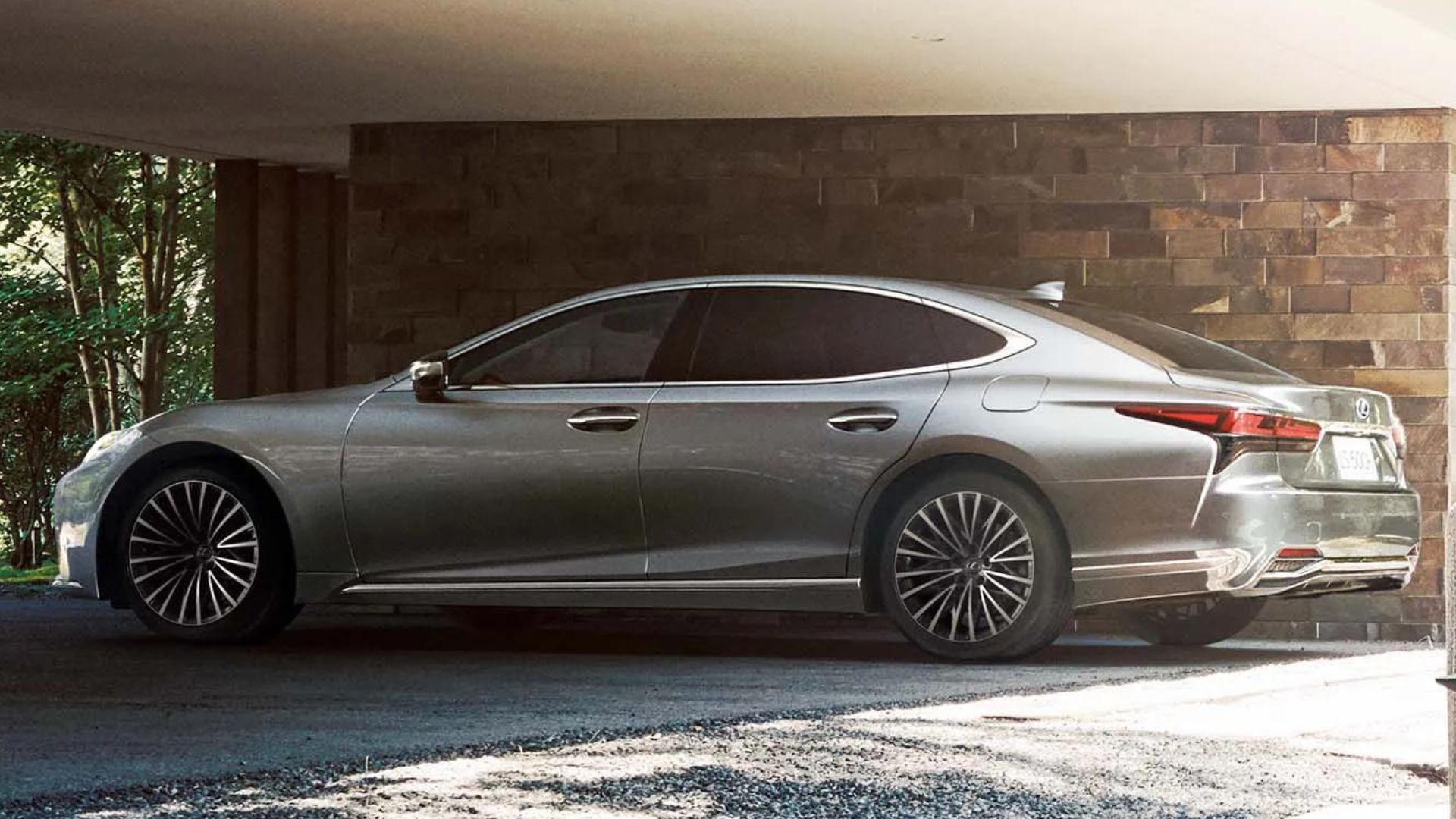
But just because the spotlight is on crossovers and SUVs, it doesn’t mean Lexus has completely left its four-door models out in the cold. As proof of that, the Japanese automaker is bringing in updates to the LS. Just in time too as most of its rivals have gotten major changes since that model’s release.
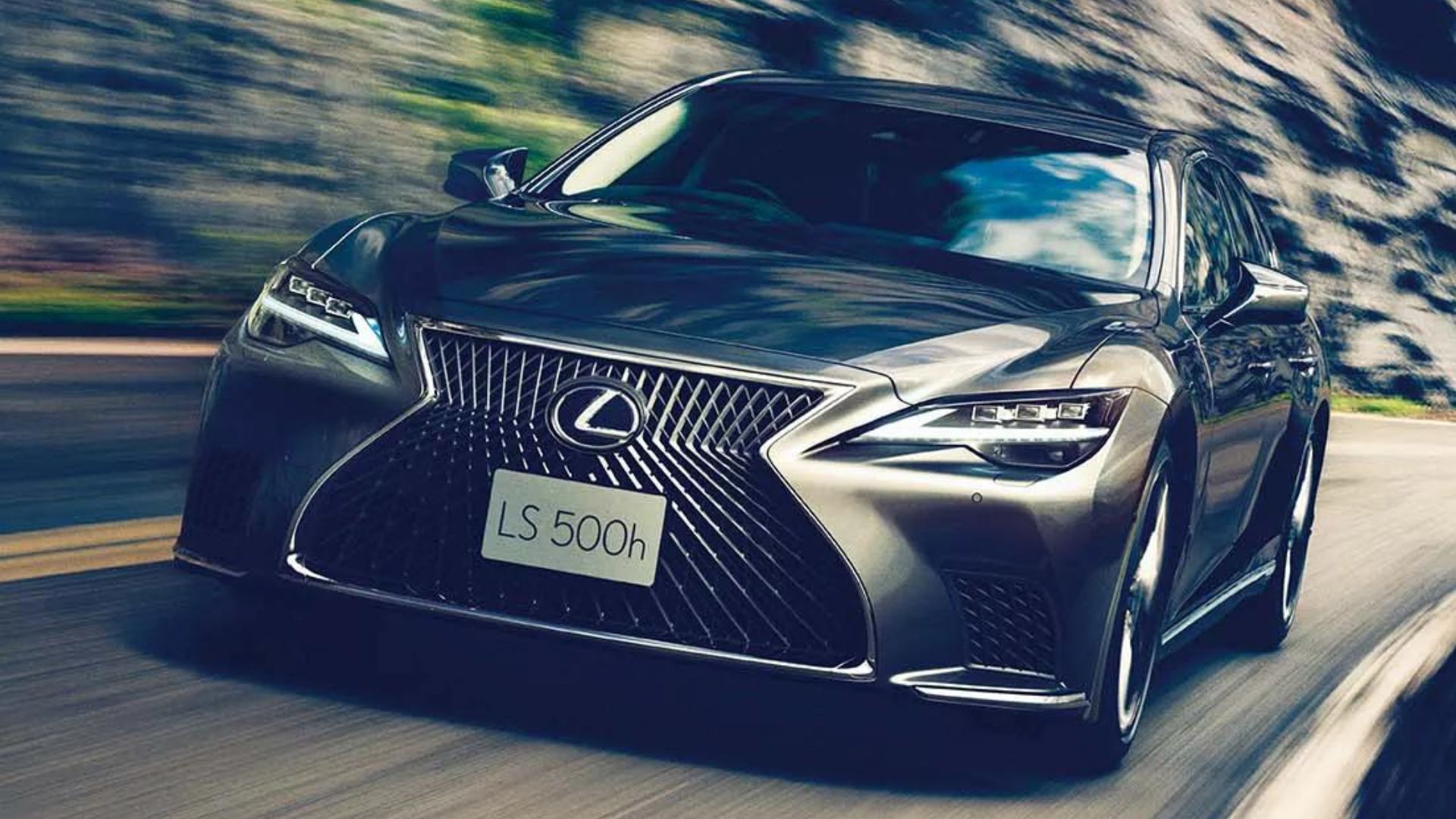
However, you won’t be finding any differences on the outside. The 2024 Lexus LS still looks the same as the 2021 facelift. That’s no bad thing, of course, given that it already looks sharp to begin with. To see what’s been changed, you’ll have to go under the skin to find out what’s new.
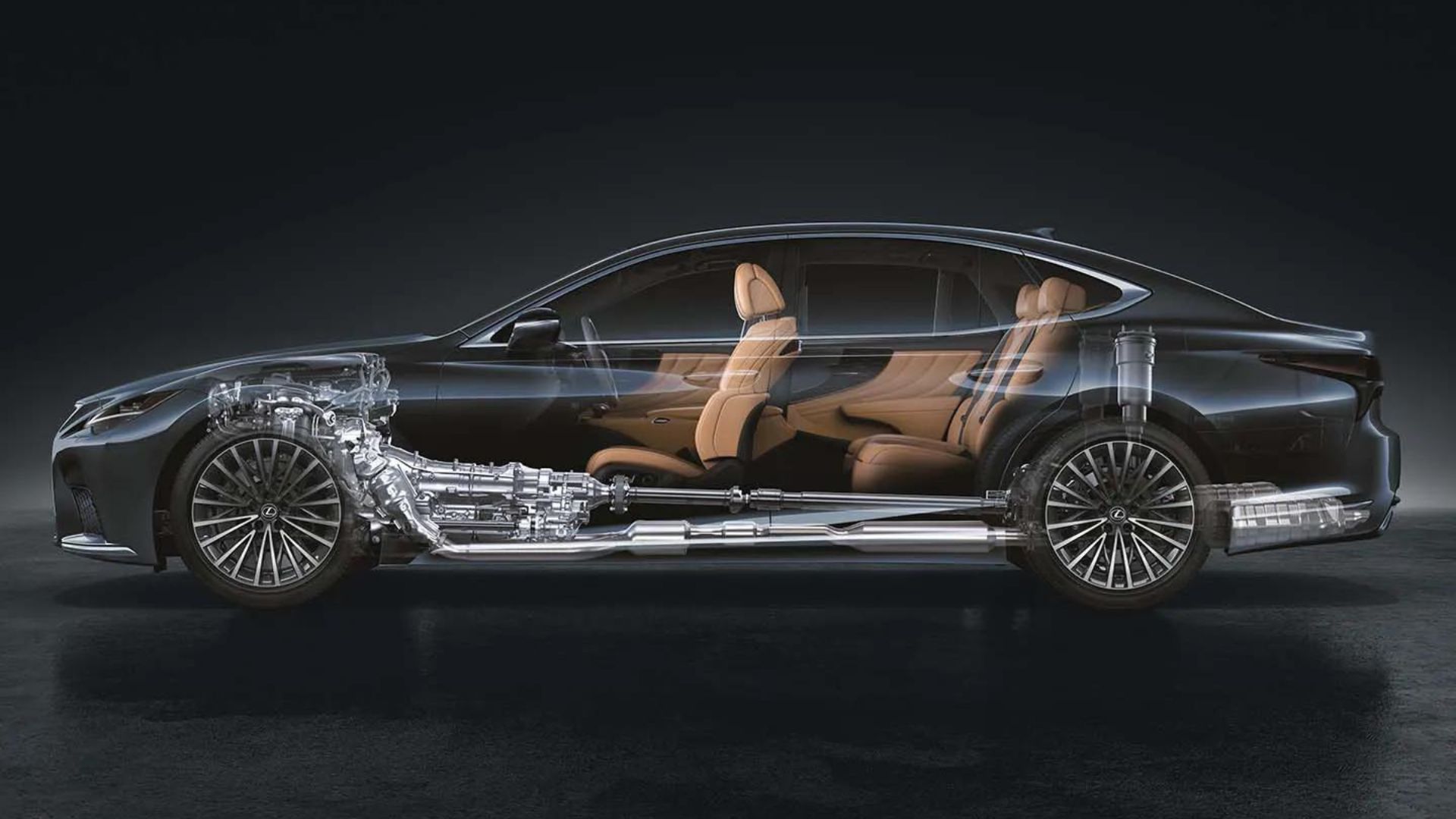
Lexus says it made tweaks to the suspension for an improved ride and handling balance. The car also gains additional bracing around the radiator to increase body rigidity. Its Comfort mode has been recalibrated to reduce shaking at the back, while rear-wheel steering has been added to the all-wheel drive models. The engineers even went as far as relocating the exhaust system’s mounting points to shave off a few decibels.
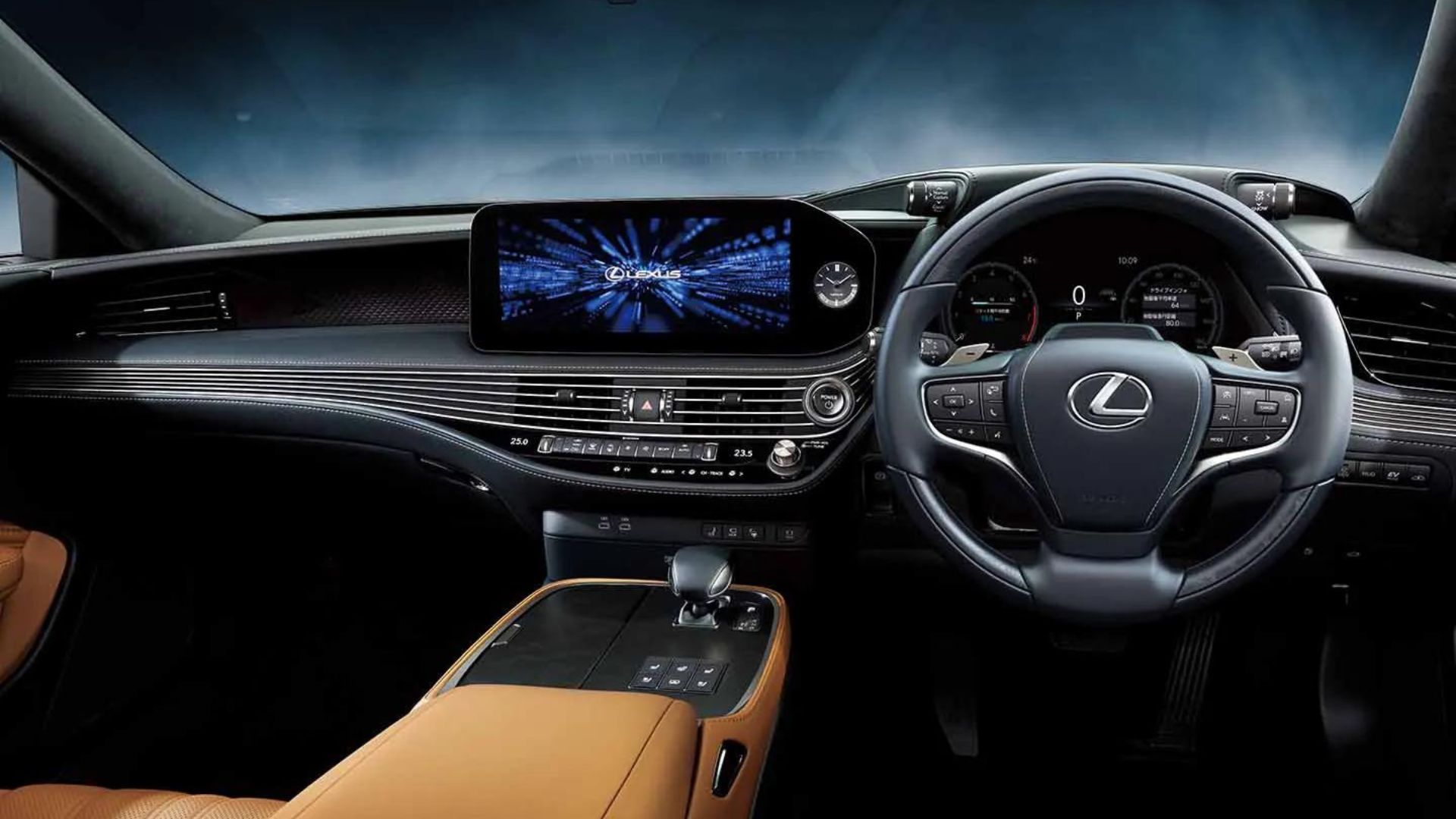
The big change inside is the adoption of a new 12.3-inch digital instrument cluster. It comes with a new layout and higher definition graphics this time around. A drive recorder has also been fitted as standard with the feed coming from the car’s front and rear cameras.
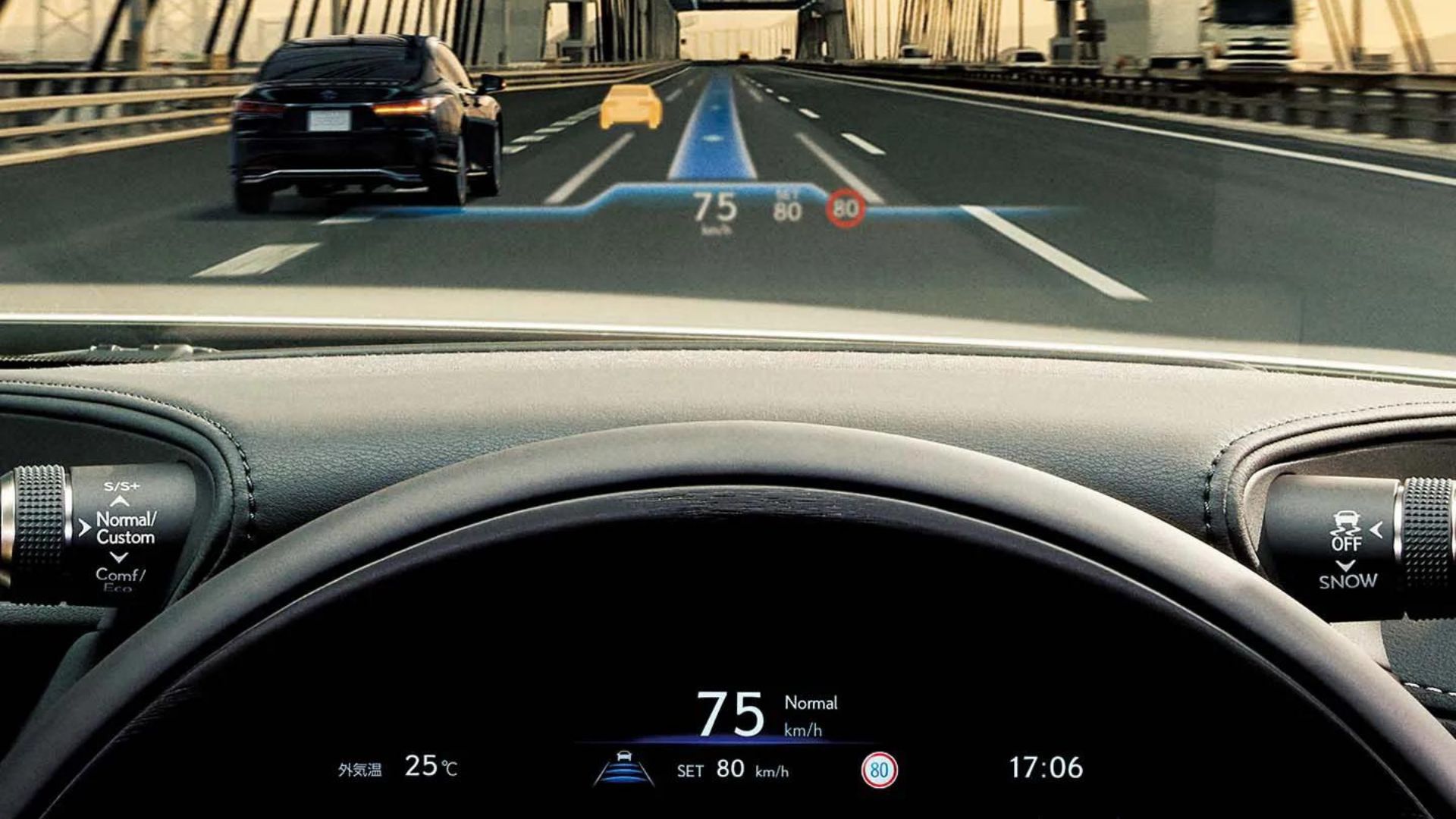
But the major changes are in the field of safety. There are improvements to the Proactive Driving Assist system, adapting new features from the all-new LM and Toyota Alphard. The new Proactive Driving Assist system can detect intersections and slow down when the turn signal is activated. It also slows down gently to avoid getting too close to pedestrians, cyclists, and other vehicles.
It also gains traffic jam assist, giving the Lexus LS semi-autonomous driving capabilities at low speed. The system is active up to 40kph and lets the car to accelerate or brake without the driver’s input. Its lane tracing system then lets the car stay in its lane by adjusting the steering when needed. The semi-autonomous driving features extend to the car’s remote parking mode, letting the owner move the car for short distances via an application.
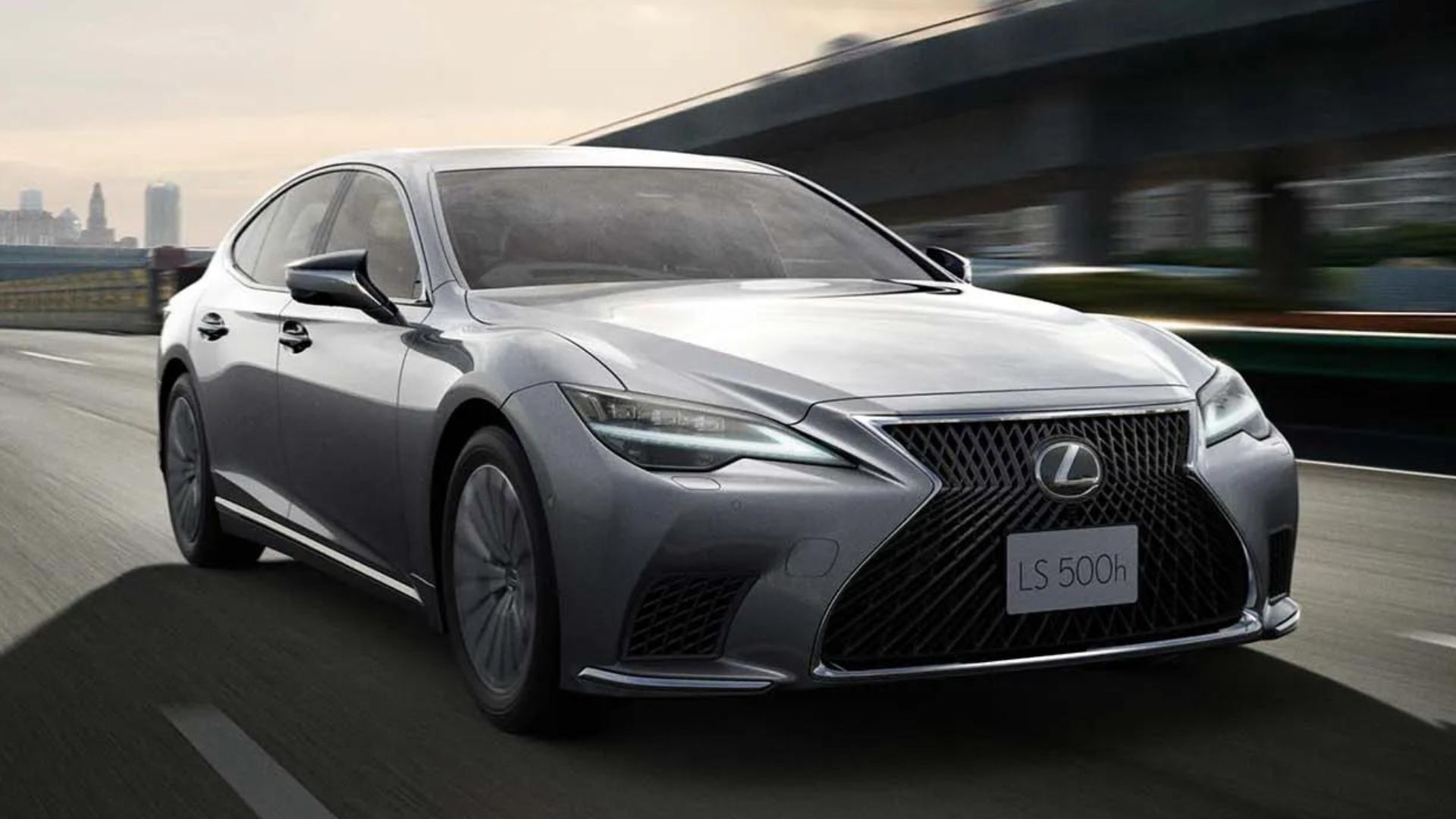
Powertrain options are carried over from the current LS. That means there’s a choice of turbo V6 or hybrid power. Badged as the LS 500 The gas-fed models stick with a twin-turbocharged 3.4-liter V6 that produces 415hp and 600Nm of torque and shifts with a ten-speed automatic transmission. Meanwhile the electrified LS 500h pairs an Atkinson Cycle 3.5-liter V6 to two electric motors. The result of that is a total system output of 354hp.