
Listen carefully, and you can probably hear Enzo Ferrari spinning in his grave like a V12’s crankshaft, because the first pure-electric Ferrari is almost ready for production.
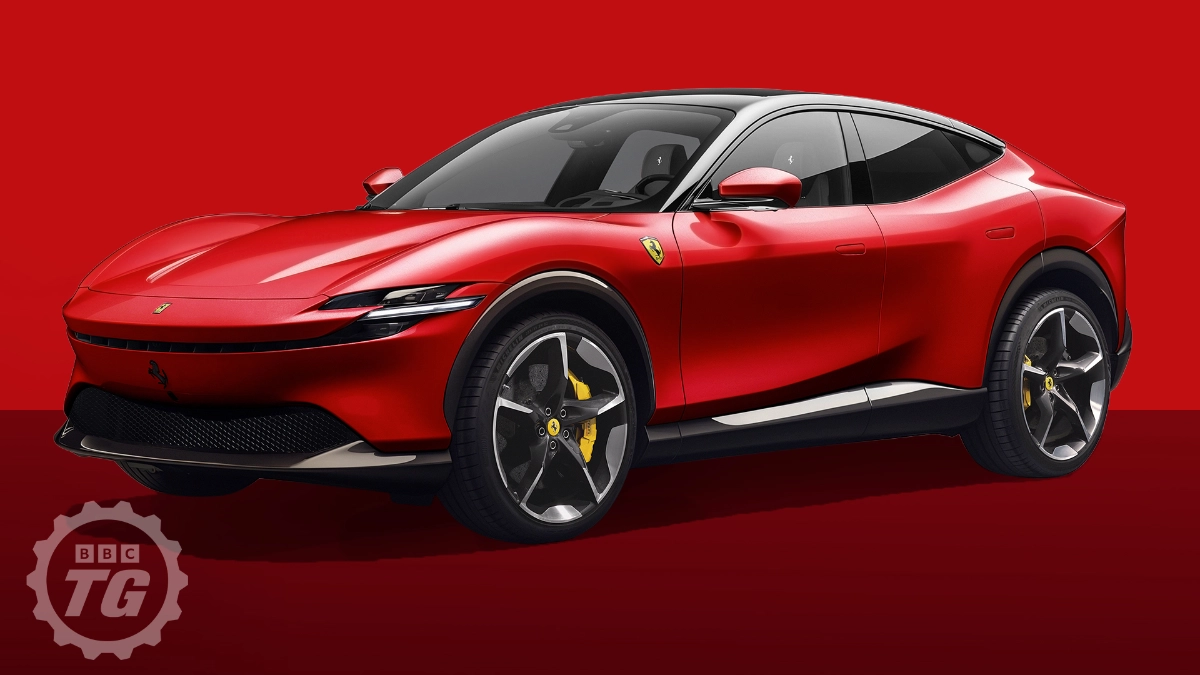
We’ll have to wait until the first half of next year to see the interior and exterior design (the very unofficial image above is what we guess it might look like—we’re expecting a four-seater similar in shape to the GTC4 Lusso, probably with a more cab-forward design. We’ll also learn the real name—Elettrica is just a working title for now), but to whet our appetites, Ferrari has revealed a slew of technical details around the chassis, motors, batteries, and software, and we went to Maranello to hoover it all up.
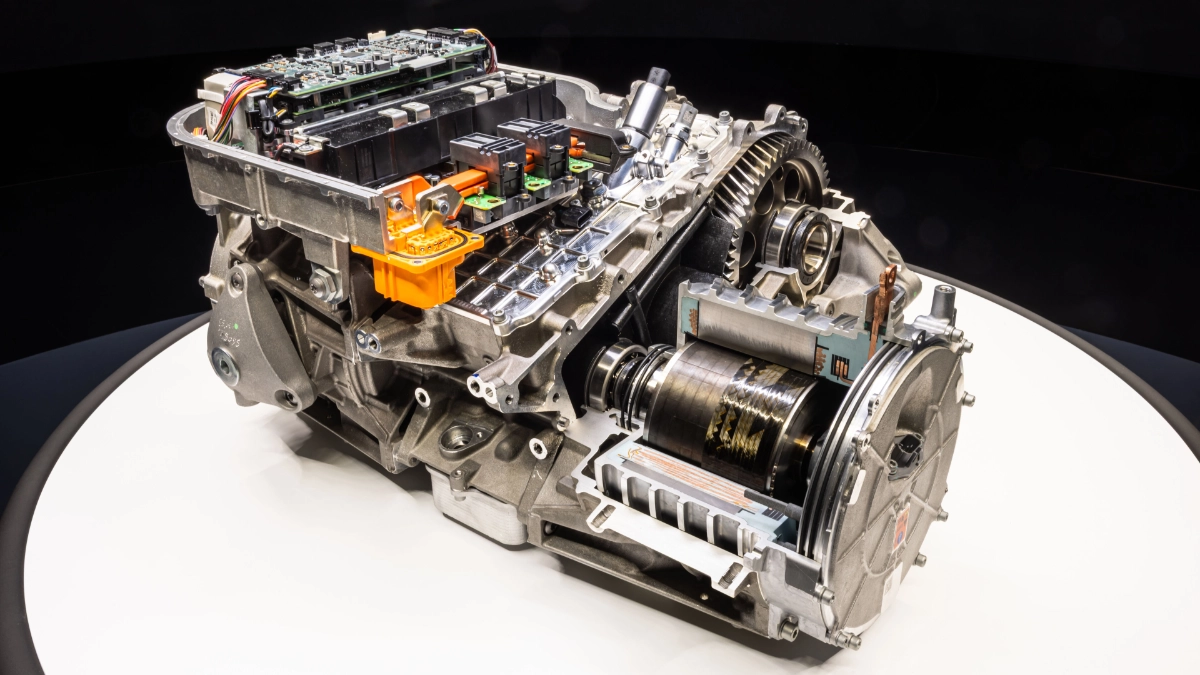
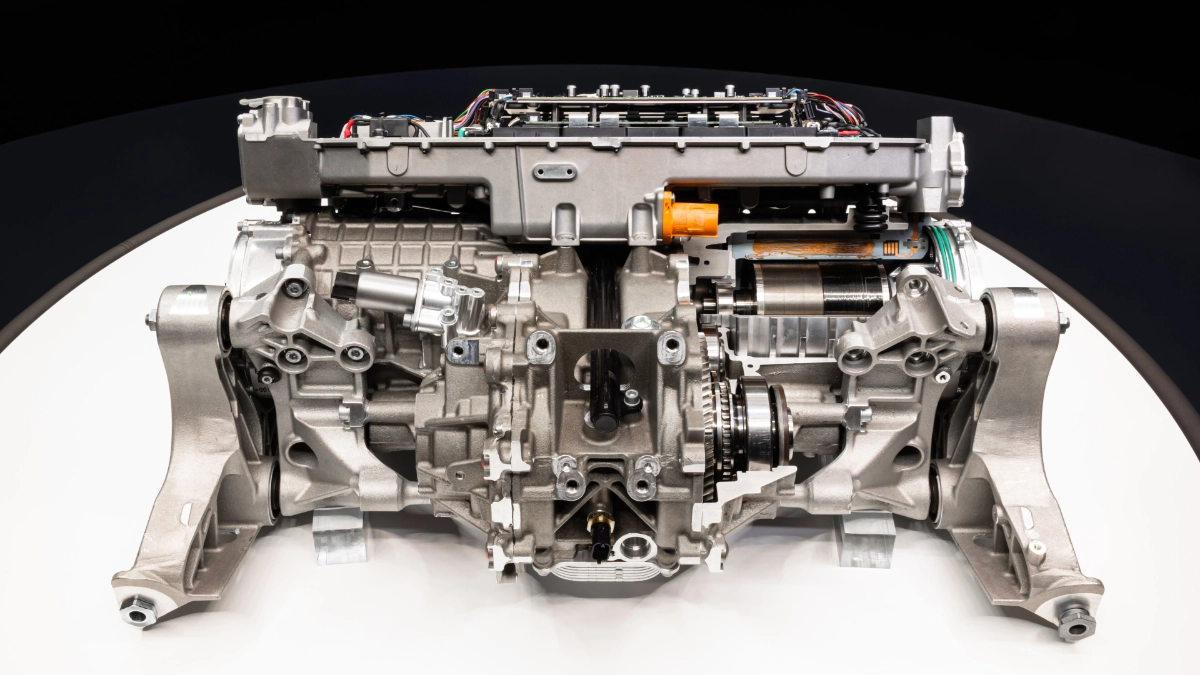
Starting with the motors. There are four of them, two on each axle—permanent magnet synchronous motors, with Hallbach array rotors no less. All you need to know is they’re derived from F1 tech, almost identical to those you’ll find on an F80, and designed and built in-house. The front motors produce a combined 282hp, the rear a combined 831hp, for a total somewhere north of 1,000hp (you don’t simply add them; final figure is still unknown) with a faintly absurd torque figure of 3,501Nm on the front axle and 7,999Nm on the rear. The 1,183hp F80 pips it as the most powerful Ferrari ever, but with a 0-100kph time of 2.5sec and a top speed of 311kph, it’s no slug.
OTHER STORIES YOU MIGHT HAVE MISSED:
Honda thought it could sell 300 Preludes a month, but it got 2,400 orders in just 32 days
There’s a massive festival of Euro cars happening in Clark this Saturday
The rear motors can spin at up to 25,500rpm, while the smaller fronts hit 30,000rpm and can twist from stationary to max speed in less than a second. A front axle ‘disconnect’ system takes half a second to switch to RWD only, for higher efficiency at motorway speeds, not big silly skids—you can do those anyway with the heavily rear-biased AWD.
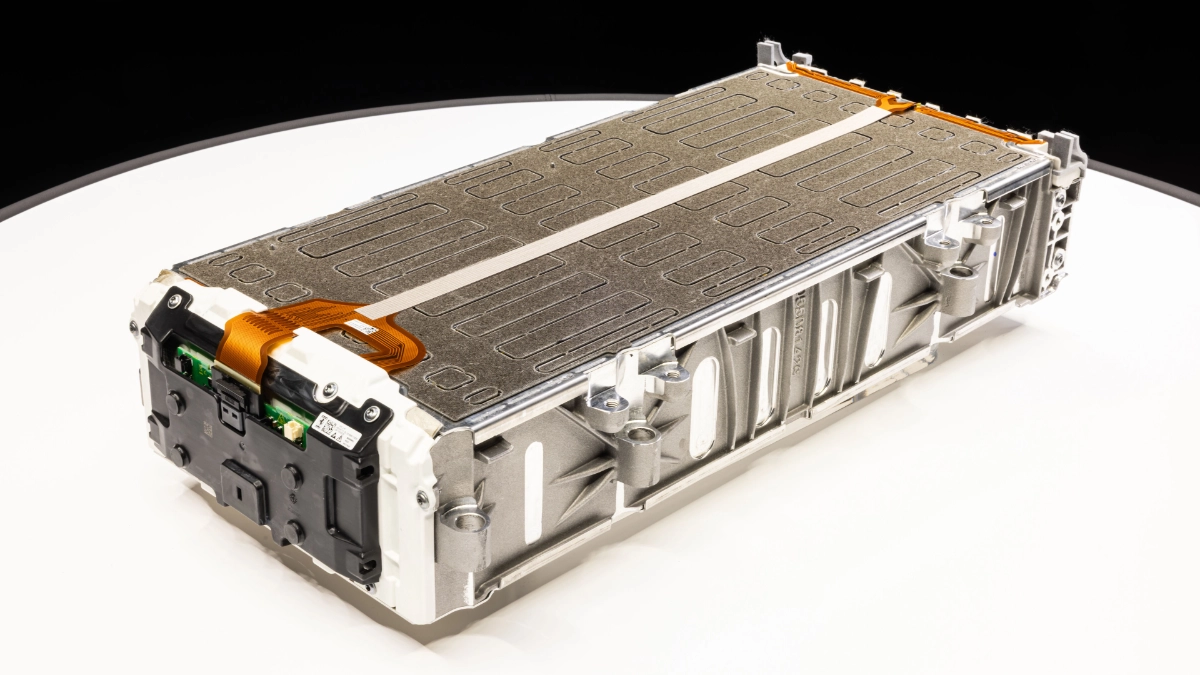
The battery is a chunky 122kWh, with a range of over 530km, and thanks to 800V architecture, it can charge at up to 350kW. Those batteries, by the way, also designed and assembled in-house, have the highest energy density of any production EV in the world, says Ferrari—195wh/kg. For context, the Rimac Nevera cells are around 170wh/kg.
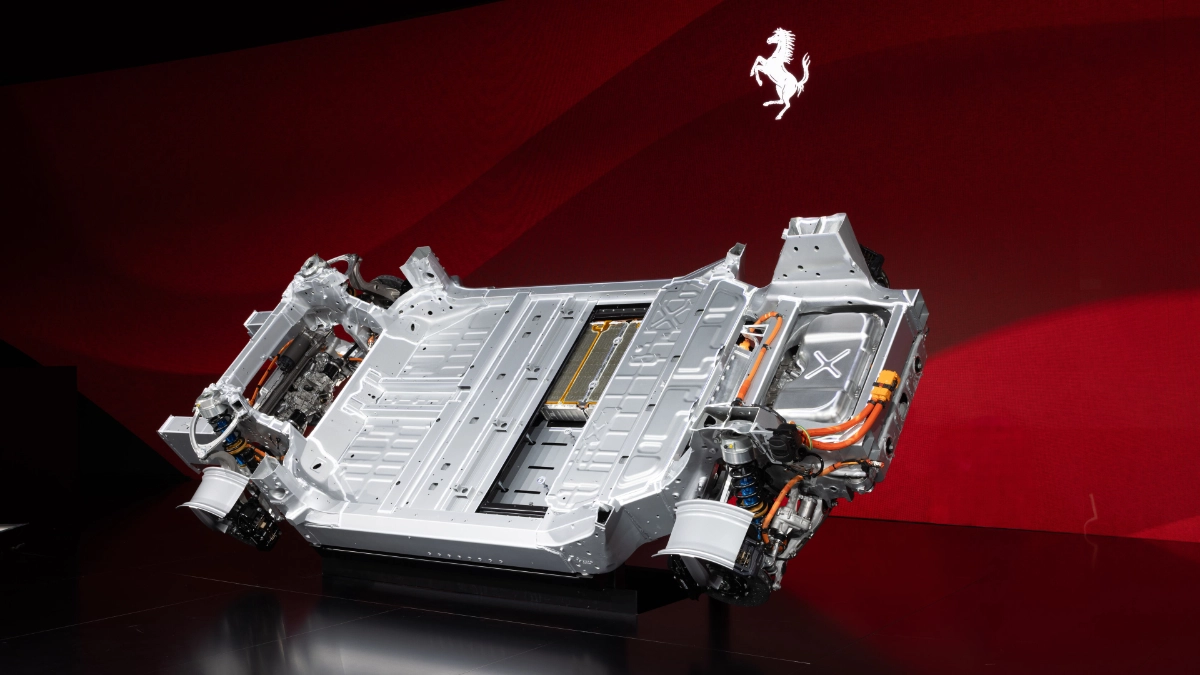
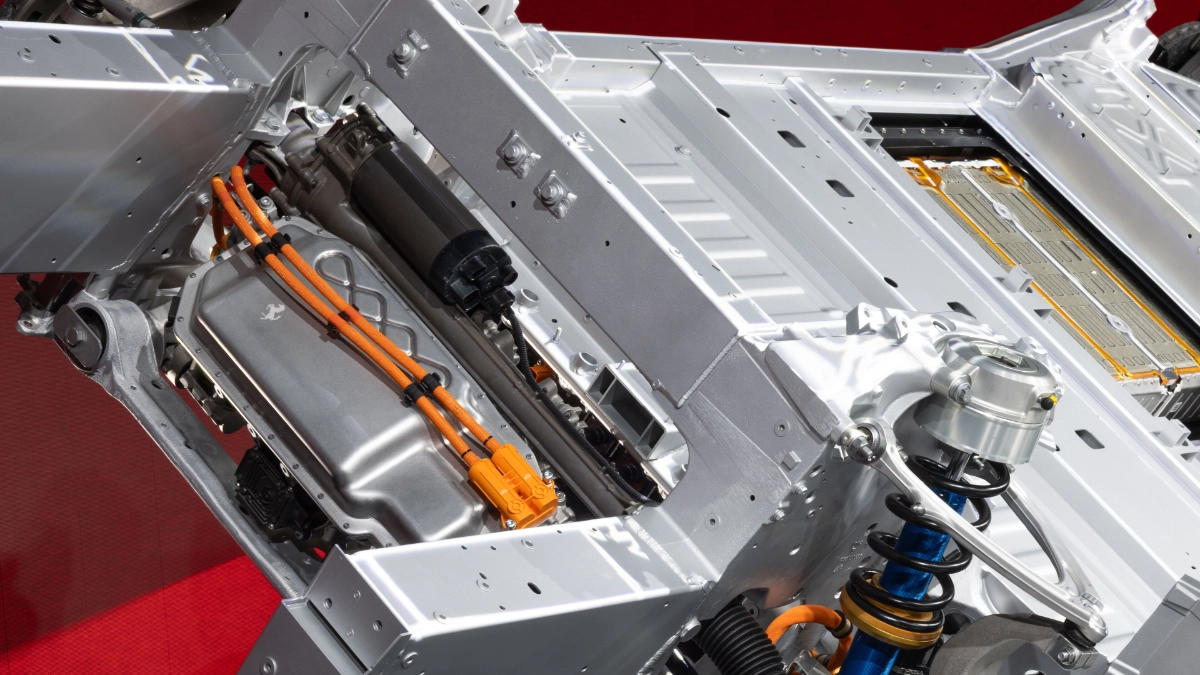
Connectors at the front and back allow the battery to supply the front and rear axles directly, without trailing fat wires up and down the car, and 85% of the batteries are stashed in, fixed to and protected by the floor pan—making the center of gravity 80mm lower than a Purosangue. You’ll notice a little step up towards the rear of the floor pan, that’s so they can double-stack some extra cells under the back seats, rather than extending the wheelbase and compromising agility. The battery is modular and designed to be replaced and upgraded over time, too, so it can last and be used as long as classic combustion engine models.
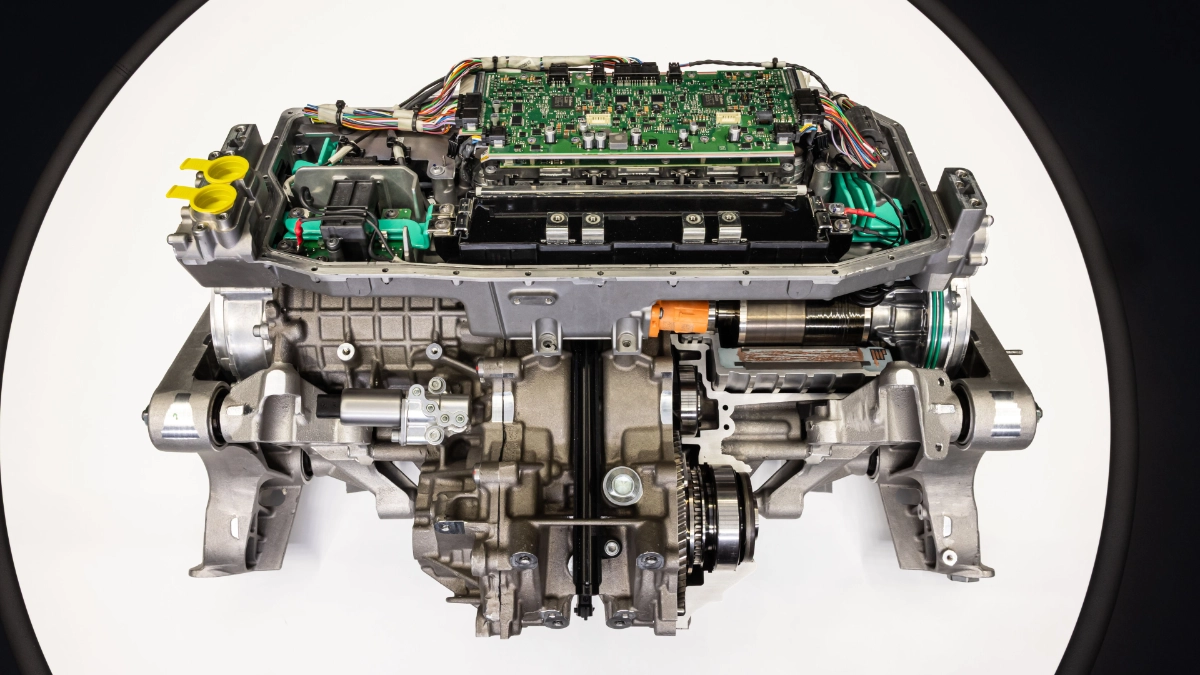
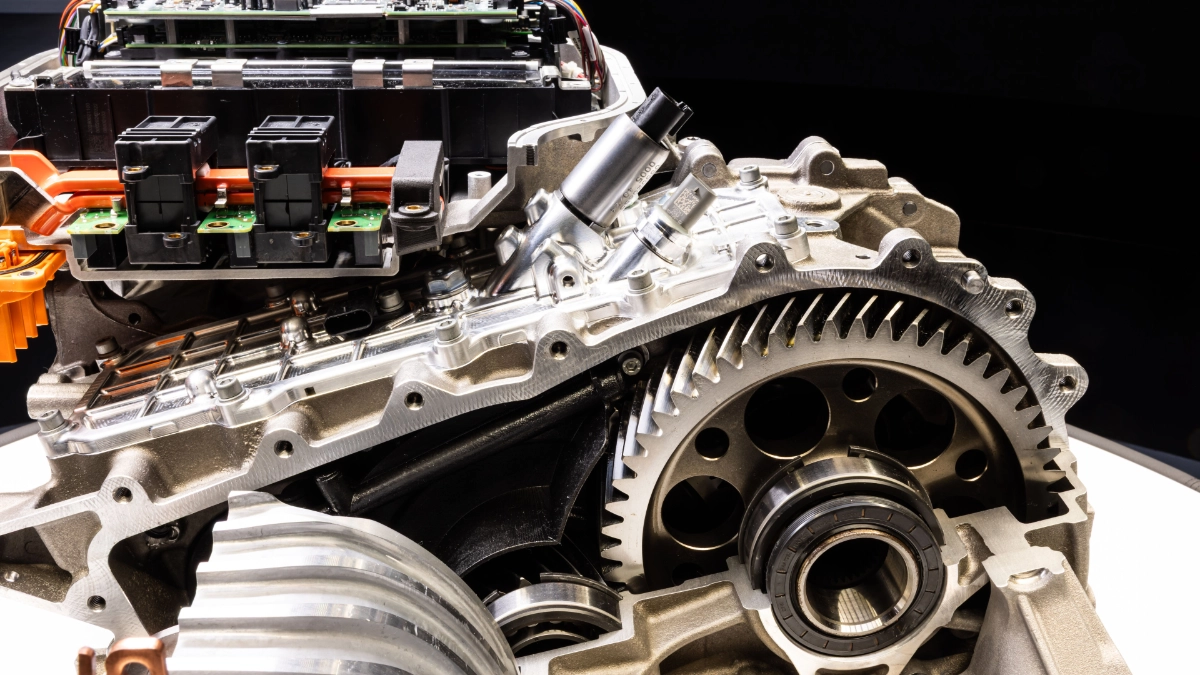
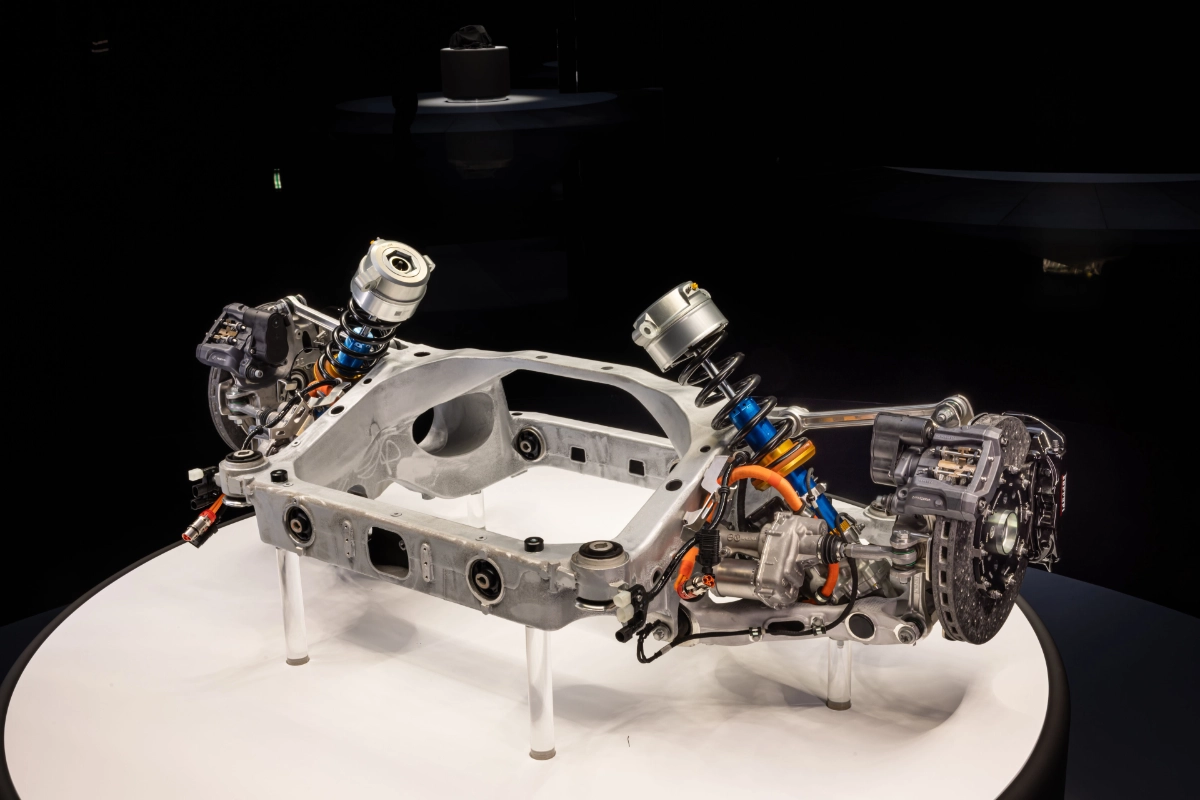
The chassis and bodyshell use 75% recycled aluminum—saving 6,700kg of CO2 per car in the manufacturing process—and for the first time in a Ferrari feature a separate rear subframe, connected to the rest of the chassis through ‘elastomeric’ bushes to dial out unwanted noise and vibrations from the rear of the car. Not normally an issue when you’ve got a screaming, pulsating V12 to drown imperfections out, but NVH has nowhere to hide in an EV.
The suspension is a development of the 48V active system already seen on the Purosangue and F80, giving individual vertical control of each wheel. There’s also four-wheel steering and torque vectoring on both axles, meaning for the first time the engineers have control of each wheel independently in three axes. What does that mean for you? Almost infinite control of driving characteristics for any given driving situation, or put simply, the curb weight might be 2,300kg, but Ferrari claims the perceived weight is 450kg lighter than that. How they measure that, we have no idea.
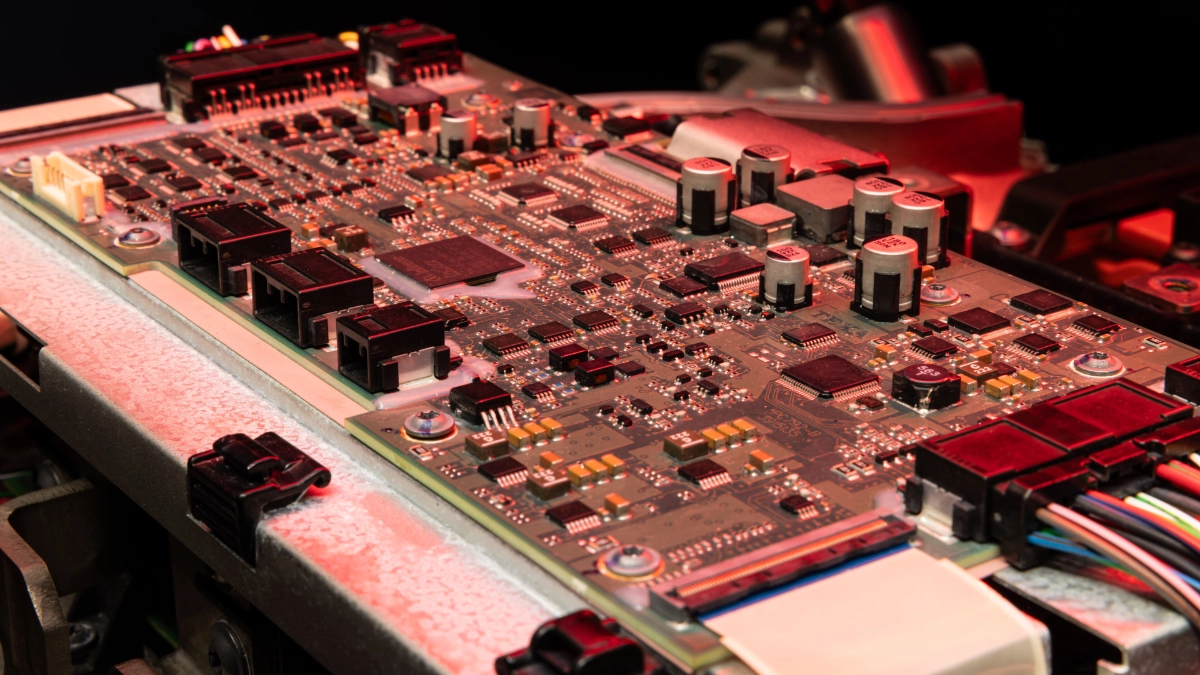
But here’s where it gets really exciting, because who hasn’t wondered what a pure-electric Ferrari would sound like? A recording of a 458 Speciale piped in through the speakers at compulsory full-volume, perhaps? But no—Ferrari wanted to keep the sounds authentic, so it attached a high-precision accelerometer to the casing on the rear inverter to pick up the actual vibrations on the motor, and amplify them into the cabin. Combustion engines project their voices through air, EVs do it through metal—they liken it to an electric guitar where the sensor is the pickup, sending the filtered signals back to the amp with unwanted noise, such as motor whine removed. Is it all just for show, or enough to get your hair standing up? We’ll have to wait and see.
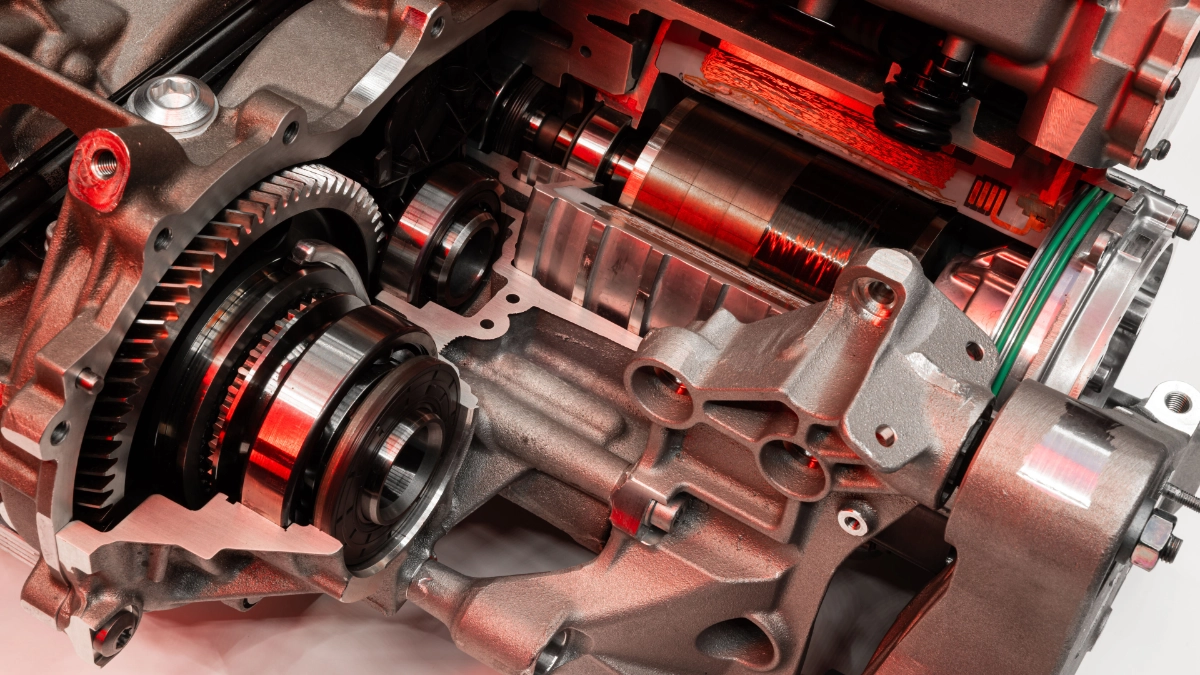
And finally—Torque Shift Engagement. Ferrari hasn’t gone down the Hyundai Ioniq 5 N route and tried to totally synthesize a paddle shift gearbox, but it has created five steps in the power and torque curve. In manual mode, rather than just a linear, characterless wall of acceleration, you’ll feel a step up in the accelerative force every time you pull the right paddle. Then, when braking into a corner, you can pull the left paddle to work your way down the power steps and increase the regen braking, giving a similar sensation to using engine braking as you ping down the gears.
On the wheel, an eManettino switch lets you choose between three modes—Range, Tour, and Performance—controlling the transition between AWD and RWD and how much performance is on tap. The familiar Manettino goes from ‘Ice’ all the way to ‘ESC-off’. The latter disengages everything, except the active suspension and front axle torque vectoring.
Are we still shocked by the thought of an e-Ferrari? Ferrari has been dabbling in electricity for a while, mostly as a tool for turning up the wick on performance, rather than any sort of eco claims. It started in 2009 with the hybrid era in F1, then the 2013 V12-hybrid LaFerrari. It continued with the somewhat lackluster V8-hybrid SF90 in 2019, and was damn near perfected with the V6-hybrid 296 in 2021. We’ve since seen the SF90’s successor, the 849 Testarossa, too, but the transition to pure electric is the giant leap… and presumably a worrying one, because demand for high-performance EVs right now is somewhere between zero and none. On this evidence, we have little doubt that the world’s most thrilling carmaker can build an EV that’s genuinely thrilling to drive… The question is, will anyone want to buy one?
NOTE: This story first appeared on TopGear.com. Minor edits have been made.