The idea of officially exporting kei cars isn’t an entirely new idea. One shining example of that was the Mitsubishi Minica from the ‘70s and early ‘80s. Those tiny Daihatsu Hi-jet vans from about 30 years ago is another one, albeit with a larger engine.
That being said, kei cars have generally remained in their home market of Japan. Sure, there are grey imports here and there, but rarely through official channels. If you ask us, these make more sense in metropolitan areas than SUVs, but we digress.
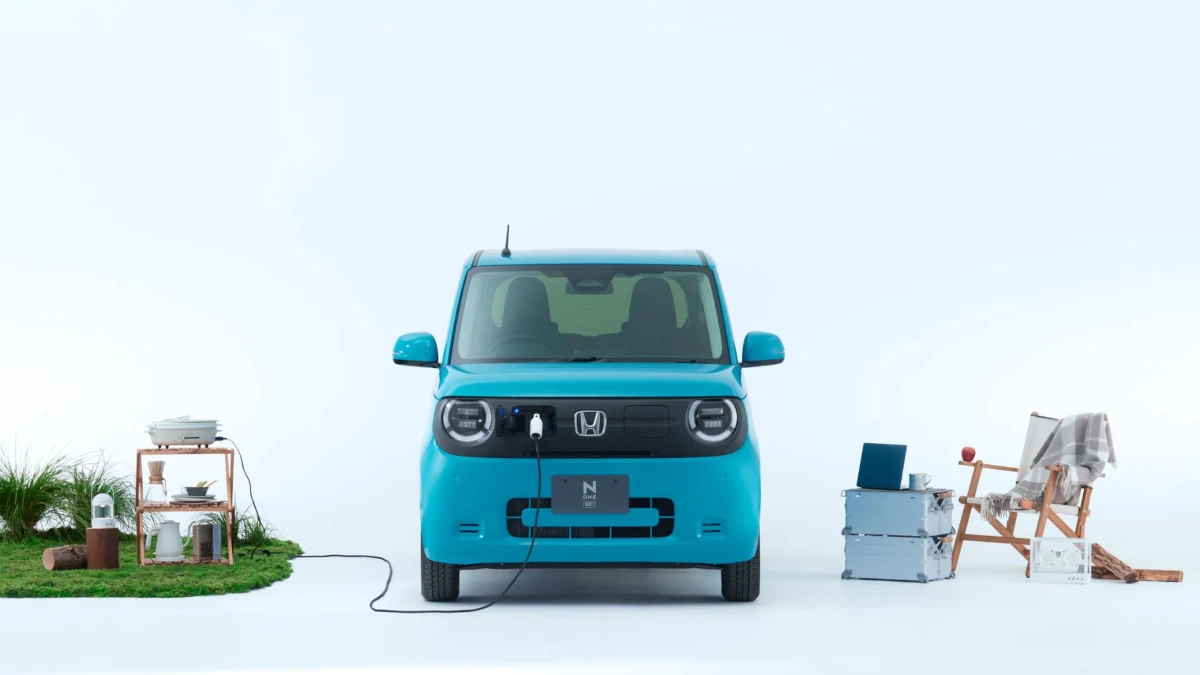
But over at Honda, its latest model gives us a glimmer of hope. That’s because it has a good chance of being produced in left-hand drive. That also opens up the possibility of it being offered in countries like ours.
OTHER STORIES YOU MIGHT HAVE MISSED:
MRT-3 commuters can now tap their GCash, debit, credit cards at turnstiles to pay fares
Explainer: What is the proposed Dignity in Commuting Act?
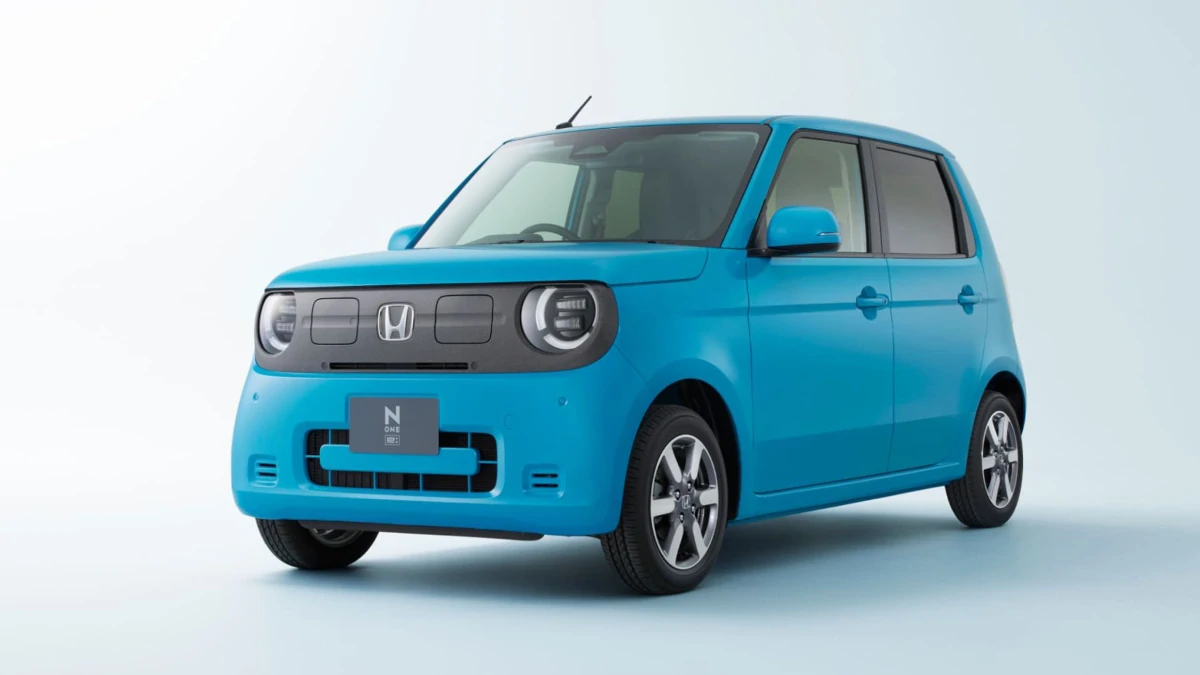
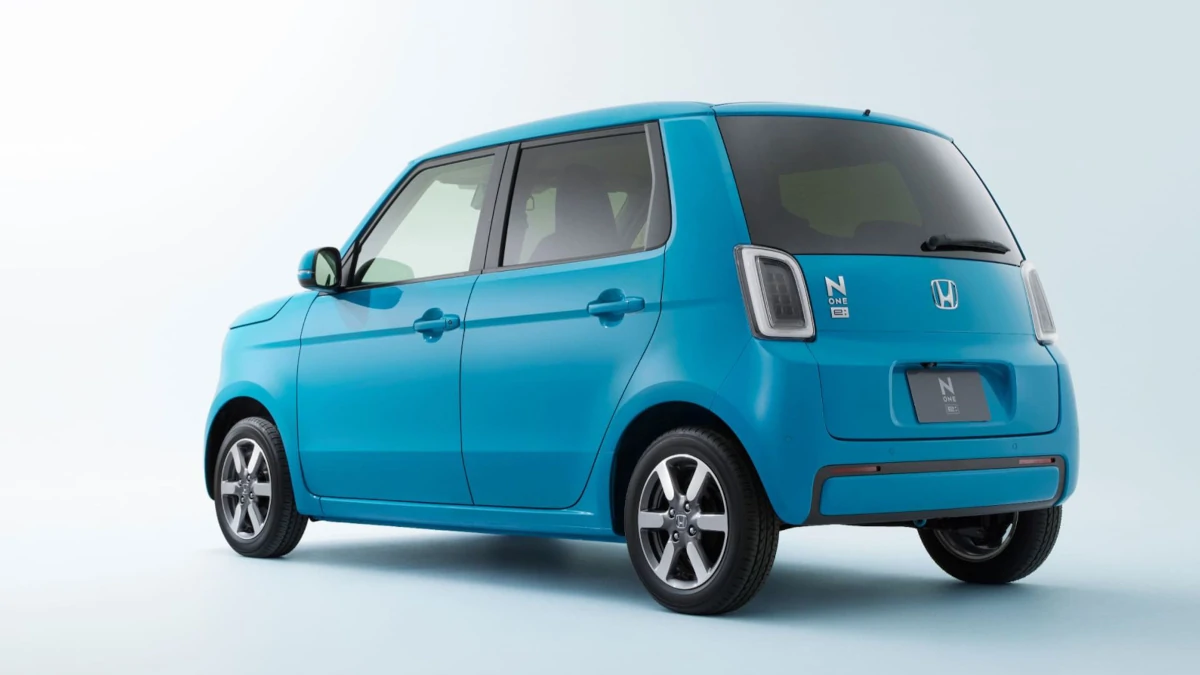
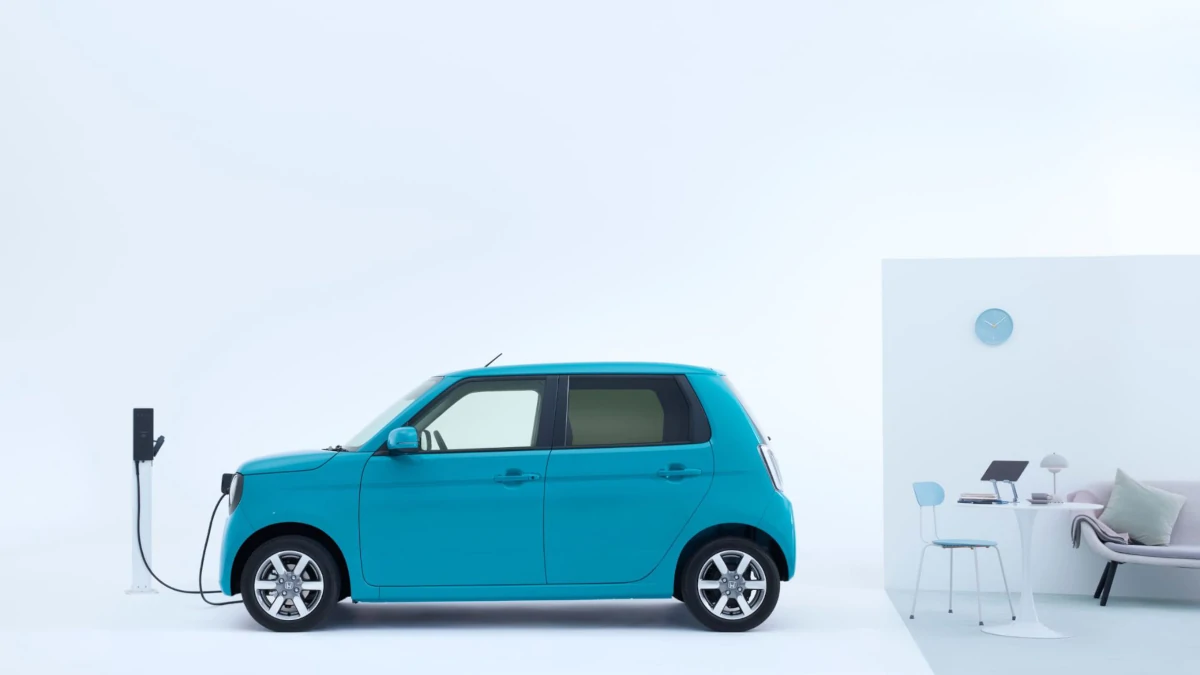
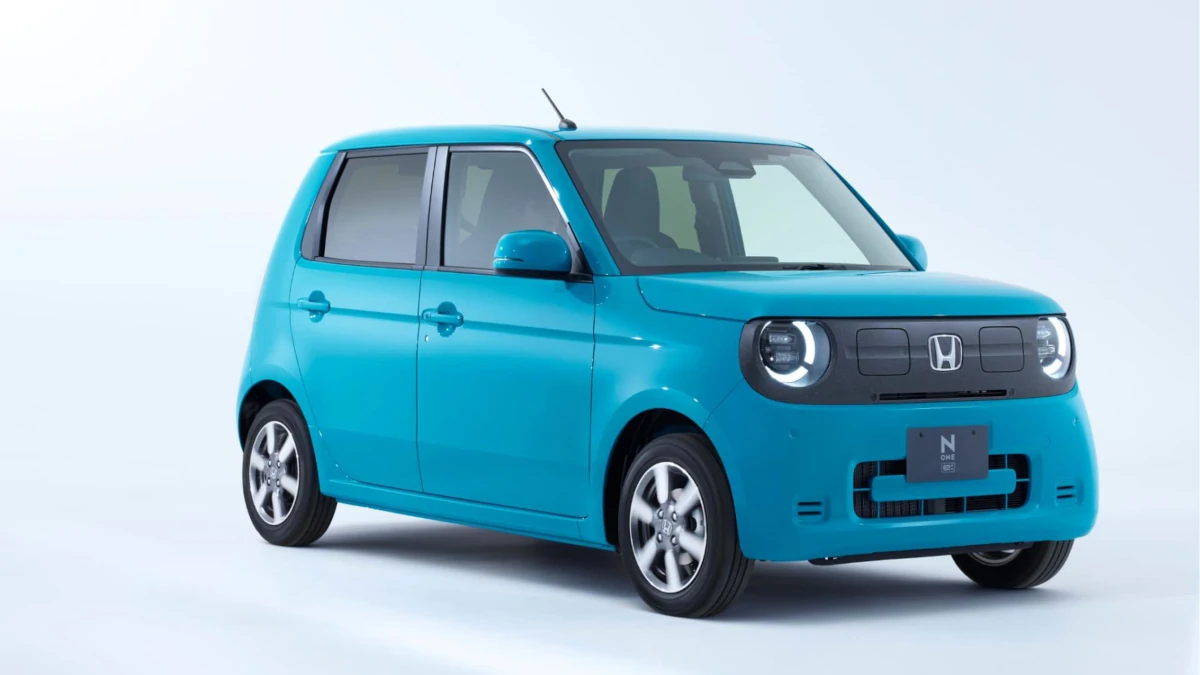
Meet the Honda N-One e:, the second electric kei car produced by the Tochigi-based automaker. The first one was the N-Van e: that was primarily aimed at fleet markets. For the N-One e:, it’s aimed at the many private kei car buyers of Japan, and possibly the world.
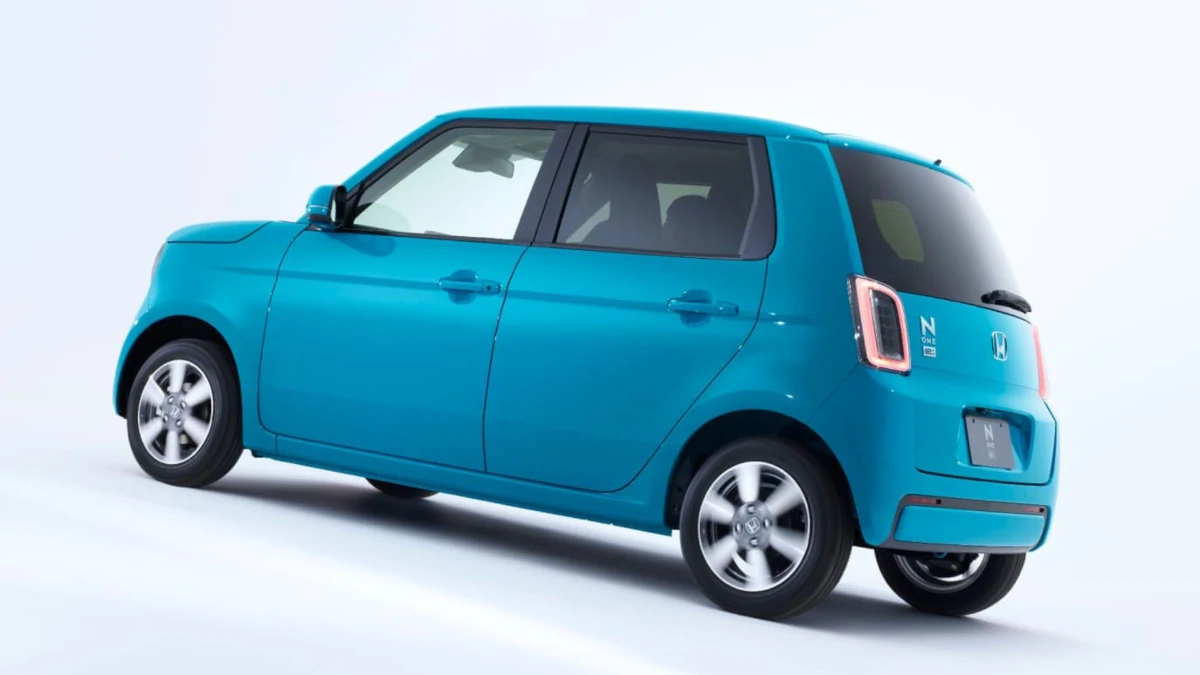
From the outside, the N-One e:’s looks largely like the gas-fed model, although there are several design details that set it apart. The biggest distinguisher is its black panel where the grille once sat, replaced by two charging ports. The bumpers have been smoothened out, likely for aerodynamic efficiency, while the tail lights get clear lenses.
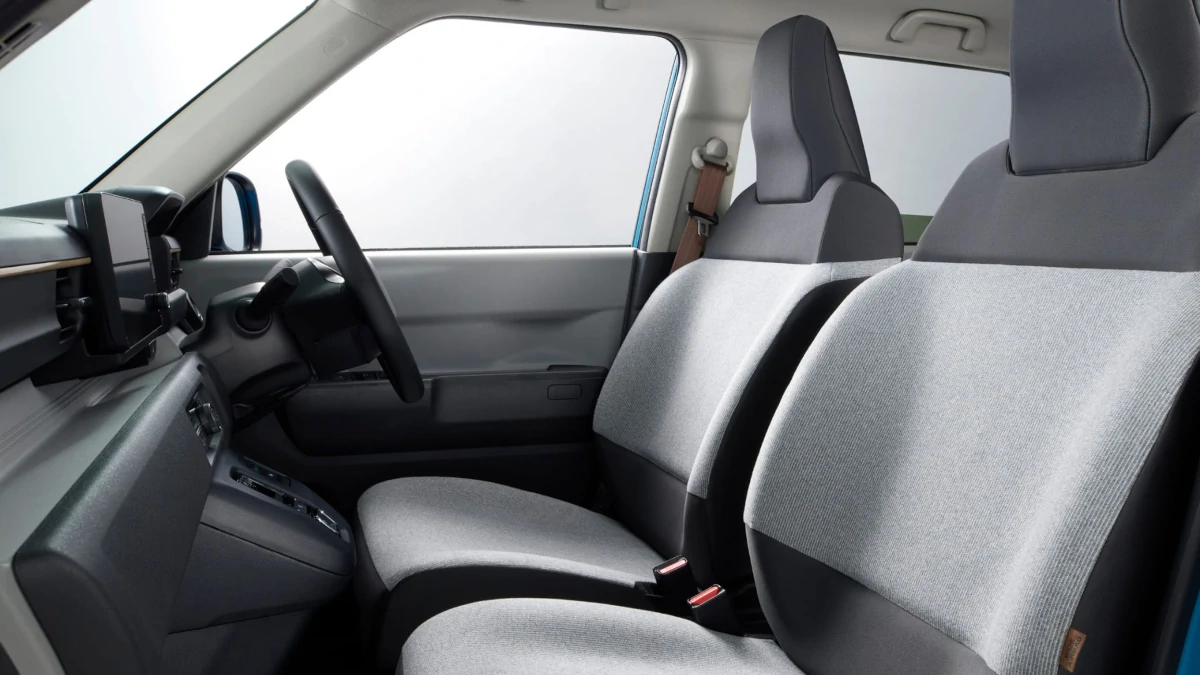
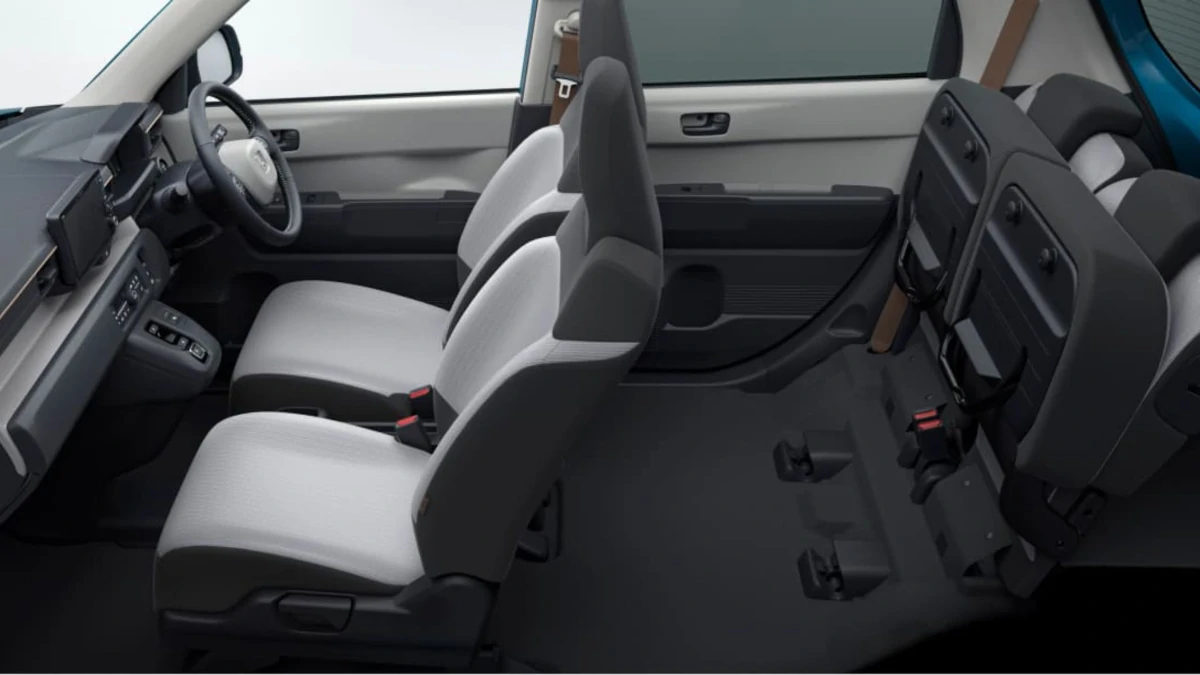
Inside, it’s a continuation of Honda’s Man Maximum, Machine Minimum philosophy with an angular layout and straight lines everywhere. It’s markedly different from the standard N-One’s design that has a more sporty and playful theme. The N-One e: then comes with a push-button gear selector and a relatively sizable infotainment screen. We’re also glad to see buttons for the climate control system.
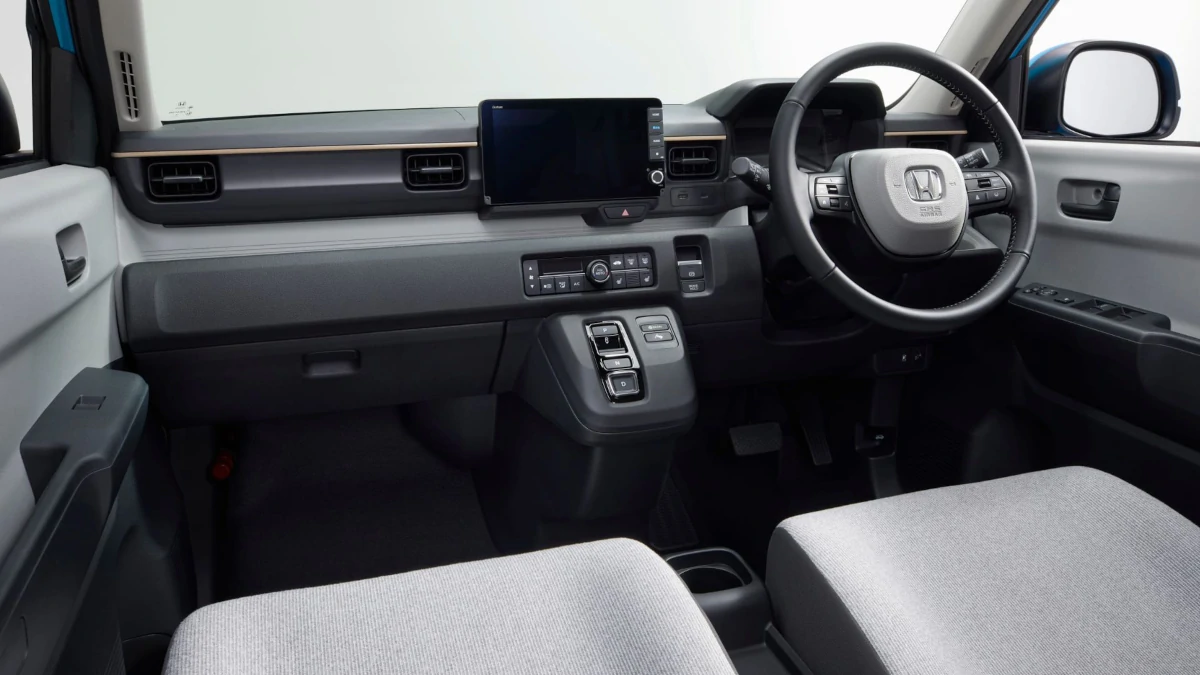
Other neat interior features? The USB ports are cleverly located just beside the steering wheel. The layout of the dashboard also allows the lower half to act like a shelf for extra storage. As it’s a kei car, there’s only room for four, but the tall roof should offer generous headroom. Oh, and it has the Jazz/City Hatch/HR-V’s neat ULT seats for more versatility.
Powertrain details have yet to be released, but it’s likely to be the same as the N Van e:. If so, that means a single electric motor that puts out 63hp, the horsepower limit on kei cars. Range is estimated at 270km on a full charge, and the N-One e: also has V2L (Vehicle to Load) capabilities that allow it to power small appliances.
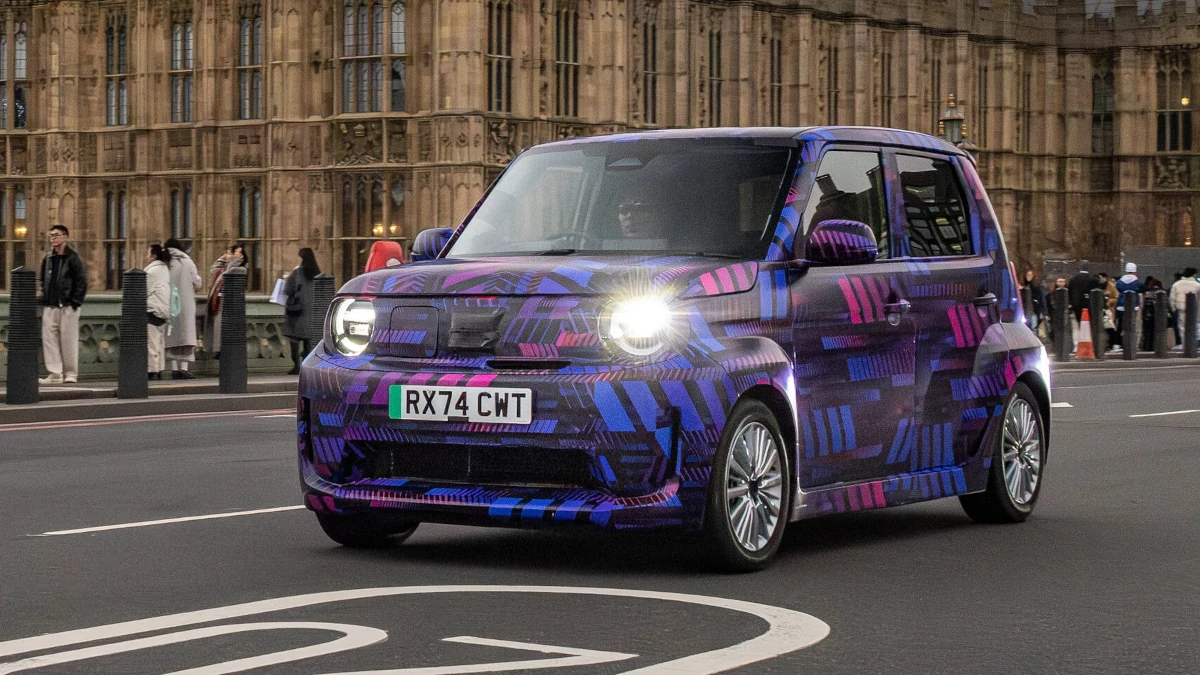
So, why are we saying it has a good chance of being offered outside of Japan? The export version of the Honda N-One e: was previewed not that long ago. It was shown during this year’s running of the Goodwood Festival of Speed and featured a wider body compared to the version shown in Japan. Given that it will be offered in Europe–a market where most countries are left-hand drive– Honda is keen to spread the word of kei cars in more regions.
More photos of the 2025 Honda N-One e: