Alternative mobility solutions have evolved drastically, similar to how cars changed in the past. These days, we see all sorts of personal transport vehicles such as e-bikes, electric boards and kick scooters, and even foldable electric motorcycles. While these are all well and good, we still expect to see even bigger changes in the coming years.
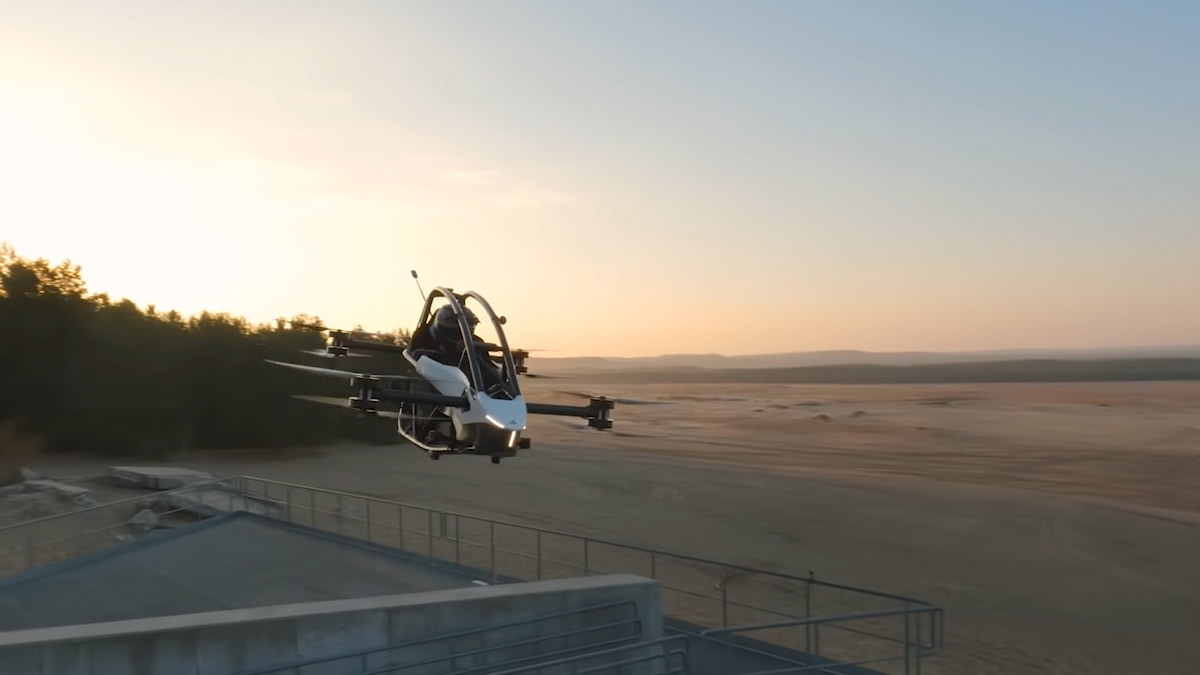
Proof of this is the newly launched Jetson One, a vertical take-off and landing (VTOL) aircraft. Its Swedish makers call it a personal electric aerial vehicle. Just like any modern-day mobility device, it’s designed for short-distance trips.
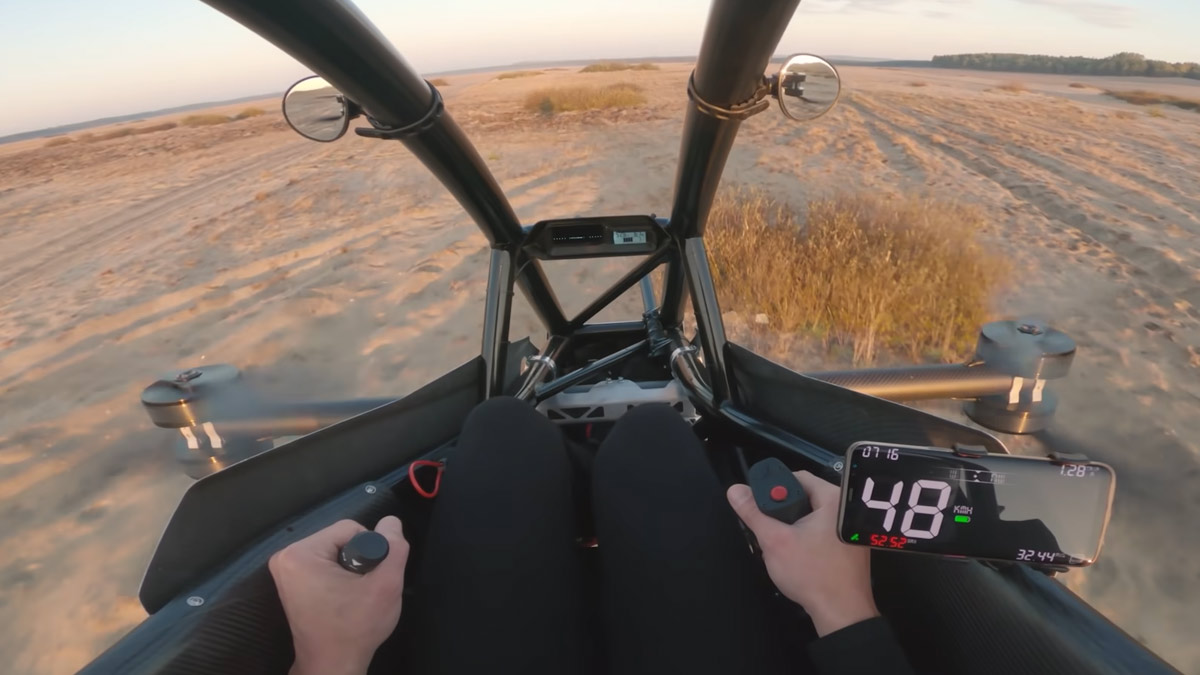
The Jetson One is powered by eight electric motors that allow it to fly as fast as 102kph. It has a total flight time of 20 minutes, which may seem a bit short, but in reality it’s more than enough when moving around a city like Metro Manila.
The vehicle is operated using a three-axis joystick and a throttle lever. It weighs only 86kg and is only 900mm wide when folded. It only has room for one pilot not weighing more than 95kg.
Jetson promises that safety is its top priority, so it has equipped its aircraft with several features to match. For starters, it has a race car-inspired spaceframe safety cell design. It also has a triple-redundant flight computer and can operate safely even with the loss of one motor. The vehicle also has a ballistic parachute with rapid deployment, as well as lidar sensors that help it track the terrain and avoid obstacles.
If you want to see this vehicle in action, you can check out the clip below.
The Jetson One retails for $92,000, or roughly P4.7 million in local currency. Each order comes partially assembled, with the rest to be completed by customers at home. The kit arrives with all the parts and tools needed along with detailed build instructions.
Jetson is already accepting build reservations for 2022 and 2023. However, all 12 slots for the 2022 deliveries have been spoken for, with orders coming from Brazil, Italy, Germany, Sweden, Spain, Mexico, and the US.
So, do you think aircraft like these could be the future of personal mobility?