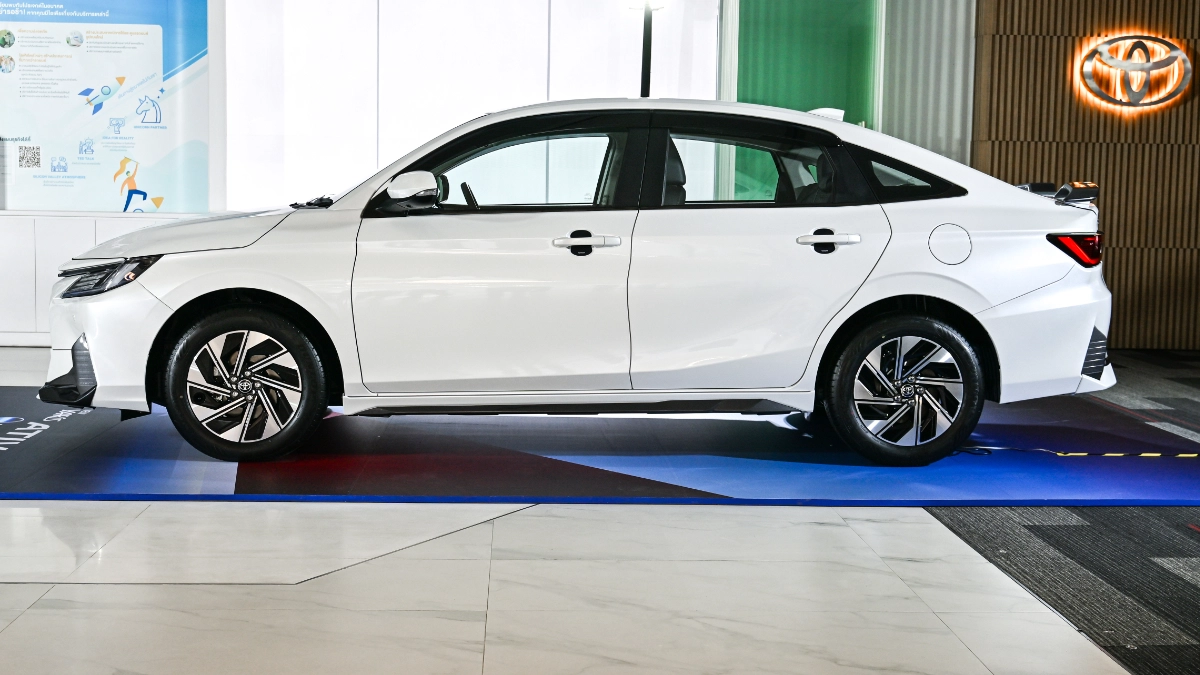

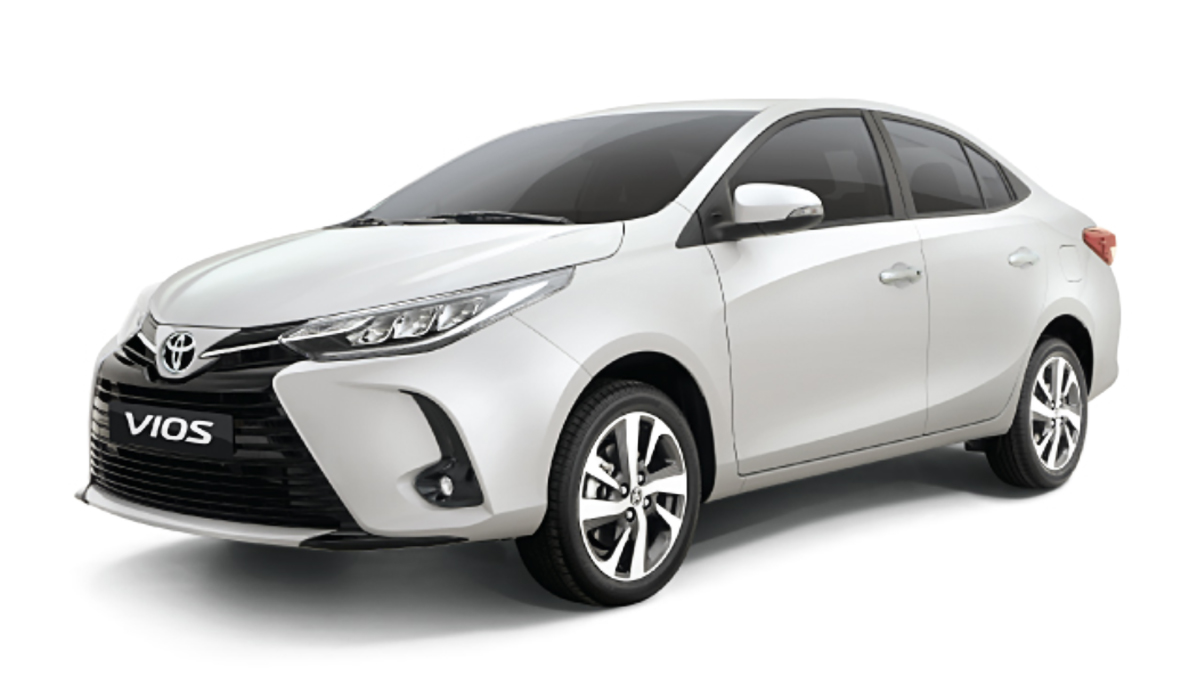
About 20 years ago, the thought of a Toyota Vios with a hybrid system was unimaginable. Fast forward to 2025, and here we are with the first-ever electrified version of the popular subcompact sedan. Amazing how quickly the trickle-down effect has made hybrids more accessible.
Known in Thailand as the Yaris Ativ HEV, it marks a new chapter in the Toyota Vios story, and one that makes it more future-proof. With that, this latest version of the Vios is the second full-hybrid model in the subcompact sedan segment, the first being the Honda City e:HEV.
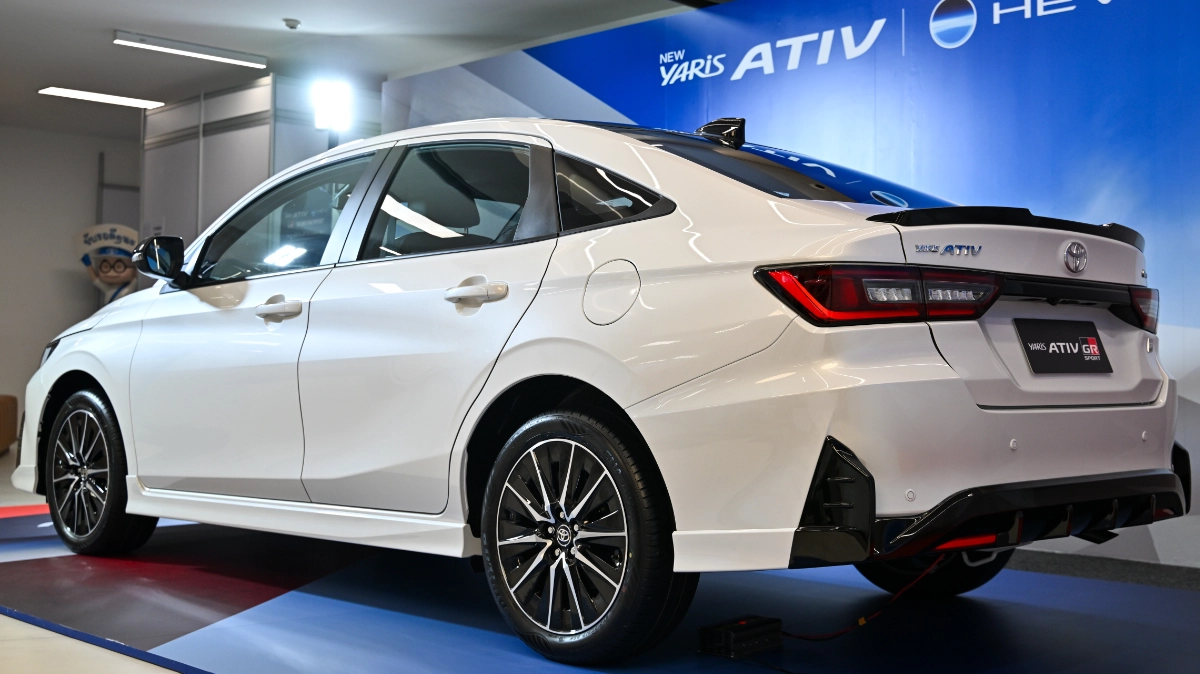
But the Yaris Ativ/Vios HEV won’t just be going up against the City hybrid. It also faces stiff competition from BYD, namely the Seal 5 DM-i. With that model gaining traction in Southeast Asia, Toyota must get this car right to fend off the Chinese upstart.
OTHER STORIES YOU MIGHT HAVE MISSED:
938 NCAP violations were recorded around La Salle Greenhills from July 18 to August 14
The Philippines remains Mitsubishi’s third biggest market in the world
The Yaris Ativ/Vios HEV wades into battle with a powertrain system lifted from the Yaris Cross. That means a 1.5-liter Atkinson Cycle engine that’s then mated to a lithium-ion battery and a compact single electric motor. The result is a total system output of 109hp, while the electric motor doles out 141Nm. It’s then mated to the same transmission used in the Yaris Cross HEV, meaning an e-CVT. Claimed fuel economy is 29.4km/L.
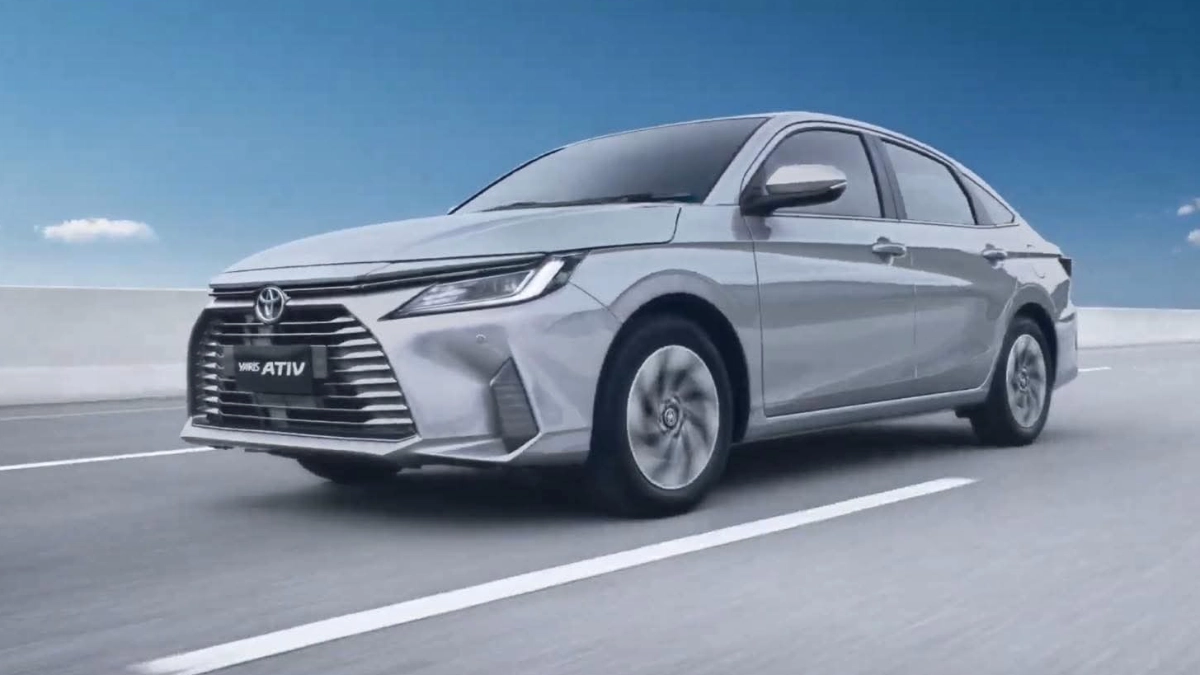
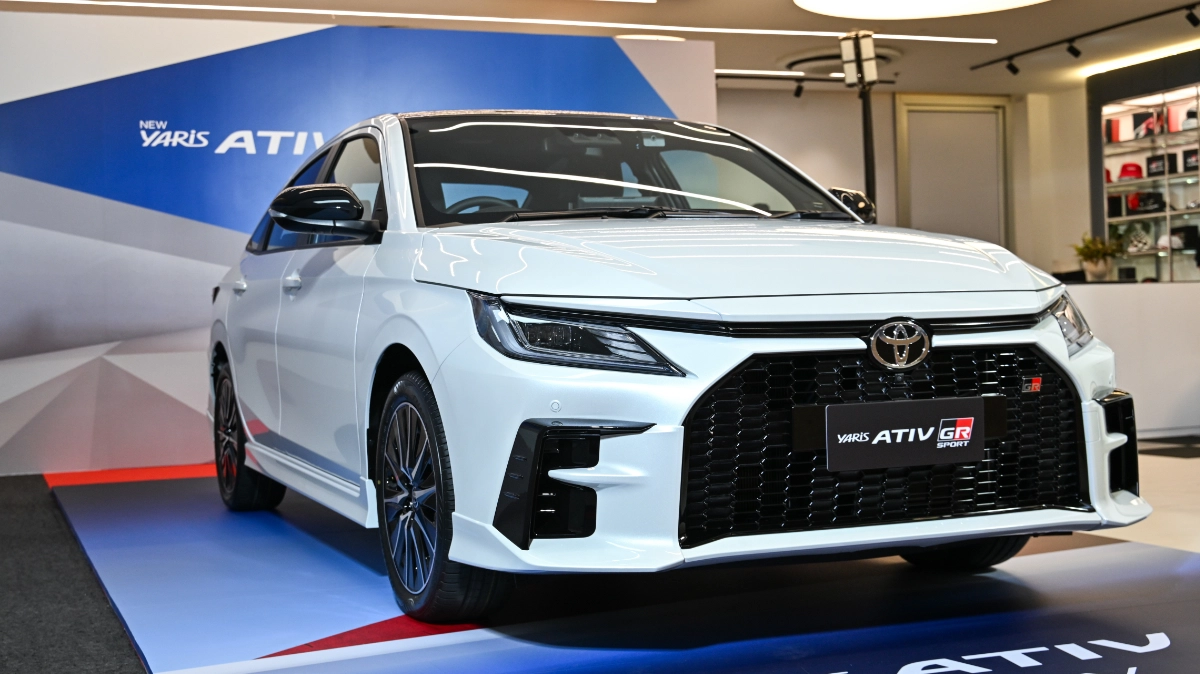
In Thailand, there are two variants available, namely the HEV Premium and HEV GR Sport. The Premium variant looks largely identical to the non-hybrid model. Only HEV badges give the game away in this case.
However, it’s the first time the new Vios/Yaris Ativ receives the GR Sport treatment. It now serves as the top-spec variant and gets a noticeably sportier appearance. That’s thanks in part to black highlights on the body, a different front and rear bumper arrangement, and a ducktail spoiler on the trunk. On top of that, the suspension gets a few tweaks for a sportier drive. Presumably.
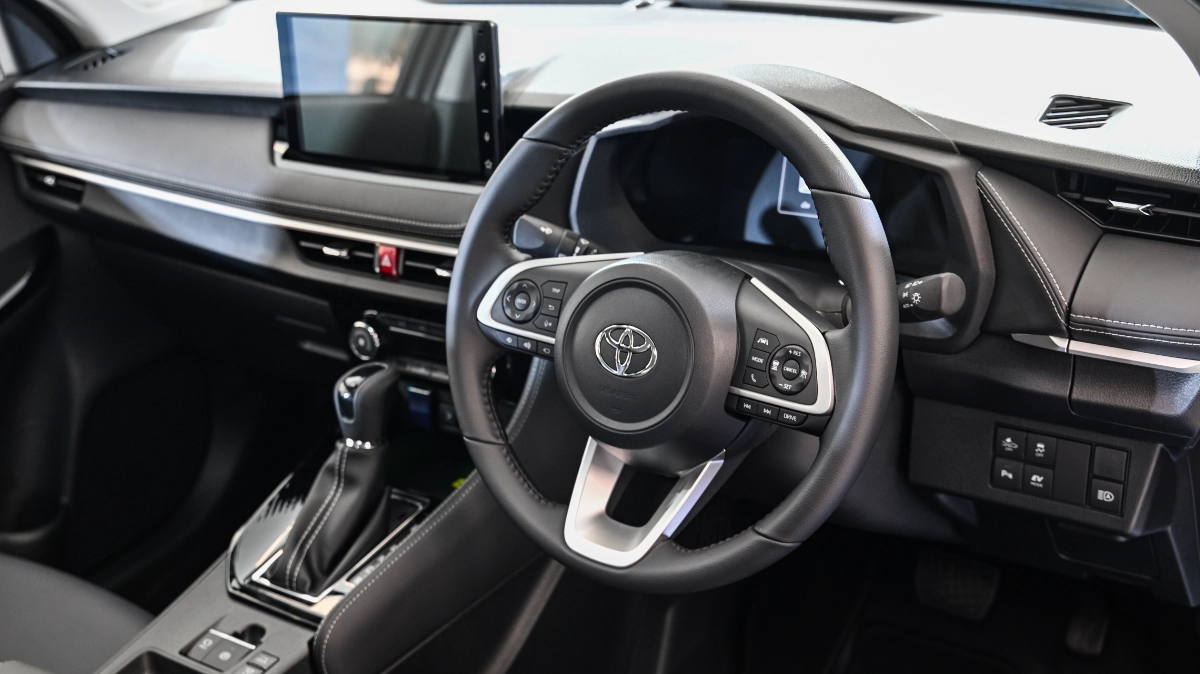
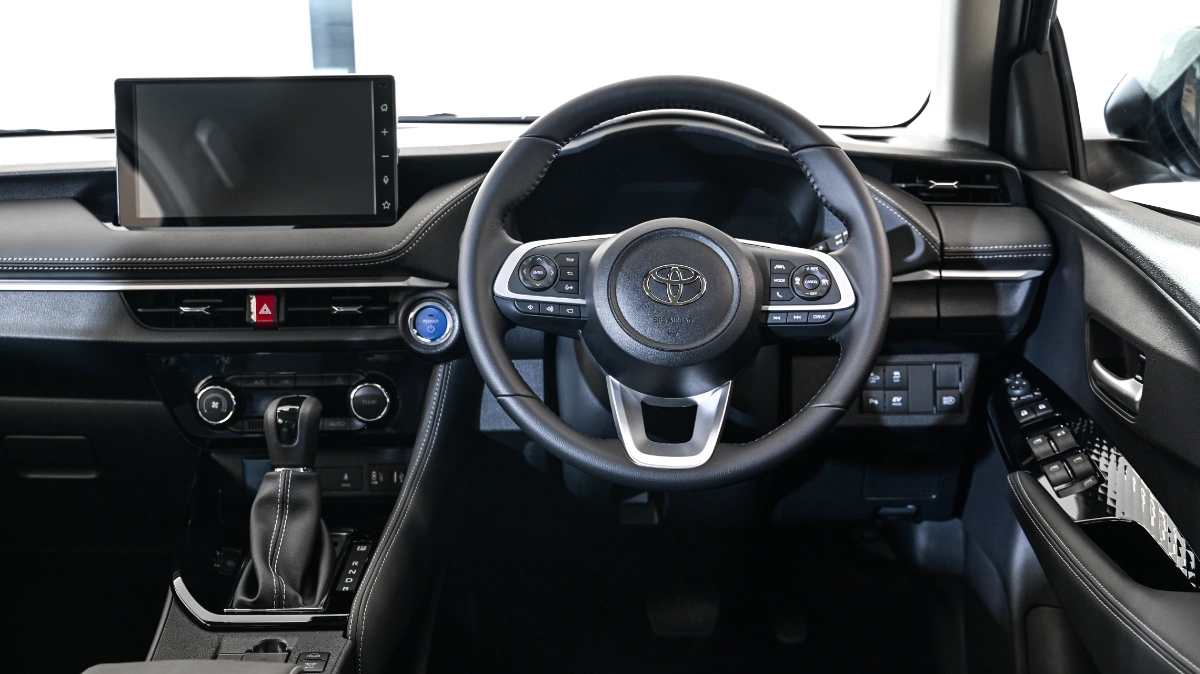
The cabin design is largely identical to the current (but still not in the Philippines) model. There are a few trim changes here and there, while the GR Sport gets sportier accents. However, the infotainment system gets an upgrade to accommodate information regarding the hybrid system. The same goes for its multi-information display on the digital instrument cluster.
As the hybrid variants are touted as the higher-spec models, there’s a good amount of tech in this version of the Vios. It comes standard with Toyota Safety Sense, Toyota’s advanced driver assist suite. It includes adaptive cruise control, autonomous emergency braking, lane-departure warning, and more.
A 360-degree view camera is also fitted standard, as well as rear cross-traffic alert, and automatic high beams. Those features are on top of the other safety assists such as stability control, hill-start assist, and six airbags.
What are the odds of it coming to the Philippines? Well, we’re still waiting for the new generation to be launched here. It’s been about three years since the fifth-generation Toyota Vios made its world premiere, so we’re keeping our fingers crossed that we finally get it in a year or two. From there, it might take a little longer for the hybrid version, but Toyota Motor Philippines might have a few surprises up its sleeve.