Have you ever been irked when faced with a stoplight that seemingly didn’t know what in the world it was doing? We have, and let us tell you that few things are more frustrating than a green light that gives you barely enough time to cross an intersection before the boys in blue jump at you with a ticket.
There are solutions, though. And no, we don’t mean stationing a traffic enforcer at every intersection with a busted stoplight.
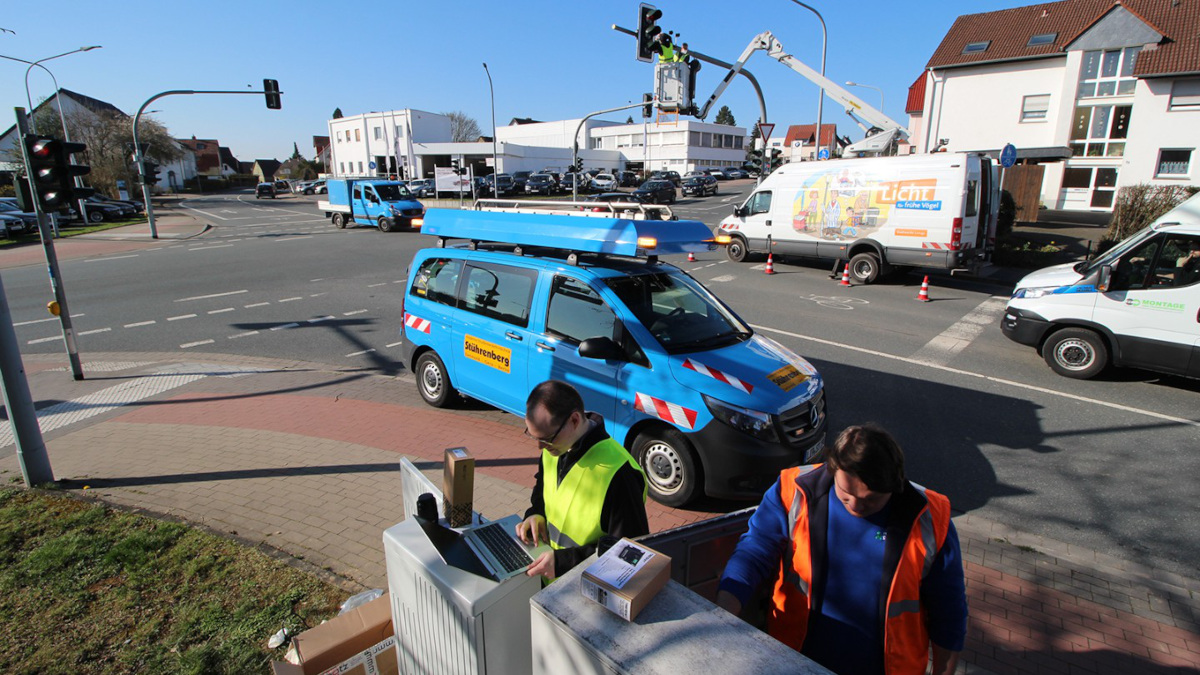
Thanks to funding from the German Federal Ministry of Transport and Digital Infrastructure, researchers from the Fraunhofer Institute for Optronics are now developing a new traffic light that’s controlled by the magic of artificial intelligence for “smart, predictive light switching.” Say hello to the KI4LSA Project.
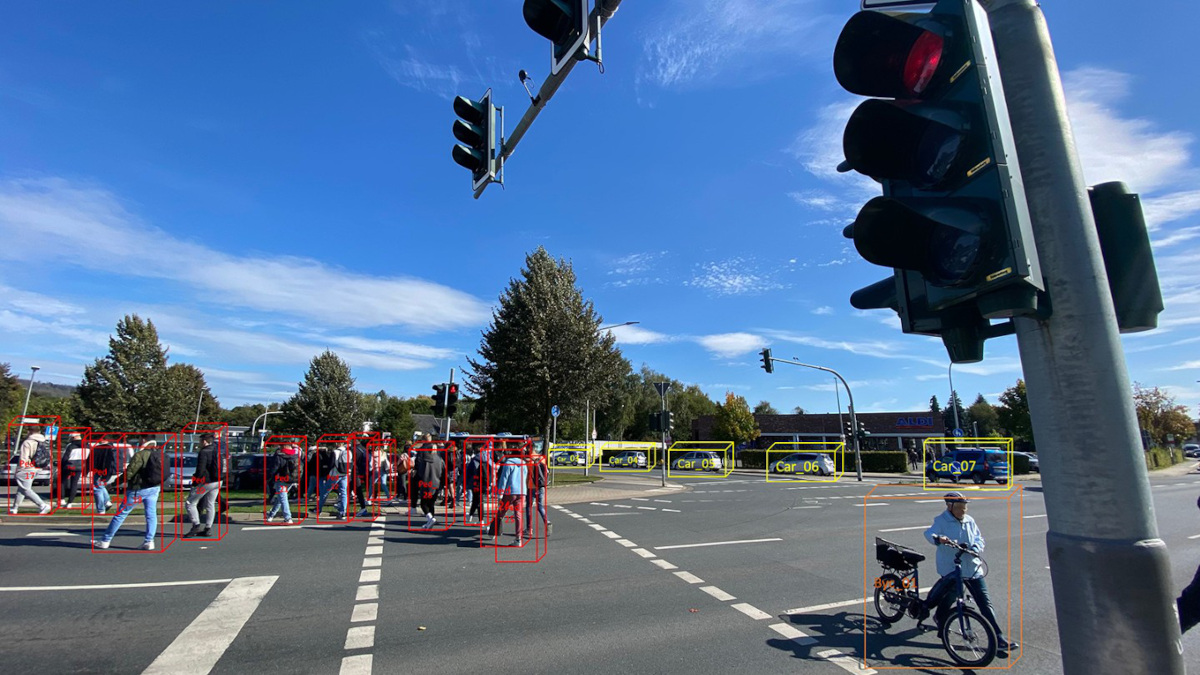
These traffic lights utilize high-resolution cameras and radar sensors to get a better picture of the real-time traffic situation below them and detect the average speed of vehicles. Said AI and machine learning tech then jump in to handle light switching, supposedly improving the flow of traffic by 10-15%.
ALSO READ:
BMW let robots design its new batch of art cars
“Prior to running the simulation, we added the traffic volume measured during rush hour into the model, enabling the AI to work with real data. This resulted in an agent trained using deep reinforcement learning: a neural network that represents the lights control,” project manager and scientist Arthur Müller said.
It isn’t just the motorists stuck in traffic who stand to benefit from this type of system, either. Shorter wait times at intersections result in lower noise and CO2 emissions as well. The study also says the system’s algorithms can be scaled up to incorporate nearby lights to form a wider network.
Scientists are also currently developing a separate system that will control pedestrian signals, with a similar goal of reducing wait times and improving safety. This one is called the KI4PED Project and utilizes LiDar sensors with AI. The hope is that this advancement will reduce pedestrian wait times by as much as 30% and reduce jaywalking accidents by up to 25%.
You can read more about these projects here. Think this kind of tech can take off in the Philippines?
AI-controlled traffic lights