Secretary Vince Dizon faced the media for the first time today, February 21, as the new head of the Department of Transportation (DOTr). His hour-long briefing covered various transport issues, and at the very end of it, he announced that the planned full implementation of the cashless and contactless toll collection policy is not pushing through.
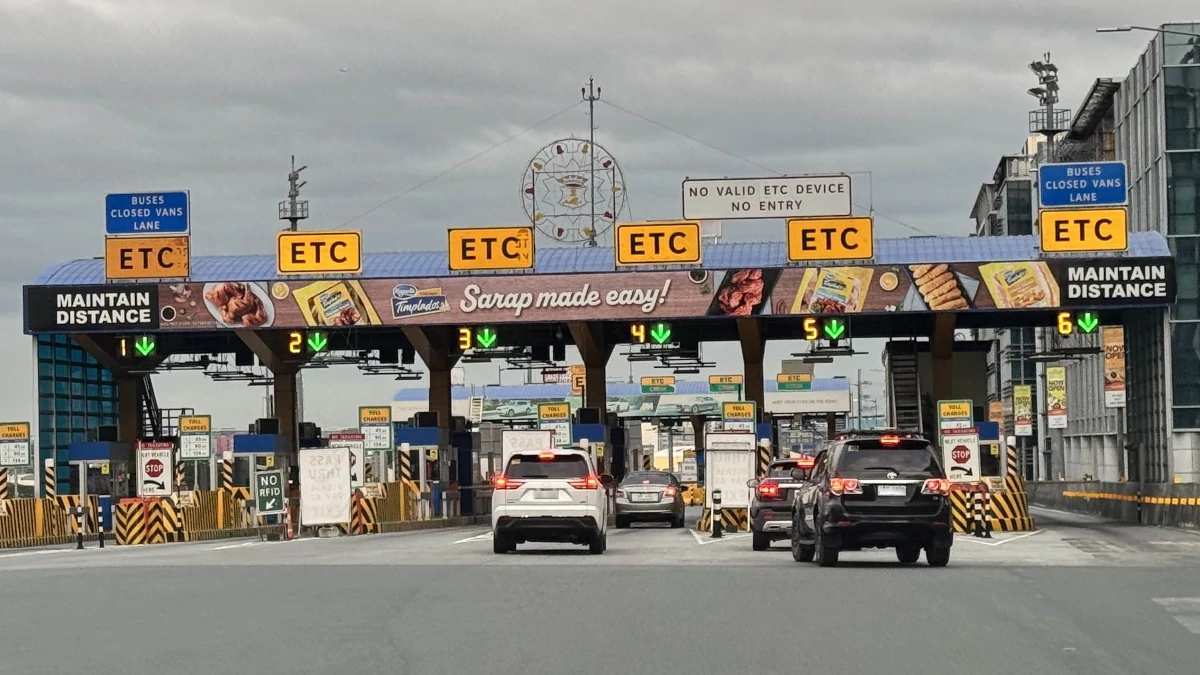
As a refresher, the Toll Regulatory Board (TRB) announced on February 15 that the full enforcement of ‘no valid ETC device, no entry’ under Joint Memorandum Circular 2024-001 (JMC 2024-001) will take effect on March 15, 2025. This comes after several postponements of the policy’s implementation, which requires all vehicles traveling on expressways to be equipped with an RFID tag for electronic toll collection (ETC). Under JMC 2024-001, violators may be fined anywhere from P500 to P5,000, depending on the nature and the frequency of the violation.
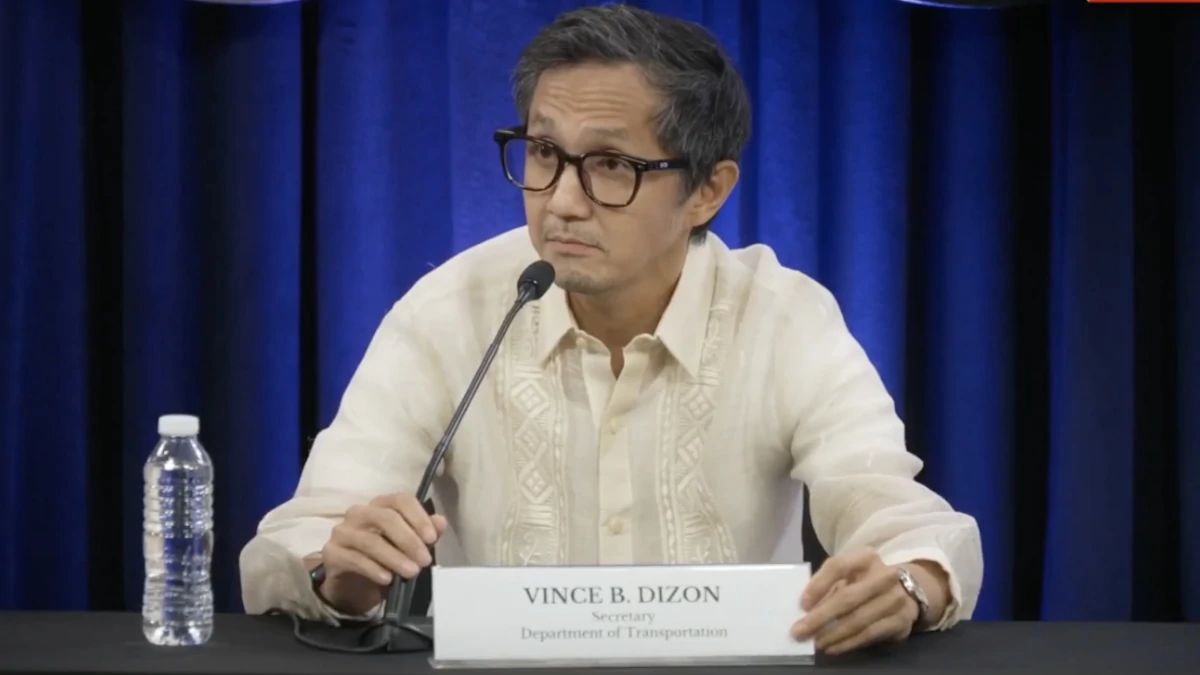
“I’m telling you right now, I’ve already told TRB to suspend that,” the newly minted agency chief said of the cashless toll collection scheme. “Cashless, ibig sabihin, wala nang cash lane. And I will tell you why.
“Number one, naaalala naman natin siguro kung nangyari nung unang sinubukan ito. This was tried already in the past, several years ago. And we probably all remember what happened in Balintawak and in other choke points on NLEX and SLEX. Nagkabuhol-buhol yan,kasi I guess for whatever reason, hindi na disseminate ang information, et cetera.”
OTHER STORIES FROM THE DOTR CHIEF’S BRIEFING:
Improve EDSA Busway, other ‘low-hanging fruit’ solutions to traffic first, says new DOTr head
Privatizing EDSA Busway “is the way to go” according to new DOTr secretary
New DOTr head: Build more license plate-making facilities if needed
The DOTr itself began pushing for tollway payments to become cashless and contactless during the COVID-19 pandemic. However, lack of preparation on the part of toll operators, motorists, and concerned government agencies saw its enforcement being pushed back repeatedly despite prolonged dry runs. Motorists and government officials pointed out that electronic toll collection only resulted in a different reason for gridlock: faulty RFID scanners. There were numerous complaints, too, about the overcharging of toll fees. Toll operators, meanwhile, said that toll-plaza congestion was caused by motorists with no RFID tags or insufficient load queueing up at RFID- or ETC-only lanes.
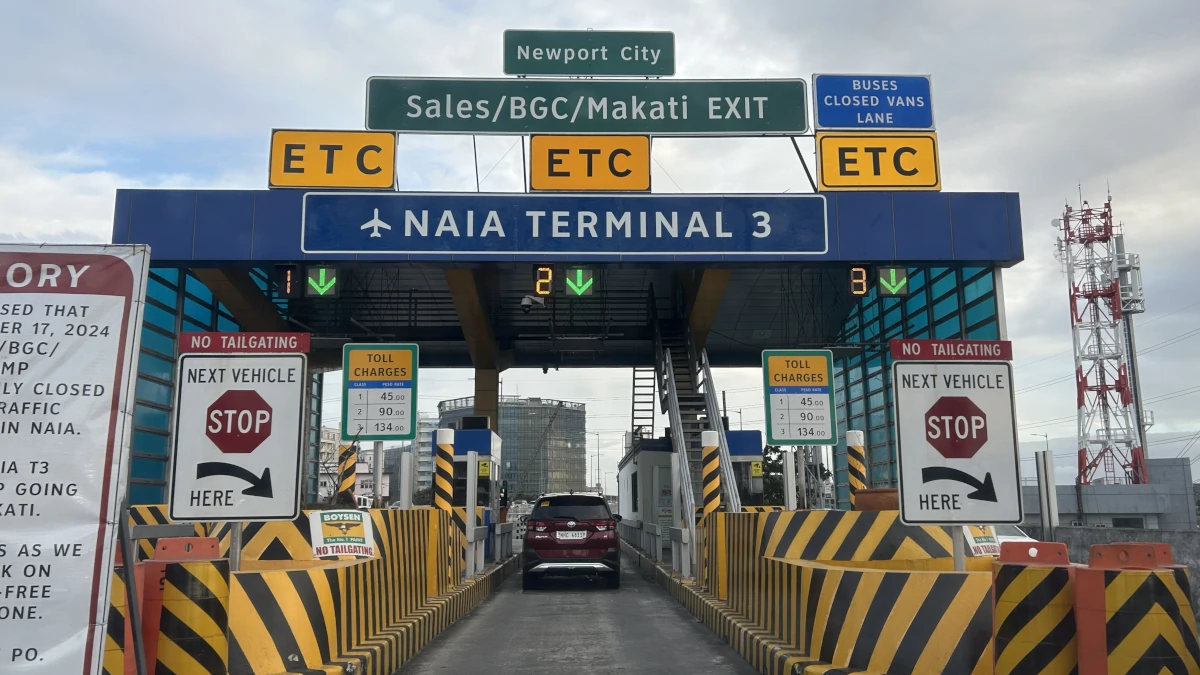
“I want to first work with the two toll operators, [Metro Pacific Tollways] and San Miguel, and tingnan muna natin yung sistema,” Dizon said. “Is there a way to make it more efficient? Lahat ba ng barrier gumagana? Lahat ba ng RFID nababasa? Kasi kung may problema pa tayong ganon at hindi pa halos perpekto yung sistema natin, baka hindi pa panahon para bigla-bigaan tayong mag-cashless.”
The official had more to say about his opposition to the policy: “Pero may isa pa akong rason. Para sa akin, ang personal kong pananaw—and I’ve communicated this already to TRB—having a cashless system is not pro-poor. It is anti-poor.
“Why? Tayo siguro dito, kasi kayo, alam ko, matataas ang sweldo niyo, kaya niyo mag-load sa Easytrip at sa Autosweep ng P2,000, P3,000, P5,000,” he told the media. “Pero paano yung mga kababayan natin na sagad-sagad ang budget? O paano kung sa pagod nila, nakalimutan nilang mag-load? Negative yung balance nila o zero. Pag cashless, anong gagawin niya?
“Kalbaryo na naman yun. Pagpapahirap na naman sa tao yun. Dapat kasi tingin ko magkaroon ng change in mindset. Naiintindihan ko yung need to regulate. Pero kailangan, the need to regulate should not result in making the lives of people difficult. Dapat gumiginhawa ang buhay ng tao, hindi pinapahirapan.”
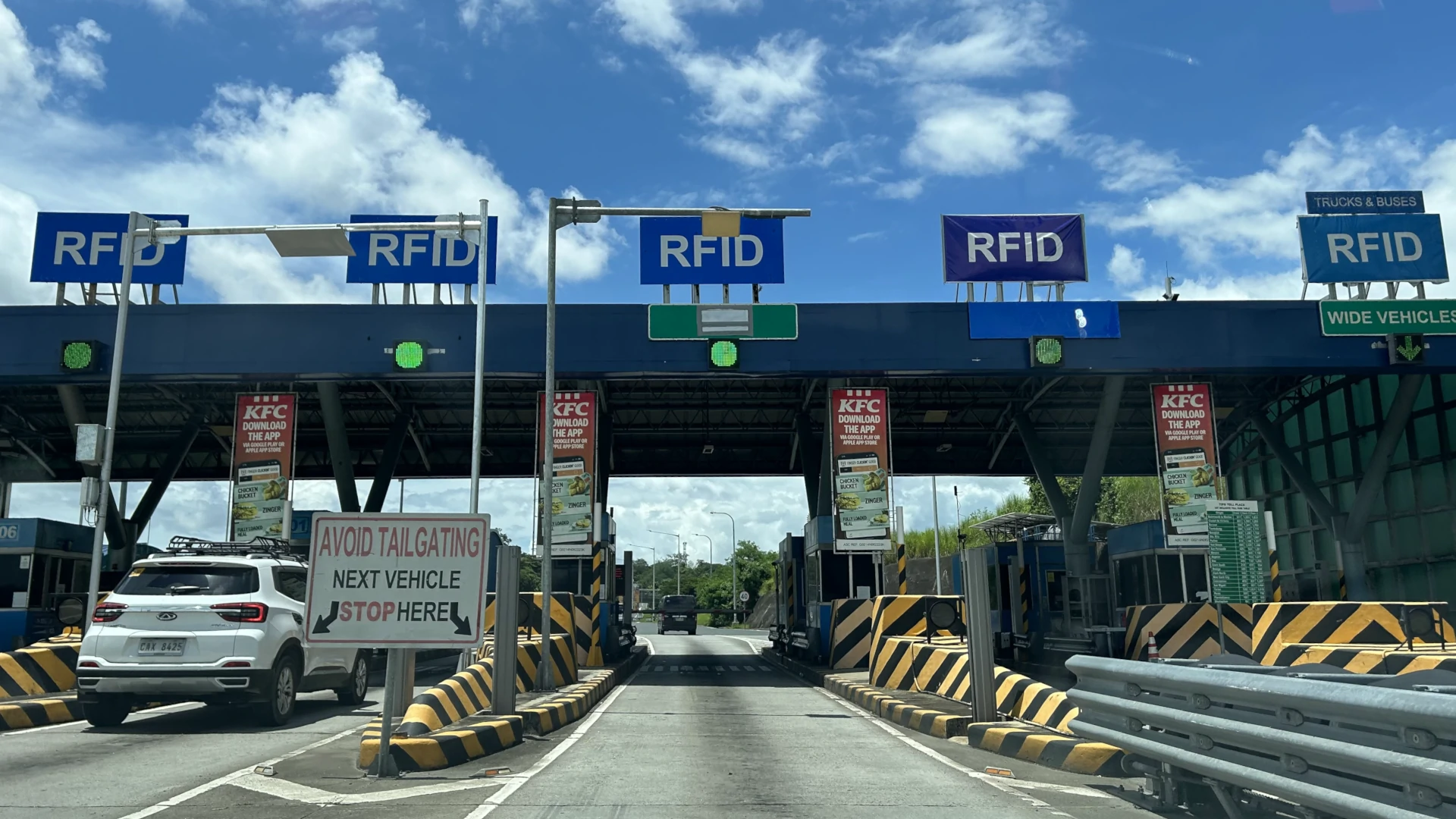
The ways to reload RFID wallets have expanded over the years, with physical and online modes available as well as apps to help monitor charges and check the current balance. The maintaining balance for RFID load has also been removed. Up to now, however, interoperability between the two RFID systems—Easytrip for tollways under MPTC, and Autosweep for those operated by San Miguel—remains limited, and the use of certain reloading mechanisms also entails a service fee on top of the load amount.
“Itong cashless na ito, tingin ko, pagpapahirap ito,” Dizon said. “Kaya hindi ako naniniwala diyan. Siguro, pagdating ng panahon na perfect na yung system, pero right now, I don’t believe in it. So I asked them to stop it, and I’ve already sent word to the toll operators that we’re not going cashless on March 15. And we are not going cashless for the foreseeable future.”
We put out a breaking news card on this topic soon after Dizon’s press briefing, and our readers have a lot to say about the new DOTr chief’s statements. Have a look below. Let us know your thoughts, too, on his suspension of the cashless toll collection policy: Are you for it or against it?