Is the demand for ride-hailing dwindling? Apparently, some groups believe so. According to data presented by Grab, though, the situation is quite the opposite.
During a media roundtable discussion held by the ride-hailing giant earlier today, officials bared that demand had already broken pre-pandemic levels last December. Now, the company and the Philippine government are working to ensure a repeat of that month’s ride-hailing shortage isn’t repeated.
“We estimate that the number of slots required for catering to demand in 2023 for new and existing cities is close to 100,000 TNVS licenses mentioned by the LTFRB [Land Transportation Franchising and Regulatory Board] in their last statement. For Greater Metro Manila (GMM), this simply brings us back to the 65,000 supply cap levels pre-pandemic,” Grab Philippines senior director for operations Ronald Roda said in a statement.
OTHER STORIES YOU MIGHT HAVE MISSED:
The 2023 Manila International Auto Show will be from April 13 to 16
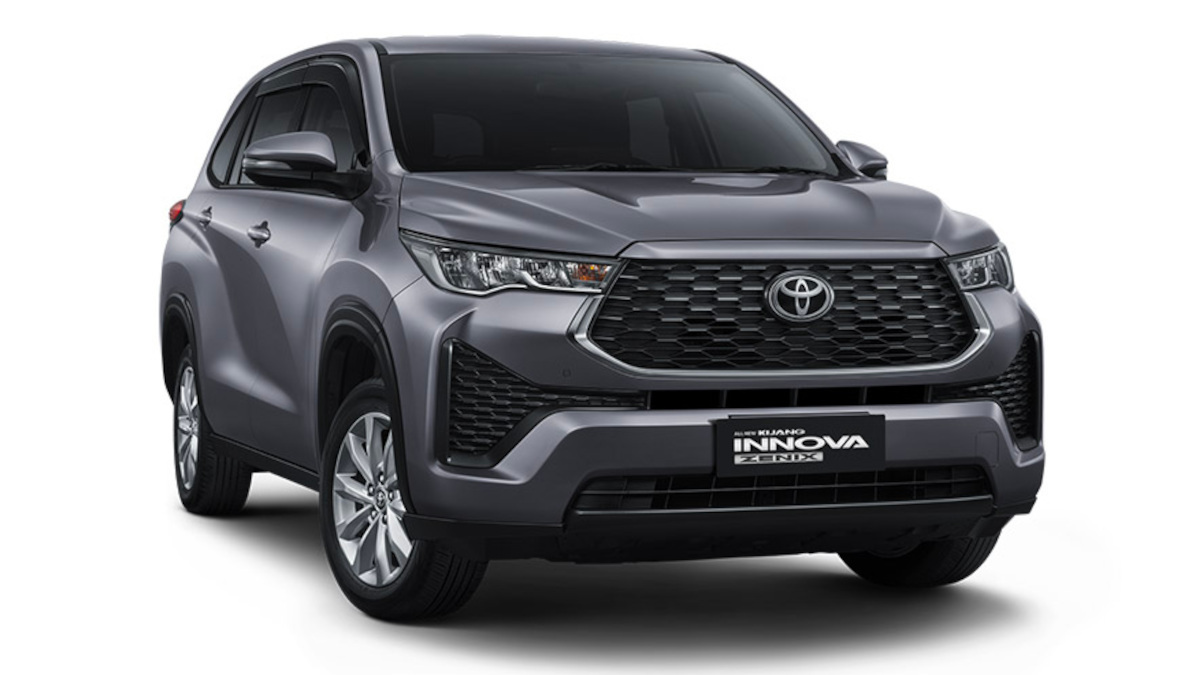
Will the next-gen Toyota Innova be called ‘Zenix’ in PH?
“Our aspiration is to get GMM supply back to early 2020 supply levels. For the provinces, an estimate of 35,000 TNVS licenses are taken into consideration forecasts based on population size that can be converted into the Total Addressable Market (TAM), as well as the activity levels of the current driver pool in December 2022,” the official added.
And just to clarify, the 100,000 franchise licenses the LTFRB recently gave the go-signal aren’t just for Grab. It’s for the local ride-hailing industry as a whole, including franchises outside of Metro Manila.
Just how dire is the situation? Well, Grab Philippines currently wants to bring its number of available units in Metro Manila back up to 65,000, correct? Right now, there are less than 20,000 of them. Let that sink in.
That said, an overabundance in supply following the LTFRB’s announcement is unlikely—at least based on Grab’s booking rates.
“Even at 65,000 available cars in GMM, the fulfillment rate—the percentage of bookings that are fulfilled—never breached 85% pre-pandemic, meaning that there was still passenger demand to be fulfilled by the driver-partners,” Roda explained. “An oversupply is unlikely.”
So yes, while Grab does have a tall task ahead of it in the coming months, it appears moves are already being made to address the country’s demand situation. Do you think this will be enough?