
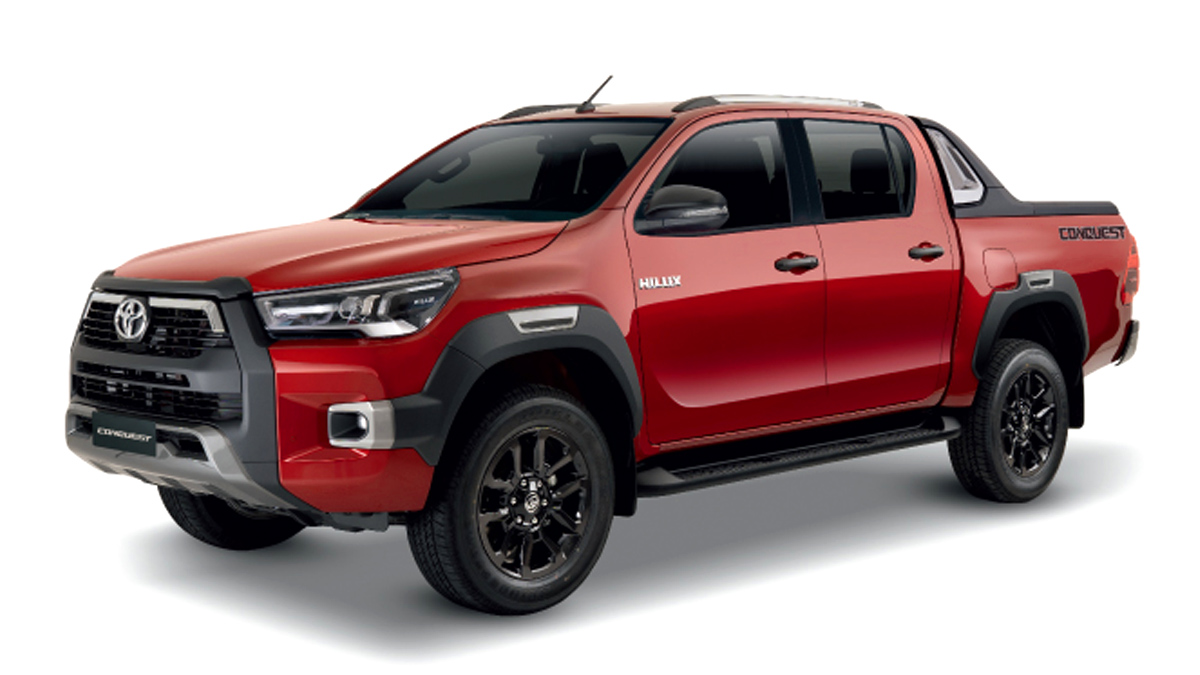
Earlier this week, we covered Toyota’s hesitance to bring a PHEV Hilux to the market. The Japanese carmaker claimed that it’s in no hurry to break into the plug-in pickup segment just yet, preferring to further develop its technology instead of rushing a new model.
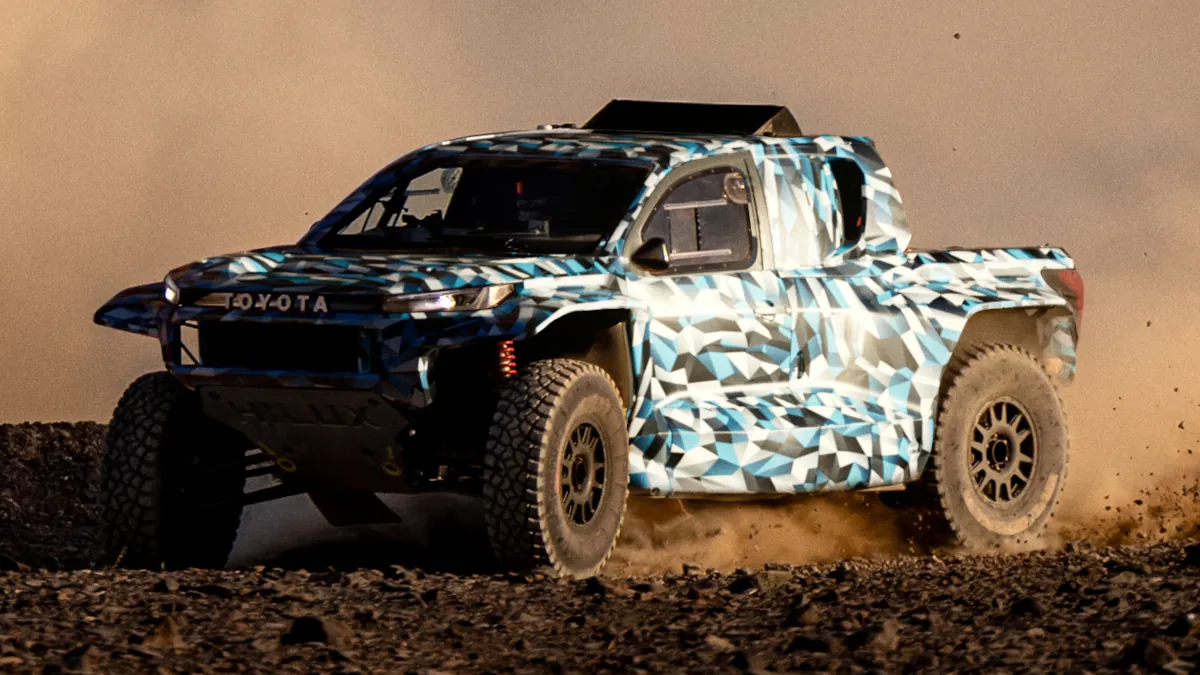
That said, Gazoo Racing has announced that it’s entering a fuel-cell electric vehicle (FCEV) named the DKR GR FC Hilux for the 2027 Dakar Rally. Based on the DKR GR Hilux rally raid truck, this is the latest in a series of Toyota’s experiments to stretch fuel-cell technology to its limits through motorsports.

Toyota describes Dakar as an ideal proving ground for testing its fuel-cell technology. The grueling stages, rough conditions, and overall hostile environment will “[push] both vehicles and drivers to their limits.” With the DKR GR FC Hilux, Toyota is also focusing on a handful of key areas: fuel-cell downsizing, cooling performance, durability, and energy management.
OTHER STORIES YOU MIGHT HAVE MISSED:
It’s official: The Toyota GR Philippine Cup returns from July 9 to 11 and will use biofuels
Toyota Hilux review: It’s new, but is it any better?
The 2027 Dakar Rally will kick off on January 1, 2027, and will run until January 15. The DKR GR FC Hilux is competing in the Dakar Future Mission 1000 category, along with other experimental vehicles equipped with fuel cell technology. Toyota will be gathering data from this rally, which will then help with the other ongoing fuel cell developments in the company.
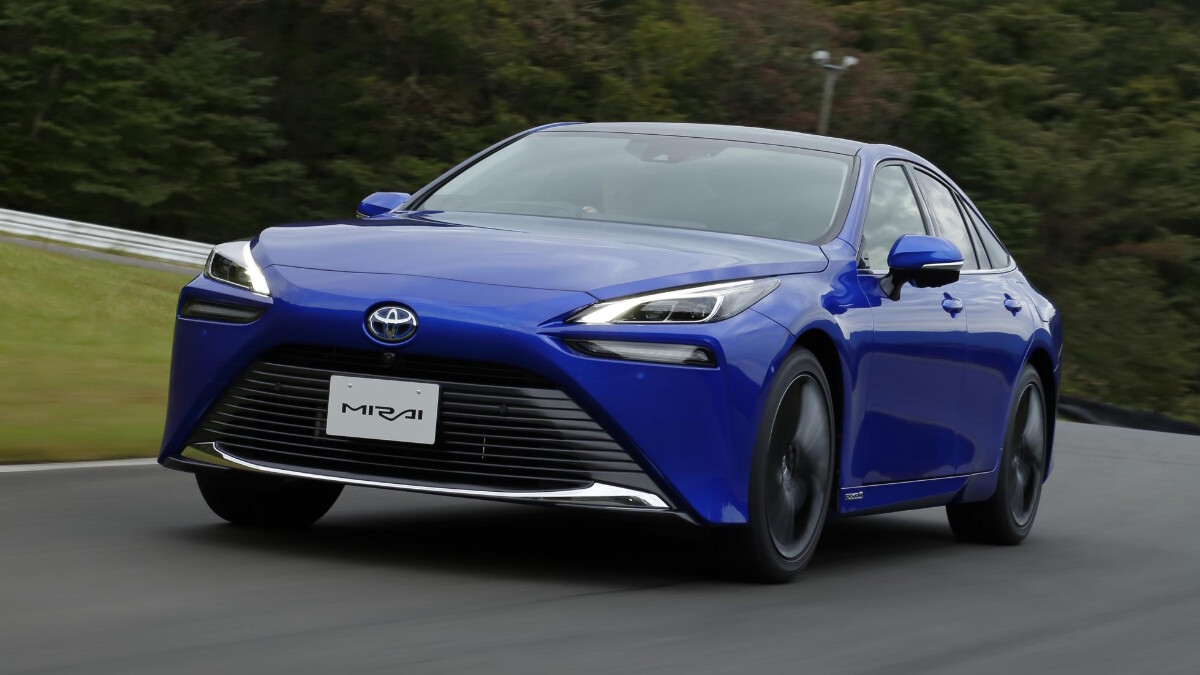
As a refresher, fuel-cell technology uses chemical reactions to generate electric power for a vehicle. This reaction primarily uses hydrogen and oxygen, meaning water is the sole tailpipe emission of this power source. Toyota has managed to bring a proper FCEV to production with the Mirai, but the technology remains elusive for the mass market, and requires further testing and development from key industry players.
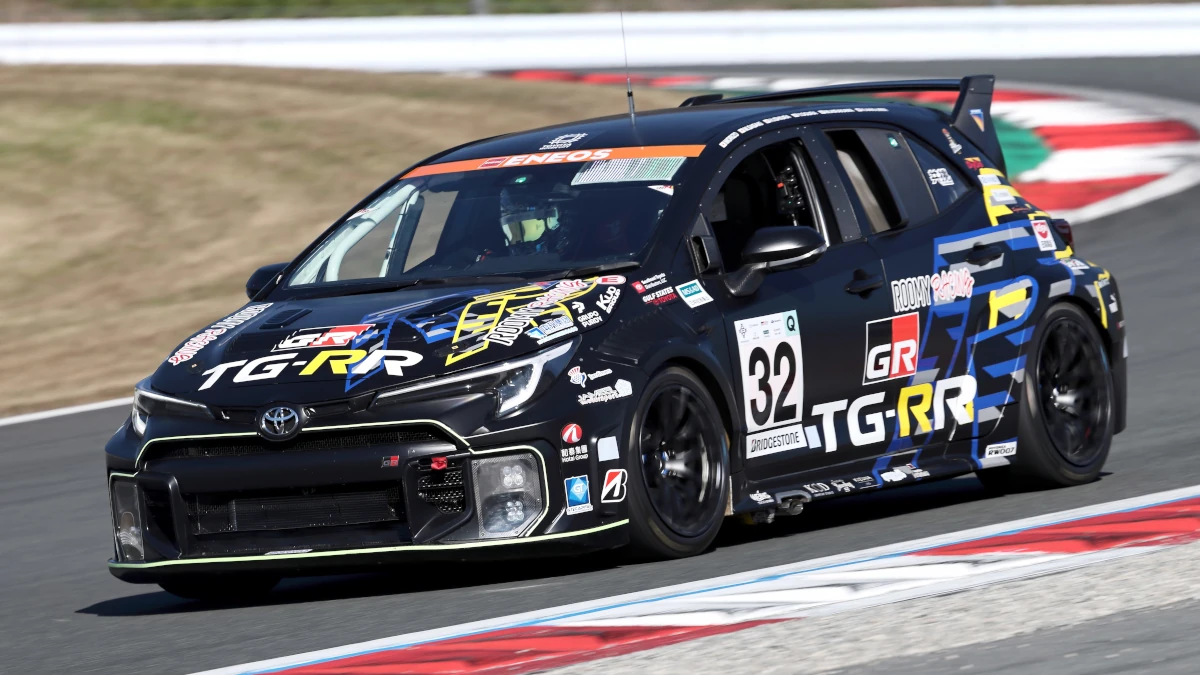
Toyota has tested fuel-cell technology in other motorsports disciplines as well. At the recent 24 Hours of Le Mans, it demoed the TR LH2 Racing Prototype, which was equipped with a hydrogen engine and used the TR010 Hybrid hypercar as a basis. In the Super Taikyu series, a GR Corolla powered by a hydrogen engine and superconducting technology finished a full circuit race—the first of its kind to do so.
So, is Toyota skipping over a PHEV Hilux entirely and jumping straight to an FCEV? Probably not. Fuel cells have a long way to go, and could probably use a Tesla or BYD moment for it to really take off. Our takeaway from this: Toyota was serious when it said it’s not rushing into the market with half-baked tech. For now, let’s just watch the space and see what happens next.