It seems a crisis is an effective way to speed up tech adoption. During the pandemic, we saw this with cashless payments, online shopping, and systems for distance learning and remote work. With the seemingly never-ending fuel crisis, it’s electrified mobility that’s having a big moment.
The Chamber of Automotive Manufacturers of the Philippines (CAMPI) reported sales of 24,356 units for hybrids, plug-in hybrids, and battery EVs as of May 2026, which is good for a 133.5% year-on-year increase. The bulk of these sales is coming from the more affordable offerings on the market—cars that can be operated at a lower cost compared with something that runs on diesel or gasoline.
This is especially true for BEVs. Among people I personally know, entry-level VinFasts are favored as backup daily drivers, while Teslas are preferred by single-car households shifting to EVs. The sheer number of VF3s, Model 3s, and Model Ys on the roads lately seems to back this up, as does the sales chart in the report linked above—a report that doesn’t include BYD figures, since the Chinese carmaker is not a member of CAMPI.
So, where does that leave a car like the Hyundai Ioniq 5? As one of the first full EVs to make it to our country, it was a solid option for early adopters—it got 19 out of 20 in our 2023 review. Will it score that well in 2026?
Styling
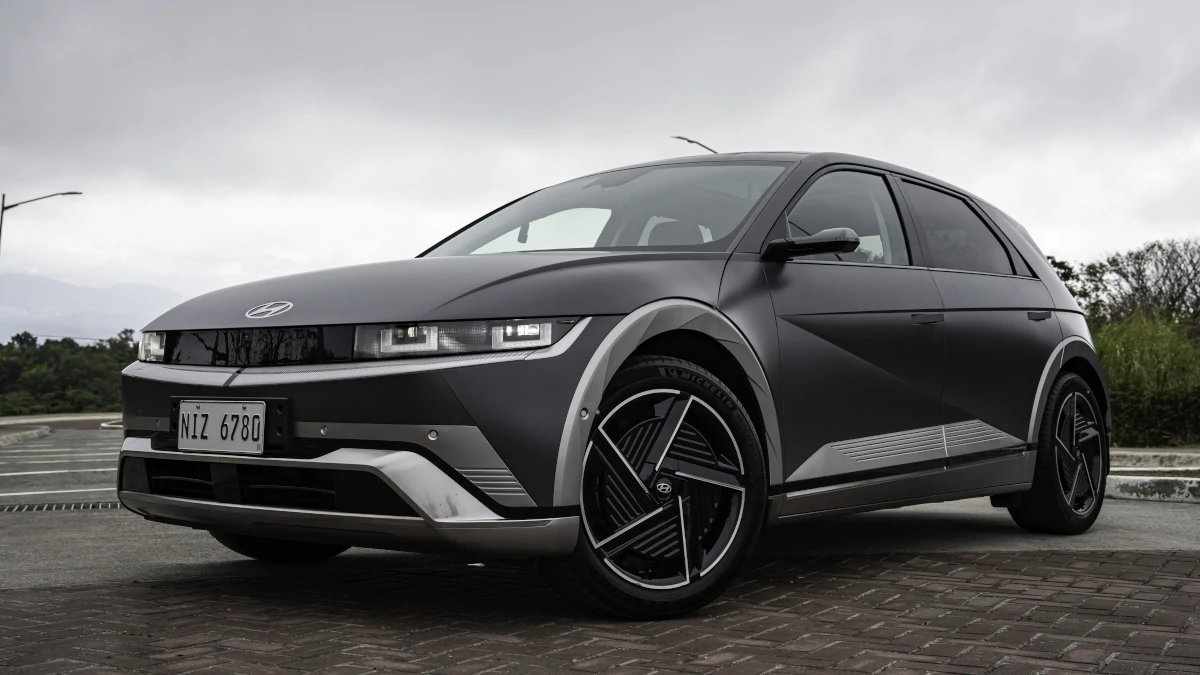
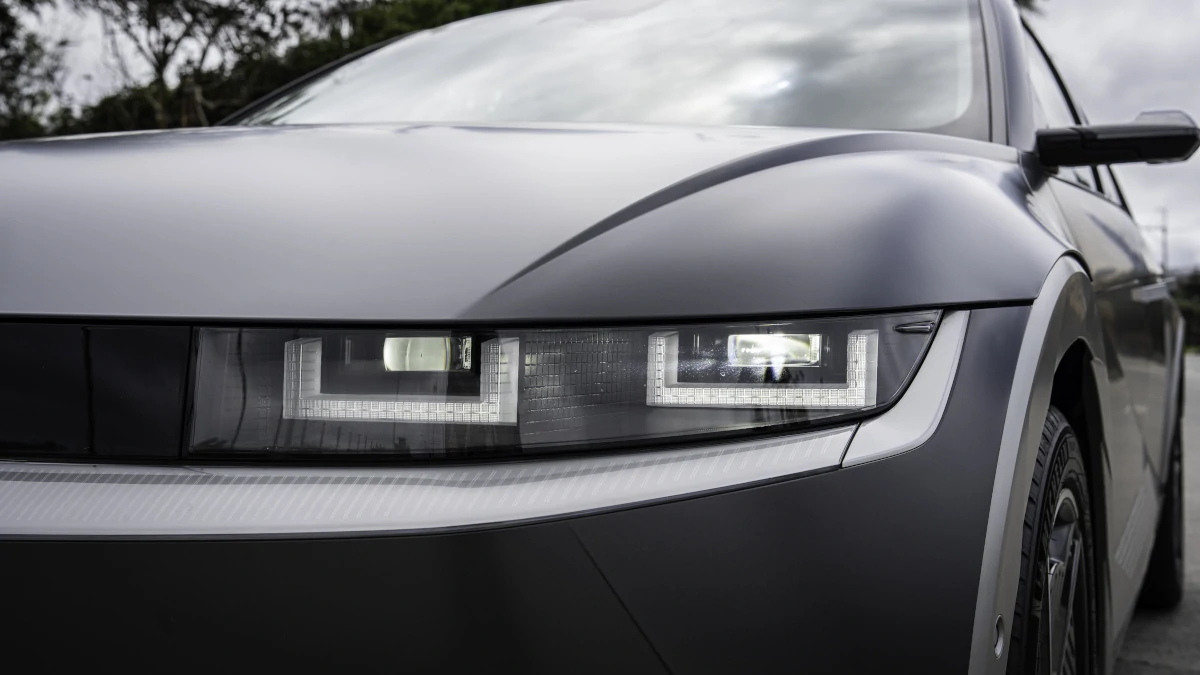
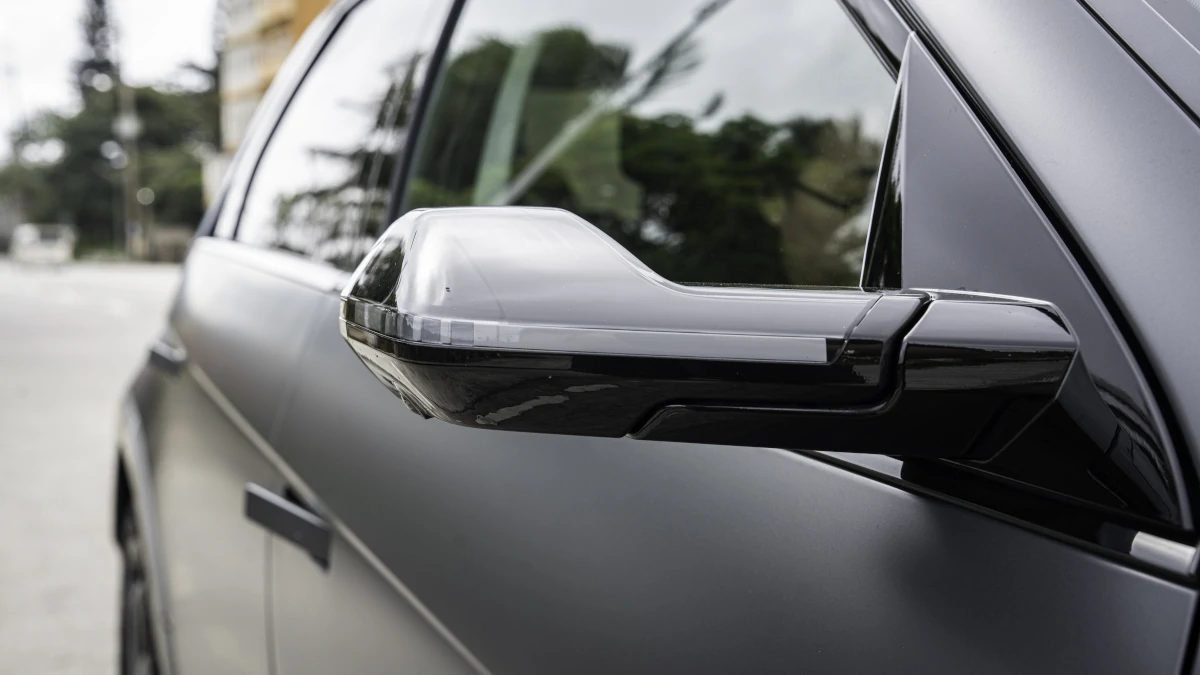
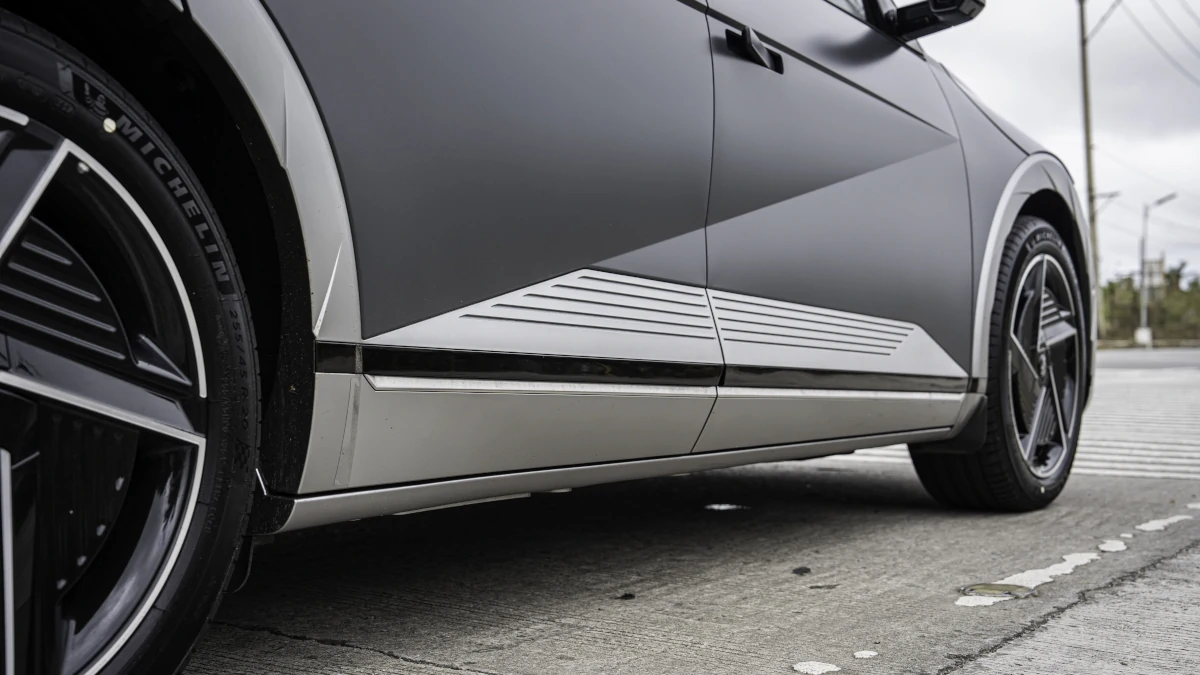
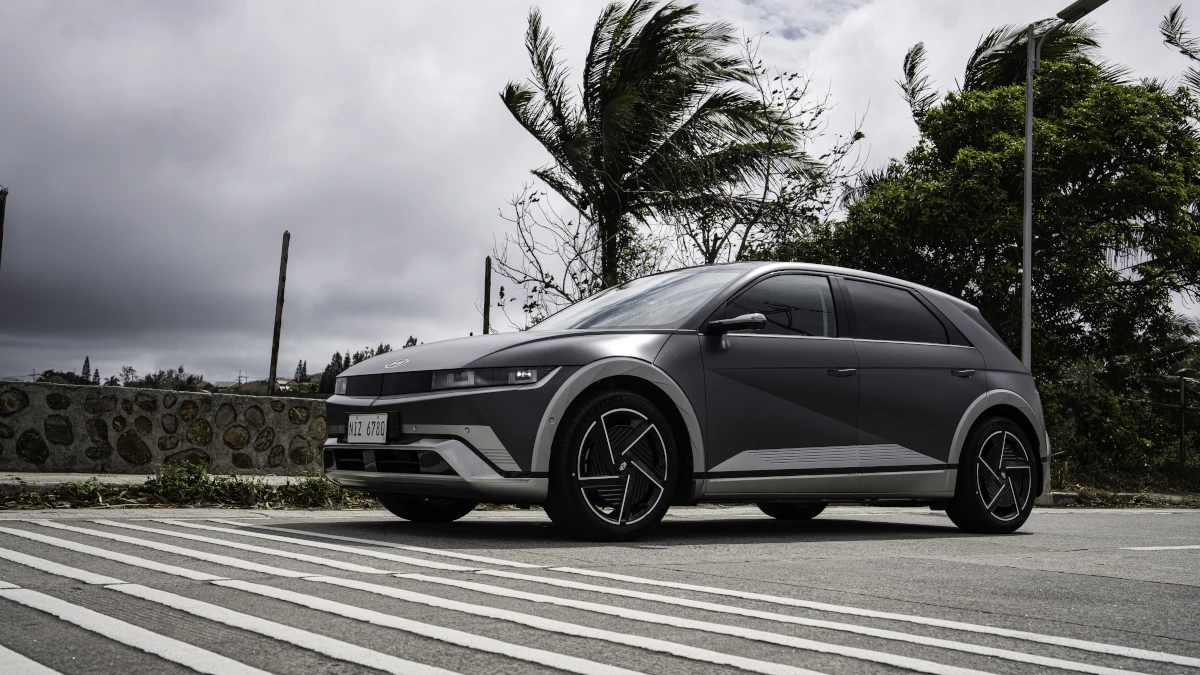
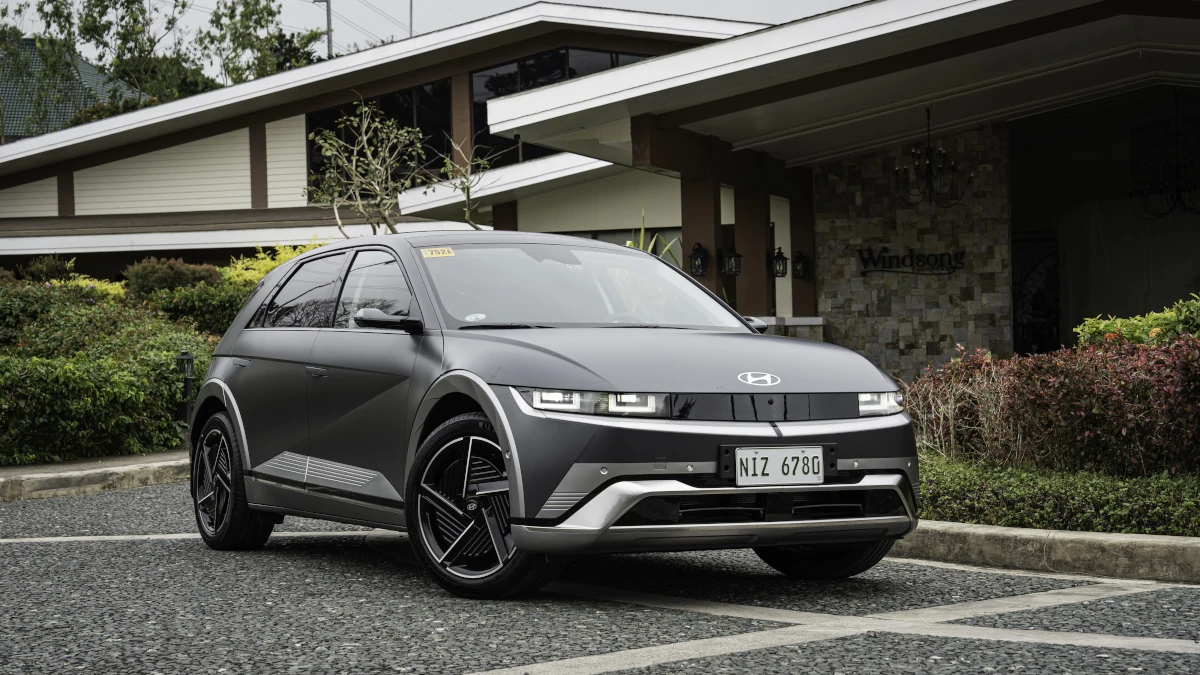
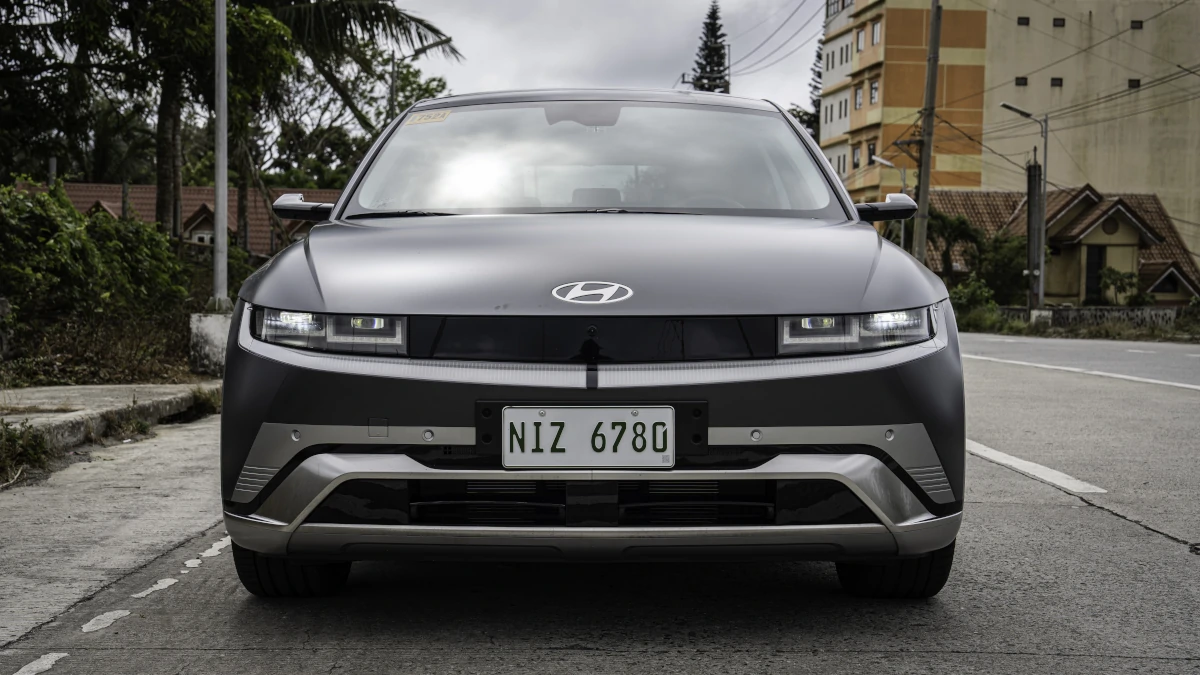
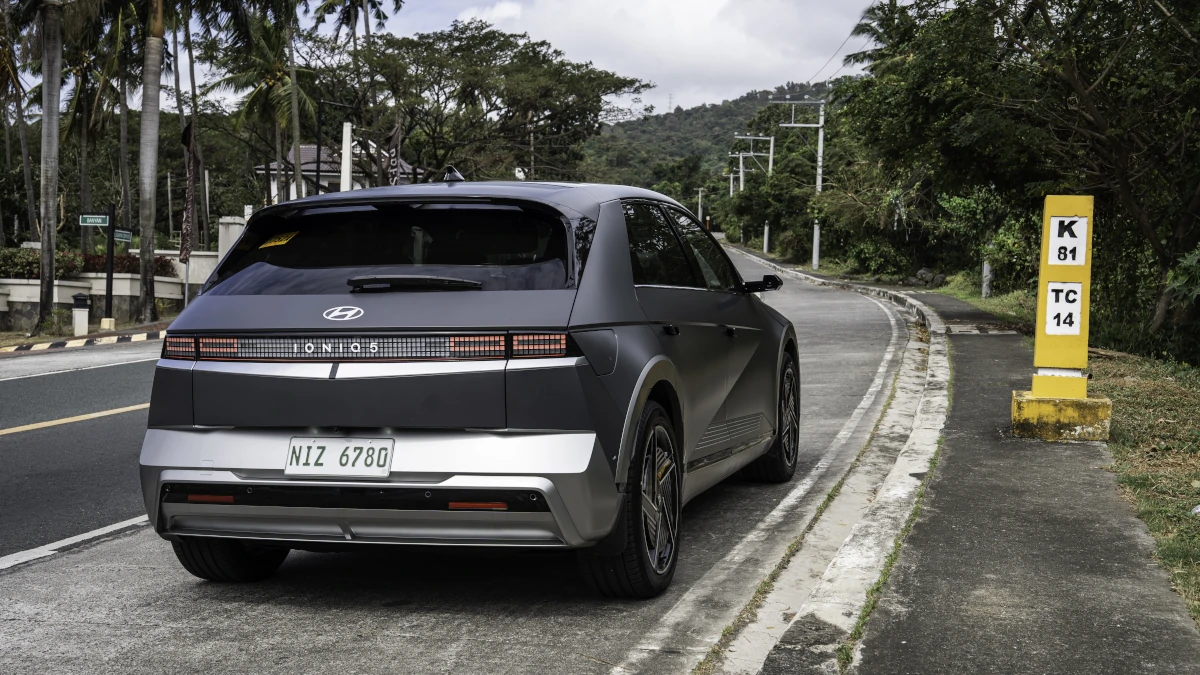
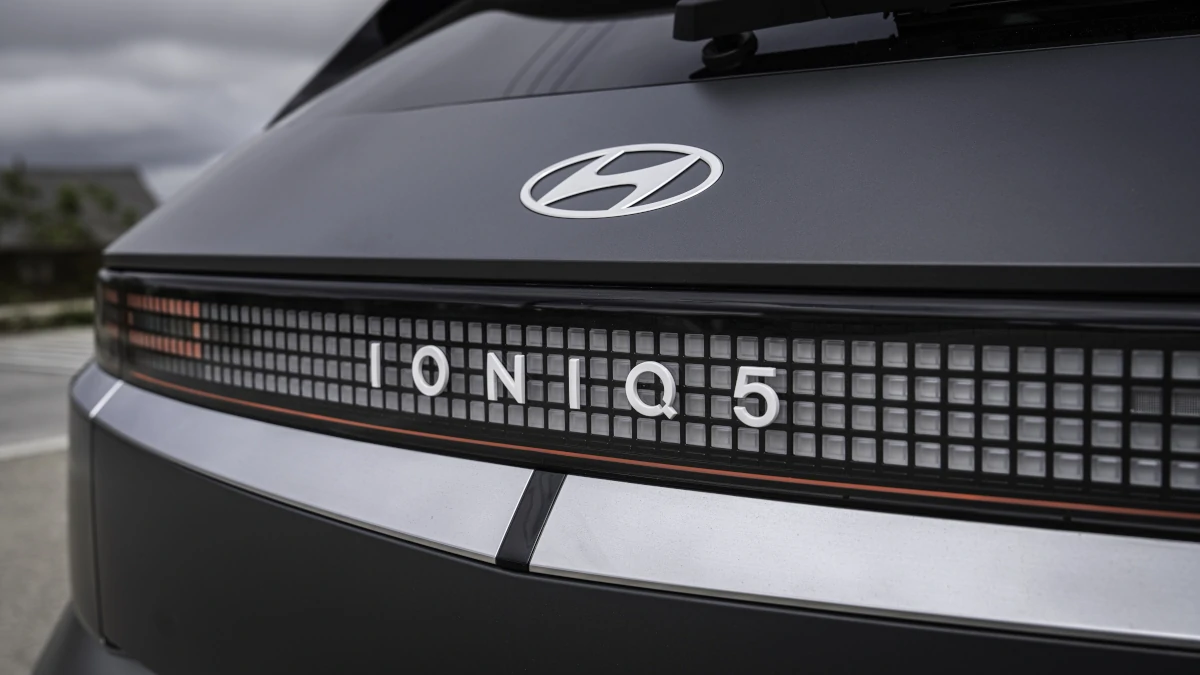
Five years since its launch, the Ioniq 5 still turns heads with its unusual shape and fantastically futuristic looks, especially in this matte finish. It doesn’t look dated at all next to newer models in its category; if anything, the side camera stalks on the facelifted model add novelty and quirkiness to its appearance. It will confuse passersby not familiar with the tech, but it’s also confusing when you try it out for the first time. More on that later.
OTHER STORIES YOU MIGHT HAVE MISSED:
First drive: Here’s what we learned after one flying lap in the 1,582hp Denza Z
Review: 2026 Toyota GR Supra 3.0L AT
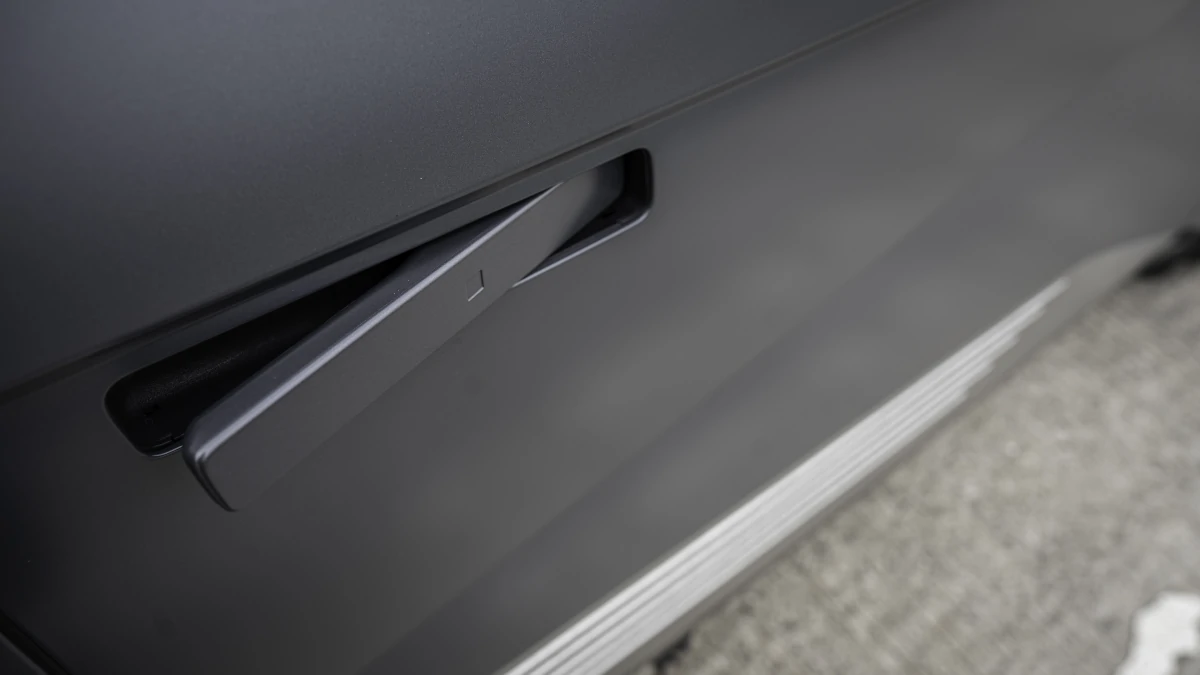
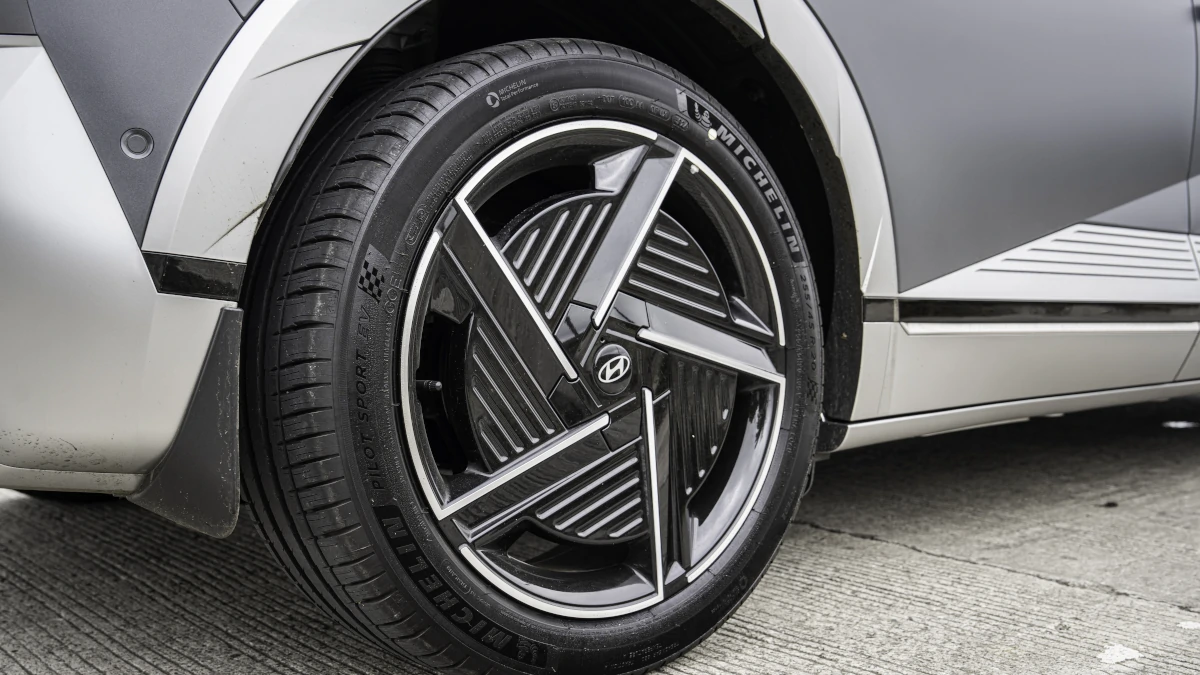
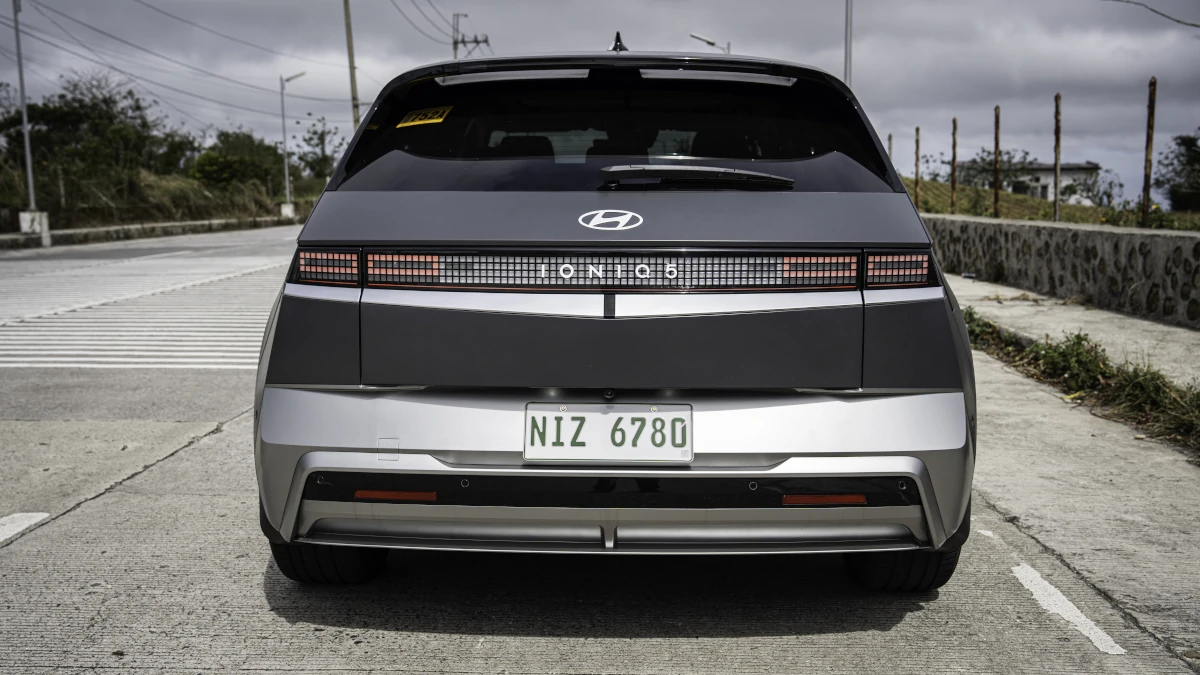
Other changes introduced with the 2025 update include restyled front and rear bumpers, a reconfigured roof spoiler, and new rims that still resemble aero wheel covers. The parametric pixel LEDs make the crossover instantly recognizable on the road, and the geometric shapes all over the body (even the flap of the charging port isn’t a plain old rectangle) give you something interesting to look at from any angle. Overall, it’s a wonderfully weird design. Maybe not to everyone’s liking, but as far as establishing the design of the modern Ioniq range, it has done a solid job.
Interior
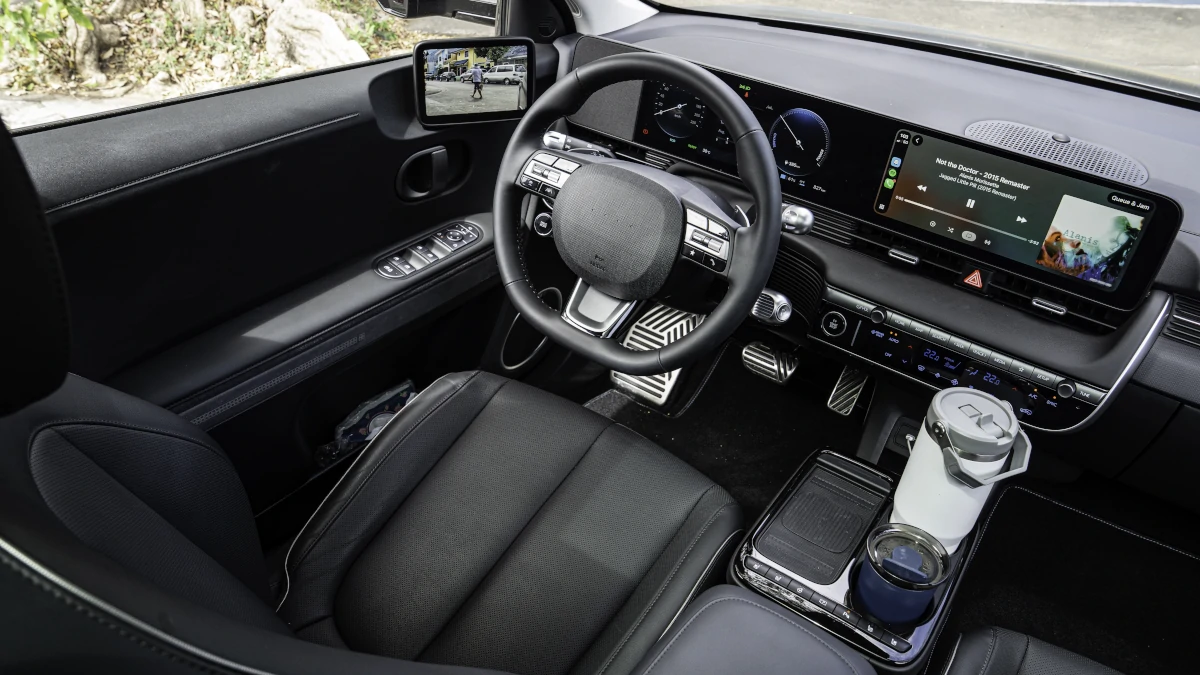
The pre-facelift Ioniq 5 test car had a light cabin color scheme, but even in black, the interior looks expansive, and actually is expansive. The 3,000mm wheelbase is a big reason for that, as is the panoramic sunroof in this top-spec version. I’ve always liked how the available space is utilized here, not just in terms of maximizing passenger room, but also in providing usable compartments for storing everyday items.
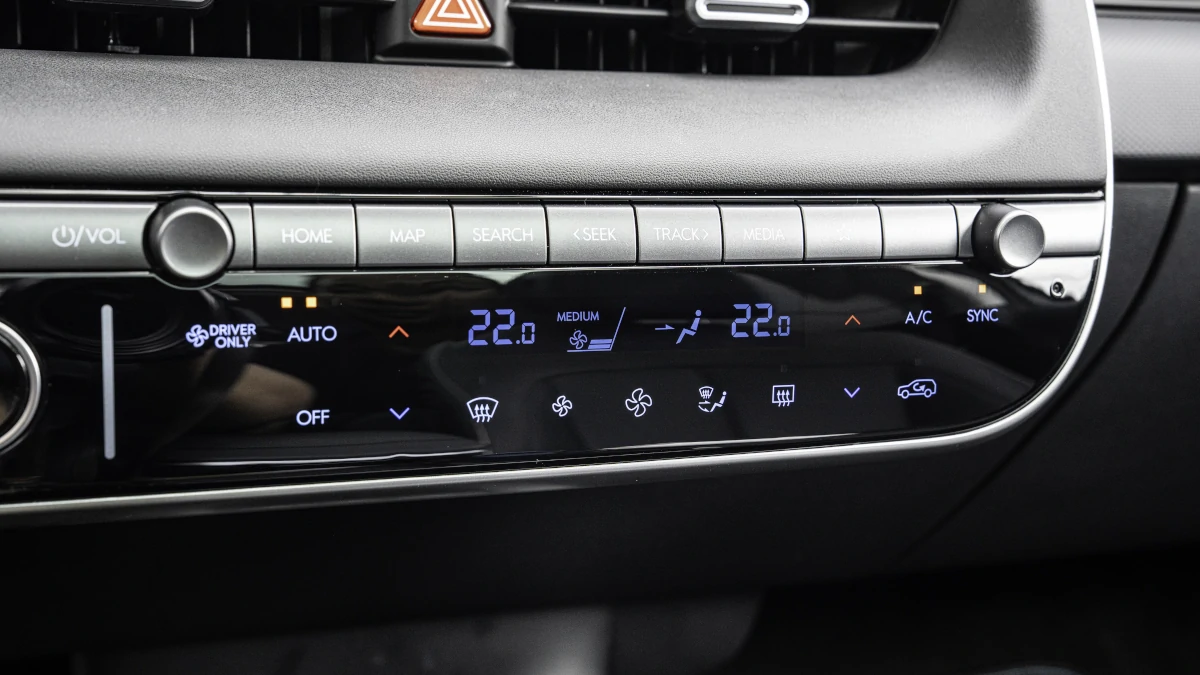
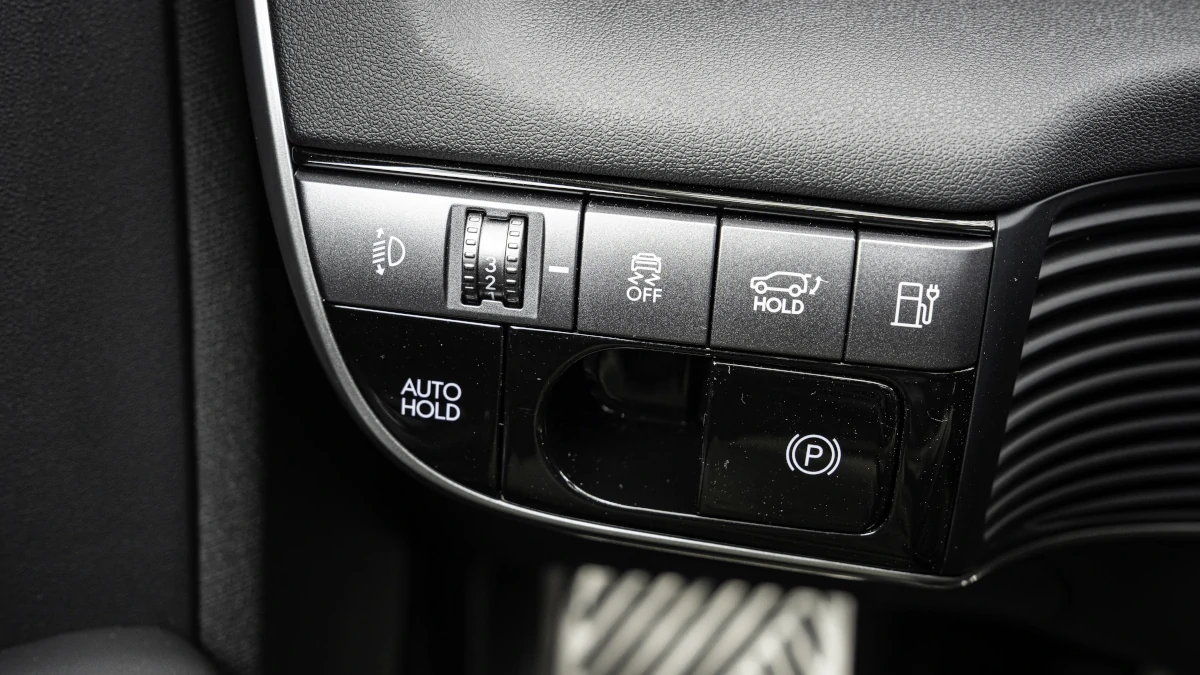
On the dashboard, twin 12.3-inch screens are housed behind a single panel of glass. The instruments side may be configured with different gauges and graphics styles, and a head-up display also projects the most important driving info on the windshield. The multimedia side is a responsive touchscreen, but thankfully, there’s a row of shortcut buttons positioned below the A/C vents. Below that is another touch panel for climate controls. It works well enough, but it’s an absolute fingerprint and dust magnet along with the other piano-black trim in the cabin. There are more dashboard buttons to the left of the steering wheel, including auto-hold and the e-parking brake.
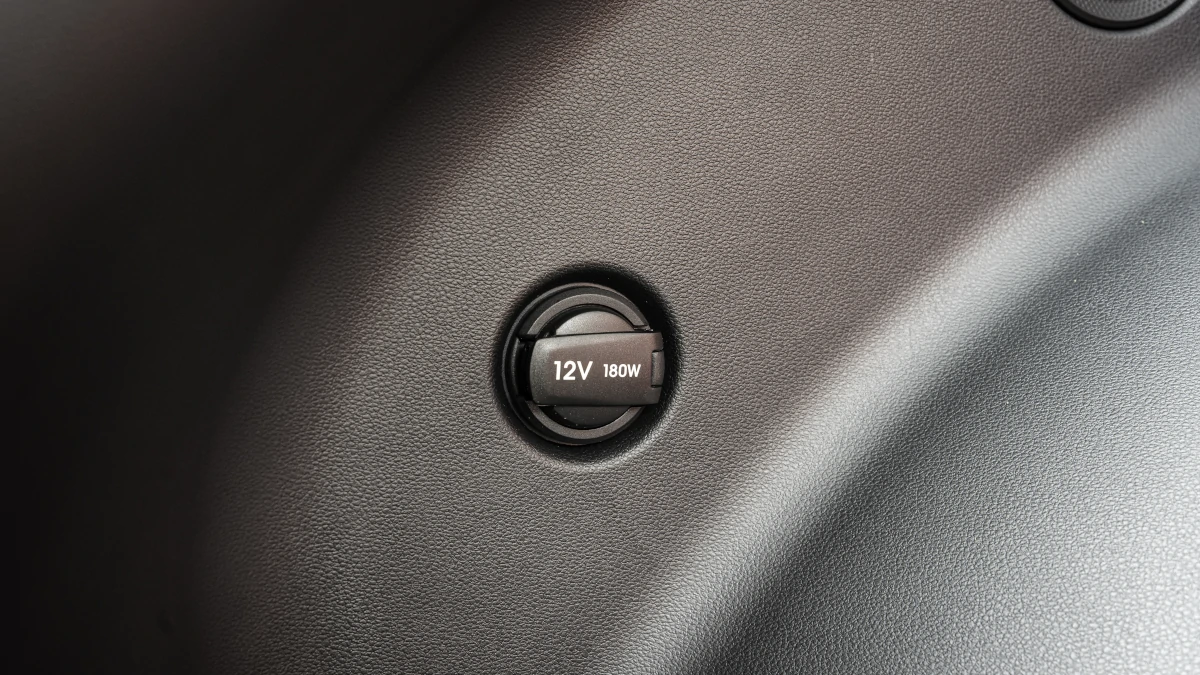
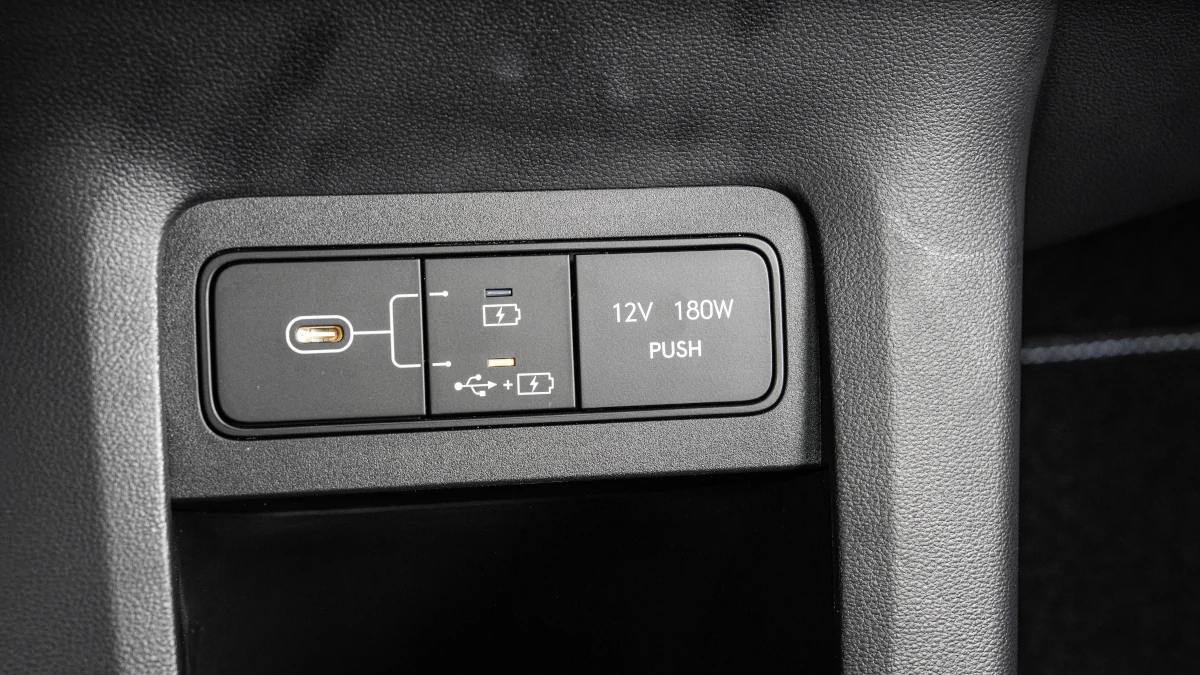
If you want to use wired Apple CarPlay or Android Auto, the USB-C data port is at the base of the console, with a handy bin for your phone and cable. The main storage solution, however, is the ‘universal island’ between the front seats. The top level has the center armrest, more physical buttons (for seat heating and cooling, parking cameras, and sensors), and a wireless charging pad beside the cupholders. The lower level holds a shelf and two more USB-C ports. This entire console can be pushed back, opening up enough space to let you scoot between the driver and front passenger seats without challenging the limits of your flexibility.
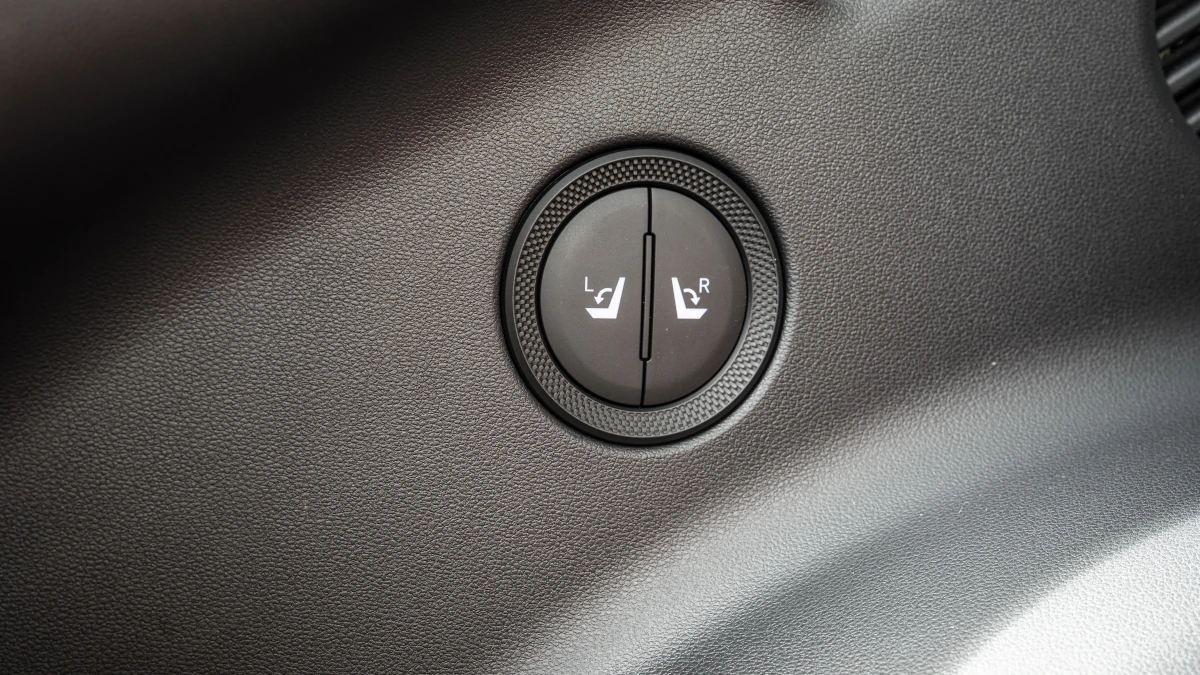
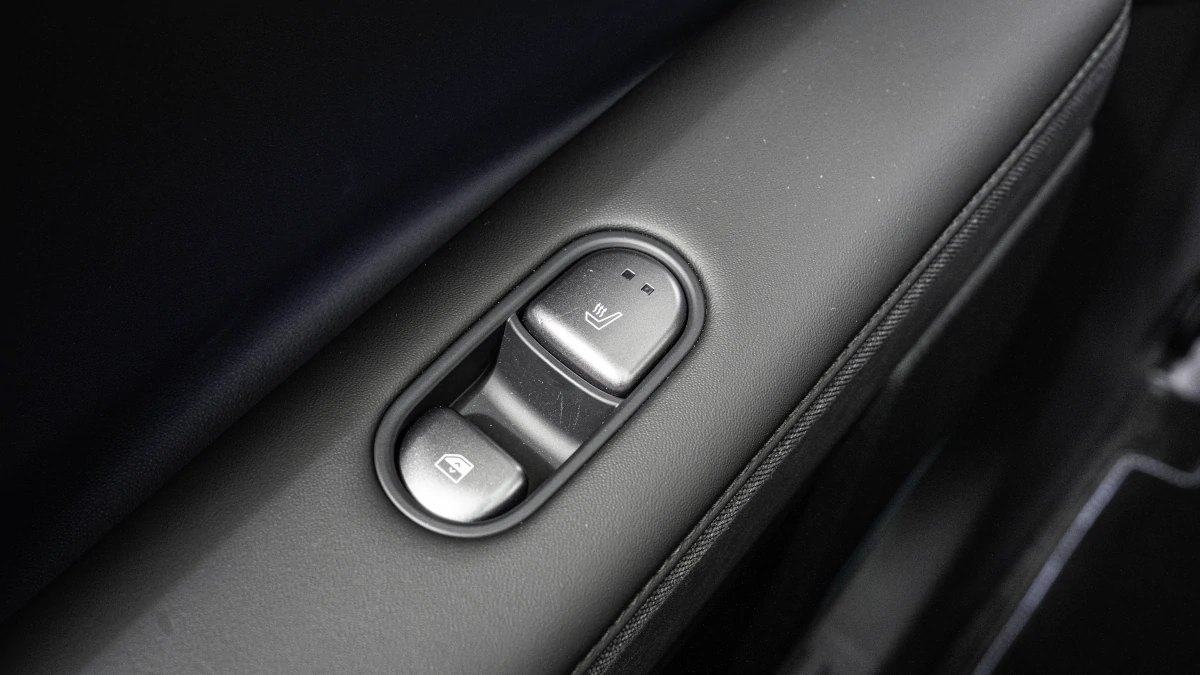
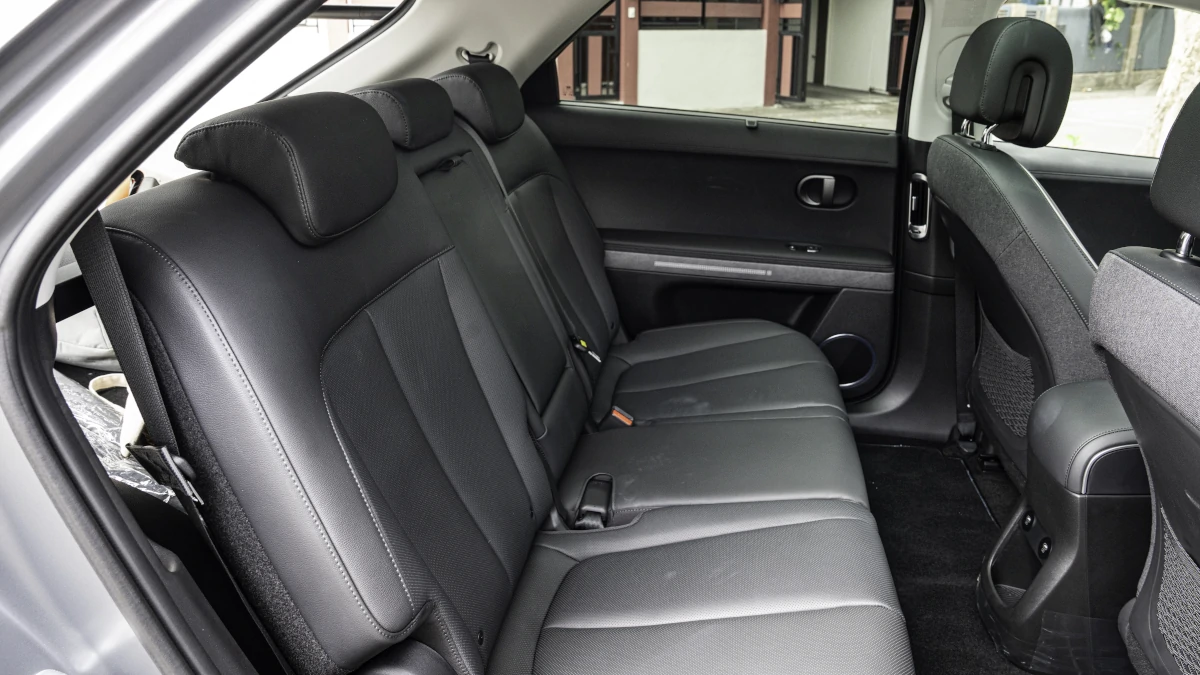
Aside from heating and cooling, the front seats have built-in ottomans, so they’re nicer than the rear ones, which only get power adjustment and heating. The rear bench itself is a bit low, and taller passengers will find that it doesn’t extend far forward enough to offer the ideal amount of thigh support; it also lacks contouring, so it could feel like you’re perched on top rather than nestled in. At least the flat floor provides ample room to stretch out your legs, and if you’re settled behind an empty shotgun seat, you can easily move it forward via the remote buttons. There are also dedicated rear A/C vents mounted on the B-pillars.
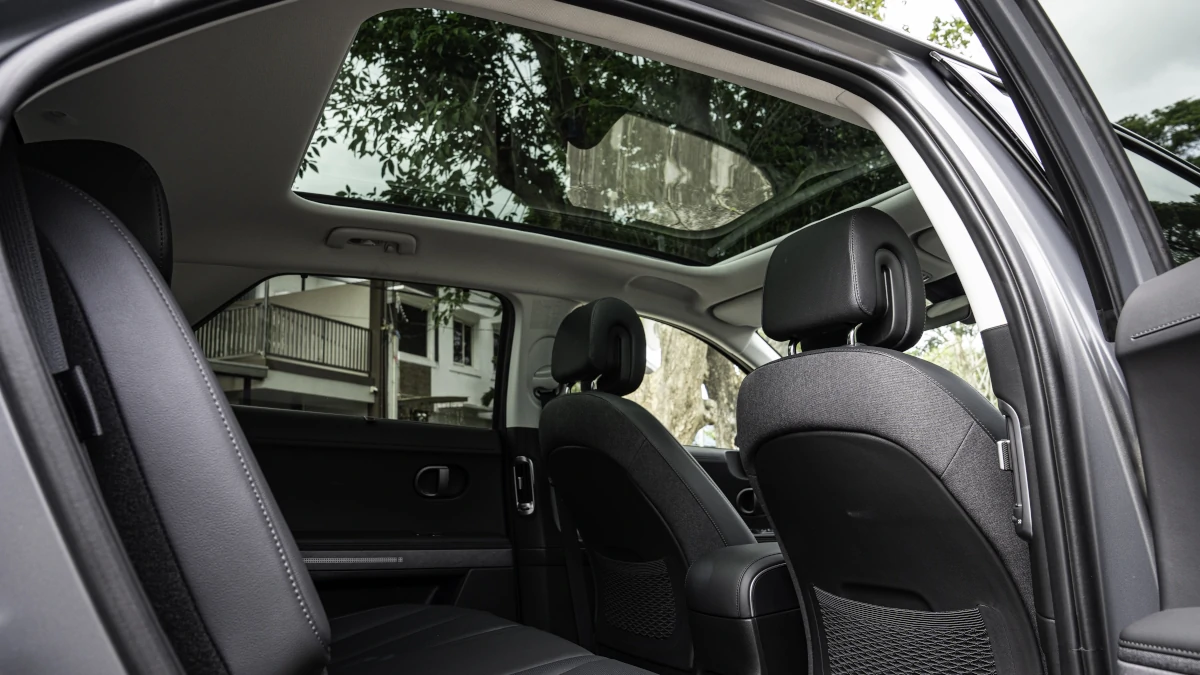

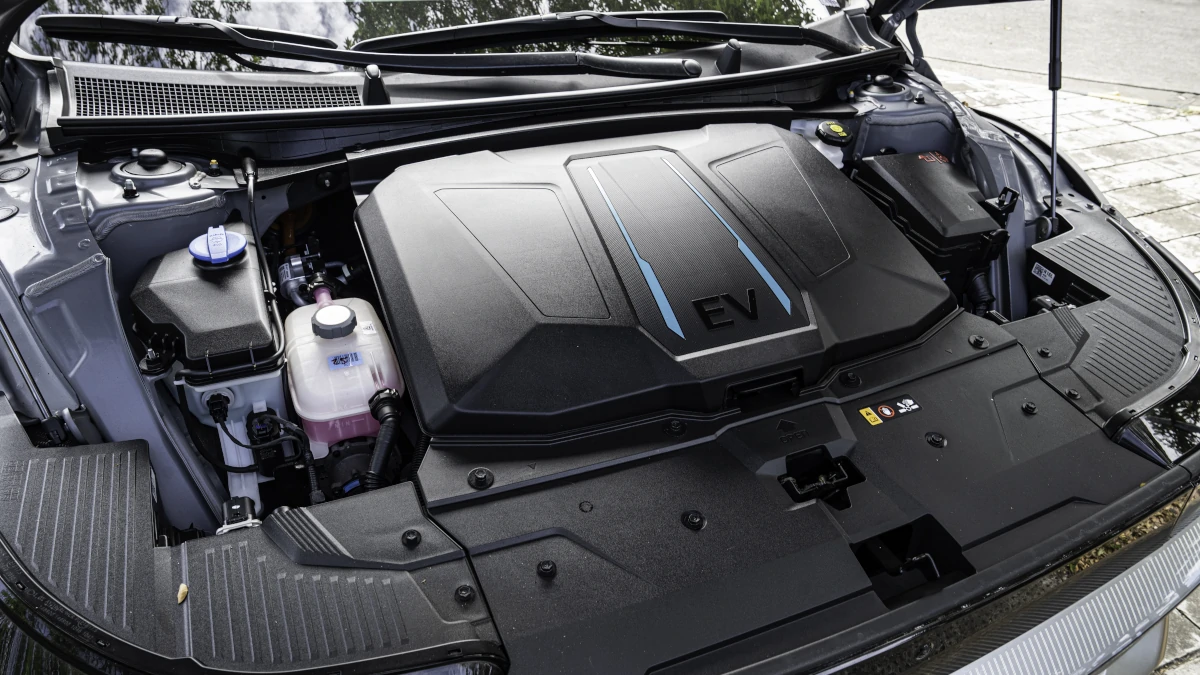
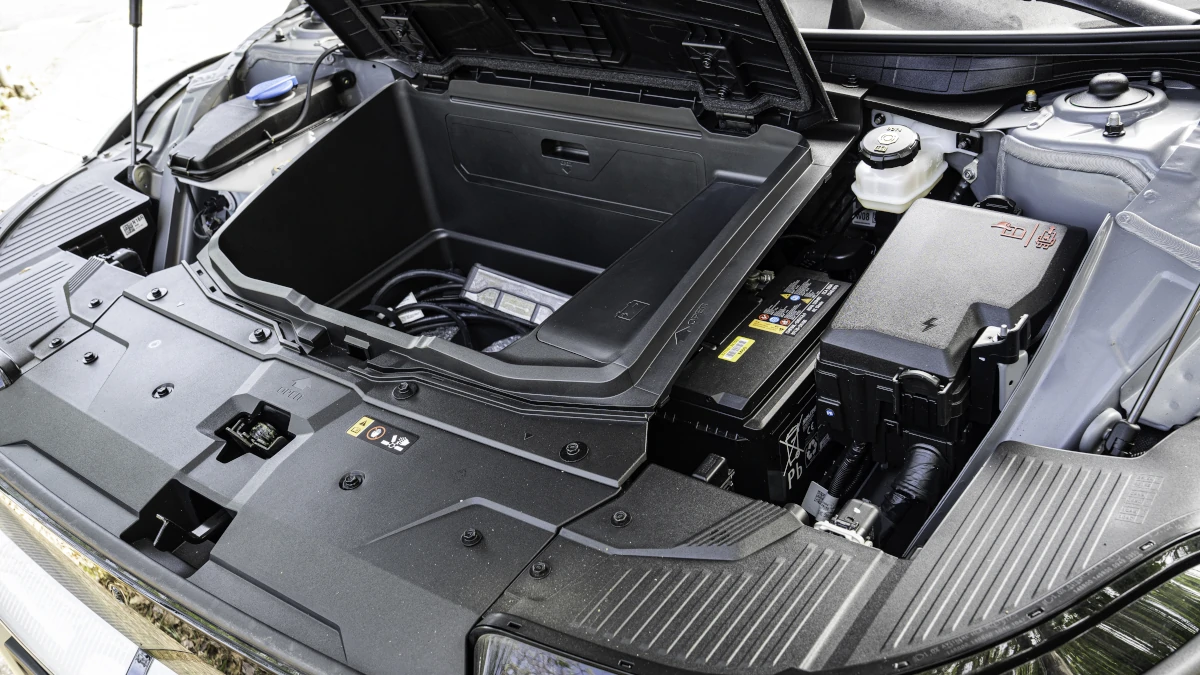
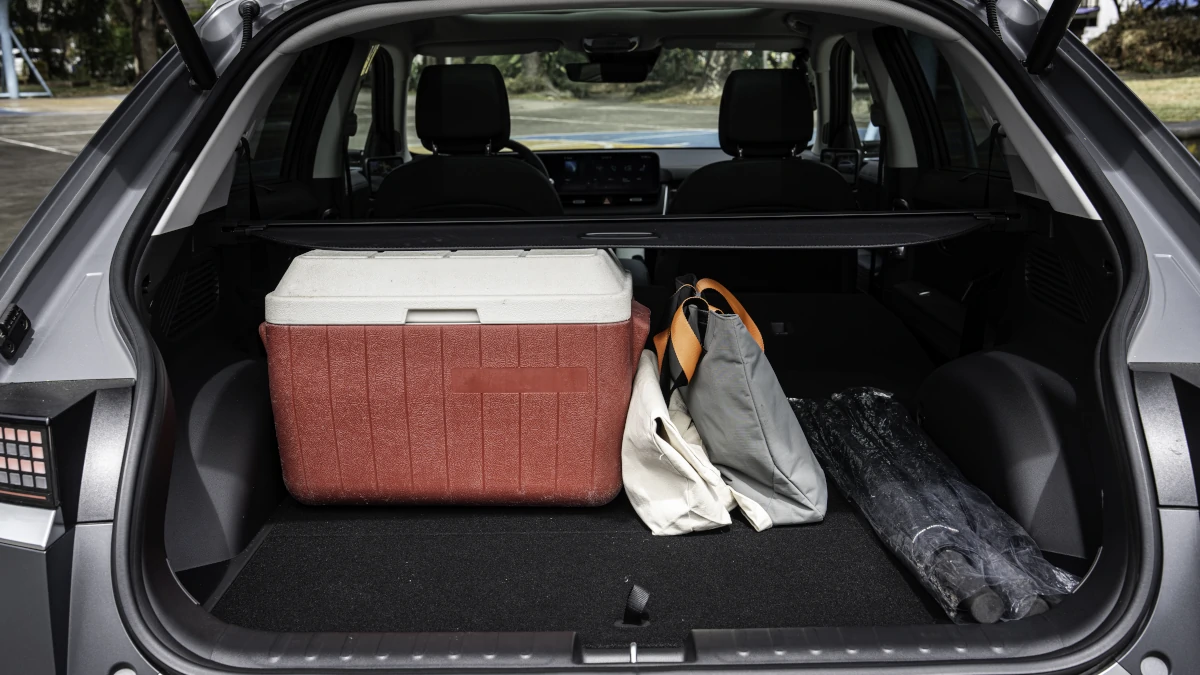
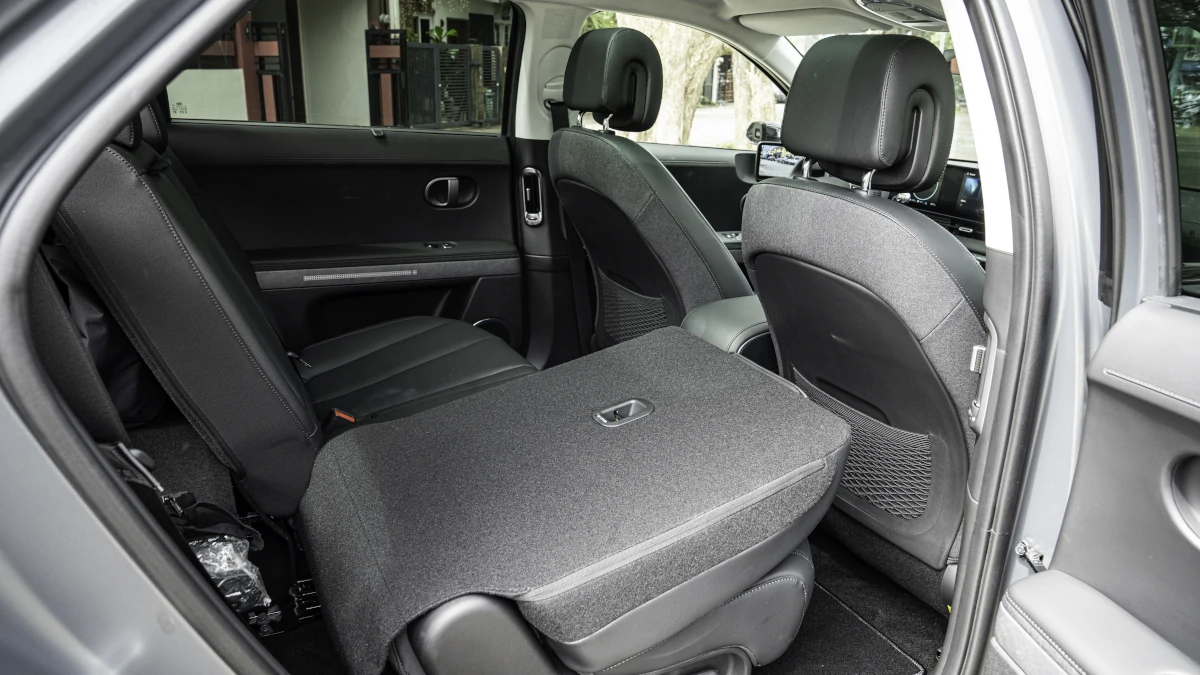
In the back, loading space expands to over 1,500 liters when you fold the rear seats via a button in the cargo area. The frunk offers a bit more storage, but that’s where the charger is also stored, so it won’t fit a lot of items.
Powertrain
This Ioniq 5 GLS Long Range variant has a single electric motor and an 84kWh battery. Listed power and torque are 226hp and 350Nm, respectively, with Hyundai claiming a range of 530km over a single charge.
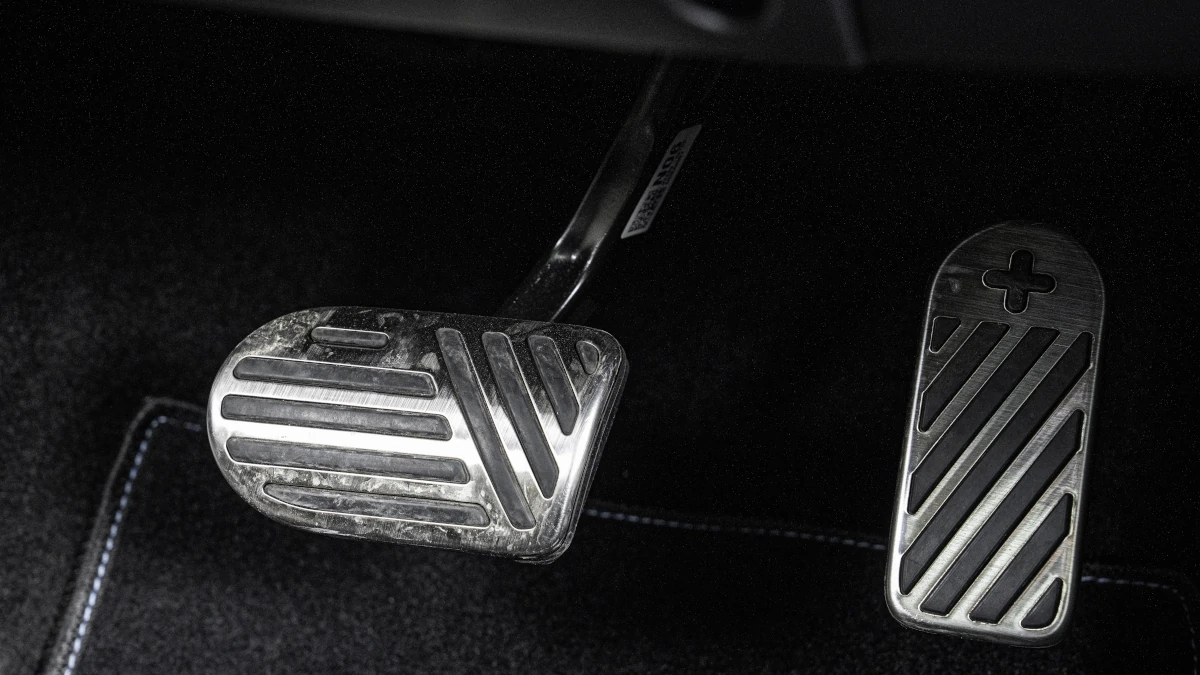
That range estimate was the reason I agreed to this assignment. I live in Fairview, and dealing with gridlock regularly is bad enough—I don’t want to have to worry about running out of charge on top of that. So, the first couple of days, I was driving very conservatively and even making use of one-pedal driving for maximum regen, since the Ioniq 5 has the most intuitive-feeling one-pedal applications I’ve tried so far. It’s easy to modulate and doesn’t suddenly hit you with the full force of the car’s stopping power, so it was quite easy to get used to.
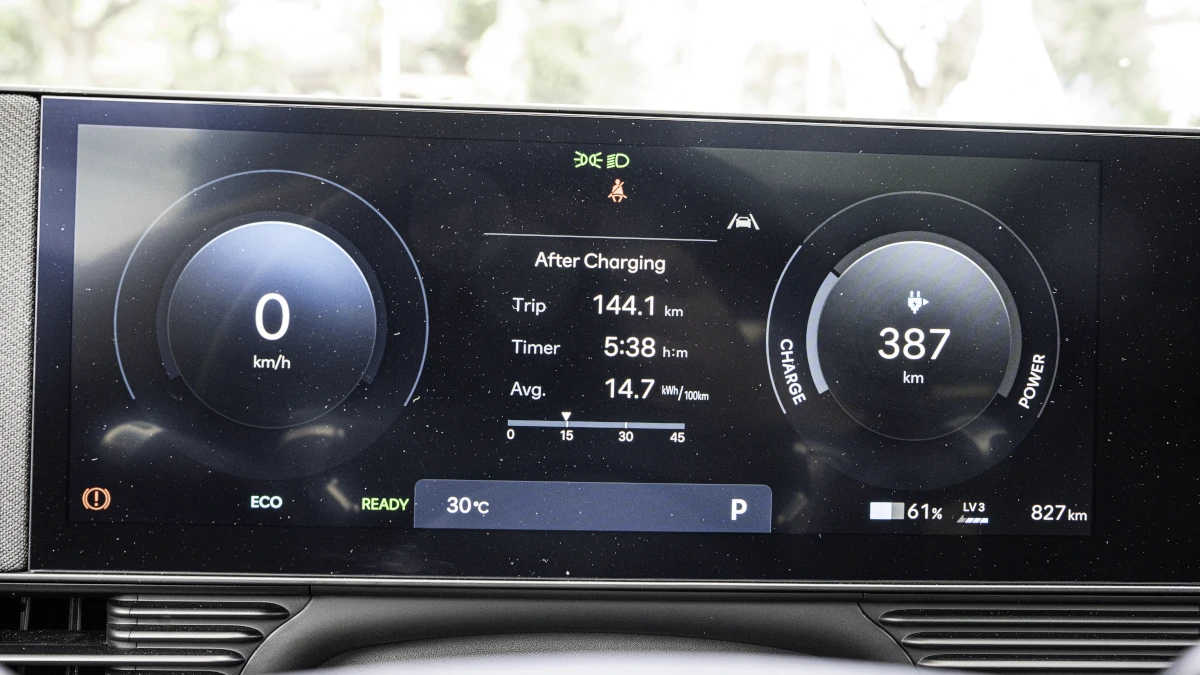
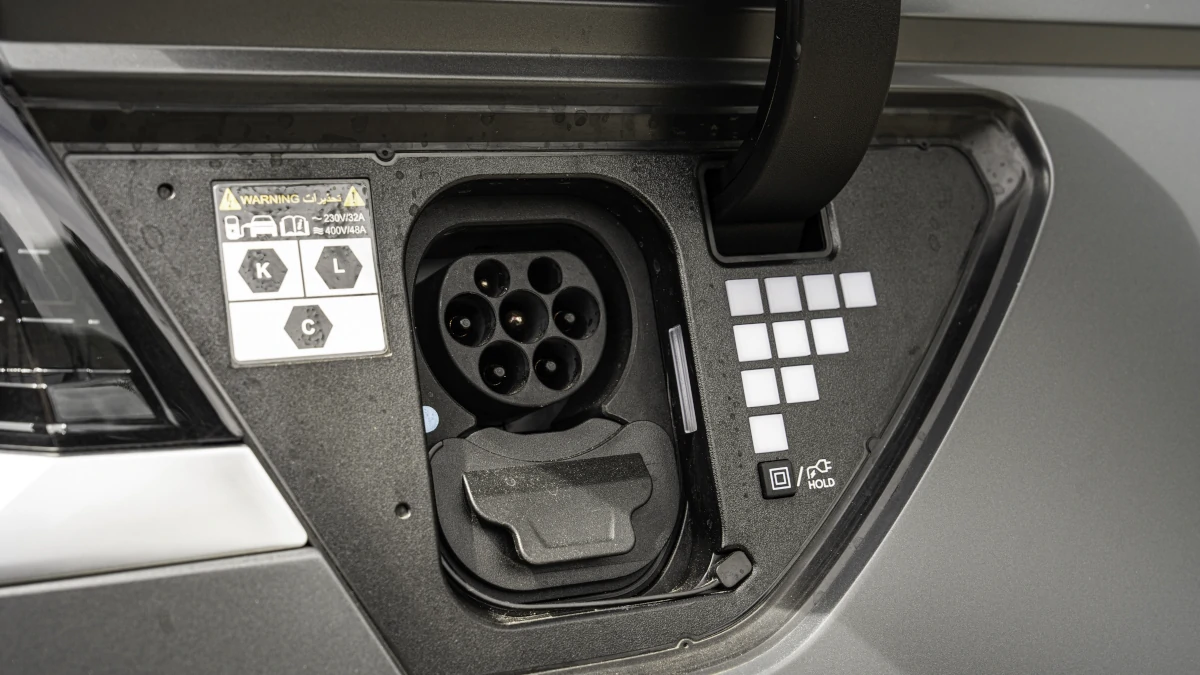
The day before I took the Ioniq 5 on a long-distance trip to Talisay, the battery level had dropped to 73%, which would have been good for around 470km. My average energy consumption at that point was around 7.4km/kWh in moderate traffic. Based on those figures, I knew I could do the planned journey without charging, but for peace of mind, I decided to recharge the car, anyway—using a regular power outlet, because there’s no AC or DC charger within a 15-minute drive from my house. Five hours and 15 minutes of plugging in brought the battery level up to 85% and range to 572km.
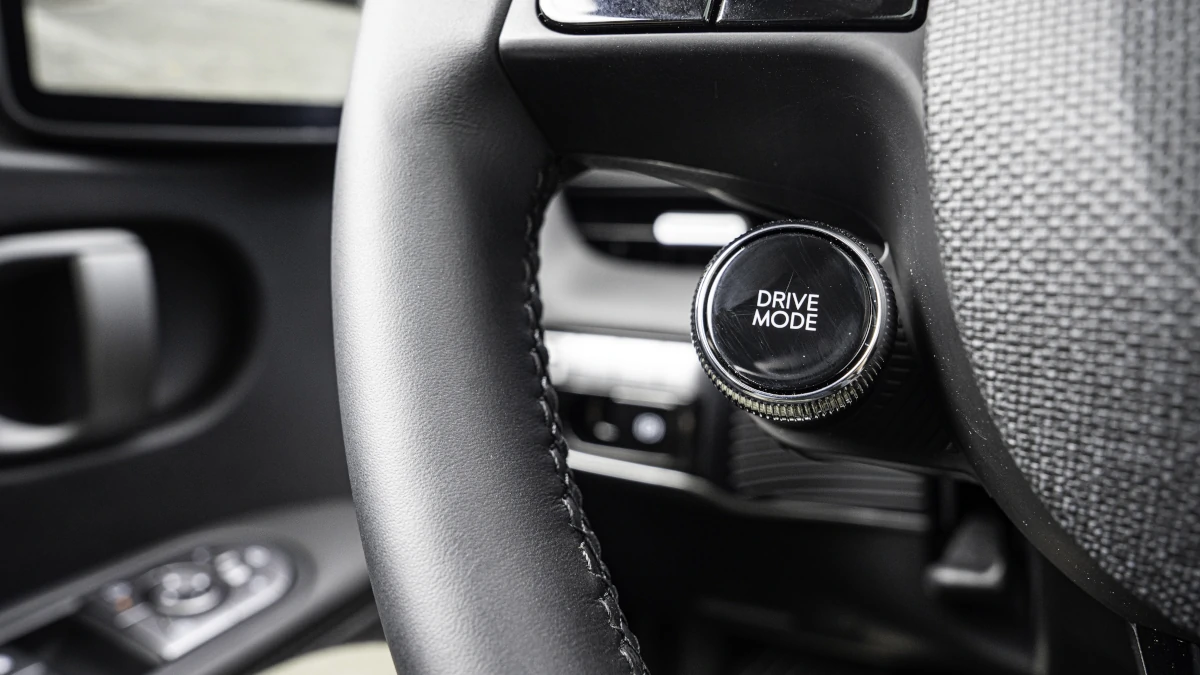
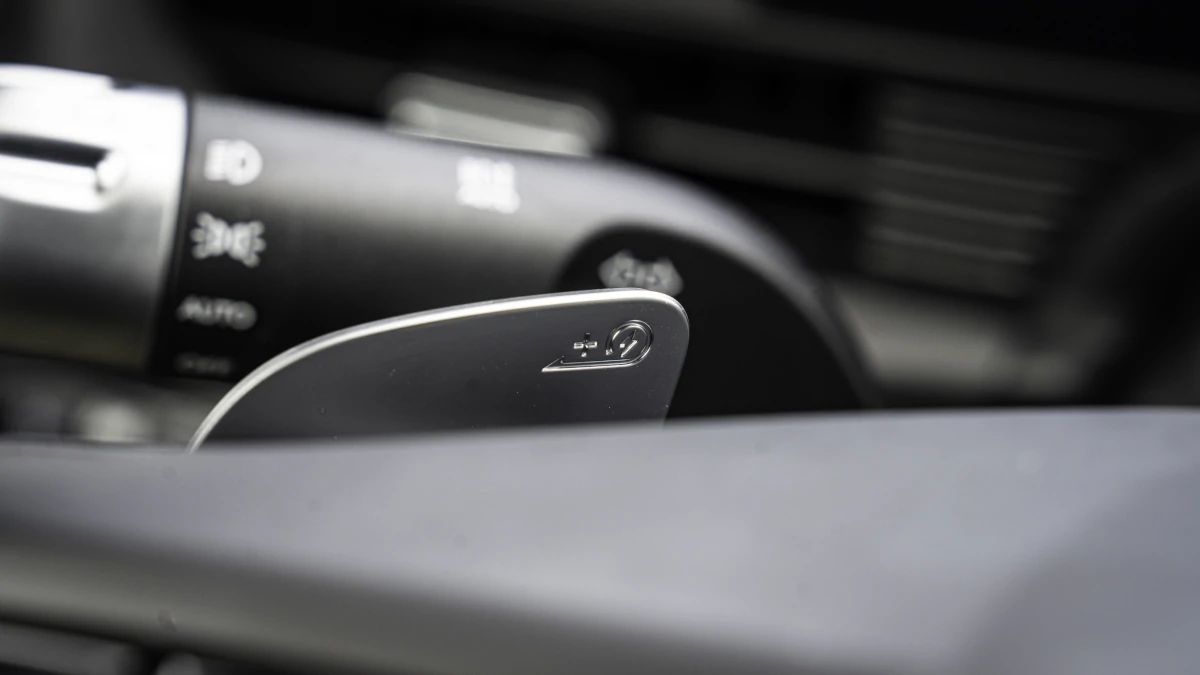
This made me feel braver about pushing the Ioniq 5 on open stretches and twisty sections. Acceleration is tamer compared with the bonkers Ioniq 5 N, but it’s definitely effortless, even urgent in Sport mode, considering the car weighs roughly 2,000kg. The paddle ‘shifters’ give a higher sense of engagement, too. There are no gears to go through here; instead, they adjust the level of brake regeneration through four levels, increasing it with every pull of the left paddle, and conversely applying less braking when you toggle the right paddle. It was fun to play with on the highway, but in the worst city traffic conditions, I stuck with one-pedal driving.
By the time I got back to Fairview from Talisay, the state of charge was 49%, with 318km of range remaining. My energy consumption for this leg came out to 6.71km/kWh—that’s with me making no effort to conserve charge, and also opting to take EDSA instead of the expressway on the way back to get some heavy urban traffic.
Ride and handling
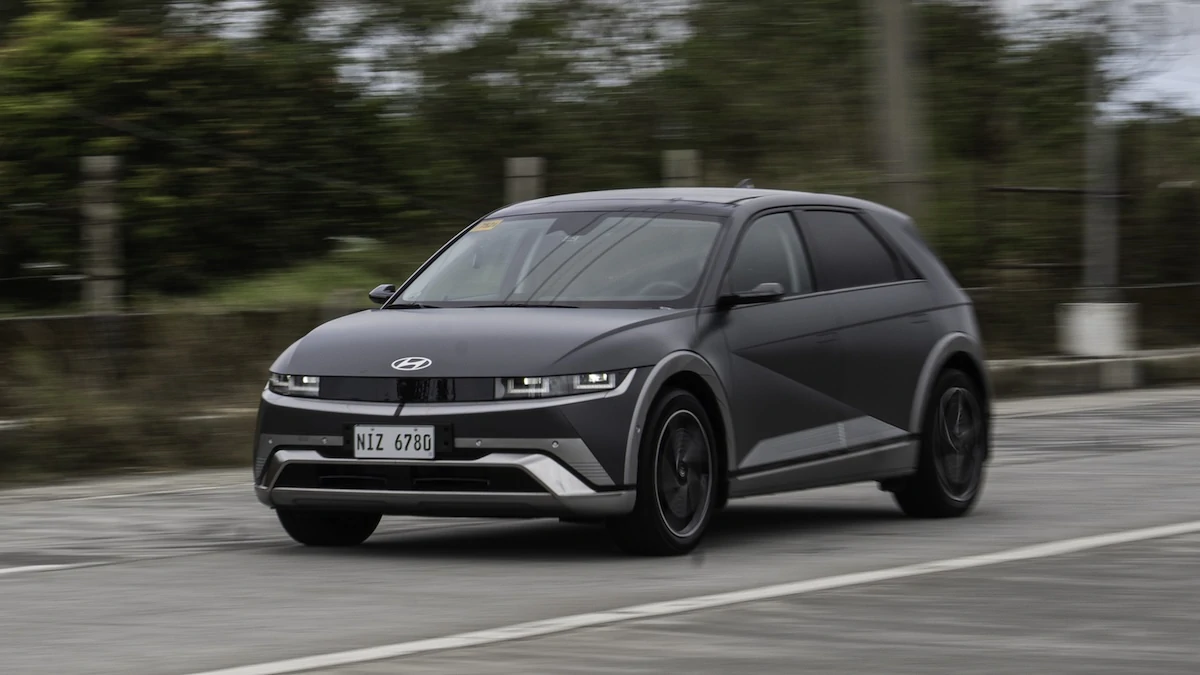
The electric motor may have no trouble hustling the Ioniq 5’s roughly two-ton mass, but you always get a sense of the car’s heft from its body movements. While the suspension isn’t overly soft, it’s tuned more for comfort and refinement than sportiness, so on quicker corners and under heavier acceleration or braking, you get just a touch more pitching and rolling than you would probably expect from a low-riding crossover before the ride settles back down to a stable, neutral state. It’s a far cry from the devilish on-road behavior of the Ioniq 5 N.
This is one of those cars that seem to shrink around you because it steers and handles predictably, making you forget its size until you find yourself in a particularly tight spot—and then the side cameras complicate things until you get used to them. It was evening when I first drove the Ioniq 5, making the learning curve steeper still. You have to train your eyes to settle on the door-mounted camera feeds inside the car rather than outside, and reconfigure the way your brain judges the distance to surrounding vehicles.
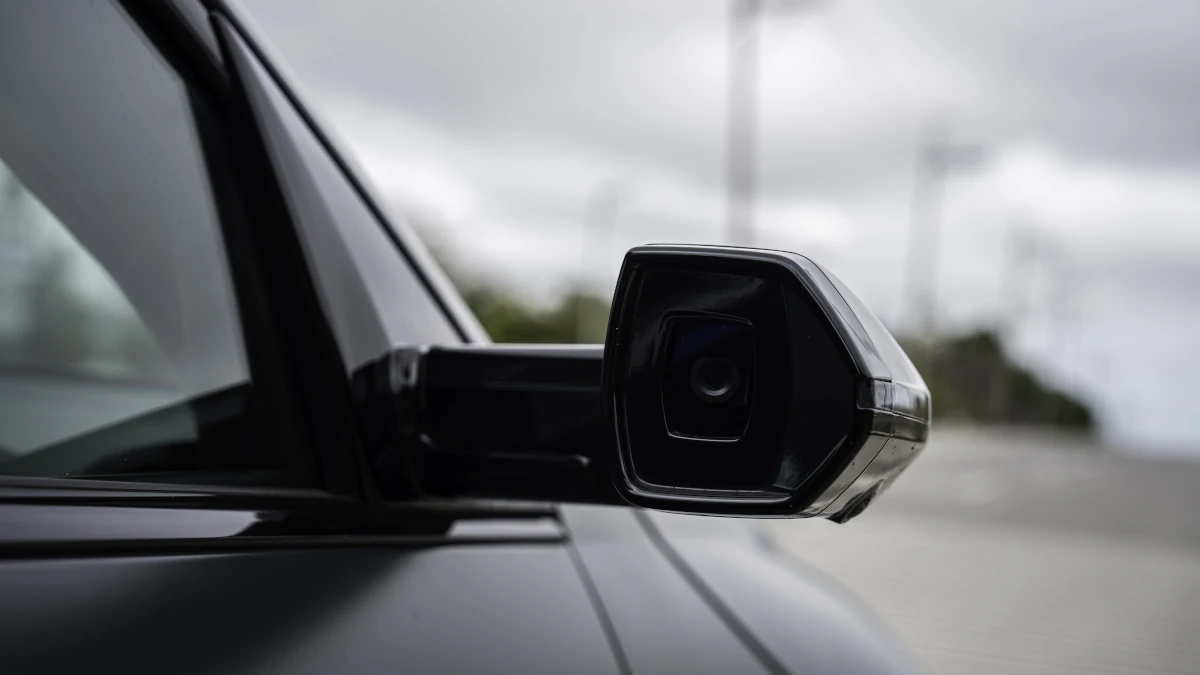
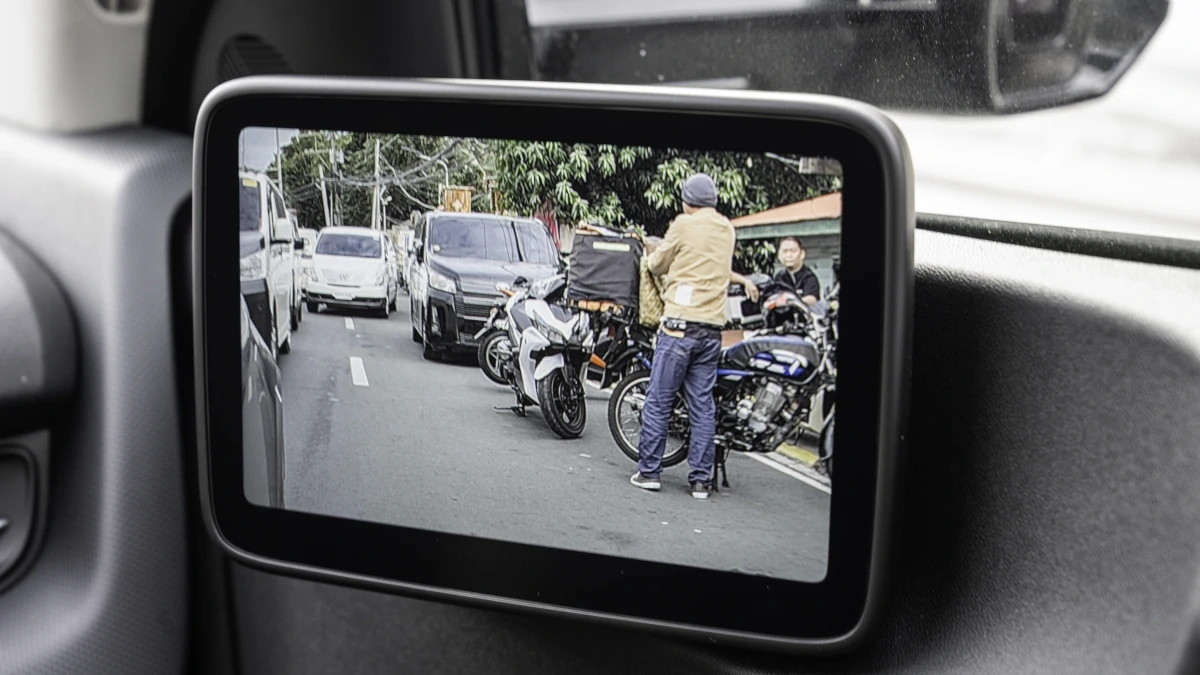
The extra challenge: There’s a wider view showing your blind spots, but it shows up on the digital instrument panel, replacing either the left or right gauge when you flick the corresponding turn signal. It’s counterintuitive in the sense that for you to see what’s on the periphery, you have to look in front. Adding to the visual overload is the 360-degree-view camera feed popping open on the multimedia screen when a two-wheeler or pedestrian ventures too close. Sometimes there’s a whole lot of info to process, and while you get used to it, some might find it too big an adjustment to the way they drive—which is why I opted to discuss it under ‘ride and handling’ rather than ‘extra features.’
Extra features
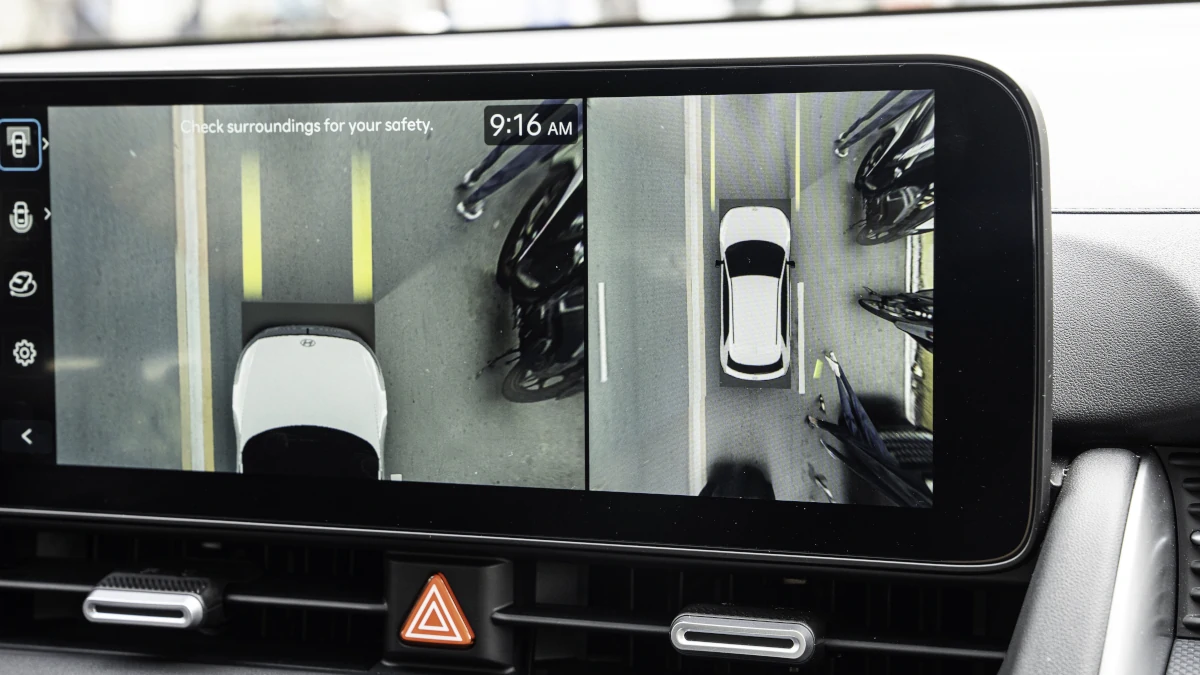
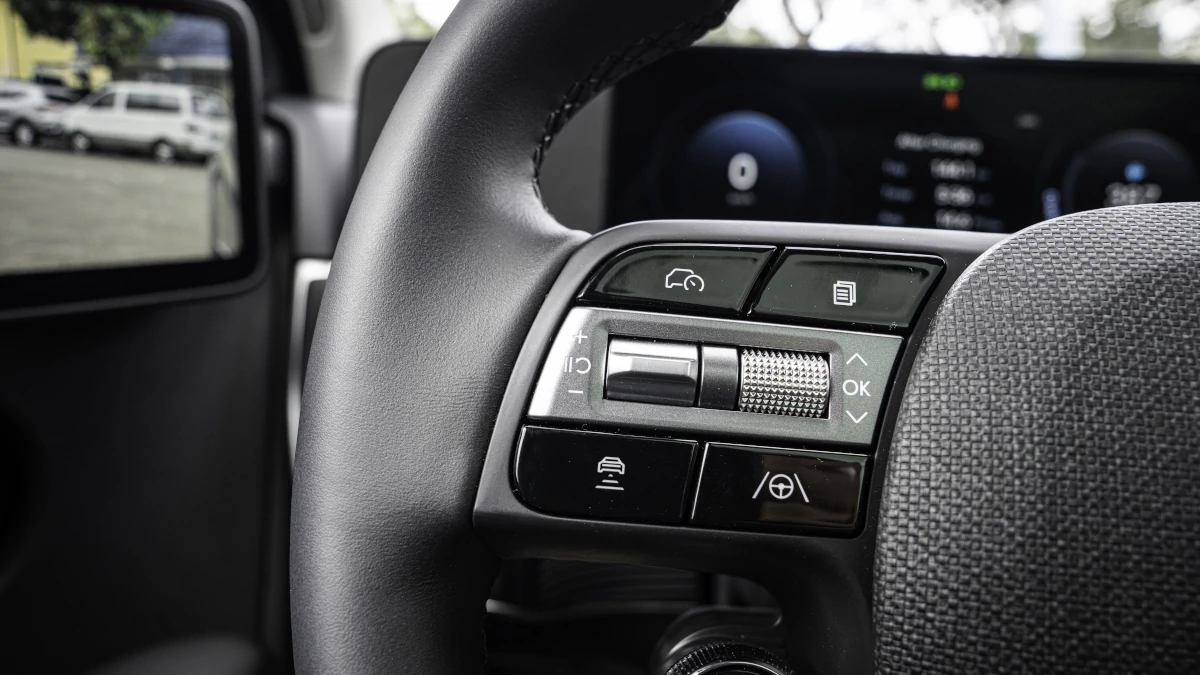
I did find the wealth of camera views helpful when I had to parallel-park the Ioniq 5 early on during the test period—very helpful because you definitely don’t want curb rash on those wheels. This being the top spec, its Hyundai SmartSense package also comes with more advanced driving-assist systems: smart cruise control with stop and go, driver attention warning, lane-keep assist, and forward, blind-spot, and rear cross-traffic collision avoidance.
I’ve become wary of Hyundai’s ADAS, which tends to be hypervigilant—something I experienced firsthand driving the hybrid Santa Fe on Commonwealth Avenue a while back, when a motorcycle moved into my lane. Despite there being a reasonable gap and me letting off the gas to maintain a safe distance, the system panic-braked just as I rested my foot on the brake. I’ve heard similar accounts, so this is something Hyundai has to recalibrate.
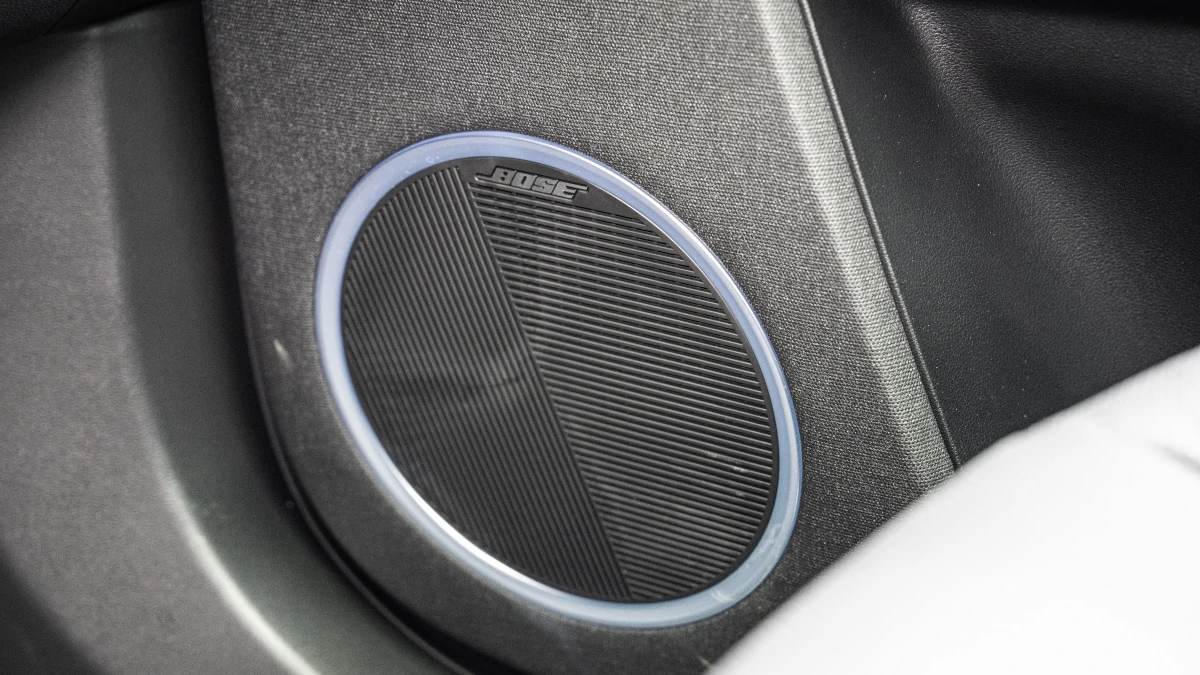
As for multimedia and convenience, there’s no shortage of USB-C ports in the cabin, in addition to wireless options for charging and smartphone connectivity. There’s also an eight-speaker Bose sound system for a premium listening experience.
Verdict
Overall, it’s really a premium experience that the Ioniq 5 wants to deliver, and with that is a corresponding price tag: P3.698 million for this top-spec Long Range variant. The Standard Range versions with 63kWh batteries—good for 440km on a single charge, claims Hyundai—are priced at P2.84 million for the GL and P3.068 million for the GLS. These figures are still higher than the entry points for the Toyota bZ4X, the Tesla Model Y, and the newly launched BYD Sealion 7.
The Ioniq 5 has lost none of its presence, performance, and all-rounder character over the past few years. It can still stand among newer BEVs in its class, and when it comes to cabin space and refinement, it’s actually on a higher level. But the price difference of roughly P1 million for this range-topping GLS looks hard to justify for buyers in this segment, especially since Hyundai’s BEV sales haven’t improved versus 2025, when other carmakers have benefited from the uptick in EV demand this year.
I still agree with the near-perfect score it got three years ago, since the overall package remains very good. But because of the high price, especially now that there are more affordable and equally compelling options available, I do feel the need to take a point off the total, bringing it down to a still solid eight out of 10.
SPECS: 2026 Hyundai Ioniq 5 GLS 2WD Long Range
Price: P3,698,000
Powertrain: electric motor + 84kWh battery
Power: 226hp
Torque: 350Nm
Transmission: single-speed
Layout/seating: RWD/5
Score: 8/10
More photos of the 2026 Hyundai Ioniq 5 GLS 2WD Long Range: