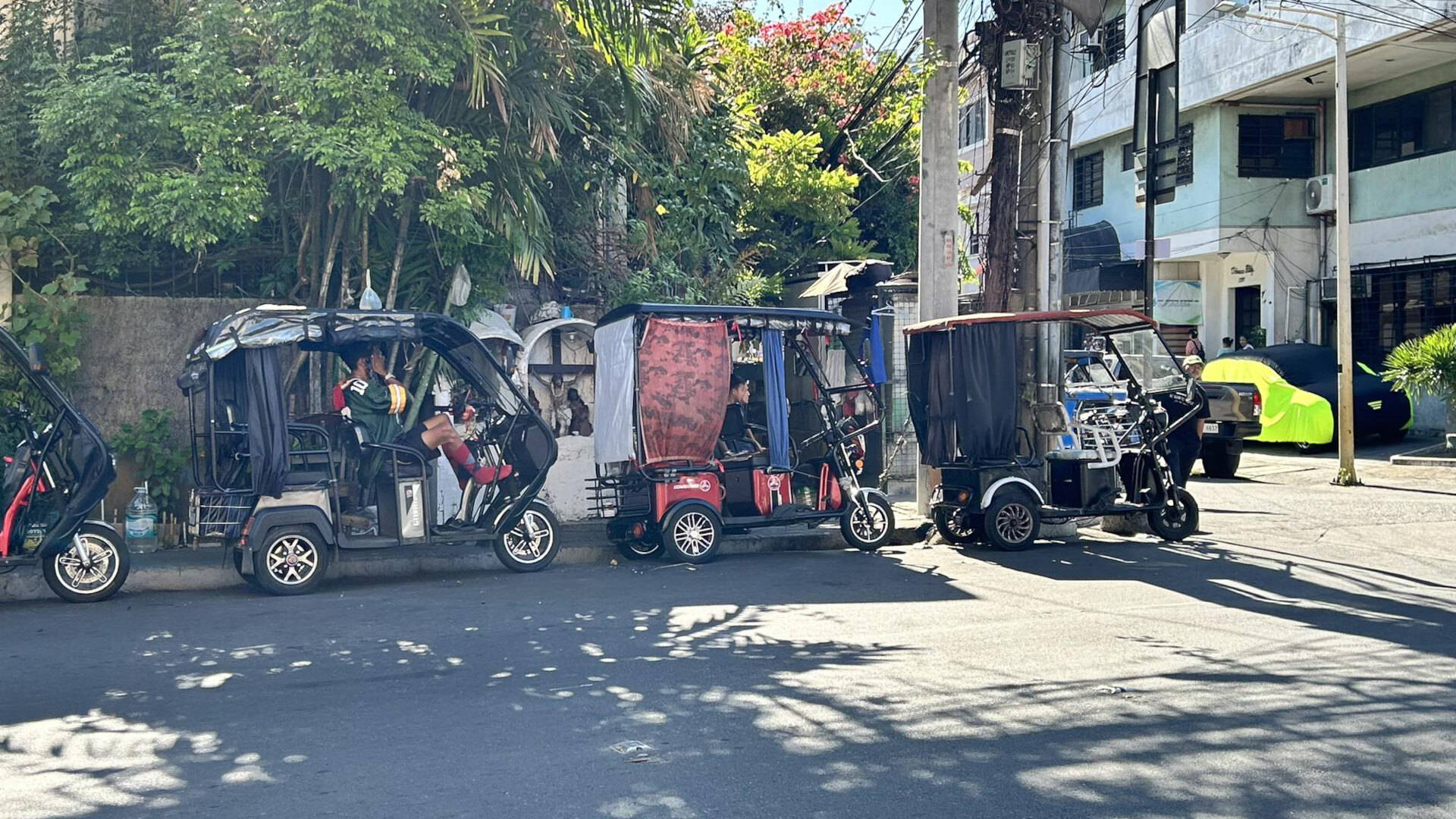
In case you missed the news, the Metropolitan Manila Development Authority (MMDA) will be implementing the prohibition of e-bikes, e-trikes, tricycles, pedicabs, pushcarts, and kuligligs from traversing national roads, circumferential roads, and radial roads in Metro Manila starting April 15, 2024.
As part of the new guidelines under MMDA Regulation No. 24-022 series of 2024, users of electric vehicles, including e-bikes and e-tricycles, need to be operated by licensed drivers and their vehicles need to be registered with the Land Transportation Office (LTO) if they plan to use these on public roads and highways.
Not sure how to go about this? Here’s a guide on what type of e-bikes require registration and what you need to do. However, according to a report by PhilStar, the LTO did not indicate an effectivity date for the AO VDM-2024-044. While it was signed on February 21 and received by the University of the Philippines Law Center on March 7, it has yet to be published. The guidelines below are based on information published in the LTO’s portal. We'll provide more updates once a clearer version is out.
ALSO READ:
Full list: 19 Roads where e-trikes, e-bikes will be banned beginning April 2024
Quick guide: Implementing guidelines for the e-bike and e-trike ban on national roads
What type of e-vehicles require registration?
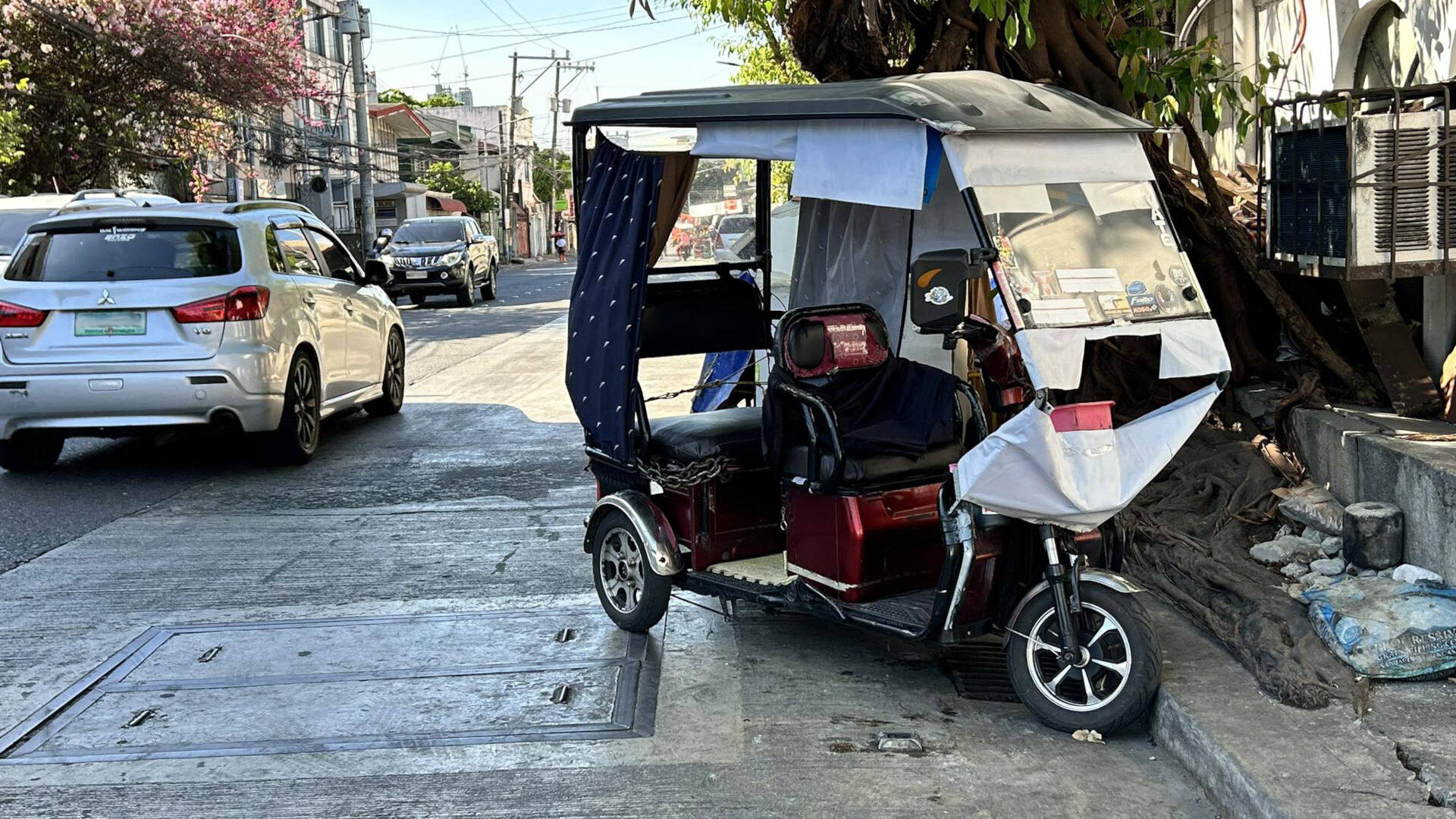
According to Section 3 of the Administrative Order VDM-2024-044 which superseded previous issuances concerning the operation of electric vehicles: “All electric vehicles used and operated in public highways must be registered.”
Based on previous LTO classifications, this means the following electric vehicle units require registration:
- Personal mobility scooter (PMS)
- Electric Kick Scooter
- E-Bikes, E-Moped 2W (up to a maximum speed of 25 kph)
- Light E-Scooter, E-Moped 2W (up to a maximum speed of 50 kph)
- E-Scooter, E-Moped 3W (L2a category)
- E-Scooter, E-Moped 3W (L2b category)
- E-Motorcycle
- E-Trike or 3-Wheeled E-vehicle
- E-Quad
Are there any exceptions for registration?
Take note that light electric vehicles used exclusively along private roads like those in subdivisions are not covered by the registration requirements.
While most e-vehicles will be banned on national roads, e-bikes, e-kick scooters, and other electric-powered devices weighing less than 50 kg may still use the established bike lanes based on the implementing rules and guidelines.
What are the requirements for classification?
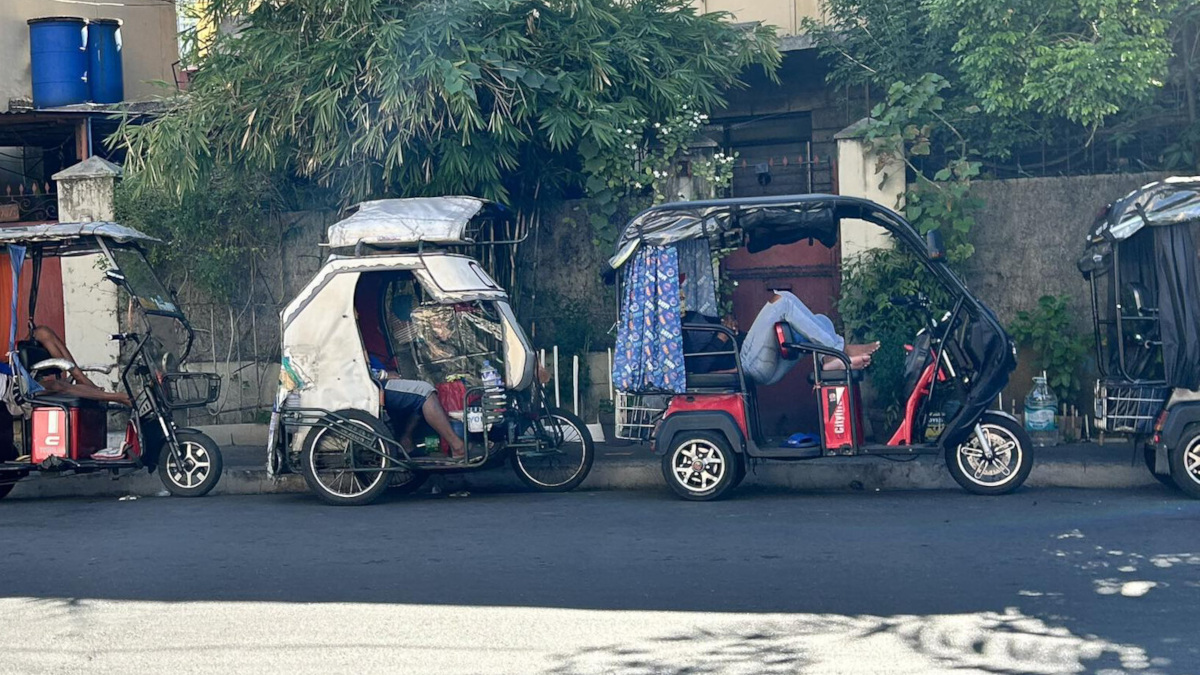
Manufacturers/assemblers, and or/importers are required to submit specifications of each model to LTO to determine their classification and registration fees:
- Letter-request for classification
- Specification of the electric vehicle
- Photos of the submitted vehicle submitted for classification
- Motor Vehicle Inspection Report from LTO Motor Vehicle Inspection Center (MVIC
- DOE recognition whether the unit is Battery-powered Electric Vehicle (BEV), Hybrid Electric Vehicle (HEV), Plug-in Hybrid Electric Vehicle (PHEV) or Light Electric Vehicle (LEV)
What are the requirements for initial registration?
Meanwhile, e-vehicle users need to collect the following documents to process their registration:
- Original Sales Invoice
- Certificate of Stock Reported (Note: Certificate of Payment/Certification for component/s from the Bureau of Customs (BOC) is required prior to the application for CSR)
- Original PNP-HPG MV Clearance
- Appropriate Insurance Certificate of Cover
- Proof of roadworthiness
How much are the registration fees?

While no information has been made available on registration fees for other categories such as personal mobility scooters, electric kick scooters, and e-bikes if any, LTO has set the registration fees for L2b, L3, L4, L5, L6, and L7 categories as follows.
| Vehicle Classification | LTO Fees |
| L2b (e-Scooter, e-Moped 3W) L3 (e-motorcycle) |
P240 (similar to motorcycle without sidecar) |
| L4 (e-trike) | P300 (similar to motorcycle with sidecar) |
| L5 (3-Wheeled e-vehicle) L6 (e-quad, light quadricycle) L7 (e-quad heavy quadricycle) |
P1,600 (similar to light car) |
What’s the procedure for registering e-bikes and other e-vehicles?
- Prepare the requirements listed above and proceed to your chosen LTO Regional or District Office.
- Proceed to an LTO evaluator and submit the requirements. The evaluator will check the documents and put them in the system.
- An approving officer will give you a breakdown of fees.
- Take the breakdown of fees to the cashier and settle the payment.
- After the payment is done, wait for the releasing officer to release your official receipt (OR) and certificate of registration (CR).
Is it possible to fail the registration requirements?
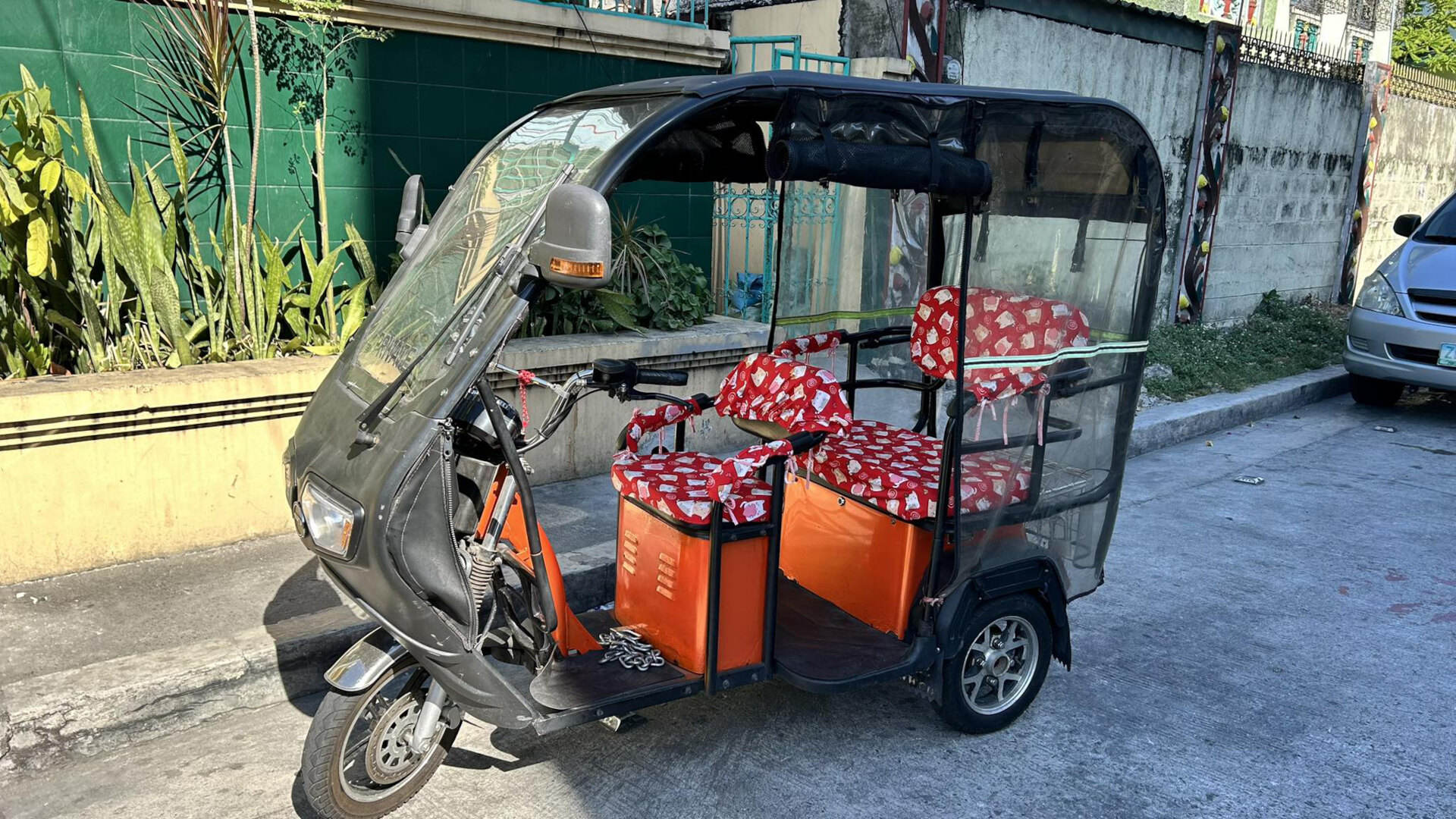
Notwithstanding the above classifications, LTO may refuse to register any electric vehicle if, upon inspection, they find it to be “unsightly, unsafe, or otherwise unfit to be operated in public highways, or not conforming to minimum standards and specifications.”
Additionally, LTO may at any time examine and inspect motor vehicles to determine if it is registered, overloaded, or otherwise unfit to be operated.
What are the penalties for non-compliance?
According to the new LTO AO: “All electric vehicles that are not registered or are not required to be registered with LTO but are found used and operated in public highways shall be impounded.
Are e-bikes and e-vehicle users required to wear helmets?
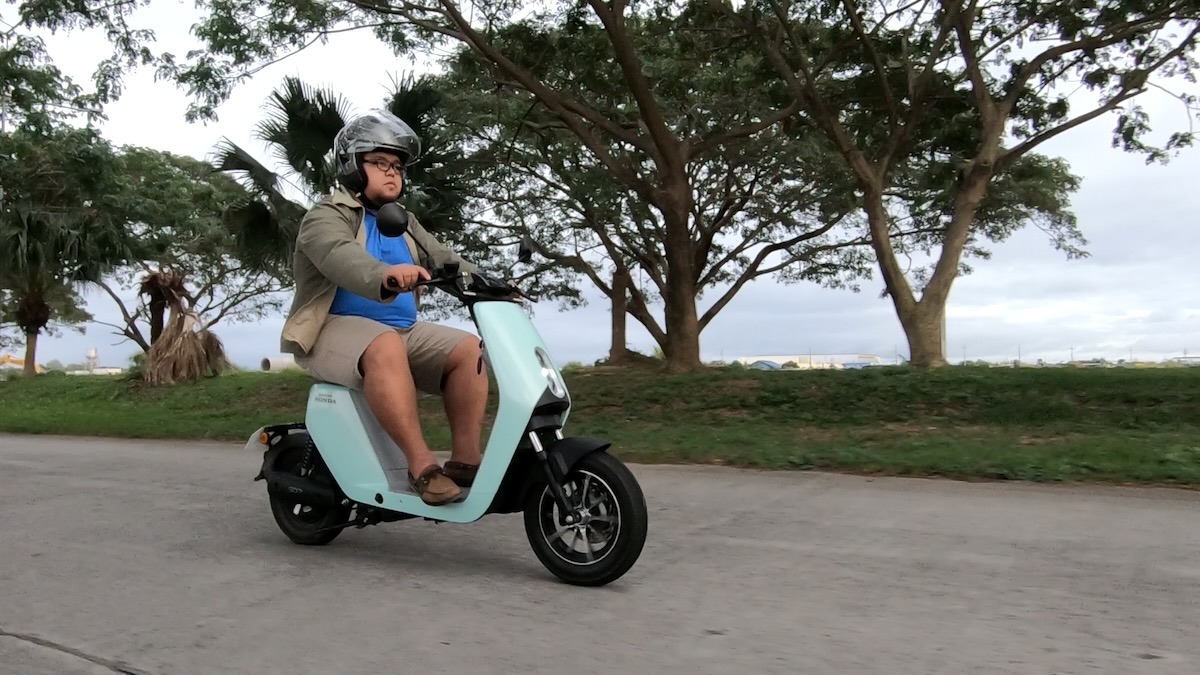
While previous guidelines specified helmet use for only some types of electric vehicles, under the new administrative order: “Drivers/riders of all two-wheeled electric vehicles are required to wear protective helmets, similar to those designed for motorcycle riders.” This follows RA No. 10054 or the Helmet Law and its IRR, when driving on the road.