Go on, then. What is wireless charging?
Wireless charging is a name that, for once in the confusing world of automotive labels, actually means exactly what it is: charging without a wire. No prizes for getting that far.
But tell us, once you’ve sat your phone down on the pad and the little icon has popped up to tell you charging has started...do you actually know what is going on?
Of course. My device is magically sucking in energy. Physics 101, right?
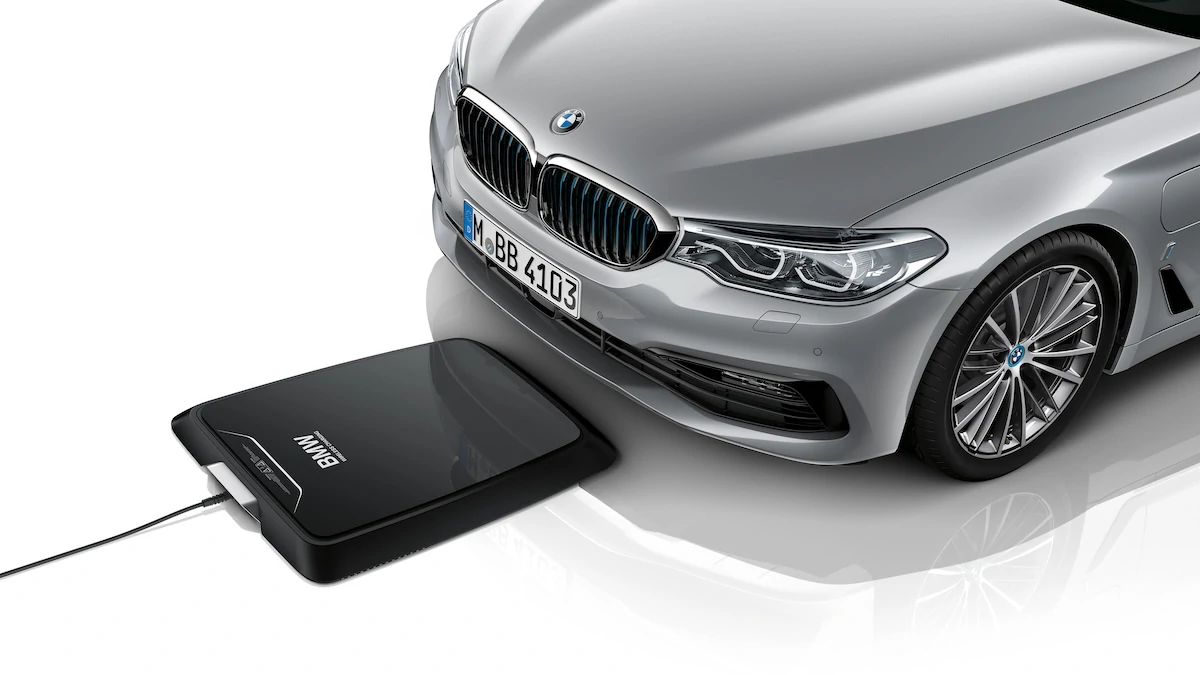
Er, yeah, okay. So, in that pad (conveniently connected to the some power source), there’s an electromagnetic copper coil. And in your device, there’s a version of the same thing. When they’re near each other (even through casing and cloth), there’s a handy transfer of electrons, complete without cables.
OTHER STORIES YOU MIGHT HAVE MISSED:
We won’t be seeing Honda’s battery-swapping stations in PH just yet
All-new Mini Cooper and Countryman arrive in PH in both electric and gas-powered versions
That’s what I said. Is it not the same for cars?
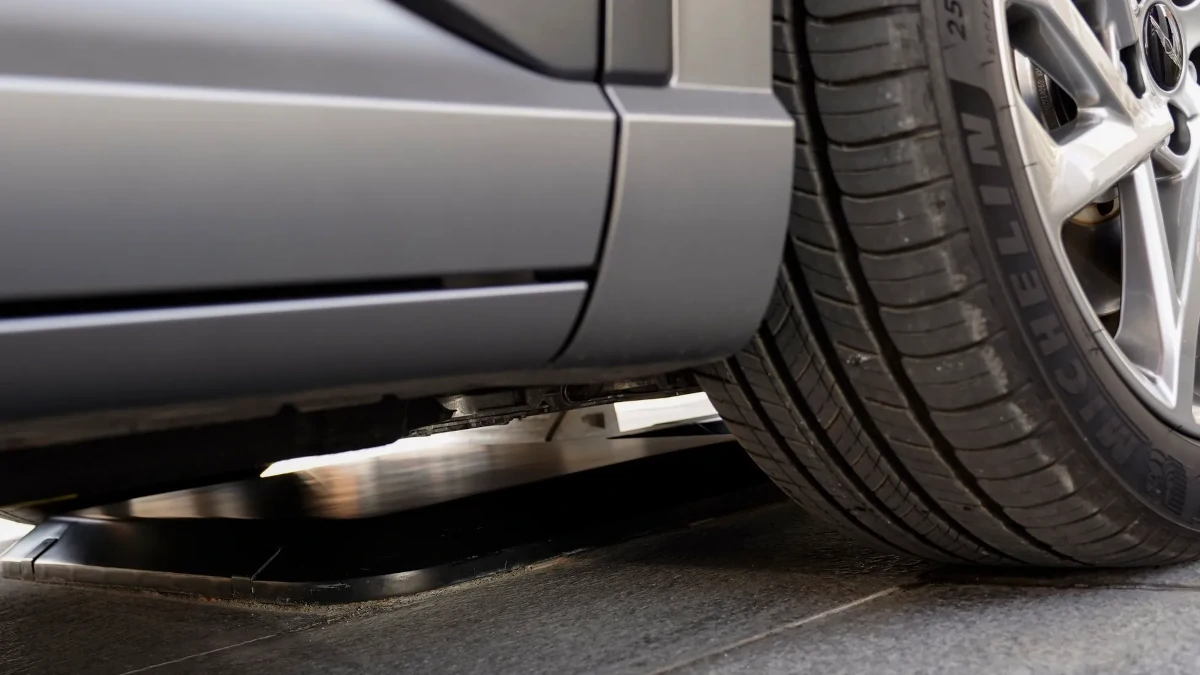
Kind of. For ‘inductive coupling’ to be truly efficient, the distance between the coils needs to be very small and they have to be accurately placed together. That’s not as easy with a coil attached to a slab of batteries held above ground level by wheels, thusly ‘resonant inductive coupling’ is used instead.
I’m getting Coldplay and Chris Martin vibes. What does that involve?
Hehe. It’s where the coils vibrate to make the magnetic field wider. This time, an inductor and a capacitor are used. It gets a bit complicated so stick with us. The magnetic energy created by the magnetic field around the coil puts energy into the capacitor. The voltage sent across the capacitor draws down the charge as the current flows through it. The capacitor then fills with energy again from the voltage of the opposite polarity.
You’ve lost me.
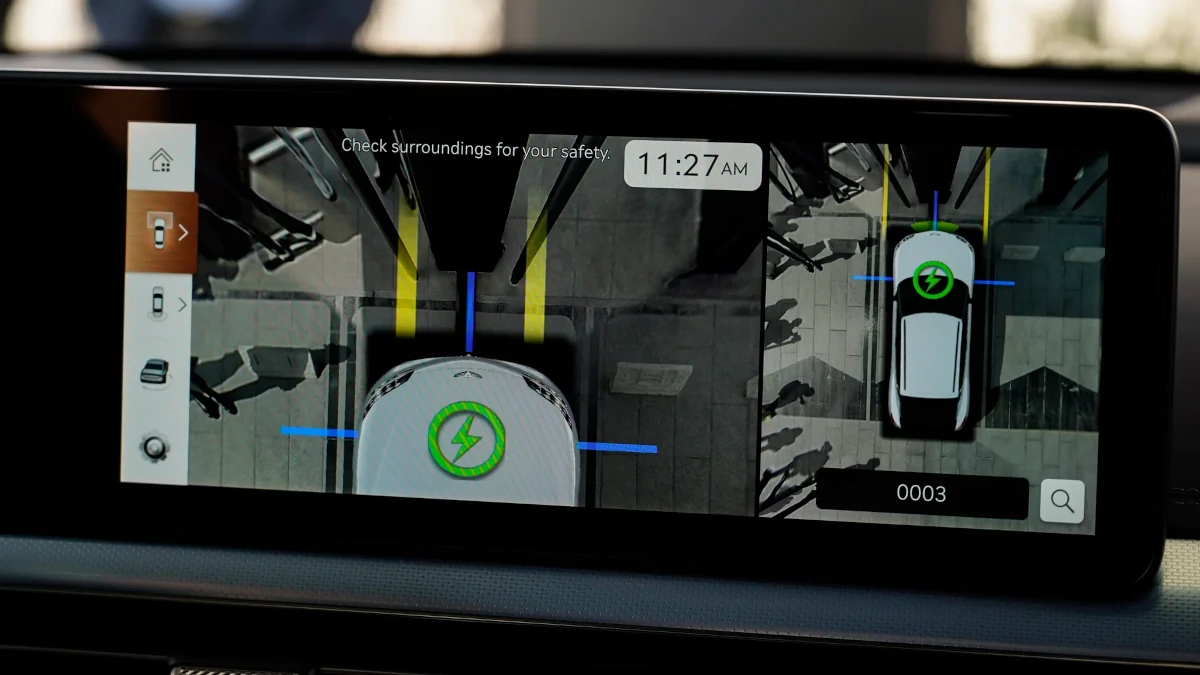
Think of a pendulum swinging: There’s a force sending it one way, then there’s a force sending it the other. Where momentum created by mass and force (in this case, gravity) causes the pendulum to swing, the push/pull of the magnetic field, when excited by the electrical energy, causes the coil to oscillate.
Okay, so...the forces created in the magnetic field charge a capacitor with electrical energy, which discharges to the coil using the same magnetic field?
Correct. The capacitor amplifies the oscillating voltage in the coil. Stick another coil on the other side and it’ll harmonize through a natural frequency. Because, er, physics.
This all sounds very expensive.
Sure, it’s not the cheapest tech. But there are upsides to wireless charging. Not needing to faff around with a cable, for a start. But also no more cable fraying. Or trip hazards. To combat the issues with distance and efficiency losses, Tesla has recently published a patent application that tackled how the system will be able to lower its suspension when the car aligns with the pad.
It also talks about sending energy back the other way—bidirectionally—but we’ll save that for another day.
Any other downsides, aside from the distance and the cost?
Because inductive charging relies on a magnetic field, anything magnetic could interfere with the coil’s capacity to pass energy to the receiver coil. So something as simple as a cat’s collar could disrupt the power transfer, but at worst, that’ll just slow it down a bit. And no, the cat won’t be roasted. Generally, cabled charging is far more efficient than wireless charging.
If there’s all this very expensive copper stuck to people’s cars, won’t that appeal to, uh, light-fingered folk?
It’s a fair question. Given the number of catalytic converters targeted for their precious metal components, it’s reasonable to think that anyone looking for an easy payday might try and have a go. Carmakers are pretty attuned to building in anti-tamper technology now, though.
Anything else I need to know?
Fun fact: The Law of Electromagnetic Induction dates back to 1831.
Unsurprisingly, Tesla isn’t the only carmaker looking into this. Back in 2012, Qualcomm launched a wireless charging concept called Halo. It supported the ground clearance of SUVs to about 30cm and delivered 3.3kW to the car’s battery without the need for total precision parking. Not a huge amount, granted.
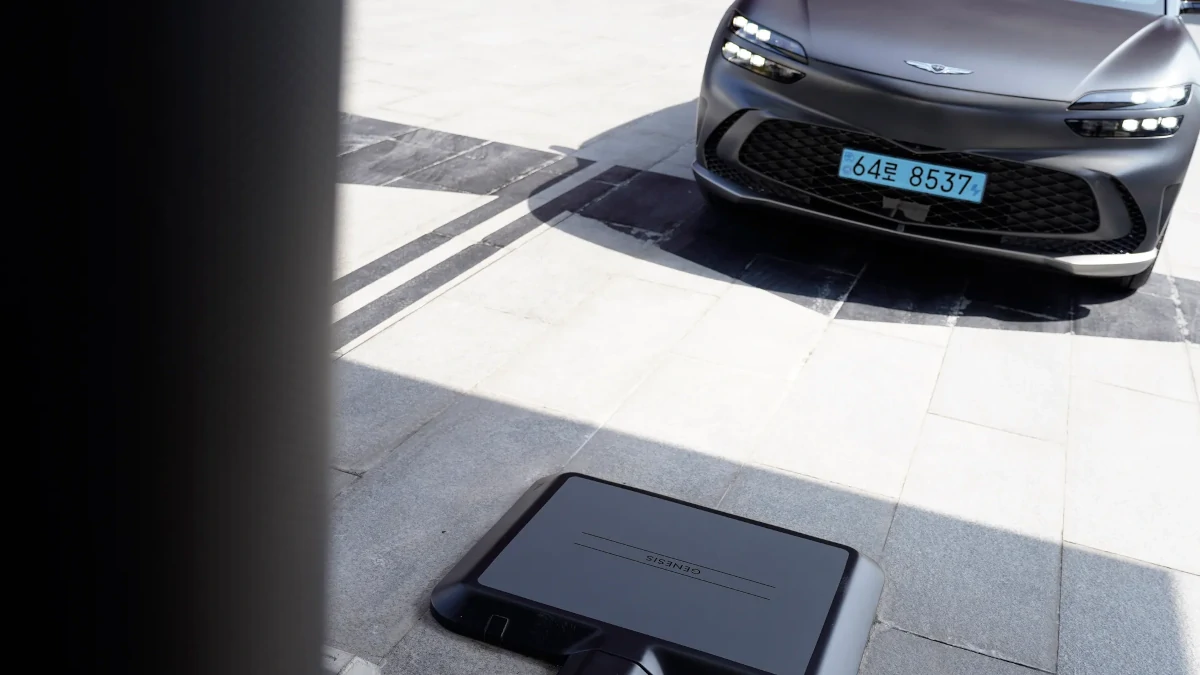
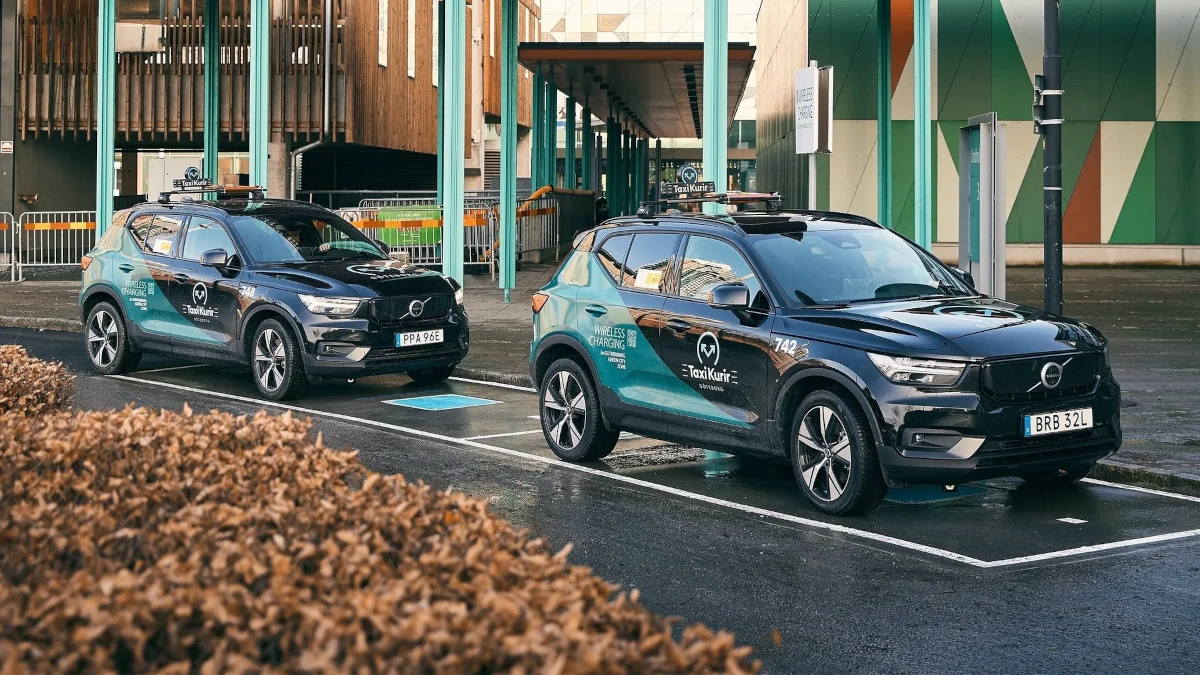
Still, there must have been something in it, because Witricity bought the tech in 2019 and it now supports the BMW 530e hybrid and the KGM Torres EVX pickup. Volvo is also having a go at wireless charging, and Genesis started a pilot, too.
Finally, ‘electric road charging,’ where the vehicle charges as it drives, is also something in the mix from researchers in Sweden and, in a separate project with Renault, those folks at Qualcomm.
NOTE: This article first appeared on TopGear.com. Minor edits have been made.