Jaguar, a 102-year-old British car company, is about to unveil a new concept car. Nothing unusual there: Car companies often release eccentric models to preview their future designs.
However, what Jaguar is doing has sparked a massive, heated online debate that has spilled over into politics, evening news, and even the culture wars.
Here’s our guide to what’s going on—and what’s likely to happen next.
What’s happened with Jaguar?
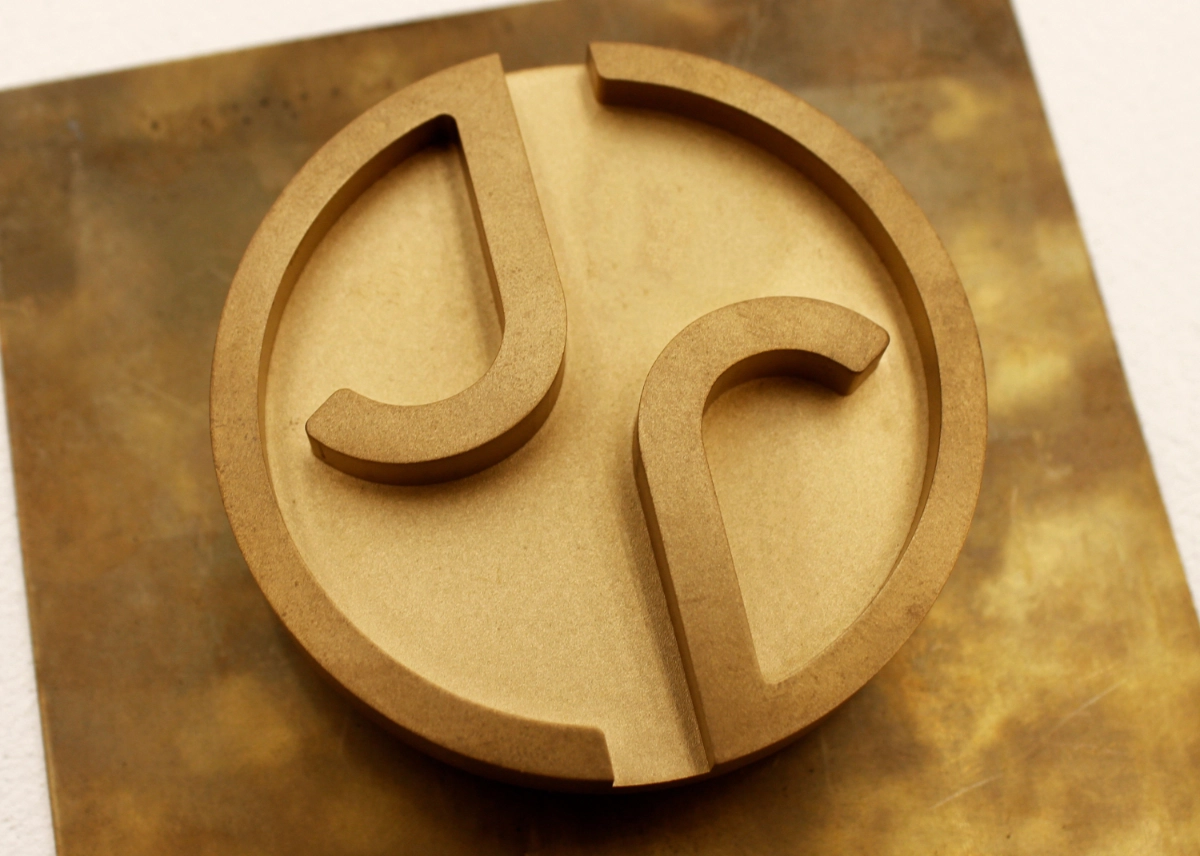
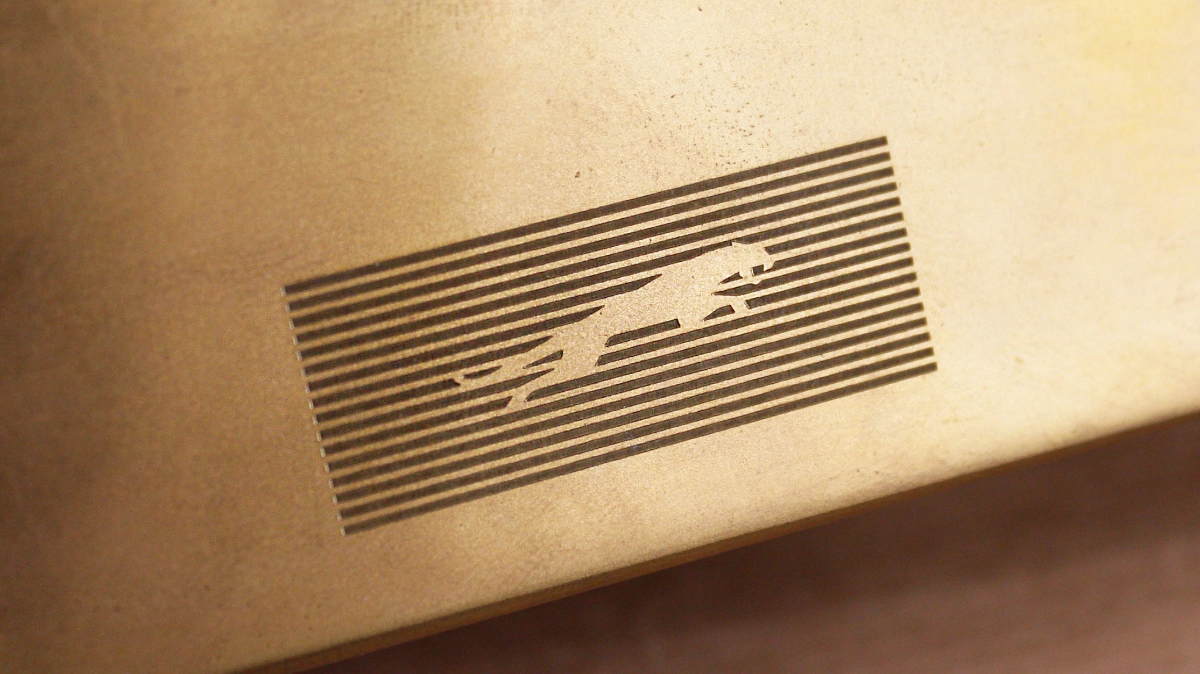
On Tuesday, November 19, 2024, Jaguar revealed its new ‘brand identity.’ In short, this includes a new monogram badge (a circle housing the letters ‘j’ and ‘r’), a design that resembles a Venetian blind-leaping cat trapped in a barcode, and a ‘wordmark’ spelling out ‘JaGUar’ in a jumbled mix of upper and lowercase letters.
OTHER STORIES YOU MIGHT HAVE MISSED:
PM sent: This pristine, low-mileage 1971 Mercedes-Benz 220 W115 is being sold for P2-M
Christmas bonus already in? You can now preorder the entire Formula 1 grid as Lego models
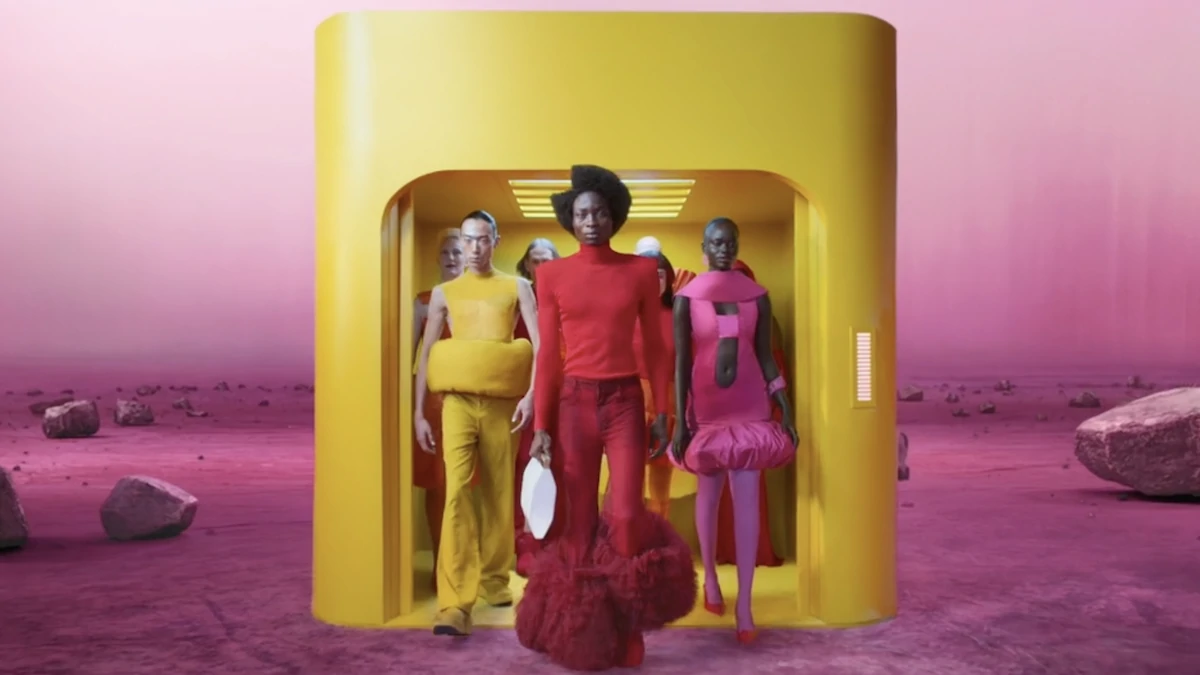
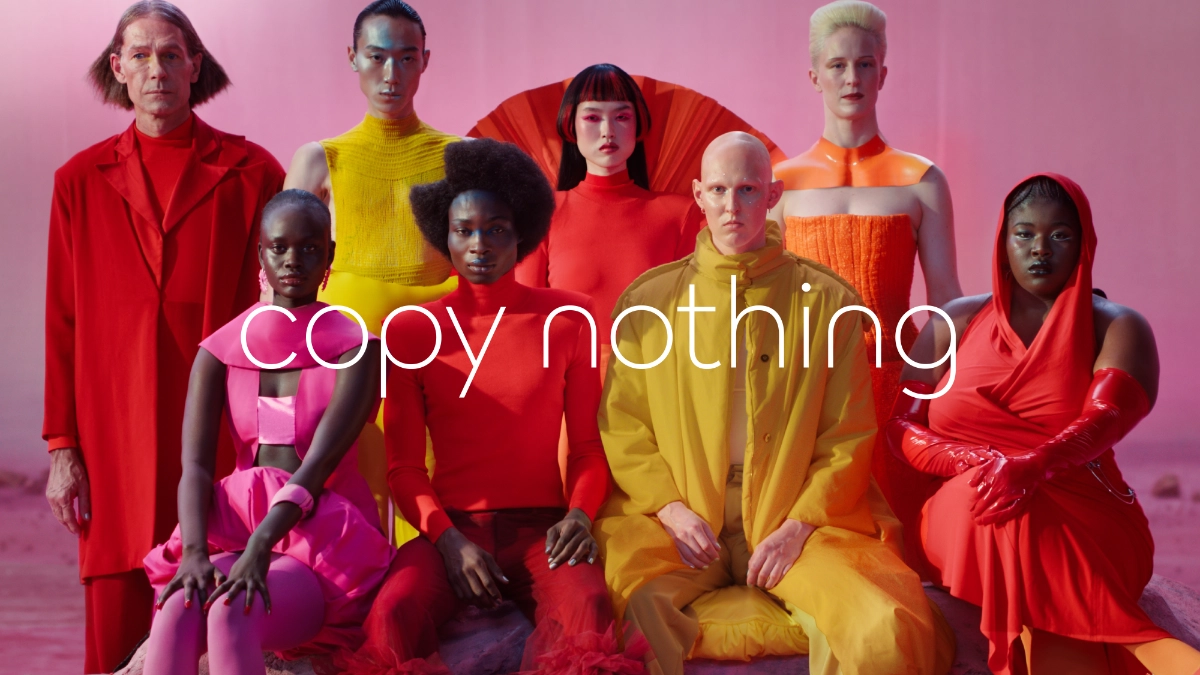
Meanwhile, Jaguar’s social media channels deleted their entire archives and posted a 30-second video that didn’t feature a single car. Instead, it showed a group of bewildered high-fashion models posing in an elevator and awkwardly messing around with a paintbrush and mallet in a children’s soft-play zone. Jaguar’s new mantra—‘copy nothing’ and ‘delete ordinary’—was prominently displayed across the screen.
The reaction has been...well, calling it ‘mixed’ would imply even a hint of positivity. You’d have to doomscroll until your thumb aches to find anyone genuinely pleased with Jaguar’s new font, badge, or the “Planet of the Androgynous” concept.
Marketing guru Rory Sutherland was interviewed, commenting, “Jaguar cannot survive on a group of people who love the brand but don’t buy the cars.” Marketing Week described the move as “f***ing lunacy.” On X, Tesla CEO Elon Musk asked Jaguar, “Do you sell cars?”
Columnists from all sides of the political spectrum have been busy hammering away at their keyboards, while countless “emergency podcasts” have been shouted into the void. At least F1 gridwalk legend Martin Brundle liked it, commenting, “I have no idea what this is all about, but it’s genius. Everyone is talking about Jaguar at a time when they’re not even making cars.”
Forget “Lewis to Ferrari confirmed” or the new BMW M5’s curb weight. Welcome to the single biggest talking point in the car world this year.
Why has it happened?
The brand revamp seemed to blindside many, but it marks the tangible beginning of what Jaguar has been signaling for over a year: an unprecedented reset of its struggling operation. As of November 2024, no new Jaguars are in production for the first time since 1948. The company is in the midst of what it calls a ‘firebreak’—a move to distance itself from its previous semi-premium, mainstream image and to pivot toward becoming a rival to Porsche and Bentley. The goal is to sell ultra-luxury EVs to a younger, more diverse, “cash-rich, time-poor” clientele.
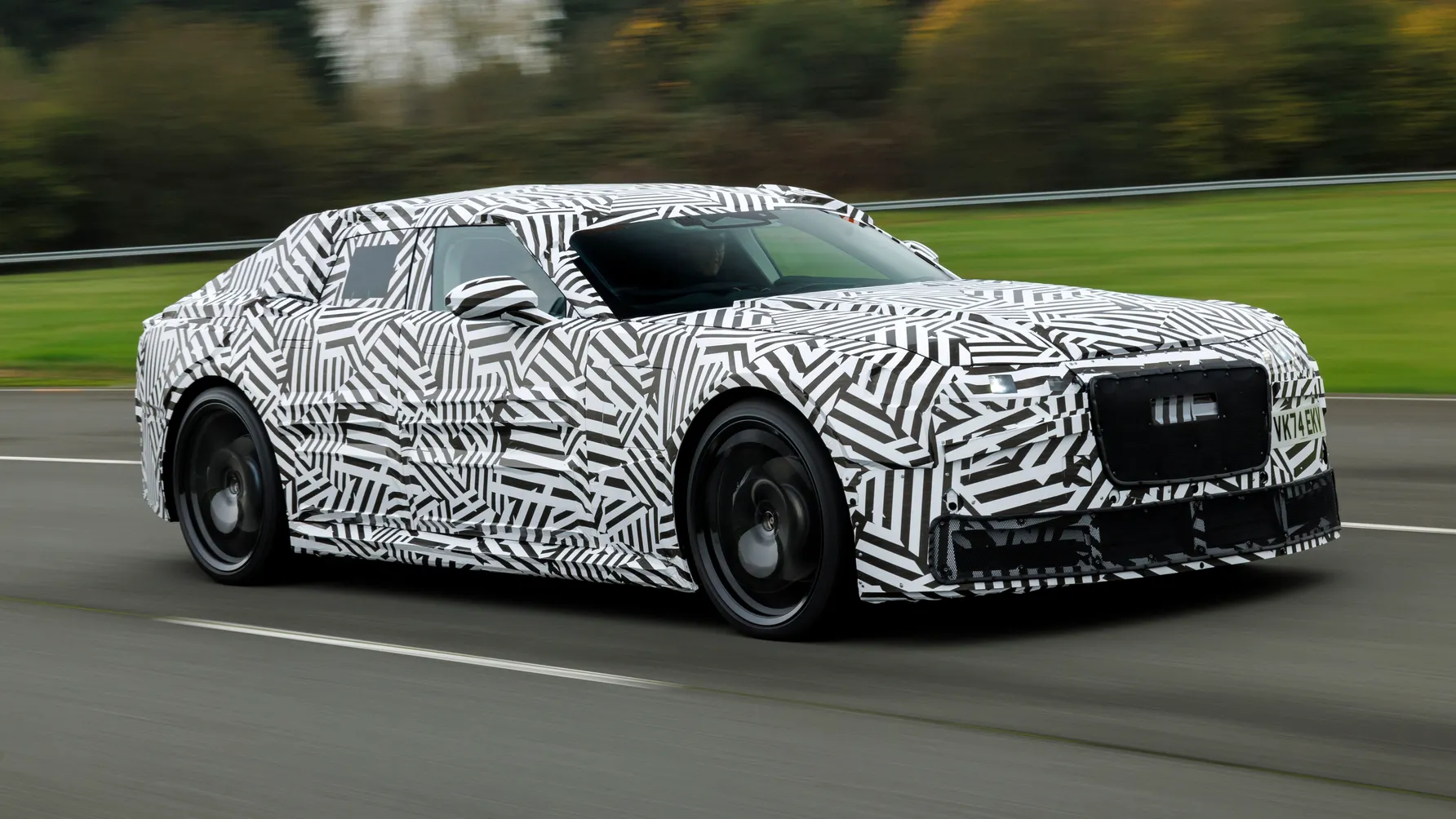
On December 3, 2024, Jaguar will unveil an outlandish concept car that sets the tone for where the brand is headed next—far from XEs and E-Paces. We’re expecting something bold, angular, massive in scale, and defiantly untraditional. And judging by the disguised prototype already testing at Jaguar HQ, it looks like they’re serious. Jaguar is planning something truly wild.
So, to drum up anticipation for this—perhaps the biggest moment in Jaguar’s history this century—the brand has launched a confusing, controversial, and purist-upsetting campaign. And it’s been almost too successful—unless you’re the type who believes that all publicity is good publicity. The fact is, most people weren’t talking about Jaguar last month, or even last week. They are now. And many of them are shouting.
Why are people so angry?
As of writing, the YouTube video has been viewed over two million times. The Instagram reel has been watched 6.9 million times, and the general sentiment across social media channels is overwhelmingly negative.
The word ‘woke’ (and the phrase ‘go woke, go broke’) has been thrown around as much as ‘RIP Jaguar.’ People were confused by the lack of a car, irritated that Jaguar ‘fixed’ a badge that didn’t seem broken, and enraged by the deletion of all their previous social media posts. Had Jaguar erased its history?
There’s a common theme in the responses: Jaguar represents the car industry at its most traditional. Classically handsome cars that drive well, but, yes, are often unreliable and behind the curve when it comes to technology. But that’s part of their charm.
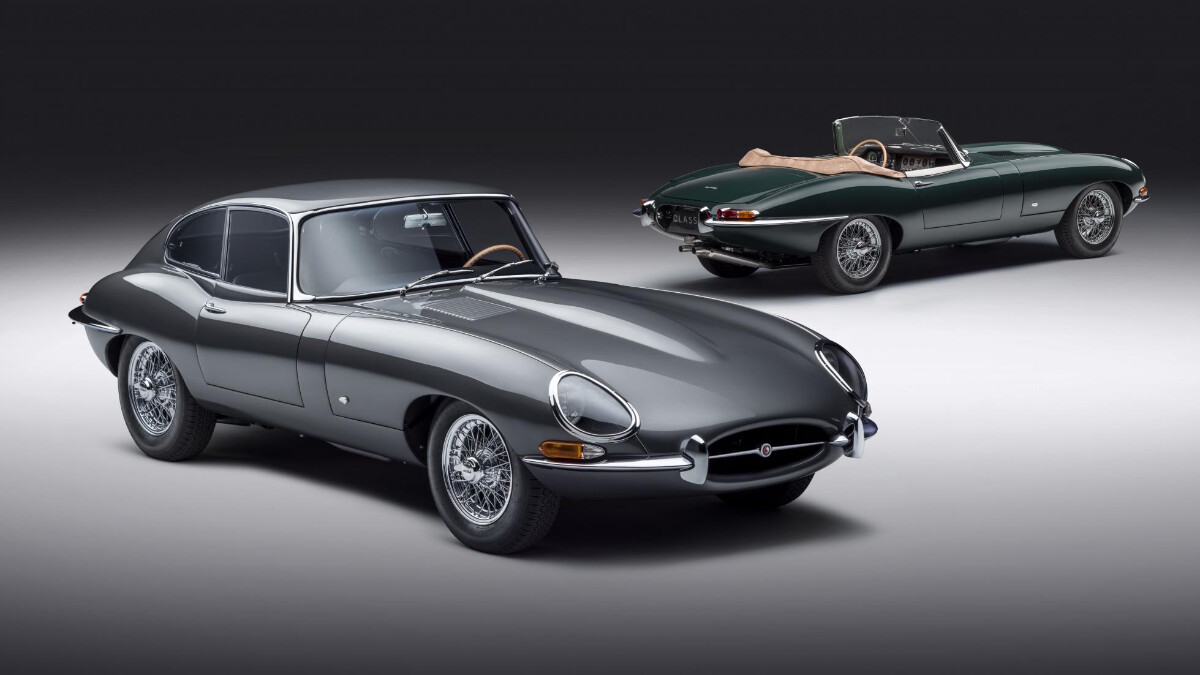
Jaguar made its name in the ’50s and ’60s by winning Le Mans and building cars that could outpace Ferrari and Aston Martin at a fraction of the price. This earned Jaguars an underdog’s aura. The E-Type was beautiful—and a bargain. So was the XK120. The Mk2 was just as comfortable being a getaway car in a bank job or a racer, as it was carrying politicians and royalty.
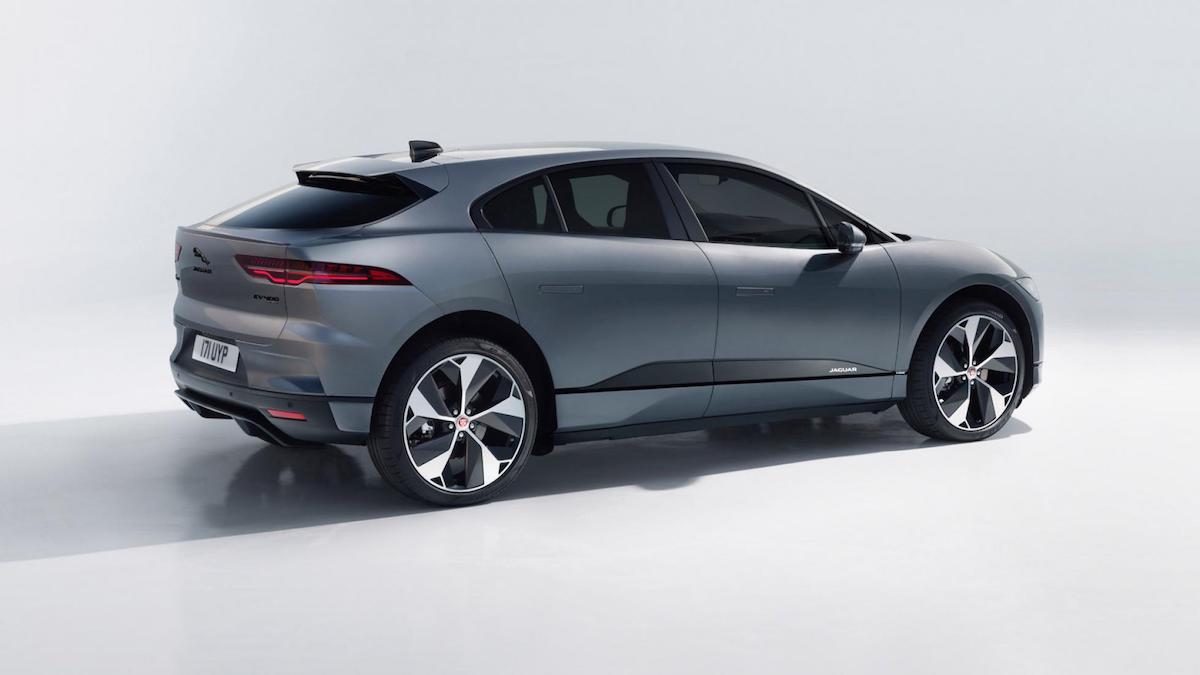
Even when Jaguar went radical—like with the XJS coupe—they were still decked out in leather, wood, and forty-seven ounces of raffish, laid-back charm. And so it went. The all-aluminum early-2000s XJ was a spaceship dressed in tweed. The I-Pace beat Audi, BMW, and Mercedes-Benz to open the premium electric-SUV market...but it was still pretty. And it drove better than any of its rivals, then or now.
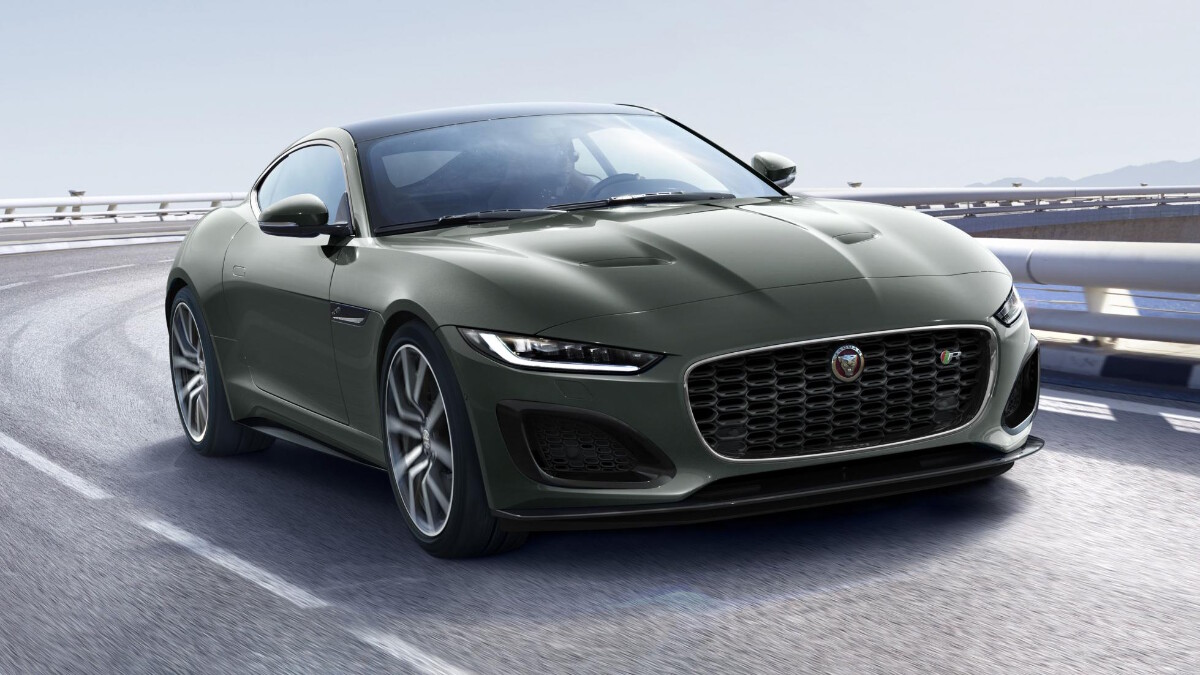
People who love Jaguars love them the way they’ve always been: that solid Britishness paired with a debonair sense of humor and an effortless Savile Row style. The ‘Jaaaag’ factor was what made the ultra-suave ‘Good To Be Bad’ ad campaign so effective, tapping into the idea that “bad guys drive Jags,” with the likes of Mark Strong, Tom Hiddleston, and Sir Ben Kingsley all playing second fiddle to the raucous roar of an F-Type V8. The new Jag vision, though, almost seems ashamed of all that.
Plus, Jaguar’s top brass haven’t apologized: They’ve doubled down. The official Instagram account has been replying to open-mouthed viewers with pure sass, while Jaguar boss Rawdon Glover told the Financial Times: “If we play in the same way that everybody else does, we’ll just get drowned out. So we shouldn’t turn up like an auto brand.” He also decried the ‘anti-woke’ reaction as “vile hatred and intolerance.”
Did Jaguar need to do this?
Well isn’t that the $100,000 (before options) question? After all, if Jaguar is so loved, why bother with an expensive rebrand? It has heritage the Chinese newcomers would kill for, and you’re more likely to let one out into traffic than an Audi.
Why move the next generation of cars out of the reach of most people who could afford the current ones? Why go electric as the whole EV transition stumbles amid high-energy prices, eye-watering depreciation, and stuttering net-zero targets?
Here’s the nasty truth that’s been lost in the storm of vitriol: Jaguar doesn’t sell enough cars. Not just at the moment: It hasn’t been consistently profitable for years. Decades.
CEOs come and go. Parent brands change. And Jaguar changes tack...but it never makes money. In the last financial year, JLR sold 58,000 Range Rovers, 28,700 Defenders, and just 13,528 Jaguars in total. It’s not just a recent slump, either.
In the last decade, Jaguar pitched itself as a rival to Audi, BMW, and Mercedes-Benz. But even in its peak year of 2019, annual sales topped out at just over 610,000 units—less than two-thirds of its goal of one million. At best, for every Jaguar XE customer, there were six BMW 3-Series buyers.
Where has Jaguar been going wrong?
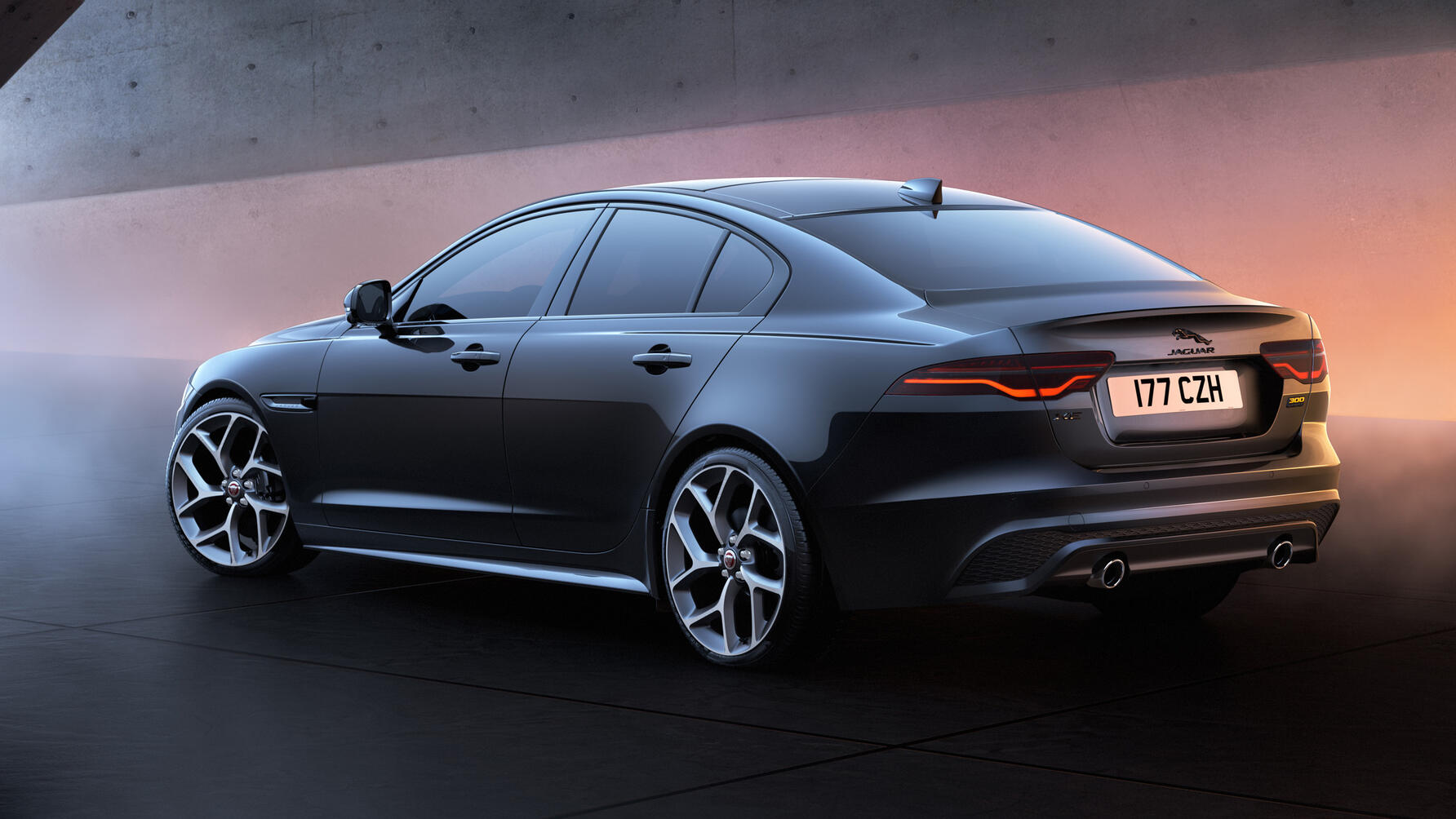
Before the recent mass-market “let’s challenge BMW and Audi” era (which gave us two sedans, a wagon, two SUVs, a sports car, a limo, and an EV), there was the retro era: When the S-Type and the X-Type harked back to Jaguar’s buxom heyday styling.
Even when going up against Bangle’s controversial BMW designs, back when Lexus was still mainly seen as the car your dad’s golf instructor’s grandfather would drive...Jaguar’s retro models bombed. And the brand was crucified for appearing stuck in the past.
Through the ’70s, ’80s, and ’90s, Jaguar had some brief highs. It won Le Mans in 1988 and 1990, and the mid-’90s XK was widely admired. But more often than not, the marque was derided for poor reliability and dismal after-sales service. In hindsight, though, history has been kinder to Jaguar.
Take the XJ220: Now revered as one of the greatest ’90s supercars. But upon its launch, it was criticized for its size and weight, and for ditching the concept car’s naturally aspirated V12 in favor of a twin-turbo V6 from a Metro rally car. And guess what? Deposits hemorrhaged, and production was cut short.
Didn’t Jaguar already try going electric?
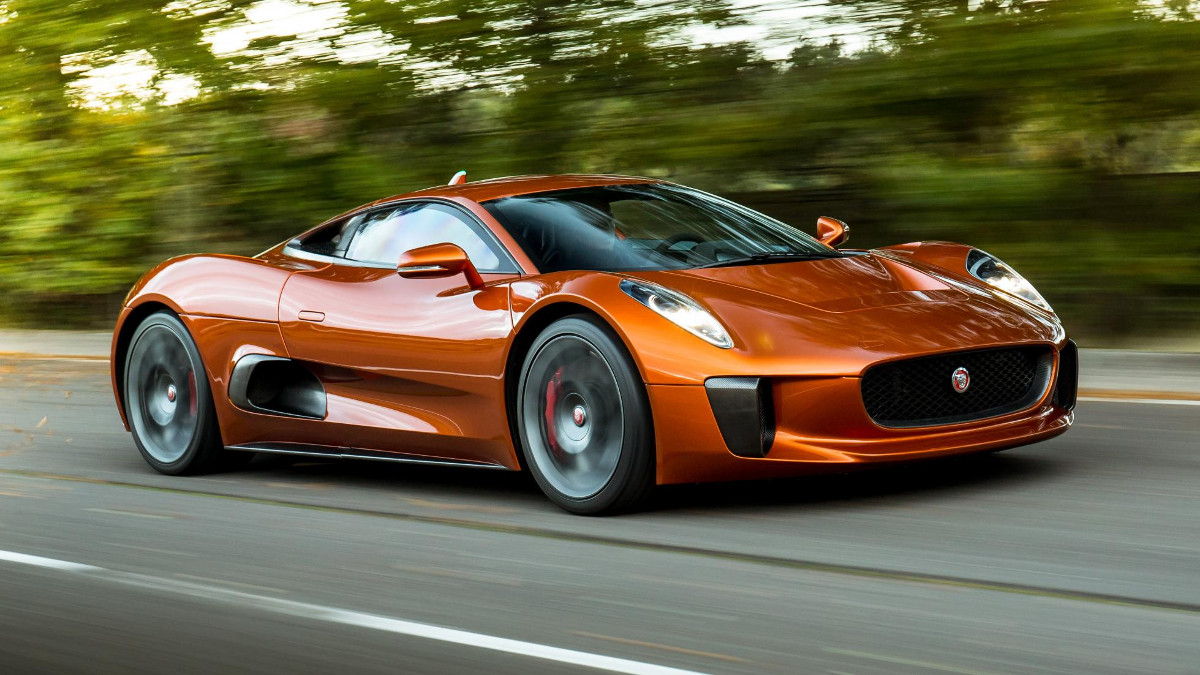
You might think Jaguar already had an electric standard-bearer with the I-Pace, but that car turned out to be a financial black hole. Jaguar had to pay Austrian contractor Magna Steyr to build it for them. Not good: EVs have thin profit margins, and Jaguar lacked the financial clout to offer attractive lease deals. The C-X75 hybrid hypercar was canceled to avoid making a loss. The Formula E support series featuring I-Paces lasted only two awkward seasons.
Meanwhile, in V8 land, Jaguar invented a racing series to promote the Project 8 super sedans...which never happened. The F-Type, hailed by critics as the quintessential embodiment of ‘Jag-ness,’ was outsold four to one over its 11-year run by the Porsche 911.
So where does this rebrand leave Jaguar now?
The painful truth is that, due to a lack of R&D budget, it’s been a long time since Jaguar produced a truly class-leading car. ‘Handsome’ and ‘good to drive’ are usually a given, but for the most part, the cars haven’t been able to mount a serious challenge to the German and Japanese dominance—which is now being threatened by Korea and China. Having already tried being retro, a mass-market German rival, and a low-volume alternative, it feels like this reinvention into an ‘EV-only boutique’ is Jaguar’s last roll of the dice.
However, Jaguar has riled up a lot of people who clearly love and care about the brand in the process. These people feel abandoned—like Jaguar no longer wants their business, or is even actively trying to shun them. The question is, how many of these traditional Jaguar fans actually bought their cars? And if enough of them did, would Jaguar even be considering such a risky reset?
When will we know if Jaguar’s rebrand worked?
It could be the disruptive marketing play of the century—or a deep hole to dig out of. The first clue as to how this will play out will come on December 3rd, when the new car is revealed. Keep an eye here for all the news—and fallout—first.
NOTE: This article first appeared on TopGear.com. Minor edits have been made.