This may be common knowledge to regular commuters, but if you don’t ride the Light Rail Transit Line 1 (LRT-1) often, you might be surprised to hear Philippine history trivia playing over the PA system on select fourth-generation trains. After the standard “next station” announcement, commuters sometimes hear a short fact about the station’s namesake, detailing a historical figure, a place, or a significant event.
Learn while you travel on the LRT-1
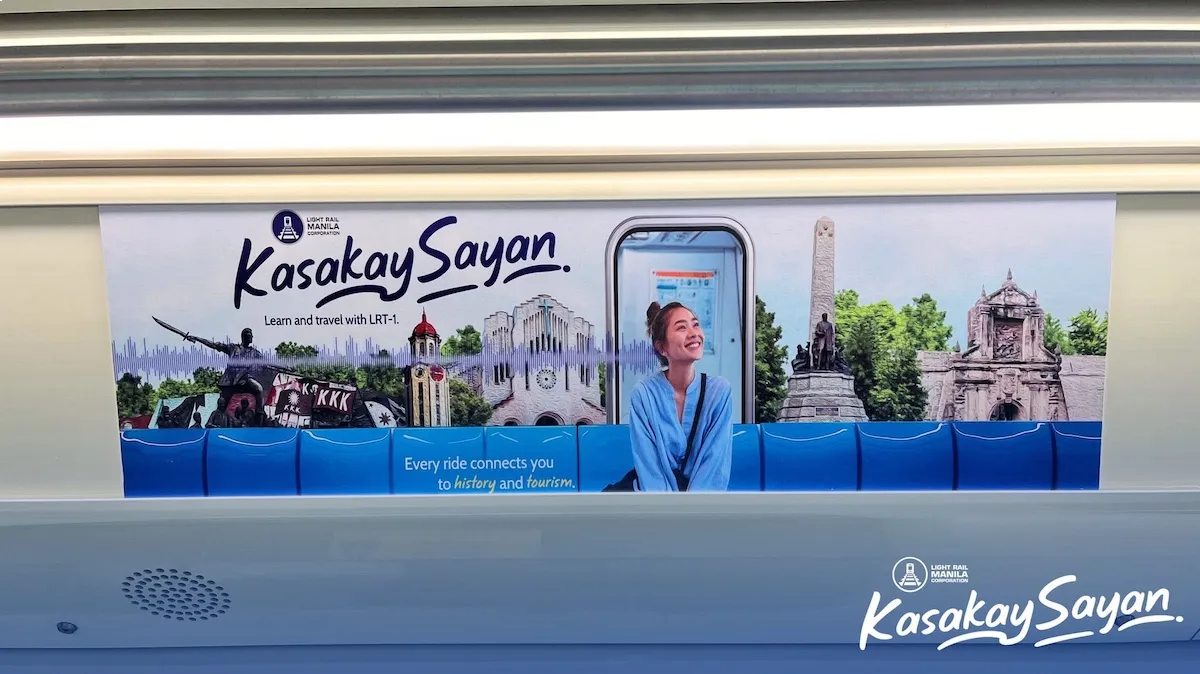
The initiative, called KasakaySayan, was launched by the Light Rail Manila Corporation (LRMC), the private operator of the LRT-1 line, back in December 2025 as part of its branding of LRT-1 as the country’s ‘Heritage Line.’ Created in partnership with DDB Group Philippines and heritage advocacy group Renacimiento Manila, the program turns ordinary commutes into bite-size history lessons.
ALSO READ:
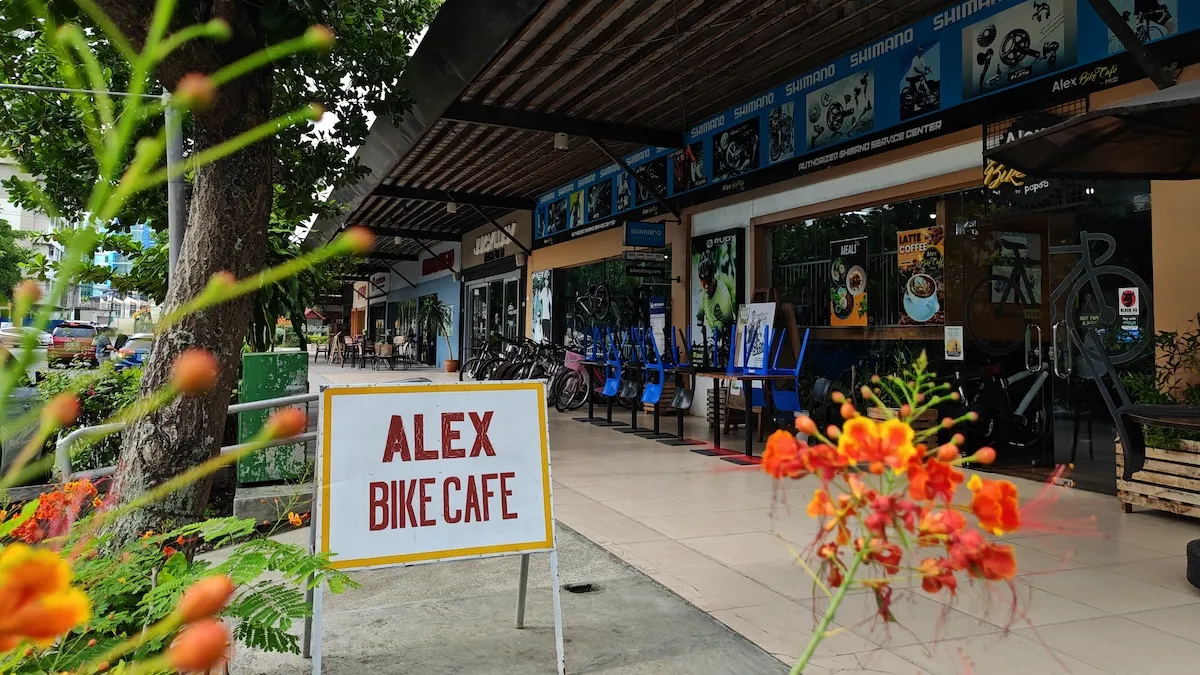
Guide: Bike parking spots near the MRT/LRT stations
LRT-2 commuters: You can now use cashless options to pay for your fare
As the oldest train line in the metro, the LRT-1 passes through many of Metro Manila’s historic streets, districts, churches, museums, universities, and cultural landmarks. By sharing the stories behind station names, KasakaySayan encourages commuters to appreciate the railway as more than just public transport, but also as a journey through Philippine history.
The origins of LRT-1 station names
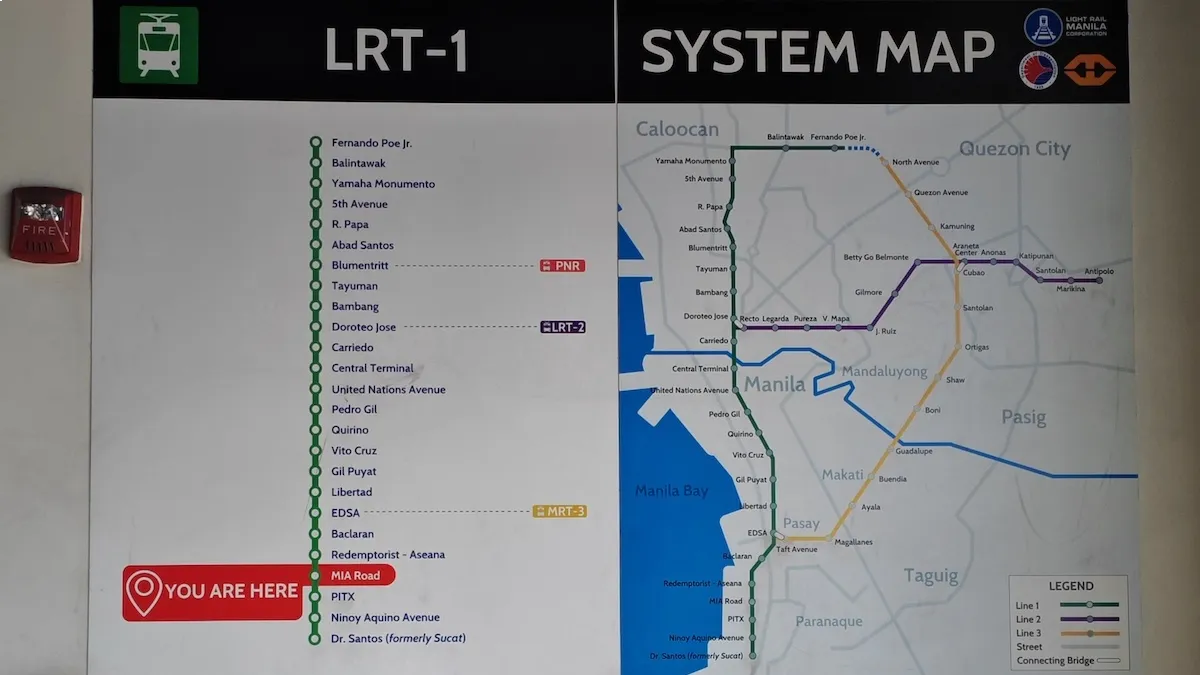
Here’s a look at the origins of just 10 of the 25 operational LRT-1 stations and notable figures and events behind them.
1) Fernando Poe Jr.
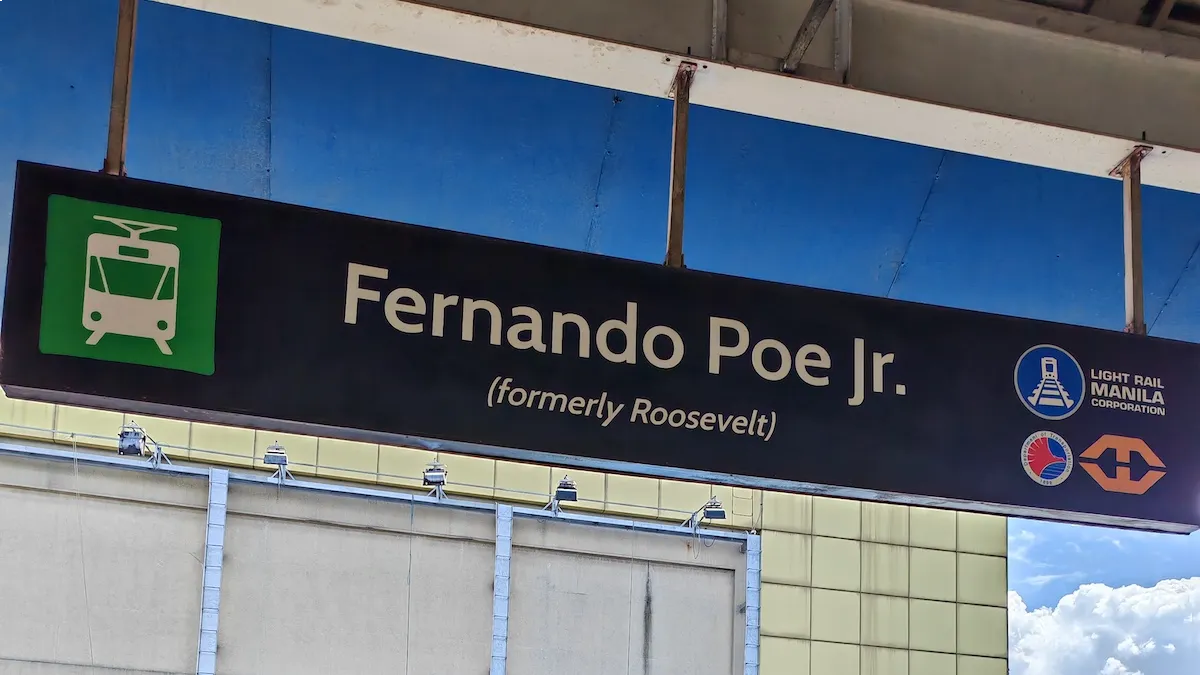
The northern terminus of LRT-1 in Quezon City is named after the late Filipino actor and director Fernando Poe Jr., popularly known as FPJ. ‘Da King’ of Philippine movies starred in nearly 300 films, including Ang Panday, Asedillo, and Ang Probinsyano, and was posthumously declared a National Artist for Film.
The station was renamed in 2023 to align with Republic Act No. 11608, which mandated the renaming of Roosevelt Avenue to Fernando Poe Jr. Avenue to honor the Filipino cinematic icon. In case you’re wondering, the former Roosevelt Avenue is where FPJ’s ancestral home stands.
2) Balintawak
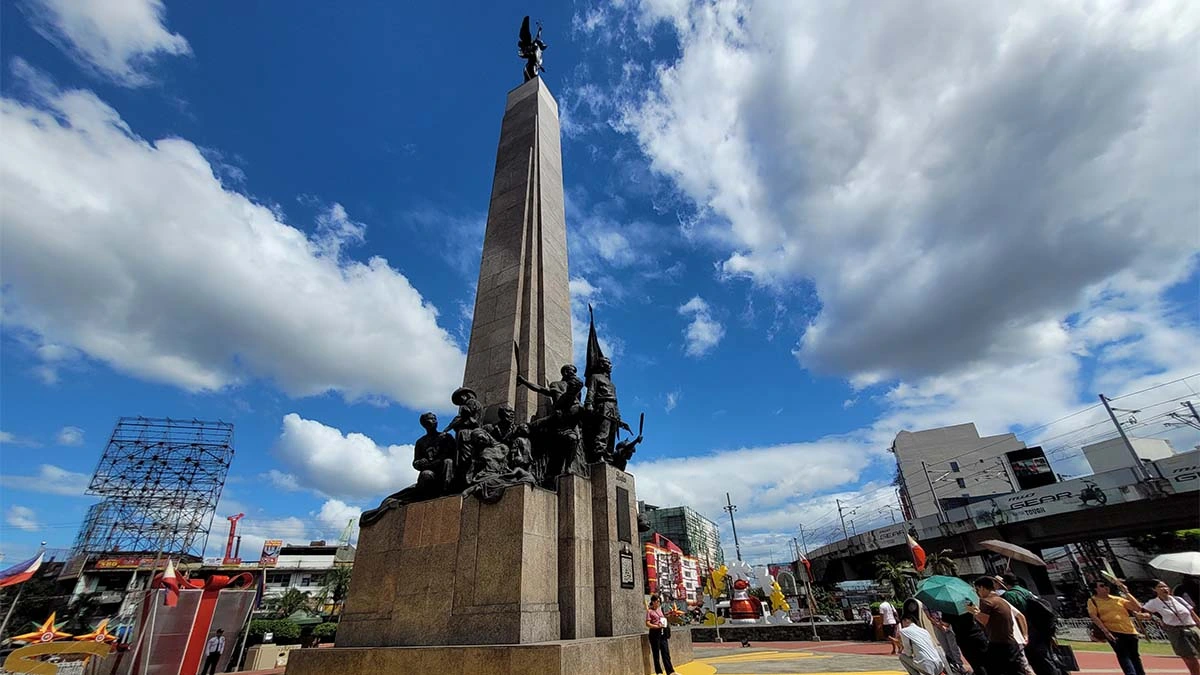
Balintawak Station sits near the Quezon City–Caloocan boundary. While balintawak can refer to a traditional Filipiniana dress, the area is best known for the Cry of Balintawak, or Cry of Pugad Lawin, which marked the start of the Philippine Revolution against Spain in August 1896.
It was here that Andres Bonifacio and the Katipuneros tore their community tax certificates (cédulas) as a symbolic rejection of Spanish colonial rule.
3) Yamaha-Monumento
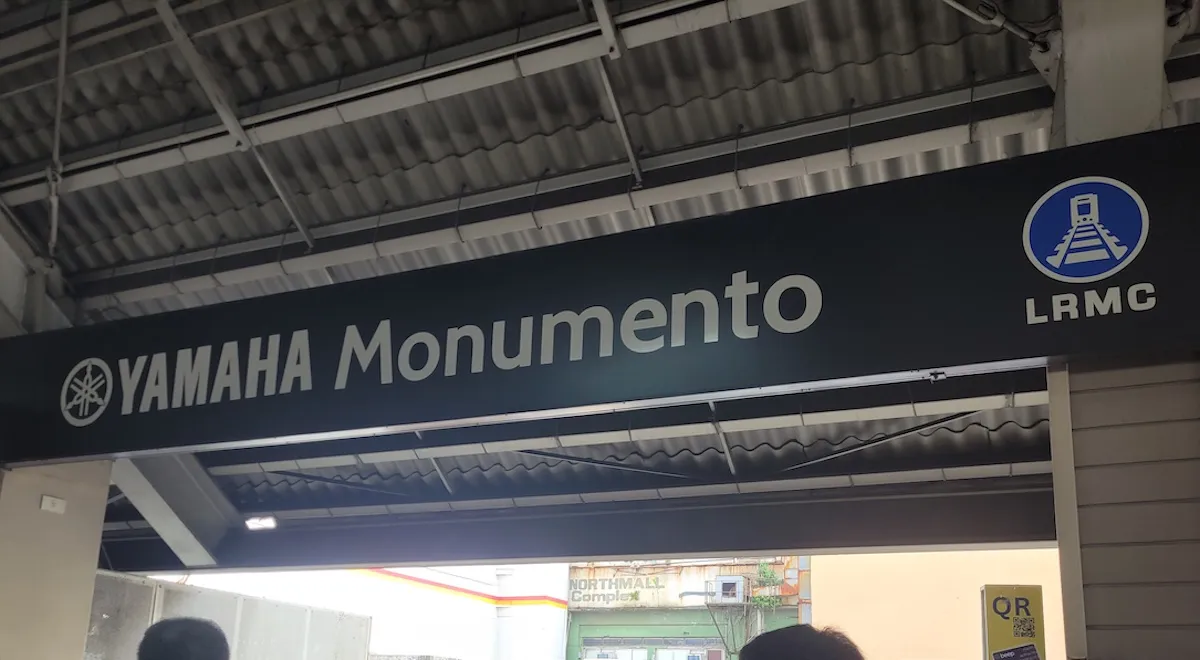
Originally called Monumento Station, this station takes its name from the nearby Bonifacio Monument by National Artist Guillermo Tolentino, which honors revolutionary Andres Bonifacio.
But what does Japanese motorcycle brand Yamaha have to do with this station? The station was renamed Yamaha-Monumento Station in 2018 as part of a corporate naming rights and advertising partnership between the station’s operator, the LRMC, and Yamaha Motor Philippines.
The location was reportedly chosen because it’s one of the busiest stations for foot traffic and serves Caloocan City, often referred to as the country’s ‘Motorcycle Capital.’
4) Abad Santos
This station honors Chief Justice José Abad Santos, who served as acting commander-in-chief during World War II. Abad Santos refused to cooperate with the Japanese occupation forces and was executed in 1942. he is one of the three Filipino heroes featured on the country’s P1,000 banknote, alongside Josefa Llanes Escoda and Vicente Lim.
5) Doroteo Jose
The main transfer station between LRT-1 and LRT-2 is named after patriot Doroteo Jose, who was arrested by Spanish authorities in 1898 for leading a movement against a corrupt archbishop. The station and the street it occupies in Santa Cruz, Manila (formerly known as Melba Street), were named in his honor in 1914.
6) Pedro Gil
Pedro Gil Station is named after Dr. Pedro Gil, a physician, journalist, labor leader, and legislator who dedicated his career to public service. Located in Ermita, the station sits along Pedro Gil Street, formerly known as Herran Street.
7) Vito Cruz
Vito Cruz Station is named after Hermogenes Vito Cruz, the 19th-century mayor of Pineda, now part of Pasay City. Cruz was also a Katipunan leader who fought against both Spanish and American colonial forces.
8) Gil Puyat
The station is named after prominent businessman and former Senator Gil J. Puyat, who served from 1951 to 1972. Before the avenue was renamed in his honor, it was known as Buendia Avenue after Senator Nicolás Buendia. Despite the name change, many commuters and motorists still popularly refer to the area as ‘Buendia.’
9) EDSA
EDSA Station connects directly to Taft Avenue Station of the Manila Metro Rail Transit Line 3 (MRT-3), making it one of the metro’s busiest transport hubs. While many associate EDSA with the 1986 People Power Revolution, the avenue’s name stands for Epifanio de los Santos Avenue, honoring historian, jurist, and scholar Epifanio de los Santos. Formerly known as Highway 54, the road was renamed to recognize one of the country's foremost intellectuals.
10) Dr. Santos
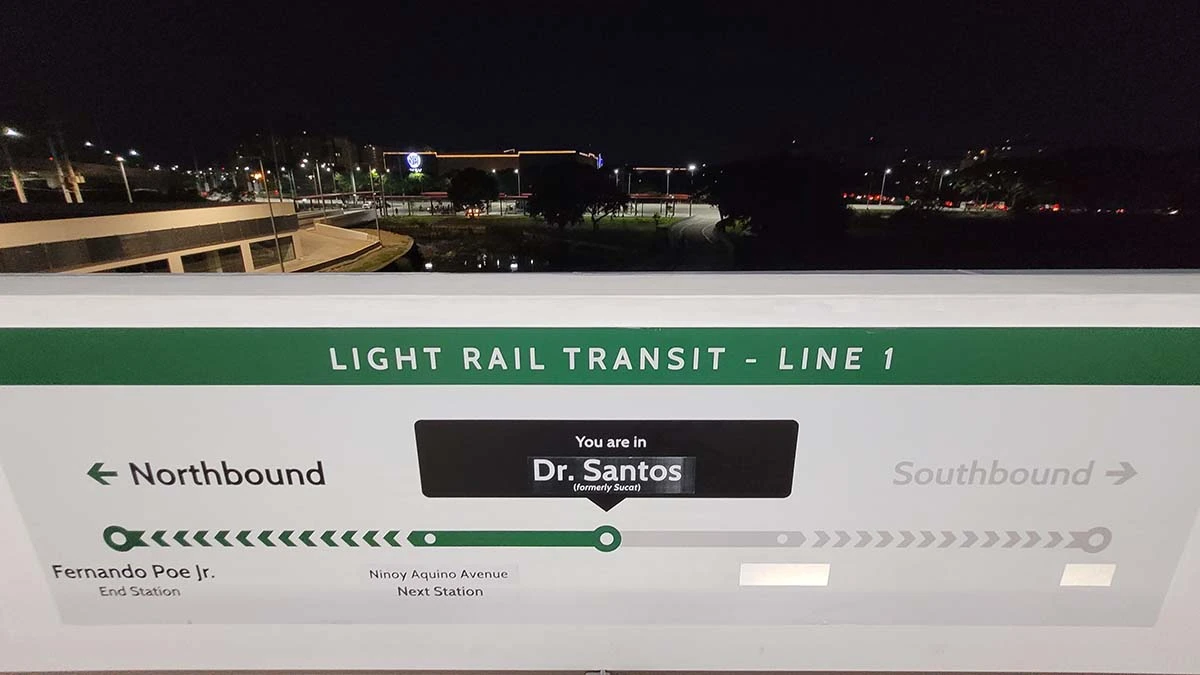
The southern terminus of LRT-1 is named after Dr. Arcadio Santos, a physician, revolutionary, and former governor of Rizal from 1920 to 1922. The station was formerly known as Sucat Station since it lies on Sucat Road, on the border of Muntinlupa and Parañaque. Before it became part of Metro Manila, some sections of Parañaque were previously part of the province of Rizal.
Whether you’re a daily commuter or an occasional passenger on the LRT-1, you might want to listen more closely to the announcements during your ride. The audio trivia offers a fun and novel way to appreciate the people, places, and events that helped shape Philippine history.
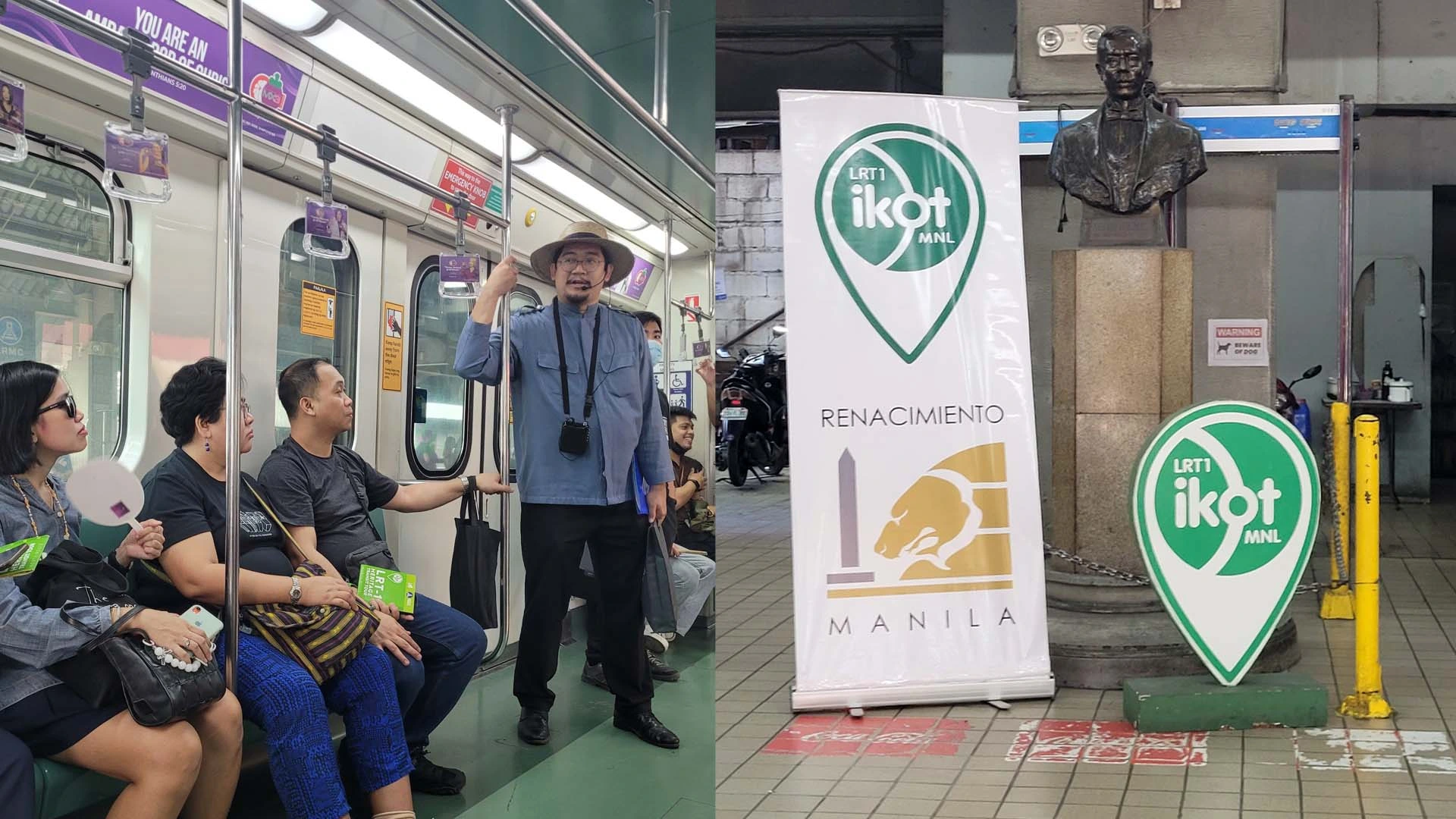
In case you want to get a deeper history lesson and check out landmarks near stations you haven’t explored, the heritage group Renacimiento Manila also offers unique heritage transit tours aboard the LRT-1 as well as heritage walking tours to overlooked locations. Check out their monthly calendar of events and schedule of tours on their Facebook page.