Say the word Porsche and chances are the iconic 911 comes to mind. After all, it’s the model with the longest running nameplate and one with the strongest heritage. If not that, there’s the countless race cars in ran over the decades. Of course, there’s the Cayenne that has been printing money for the brand for over 20 years, plus the ‘junior’ sports cars in the form of the Boxster and Cayman.
Given the brand’s success now, it’s almost unimaginable that it once struggled for survival and relevance. It all came to a head in the early-‘90s when sales plummeted, profits were non-existent, and production costs were too high. It didn’t help that the US, Porsche’s biggest market at the time, had a recession.
OTHER STORIES YOU MIGHT HAVE MISSED:
Karrera’s successful Daikanyama pop-up event gave a glimpse of how crazy we are about cars
The BYD Seal Advanced makes its debut with a P1.998-M price
The revival plan
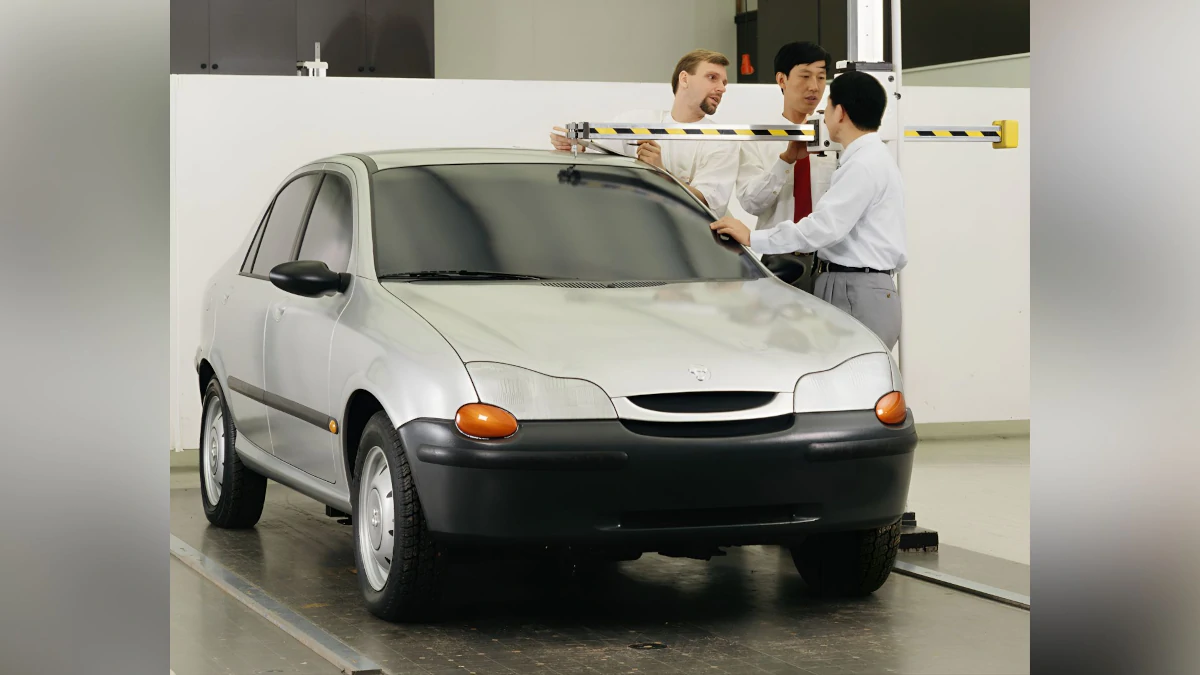
The company was nearly bankrupt by the mid-‘90s. To turn the tide, the folks from Stuttgart responded to an invitation from the Chinese government. Simply dubbed the China Family Car Project, the brief was simple and rather broad: Build a low-priced, efficient, and spacious family car for the People’s Republic.
It was Porsche Engineering that stepped up to the plate. Porsche Engineering is one of the many branches of the German automaker. It provides, er, engineering solutions even outside of the company. Some notable projects include the Mercedes-Benz 500E, Audi RS2, and Opel/Chevrolet Zafira. Yes, that odd, largely forgotten MPV from the late ‘90s.
Meet the Porsche C88
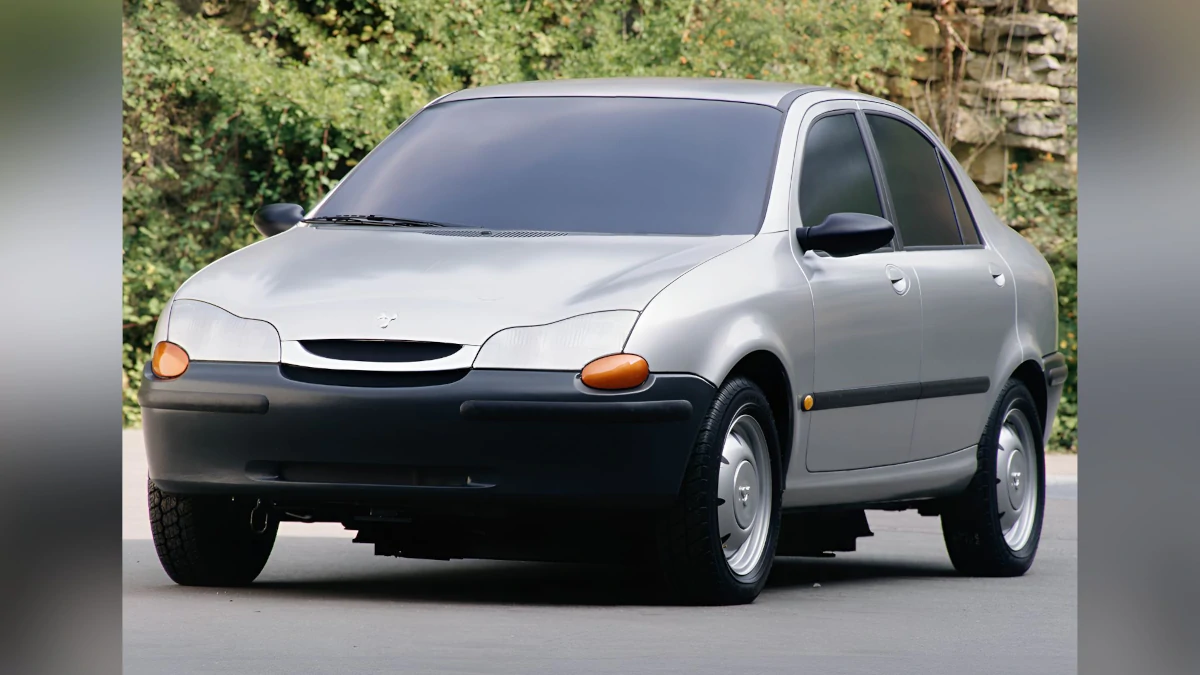
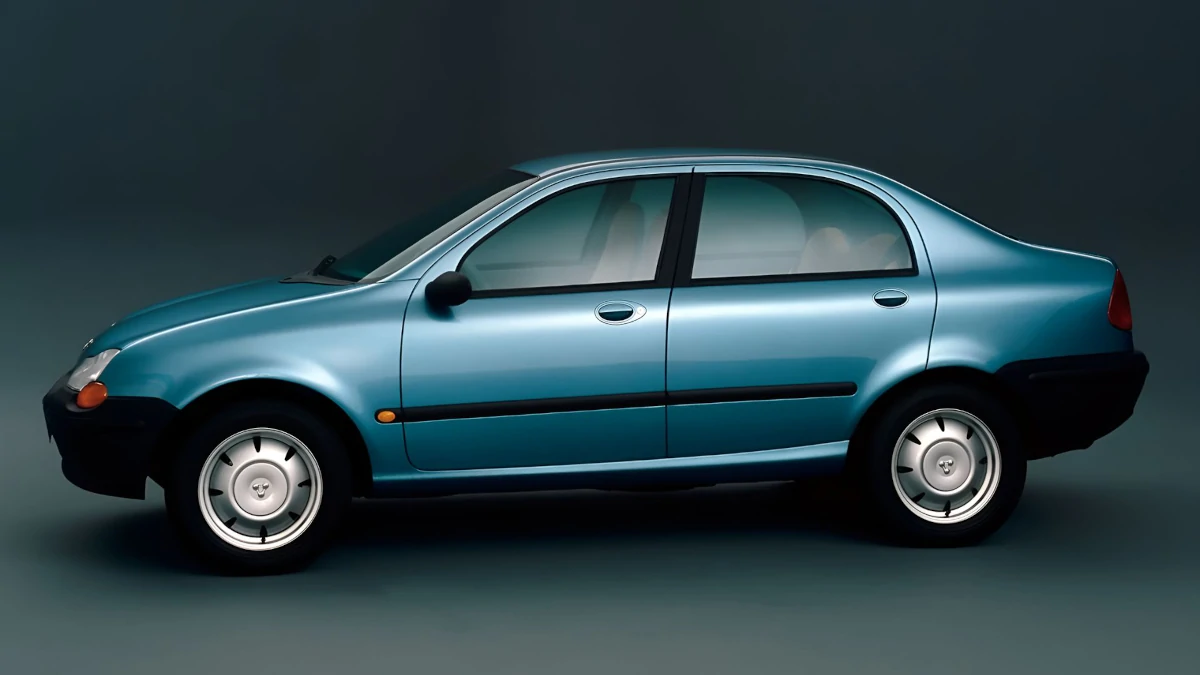
With the brief in hand, the engineers got to work and the result was the C88. The specs make for some interesting reading. It measured 4,050mm long, 1,635mm wide, 1,430mm tall with a wheelbase of 2,450mm. Motivating it was a 1.1-liter flat-four engine and shifted with a five-speed manual. Power was rated at 67hp and 105Nm, not too shabby for the early ‘90s.
In terms of design, the Porsche C88 can be described as ‘of the time.’ After the angular themes of the ‘80s, the small sedan reflected the curvier ‘jellybean’ styling trend that was popular throughout the ‘90s. It had high ground clearance, unpainted bumpers, and to complete the base model look, it rode in steel rims.
The rounded theme carried over to the interior. The dashboard was plastered with circles and ovals all over the place, while the instrument cluster had this funky and playful look to it. Its steering wheel was a simple and no-frills two-spoke design, while the front seats had the headrests built-in to save costs. At the back, the bench seat can with one integrated child seat, a reflection of China’s one-child policy at the time.
Where’s the Porsche badge?
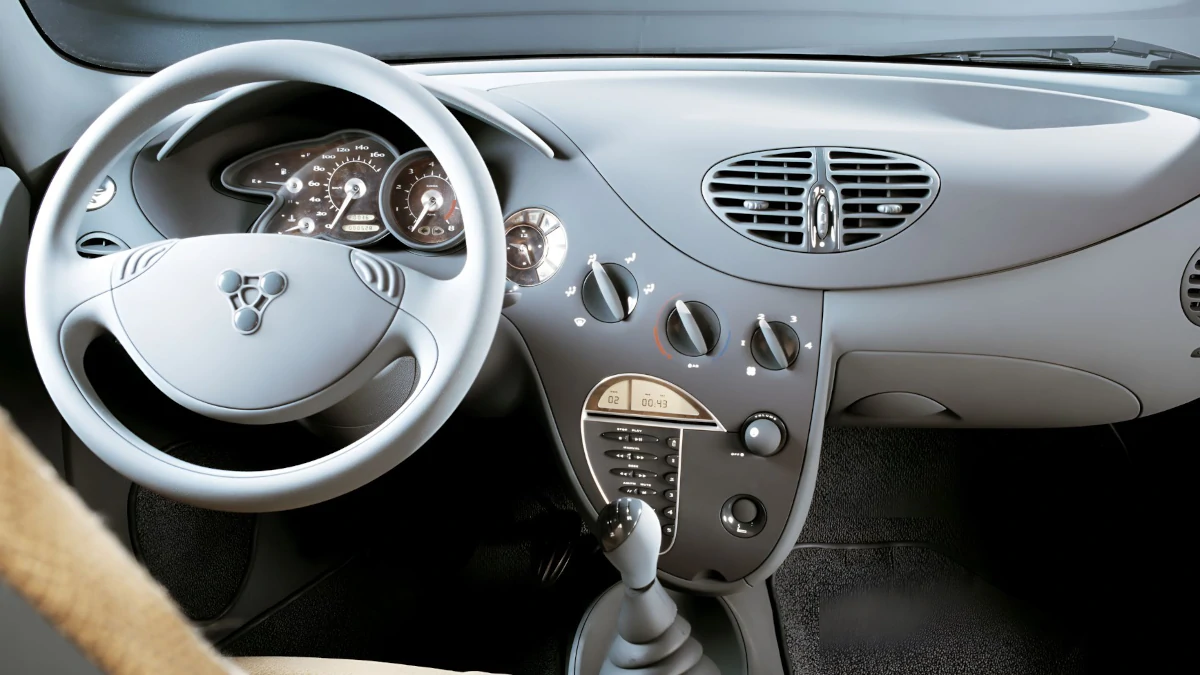
Speaking of the one-child policy, you might have noticed that there’s a distinct lack of Porsche branding in the C88. Instead, what you see is a triangular shape (somewhat resembling a fidget spinner) with three circles on each tip. Those circles represent the mother, the father, and, you guessed it, one child.
Even the name itself was made to appease Chinese officials. It’s unknown what the ‘C’ truly stood for, but it likely means China given the nature of the project. As for the 88, just ask any of your Fil-Chi friends why it matters. To oversimplify it, it’s a lucky number.
What went wrong?
It could be said that the Porsche C88 was one of the most important projects of Stuttgart at the time. Porsche was hemmoraging money by the day and China’s emerging economy and automotive industry would’ve become a potential gold mine for the (then) struggling automaker.
To further emphasize just how vital it was, the CEO at the time, Wendelin Wiedeking, delivered his speed in Mandarin when this car was shown to the world for the first time during the 1994 Beijing Auto Show.
Unfortunately, the rug was pulled from under Porsche and other brands that participated in the China Family Car Program. The government cancelled the program in 1995, leaving Porsche with a car they couldn’t sell and a burning pile of development money that could’ve been used to keep the company afloat for longer.
Porsche later tried selling the design to Indian automakers but ultimately failed to find a buyer. It had all the potential to be turned into a production model, as it was also built according to stringent European standards and ready for export to other emerging markets.
The aftermath
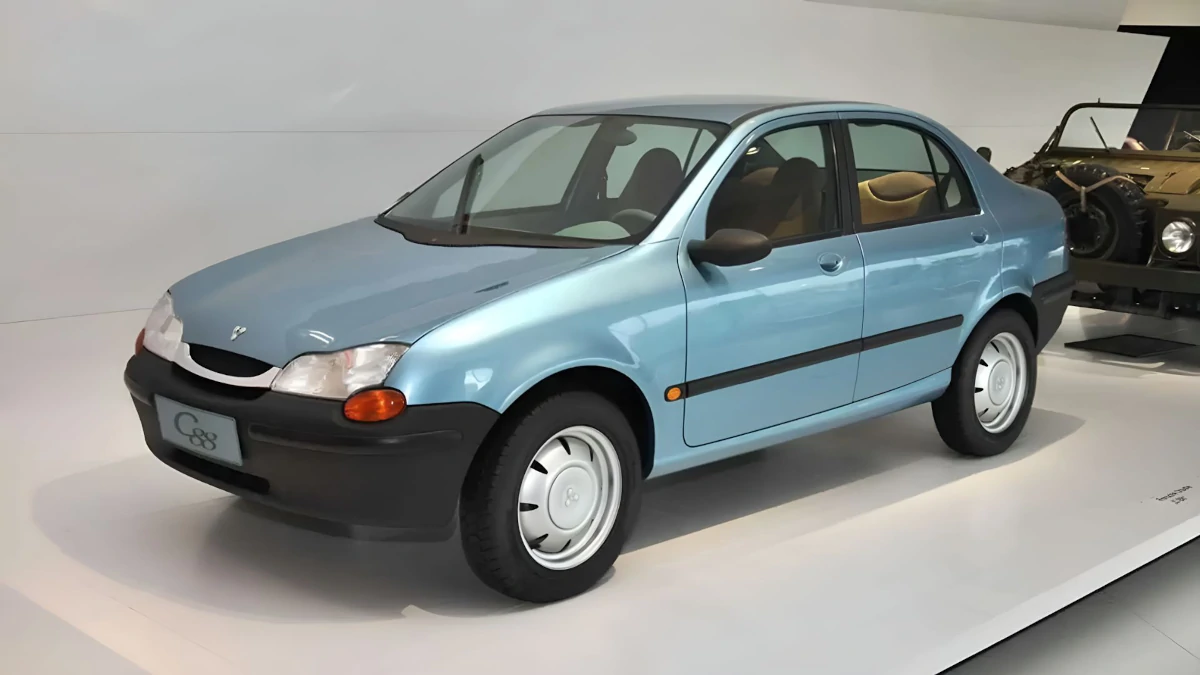
Unfortunately, it wasn’t meant to be and the C88 project was shelved for good. Thankfully, Porsche didn’t scrap the car out of pure spite, it remains on display at the company’s museum.
As for Porsche, it weathered the storm by adopting production methods from Toyota to streamline production and cost. Wiedeking was able to turn the ship around, while Ferdinand Porsche’s nephew, Ferdinand Piëch, swooped in to become the chairman and CEO of the Volkswagen Auto Group, of which included Porsche.
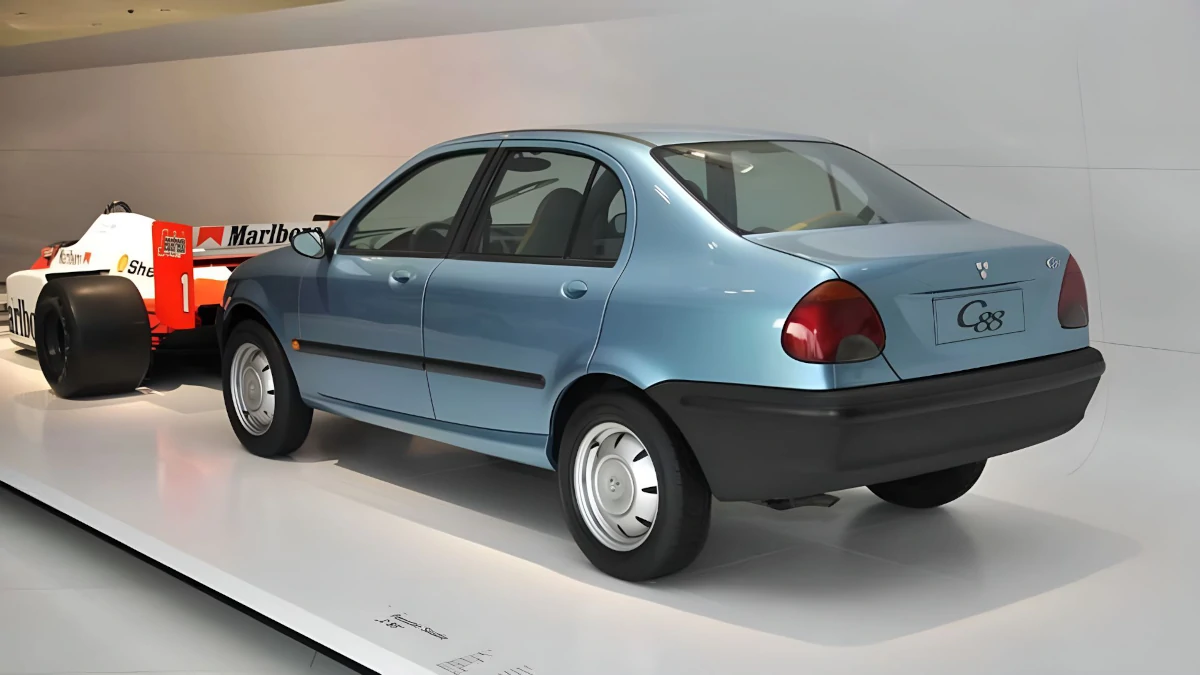
Despite the stumble, it’s safe to say that Porsche has bounced back stronger than ever. The C88 might have failed in its role to bring more profit and revenue to the brand, but the company’s recovery began to pick up by the late 90’s with the 997-generation of the 911 and first-generation Boxster.
But in 2002, Porsche’s fortunes would go even higher thanks to a particular SUV. That model is none other than the Cayenne, but that’s a story for another day.