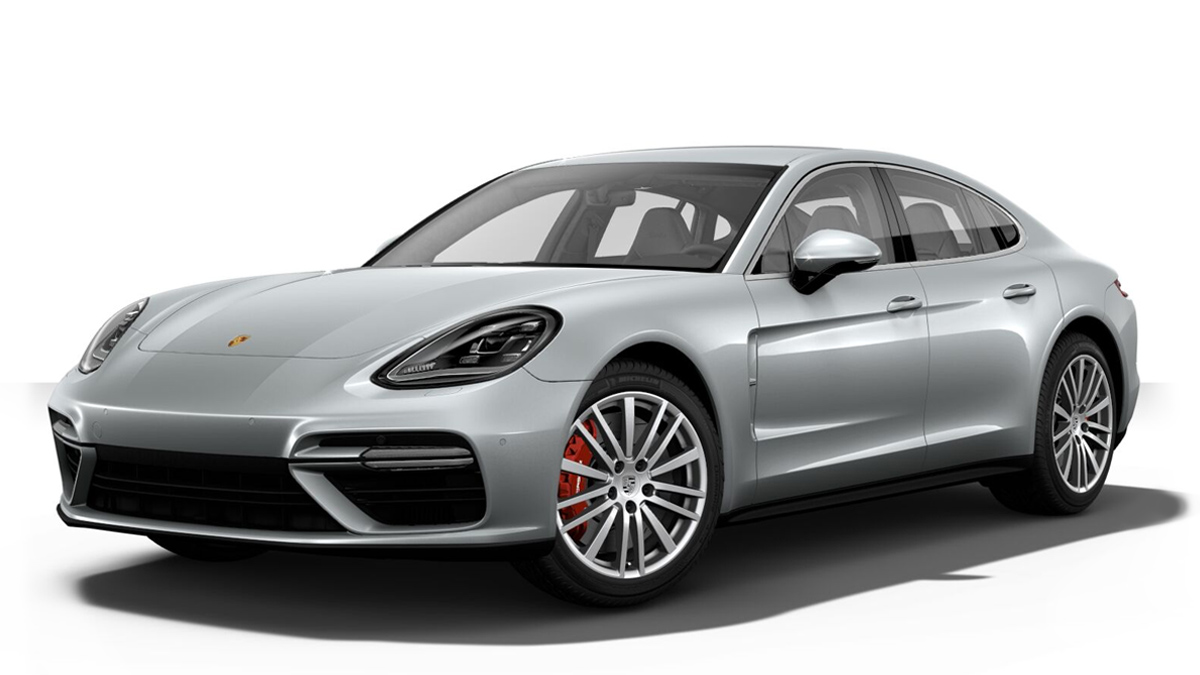
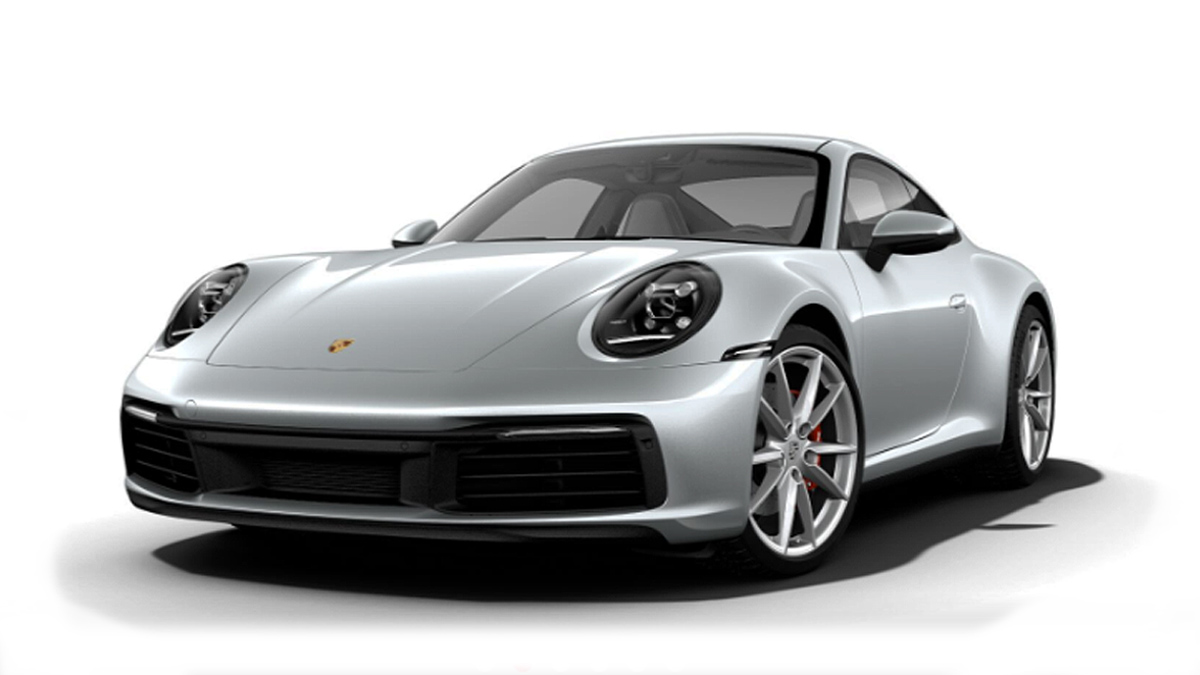

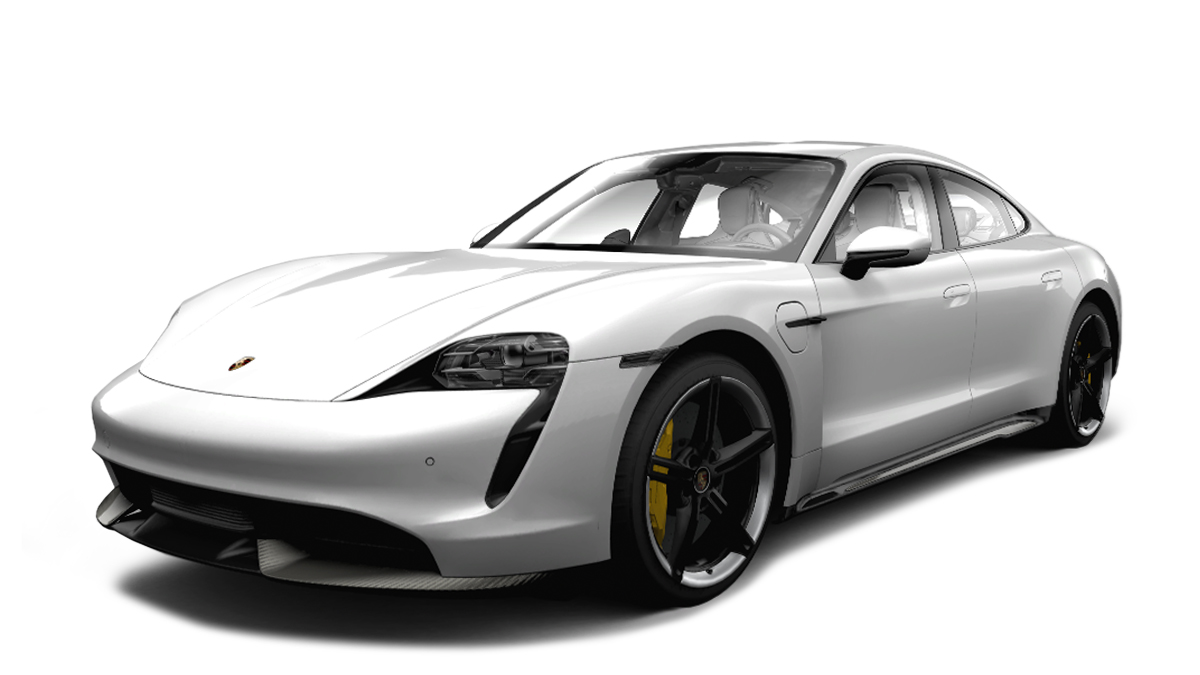
To say Porsche is an established and fabled nameplate is a gross understatement to the brand. A highly desirable brand, Porsche’s cars have been the dream of many with its appeal going beyond enthusiasts.
As the Stuttgart-based automaker celebrates its 75th anniversary, now is a good time to look back at the much-celebrated brand. With a lot of photos, of course.
OTHER STORIES YOU MIGHT HAVE MISSED:
Flying out today? PAL is warning motorists of heavy traffic leading to NAIA
Car-free Sundays on Ayala Avenue will be extended until 2024
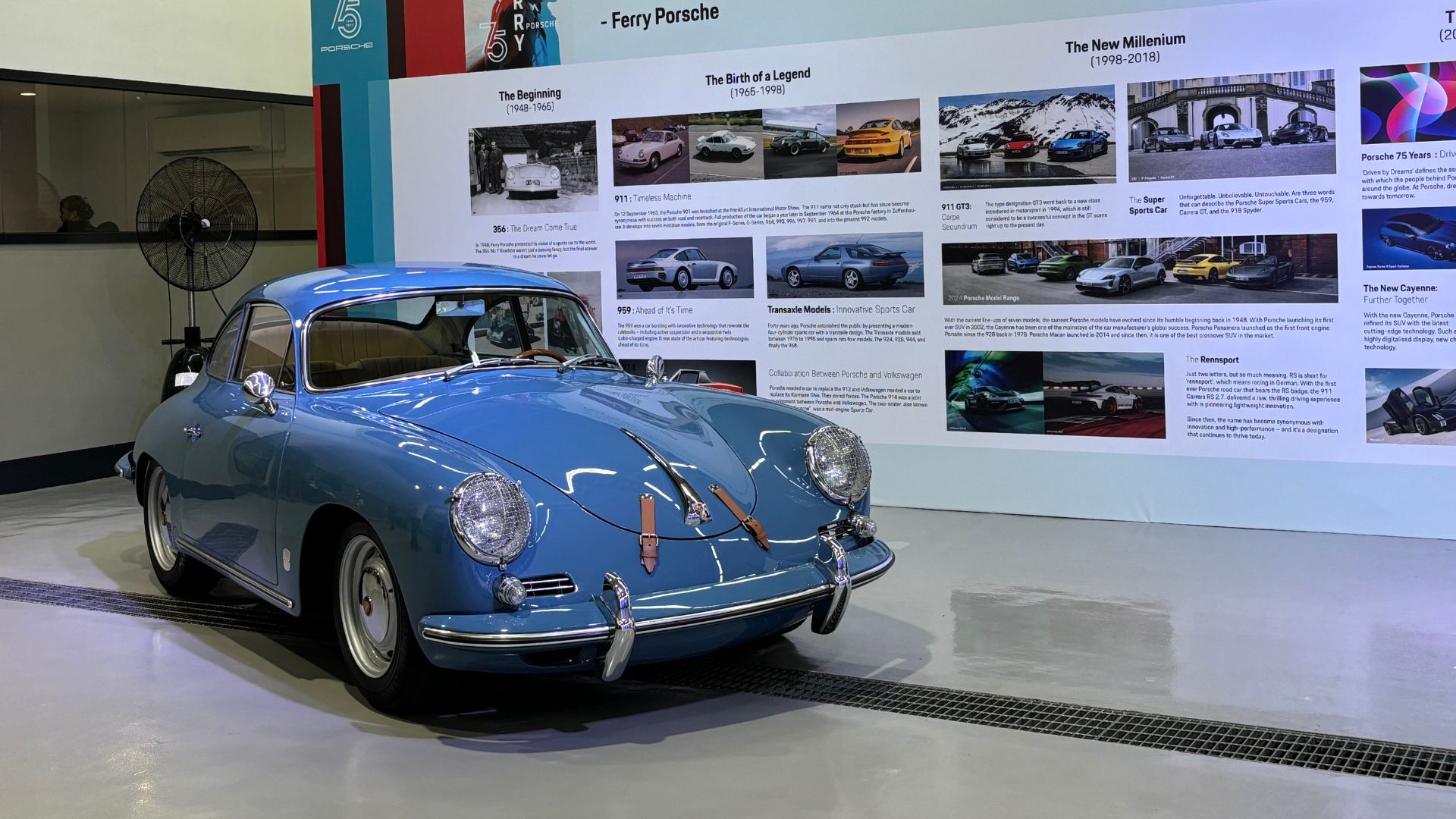
Porsche 356: Where it all began
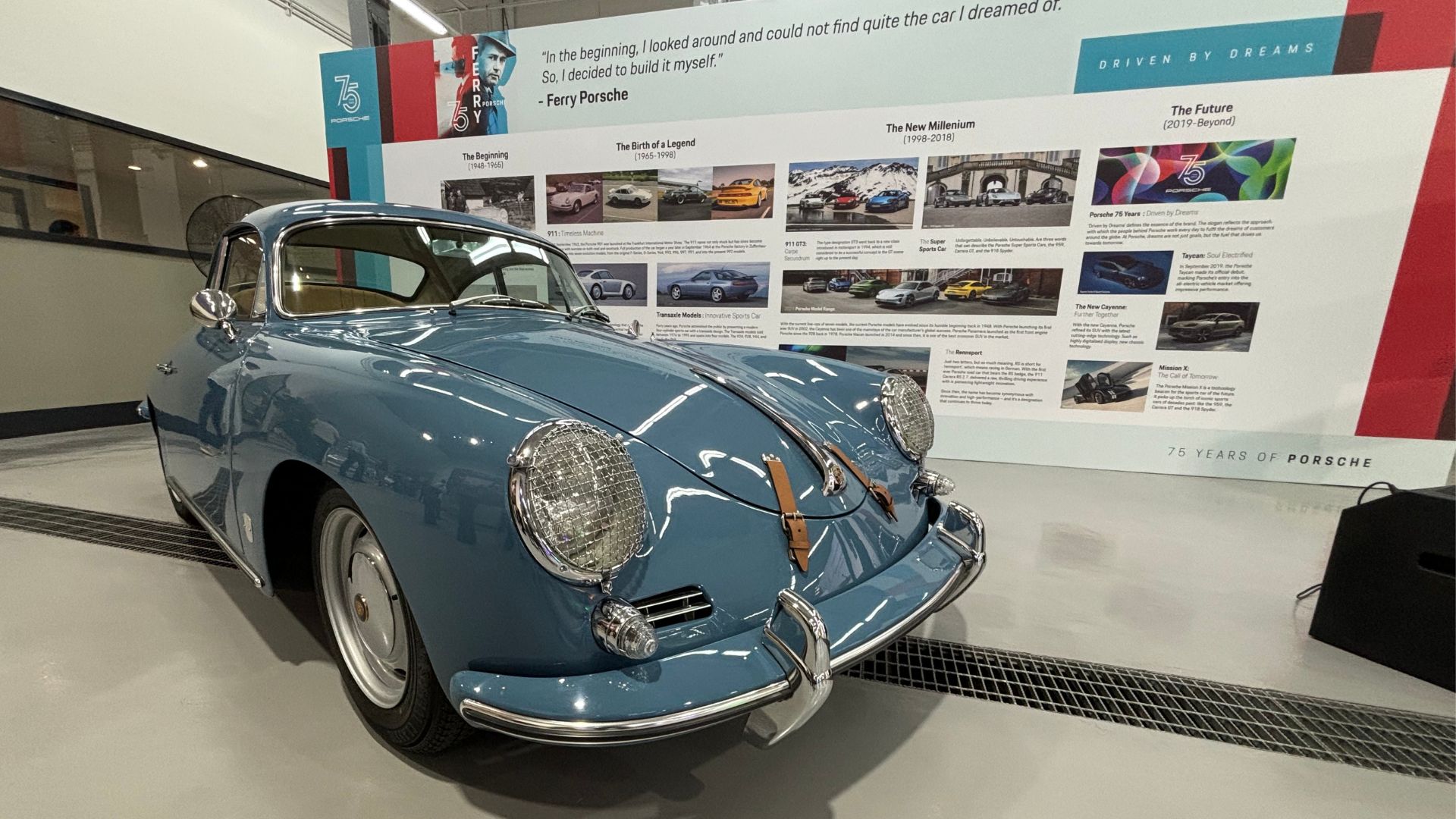
If you’re reading this, we’re sure you know about the company’s founder and namesake, Ferdinand Porsche. There’s a lot to cover about the man himself, and we reckon that deserves its own story. In this case, we’re starting off with the company’s first post-war sports car.
That model is none other than the 356. Launched in 1948, it was inspired by the Type 64 race car that was supposed to compete in the 1939 Berlin to Rome rally. The 356 was to be the only Porsche production model that its founder saw roll off the line.
It was primarily the brainchild of Ferry Porsche, Ferdinand’s son, and it utilized parts from the Volkswagen Beetle) car designed by his father. The early cars had aluminum bodies, all of which were hand-crafted. Production ran from 1948 to 1965, succeeded by a car that would define the company.
Enter, the 911
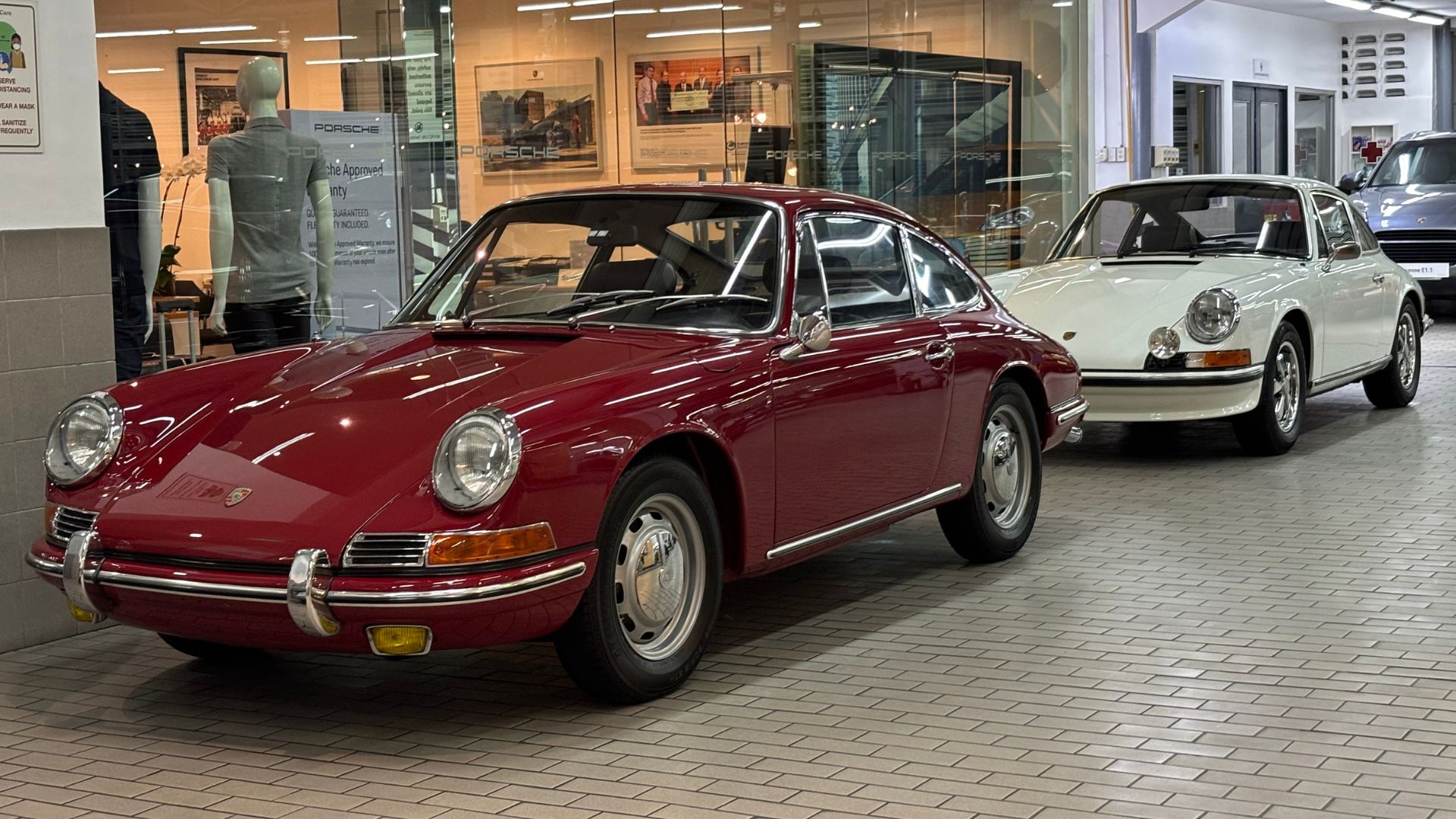
To oversimplify, Porsche wouldn’t exist without the 911. Aimed to be a larger, more comfortable, and more powerful replacement for the 356, it’s now known as one of the cars that defines the genre.
It was introduced in September 1964, the 911 was supposed to be called the 901. However, the folks from Peugeot thought it sounded a little too much like its naming convention. For the sake of avoiding long and tedious legal battles, the company decided to replace the 0 with a 1. We have to admit, ’nine-eleven’ has a nicer ring to it than ‘nine-o-one’.
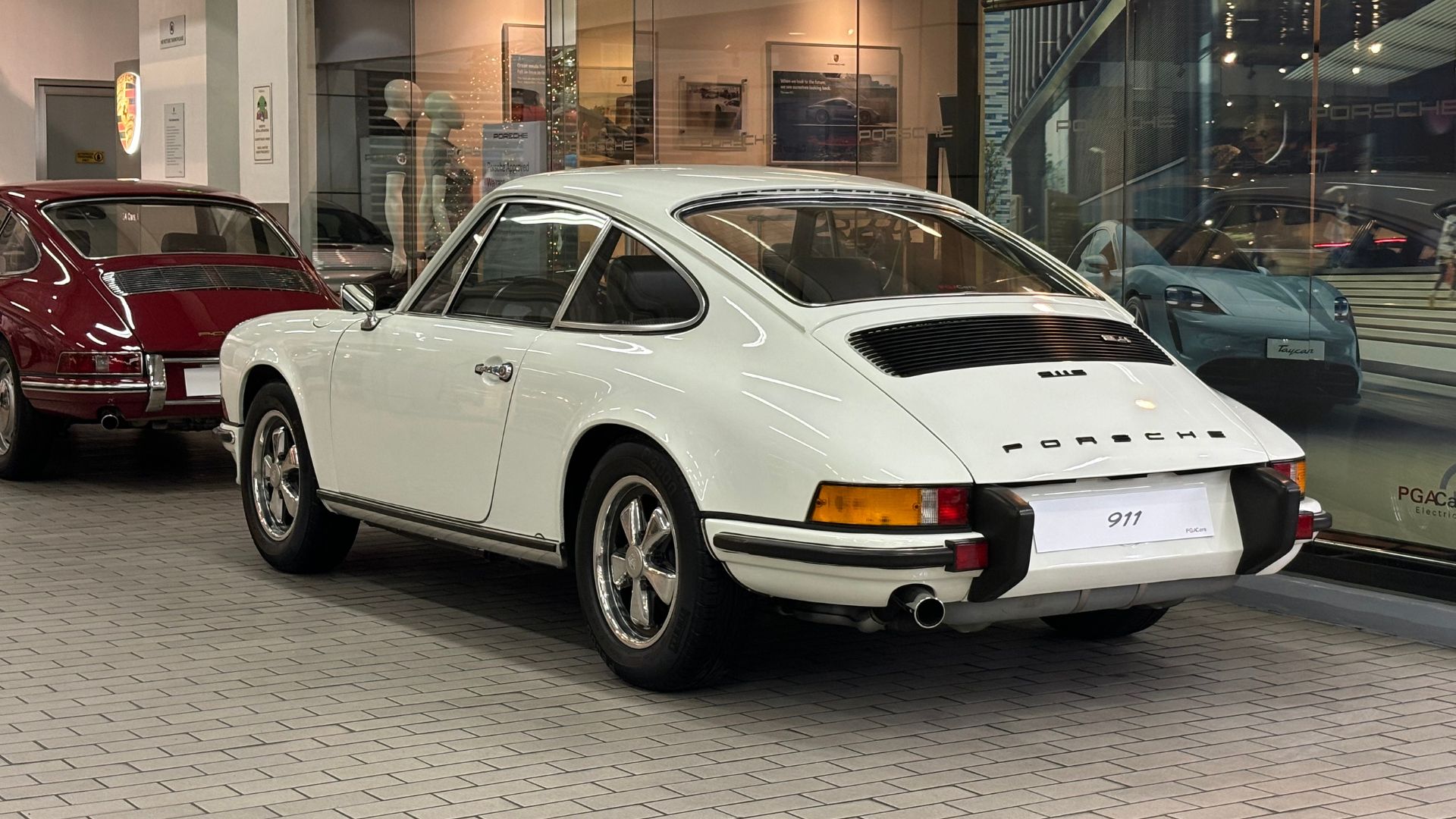
The first models came with a 2.0-liter flat six engine that made 128hp, but a 1.6-liter model was introduced in ’65. The ‘Economy’ model produced just a hair over 100hp.
Over time, its engine size grew and so did power output. There were different wheelbase and hood length variations, and its distinctive hips got wider and wider.
The classic 911 would soldier on relatively unchanged for over a decade with styling tweaks and updates to keep it fresh. Porschephiles know about this, but there actually was a time where it faced the chopping block.
Replacing an icon?
As appealing as it was, sales of the 911 were declining by the early ‘70s. At the time, Porsche only had two models on offer, the 911 itself and the quirky mid-engine 914. With production stagnating, it was decided that a replacement for the 911 was to be developed.
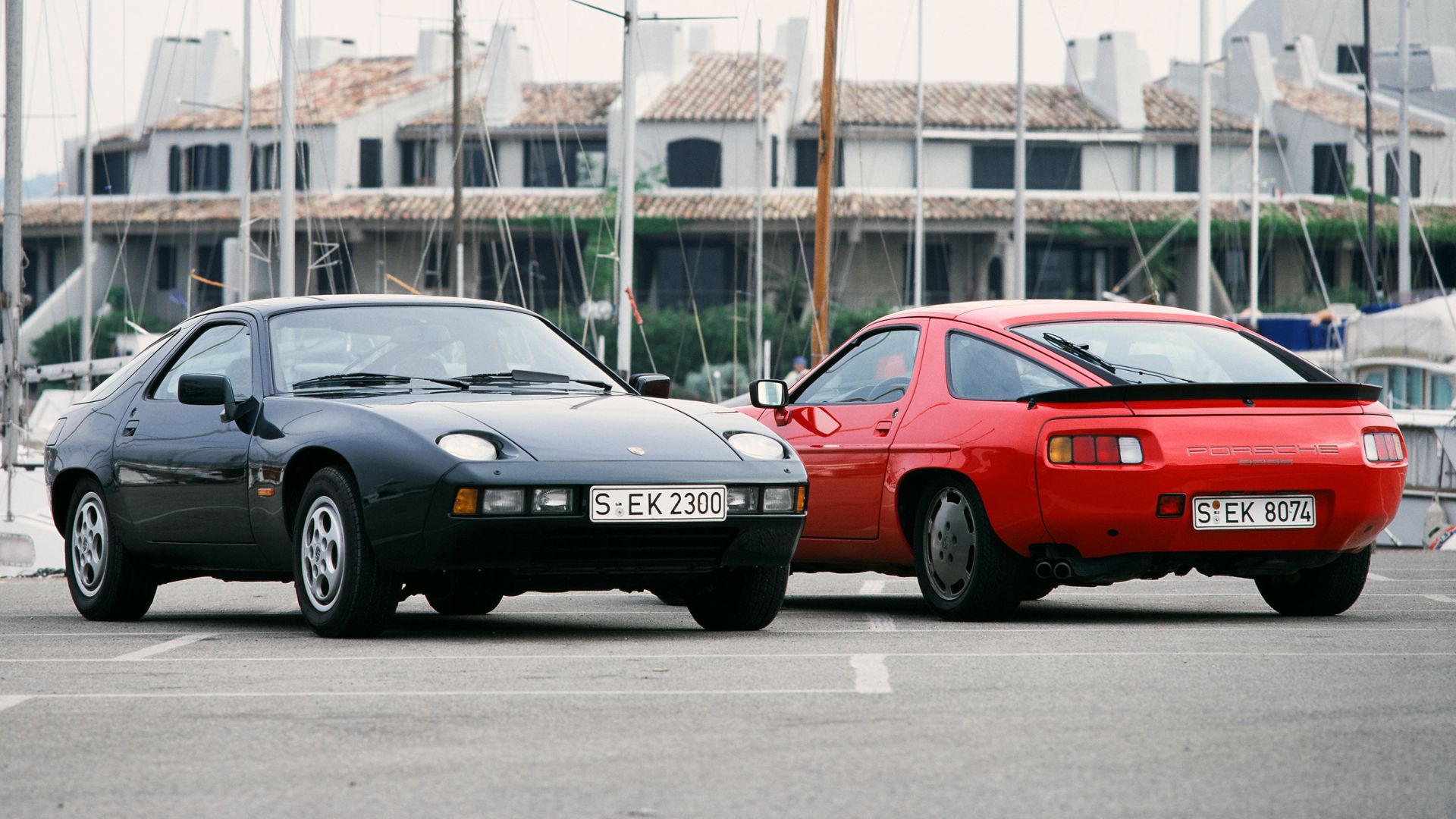
Keen to expand its appeal, Porsche rolled out its first front-engine car in the form of the 924. The small coupe effectively took over the role of the 914 and 912E, but there was still no direct replacement for the 911. But its successor would come in the form of the front-engine, V8-powered 928 debuted in 1977.
It could be said that the 928 was the anti-thesis of the 911. From its front-mounted V8 to its water-cooled engine, it was a massive leap from rear-engine, air-cooled coupe. It was an all-new, clean-sheet design that aimed for the future, but one that purists of the era didn’t quite stomach.
When it was launched, Porsche decided to let the 911 still be produced alongside the V8 grand tourer, but not for long. Of course, we all know that didn’t happen.
Tough times
The late- ‘70s and early- ‘80s weren’t a great time for Porsche. The 928 wasn’t the smash hit it had been hoping for, while the 911 was still in a slump in terms of sales. Things weren’t looking so hot for the company, something unimaginable these days.
Sure, there was the original 911 Turbo in the late ’70s, but its arrival came at a pretty terrible time…right before the second oil crisis. It was initially decided that the 911 be discontinued for good in ’81, but a man named Peter Schutz wasn’t having it.
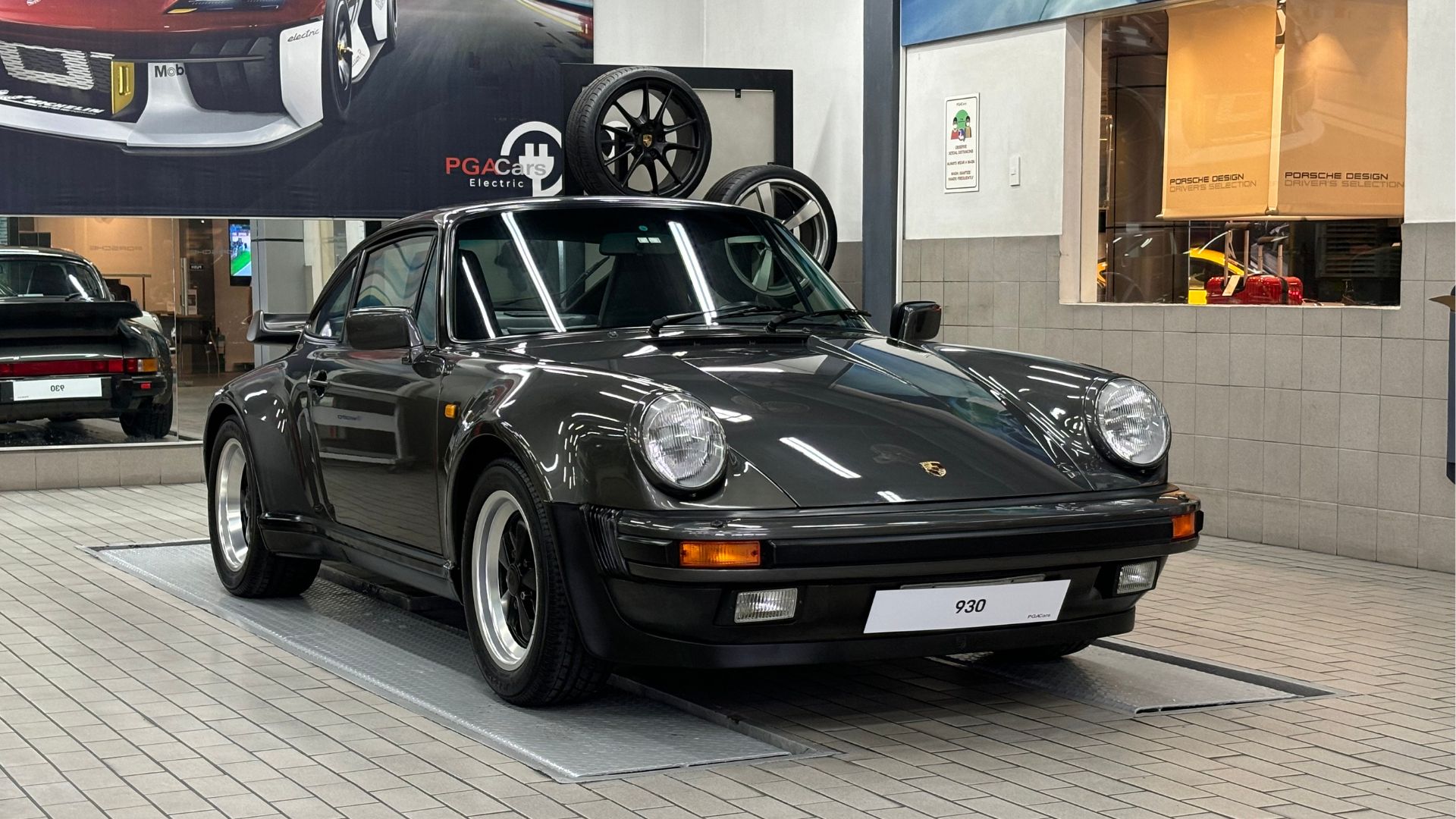
Schutz was Porsche’s CEO from 1980 to 1987. He was also the one who said that the 911 should live on beyond 1981. One anecdote was that he picked up a marker, drew a line on the 911’s product life cycle that was supposed to end in ’81, and extended the said line beyond the chart and into the office’s wall. He then told the chief engineer at the time to ‘make it happen’. He was dead set on keeping the 911 going for as long as it took.
As a result, quality and other improvements were made to the 911, along with other models such as the 924, 944, and 928. Sales eventually bounced back, but unfavorable exchange rates in the US meant sales plummeted (again), bringing them back to square one.
A new dawn
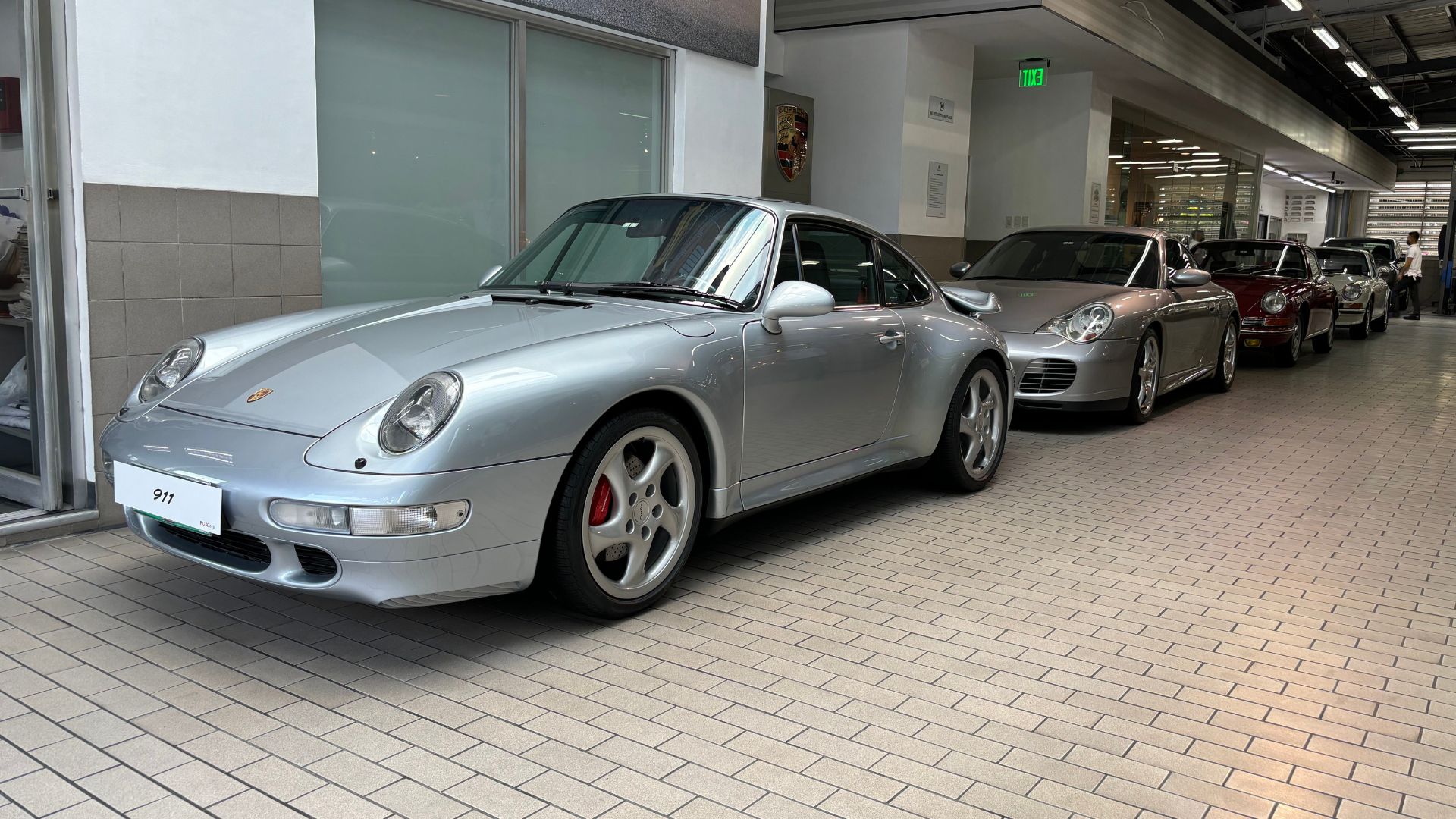
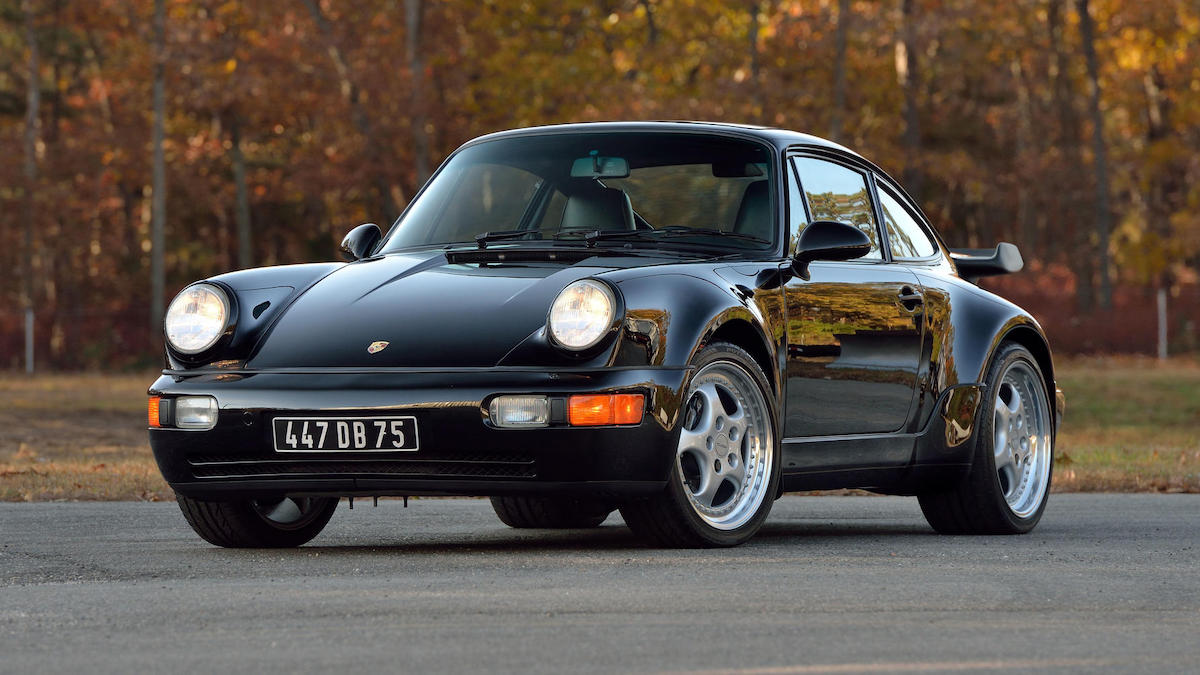
Porsche was down, but not out, just before the ‘80s. Still, that didn’t stop them from giving the 911 a major update. Dubbed the 964, it was penned by Filipino designer, Benjamin Dimson. Yes, a Pinoy designed a 911 model, and that’s something we all could be proud of. It also didn’t stop the company from building the mighty 959 supercar.
Nonetheless, the company was still hemorrhaging money. In a bid to turn things around, Porsche consulted Toyota to make its manufacturing process more streamlined and less time (and money) consuming. In many ways, Toyota helped Porsche get back on its feet.
Things were looking up by the mid- ‘90s with the introduction of the 993 911. It was then followed up by its first mid-engine car in decades, the Boxster. Finally, Porsche was in rude health, but a greater and more shocking change was to come at the turn of the millennium.
Selling out?
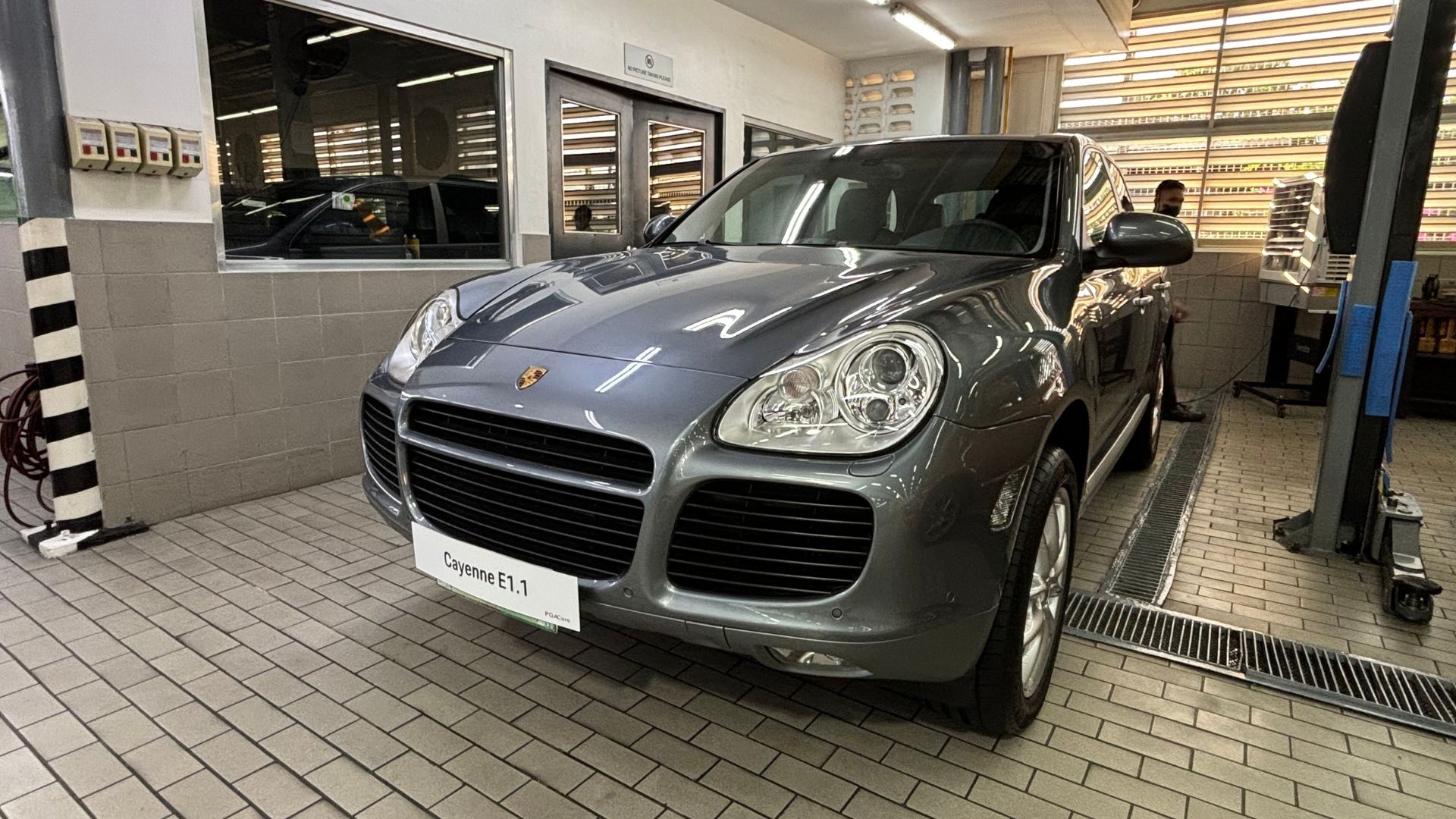
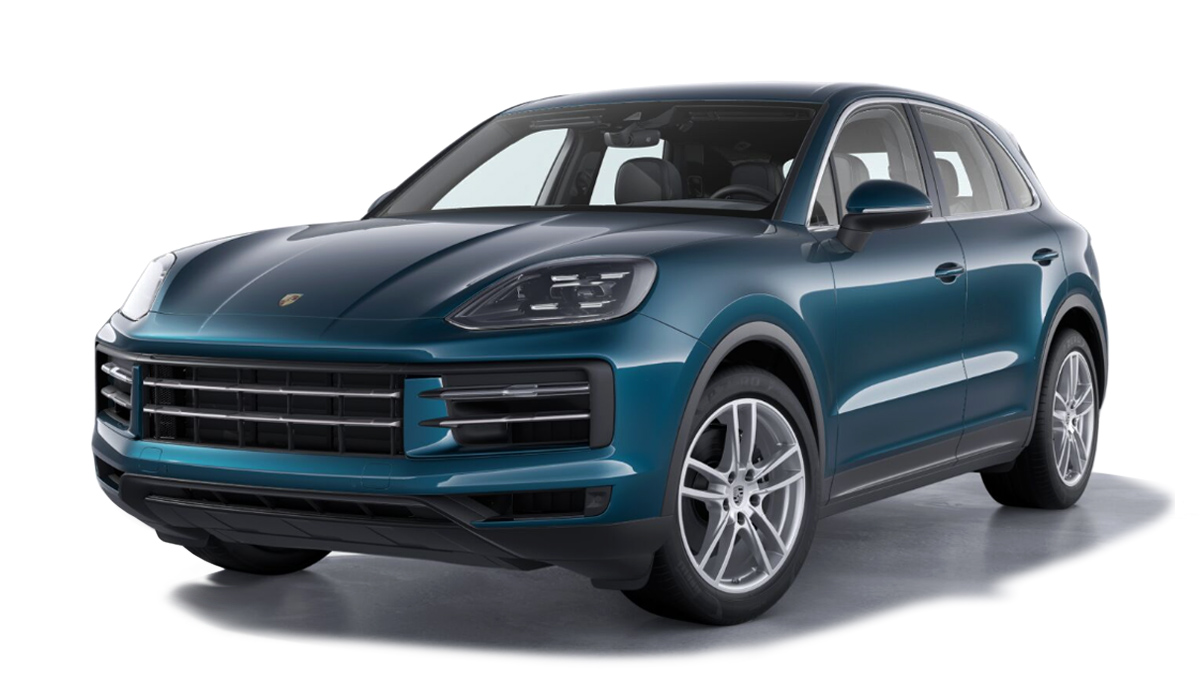
We’ll get straight to the point: The first-gen Cayenne caused a massive uproar among the Porsche purists. “A Porsche SUV? That can’t be! It’s heretic! It’s just not right! Porsche is selling out to SUV-loving people!”
It was a bold and risky move, indeed, just like the 928 from the late-’70s. However, unlike the 928, it’s a gamble that paid off big time. It quickly became the company’s best-selling model. Turns out, the general public do like the idea of a Porsche SUV and its sales numbers proved that.
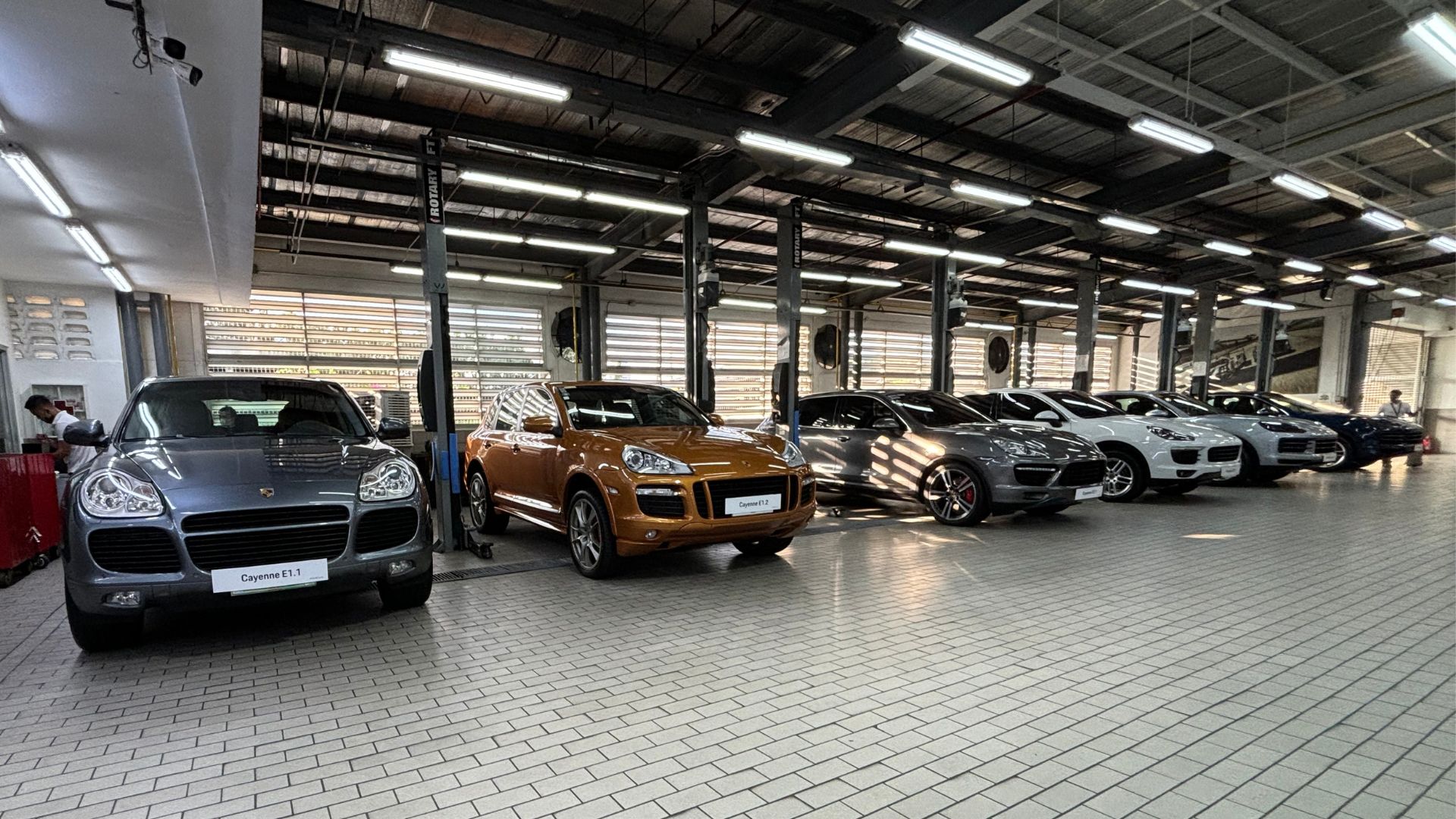
If the Cayenne wasn’t made, Porsche wouldn’t be what it is today. The profits it had made from the Cayenne over the years meant the company could keep building some of the best sports cars out there. Like it or loathe, it brought the company to new heights.
Porsche today
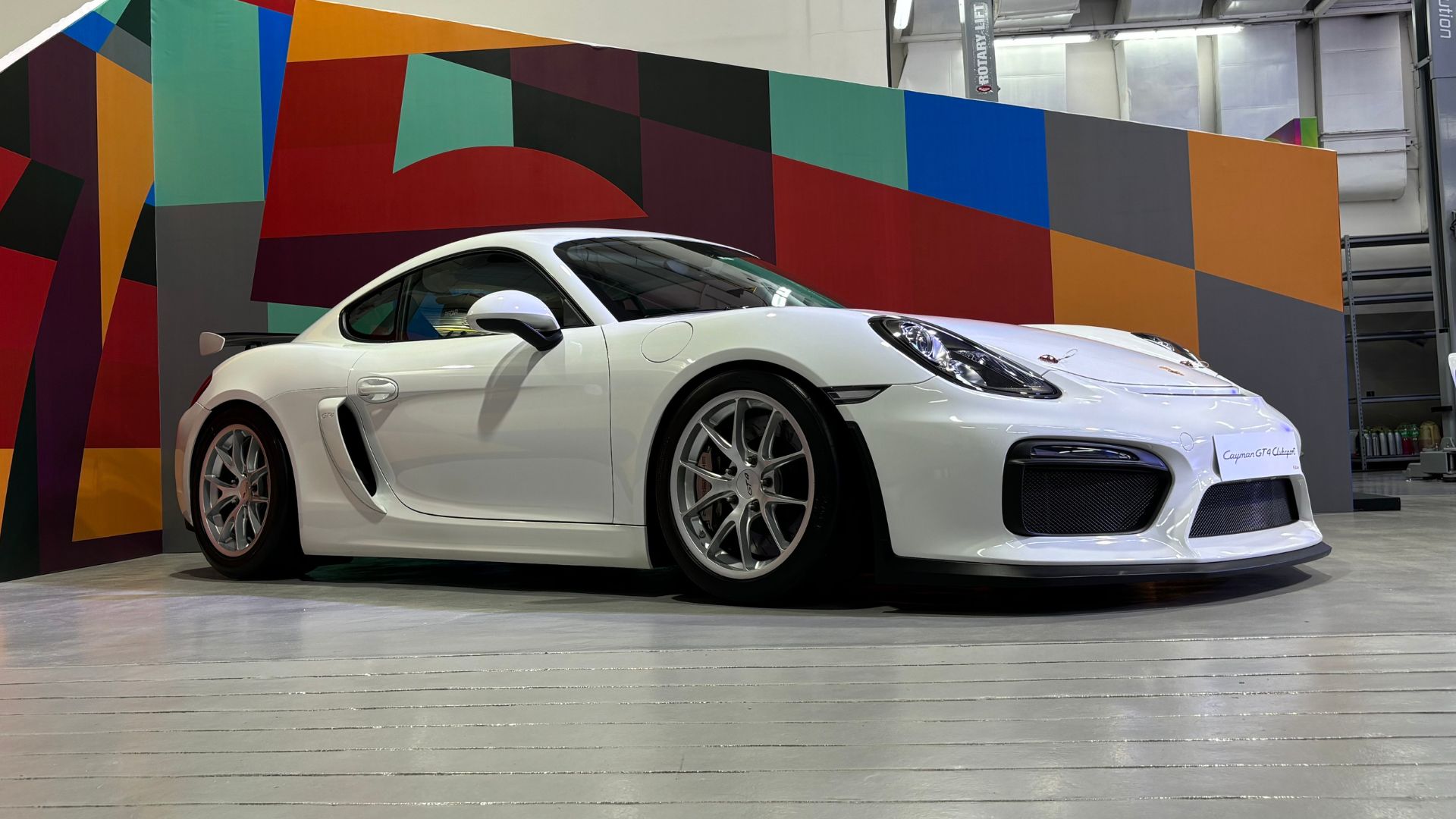
The rapid growth Porsche achieved in the 2000s resulted in the wide selection of models available today. The Boxster was joined by the Cayman in 2005, followed by the Panamera in 2010.
Heck, they were even brave enough to add a second crossover in the form of the Macan in 2014 to rake in more sales and profits. Then there’s the Taycan that joined the range in 2019, its first ever mass-produced electric vehicle. While still a niche company, Porsche has made sure it has a model that suits the exact wants and needs of its (well-heeled) customers.
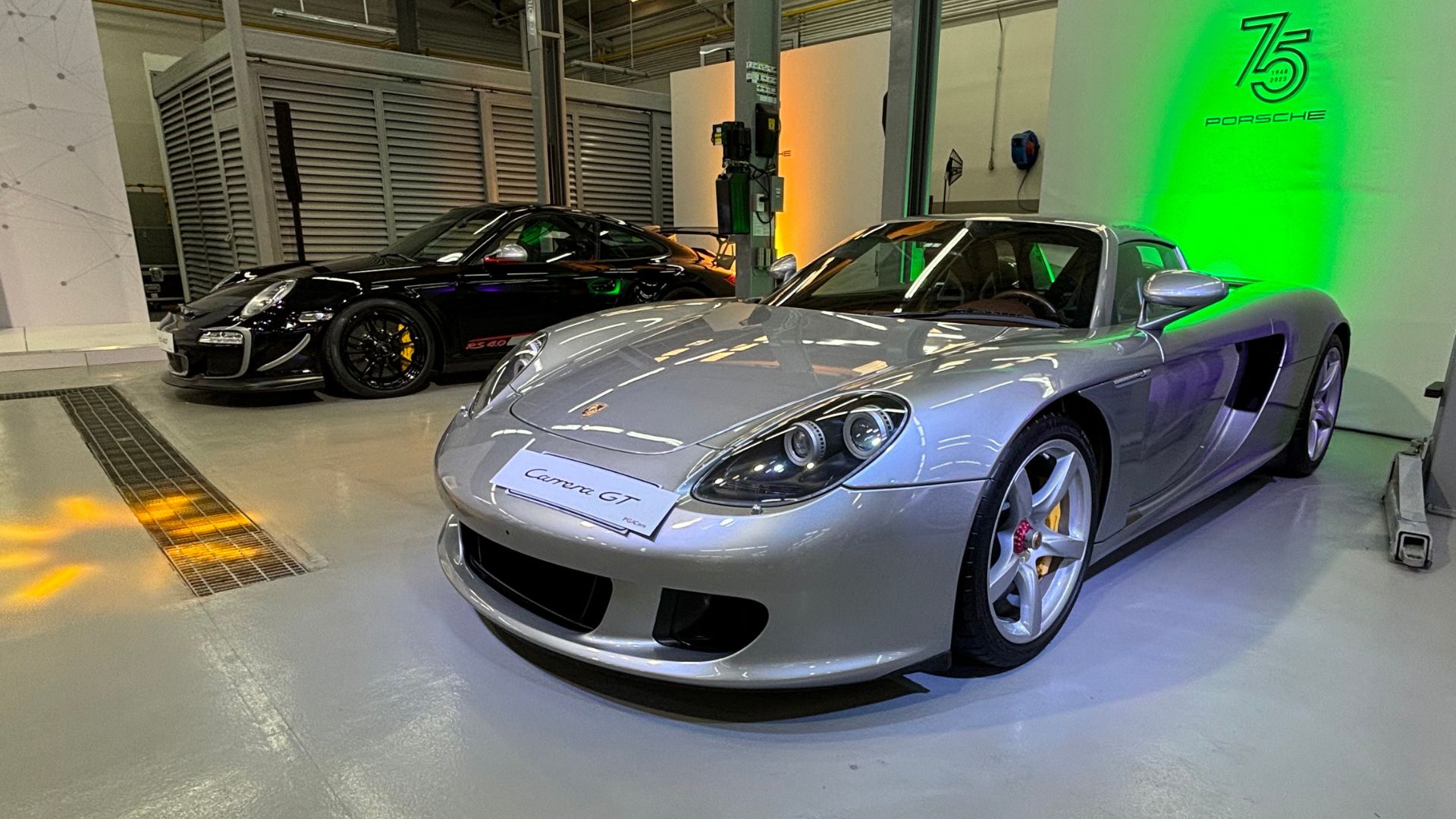
Sure, Porsche is more mainstream now, but let’s not forget that they made/still make some of the most memorable sports cars ever made in recent history. The Carrera GT and 918 Spyder come to mind, along with successive generations of the 911 and its extreme versions such as the GT3 RS and GT2 RS.
And let’s not forget Porsche’s success on the world’s race tracks and the occasional rally stage. But that’s a story for another time.